Shape identification Math Worksheets for Ages 3-9
33 filtered results
-
From - To
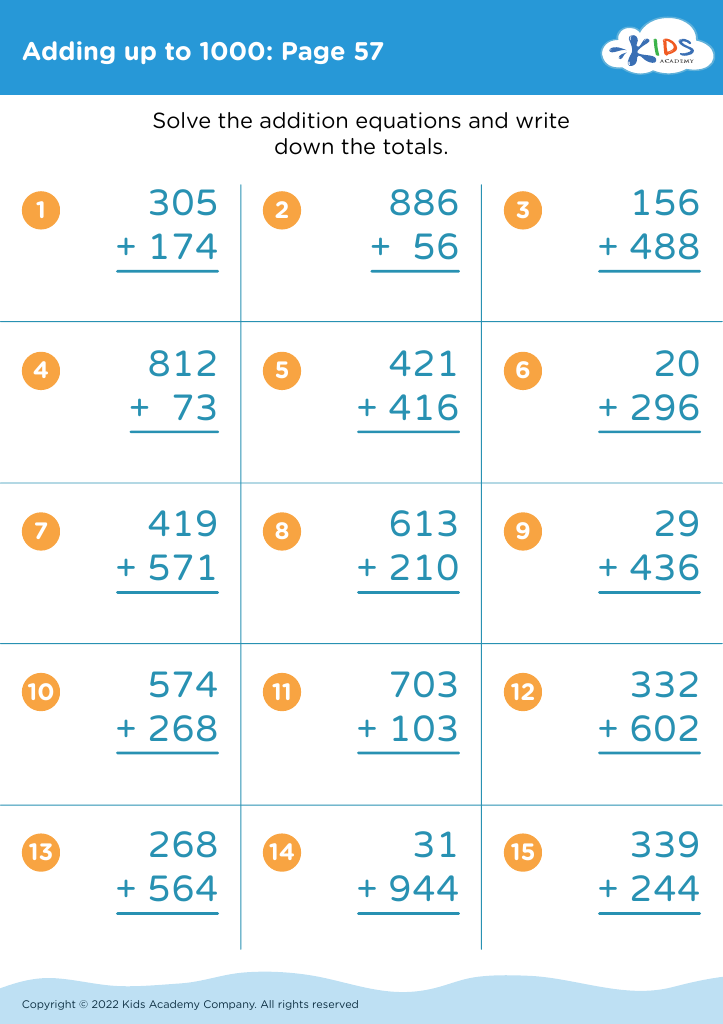
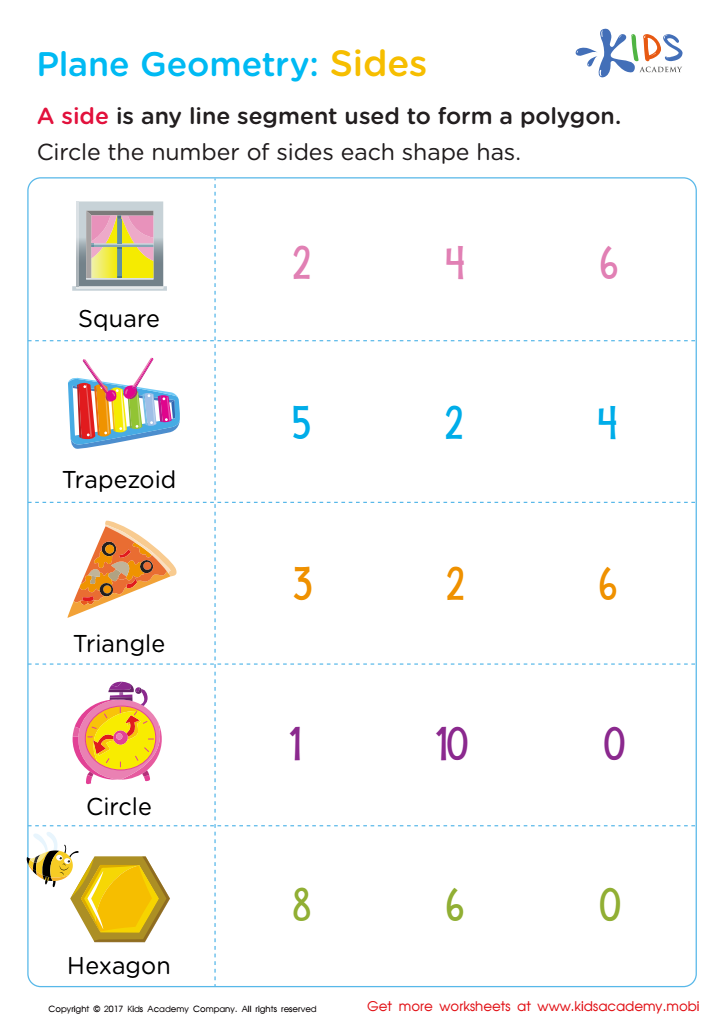
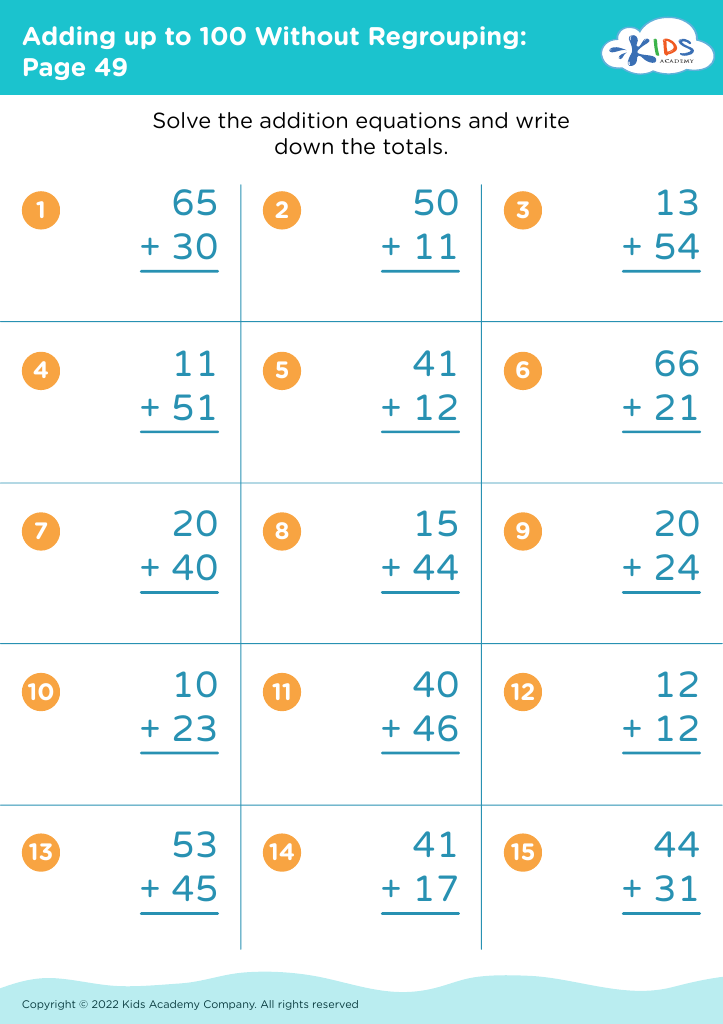
Discover our Shape Identification Math Worksheets designed for children ages 3-9! These engaging, colorful worksheets are tailored to help young learners recognize and identify various geometric shapes through fun activities. Kids will enhance their visual discrimination and cognitive skills while enjoying puzzles, matching games, and tracing exercises. Ideal for both classroom and home use, our worksheets align with early education standards, providing a solid foundation for future math success. Encourage your child's curiosity and geometric understanding with our expertly crafted, age-appropriate shape identification resources. Visit Kids Academy to download and start learning today!
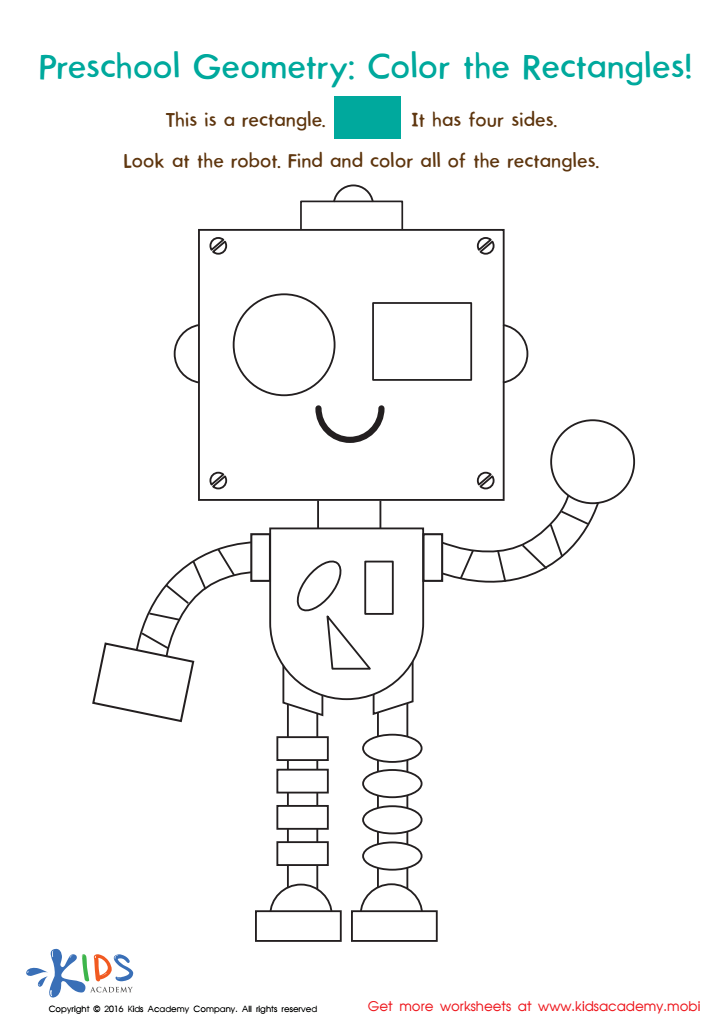
Geometry Worksheet
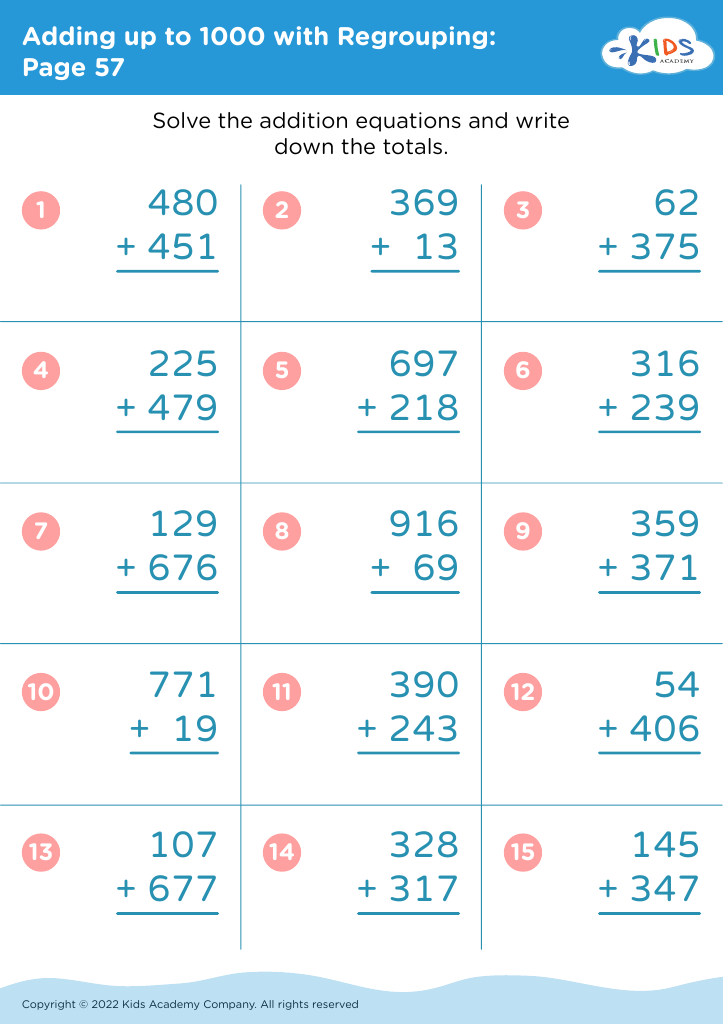
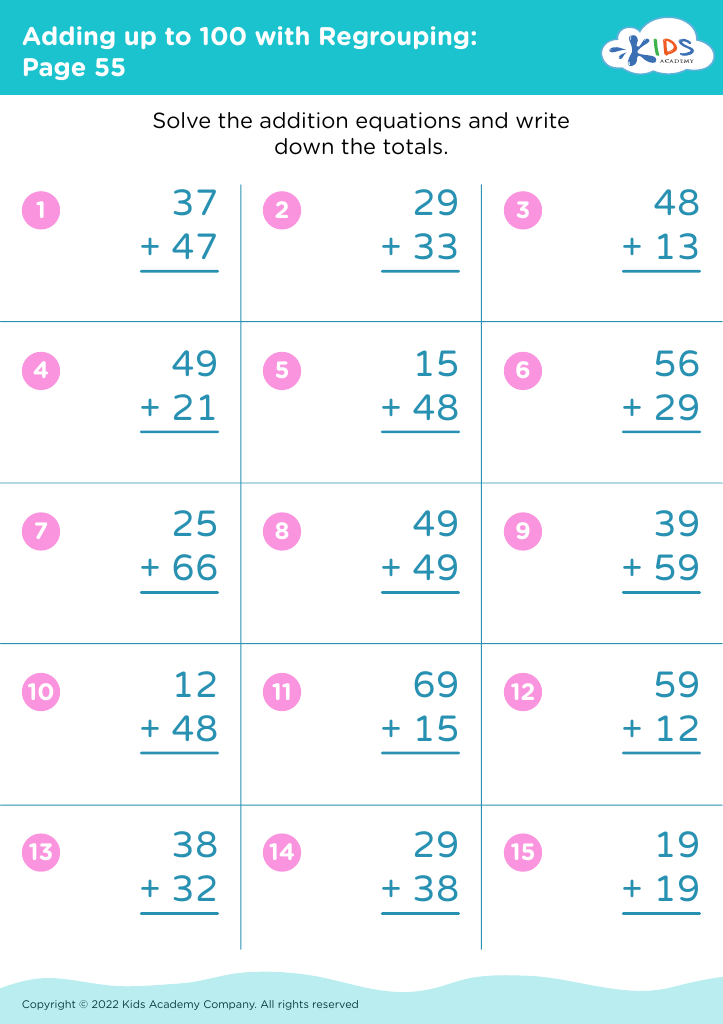
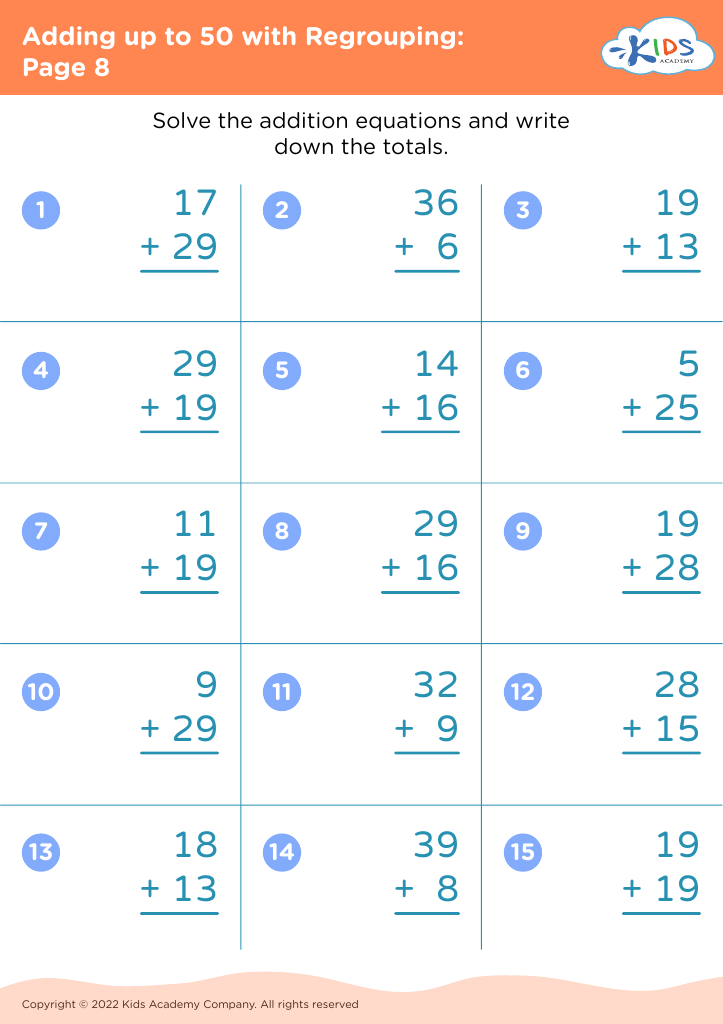
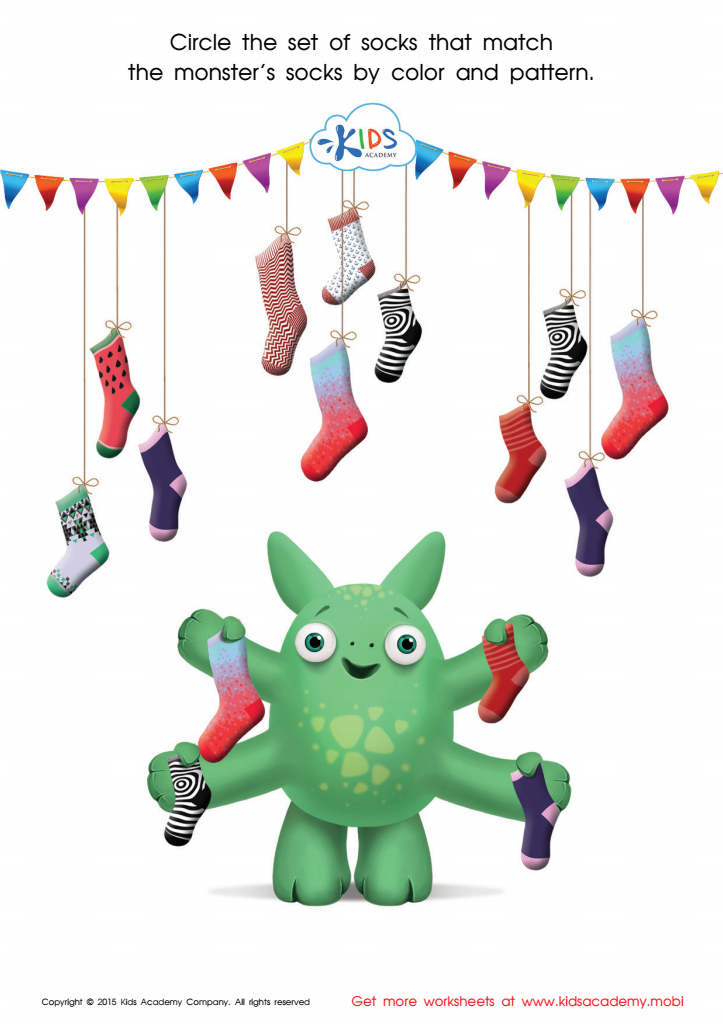
Sort the Monster's Socks Worksheet
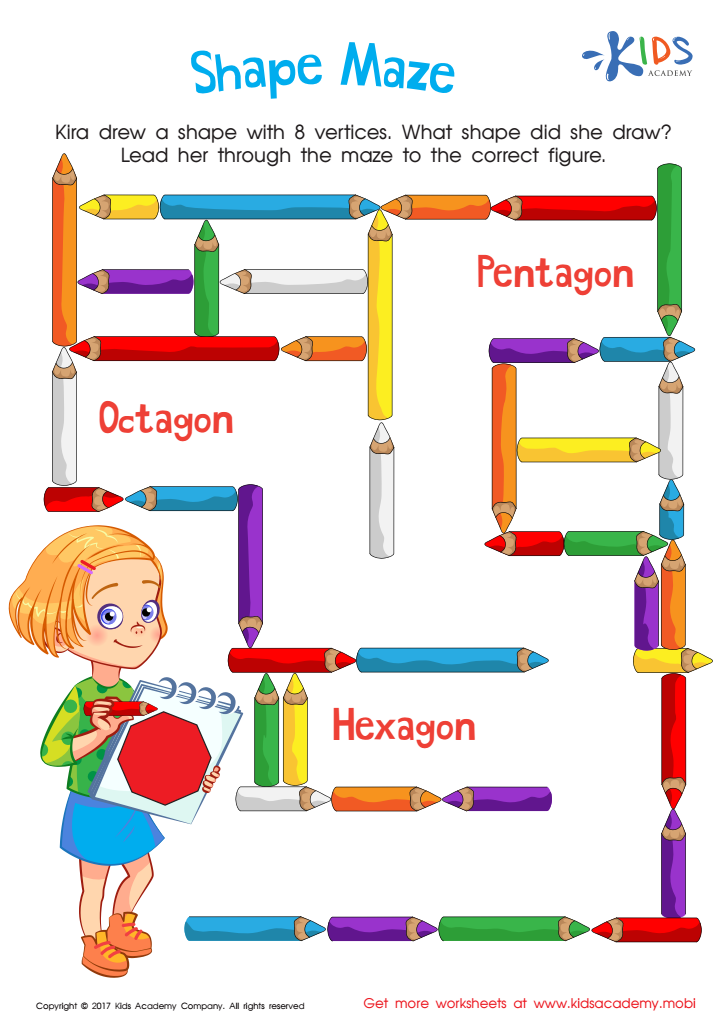
Shape Maze Worksheet
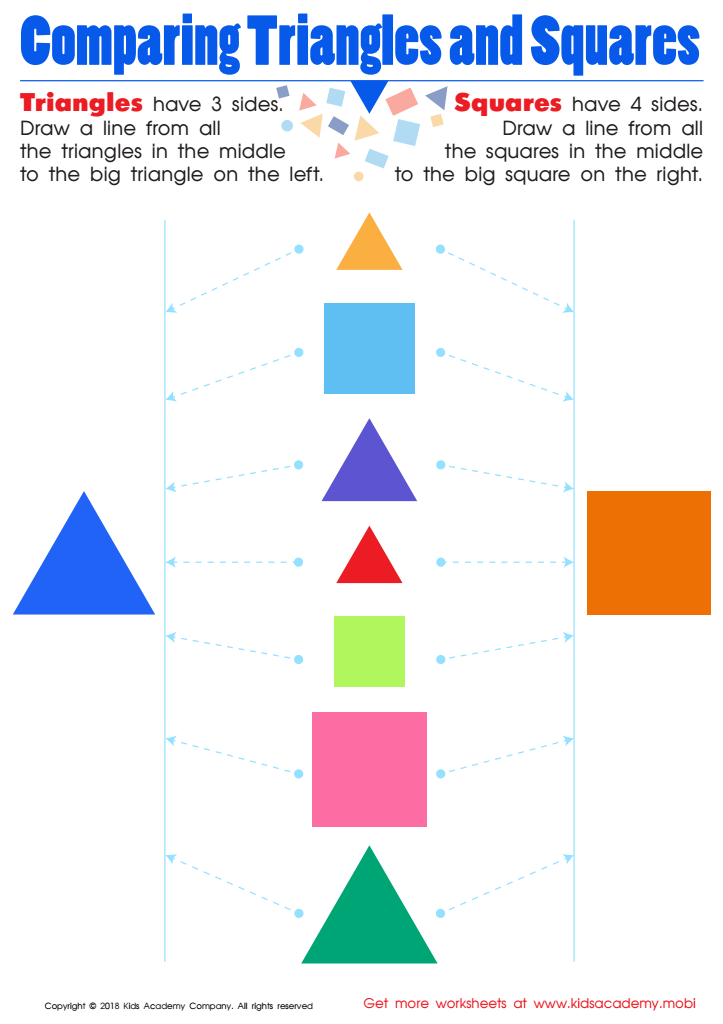
Comparing Triangles Squares Worksheet
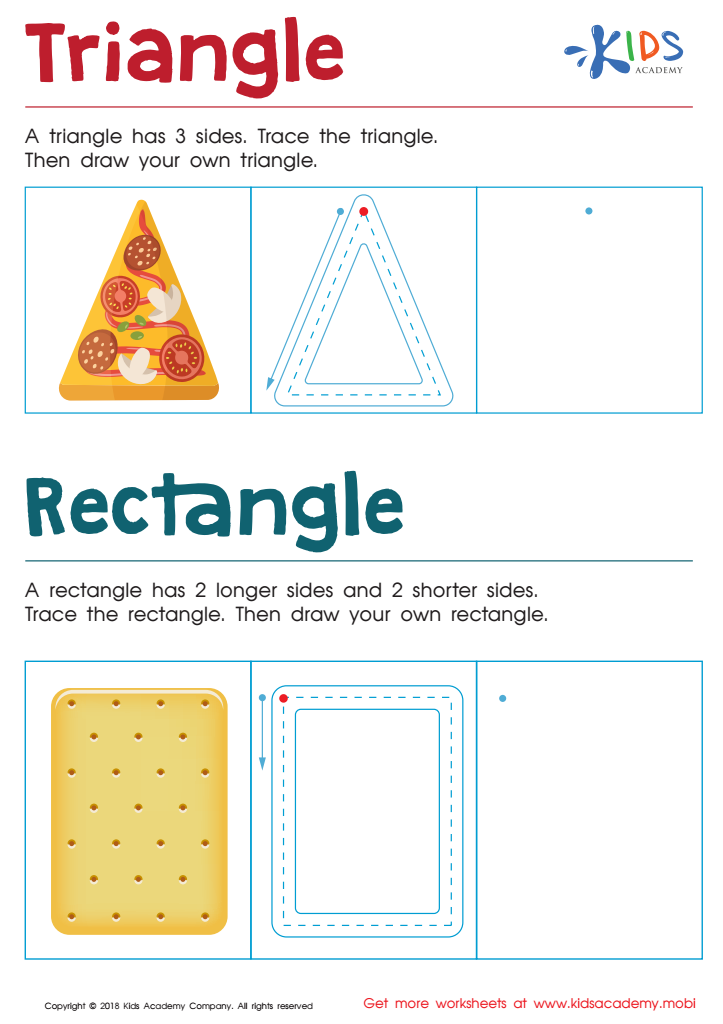
Triangle Rectangle Worksheet
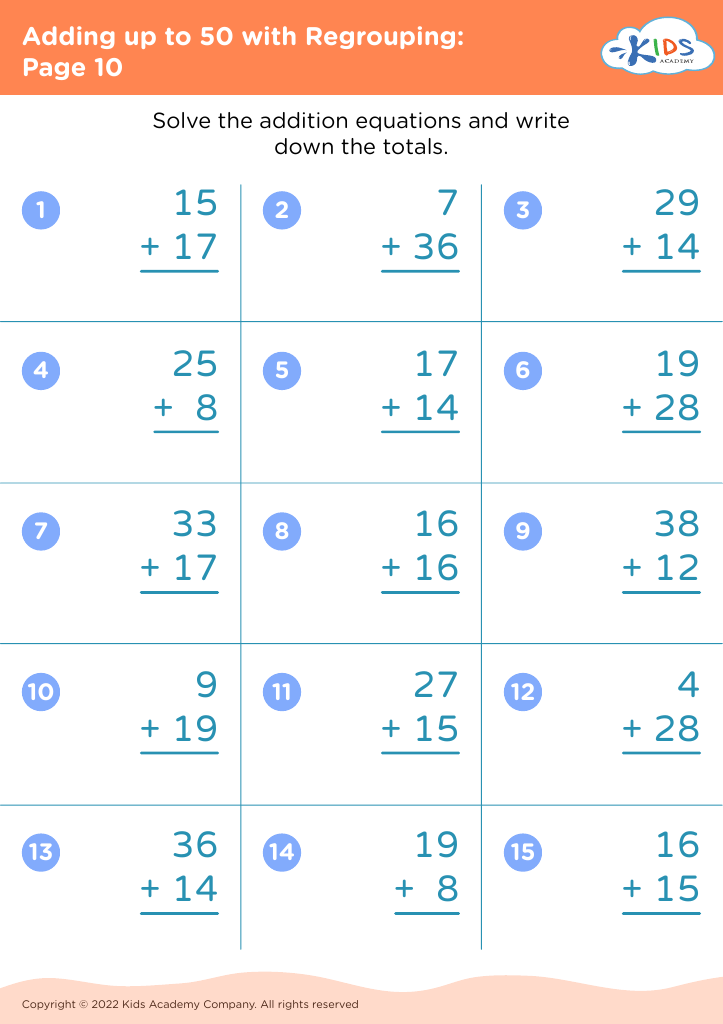
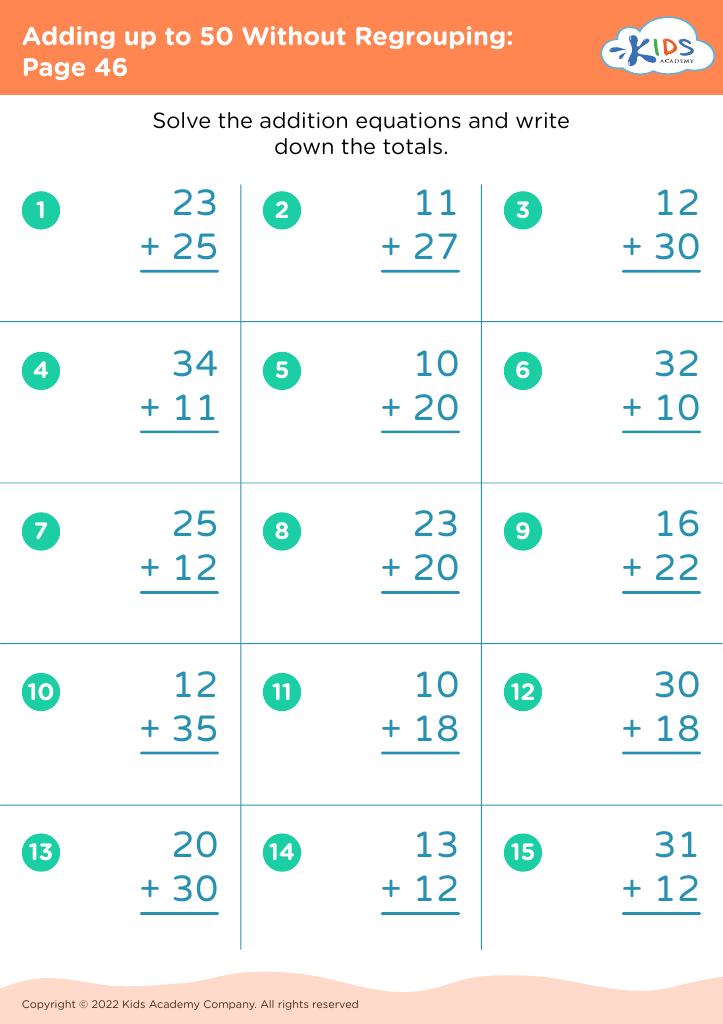
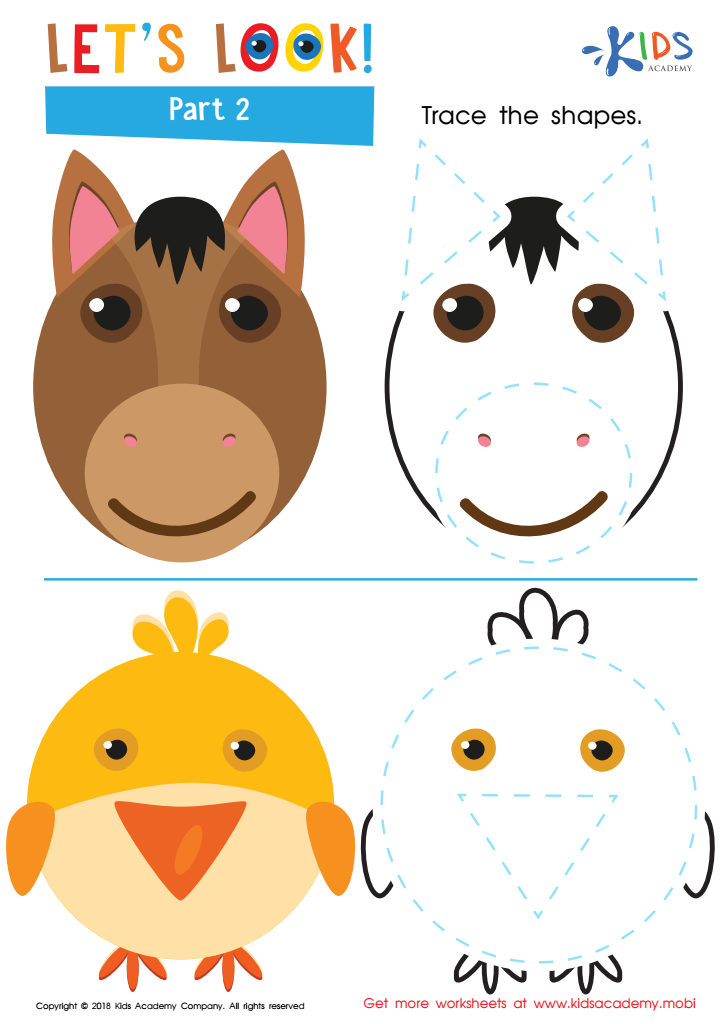
Let's Look! Part 2 Worksheet
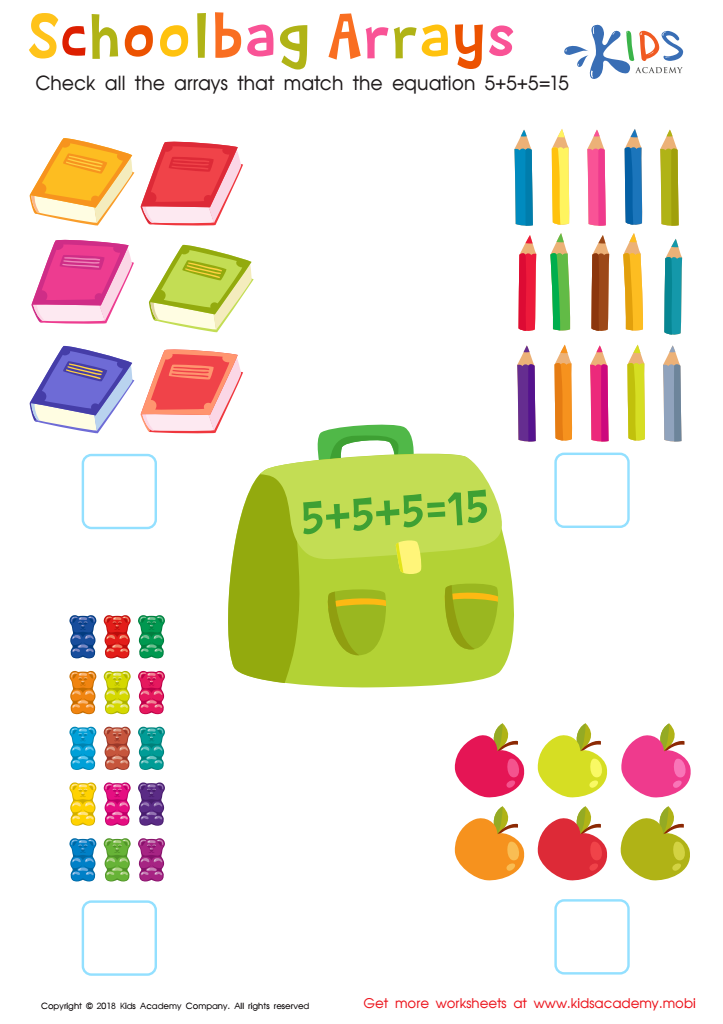
Schoolbag Arrays Worksheet
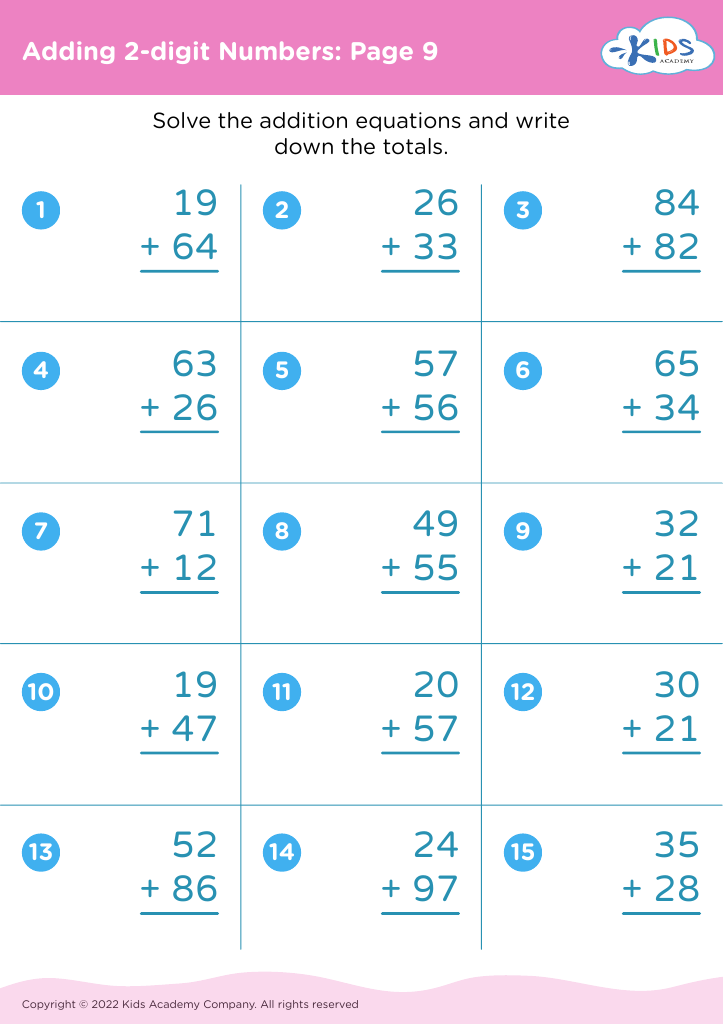
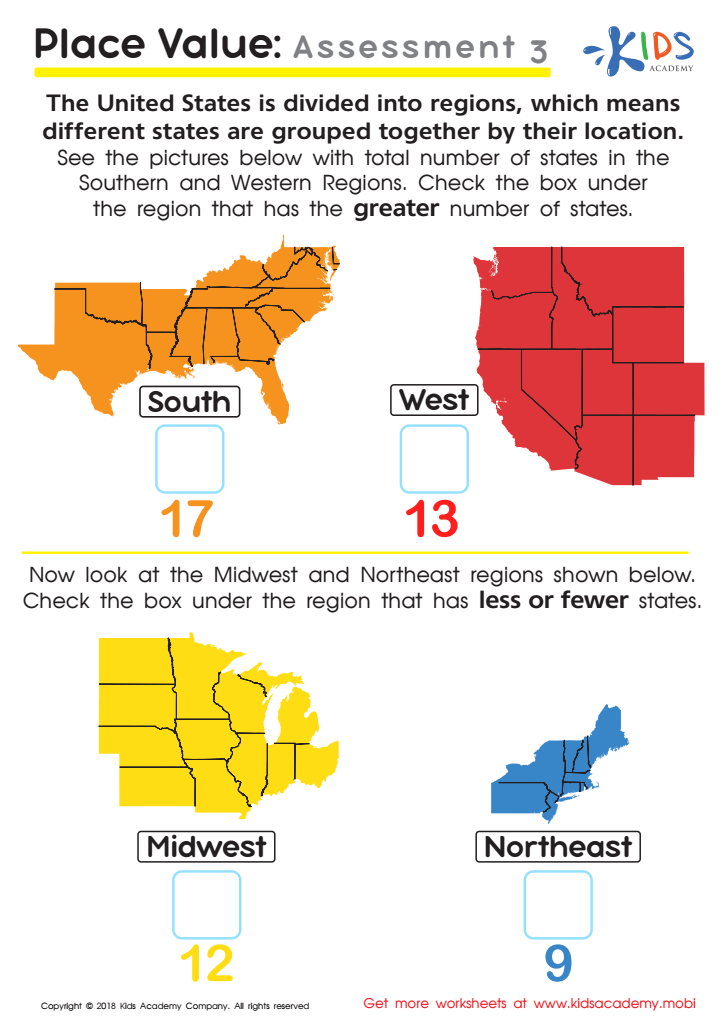
Place Value: Assessment 3 Worksheet
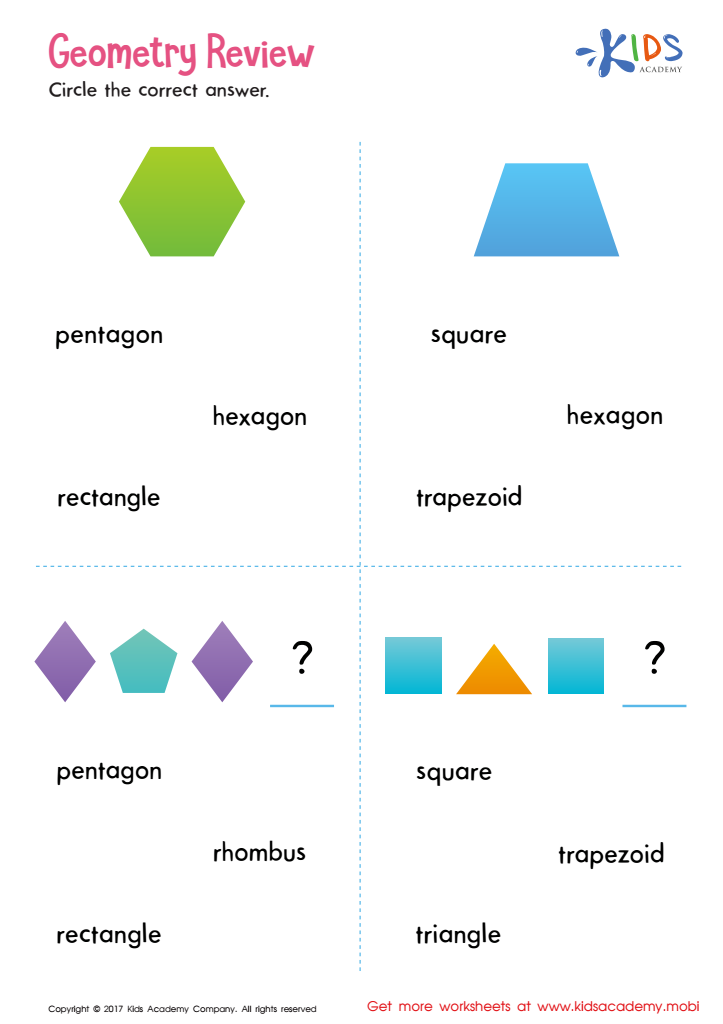
Geometry Review Printable
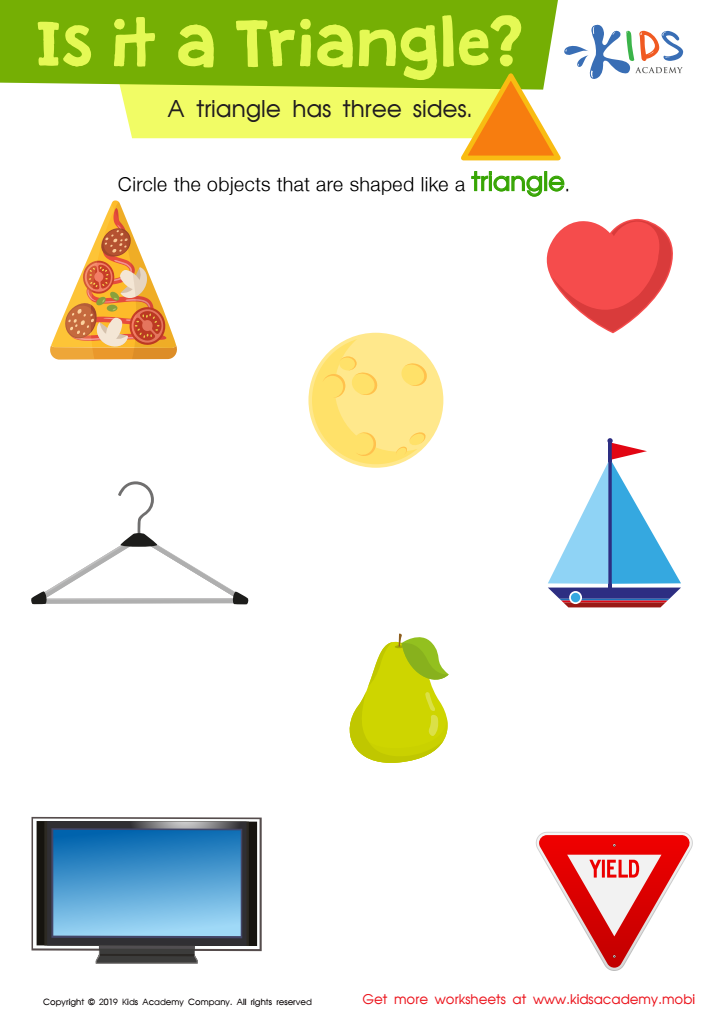
Is It a Triangle? Worksheet
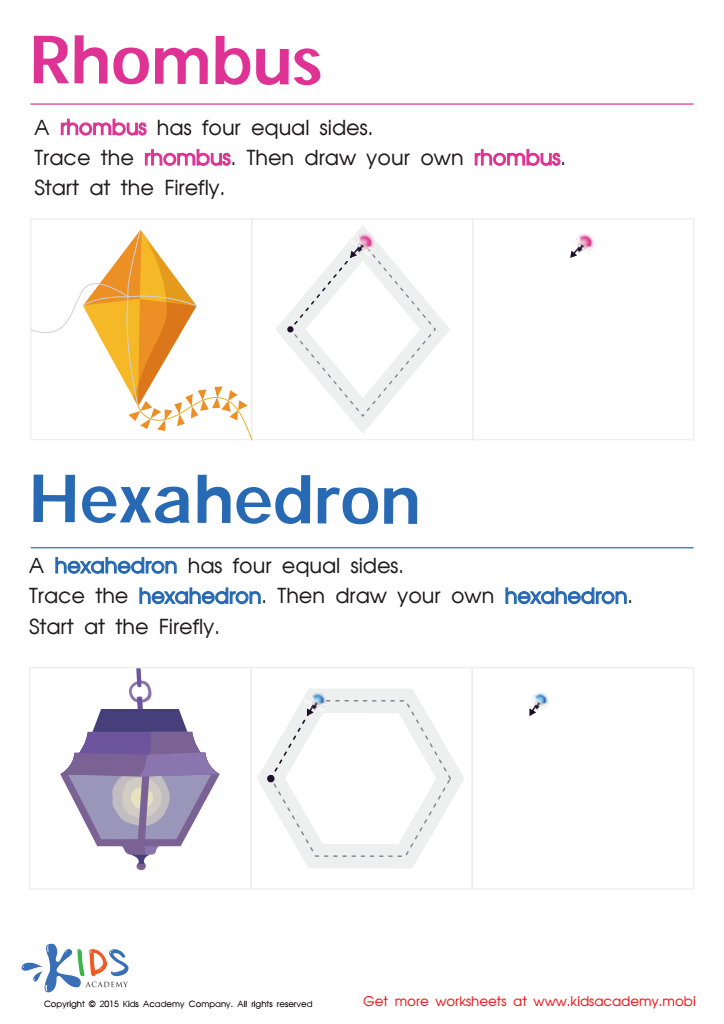
Draw a Rhombus And a Hexahedron Printable
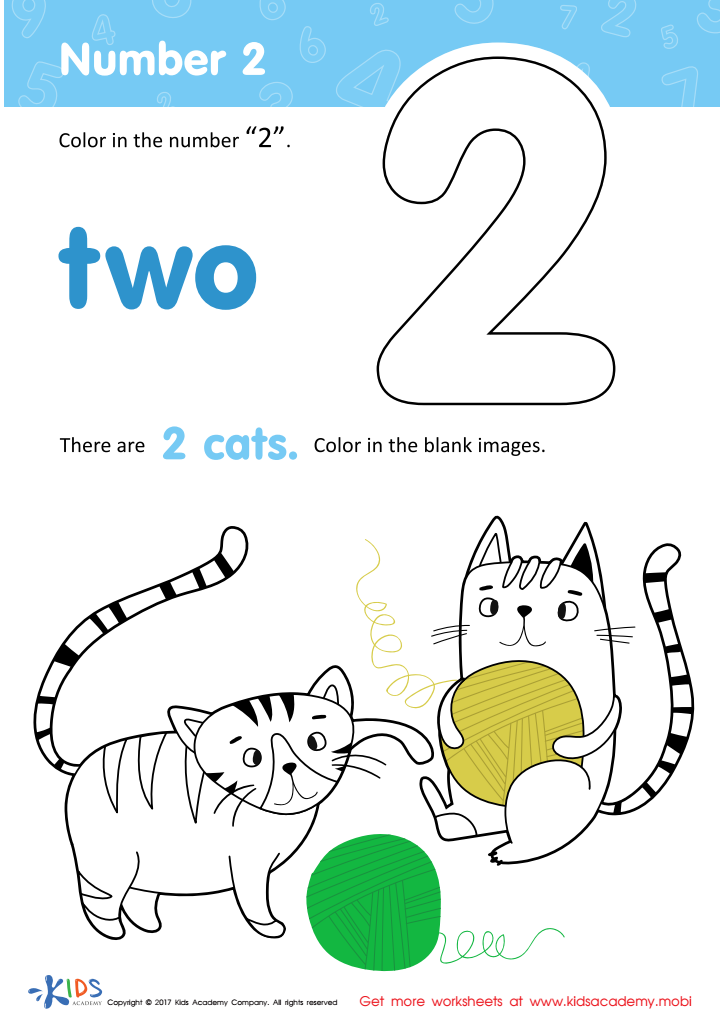
Number 2 Printable
 Assign to My Students
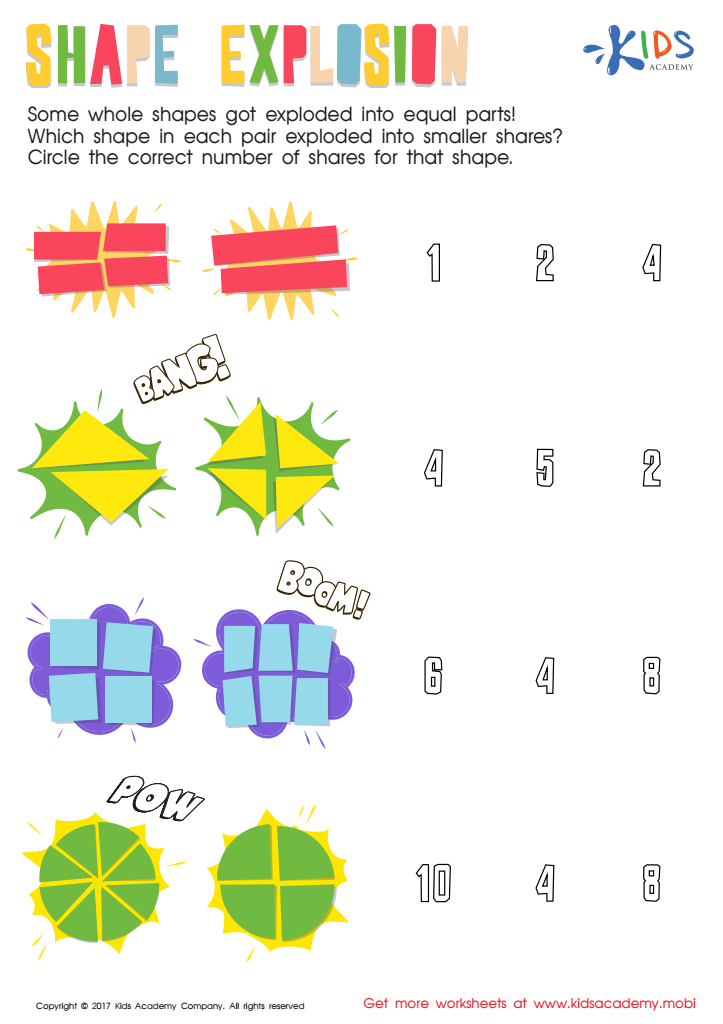
Shape Explosion Worksheet






Shape identification is a foundational aspect of early childhood education that considerably impacts children’s cognitive and academic development, particularly for ages 3-9. Recognizing and understanding shapes not only aids in improving visual perception skills but also establishes the groundwork for more advanced mathematical concepts. As children identify and classify shapes, they develop their spatial awareness, critical thinking, and problem-solving abilities—skills that are crucial throughout their schooling and beyond.
For instance, comprehending how different shapes fit together lays the foundation for geometry, a significant branch of mathematics. The ability to discern shapes in the environment assists children in describing and navigating their world more effectively, thereby boosting their observational and descriptive capacities.
In addition, shape identification prepares children for learning numbers and letters, as many of these are composed of shapes and line segments. Engaging in activities that involve shape sorting, puzzle completion, and pattern recognition enhances fine motor skills and cognitive flexibility.
Overall, parents and teachers should prioritize shape identification because it fosters a rounded developmental approach, complemented by enhanced numeracy and literacy skills. By integrating shape activities into daily routines and classroom settings, adults can support a child's holistic educational and personal growth, ensuring they build a strong, versatile foundation for future learning and everyday life.








