Understanding patterns Math Worksheets for Ages 3-9
52 filtered results
-
From - To
Discover the joy of learning with our "Understanding Patterns Math Worksheets" designed specifically for children aged 3-9! These engaging worksheets foster essential early math skills through fun and interactive pattern recognition activities. From simple AB patterns to more complex sequences, kids will develop critical thinking and problem-solving abilities while enhancing their creativity. Our carefully crafted exercises encourage exploration and reinforce key concepts, making math accessible and enjoyable. Perfect for parents and educators, these worksheets provide valuable practice to support young learners in mastering patterns, laying a strong foundation for future math success. Explore our diverse collection and watch your child's confidence grow!
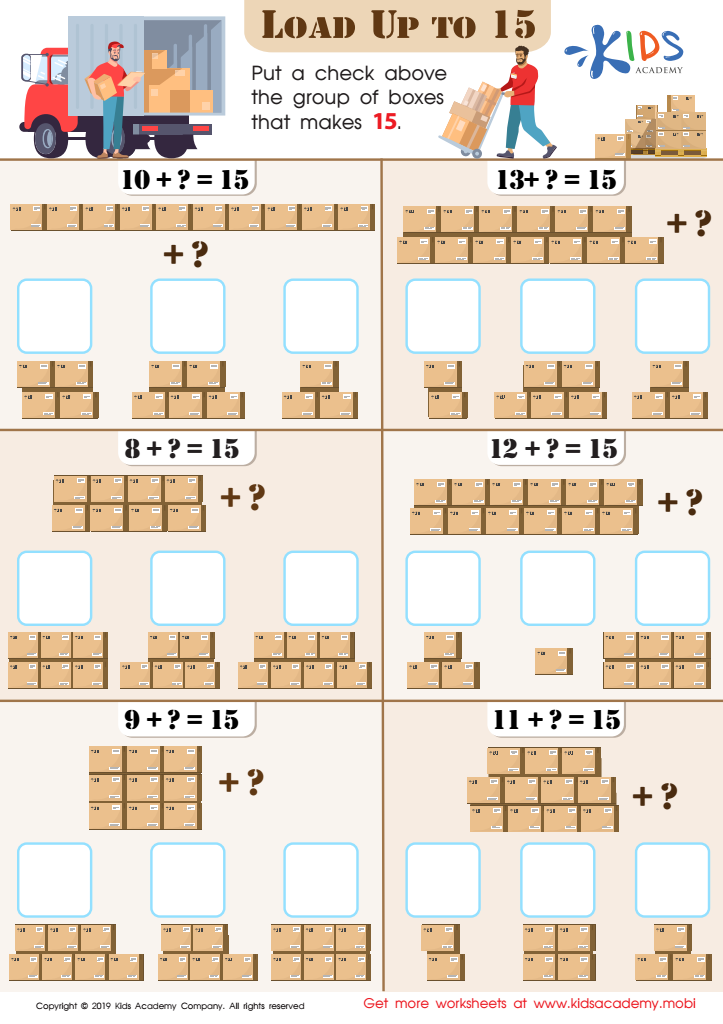
Load up to 15 Worksheet
 Assign to My Students
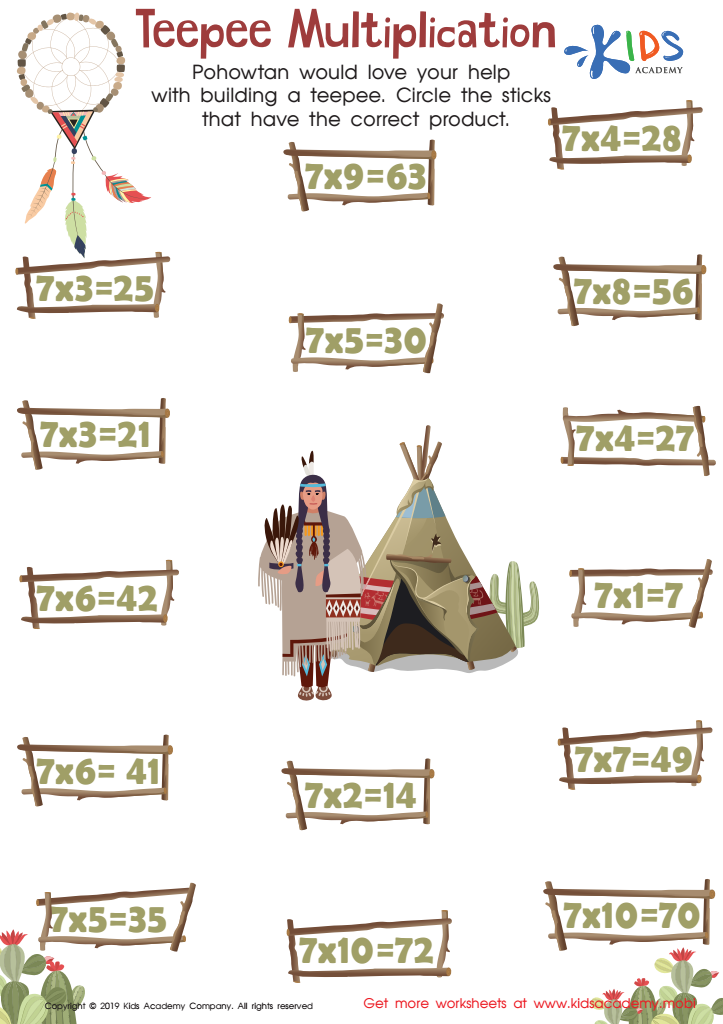
Teepee Multiplication Worksheet
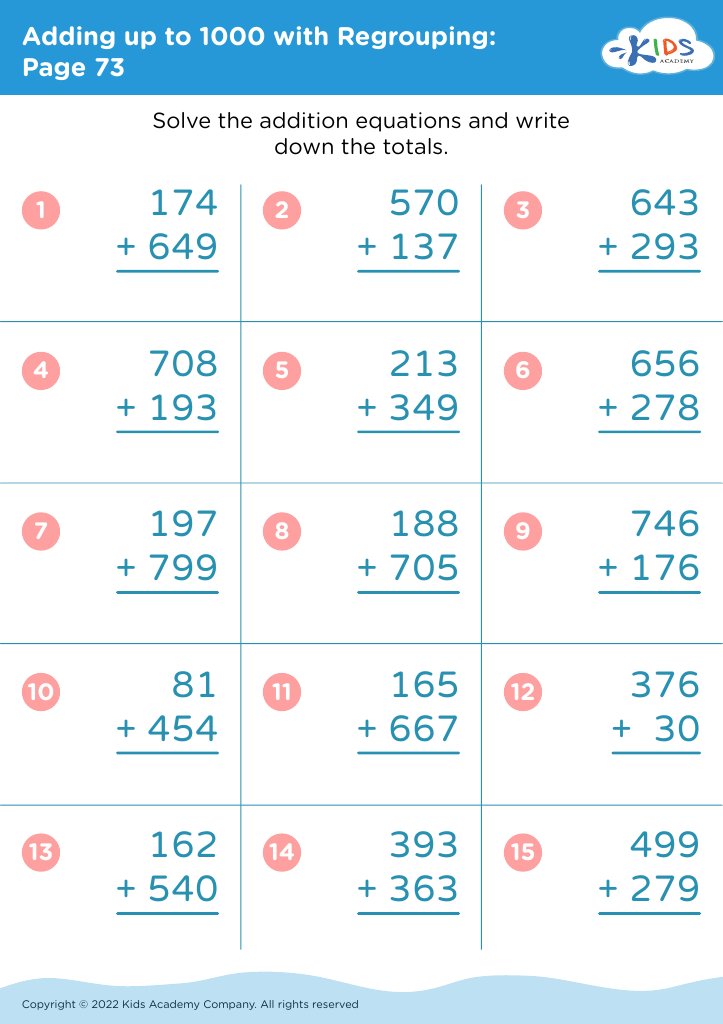
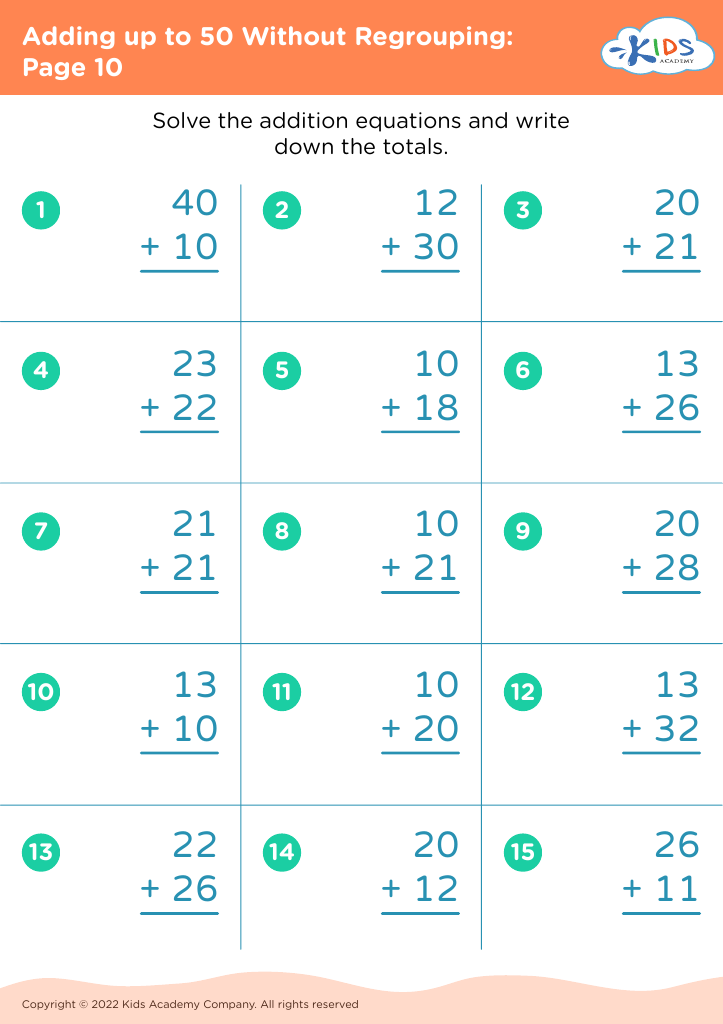
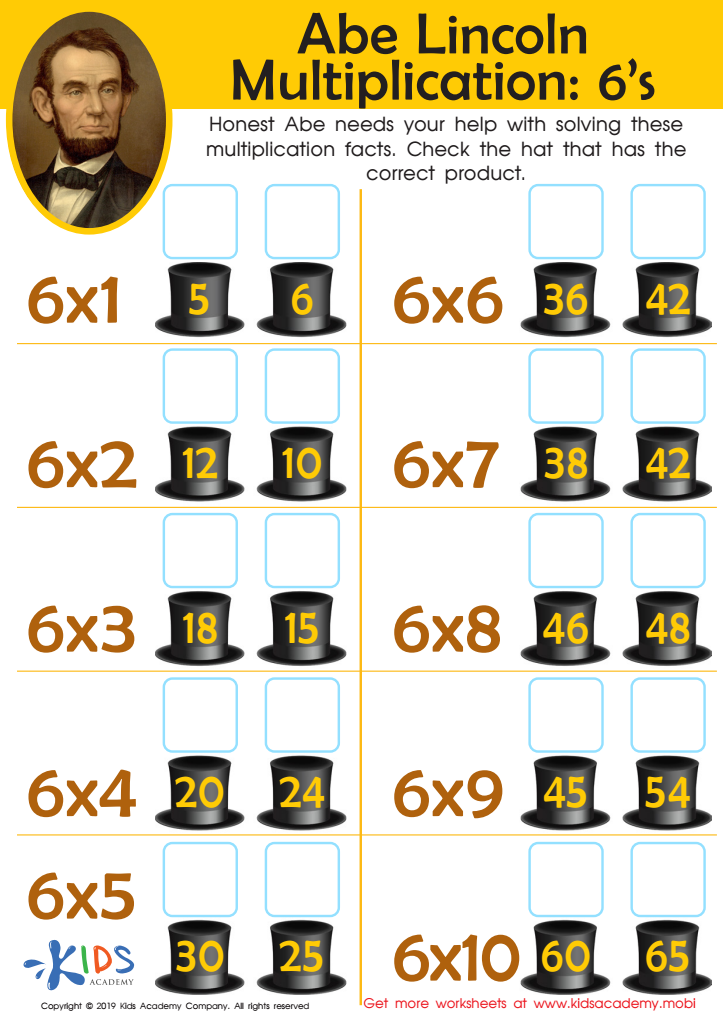
Abe Lincoln Multiplication: 6’s Worksheet
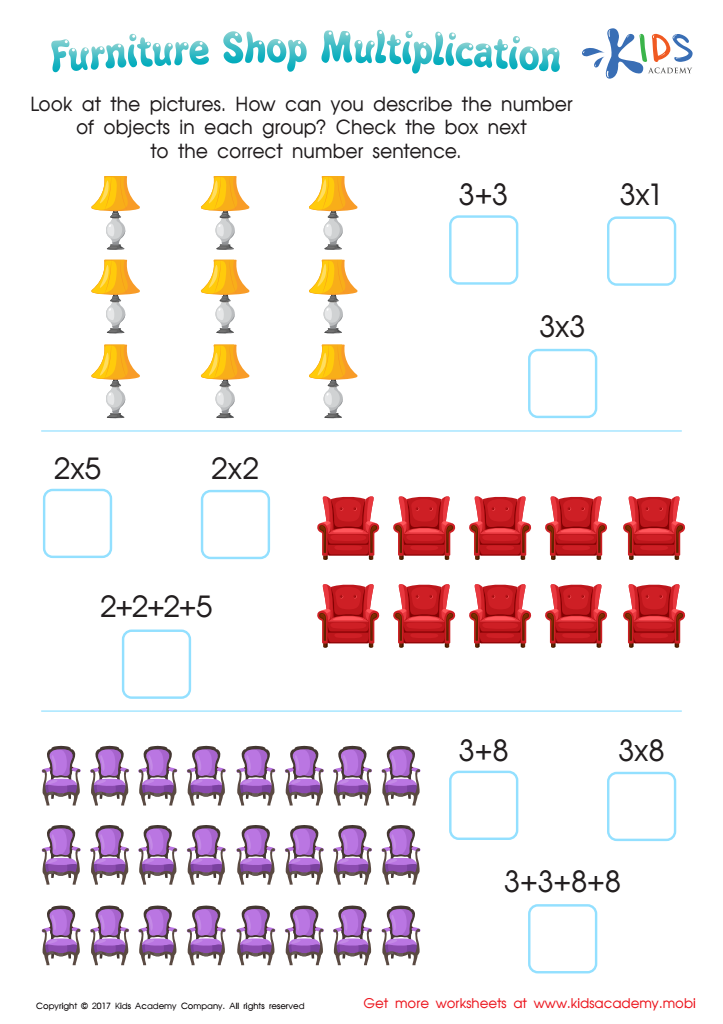
Furniture Shop Worksheet
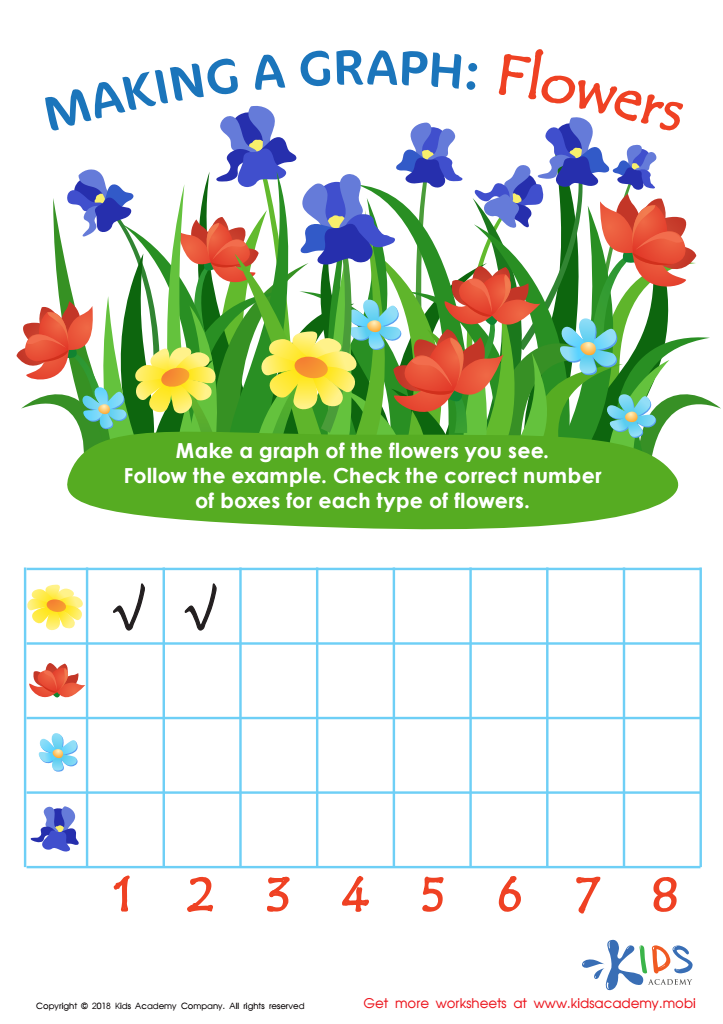
Making a Graph: Flowers Worksheet
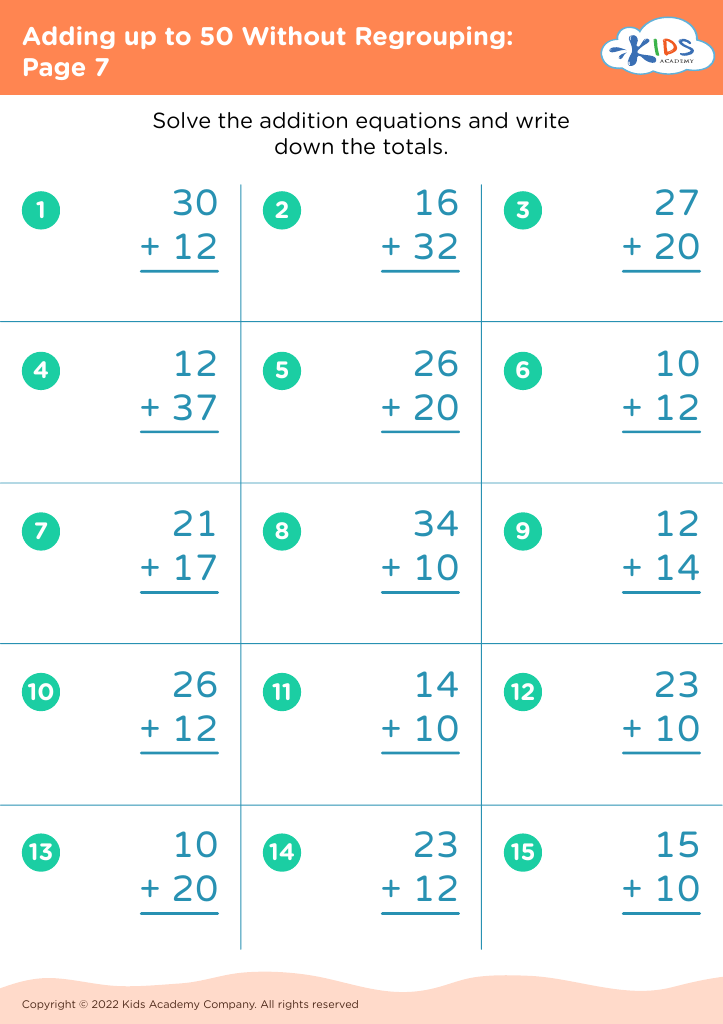
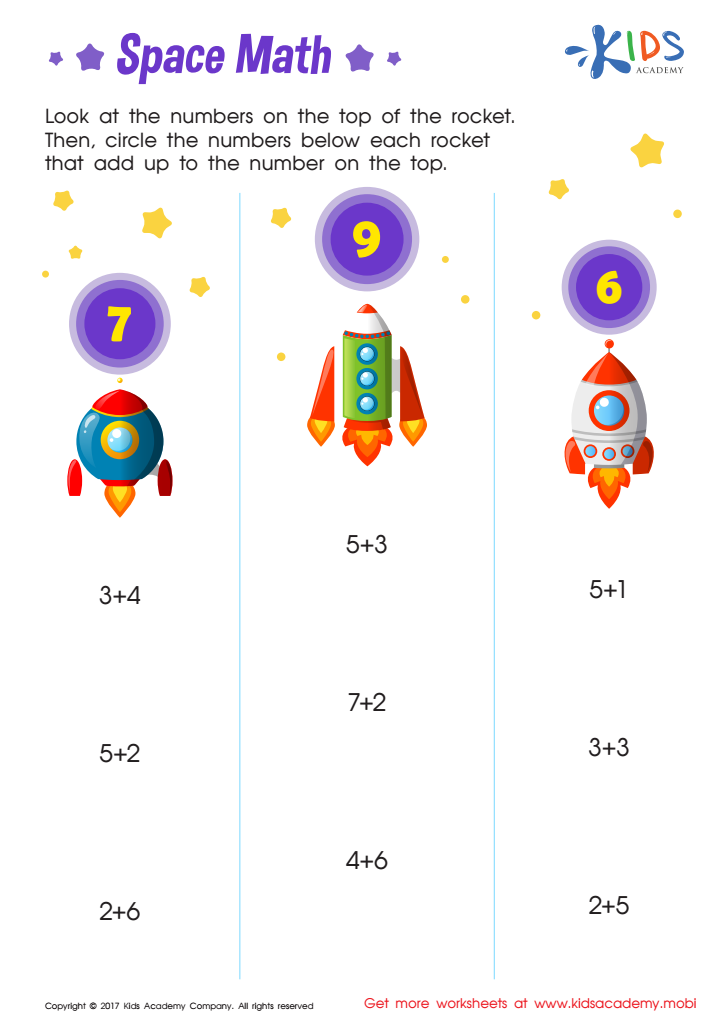
Addition: Space Math Worksheet
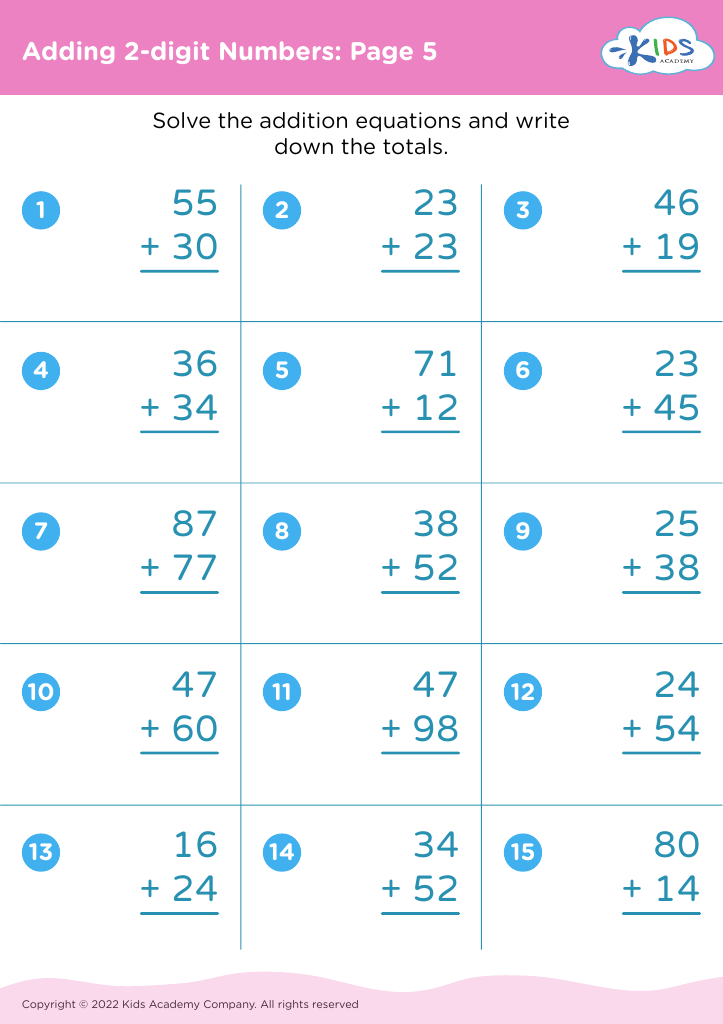
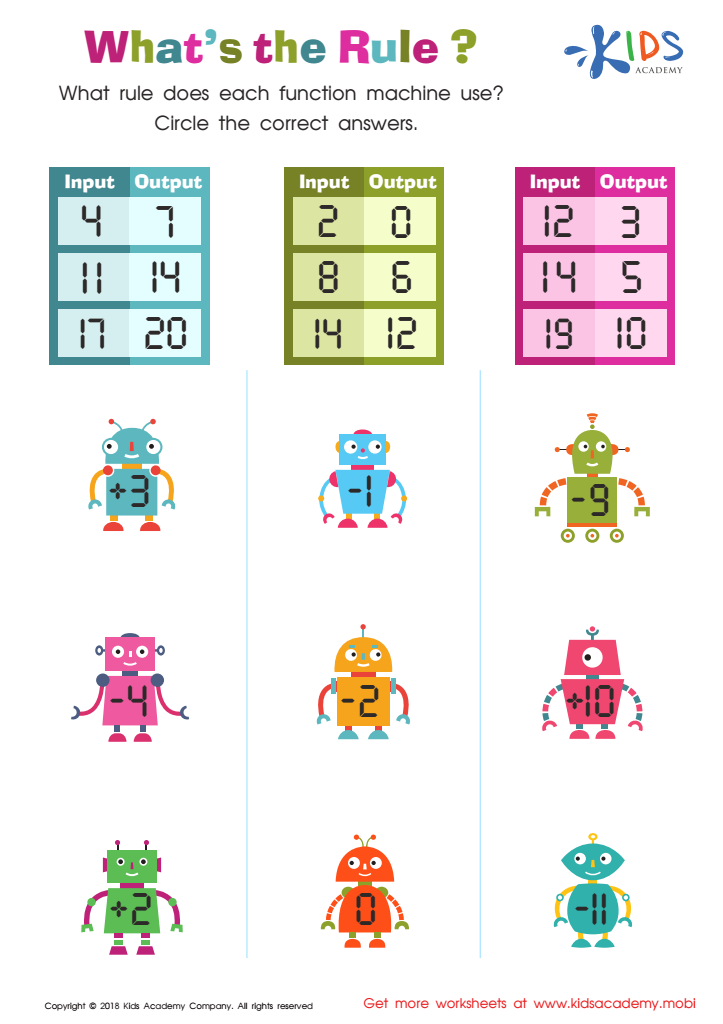
What's the Rule Worksheet
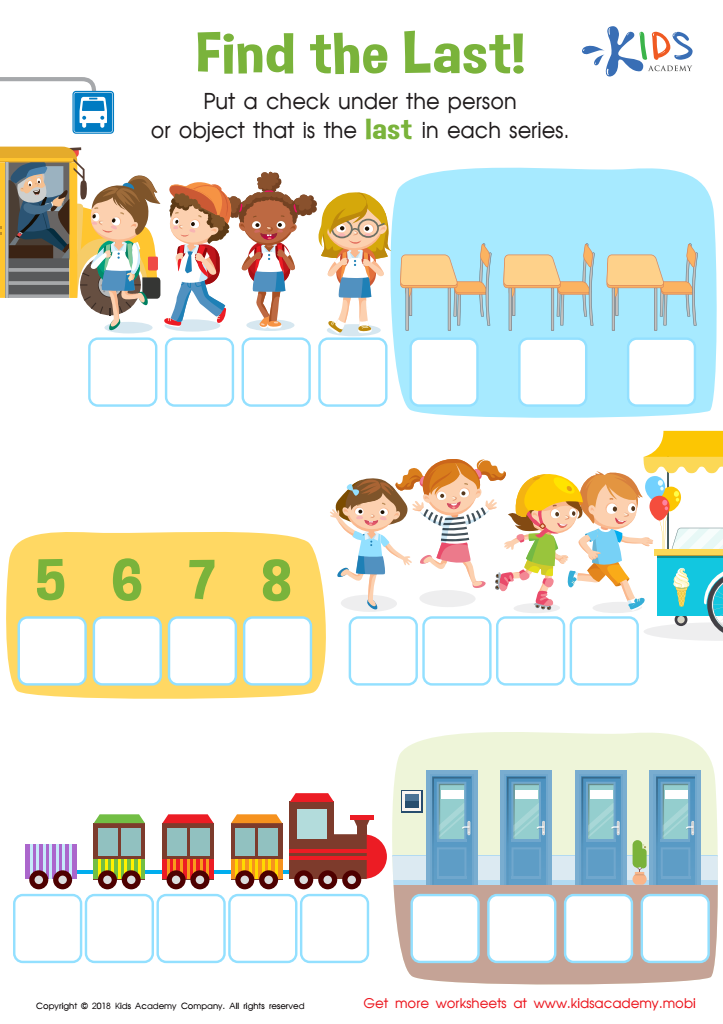
Find the Last! Worksheet
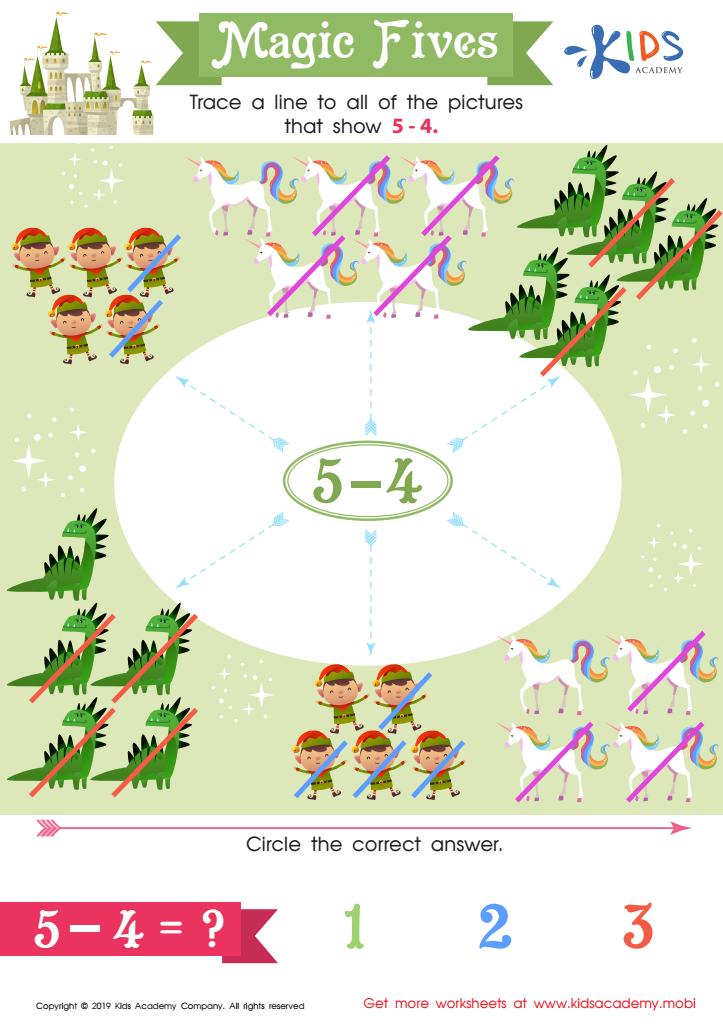
Magic Fives Worksheet
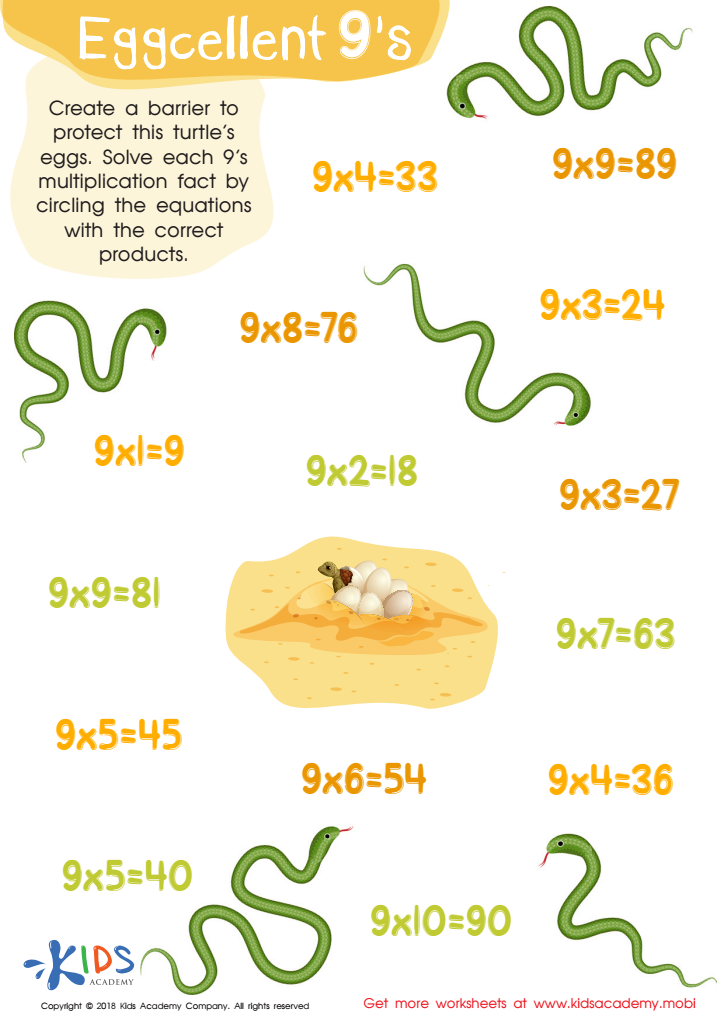
Eggcellent 9’s Worksheet








Understanding patterns in math is essential for children aged 3-9 as it lays the groundwork for critical thinking and problem-solving skills that are vital throughout their education and life. Recognizing and creating patterns help children make connections between concepts, fostering a deeper understanding of mathematical principles. When students grasp patterns, they can better predict outcomes, identify relationships, and approach complex problems with confidence.
For parents and teachers, promoting pattern recognition can enhance children’s cognitive development and fine-tune their analytical skills. Patterns are prevalent in numeracy, geometry, and algebra, establishing a strong foundation for future mathematical learning. Moreover, engaging with patterns can make learning fun, encouraging creativity and participation through games and interactive activities.
By fostering pattern awareness, parents and teachers can also cultivate a child's capacity for logical reasoning, enabling them to approach challenges systematically. This skill transcends math; it applies to science, literacy, and everyday decision-making. Furthermore, early exposure to patterns can lead to higher academic achievement in later years and instill a lifelong love for learning. Ultimately, investing in the understanding of patterns equips children with the tools they need to navigate an increasingly complex world.








