Counting skills Matching Worksheets for Ages 3-9
17 filtered results
-
From - To
Elevate your child's counting skills with our engaging Counting Skills Matching Worksheets, designed for ages 3-9. These interactive worksheets allow kids to practice and reinforce their understanding of numbers and quantities through fun matching activities. Tailored to foster both learning and enjoyment, the worksheets combine visuals with hands-on exercises, making math concepts accessible and entertaining. Perfect for classroom use or at-home learning, these resources encourage cognitive development while building foundational math skills. Discover the joy of counting with colorful illustrations and diverse matching exercises that keep children motivated and excited about learning! Start your child's counting journey today!
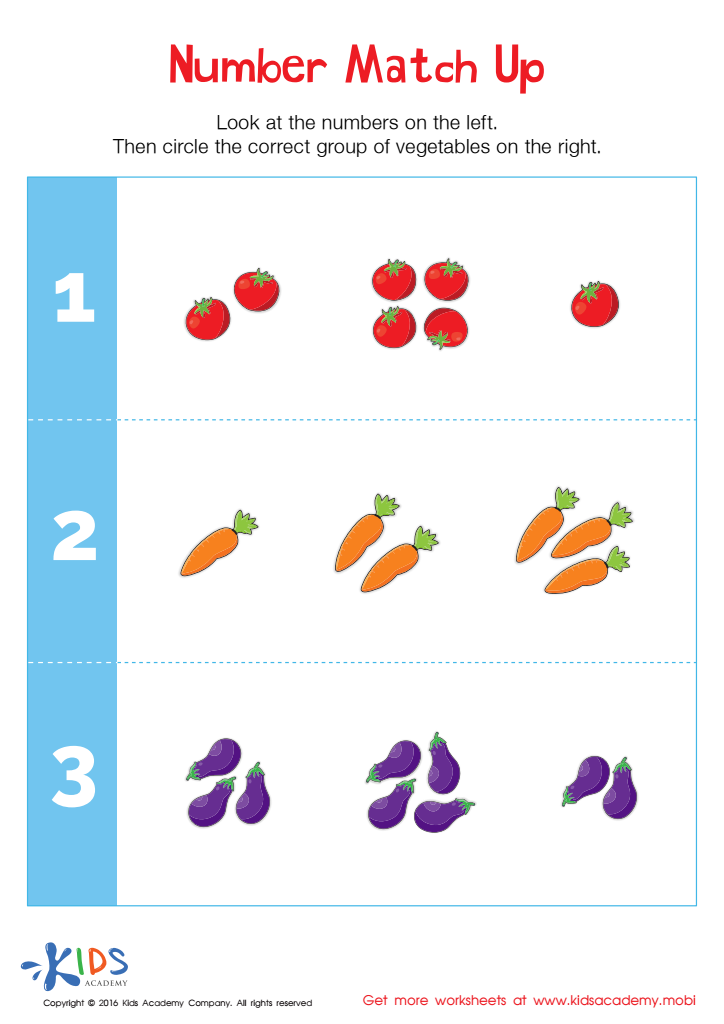
Number Match Up Worksheet
 Assign to My Students
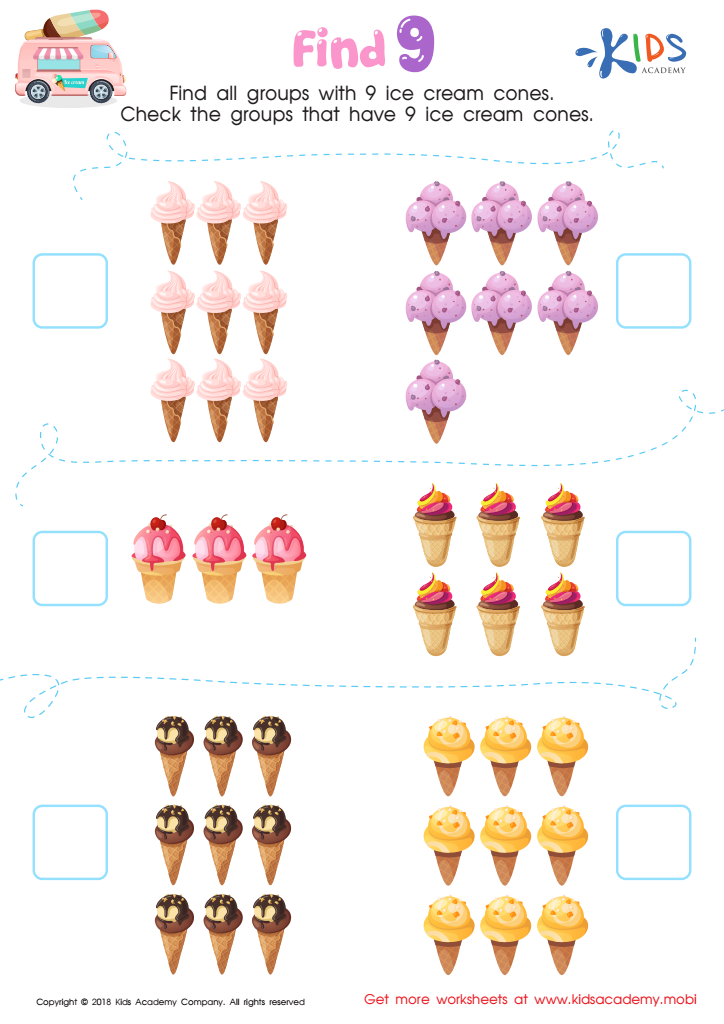
Find 9 Worksheet
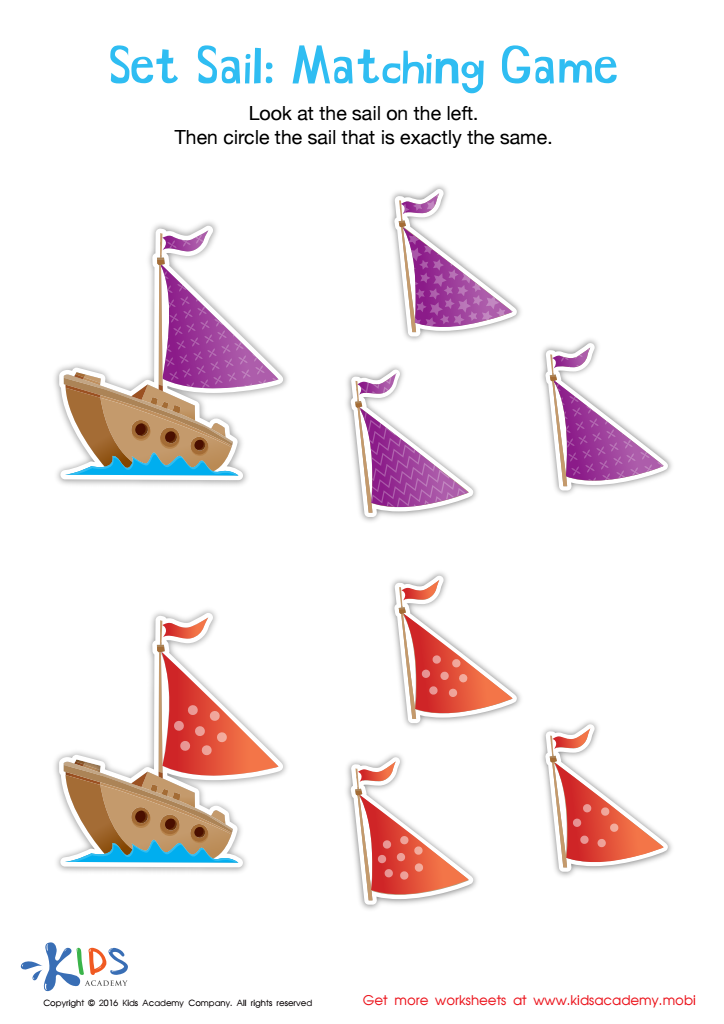
Set Sail Worksheet
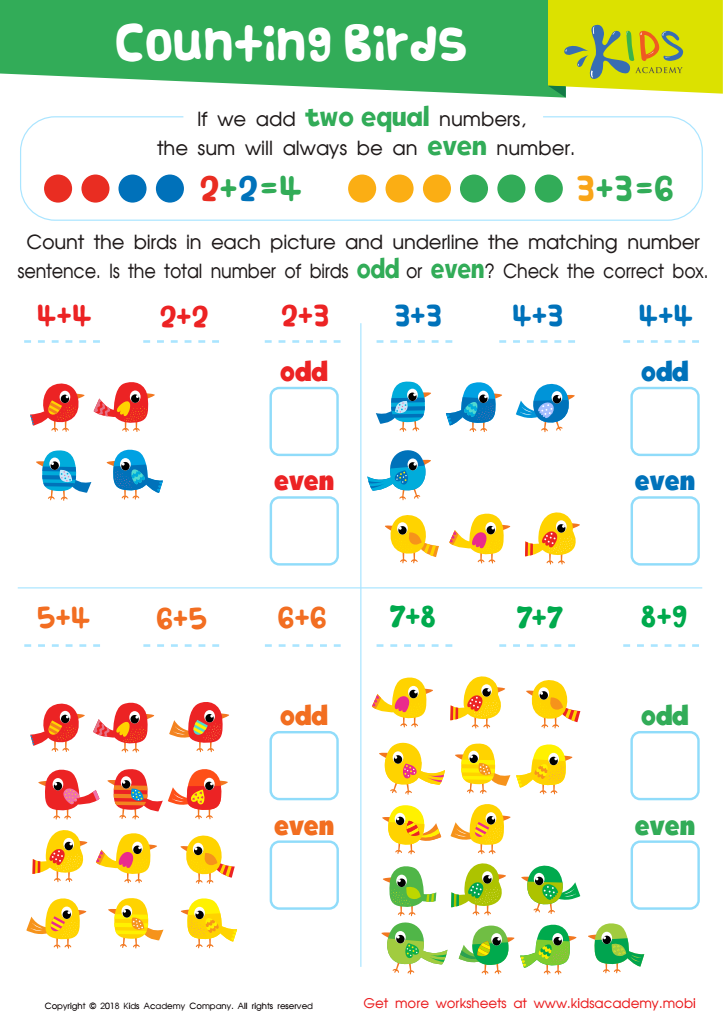
Counting Birds Worksheet
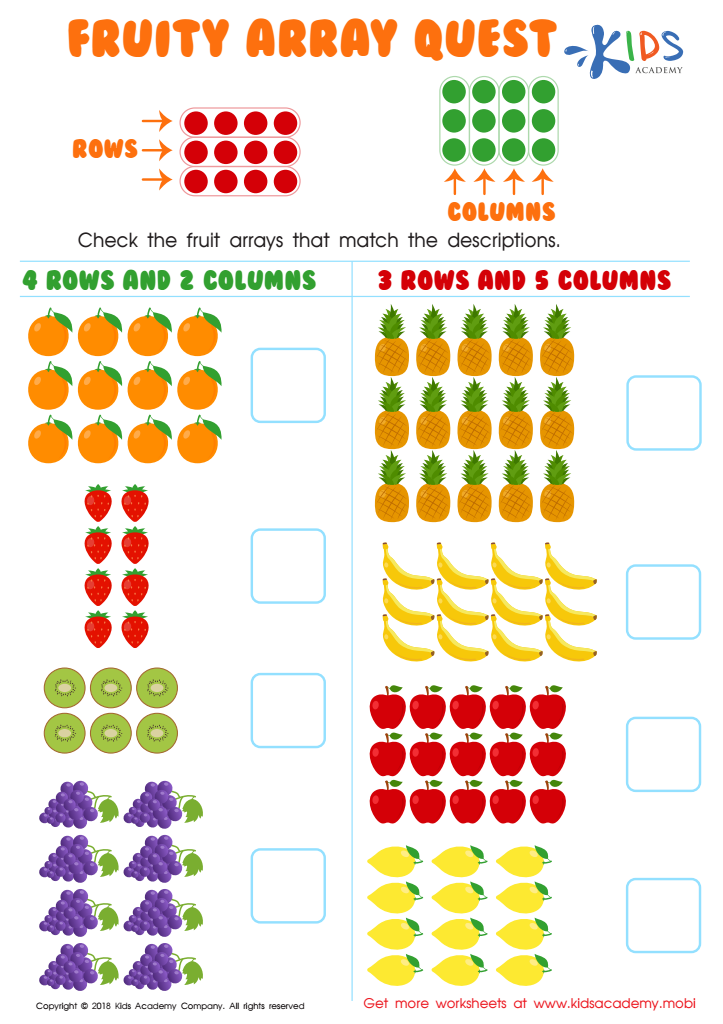
Fruity Array Quest Worksheet
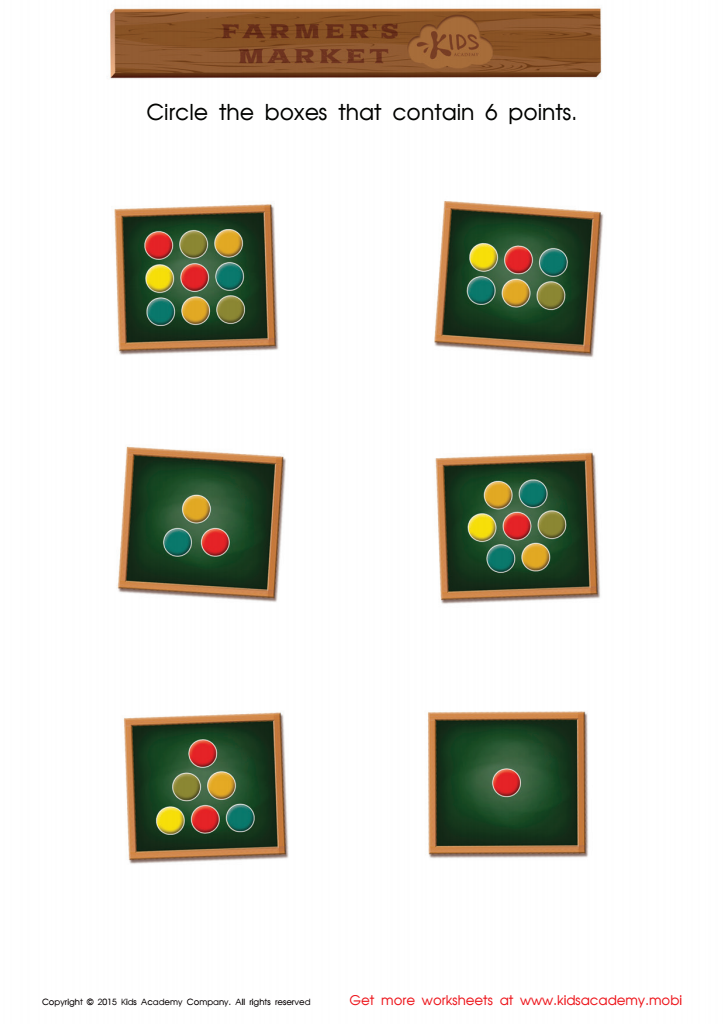
Count and Match Points 6 Math Worksheet
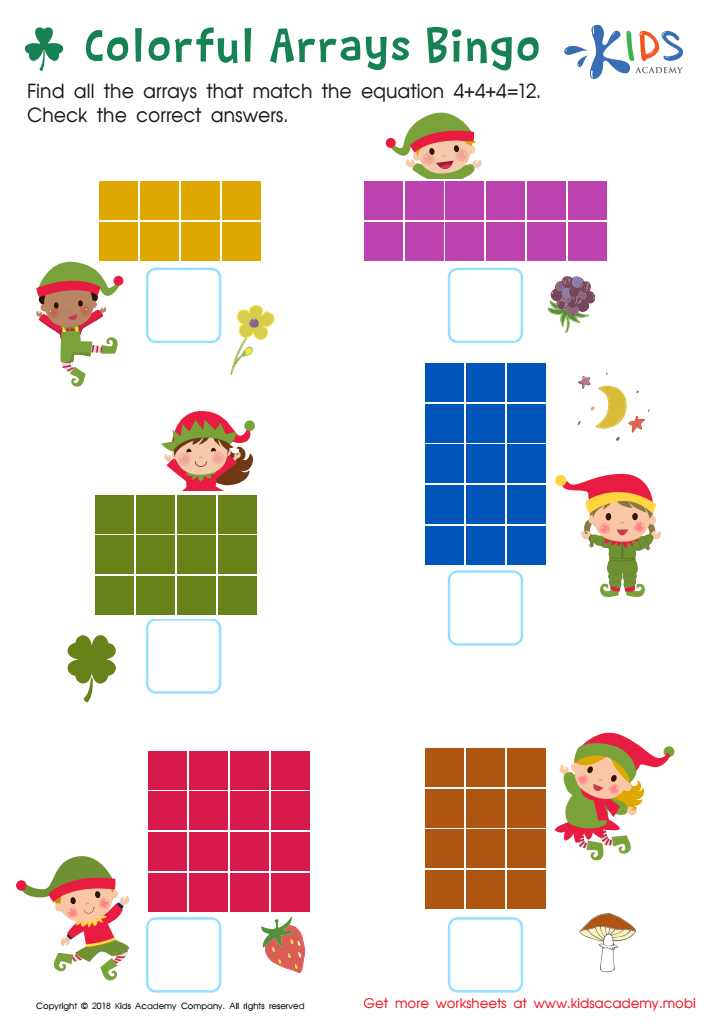
Colorful Arrays Bingo Worksheet
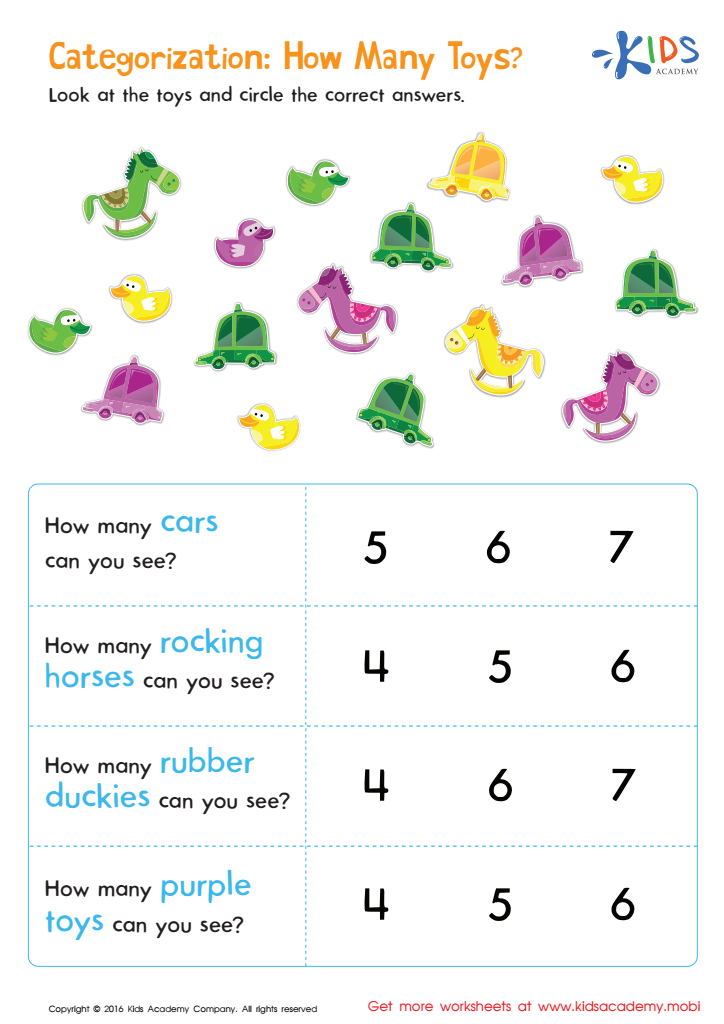
Classifying Toys by Type and Color Sorting Worksheet
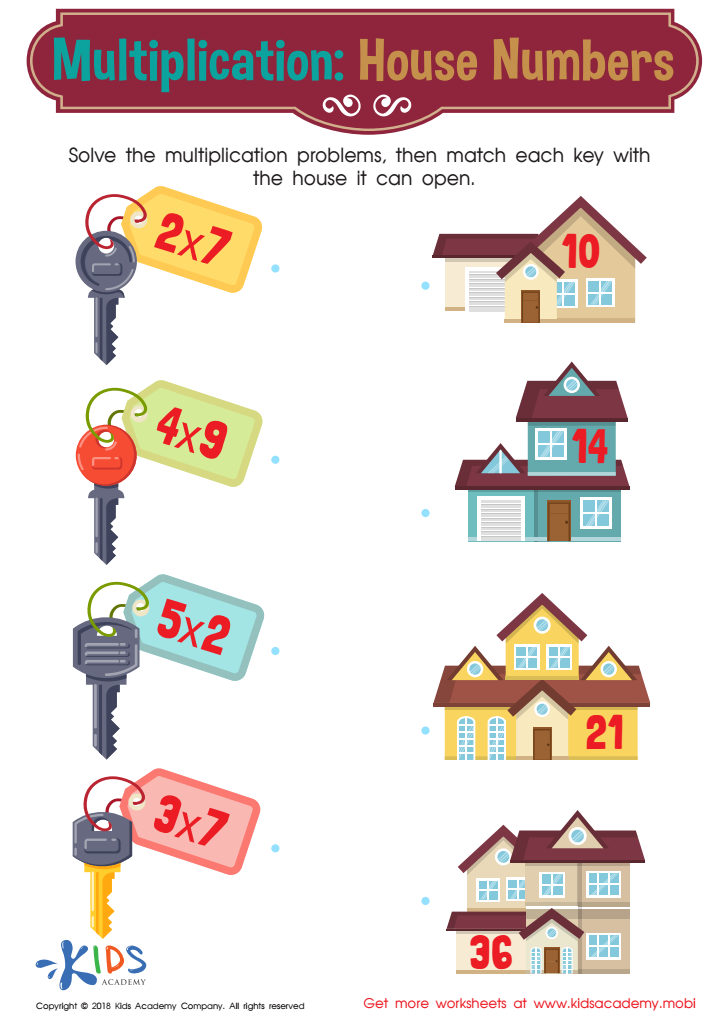
House Numbers Worksheet
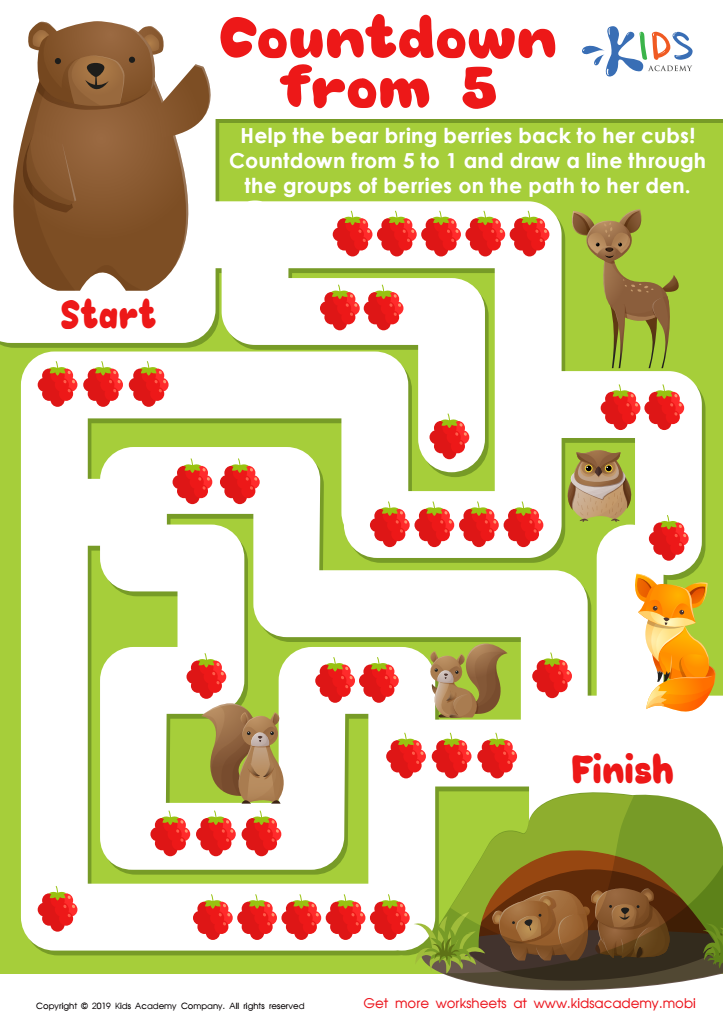
Countdown from 5 Worksheet
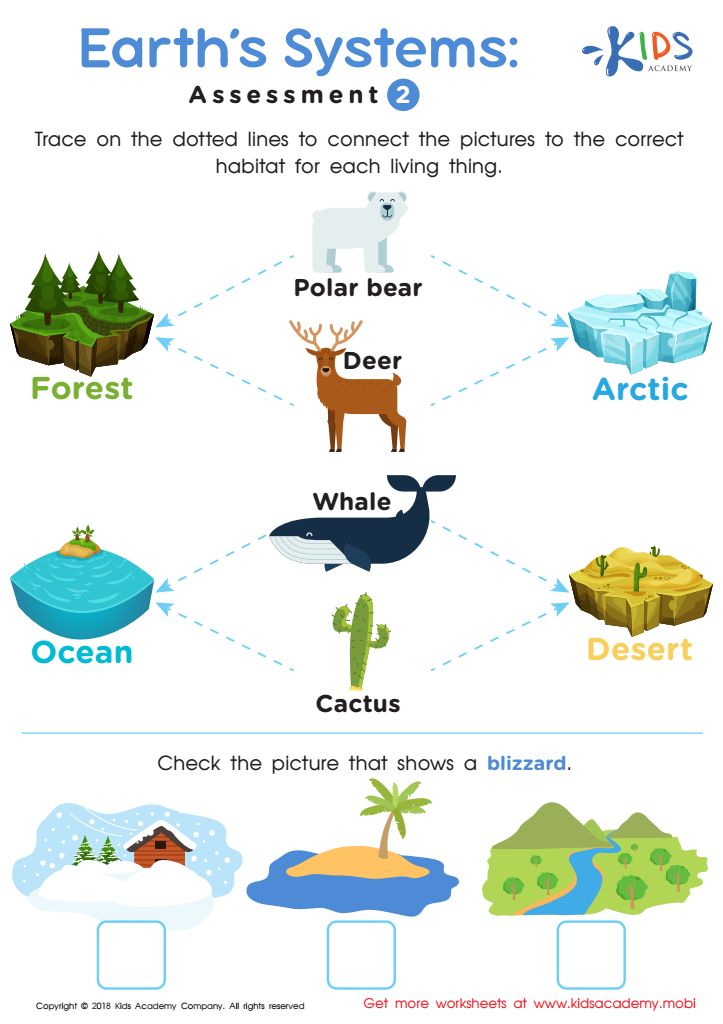
Earth's Systems: Assessment 2
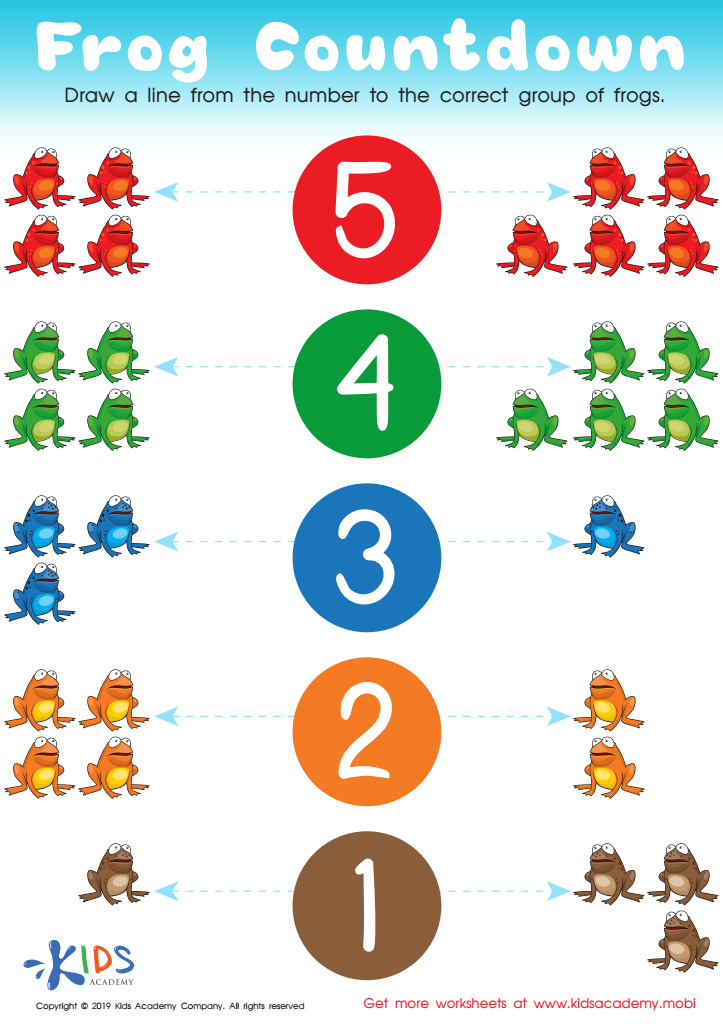
Frog Countdown Worksheet
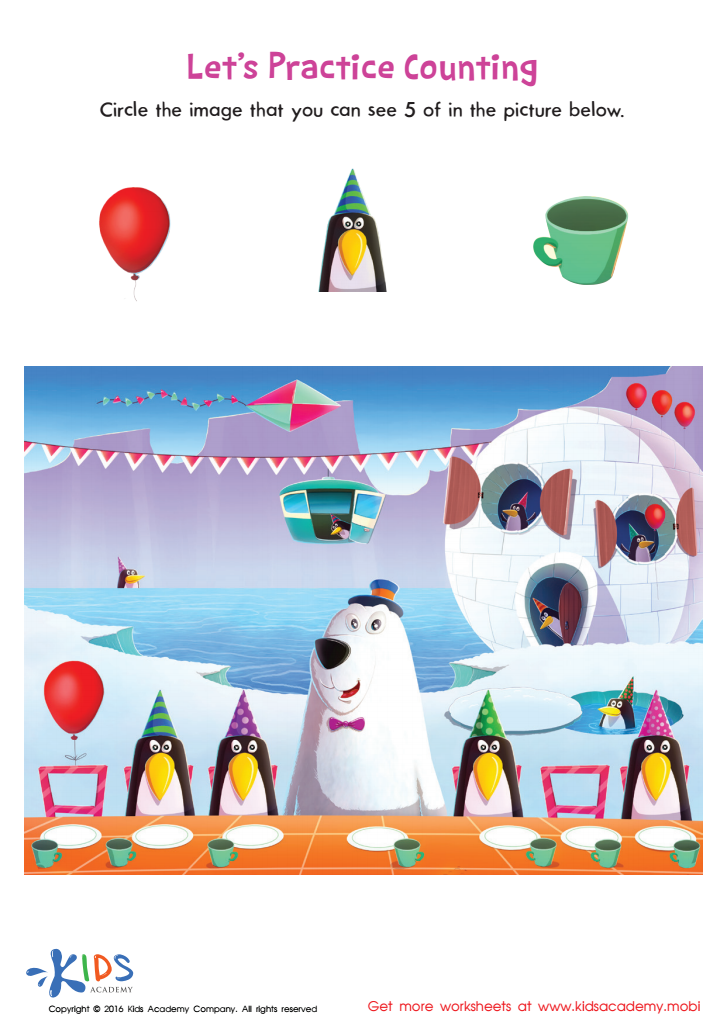
Counting Worksheet: Let's Practice Counting
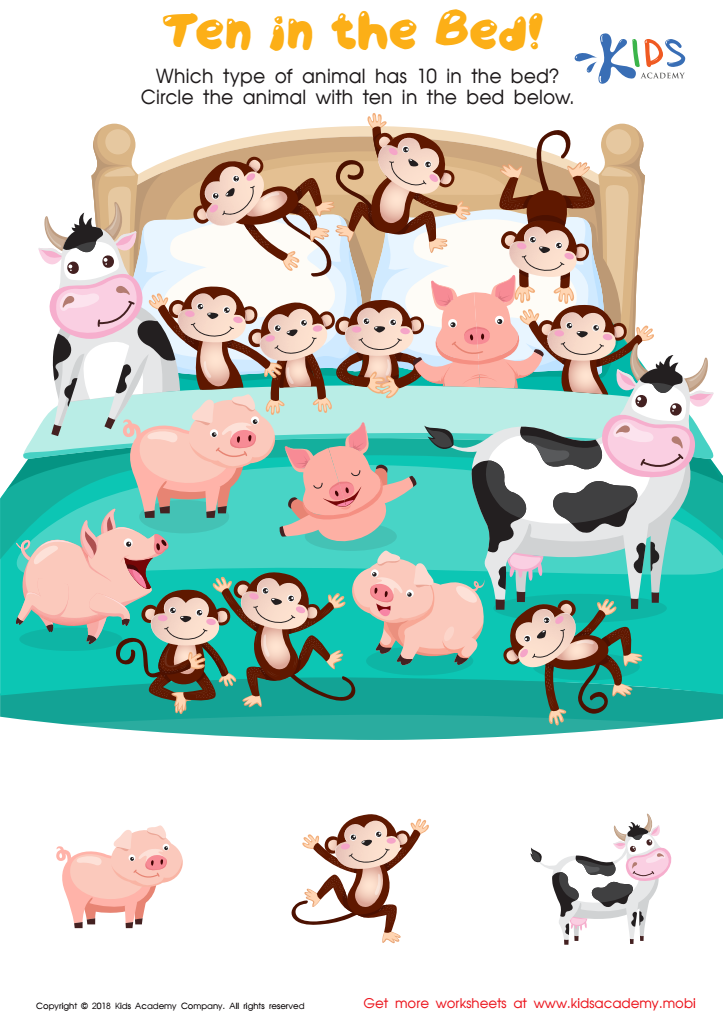
Ten in the Bed Worksheet
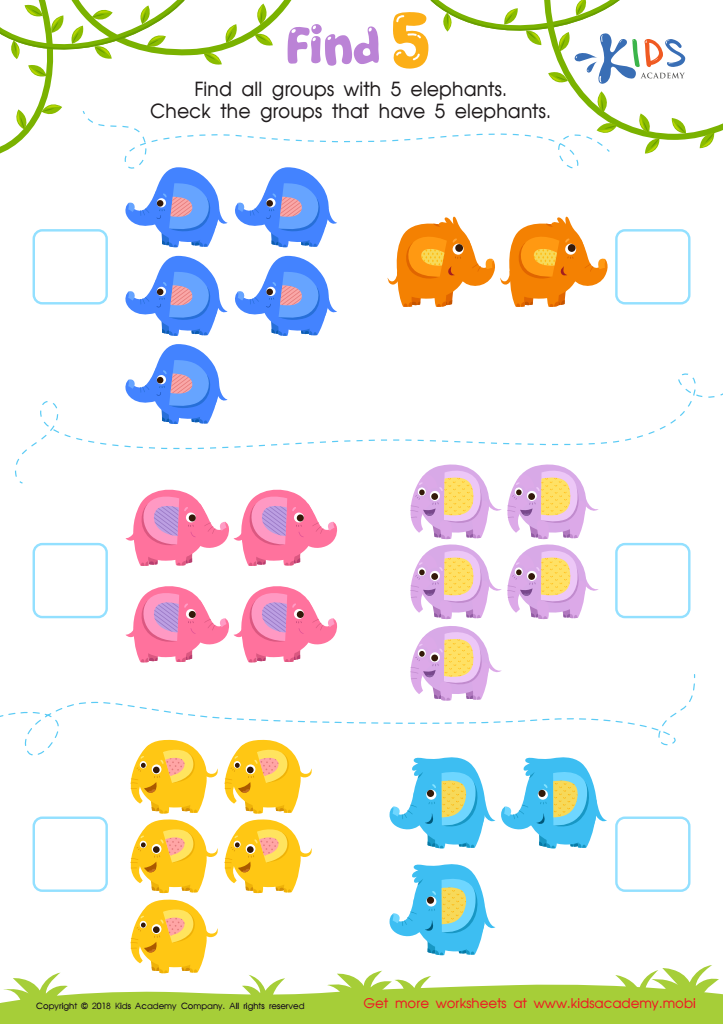
Find 5 Worksheet
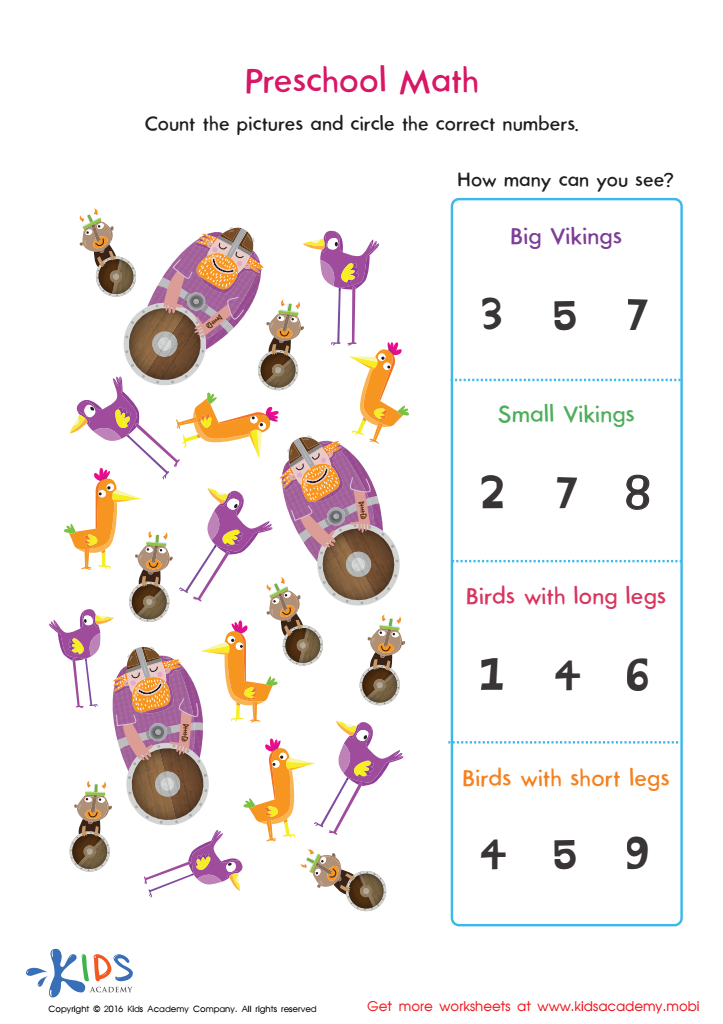








Counting and matching skills are foundational elements of early childhood education, vital for a child's cognitive development. For ages 3 to 9, these skills serve as stepping stones to more advanced mathematical concepts. Parents and teachers should prioritize them for several reasons.
Firstly, counting develops numerical literacy, helping children understand quantity, order, and number relationships, which are essential in everyday life. When children learn to count, they build a mental framework that supports problem-solving and critical thinking later in their academic journey.
Secondly, matching skills foster cognitive skills such as recognition, categorization, and comparison. Through activities that involve matching, children enhance their attention to detail and develop categorization skills, preparing them for sorting and classifying in math and science.
Moreover, both counting and matching promote fine motor skills through hands-on activities, which are crucial for writing and other physical tasks. Engaging in these skills through playful learning also enhances a child’s social skills as they interact with peers during group activities.
In summary, by fostering counting and matching skills, parents and teachers equip children not only with essential mathematical tools but also enhance their overall cognitive, social, and physical development, laying the groundwork for future academic success.








