Improve reading comprehension Building Vocabulary Worksheets for Ages 3-9
6 filtered results
-
From - To
Discover engaging and effective ways to enhance your child's reading comprehension with our Building Vocabulary Worksheets, tailored for ages 3-9. These specially designed activities help expand vocabulary, strengthen word recognition, and boost language skills. Each worksheet offers fun and interactive exercises that keep young learners engaged while developing their ability to understand and use new words. Our resources are perfect for at-home practice or in the classroom, ensuring a solid foundation for lifelong learning and reading success. Visit our webpage to explore the collection and support your child on their reading journey today!
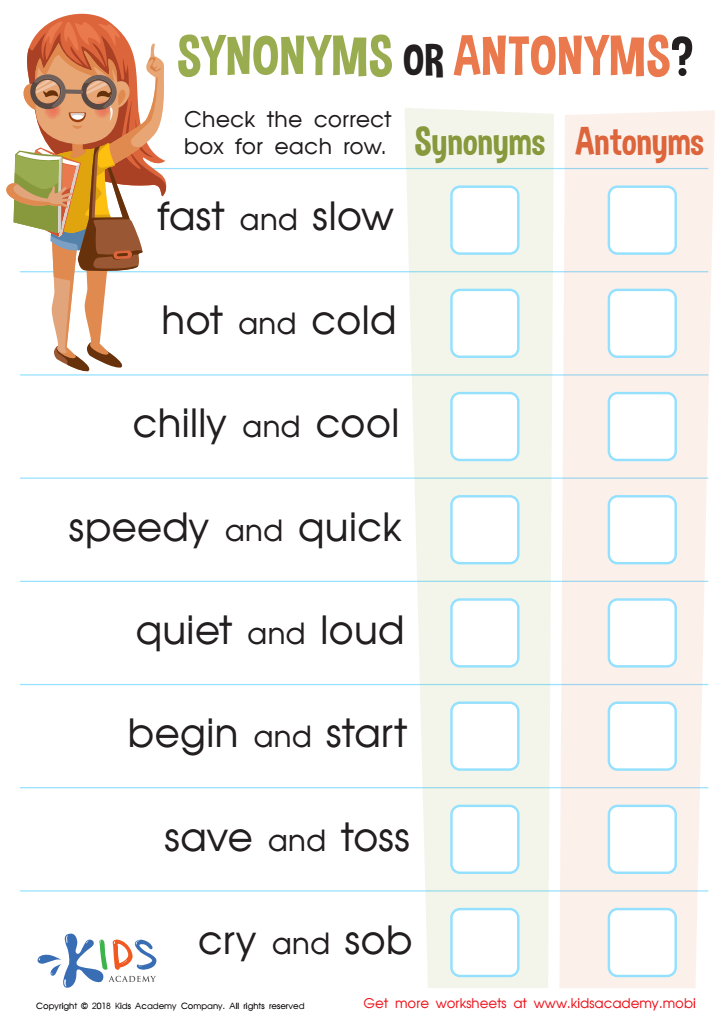
Synonyms or Antonyms: Assessment Worksheet
 Assign to My Students











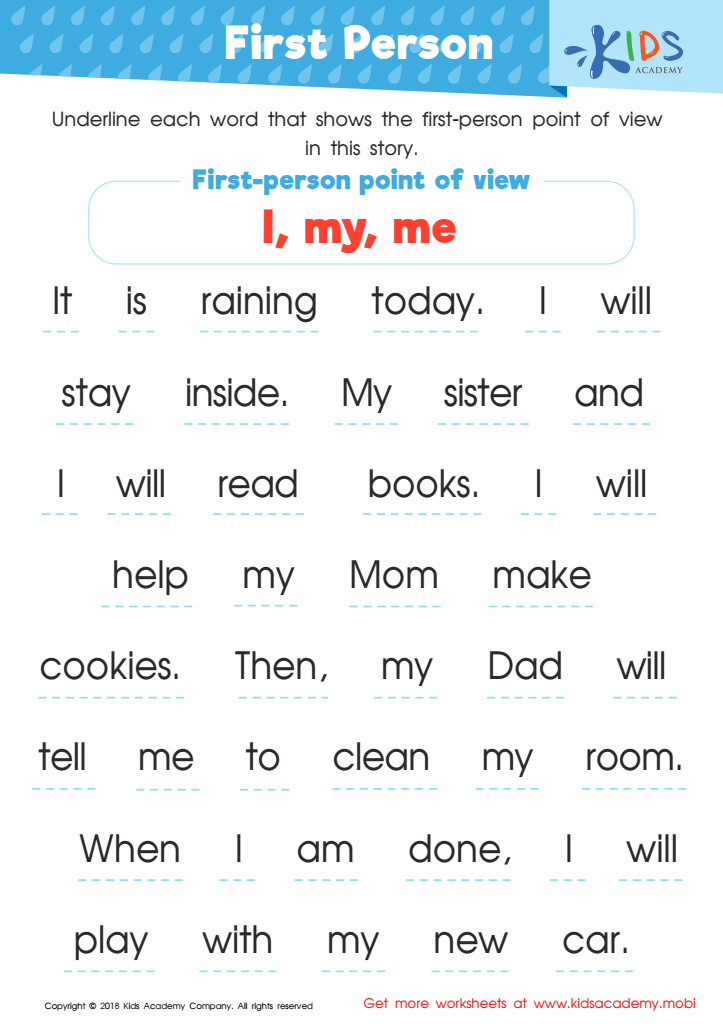
First Person Worksheet
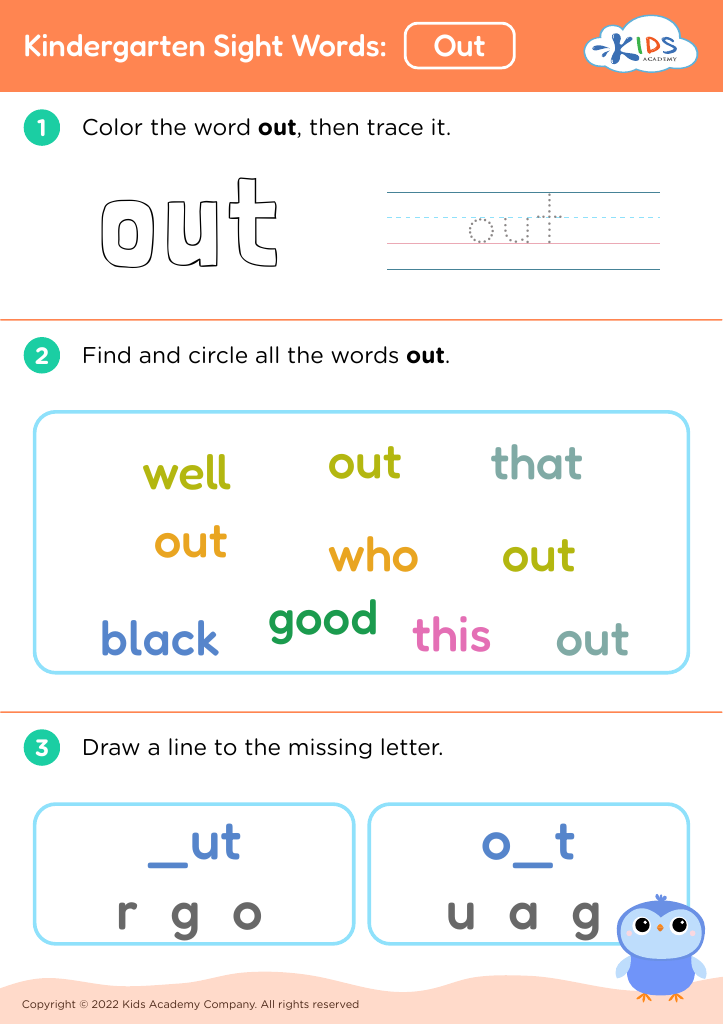
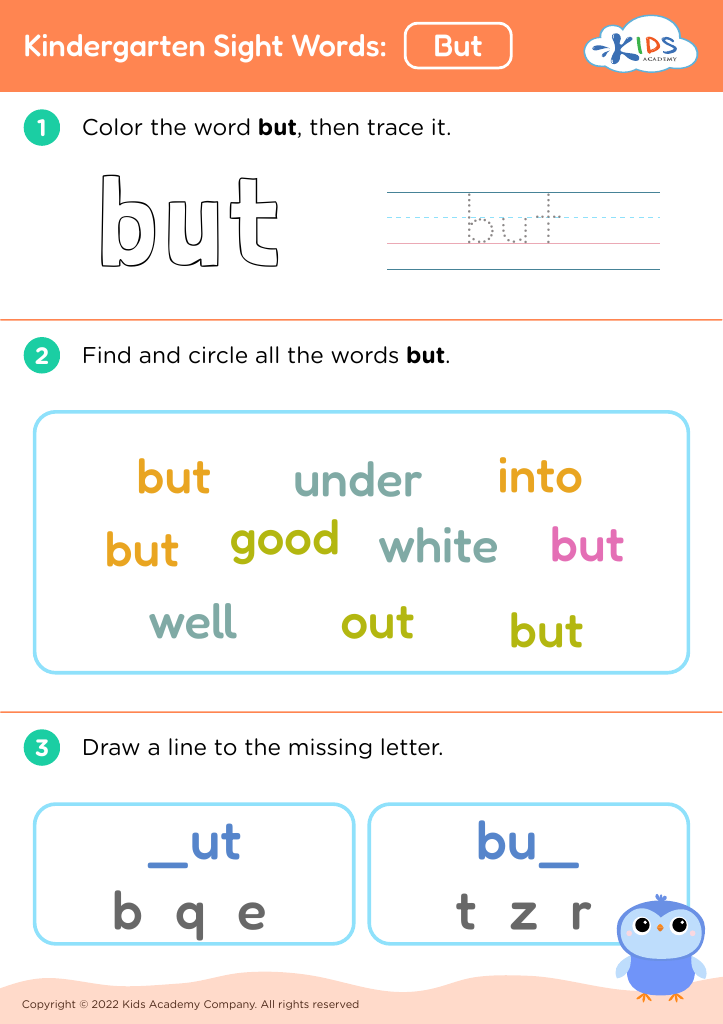








Improving reading comprehension and building vocabulary for children aged 3-9 is crucial for their overall academic success and cognitive development. At this early stage, children’s brains are highly receptive, and developing a strong vocabulary serves as the foundation for reading skills that will impact their entire educational journey.
Strong reading comprehension allows children to understand and process the information they read, enhancing their ability to learn across all subjects. Comprehension skills lead to improved critical thinking and problem-solving abilities, both crucial for academic achievement and day-to-day decision-making.
Building a robust vocabulary supports this by giving children the words they need to express their thoughts and ideas effectively. A rich vocabulary also makes reading more enjoyable and engaging, fostering a love for reading that can last a lifetime. When children are exposed to a wide range of words, they are better equipped to decode unknown words, understand context, and expand their knowledge base.
Parents and teachers play a key role in this development. Through interactive reading sessions, discussions, and vocabulary-building activities, they can create an enriching environment that stimulates children’s language and cognitive growth. Focusing on these skills at an early age sets the stage for academic success and effective communication in later life.








