Letter recognition Building Vocabulary Worksheets for Ages 3-9
8 filtered results
-
From - To
Unlock your child’s potential with our Letter Recognition Building Vocabulary Worksheets designed for ages 3-9. These engaging and educational activities help young learners identify and recognize letters while simultaneously building their vocabulary. Perfect for preschool to grade 3, our worksheets cater to various learning styles, ensuring that every child stays motivated and excited to learn. With colorful illustrations and interactive tasks, children develop essential reading skills in a fun, structured way. Foster a lifelong love for reading and expand your child's vocabulary effortlessly with these practical and enjoyable resources from Kids Academy. Start your child’s educational journey today!
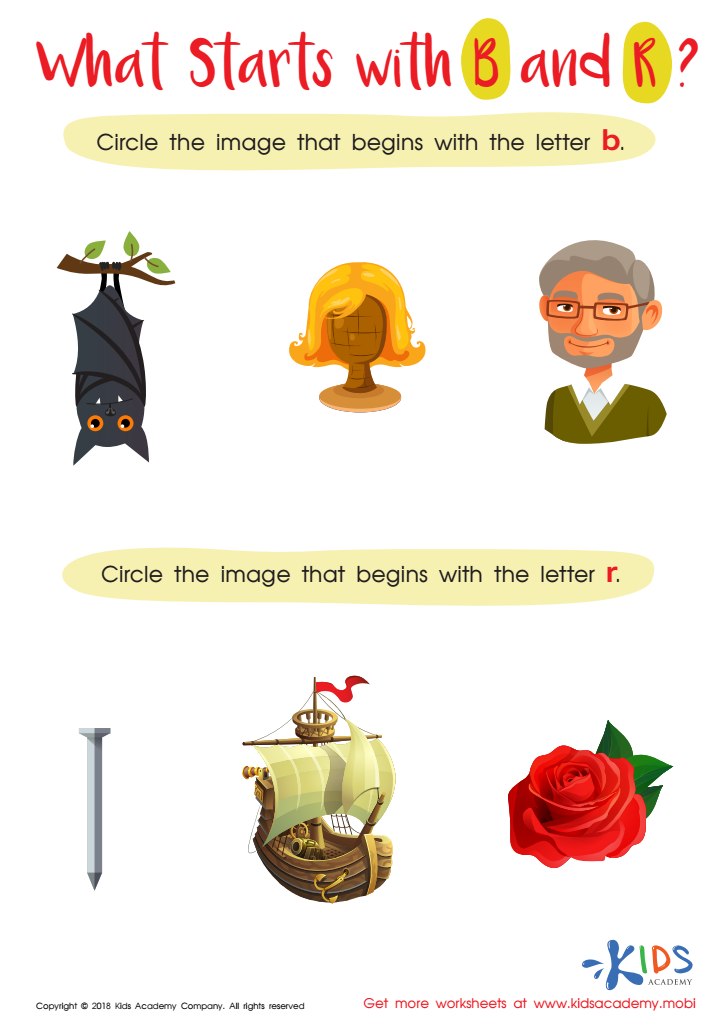
What Starts with B and R? Worksheet
 Assign to My Students











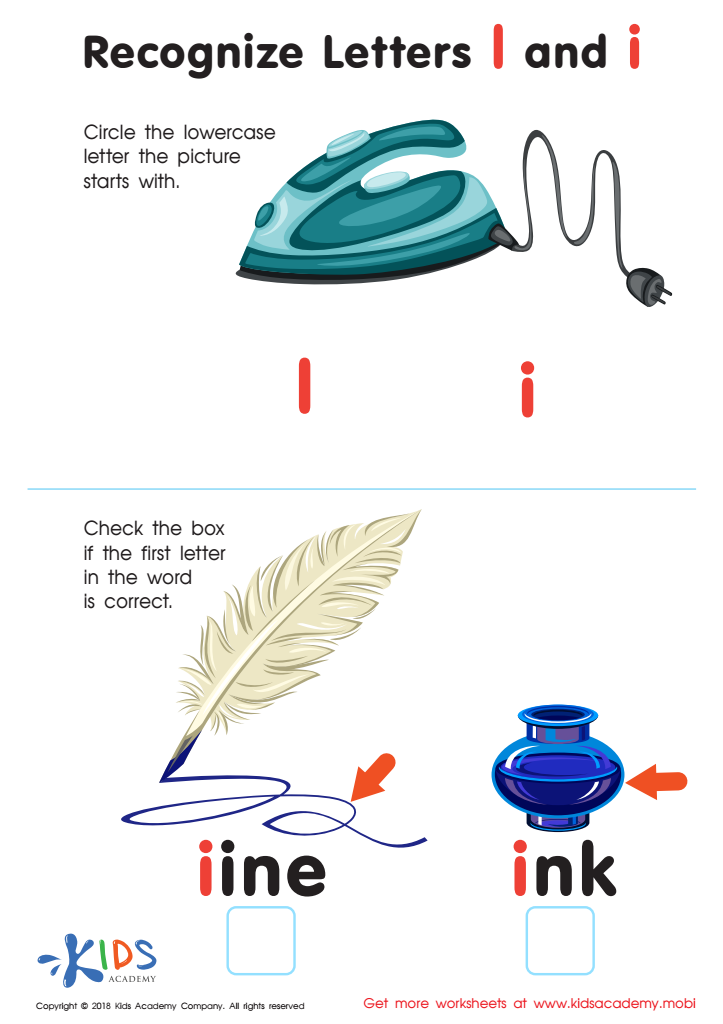
Recognize Letters l and i Worksheet
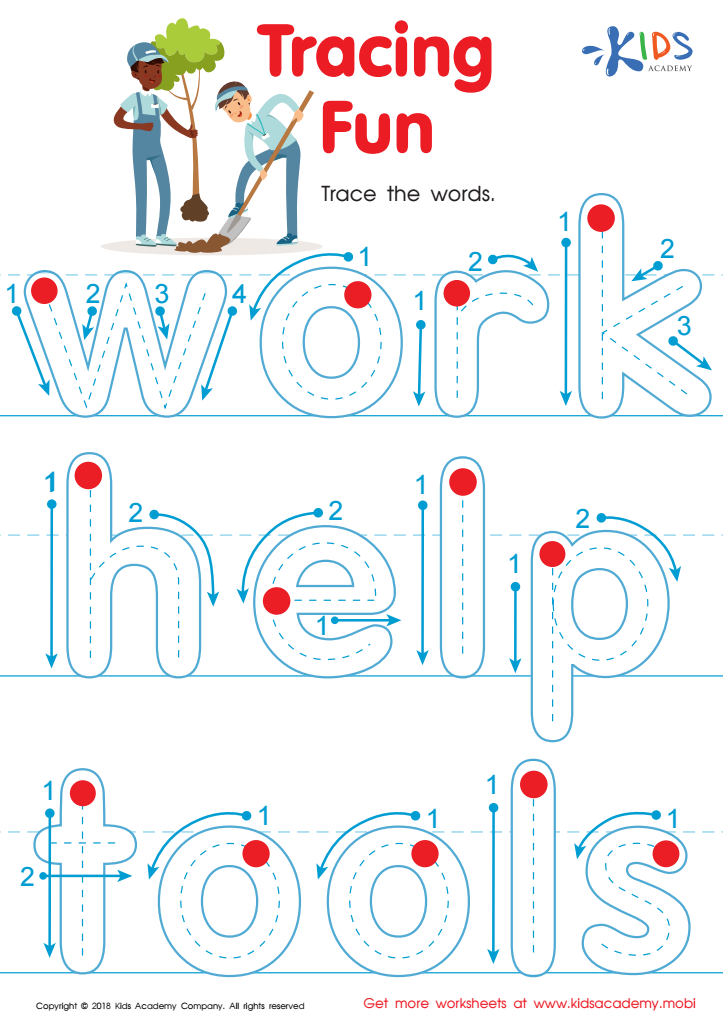
Tracing Fun Worksheet
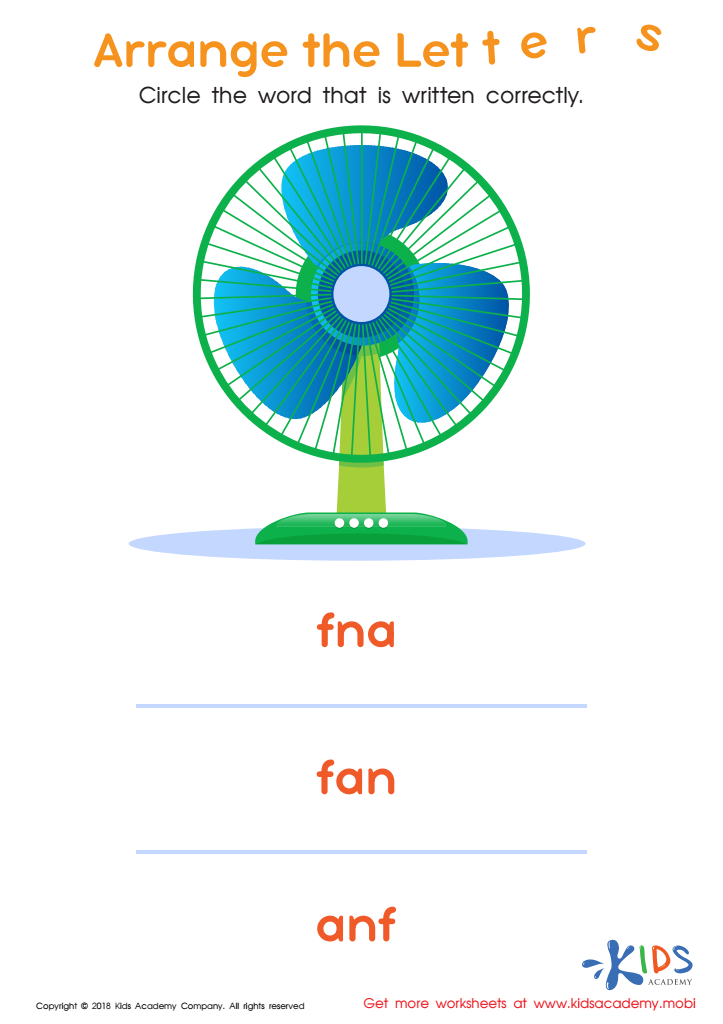
Arrange the Letters Worksheet
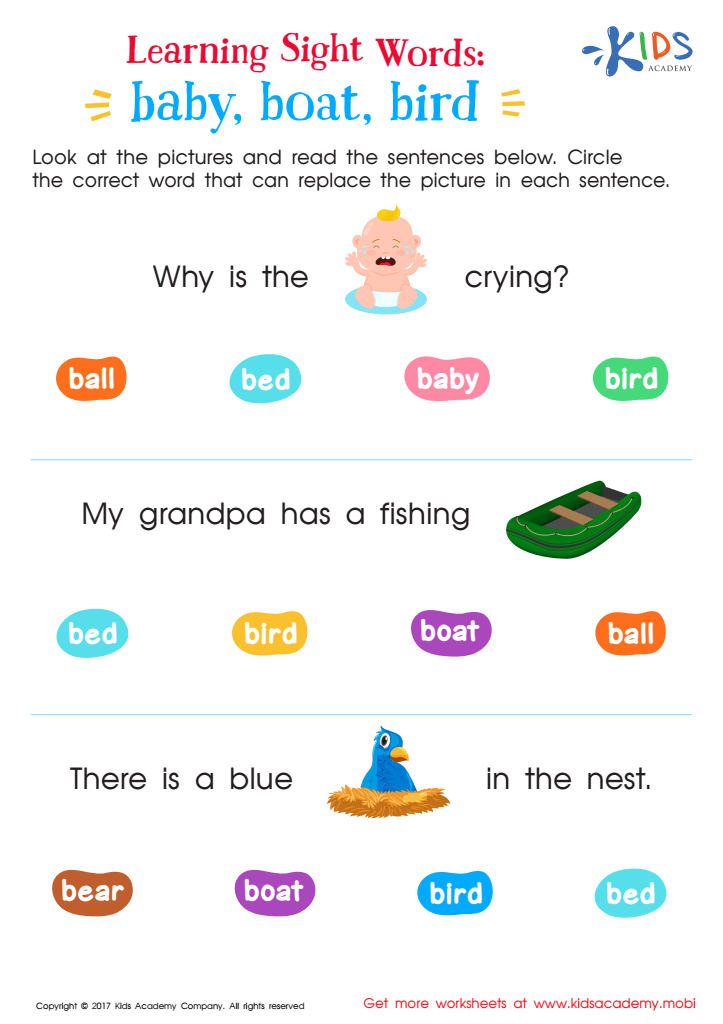
Baby, Boat, Bird Worksheet Sight Words Worksheet
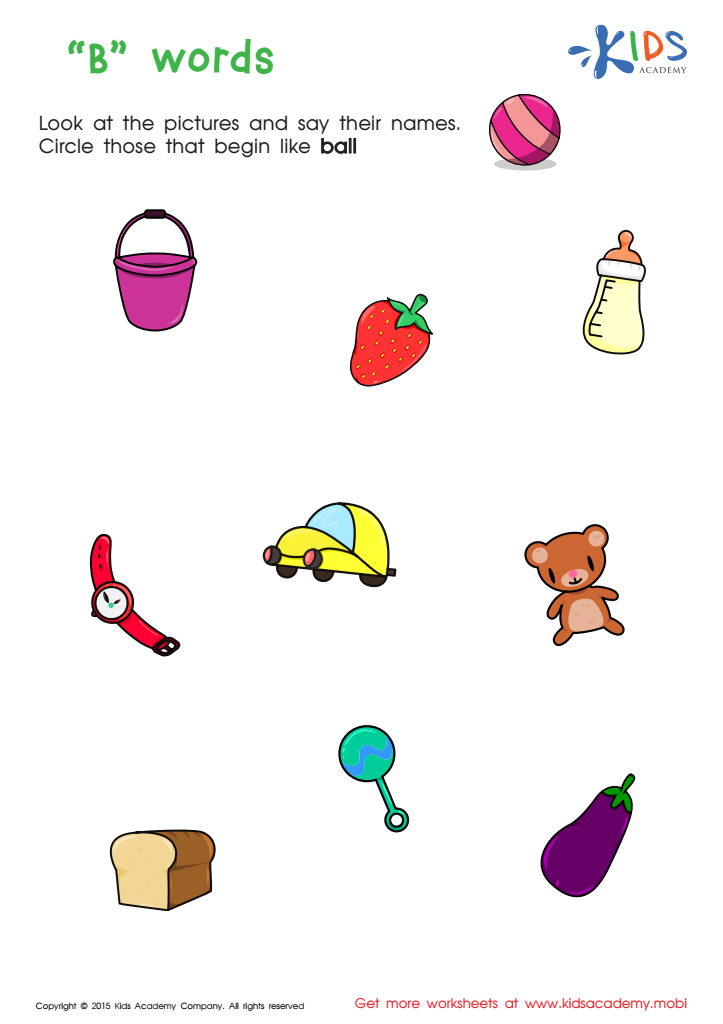
First Words Worksheet
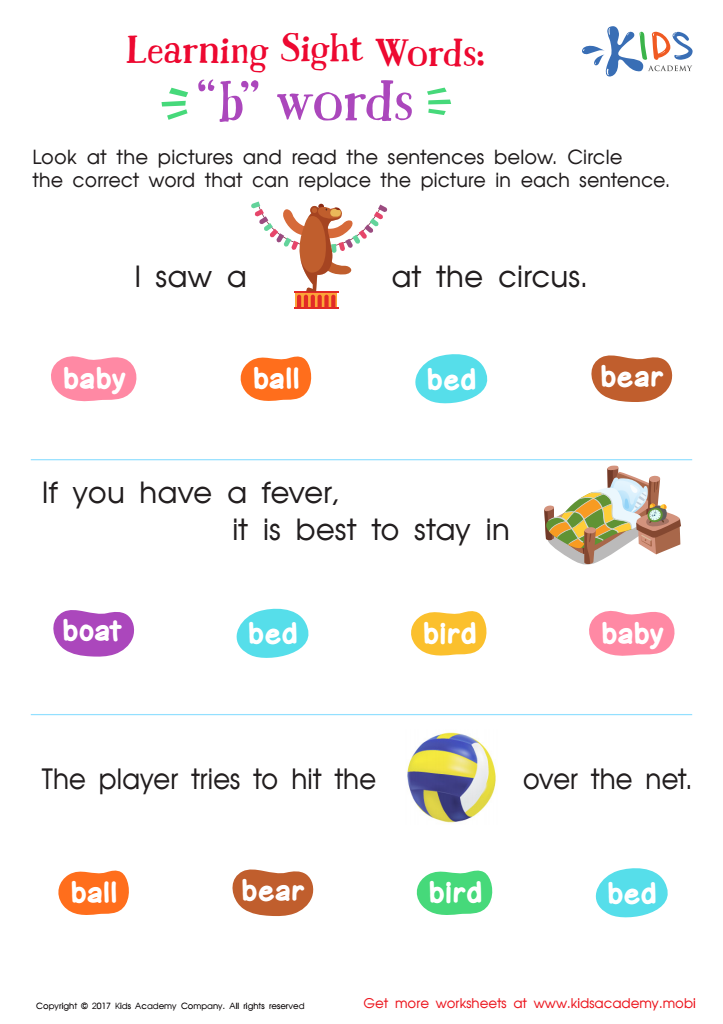
"B" Words Printable Sight Words Worksheet
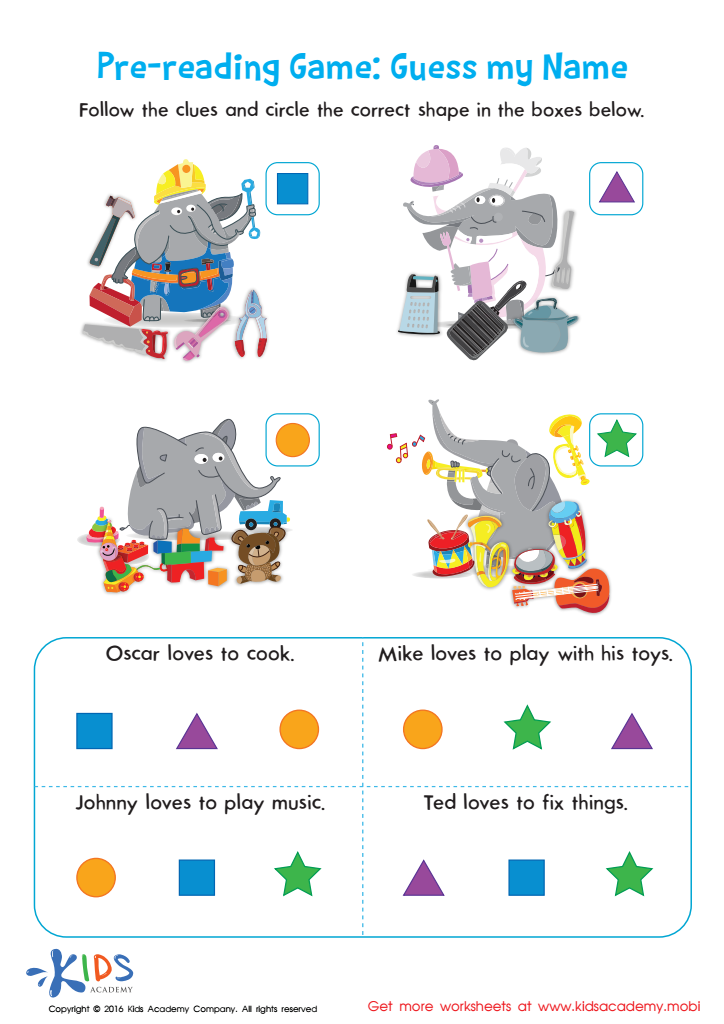
Pre Reading Worksheet Guess My Name








Letter recognition and vocabulary building are vital components of early childhood education for ages 3-9. Parents and teachers should prioritize these skills because they serve as the fundamental building blocks for reading and writing proficiency. Recognizing letters, both uppercase and lowercase, enables children to decode written language, which is crucial for literacy development. Without a solid grasp of letter recognition, a child may struggle to identify words, impeding their ability to read fluently.
Building a strong vocabulary, on the other hand, enhances comprehension and expressive abilities. A rich vocabulary allows children to understand instructions, engage with stories, and communicate their thoughts effectively. It promotes cognitive development by helping children categorize and make sense of their world. Moreover, early vocabulary acquisition is closely linked to later academic success and can influence learning in all subjects, including math and science.
Additionally, early mastery of these skills fosters confidence and a love for learning. Children who feel competent in their abilities are more likely to participate in classroom activities, ask questions, and take on new challenges. Therefore, investing in letter recognition and vocabulary building sets the stage for academic achievement and lifelong learning, making it essential for educators and parents to focus on these areas during the early developmental years.








