Sentence construction Building Vocabulary Worksheets for Ages 3-9
14 filtered results
-
From - To
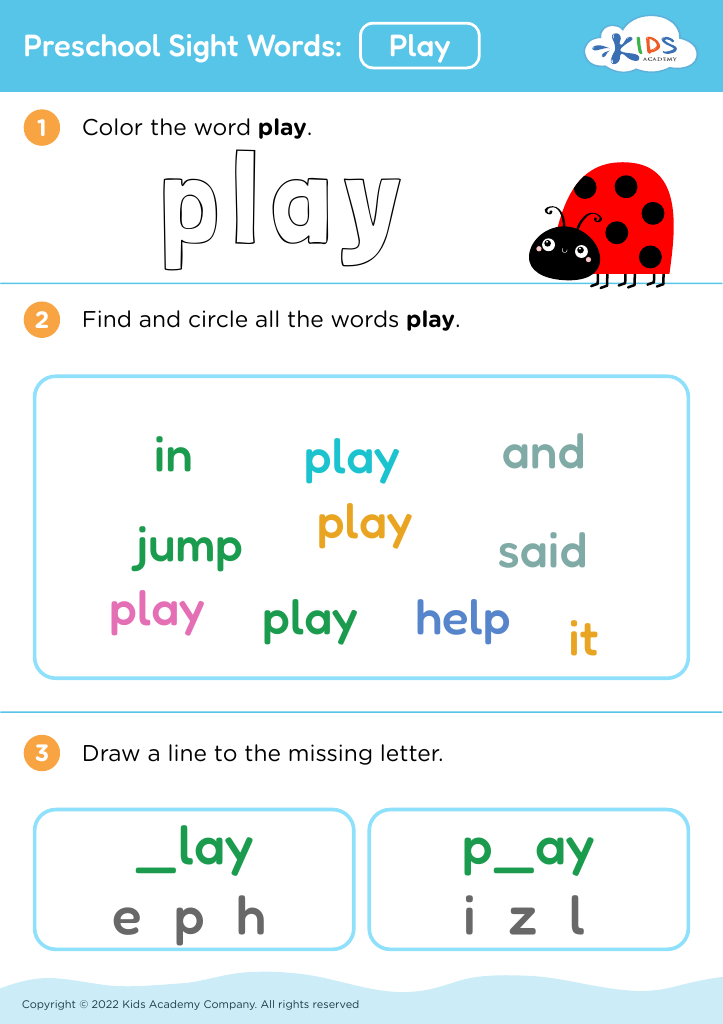
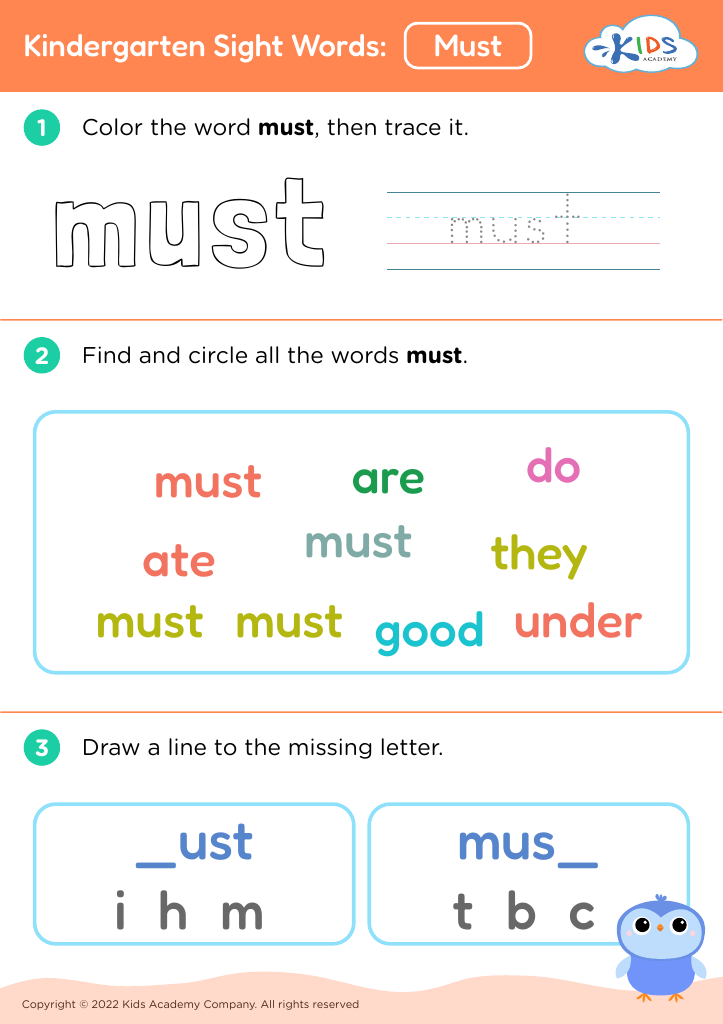
Our "Sentence Construction Building Vocabulary Worksheets for Ages 3-9" are designed to make mastering sentence formation fun and engaging. Perfect for young learners, these worksheets help children enhance their reading and writing skills while developing a solid vocabulary foundation. Each worksheet focuses on key skills like word placement, proper syntax, and grammar, encouraging kids to construct meaningful and varied sentences. Through fun activities and exercises tailored to different age-appropriate levels, our resources make language learning an enjoyable adventure. Give your child the tools to confidently construct sentences and watch their communication abilities thrive!
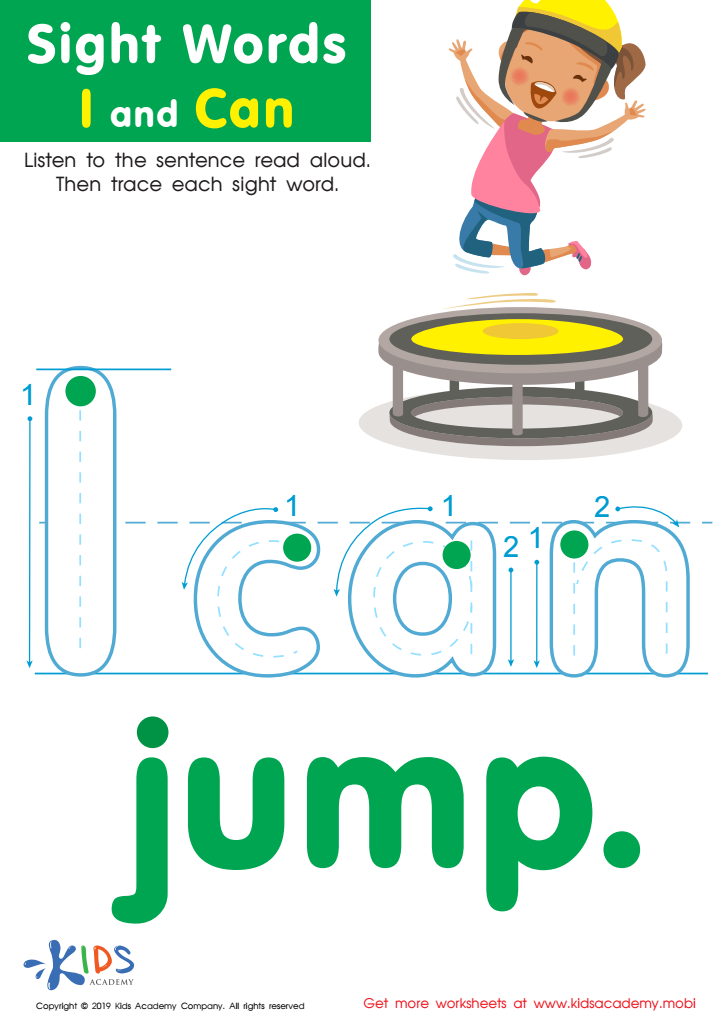
Sight Words I Can Worksheet
 Assign to My Students











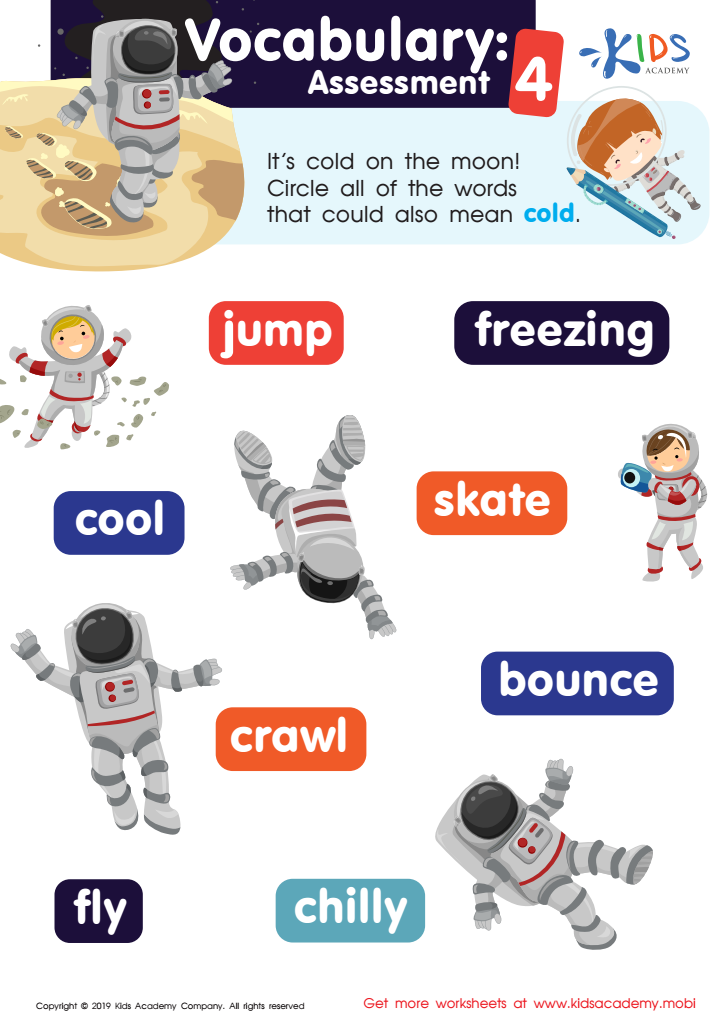
Vocabulary: Assessment 4 Worksheet
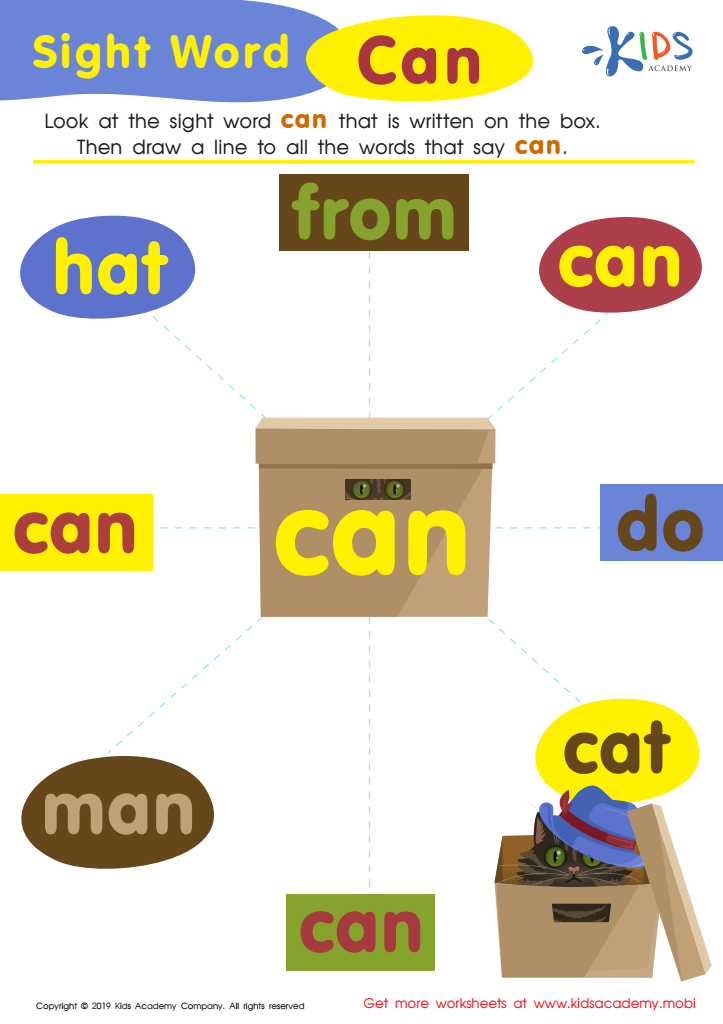
Sight Word Can Worksheet
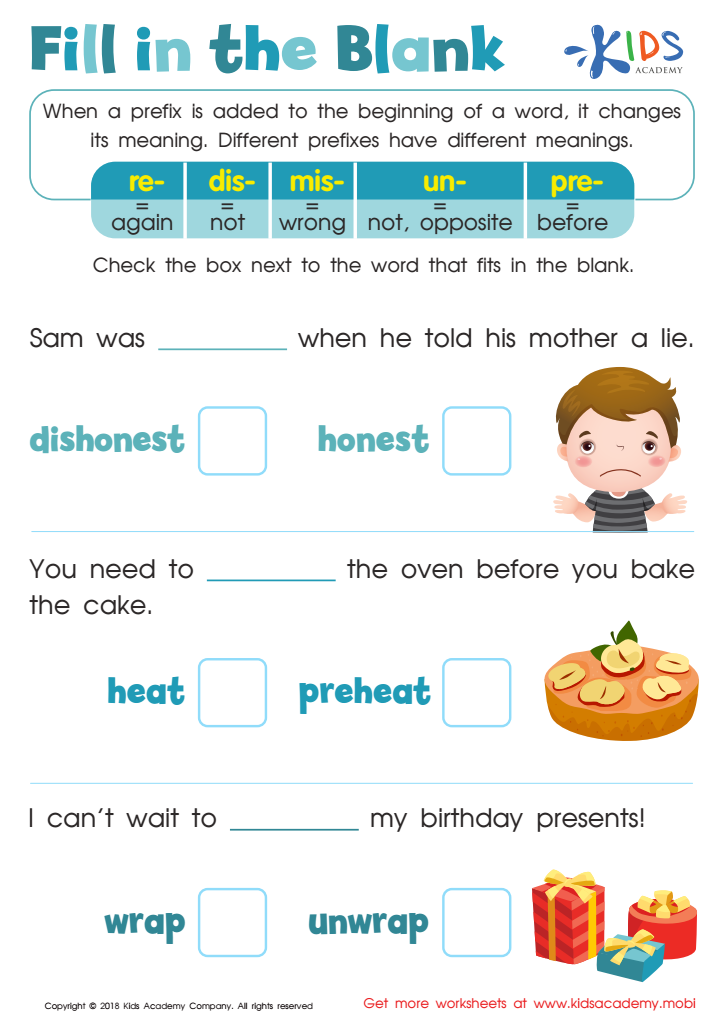
Reading: Fill in the Blank Worksheet
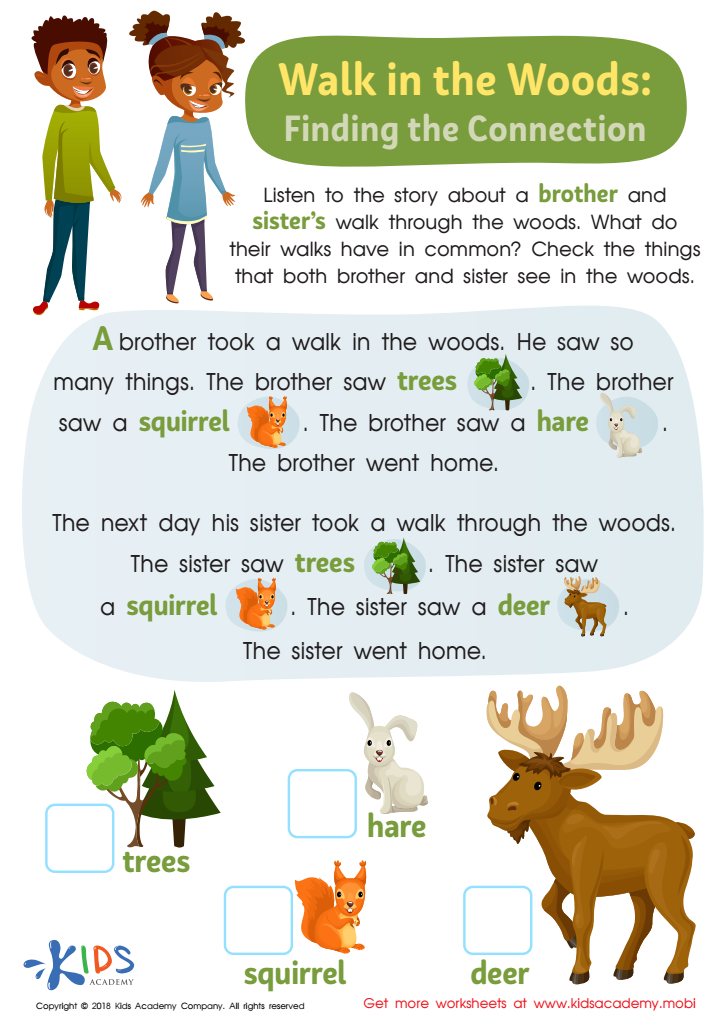
Walk In the Woods: Finding Connections Worksheet
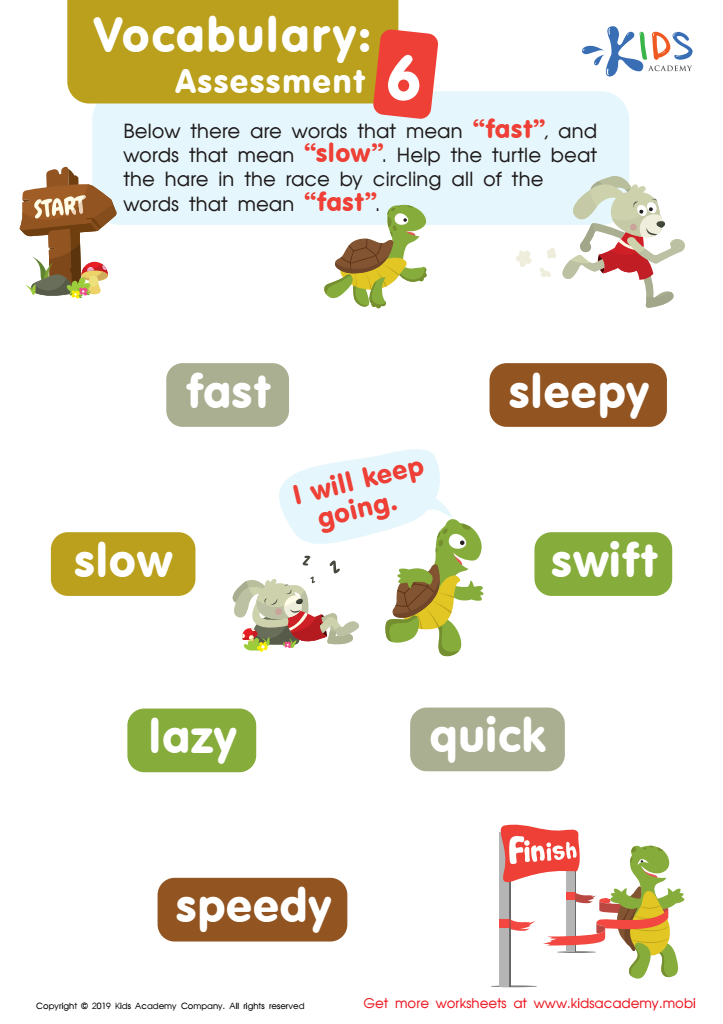
Vocabulary: Assessment 6 Worksheet
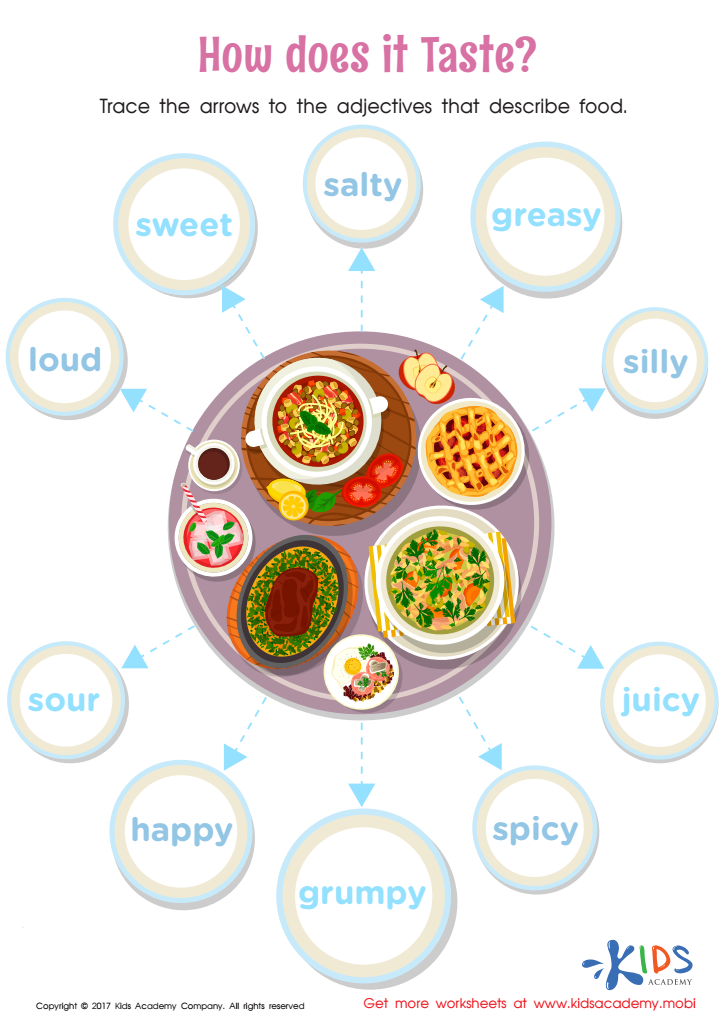
Food Adjectives Worksheet
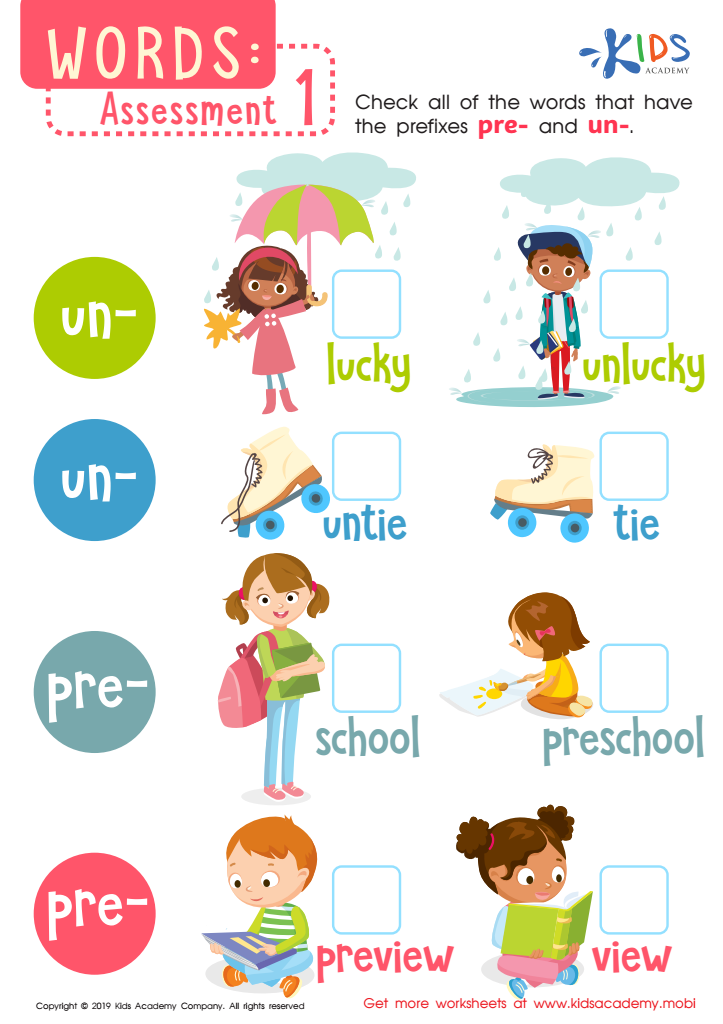
Words: Assessment 1 Worksheet
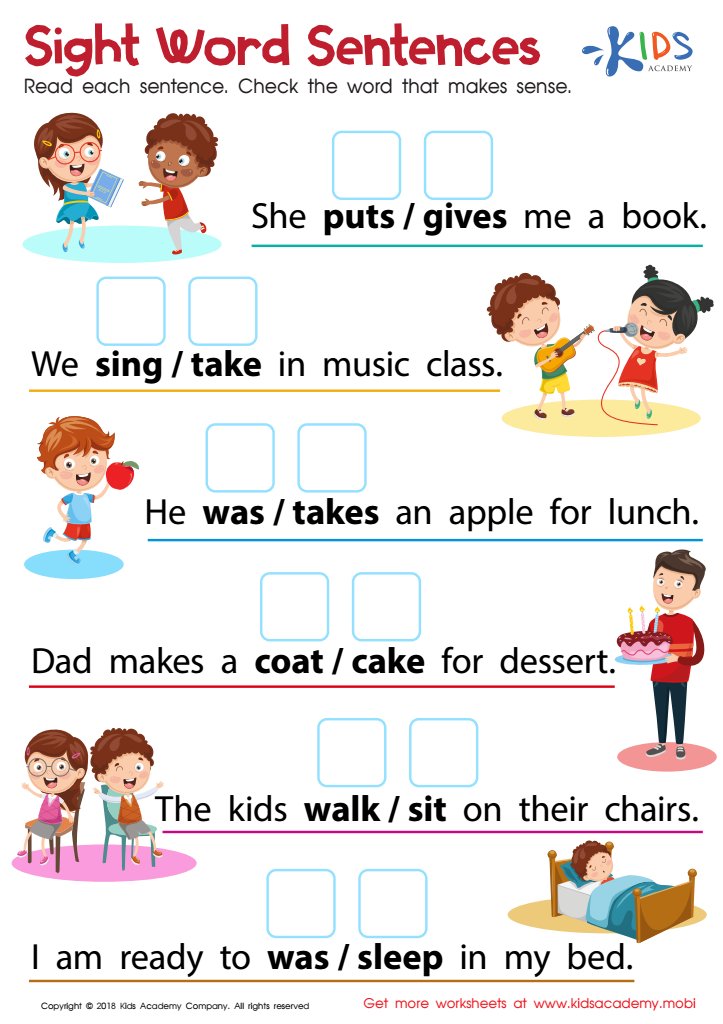
Sight Words Sentences Worksheet
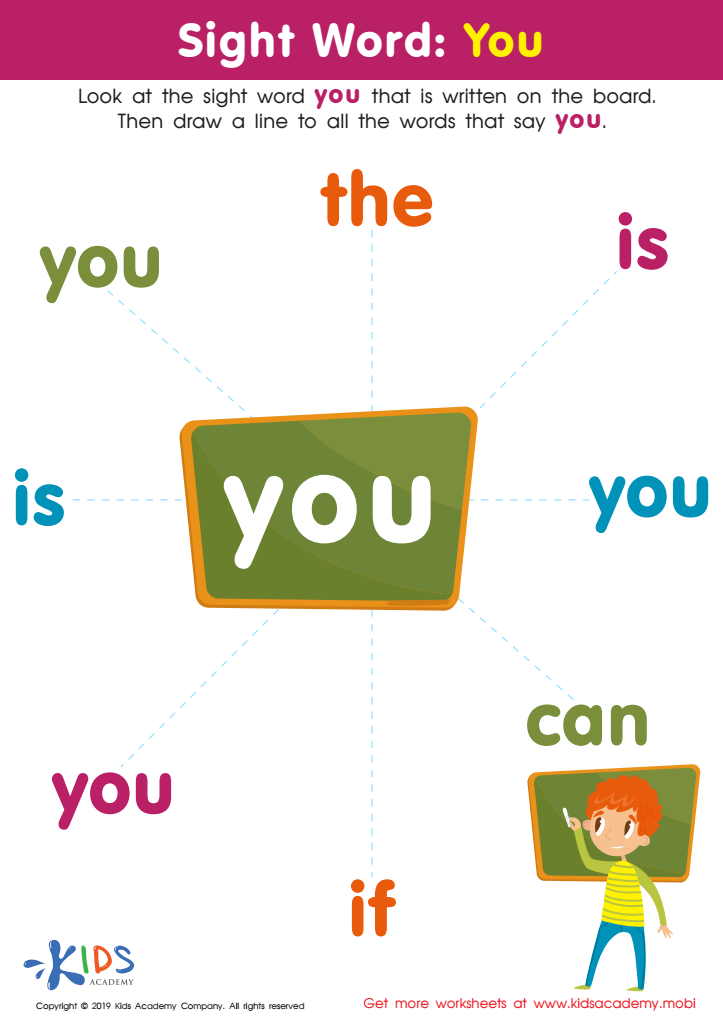
Sight Word You Worksheet
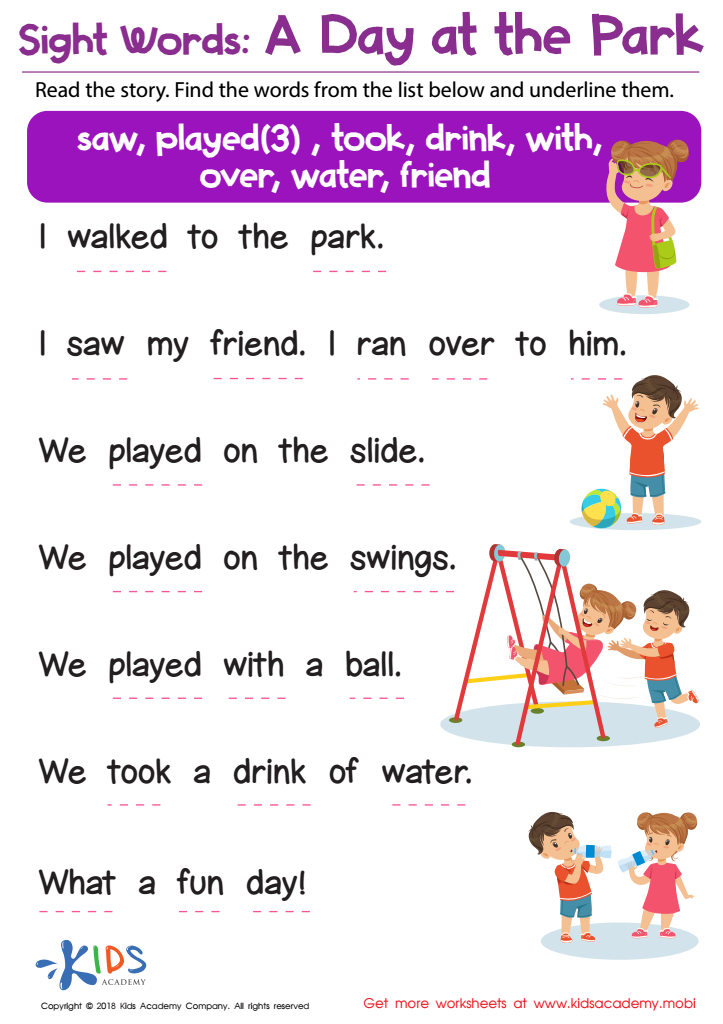
Sight Words: A Day at the Park Worksheet
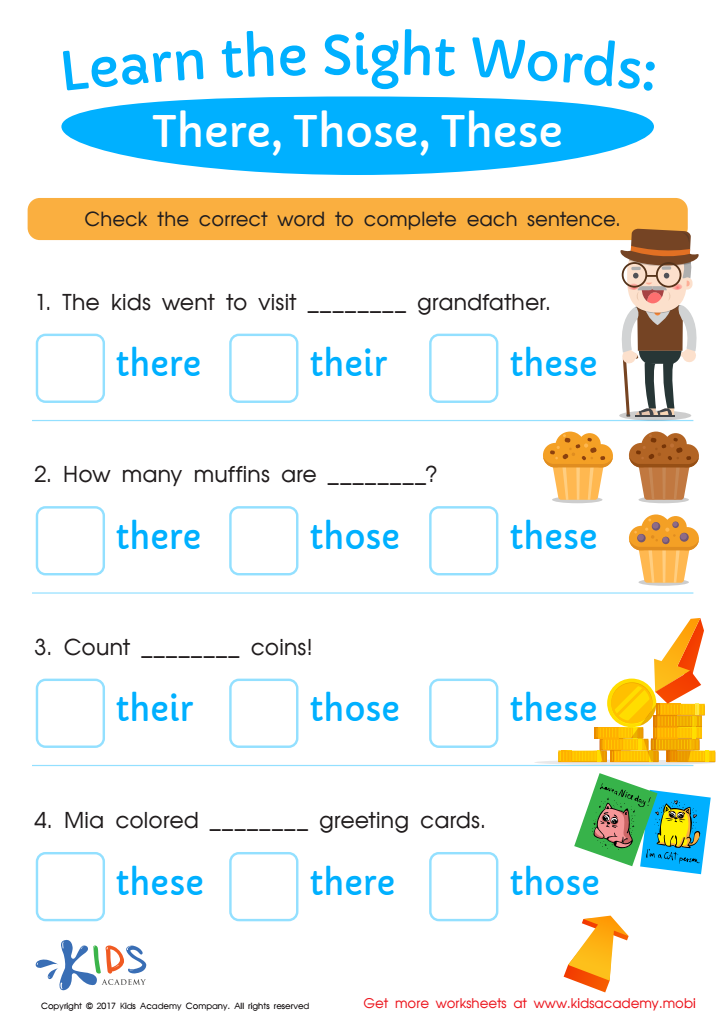
There, Those and These Sight Words Worksheet





.jpg)


Parents and teachers play a crucial role in early childhood education, particularly in the areas of sentence construction and vocabulary building. For children ages 3-9, these skills serve as the foundation for effective communication and future academic success.
Sentence construction helps children learn to express their thoughts clearly and logically, which is essential for both social interactions and academic tasks. By understanding how to build sentences, children can better explain their ideas, ask questions, and participate in conversations, fostering a sense of confidence and competence in their communication abilities.
Building a strong vocabulary complements sentence construction by providing children with the necessary words to articulate their thoughts and understand others. Rich vocabulary allows for more precise and varied expression, improving reading comprehension and writing skills. As children encounter new words, their cognitive development is stimulated, enhancing problem-solving and critical thinking abilities.
Moreover, these language skills are interconnected: a robust vocabulary enhances sentence construction, while constructing sentences provides context for understanding and using new vocabulary. Parental and teacher involvement in this learning process—through reading, engaging conversations, and interactive activities—ensures that children develop these skills in a supportive environment, setting the stage for lifelong learning and success.








