Coloring skills Reading Worksheets for Ages 3-9
6 filtered results
-
From - To
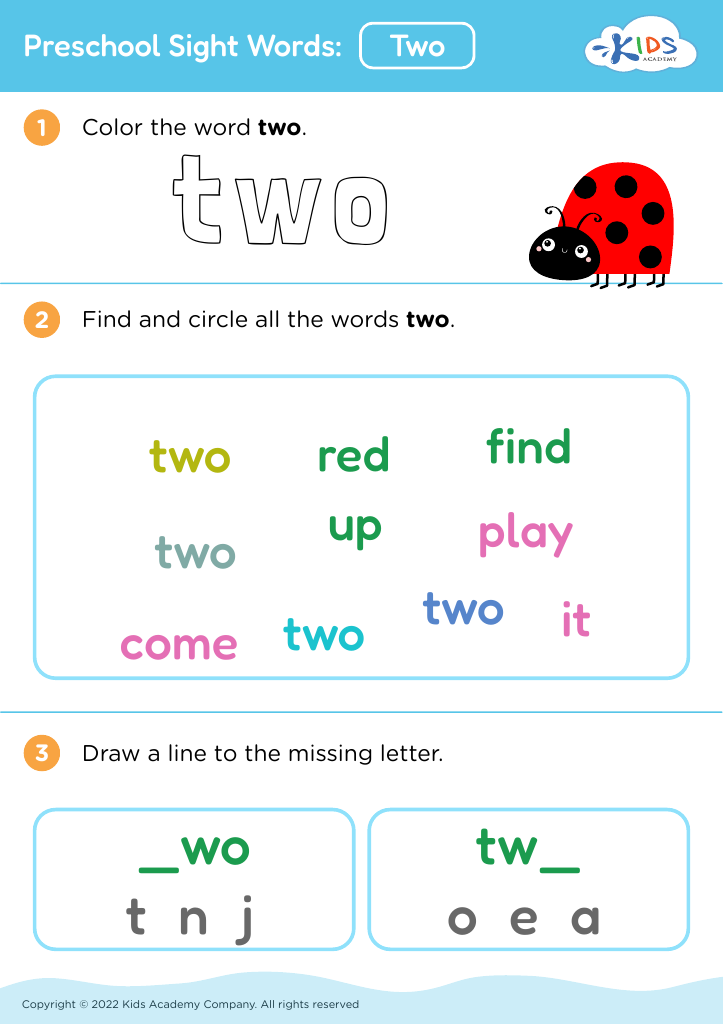
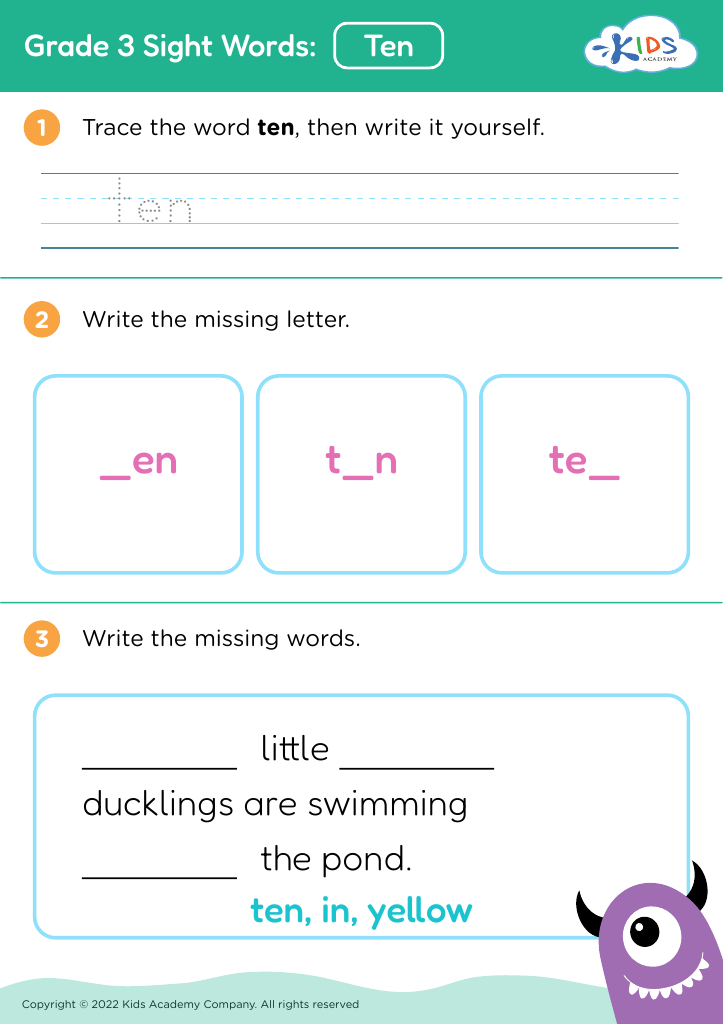
Unleash the creative potential of young minds with our engaging Coloring Skills Reading Worksheets for Ages 3-9. Designed to merge fun and learning, these worksheets help children develop fine motor skills, hand-eye coordination, and early reading abilities. Each page offers delightful illustrations and simple reading tasks, encouraging kids to follow instructions while expressing their creativity. Perfect for classrooms or at-home activities, these worksheets cater to various learning styles, making reading an enjoyable adventure. Boost your child's educational journey effortlessly with our expertly crafted resources, ensuring a balanced blend of entertainment and developmental growth. Explore today and watch them thrive!
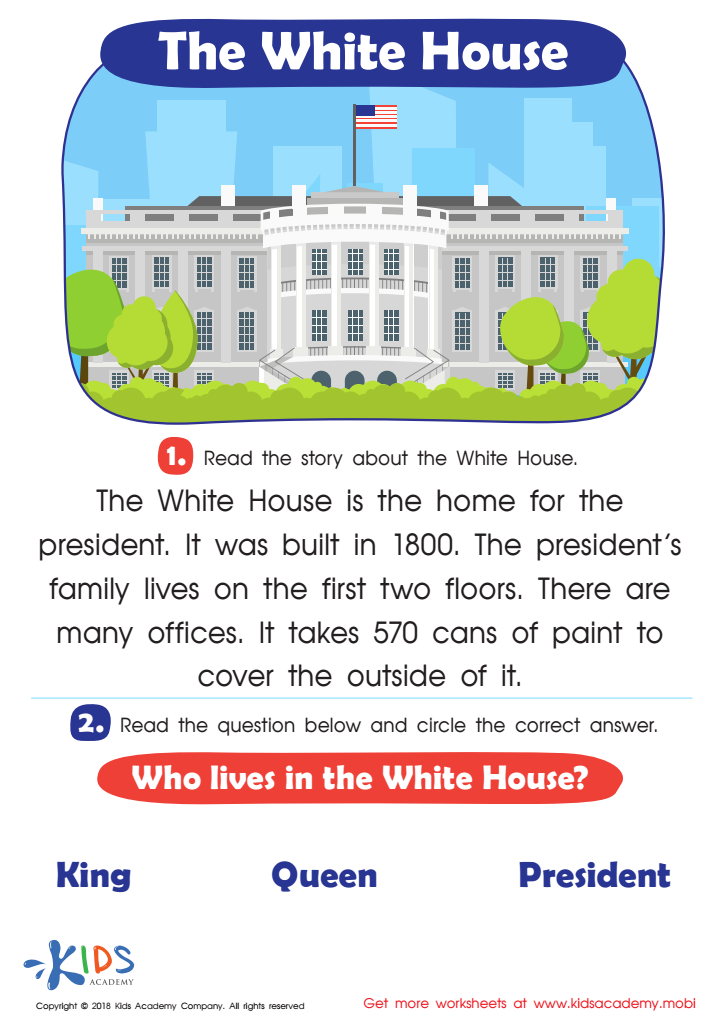
White House Worksheet
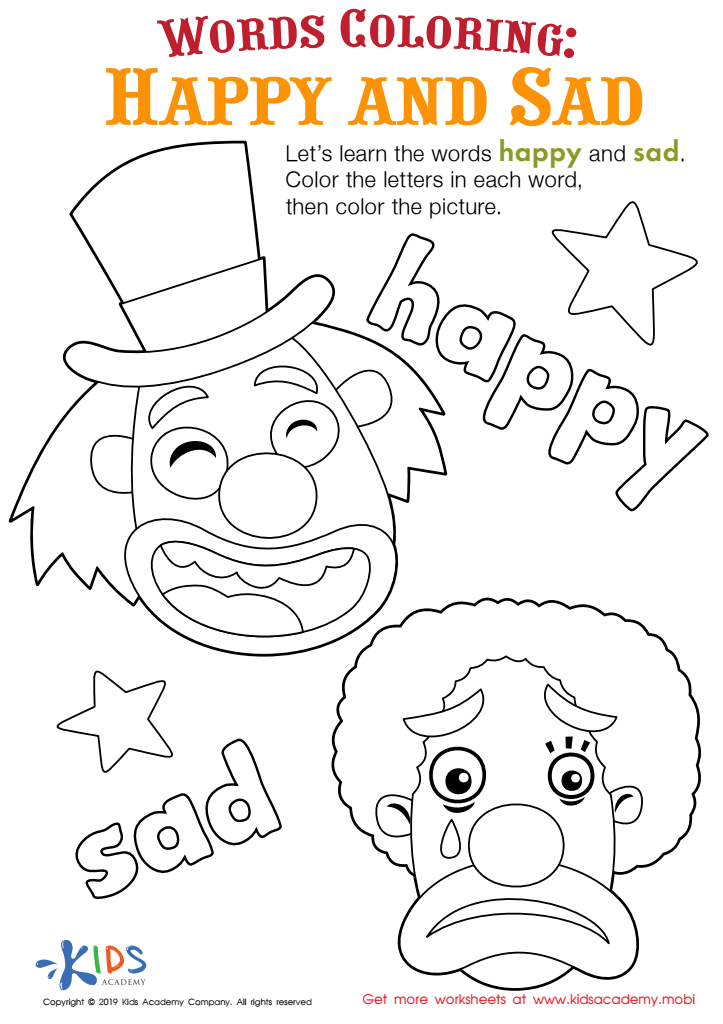
Happy and Sad Words Coloring Worksheet
 Assign to My Students
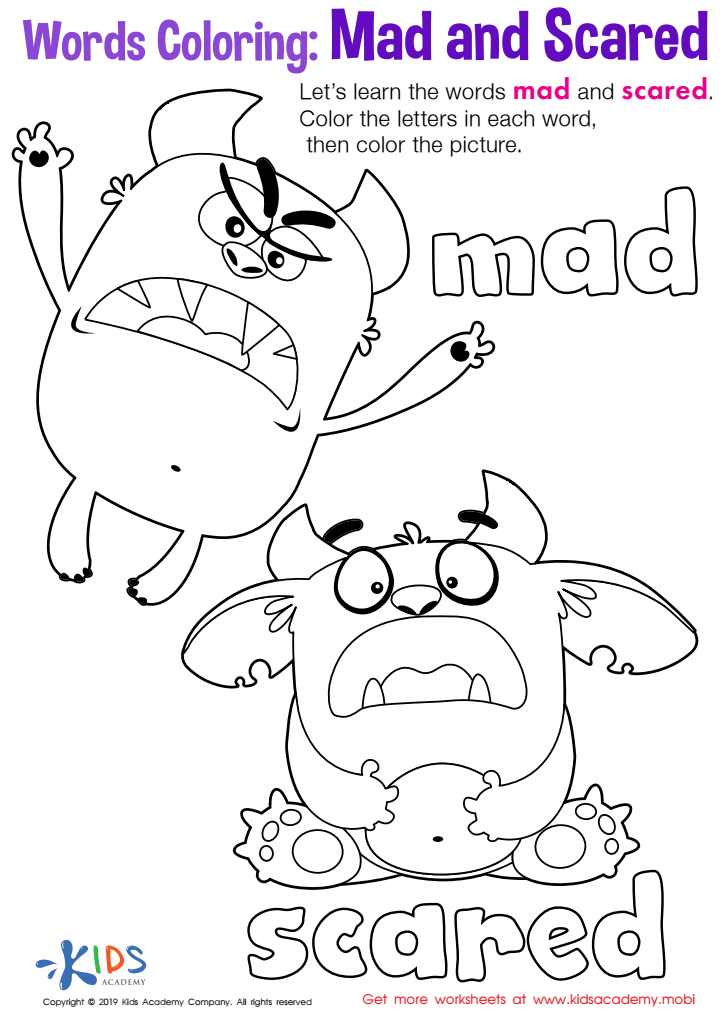
Mad and Scared Words Coloring Worksheet
Assign to My Students
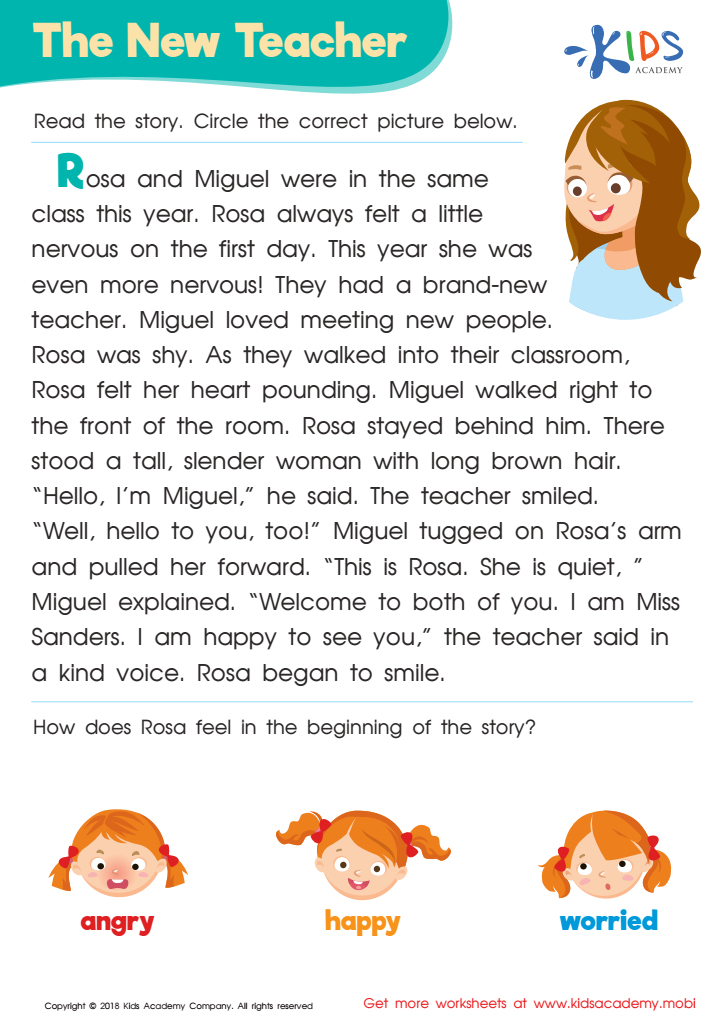
The New Teacher Worksheet







.jpg)
Coloring and reading are essential developmental skills for children aged 3-9, offering numerous cognitive, emotional, and academic benefits. Firstly, coloring enhances fine motor skills. Holding crayons and coloring within lines strengthen hand muscles and coordination, foundational for writing. In reading, children improve literacy skills, including vocabulary, comprehension, and phonemic awareness, which are crucial for academic success.
Creativity and expression flourish in both activities. Coloring allows young minds to explore color, patterns, and scenes, nurturing imaginative and problem-solving skills. Similarly, reading transports children to new worlds, exposing them to diverse perspectives and ideas, fostering empathy and holistic thinking.
From an emotional standpoint, these activities can be soothing. Coloring often acts as a calming, focused task, helping children manage emotions and reduce stress. Reading, on the other hand, can provide comfort and companionship, especially when shared with a loved one.
Socially, read-aloud sessions and collaborative coloring foster communication skills and strengthen bonds with parents, caregivers, or peers. Discussing stories or picture composition enhances understanding and encourages open dialogue.
Additionally, prioritizing these activities creates a foundation for lifelong learning. Art and literacy appreciation established early can lead to enhanced academic performance and a well-rounded personality. Consequently, investing time in nurturing these skills profoundly benefits a child's overall development.








