Fine Motor Skills Reading Worksheets for Ages 3-9 - Page 3
52 filtered results
-
From - To
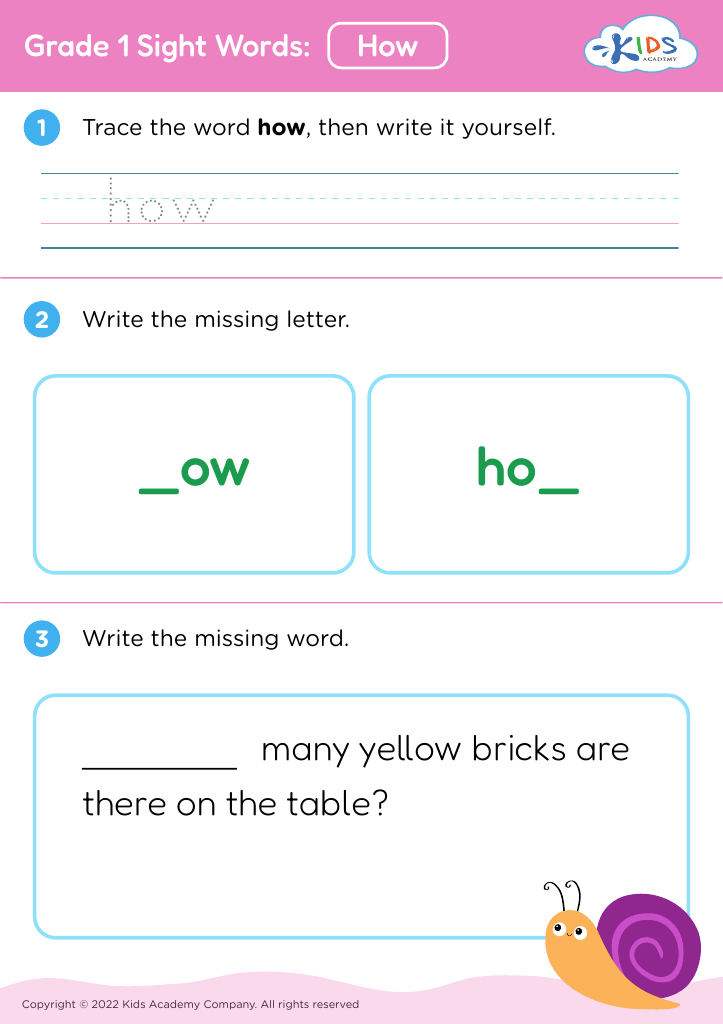
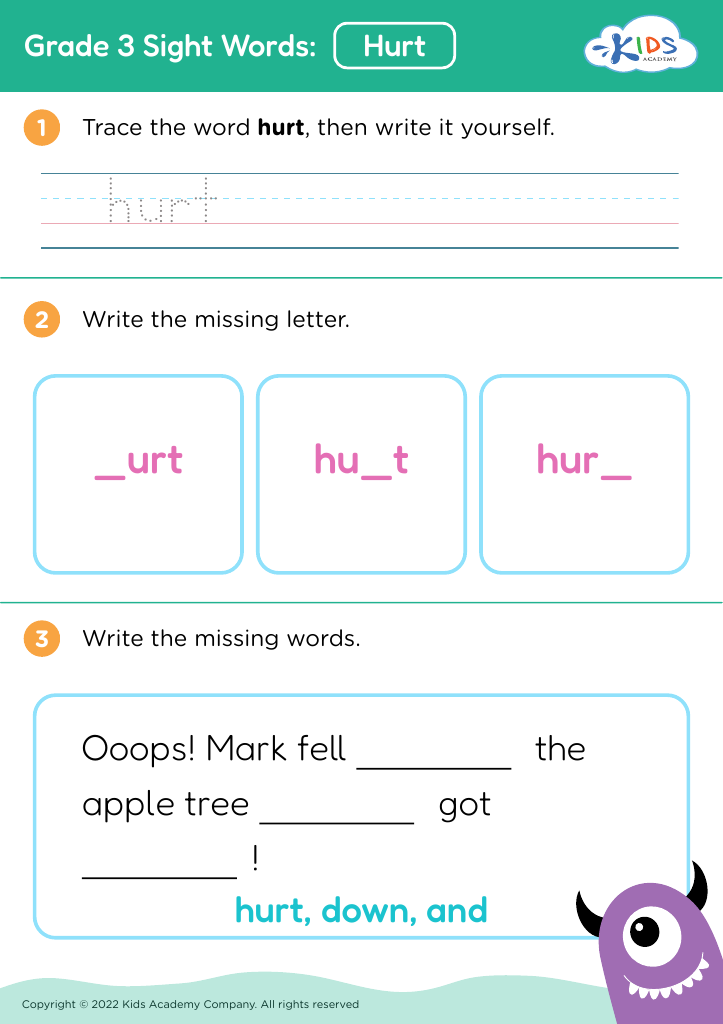
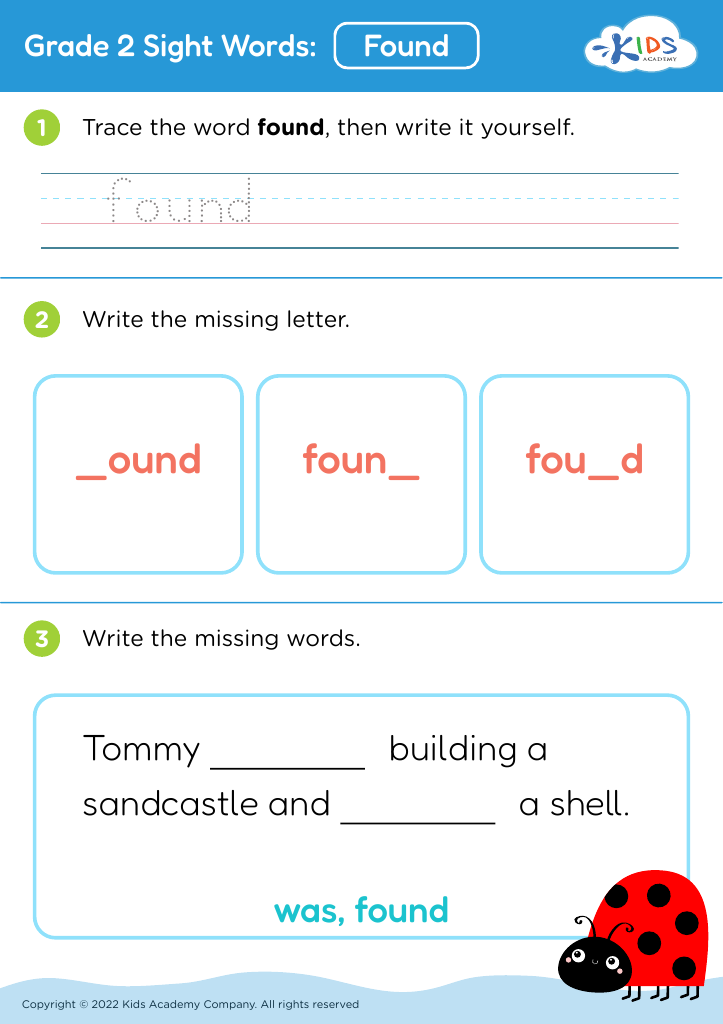
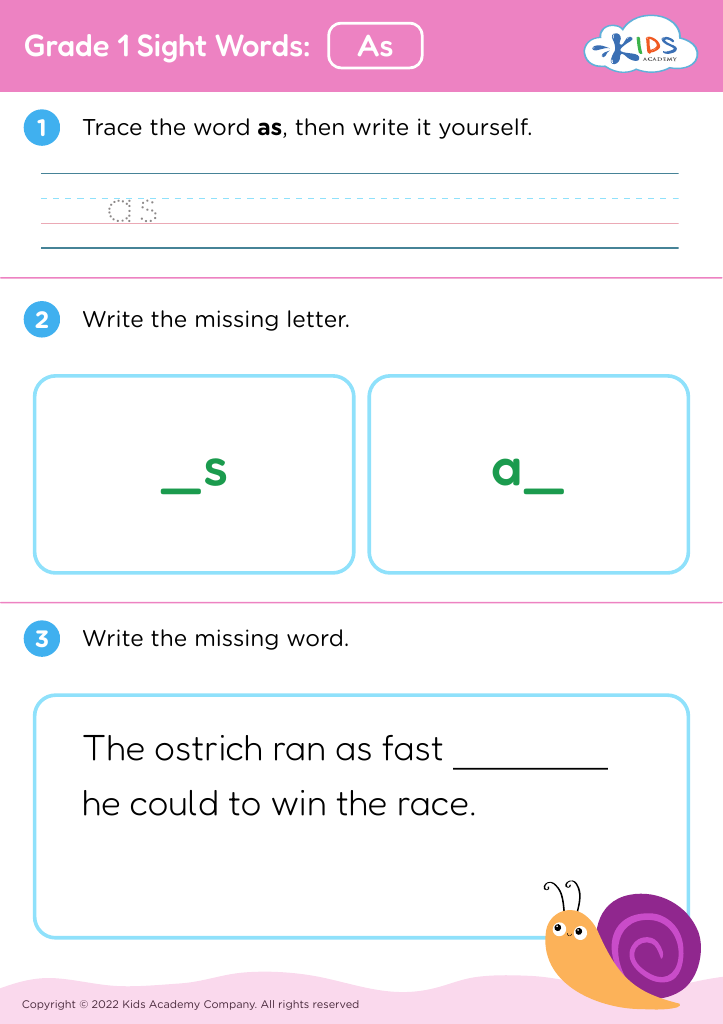








Fine motor skills are essential for children aged 3-9 as they directly impact their reading and overall academic success. Developing fine motor skills involves honing the small muscles in the hands and fingers, which are crucial for tasks like writing, turning pages, and manipulating small objects. When children engage in activities that promote these skills, such as coloring, cutting with scissors, or even playing with building blocks, they enhance their hand-eye coordination and dexterity, which are necessary for effective reading.
Strong fine motor skills enable children to hold books correctly and turn pages without frustration, fostering a more enjoyable reading experience. Moreover, these skills are foundational for eventually learning to write. Research indicates that there’s a connection between fine motor development and literacy outcomes; children who master these skills often exhibit improved handwriting and a greater ability to express their thoughts in writing.
Parents and teachers should prioritize fine motor skill development during this critical age range, providing ample opportunities for children to practice these skills through engaging, hands-on activities. Supporting this development not only lays the groundwork for effective reading but also builds confidence and a love for learning that can last a lifetime.








