Fraction comparison Reading Worksheets for Ages 3-9
14 filtered results
-
From - To
Introducing our Fraction Comparison Reading Worksheets, designed for kids aged 3-9! These engaging worksheets help young learners grasp the concept of fractions through fun and interactive exercises. With bright, illustrative content, children will learn to compare and understand different fractions effortlessly. Perfect for building strong foundational math skills, these worksheets cater to various learning stages, ensuring a comprehensive and age-appropriate approach. Ideal for both classroom and home use, our fraction comparison worksheets turn a challenging subject into an enjoyable adventure, sparking confidence and a love for math in young minds. Start the learning journey today!
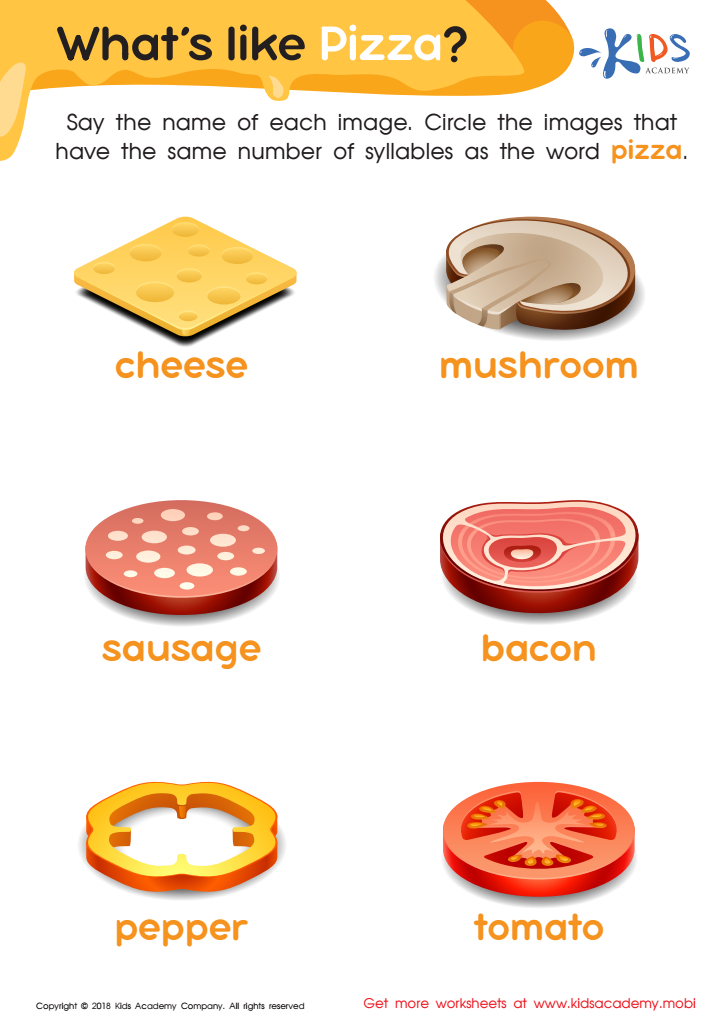
What's Like Pizza? Worksheet
 Assign to My Students
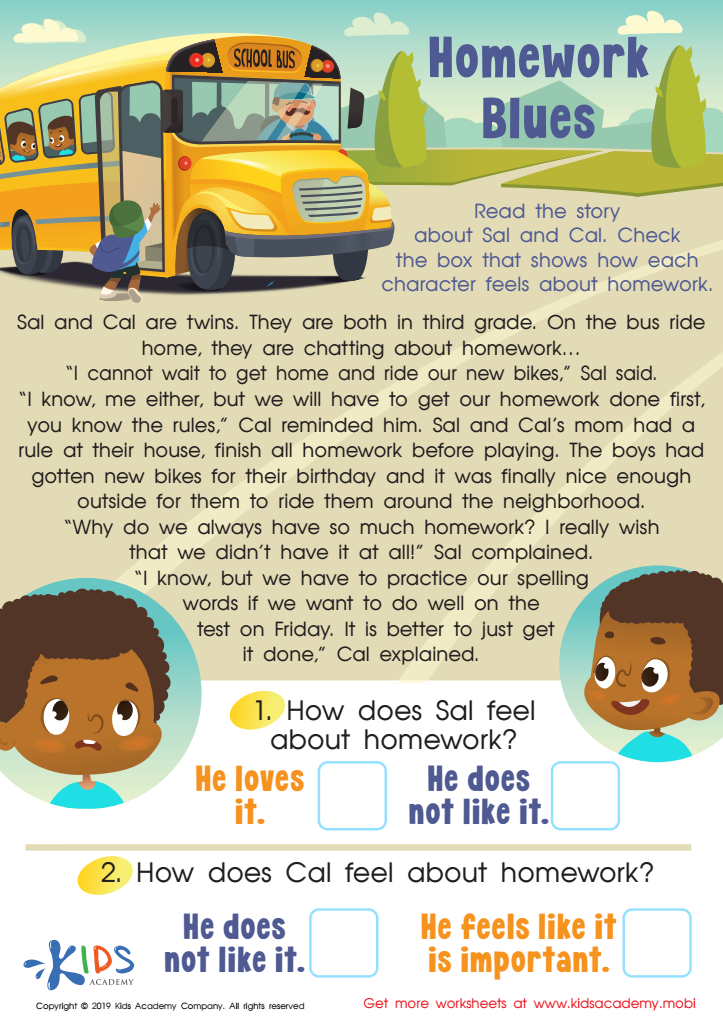
Homework Blues Worksheet
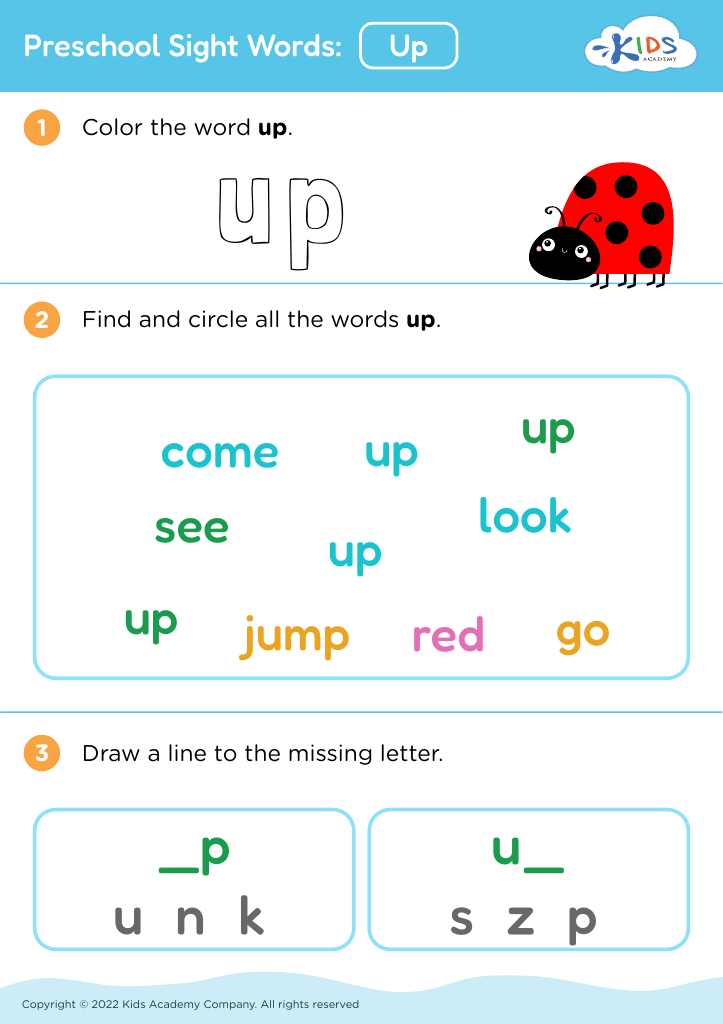
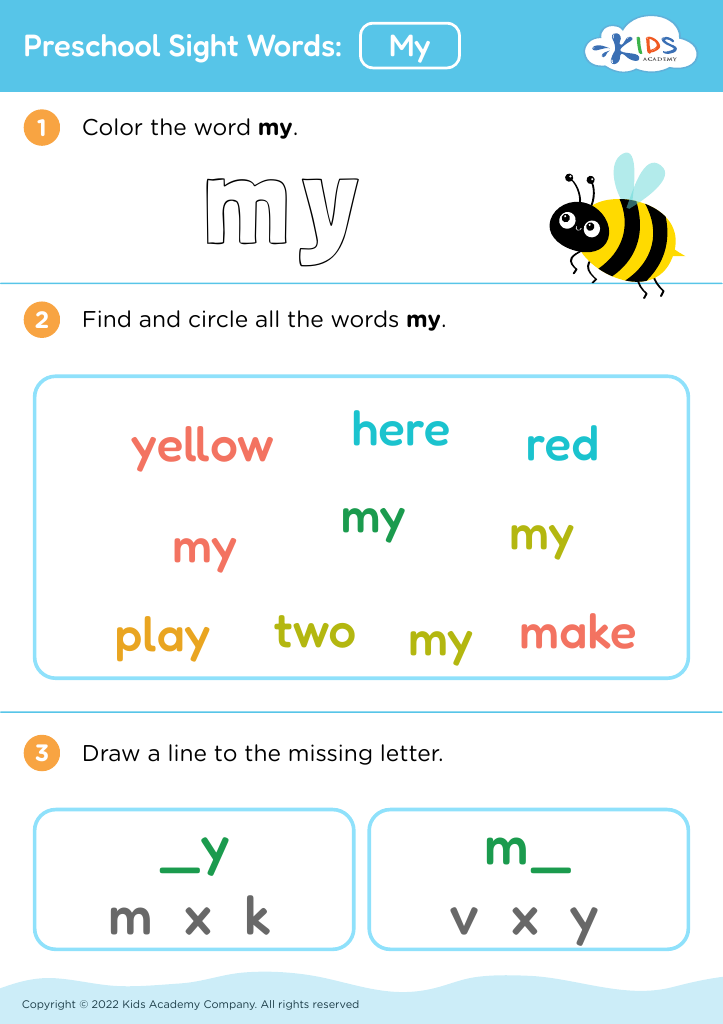


.jpg)





Teaching young children to compare fractions is integral for several reasons. First, early exposure to fractions helps build a strong mathematical foundation, crucial for future learning. Many advanced mathematical concepts, from algebra to calculus, rely on a solid understanding of fractions. By mastering fraction comparison early on, children can more easily progress to these complex topics later.
Moreover, understanding fractions improves problem-solving skills. Children learn to think critically and make reasoned decisions as they compare and contrast different values. This mathematical reasoning is not only valuable in math class but also in real-world contexts, such as cooking, shopping, and dividing items fairly among friends and family.
Introducing fraction comparison early also boosts confidence. When children master challenging concepts at a young age, they gain a sense of accomplishment. This positive reinforcement encourages a love for learning and helps them to perceive future challenges as surmountable.
Finally, grasping fractions early fosters better academic performance. Children proficient in early math skills often excel in other areas as well, as they have learned the discipline and patterns involved in effective study habits.
In summary, teaching fractions to young children is essential because it builds foundational math skills, promotes critical thinking, boosts confidence, and improves overall academic performance.








