Number identification Reading Worksheets for Ages 3-9
6 filtered results
-
From - To
Discover our engaging Number Identification Reading Worksheets designed specifically for children aged 3 to 9. These worksheets aim to make learning numbers fun and interactive, enhancing early math skills while promoting reading development. Each worksheet includes vibrant illustrations and easy-to-understand activities that help young learners recognize and identify numbers through a variety of playful exercises. From tracing and matching numbers to filling in blanks and coloring activities, children can enhance their number sense while enjoying the process. Perfect for classroom use or guided at-home learning, our worksheets empower young learners with essential skills for confident mathematical understanding. Start the journey to number mastery today!
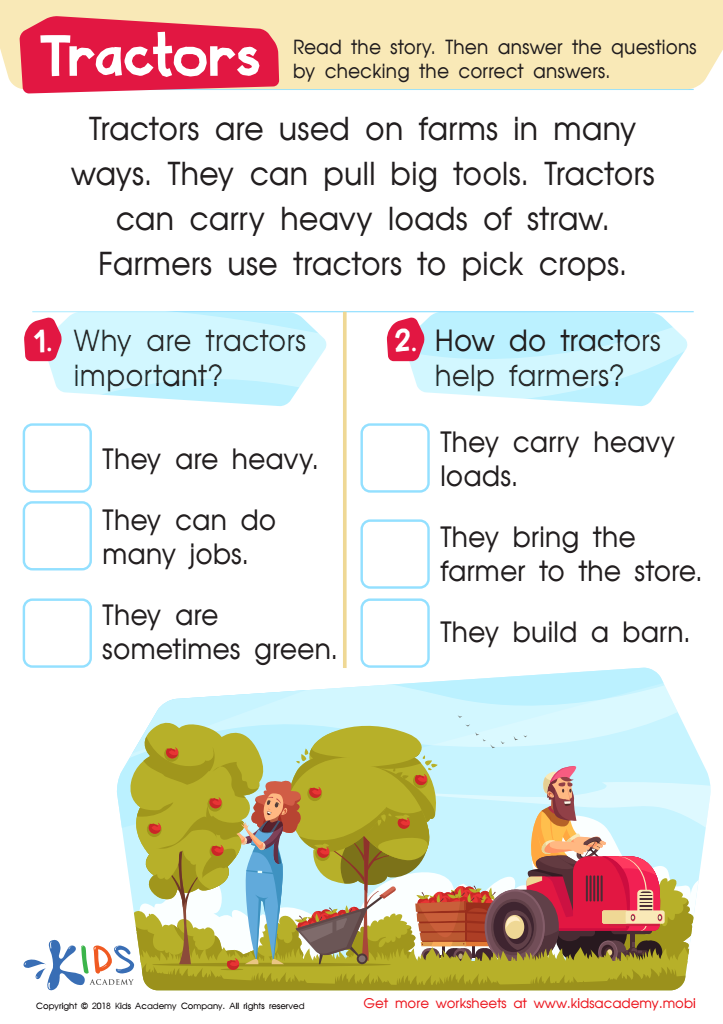
Tractors Worksheet
 Assign to My Students
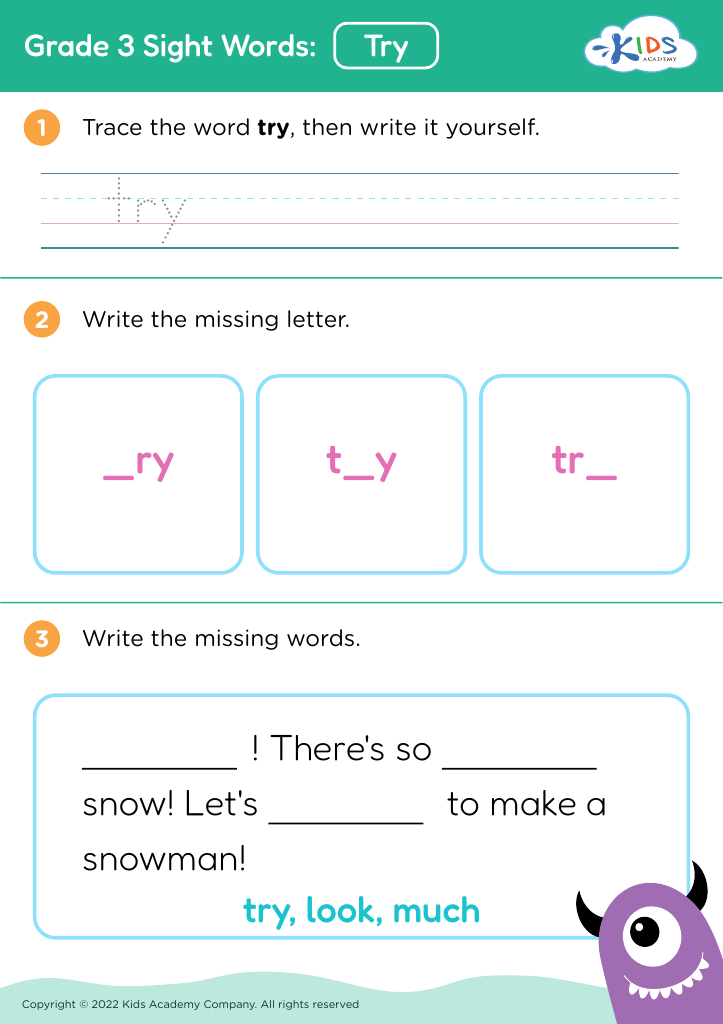
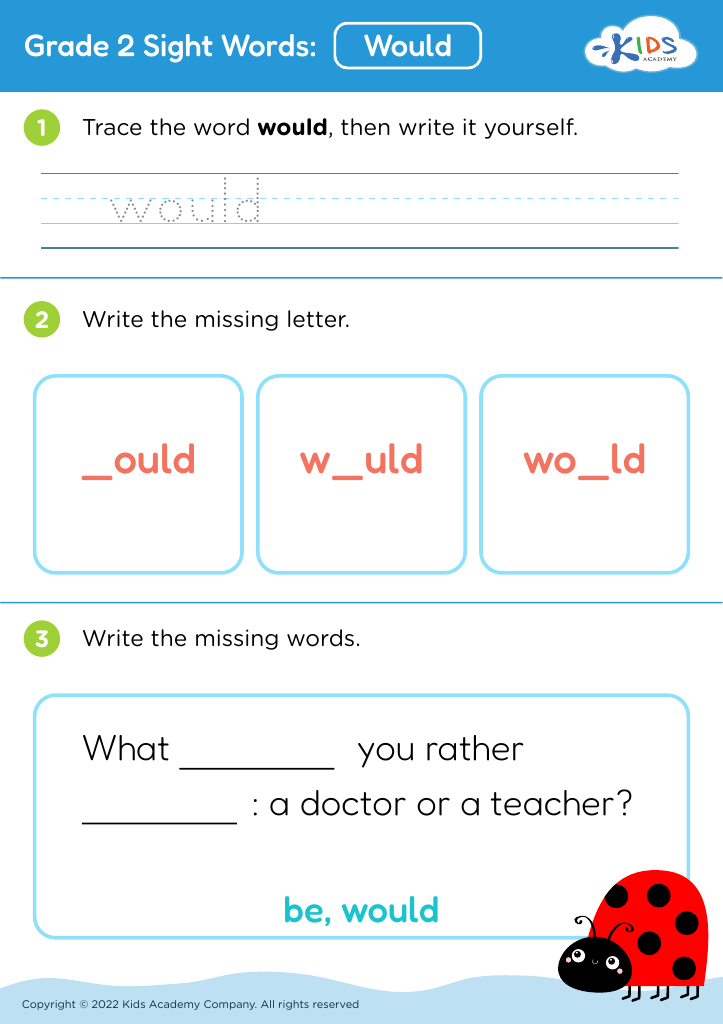
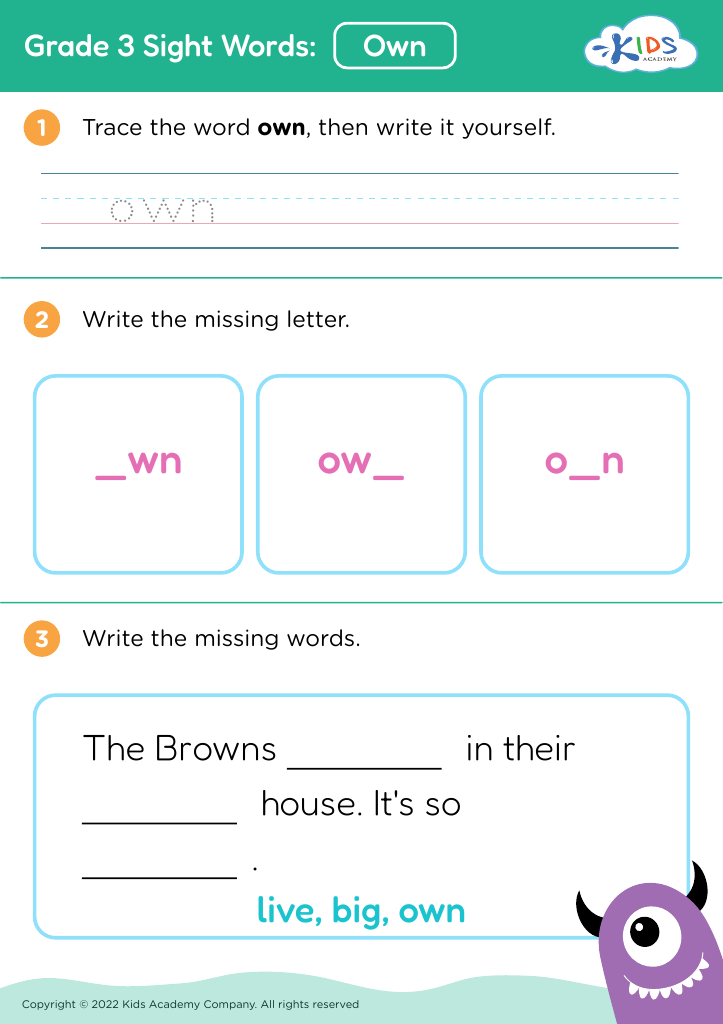




.jpg)



Number identification is a crucial foundational skill for children aged 3-9, and both parents and teachers play vital roles in nurturing this ability. First, recognizing numbers is key to developing early math skills, which set the groundwork for future academic success. Children learn to associate quantity with symbols, an important step toward problem-solving and critical thinking.
Additionally, strong number identification skills often correlate with a child’s overall cognitive development, enhancing their ability to follow directions, understand sequences, and engage in games that involve counting. For parents, supporting this skill at home fosters a positive attitude toward learning, making it a fun and engaging experience through everyday activities like cooking, shopping, or playing games.
Teachers, on the other hand, can weave number identification into daily lessons, ensuring that children are exposed to different contexts in which numbers appear, reinforcing their learning. By collaborating, both parents and teachers can create a supportive environment where children feel confident in their abilities.
In essence, focusing on number identification helps children build essential skills needed for math proficiency and broader academic achievements, ultimately preparing them for success in a world increasingly reliant on numeric literacy.








