
Understanding patterns Reading Worksheets for Ages 3-9
8 filtered results
Difficulty Level
Grade
Age
-
From - To
Subject
Activity
Standards
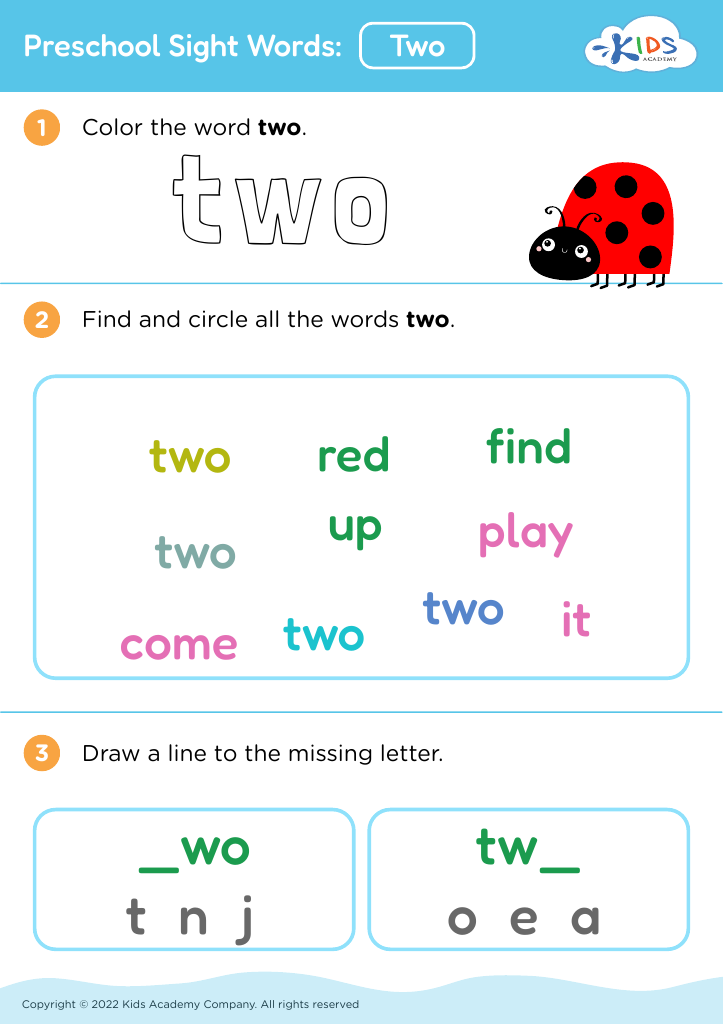
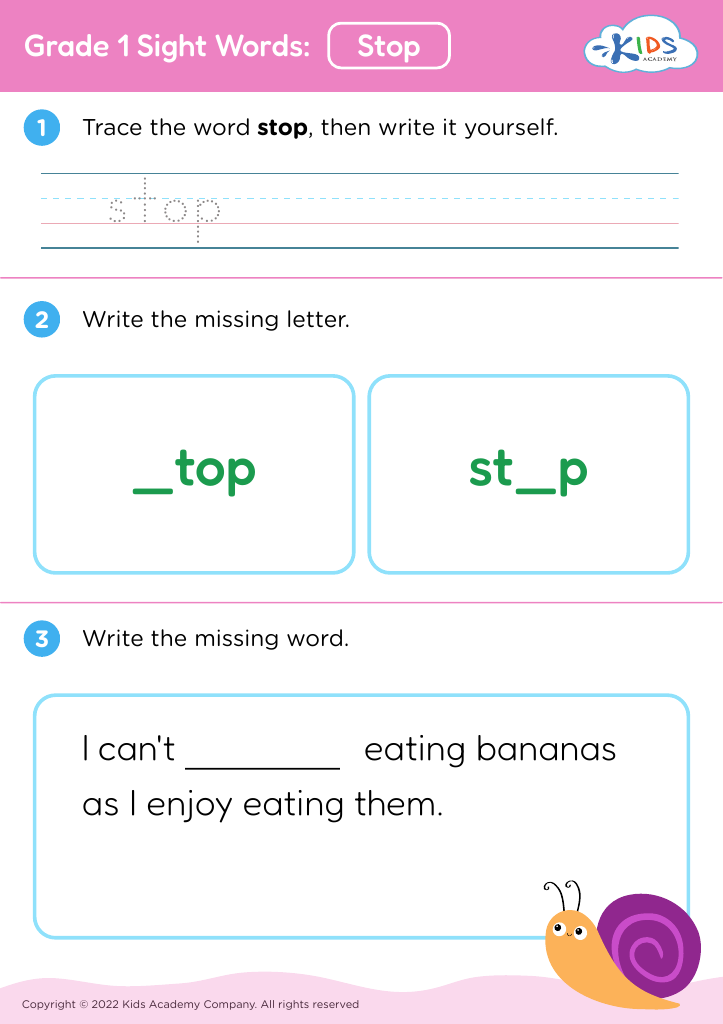
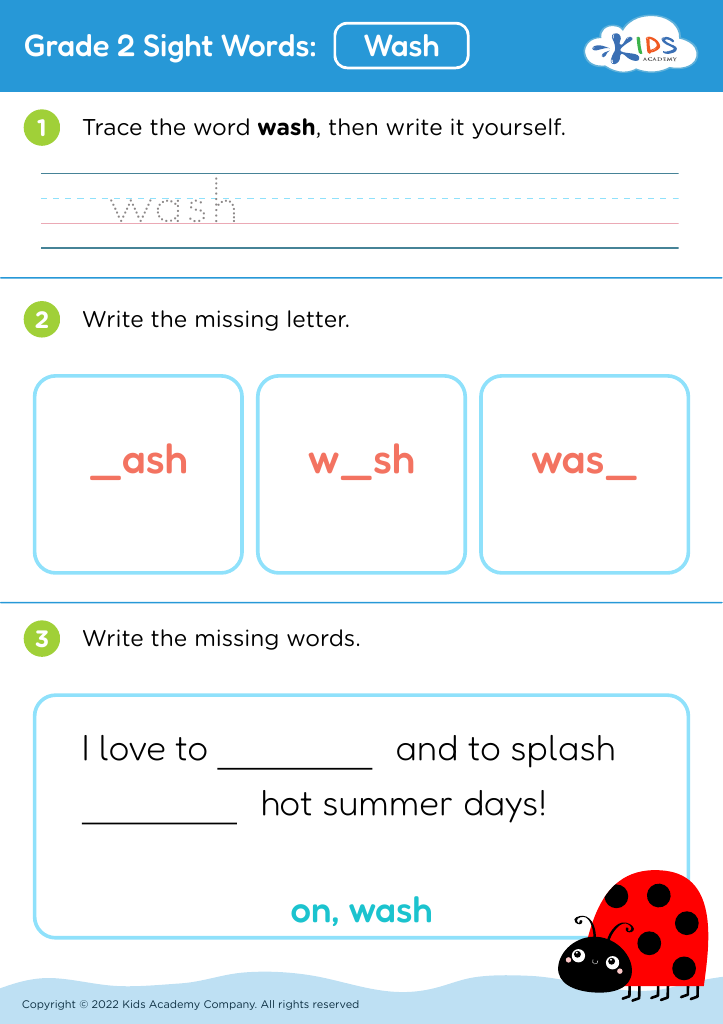
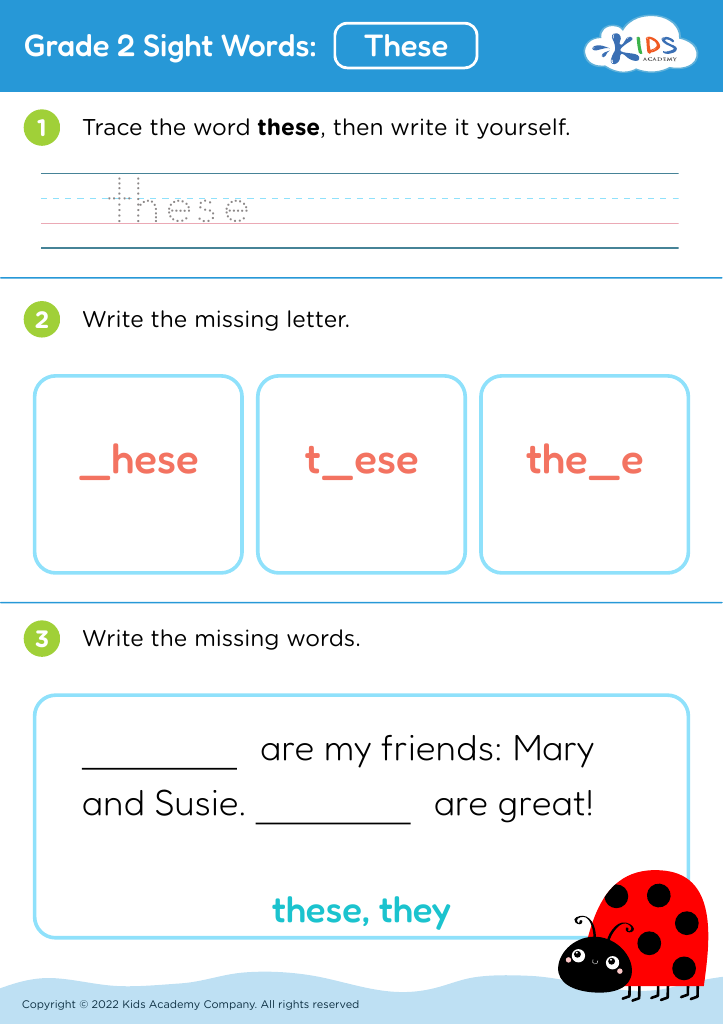
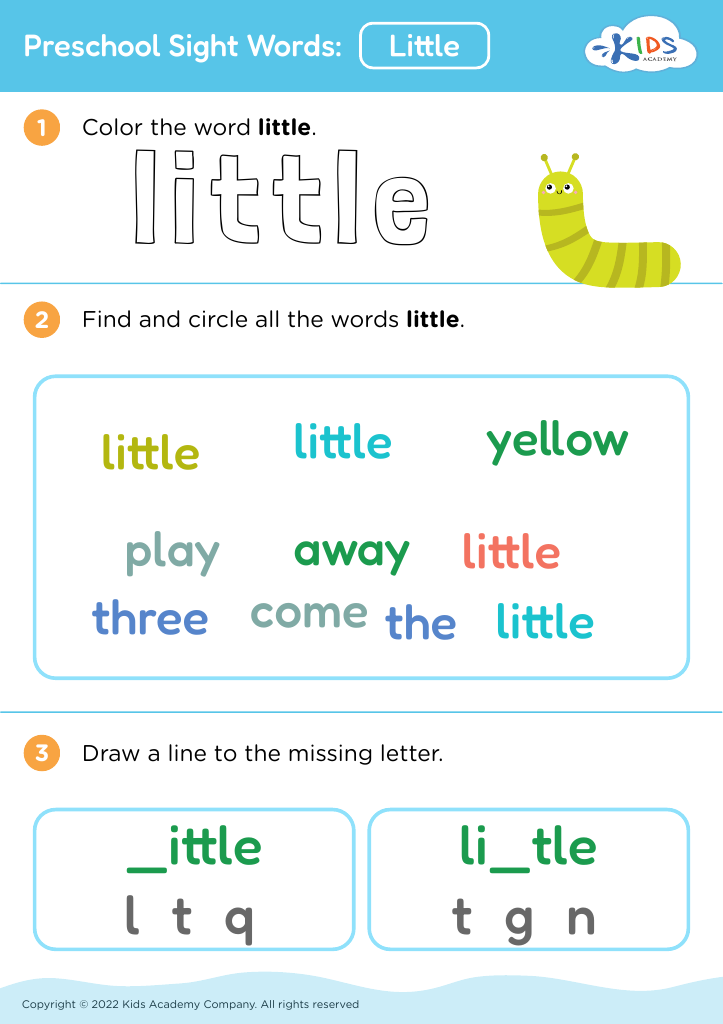
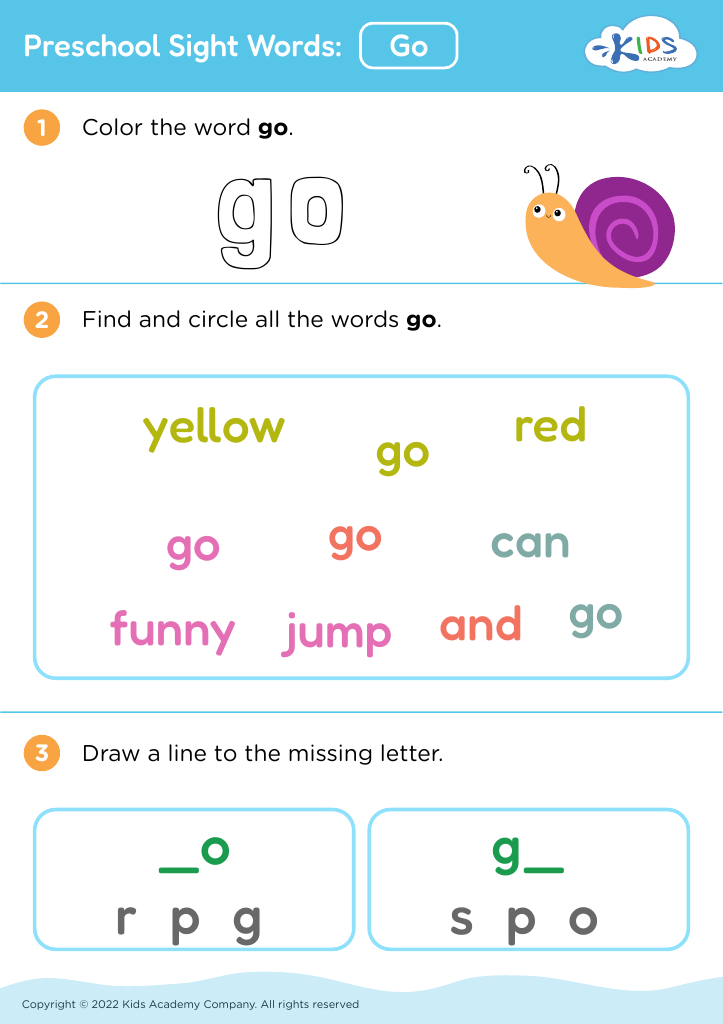
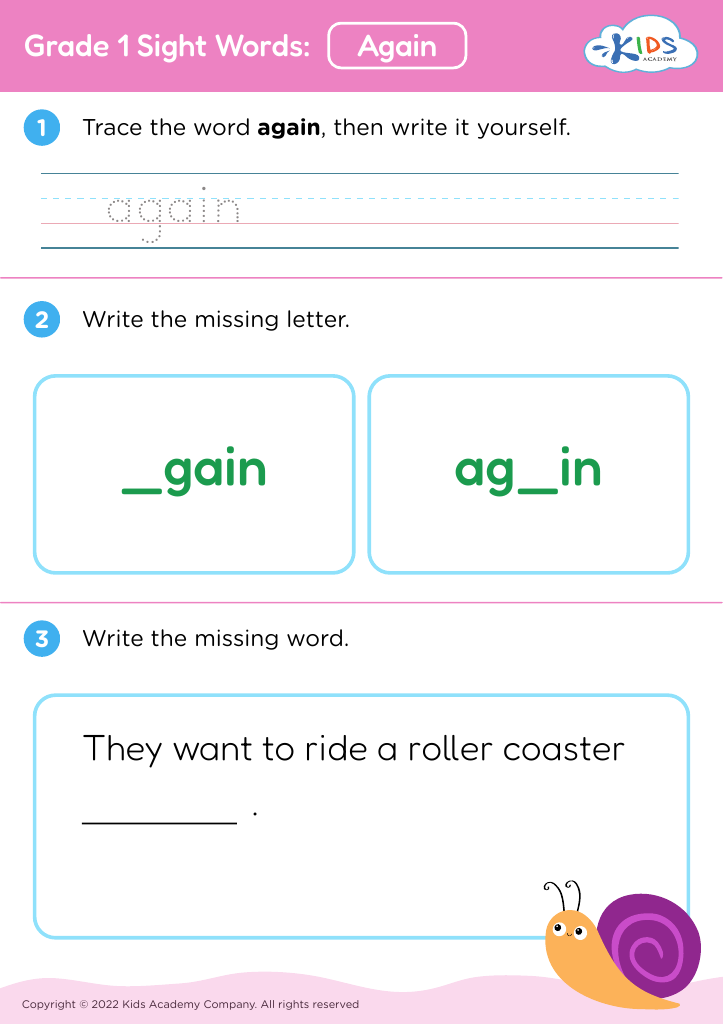
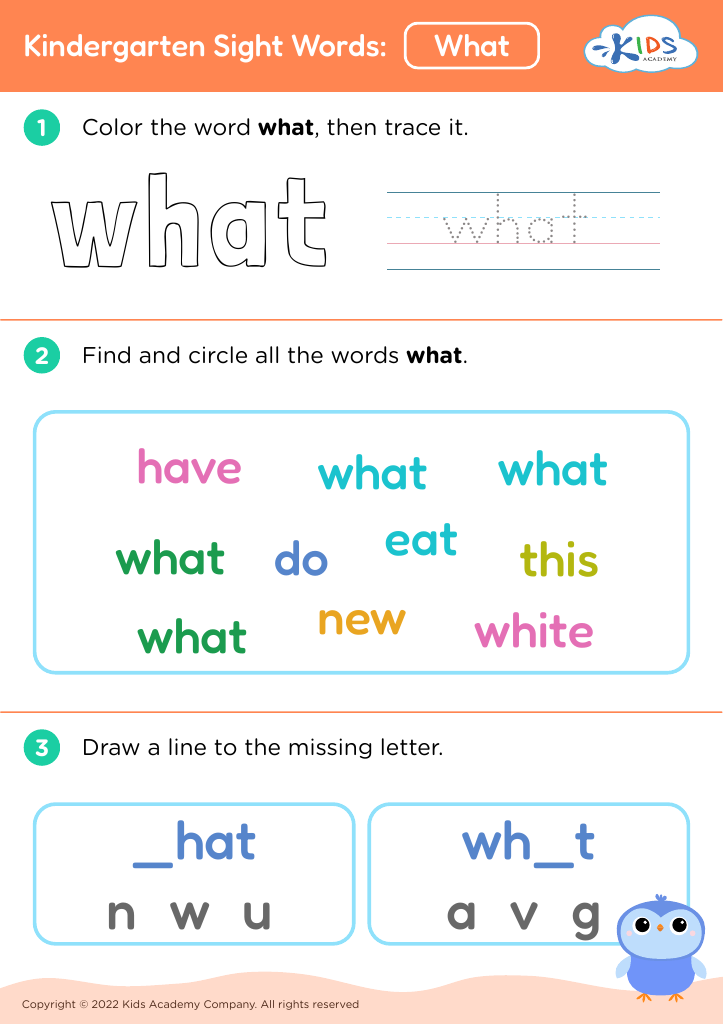
Discover our "Understanding Patterns Reading Worksheets" designed for children aged 3-9. These engaging worksheets help young learners develop critical reading and cognitive skills by recognizing and identifying patterns in text and illustrations. Our printable resources encourage creativity, enhance comprehension, and simplify complex concepts through fun activities that spark curiosity. Perfect for parents, teachers, and caregivers, these worksheets can be used at home or in classrooms, making learning interactive and enjoyable. Support your child's early literacy journey and help them build a strong foundation for future academic success with our comprehensive and visually appealing worksheets focused on understanding patterns.
Favorites
With answer key
Interactive
Join Kids Academy for Free
Who is primarily going to use this learning content?








Understanding patterns in reading is crucial for children aged 3-9, as it lays the groundwork for literacy and cognitive development. At this early stage, children begin to recognize sequences in letters, sounds, and words, which fosters phonemic awareness and helps them decode language more effectively. For parents and teachers, engaging with these patterns enhances comprehension skills, enabling children to predict what comes next in a text, thereby boosting their confidence and motivation to read.
Moreover, recognizing patterns helps children make connections between different pieces of information, improving critical thinking skills that are vital not just for language arts but across all subjects. Educators can use this understanding to introduce various reading strategies and practices, such as rhyming games and storytelling, that reinforce these concepts in enjoyable and interactive ways.
When adults actively support the learning of reading patterns, they contribute significantly to their children's academic success, shaping lifelong readers and learners. By fostering an environment rich in language and encouraging exploration of patterns, parents and teachers create a strong foundation for children to build their reading skills, ultimately nurturing well-rounded, literate individuals.








