Comprehension skills Science Worksheets for Ages 3-9
6 filtered results
-
From - To
Discover the perfect comprehension skills science worksheets for ages 3-9 at Kids Academy. Our expertly crafted resources are designed to enhance young learners' understanding of the world around them through engaging exercises and experiments. Each worksheet focuses on key concepts in science, promoting critical thinking and problem-solving abilities. Perfect for at-home learning or classroom use, our worksheets cover diverse topics such as life sciences, earth sciences, and physical sciences. Foster a lifelong love of learning in your child with our visually appealing and interactive science activities. Start your educational journey today with Kids Academy's comprehension skills science worksheets!
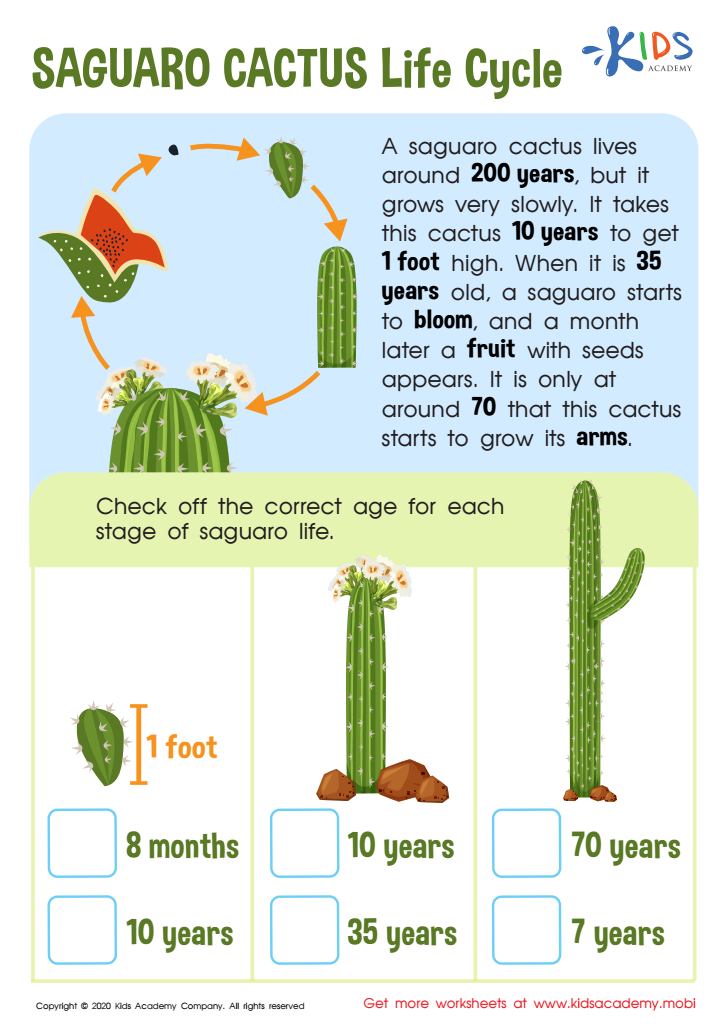
Saguaro Cactus Life Cycle Worksheet
 Assign to My Students
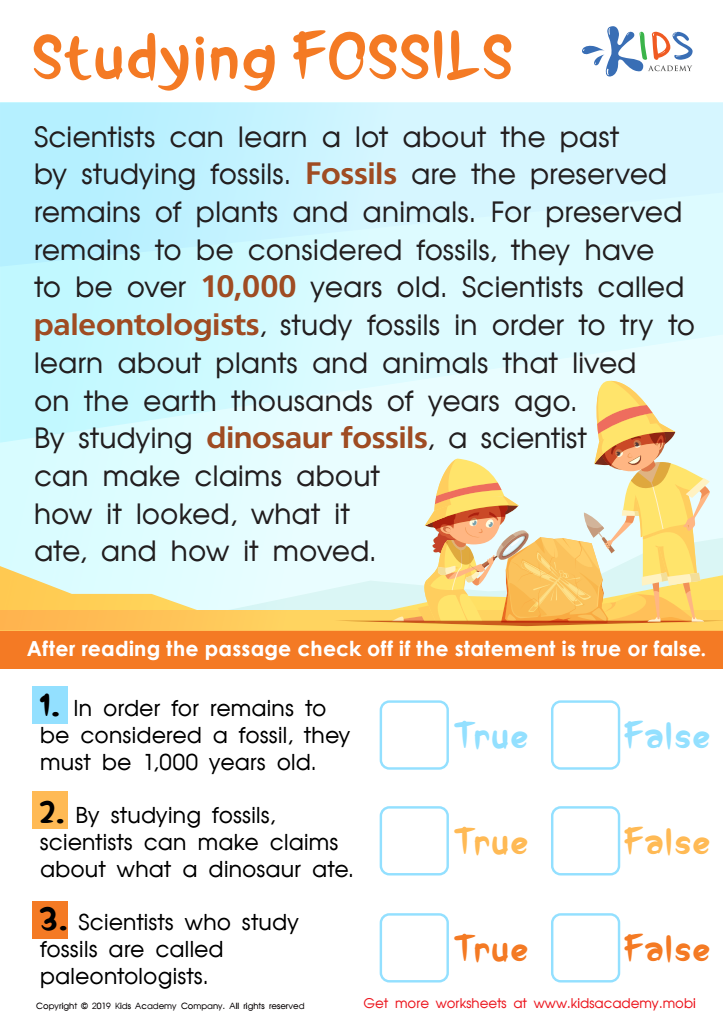
Studying Fossils Worksheet
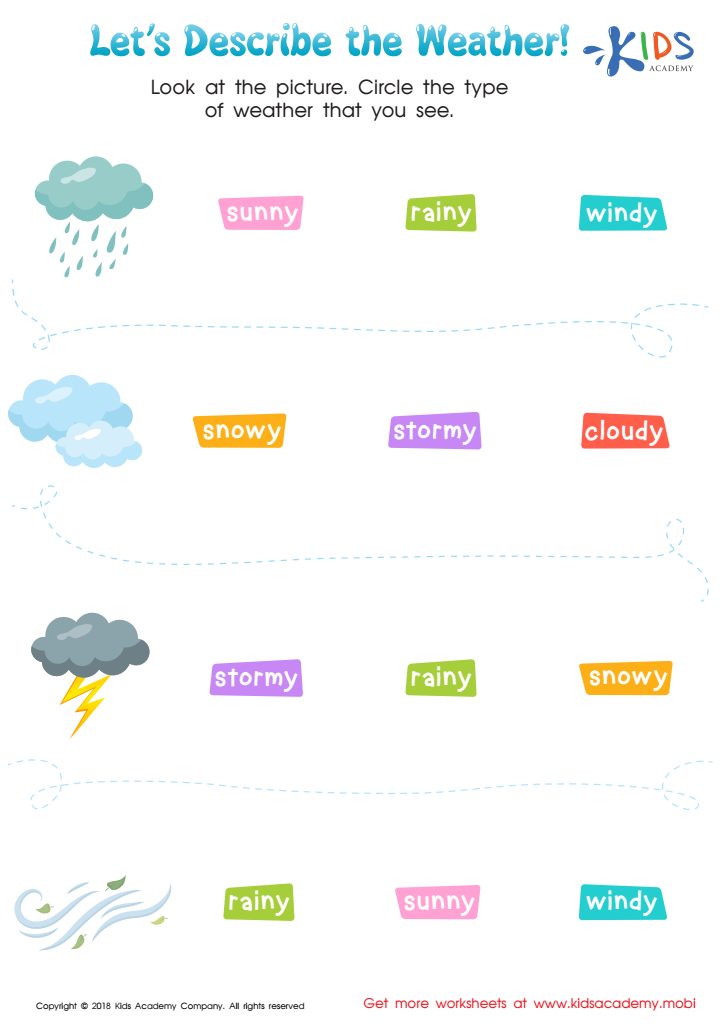
Let's Describe the Weather! Worksheet
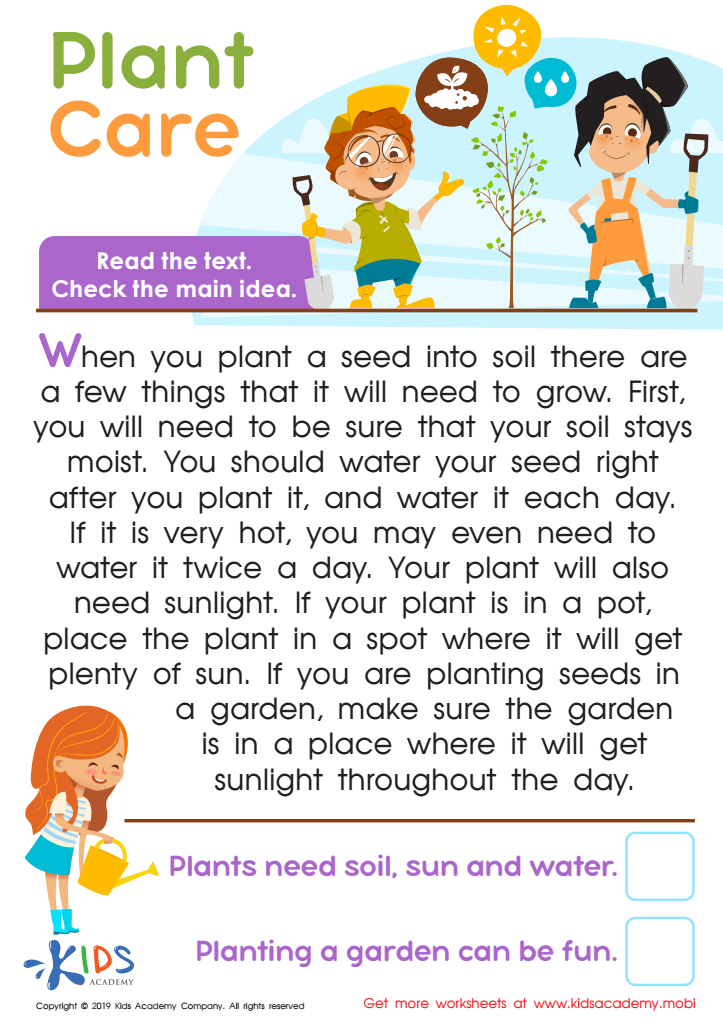
Plant Care Worksheet
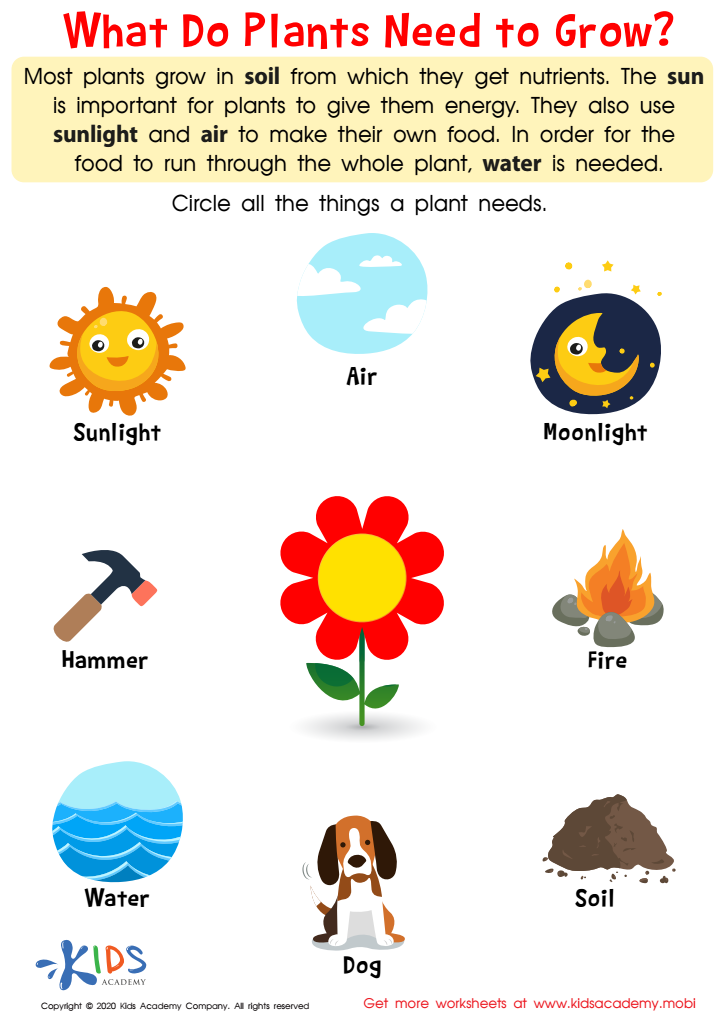
What Do Plants Need to Grow Worksheet
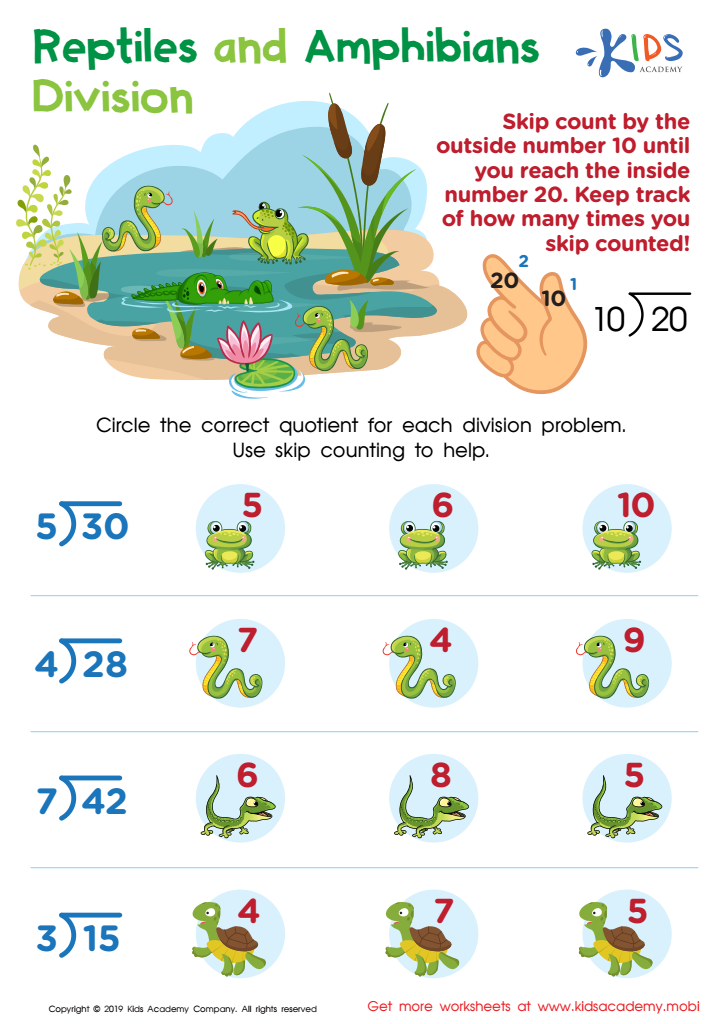
Reptile and Amphibians Division Worksheet






Parents and teachers should prioritize comprehension skills in science for children aged 3-9 because these skills are foundational for not only academic success but also for lifelong learning. At this crucial developmental stage, children are naturally curious and eager to explore the world around them. Introducing science concepts helps them better understand their environment, stimulates critical thinking, and fosters a sense of curiosity and inquiry. Comprehension skills enable children to grasp these concepts, articulate hypotheses, and draw conclusions from their observations.
Furthermore, early comprehension skills in science promote language development and vocabulary expansion. Discussing scientific ideas strengthens communication abilities, enabling children to express complex thoughts clearly and confidently. This also builds their confidence in tackling future academic challenges across various subjects.
These skills are integral for problem-solving and logical reasoning. When children engage with science-related activities, they learn to ask questions, compare information, and summarize findings. Such cognitive strategies are beneficial not just for science, but for all areas of learning.
Finally, fostering an early interest in science can inspire a lasting passion for the subject, potentially guiding future educational and career aspirations. By nurturing comprehension skills in science, parents and teachers equip children with essential tools to thrive both in school and beyond, making them more informed and capable individuals.







