Critical Thinking Science Worksheets for Ages 3-9 - Page 2
26 filtered results
-
From - To
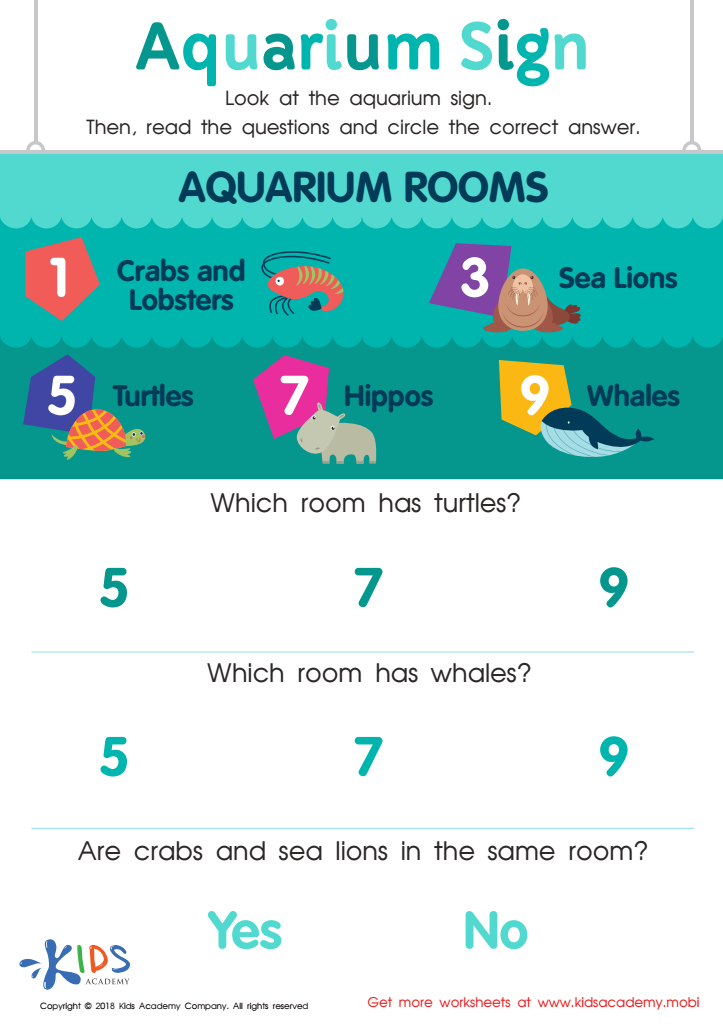
Assessment: Aquarium Sign Worksheet
 Assign to My Students
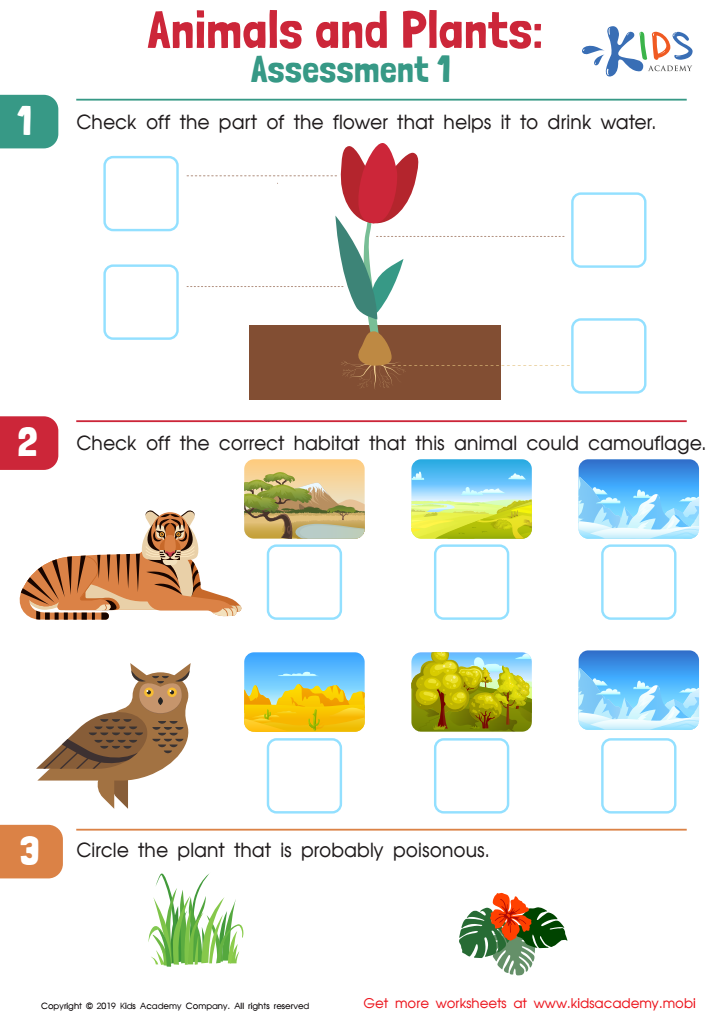
Animals and Plants: Assessment 1 Worksheet








Critical thinking is essential for children ages 3-9, as it equips them with the skills needed to navigate an increasingly complex world. At this developmental stage, children are naturally curious and eager to explore their surroundings. Introducing Critical Thinking Science fosters this curiosity by encouraging them to ask questions, seek answers, and develop a deeper understanding of the world around them.
Parents and teachers should prioritize critical thinking to promote problem-solving skills and adaptability. Engaging children in scientific inquiry helps them learn how to gather information, analyze data, and draw conclusions—skills that are foundational for academic success and informed citizenship. Moreover, these skills empower children to challenge preconceived notions, increasing their confidence and independence as learners.
Additionally, early exposure to critical thinking helps instill a love of learning. This approach not only makes science fun and interactive but also sets the groundwork for lifelong skills that transcend the classroom, paving the way for informed decision-making in everyday life. As responsible caregivers, supporting the development of critical thinking prepares children to face future challenges effectively, nurturing a generation of thoughtful, innovative, and engaged individuals.







