
Enhancing critical thinking Science Worksheets for Ages 3-9
3 filtered results
Difficulty Level
Grade
Age
-
From - To
Subject
Activity
Standards
Enhance your child's critical thinking skills with our engaging Science Worksheets designed for ages 3 to 9. These worksheets not only spark curiosity but also encourage analytical thinking through fun and interactive activities. Tailored for young learners, they cover essential scientific concepts and promote inquiry through hands-on experiments and thought-provoking questions. Our resources aim to develop problem-solving abilities and creativity while reinforcing key science topics. Explore a variety of printable worksheets that make learning enjoyable and effective. Empower your child's understanding of the world around them and build a solid foundation for lifelong learning in science with our enriching materials.
Favorites
With answer key
Interactive
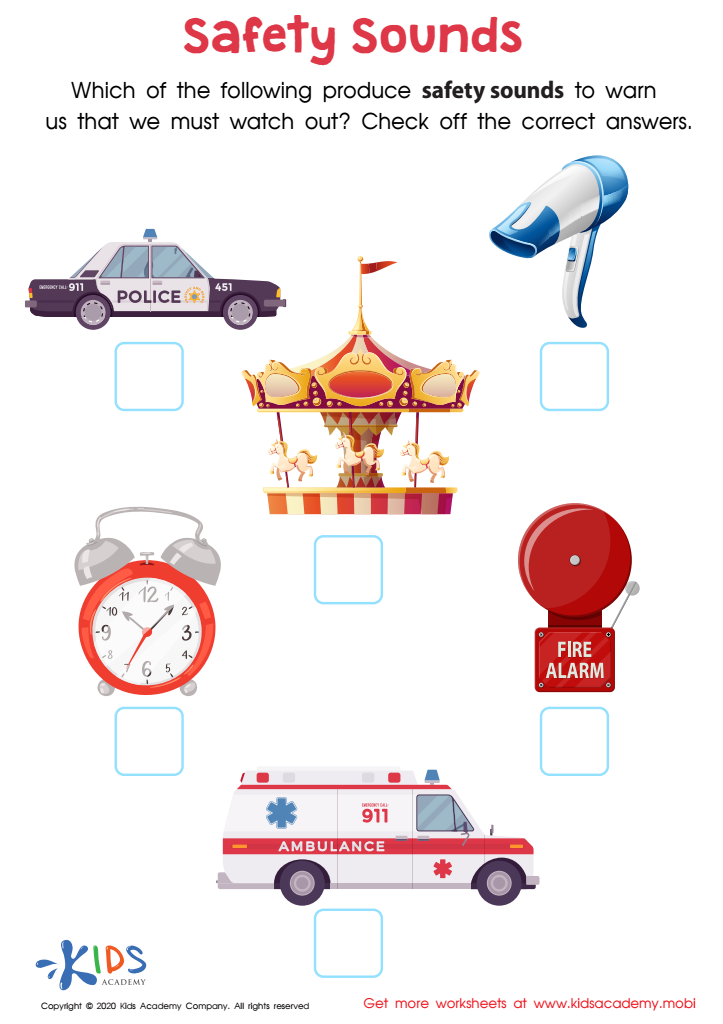
Safety Sounds Worksheet
Teach your kids about safety. Explain the rules and let them know what sounds to be aware of. Review the worksheet with pictures of objects and ask them to recognize which ones produce safety sounds. Have them check their answers. Doing this will help ensure their safety and that of others.
 Assign to My Students
Safety Sounds Worksheet
Worksheet
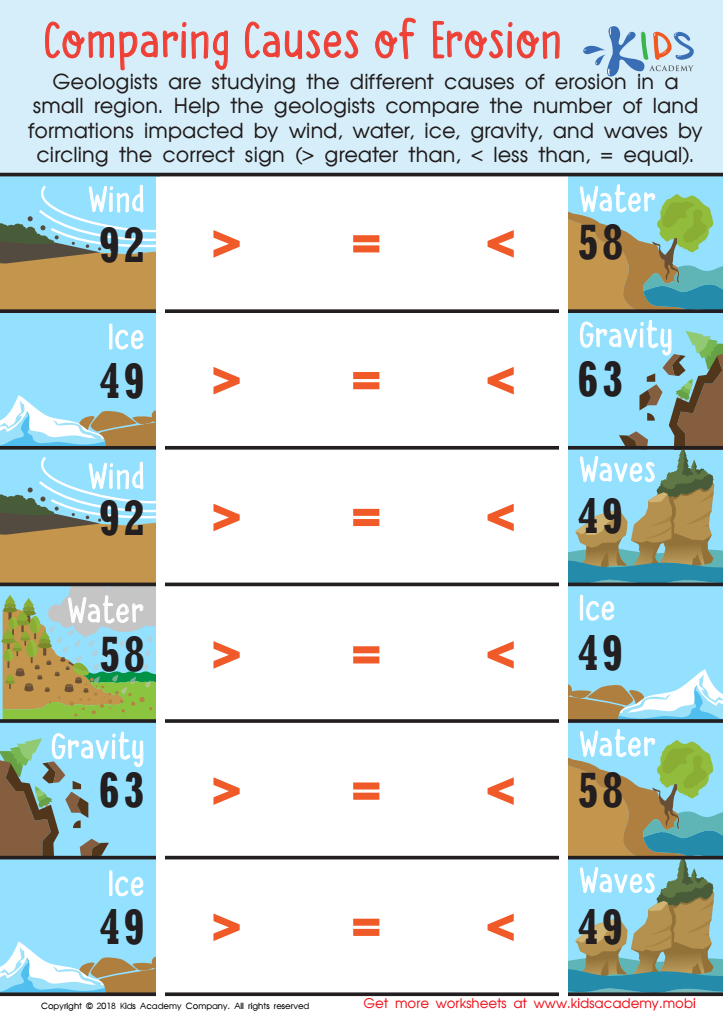
Comparing Causes of Erosion Worksheet
This free PDF worksheet combines science, number sense and comparing numbers to teach kids about the causes of erosion. They'll compare numbers related to ice, wind, water, gravity and waves and decide if each cause is greater, less than or equal to another. It's an interdisciplinary and meaningful way to learn that kids will enjoy.
Comparing Causes of Erosion Worksheet
Worksheet
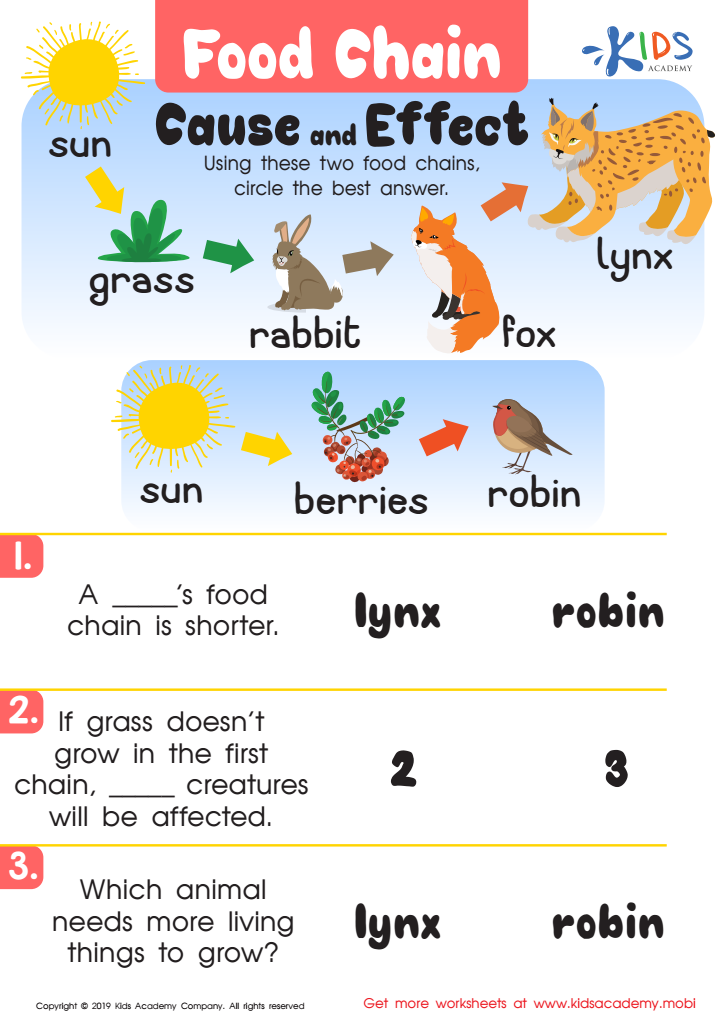
Food Chain Cause Worksheet
Help your little learner analyze ecosystems and compare food chains with this Kids Academy worksheet! Kids will compare a carnivore's and herbivore's food chain; which is longer and why? Questions at the bottom of the page will help them compare and circle the best answers. A great way to understand animal food chains!
Food Chain Cause Worksheet
Worksheet
Learning Skills
Join Kids Academy for Free
Who is primarily going to use this learning content?






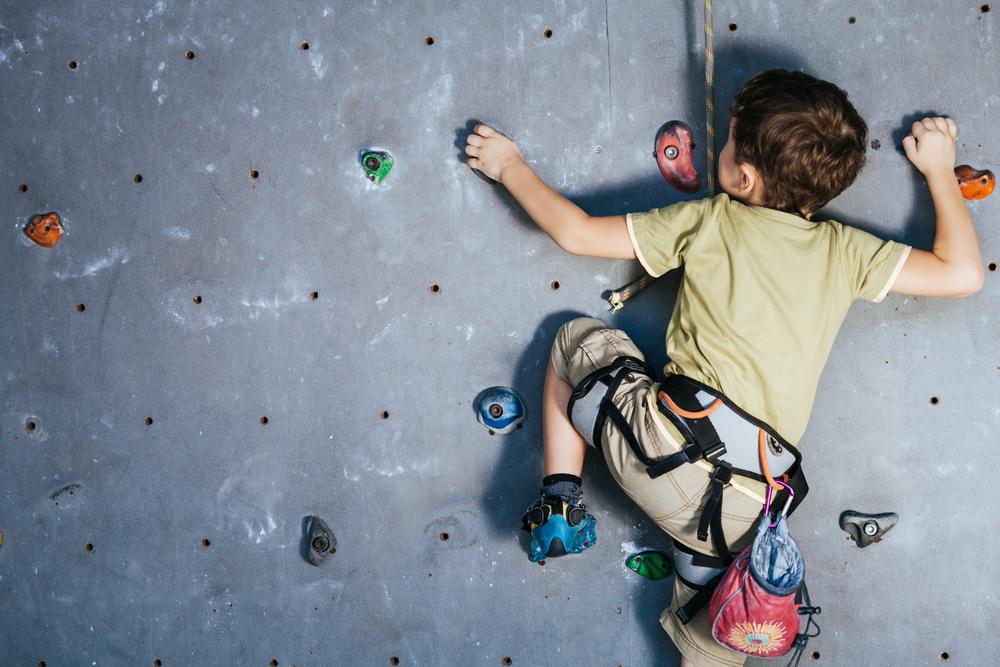
Enhancing critical thinking skills in science for ages 3-9 is essential for several reasons. First, early childhood is a pivotal stage for brain development, where children are naturally curious and eager to explore their environment. This period presents an ideal opportunity for teachers and parents to nurture this curiosity by encouraging scientific inquiry and problem-solving. By introducing young learners to critical thinking within a scientific context, we empower them to ask questions, make observations, and draw conclusions based on evidence.
Moreover, fostering critical thinking in science helps develop essential life skills that extend beyond the classroom. Children learn to analyze information, evaluate different perspectives, and apply logic to everyday situations. This foundational ability prepares them for future academic endeavors and equips them with skills necessary for navigating a complex, information-rich world.
Furthermore, cultivating critical thinkers early on lays the groundwork for lifelong learning. Engaging children in science-related discussions and experiments promotes a mindset of exploration, creativity, and resilience. Ultimately, a focus on enhancing critical thinking in science not only enriches children’s educational experiences but also shapes responsible, informed citizens who can contribute meaningfully to society. Parents and teachers play a crucial role in this journey, guiding and supporting young learners in discovering the wonders of science.







