Knowledge application Science Worksheets for Ages 3-9
6 filtered results
-
From - To
Unlock the wonders of science for young learners aged 3-9 with our Knowledge Application Science Worksheets. Our carefully curated activities promote critical thinking, problem-solving, and hands-on learning. Tailored for young minds, each worksheet transforms complex concepts into easy-to-understand lessons about the world around us. Ignite curiosity and foster a love for science through engaging exercises that explore various topics. Empower children to apply what they’ve learned and develop a deeper understanding. Ideal for homeschooling, classroom enrichment, or extra practice, our worksheets make science both fun and educational. Enhance your child's learning journey today!
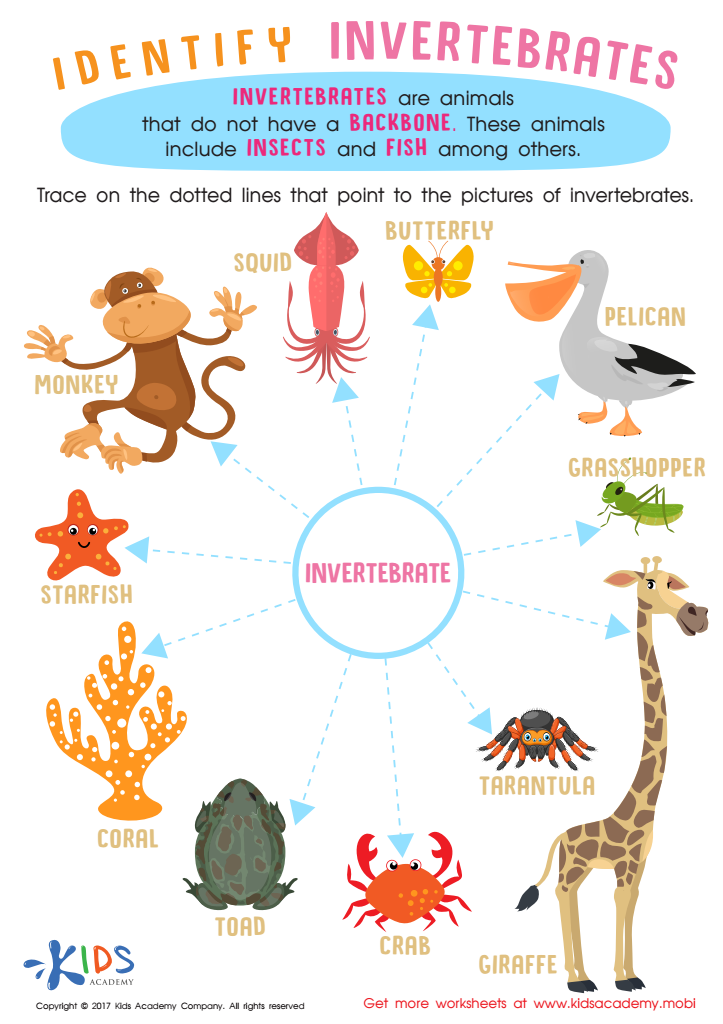
Invertebrates Worksheet for Grade 3
 Assign to My Students
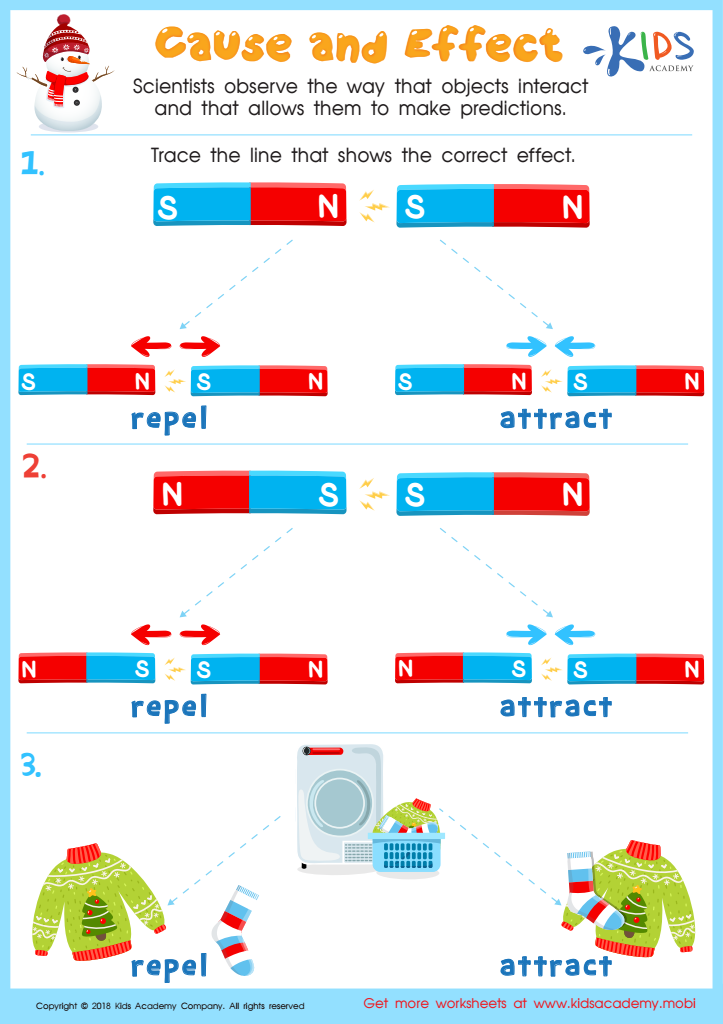
Repel and Attract Magnet Worksheet
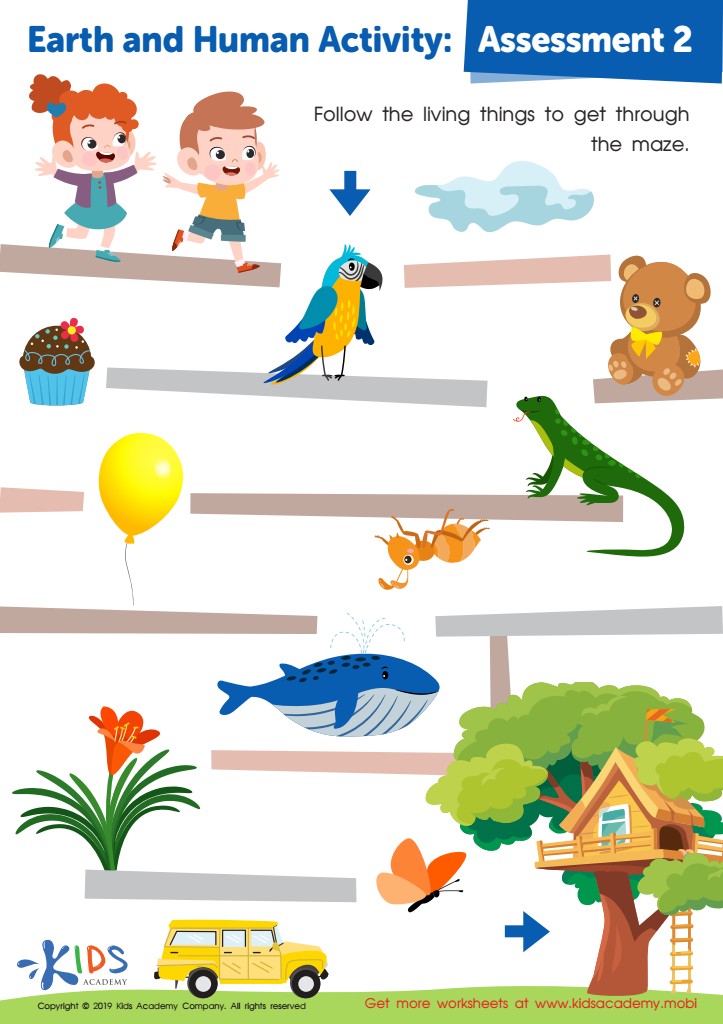
Earth and Human Activity: Assessment 2 Worksheet
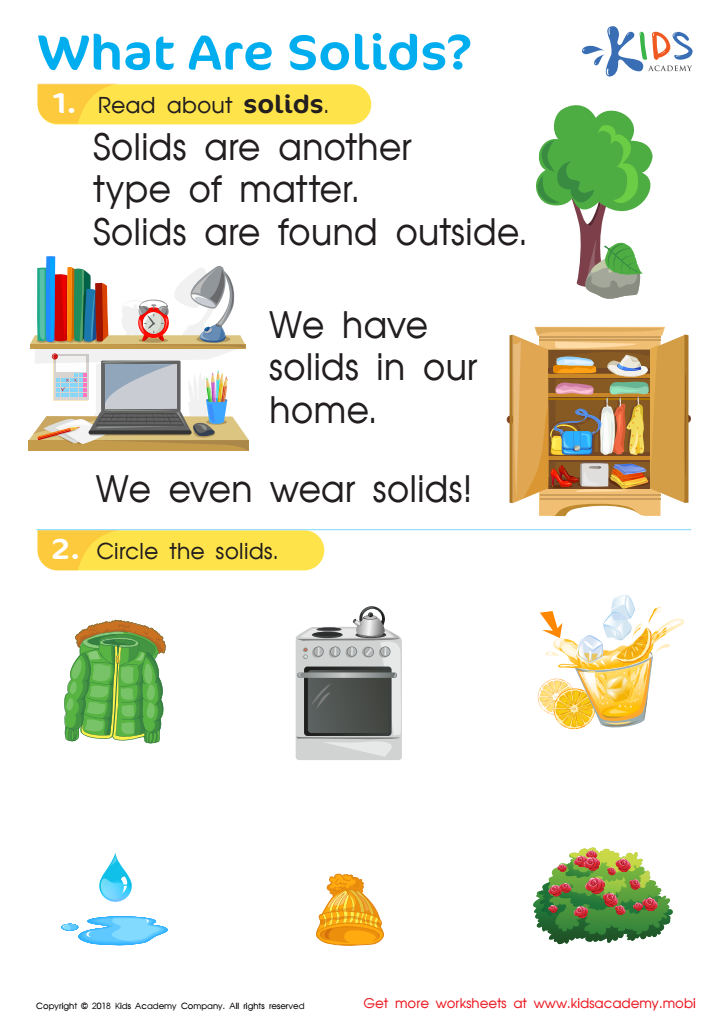
What Are Solids? Worksheet
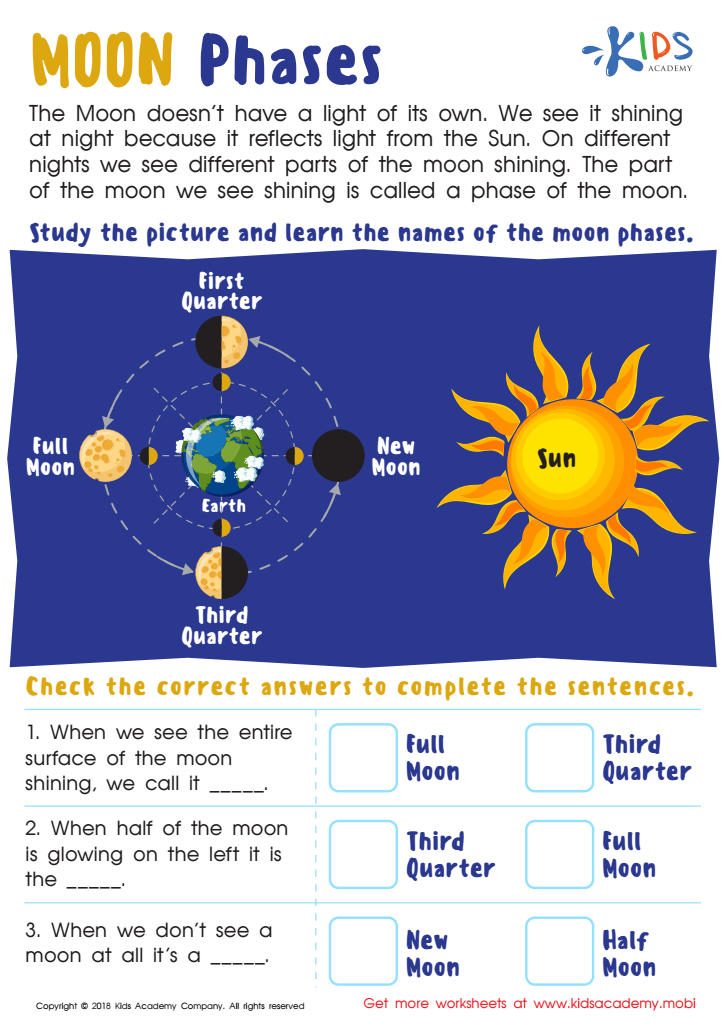
Moon Phases Worksheet
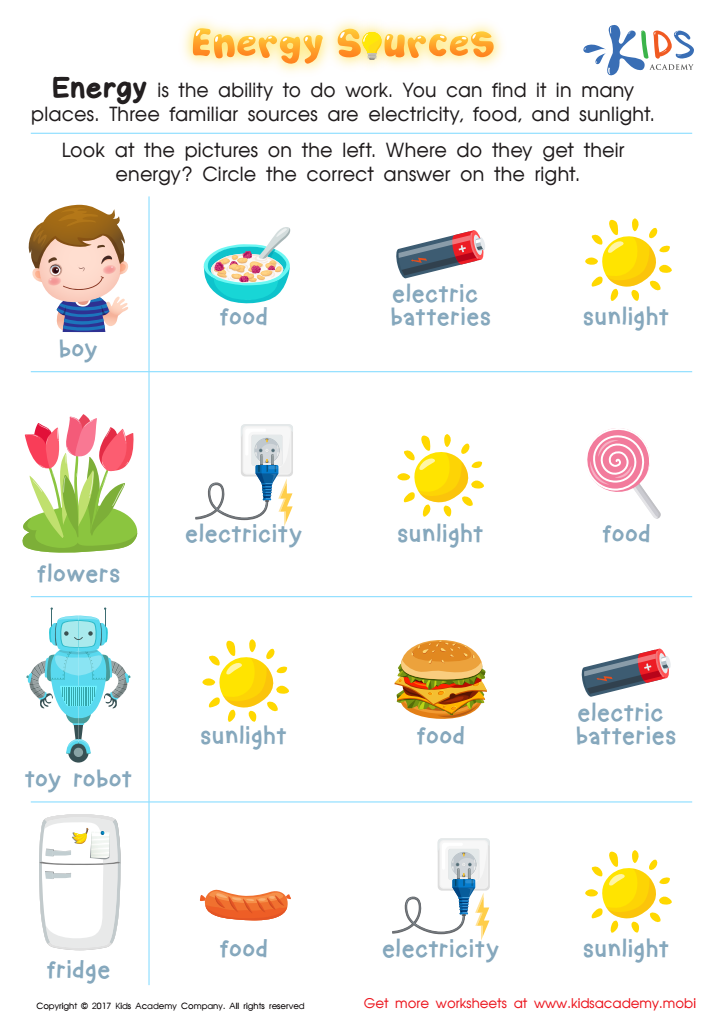
Energy Sources Printable






Parents and teachers should prioritize knowledge application in science for children aged 3-9 because it lays a vital foundation for lifelong learning and problem-solving skills. At this developmental stage, young minds are naturally curious and highly impressionable. Introducing them to science through hands-on activities, experiments, and real-world applications taps into their innate inquisitiveness and nurtures critical thinking.
When children engage in practical scientific exploration, they move beyond mere rote memorization. For instance, observing plant growth, mixing basic substances to see reactions, or understanding weather patterns through daily charts fosters an interactive learning environment. This experiential learning helps children grasp complex concepts more easily and retains their interest.
Furthermore, applying scientific knowledge inherently teaches systematic thought processes like hypothesizing, observing, and concluding. These skills are not just limited to science but are transferable to numerous life situations, promoting adaptability and resilience.
By fostering an early interest in science, we prepare children to navigate future educational challenges and inspire potential careers in STEM (Science, Technology, Engineering, and Mathematics) fields. Supporting early scientific inquiry helps cultivate informed, educated future citizens capable of critical thinking and innovation. Thus, it's crucial for parents and teachers to encourage science applications in early childhood education.







