
Word Recognition Science Worksheets for Ages 3-9
3 filtered results
Difficulty Level
Grade
Age
-
From - To
Subject
Activity
Standards
Discover a world of learning with our "Word Recognition Science Worksheets" designed for ages 3-9! These engaging resources enhance literacy skills by incorporating fun science themes that spark curiosity in young minds. Perfect for preschoolers and early grade students, our worksheets feature colorful illustrations and interactive activities that make word recognition enjoyable. Children will explore basic science vocabulary, learning essential terms through matching games, coloring activities, and word searches. Your child will build confidence and improve their vocabulary while developing a passion for science and learning. Explore our collection today to inspire a love for words and discovery!
Favorites
With answer key
Interactive
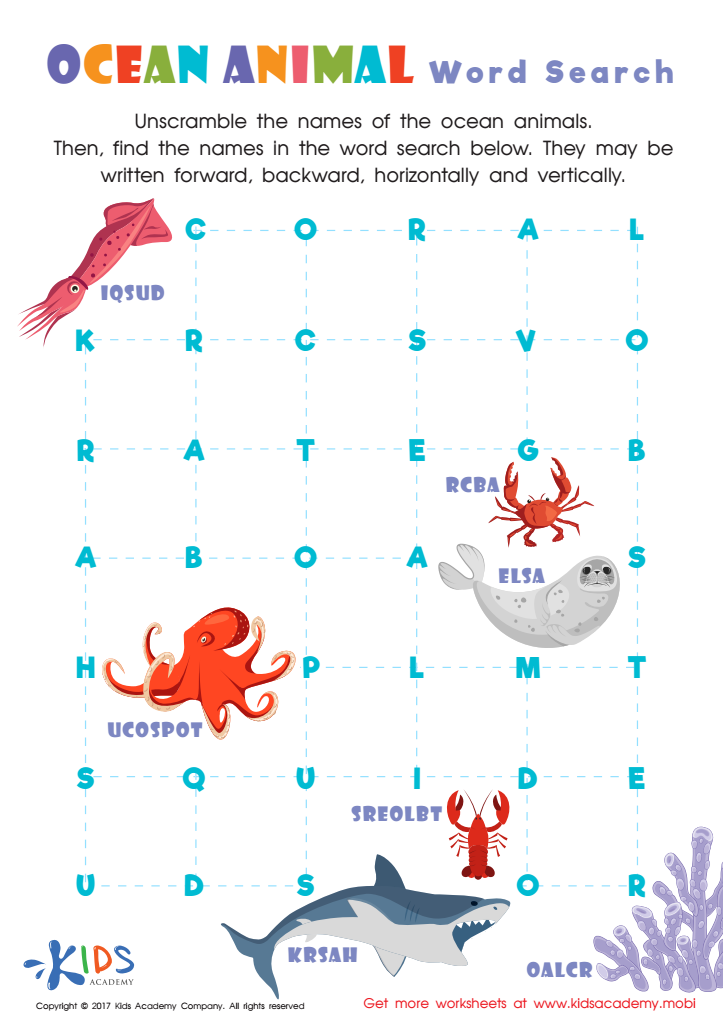
Ocean Animals Word Search Printable
Challenge your child to unscramble the names of ocean animals and find them in the word search. This ocean animals printable is a fun way to teach kids more about these fascinating creatures!
 Assign to My Students
Ocean Animals Word Search Printable
Worksheet
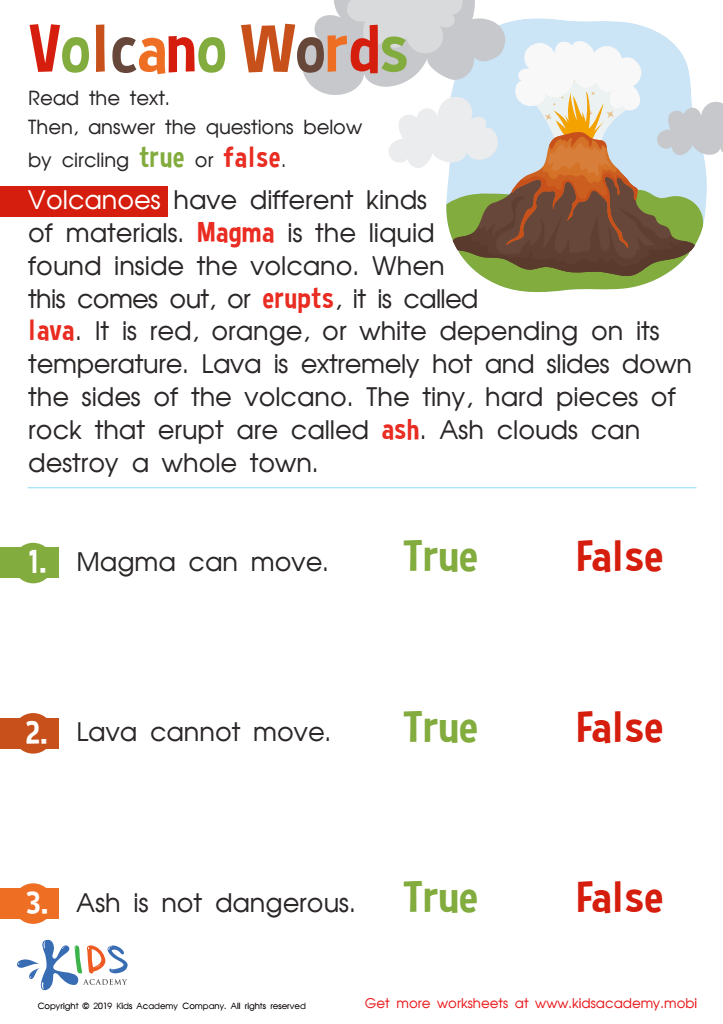
Volcano Words Worksheet
This worksheet helps kids focus and improve their reading comprehension skills. Start by reading a passage about volcanos and noting the bolded red words. Then answer true/false statements below, double-checking in the text if needed.
Volcano Words Worksheet
Worksheet
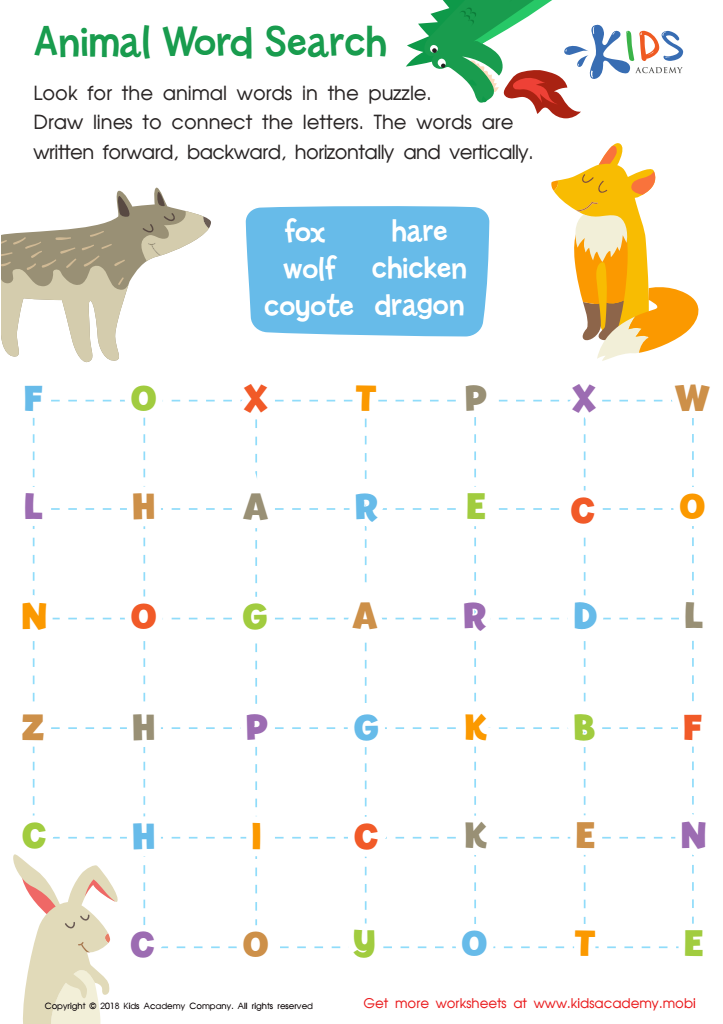
Animal Word Search Worksheet
Students can have fun and strengthen spelling and vocabulary skills with this word search worksheet. Search for animal words and circle the letters in the puzzle. Words can be found forwards, backwards, horizontally or vertically, providing a great challenge to foster critical thinking skills. An enriching activity for all ages!
Animal Word Search Worksheet
Worksheet
Join Kids Academy for Free
Who is primarily going to use this learning content?








Parents and teachers should prioritize Word Recognition Science for children aged 3-9 because it lays the foundation for literacy development. During these critical years, children undergo significant cognitive and linguistic growth, making it essential to introduce them to effective reading strategies. Word recognition helps children identify printed words quickly and accurately, which is vital for fluent reading. Fluent readers can focus on comprehension instead of struggling with each word, ultimately fostering a love for reading.
By understanding Word Recognition Science, parents and teachers can implement evidence-based practices that support children's language acquisition. Research indicates that children exposed to systematic phonics instruction and interactive reading experiences are more likely to develop strong word recognition skills.
Additionally, early intervention in word recognition can address potential learning difficulties, giving children a better chance to succeed academically. As reading proficiency is closely linked to academic performance across subjects, nurturing these skills equips children with the tools to thrive in school and beyond.
In essence, caring about Word Recognition Science means investing in children's future, unlocking their potential, and instilling lifelong learning habits. Engaging with this knowledge empowers adults to create enriched, supportive environments that cultivate confident and proficient readers.







