Vocabulary enhancement Community Worksheets for Ages 3-9
16 filtered results
-
From - To
Discover our engaging Vocabulary Enhancement Community Worksheets designed specifically for children aged 3-9. These carefully crafted activities help young learners expand their vocabulary while exploring various community themes. Each worksheet provides fun, interactive exercises that strengthen language skills and comprehension in social studies contexts. Tailored to captivate and educate, our resources support foundational learning milestones, promoting curiosity about the world around them. Perfect for use in classrooms or homeschooling settings, these worksheets make vocabulary building enjoyable and effective. Help your child thrive with our innovative tools, ensuring a strong linguistic foundation for future success. Explore now and let the fun learning begin!
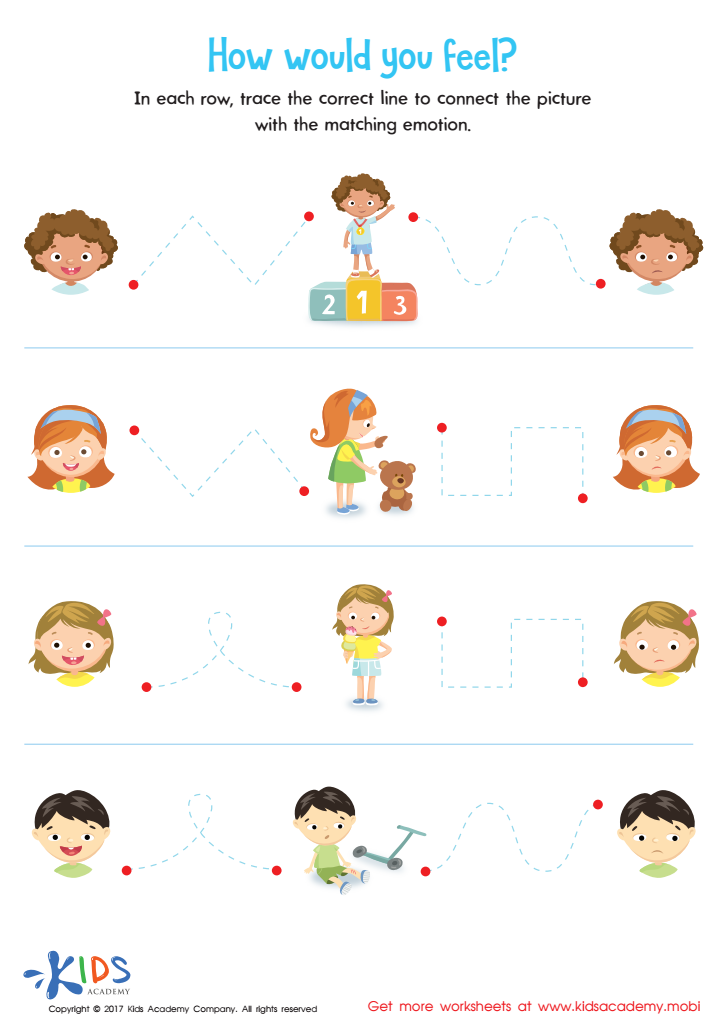
Feelings and Emotions Worksheet
 Assign to My Students
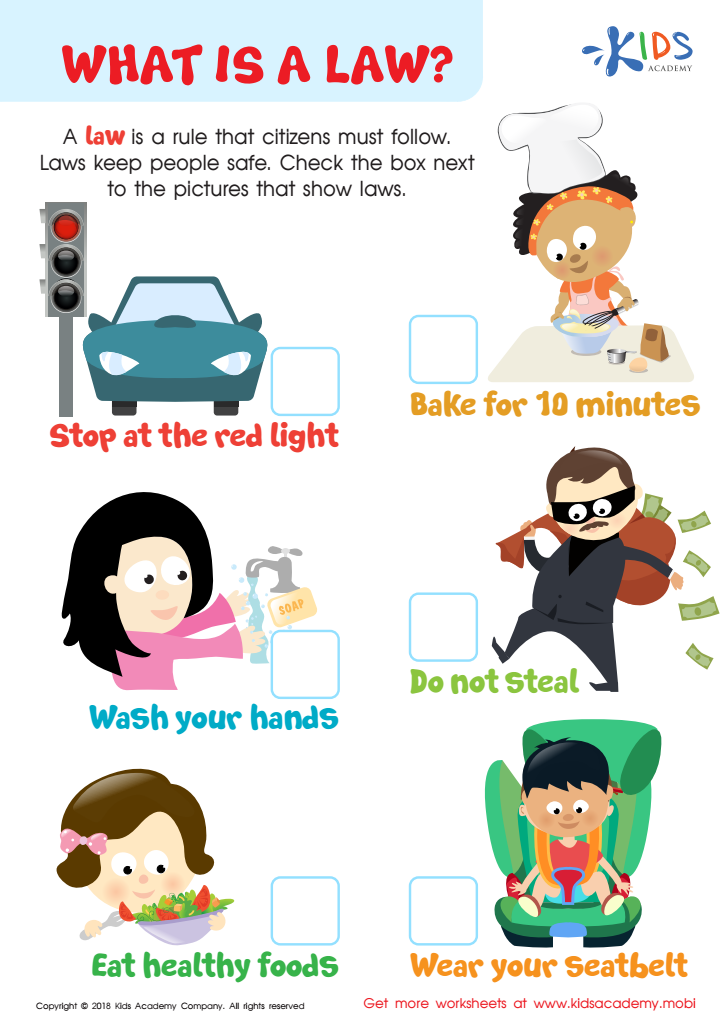
What is a Law? Worksheet
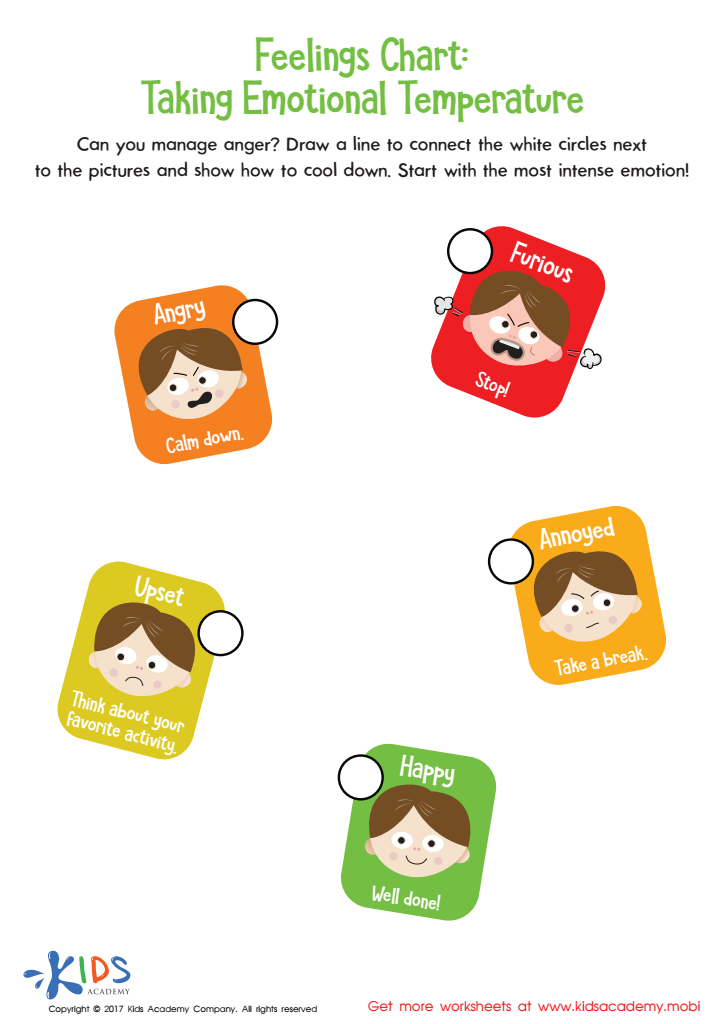
Feelings Chart Worksheet
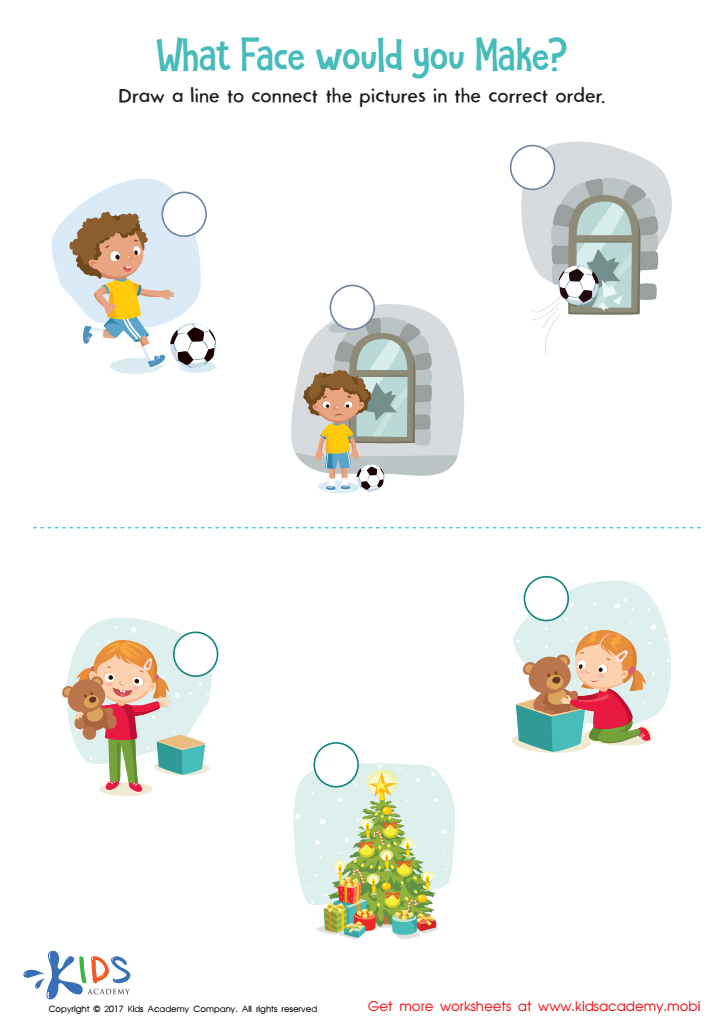
Understanding Emotions Worksheet
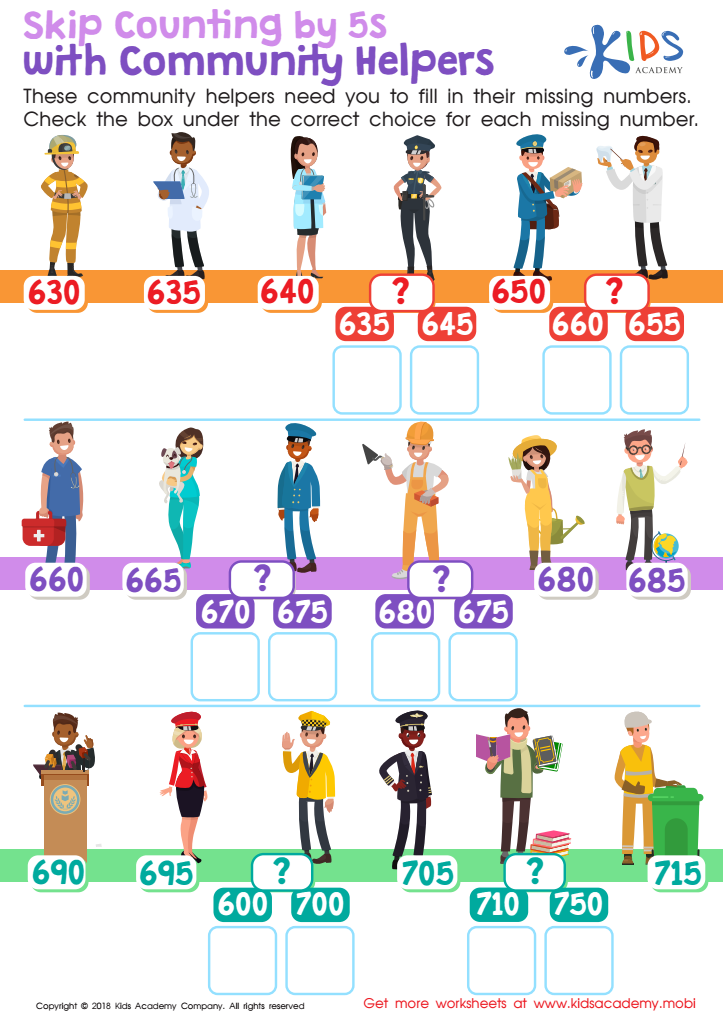
Skip Counting by 5s With Community Helpers Worksheet
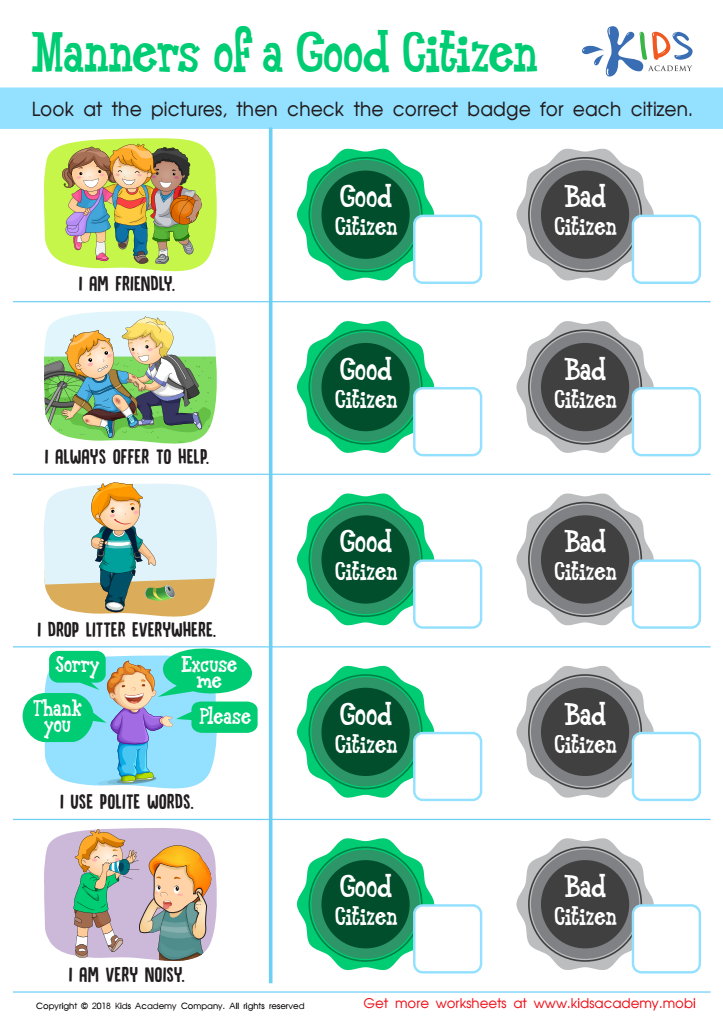
Manners of a Good Citizen Worksheet
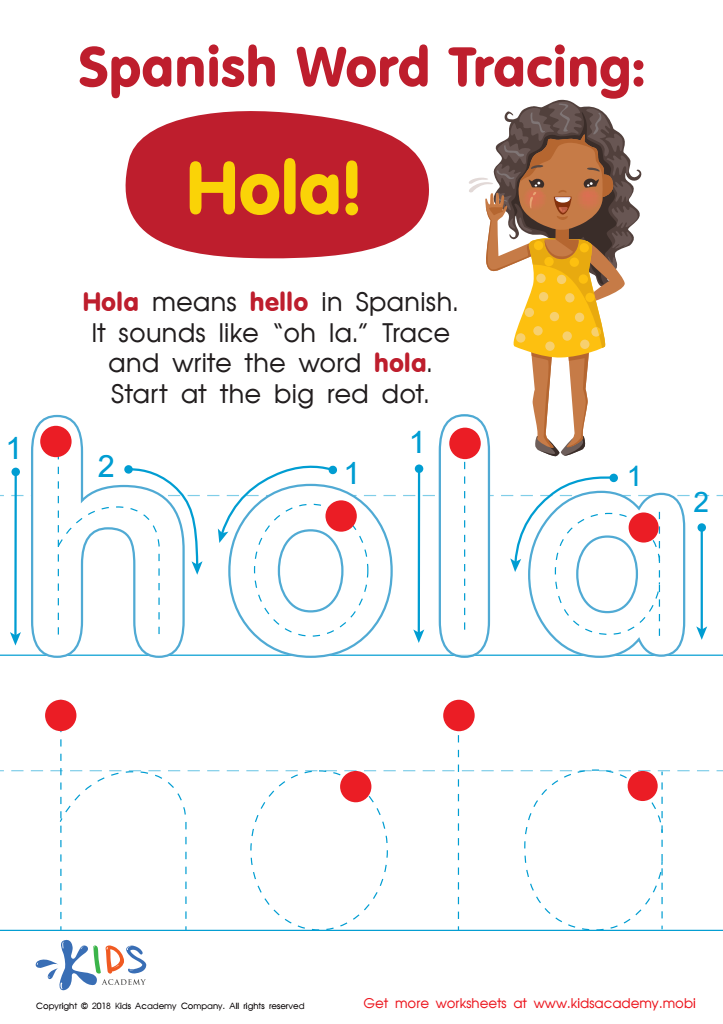
Spanish Word Tracing: Hola Worksheet
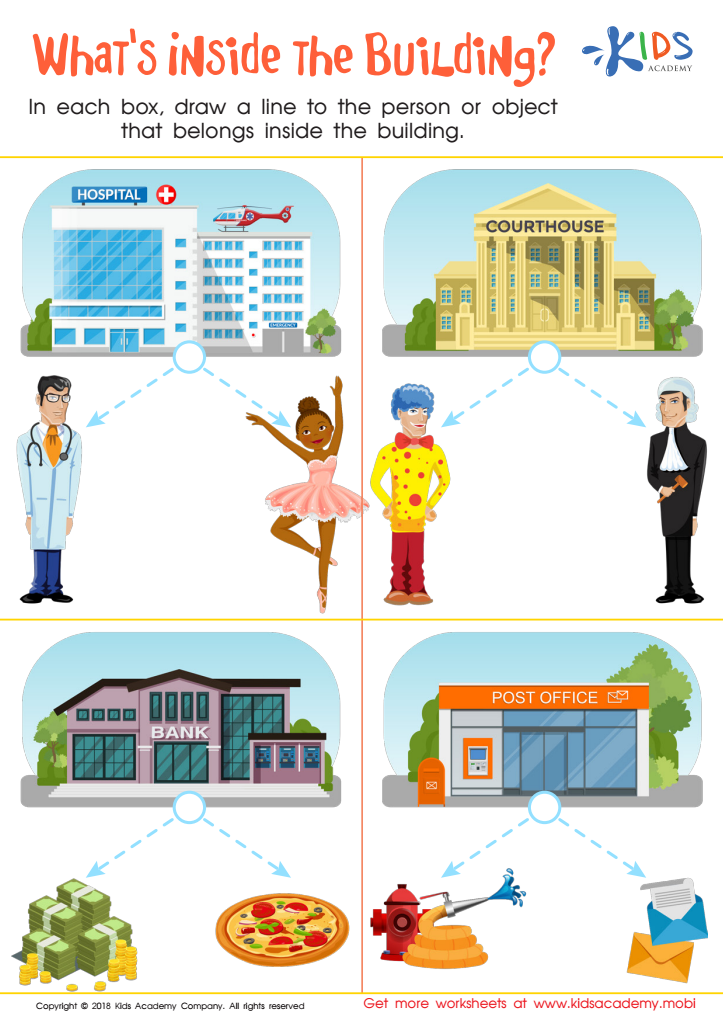
What's Inside the Building? Worksheet
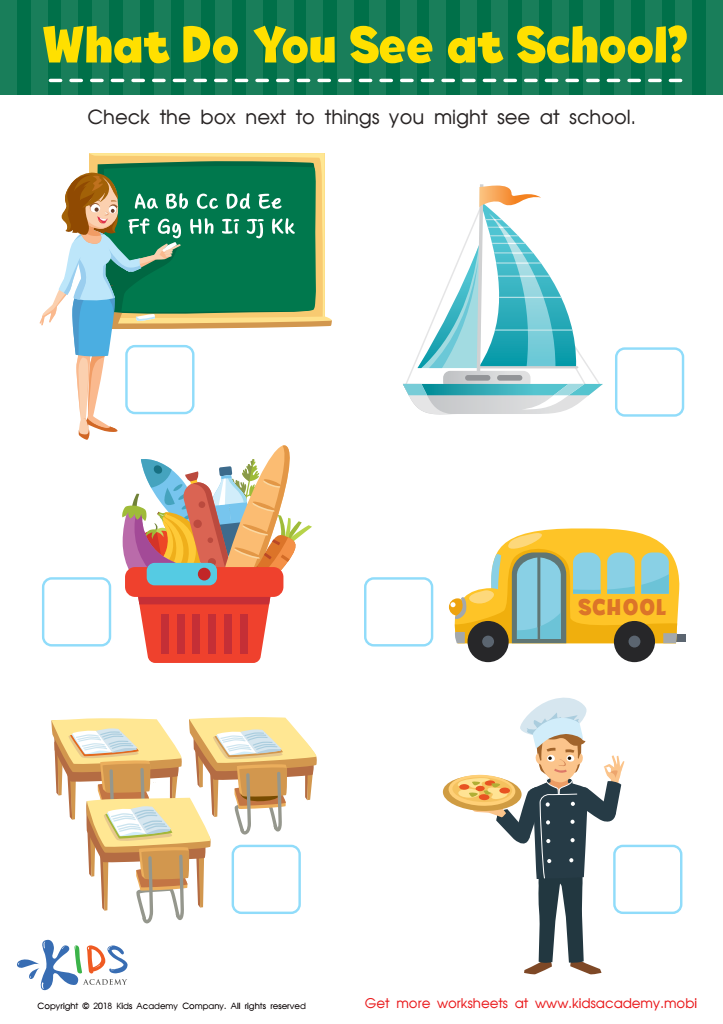
What Do you See at School? Worksheet
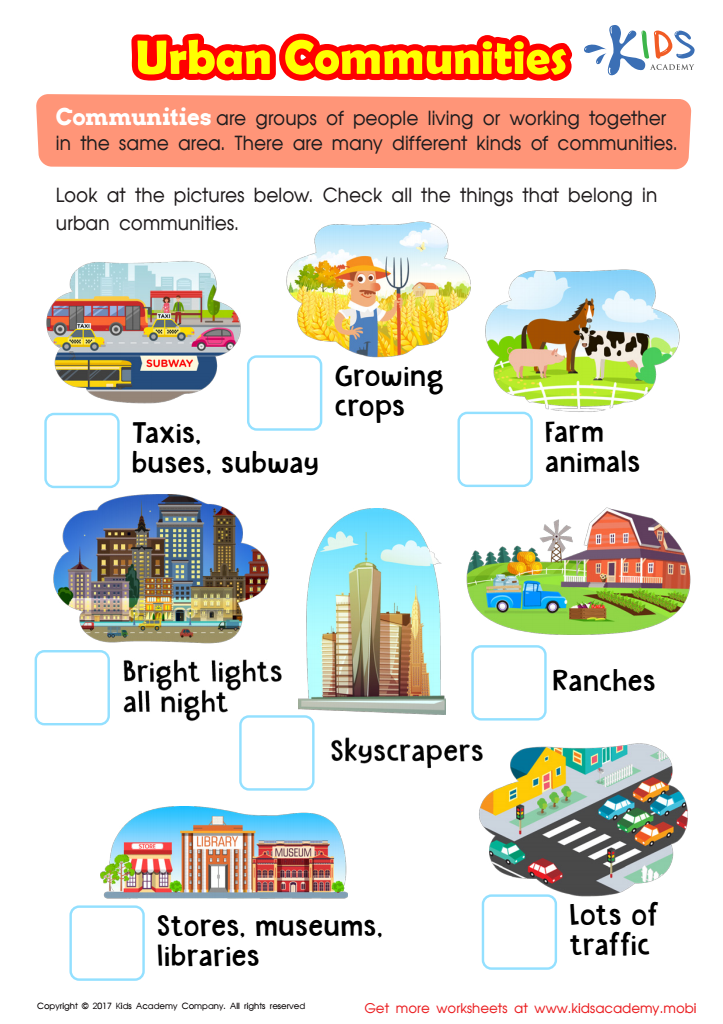
Urban Communities Printable
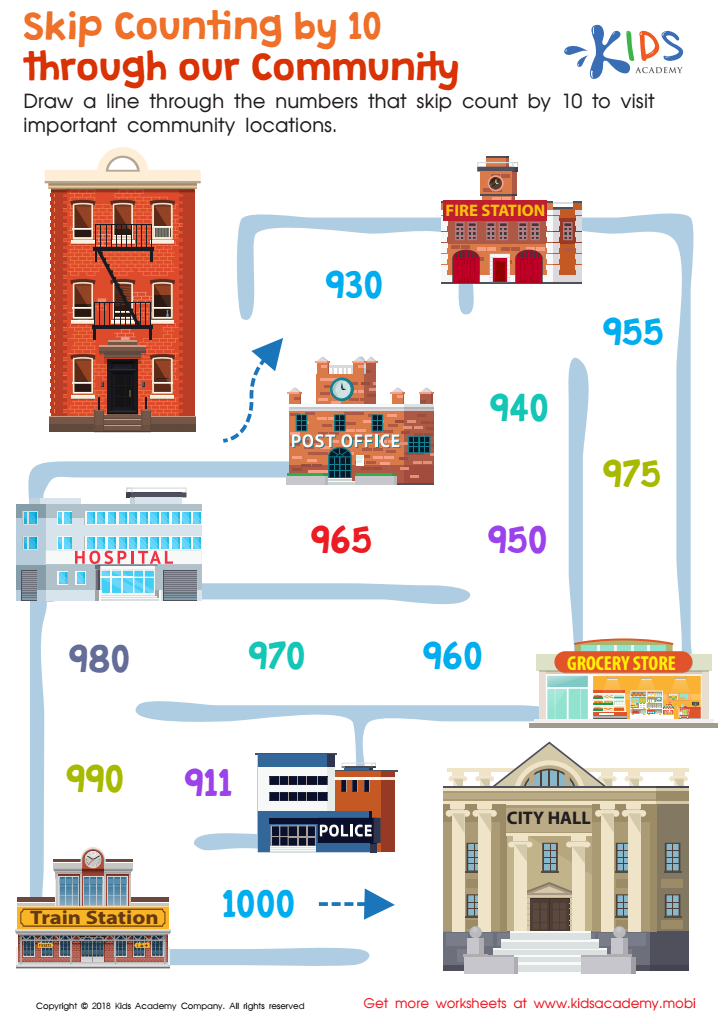
Skip Counting by 10 Through Our Community Worksheet
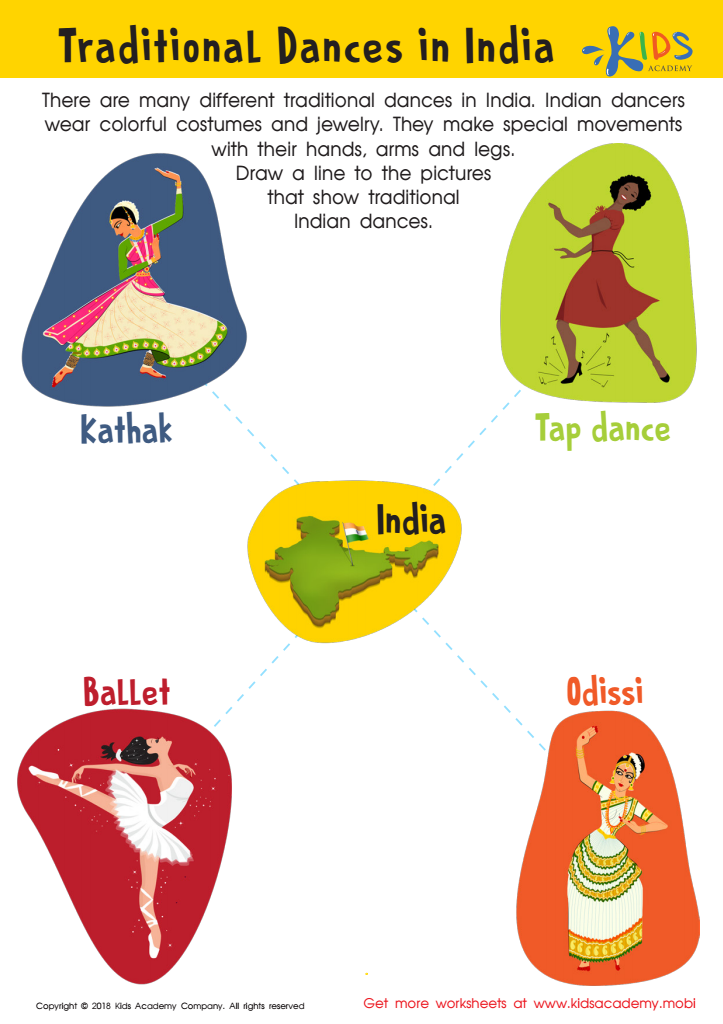
Traditional Dances in India Worksheet
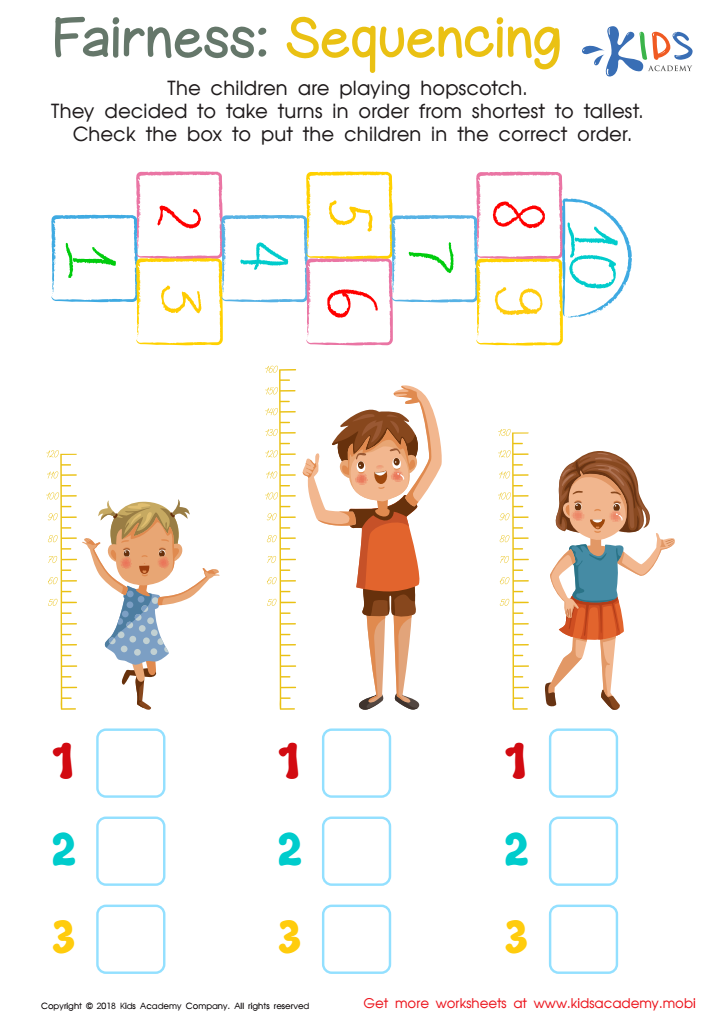
Fairness: Sequencing Worksheet
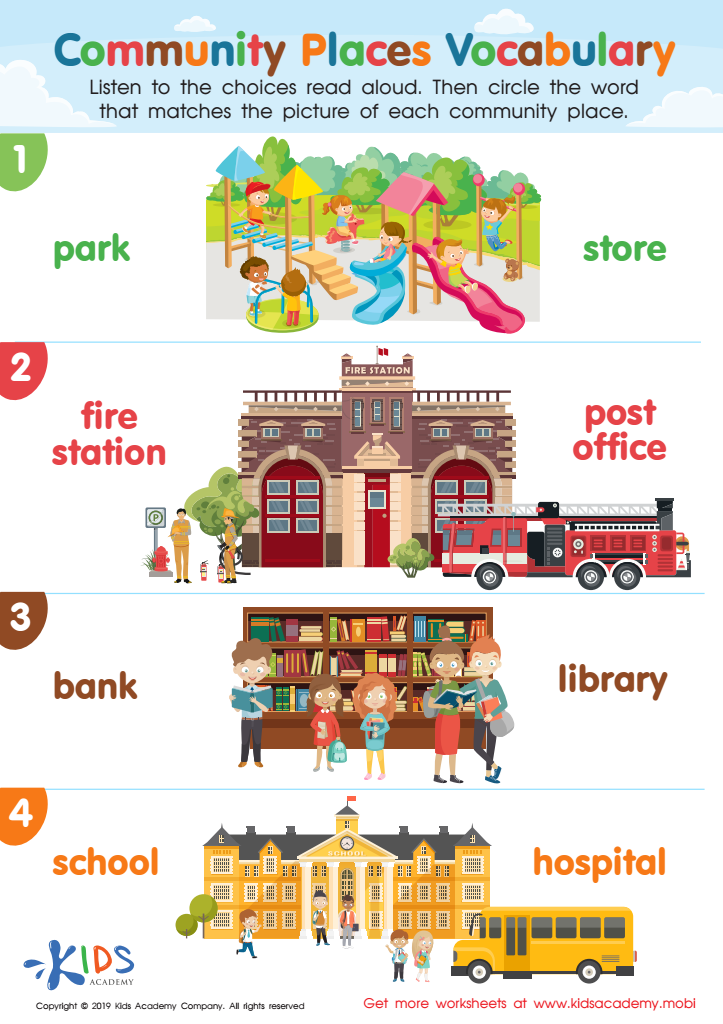
Community Places Vocabulary Worksheet
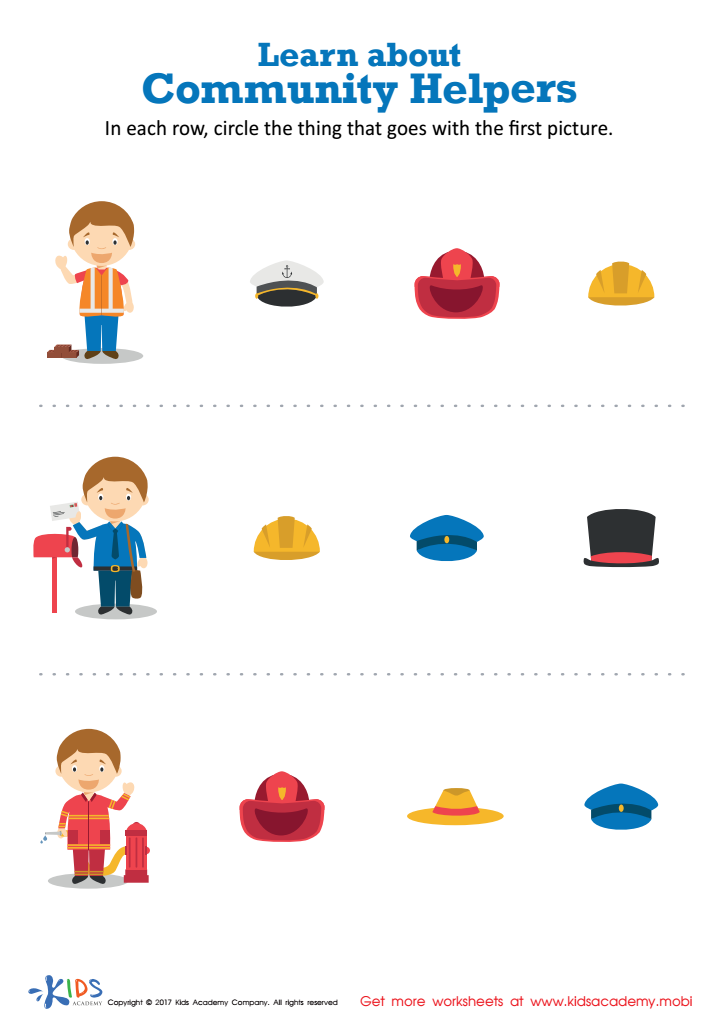
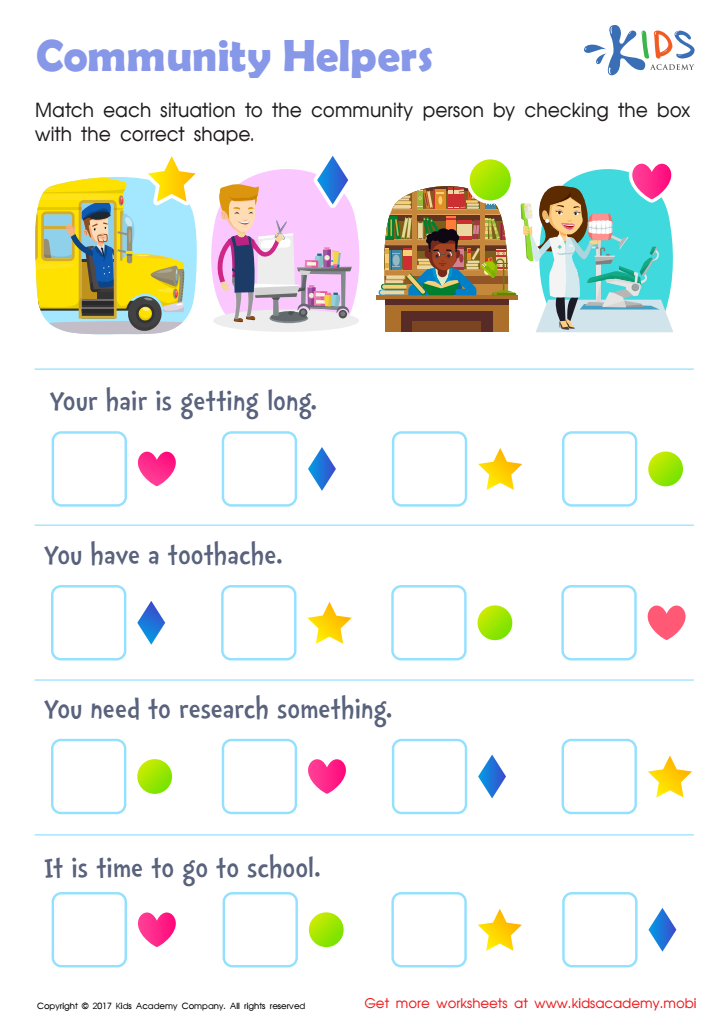
Learn about Community Helpers Printable








Vocabulary enhancement during ages 3-9 is critical as it lays down the foundation for all future learning and communication. Parents and teachers should care about Vocabulary Enhancement Communities because these collaborative groups provide resources, strategies, and support aimed at enriching children’s vocabulary in a structured and consistent manner.
During early childhood, the brain is particularly receptive to language acquisition. Vocabulary development is crucial for comprehending reading material, following instructions, expressing thoughts, and social interactions. Children with a well-developed vocabulary are generally better equipped to understand new concepts, which enables smoother academic progression.
Joining a community dedicated to vocabulary enhancement offers valuable benefits: 1. Access to Resources: These communities often provide curated lists, activities, responsive reading techniques, and multimedia content tailored for optimal learning. 2. Support Network: Sharing experiences and tips with other parents and teachers can help in overcoming challenges and improving teaching strategies. 3. Consistency: Coordinated efforts among families and educators allow for consistent reinforcement of learned vocabulary in various environments, aiding retention and understanding. 4. Structured Programs: Guided activities, workshops, and games can complement daily routines and classroom instruction, making vocabulary learning both effective and enjoyable.
Investing in such communities means fostering environments where children can thrive linguistically, setting a public and personal education strength that benefits lifetime communication and learning skills.








