Vocabulary enhancement Geography Worksheets for Ages 3-9
9 filtered results
-
From - To
Unlock your child's potential with our Geography Vocabulary Enhancement Worksheets, tailored for ages 3-9. Our engaging, age-appropriate activities help young learners explore geography concepts, while expanding their vocabulary in fun, interactive ways. Featuring colorful graphics and accessible language, our worksheets make learning exciting and effective. Perfect for both classroom settings and at-home reinforcement, these tools cater to various learning styles and improve understanding of key geographic terms and ideas. Set the foundation for future academic success with our expertly designed resources, encouraging curiosity and the love for learning in young minds. Start your child’s educational journey today!
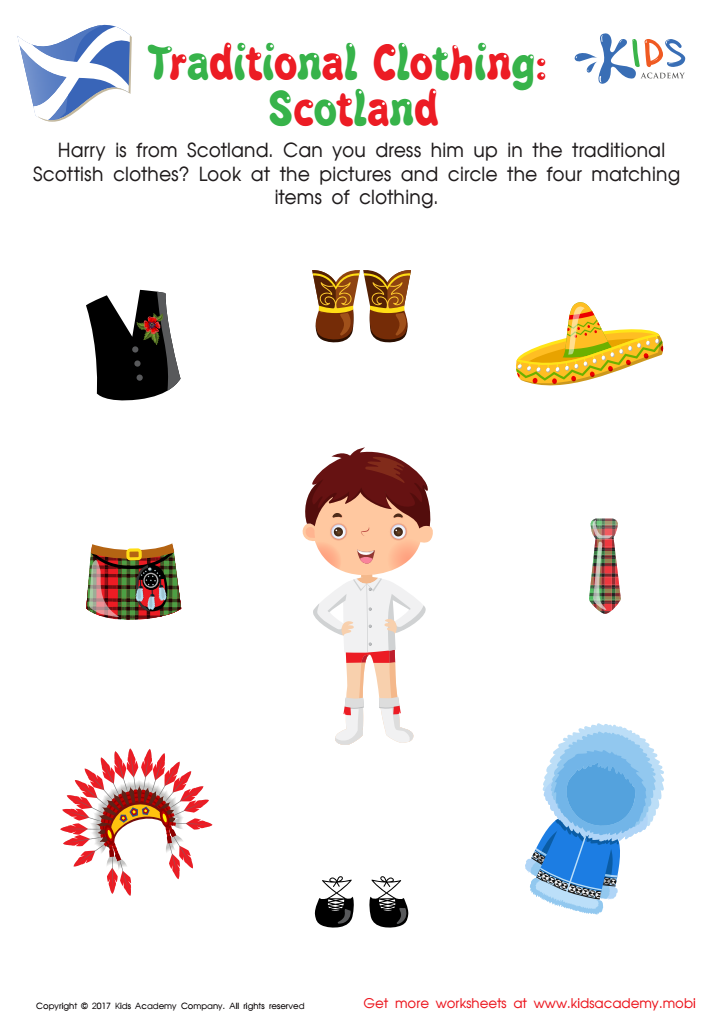
Traditional Clothing in Scotland Worksheet
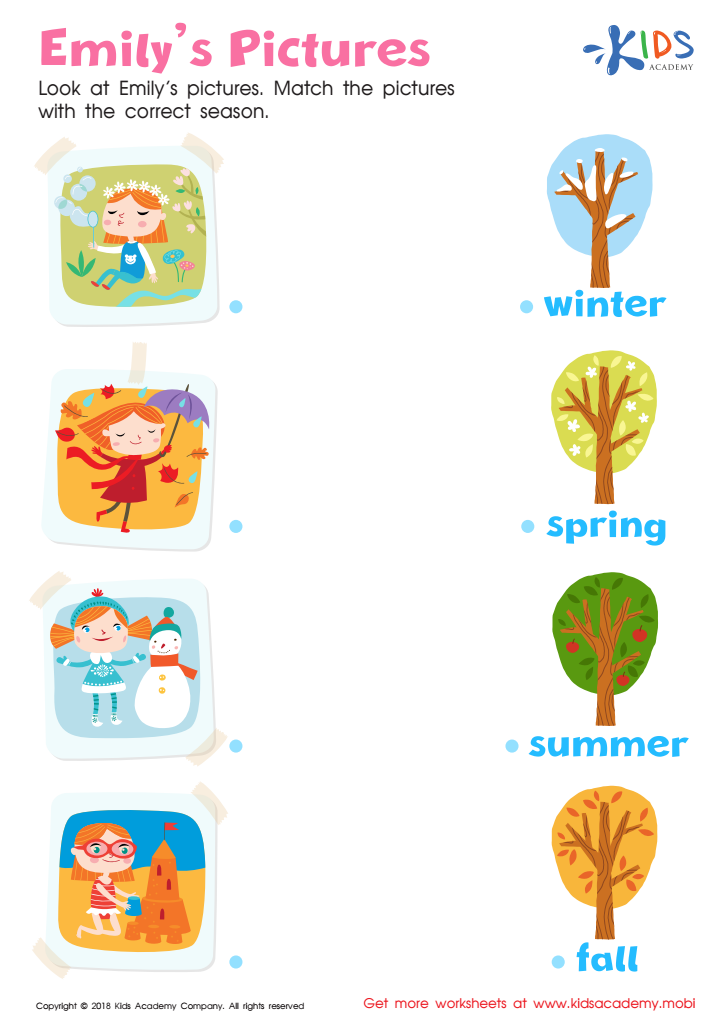
Emily's Pictures Worksheet
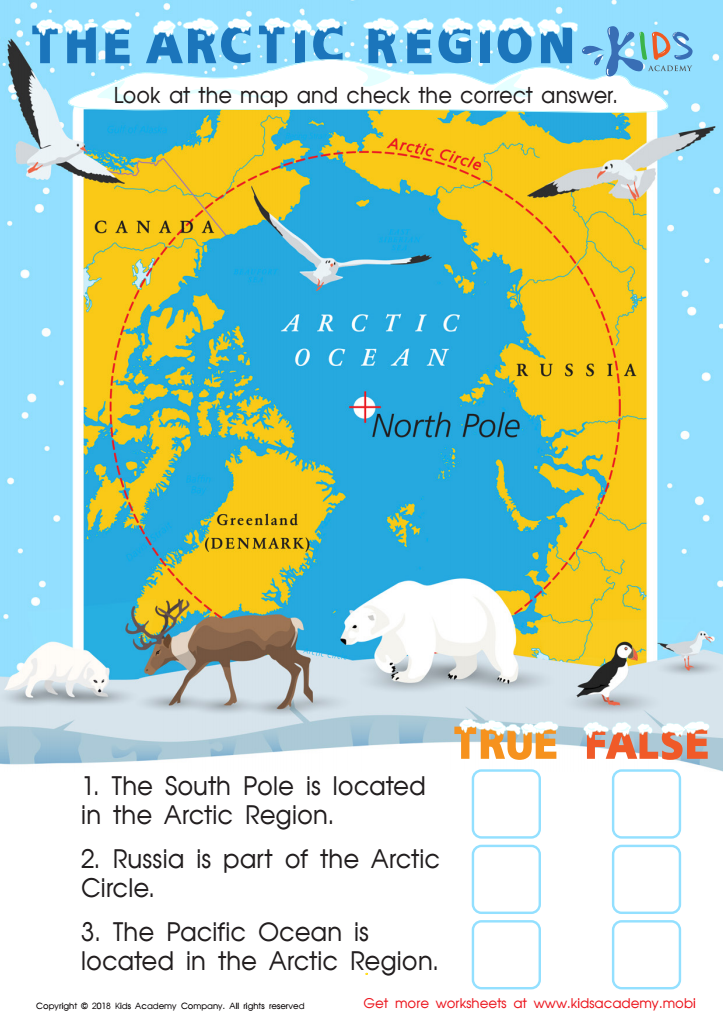
The Arctic Region Worksheet
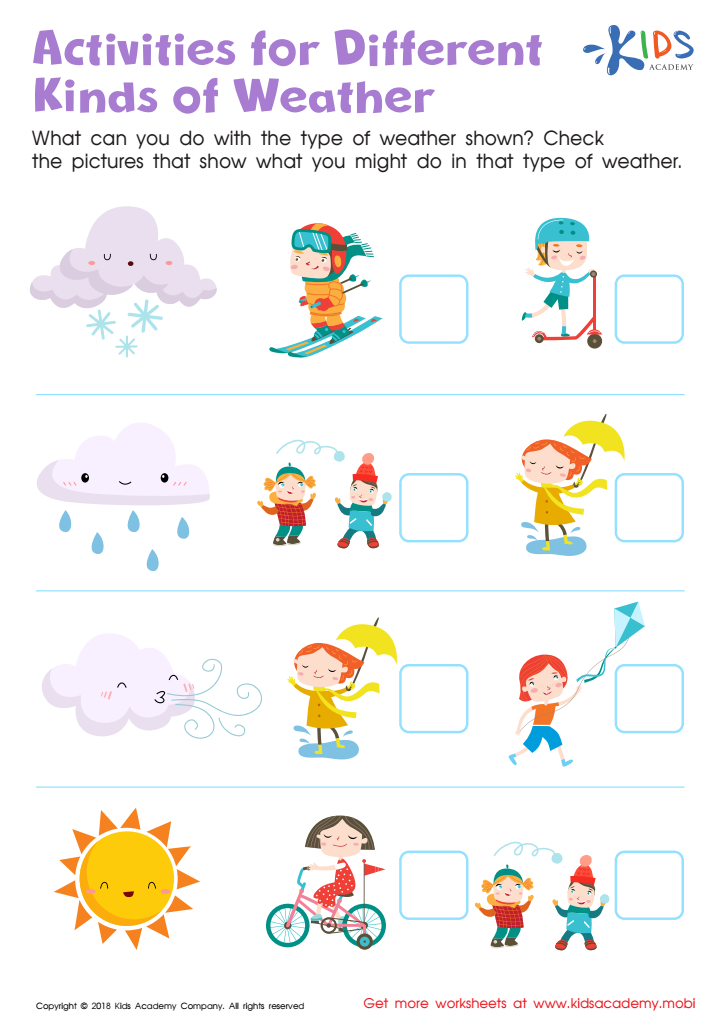
Activities for Different Kinds of Weather Worksheet
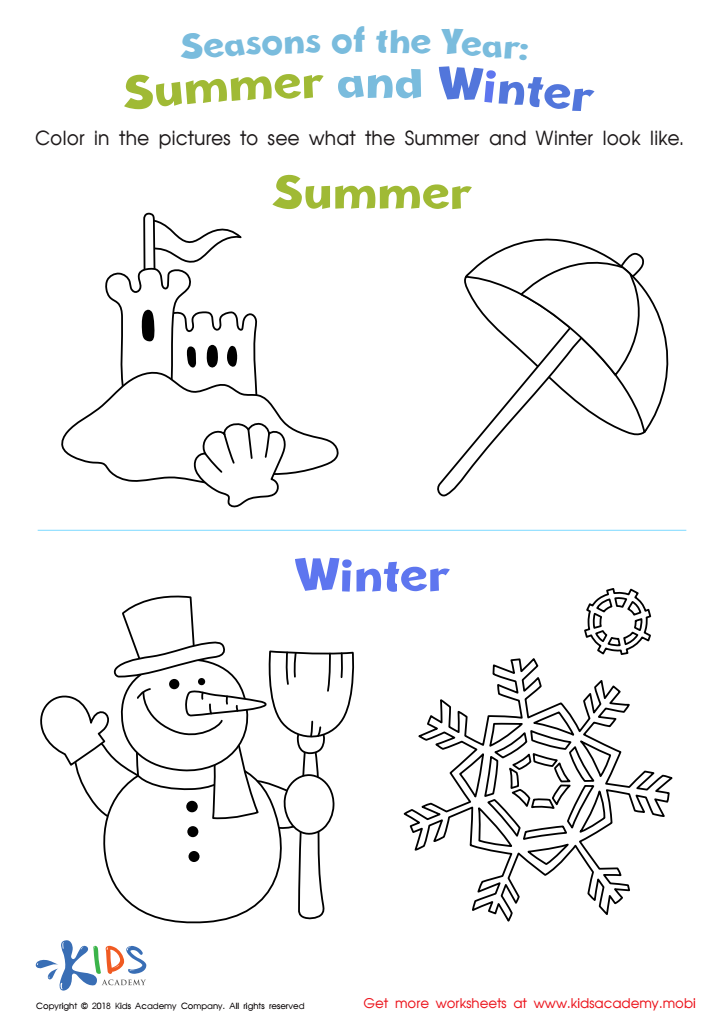
Summer and Winter Worksheet
 Assign to My Students
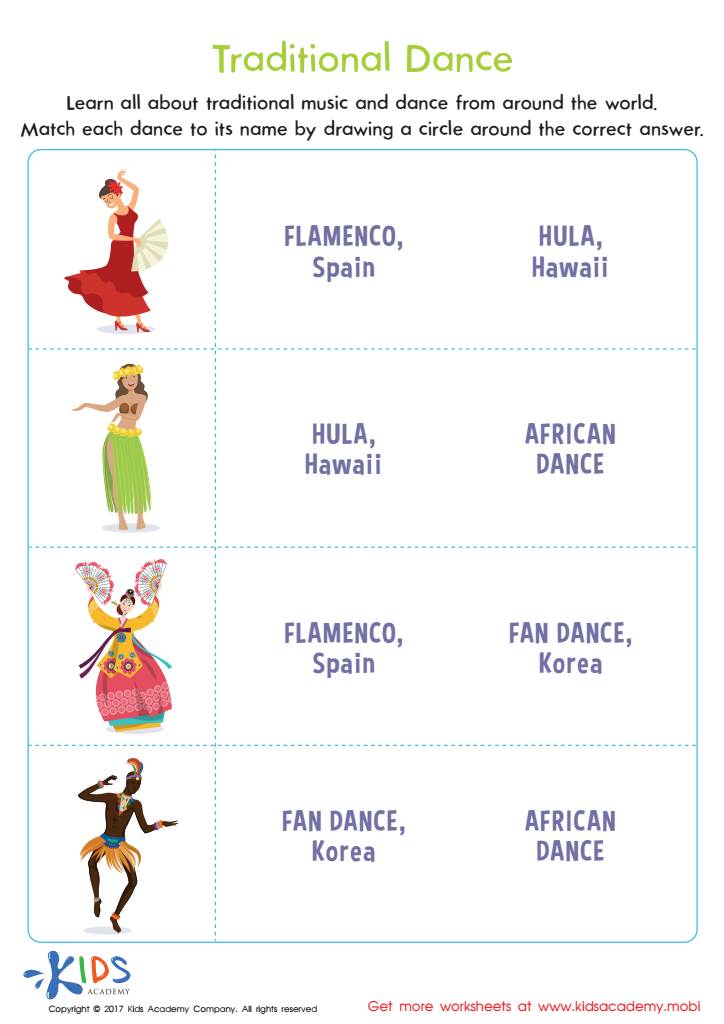
Traditional Dance Printable
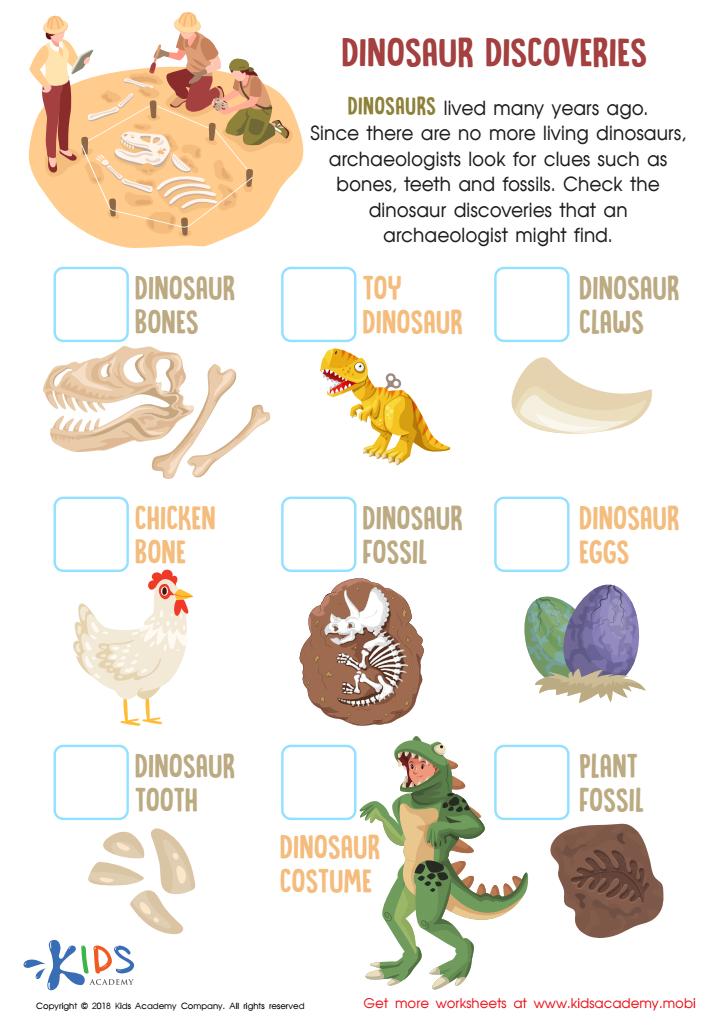
Dinosaur Discoveries Worksheet
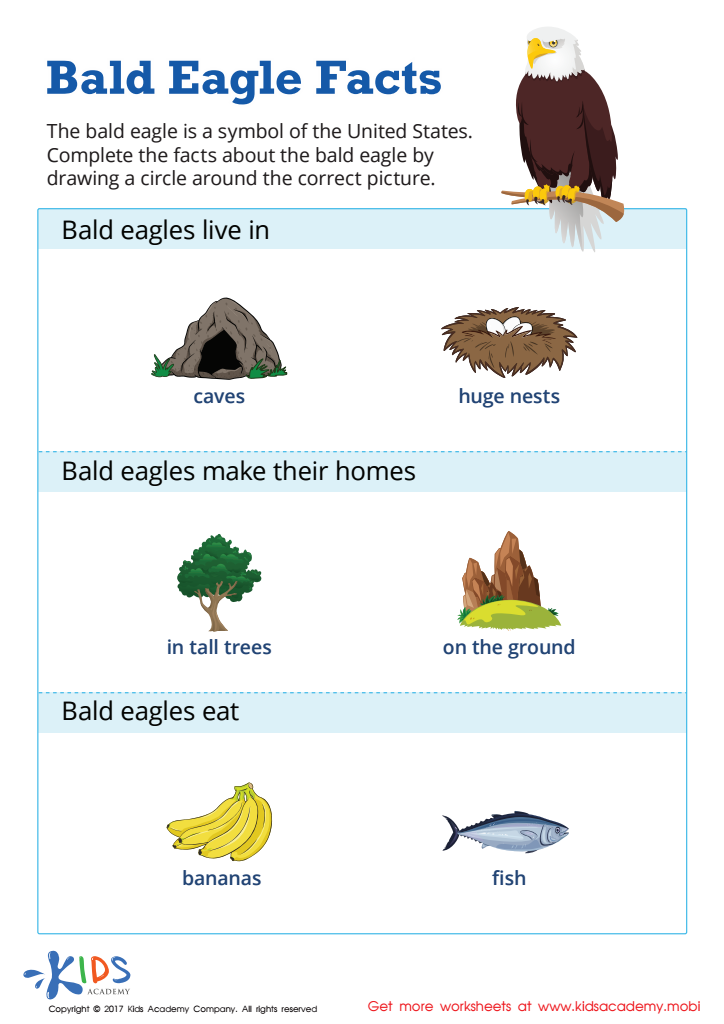
Bald Eagle Facts Worksheet
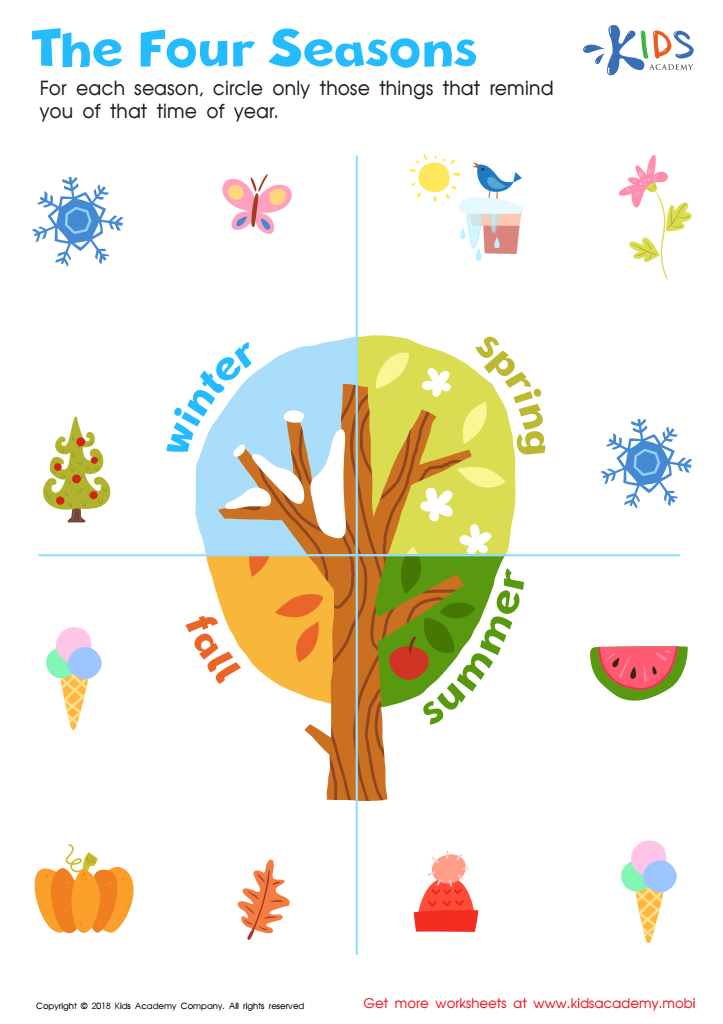
The Four Seasons Worksheet





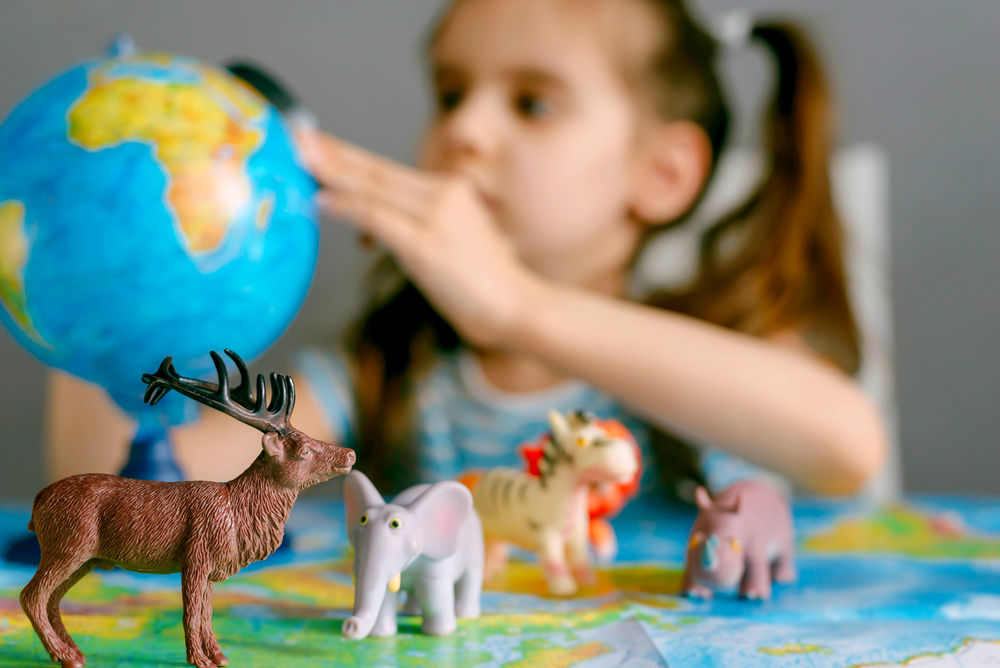

Vocabulary enhancement in geography for ages 3-9 is incredibly important for several reasons. First, early childhood is a critical period for language development. At this age, children absorb new words and concepts quickly, and introducing them to geographical terms can enrich their language skills overall. Knowing names of countries, cities, landforms, and continents not only broadens their vocabulary but also helps children understand and describe the world around them.
Second, geography education at a young age lays the foundation for more complex learning later on. By using age-appropriate vocabulary, children can begin to grasp spatial relationships, cultural diversity, and the concept of different environments. This foundational knowledge can enhance their ability to understand subjects like history and science in more depth as they grow older.
Moreover, learning geography can instill a sense of curiosity and appreciation for the world. Recognizing that the Earth is a diverse and interconnected place can foster empathy and global awareness in young minds. This early exposure can promote open-mindedness and counteract cultural biases.
Finally, incorporating geography into early education makes learning more holistic and integrative, bridging the gap between language arts and social studies. This interdisciplinary approach caters to varied learning styles and can make education more engaging and effective for young children.