Color recognition History Worksheets for Ages 3-9
3 filtered results
-
From - To
Discover our engaging Color Recognition History Worksheets designed specifically for children aged 3-9! These worksheets seamlessly blend history and colors, helping young learners explore historical figures and events while enhancing their color recognition skills. Each activity encourages creativity and fosters an early appreciation for history. With vibrant illustrations and interactive exercises, kids will enjoy identifying colors within historical contexts, promoting both fun and education. Perfect for teachers and parents alike, these worksheets offer a unique approach to learning that makes history approachable for young minds. Unleash your child’s curiosity and help them develop essential skills today with our colorful history resources!

Happy Diwali Printable

Easter Holiday Printable
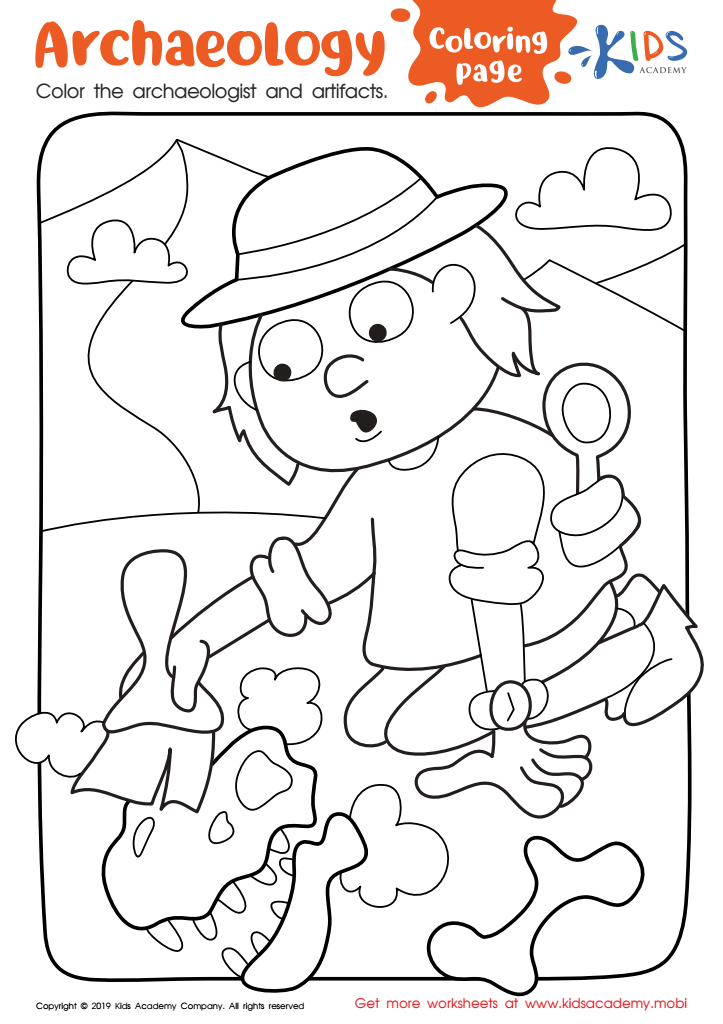
Archaelogy Coloring Page Worksheet
 Assign to My Students



.jpg)




Color recognition is a fundamental skill for children aged 3-9 that significantly impacts their cognitive, social, and emotional development. Understanding color helps children make sense of their environment, enhances their ability to categorize objects, and lays the groundwork for later learning in subjects such as art, science, and even reading.
Historically, color recognition has played a vital role in early childhood education. From the use of bright colors in toys and books to age-appropriate curricula that focus on colors, educators have long recognized the importance of this skill. Engaging children with various colors helps to stimulate their visual perception and language development as they learn to describe and identify colors.
Parents and teachers need to care about this aspect of development because it is not simply about learning colors; it's about nurturing children’s creativity, critical thinking, and communication skills. By fostering a child’s understanding of color, adults can help them express their emotions, build their self-confidence, and enhance their problem-solving abilities through playful exploration. Ultimately, prioritizing color recognition in early education promotes a well-rounded foundation for lifelong learning and growth, emphasizing the importance of interactive and vibrant learning environments for young children.








