Critical Thinking History Worksheets for Ages 3-9
20 filtered results
-
From - To
Unlock the power of critical thinking for young learners aged 3-9 with our engaging history worksheets! Designed to inspire curiosity and analytical skills, these worksheets blend historical concepts with fun activities. Children will explore key events and figures while honing their logic and reasoning abilities. Each worksheet encourages critical questioning and problem-solving, making history approachable and exciting. Perfect for educators and parents alike, our resources foster an early appreciation for history while nurturing essential thinking skills. Download our critical thinking history worksheets today and embark on a journey of exploration that prepares young minds for academic success!
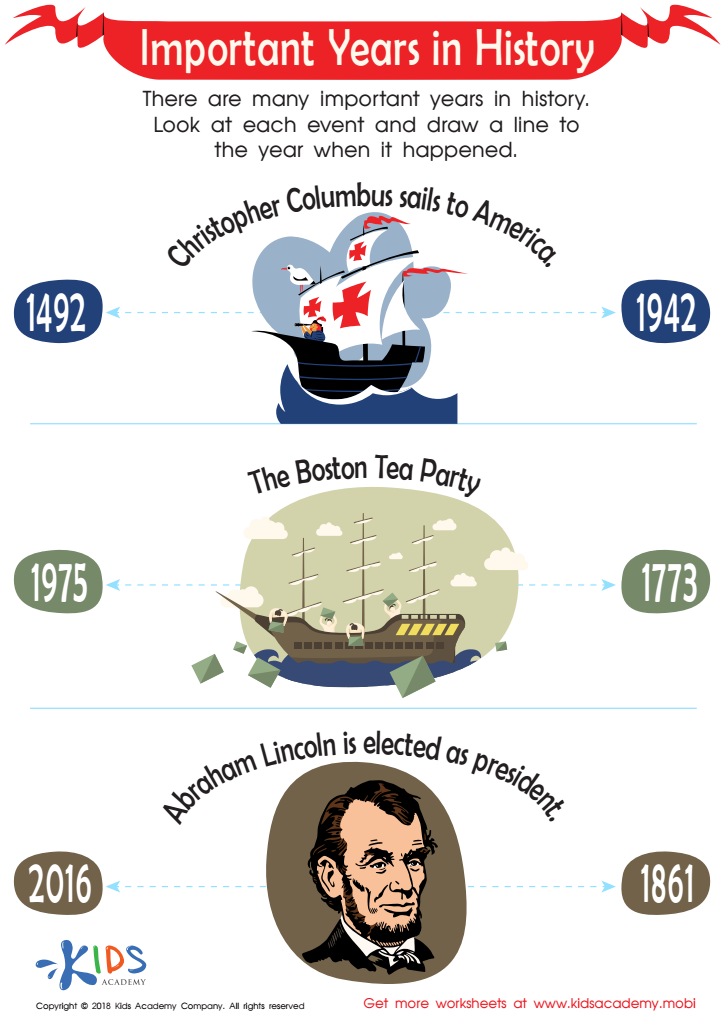
Important Years in History Worksheet
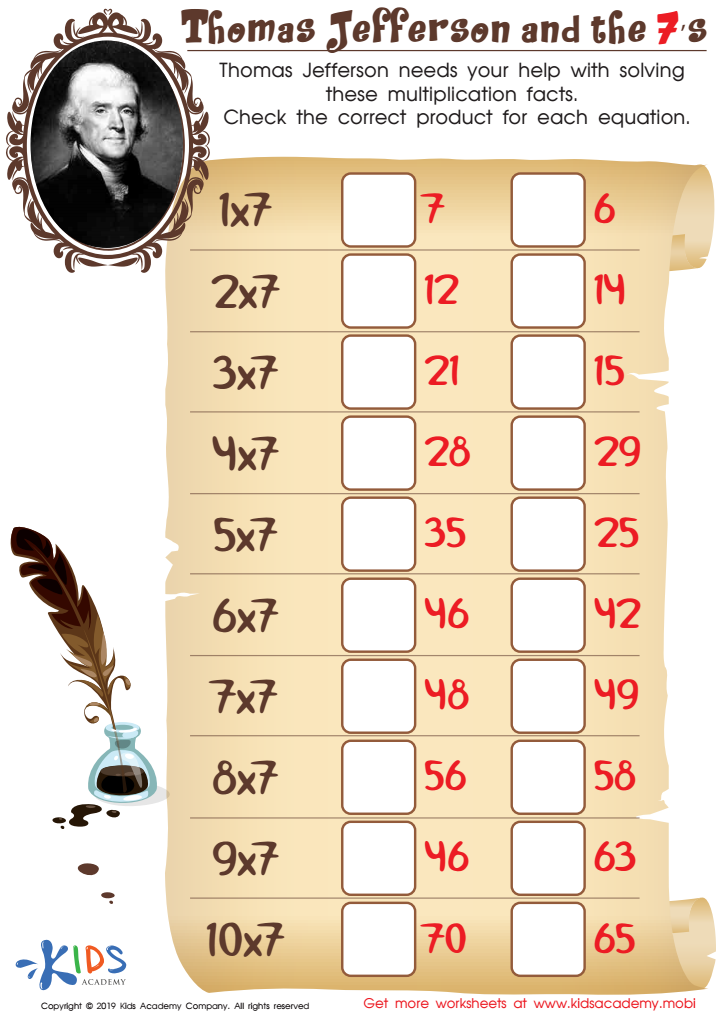
Thomas Jefferson and the 7’s Worksheet
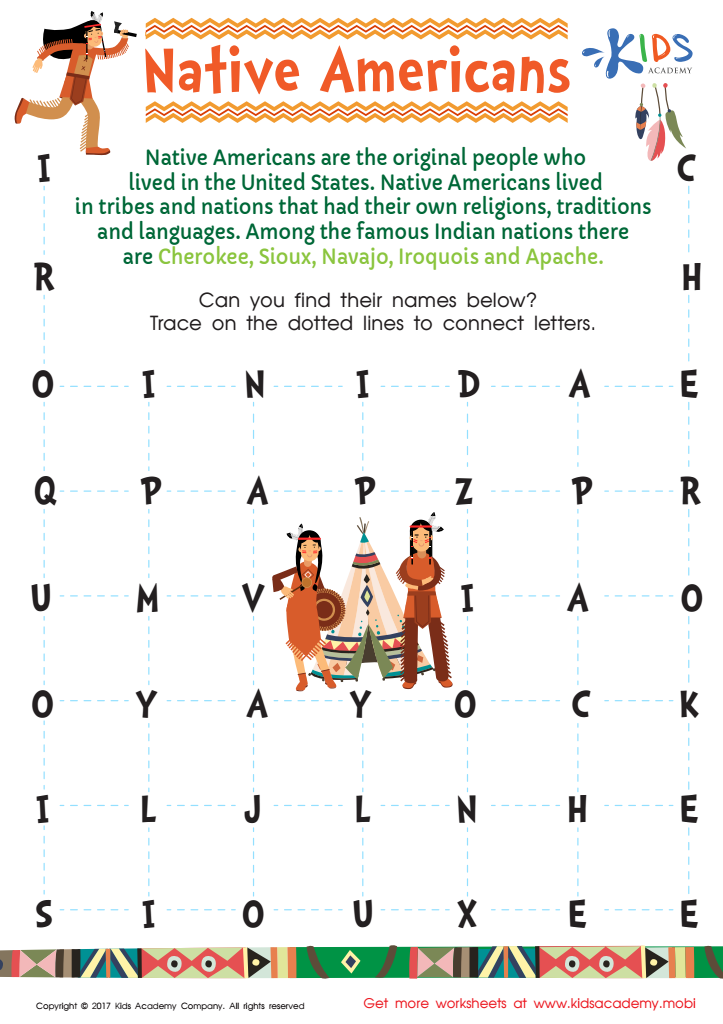
Native American Word Search Printable
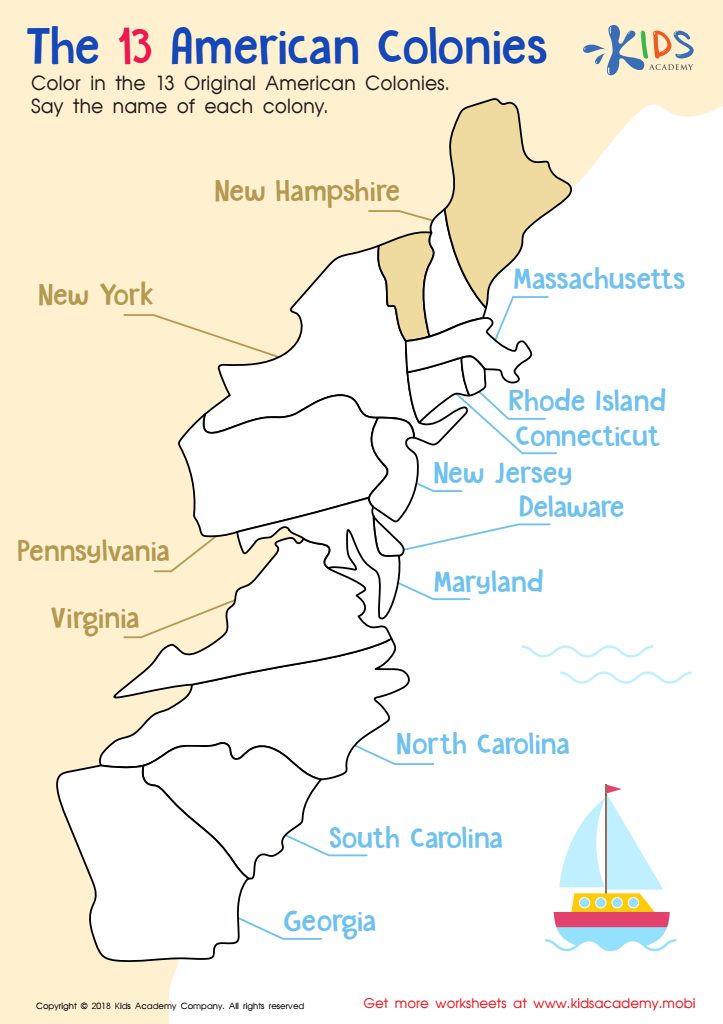
The 13 American Colonies Worksheet
 Assign to My Students
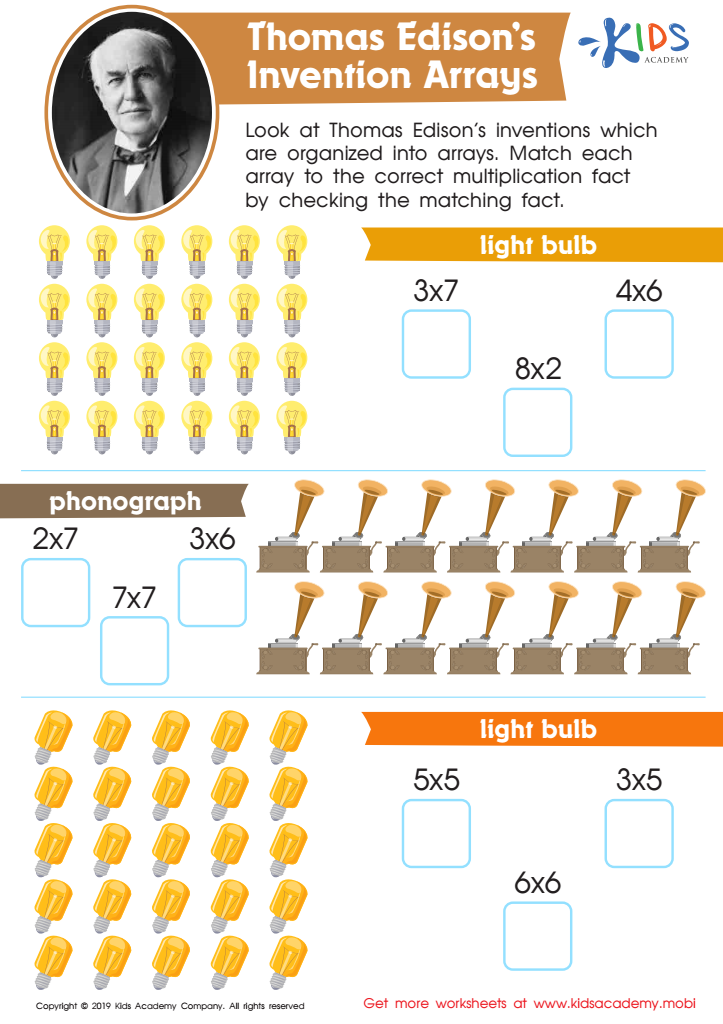
Thomas Edison’s Invention Arrays Worksheet
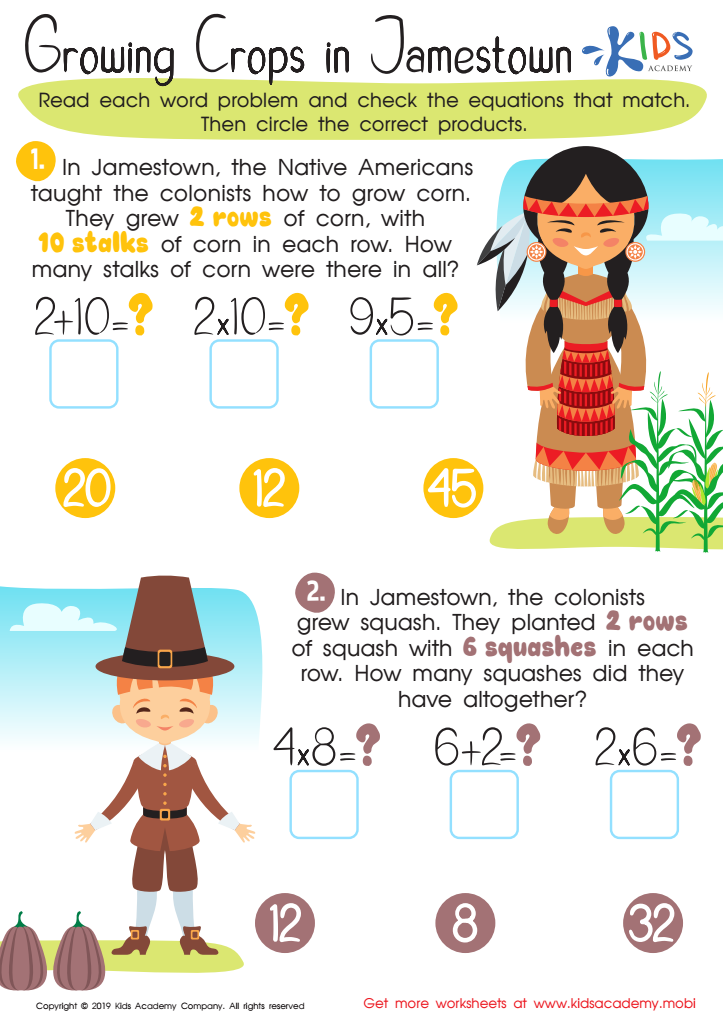
Growing Jamestown Worksheet
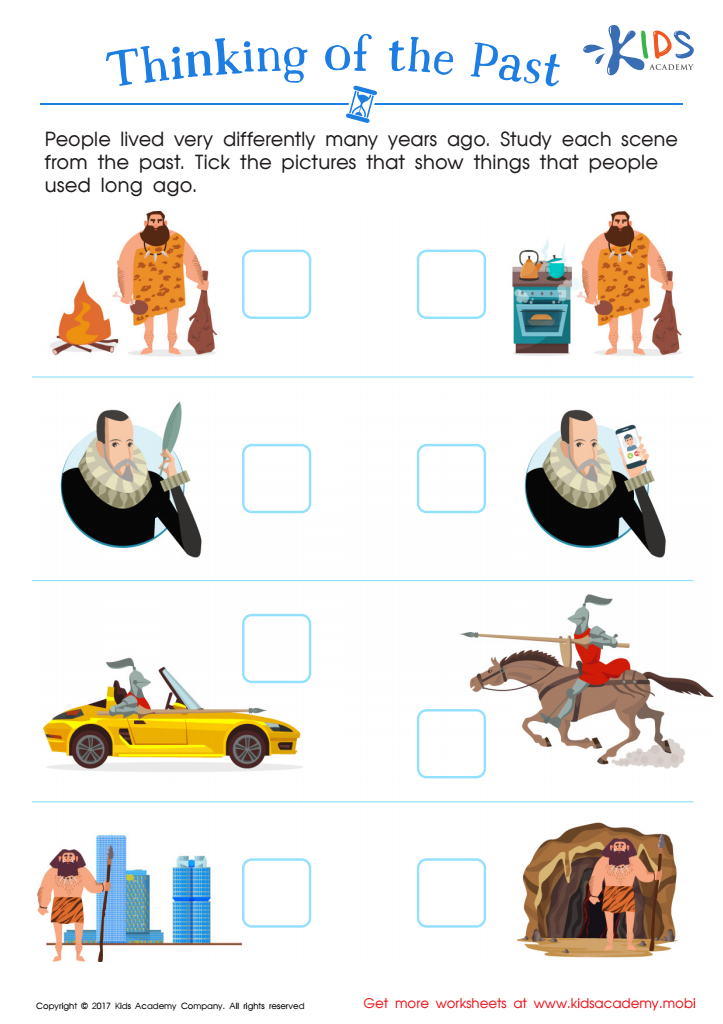
Thinking Past Printable

Thanksgiving Holiday Printable
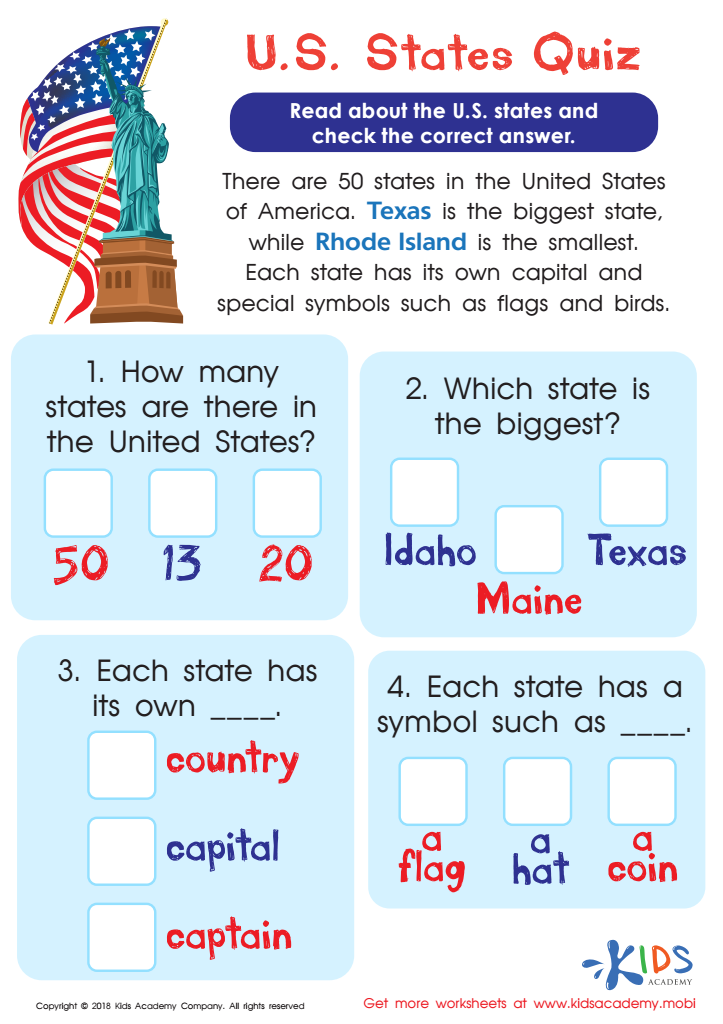
U.S. States Quiz Worksheet
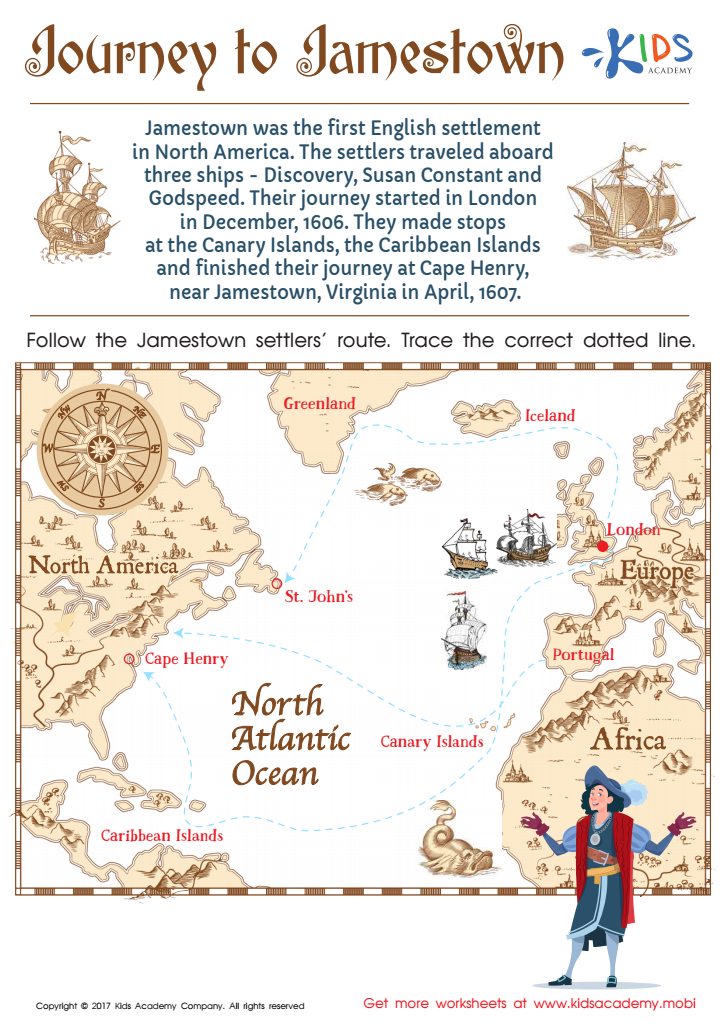
Journey to Jamestown Worksheet
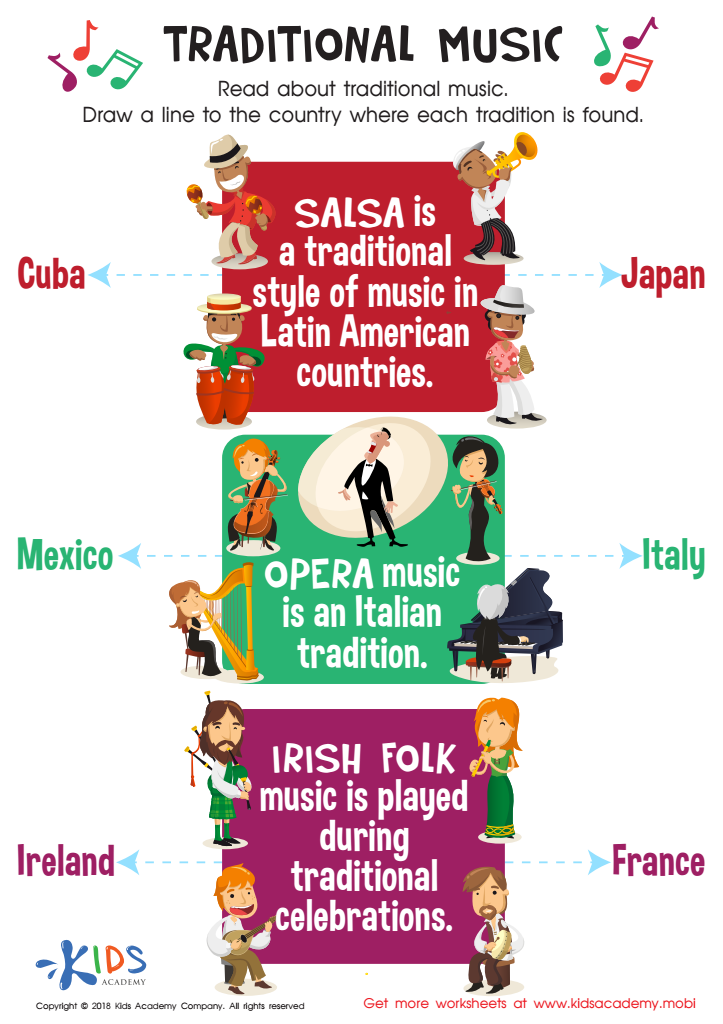
Traditional Music Worksheet
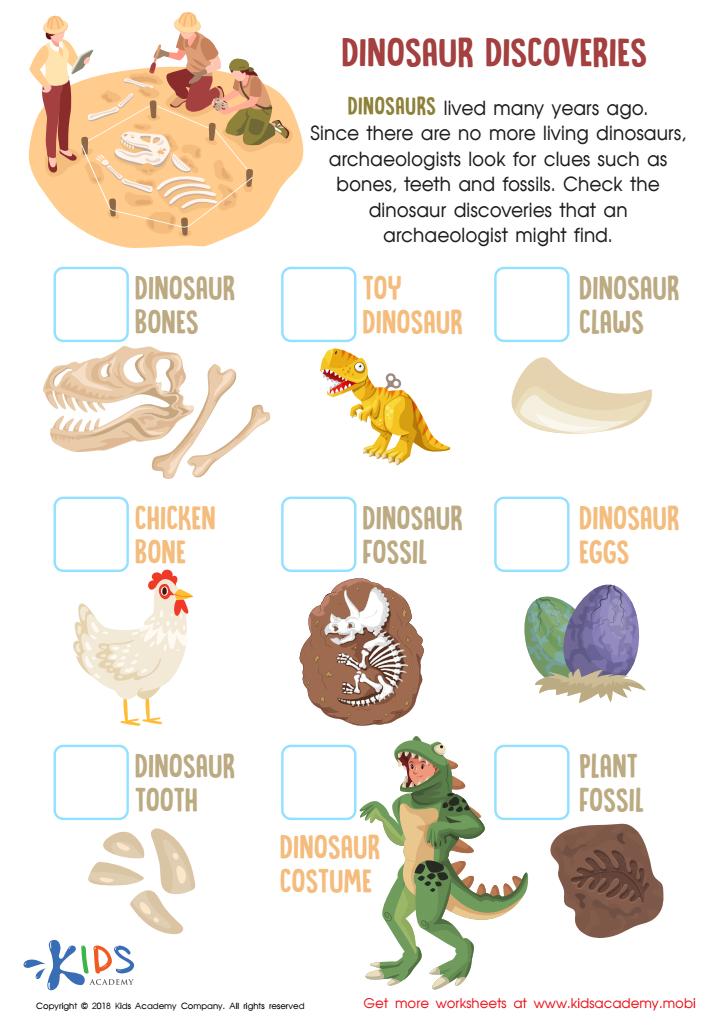
Dinosaur Discoveries Worksheet
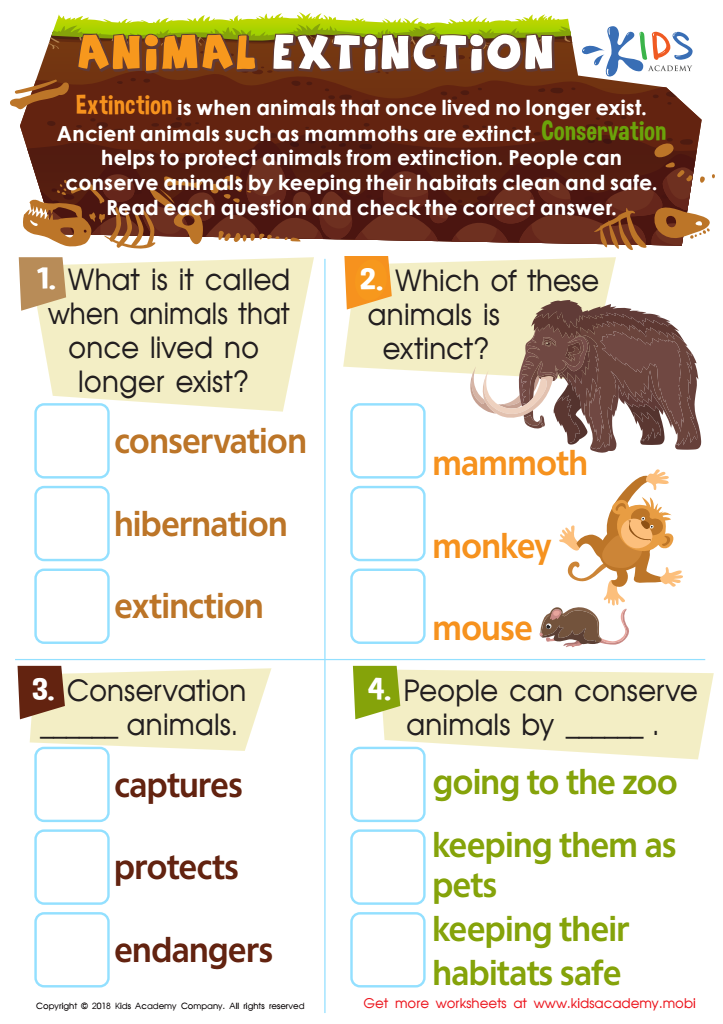
Animal Extinction Worksheet
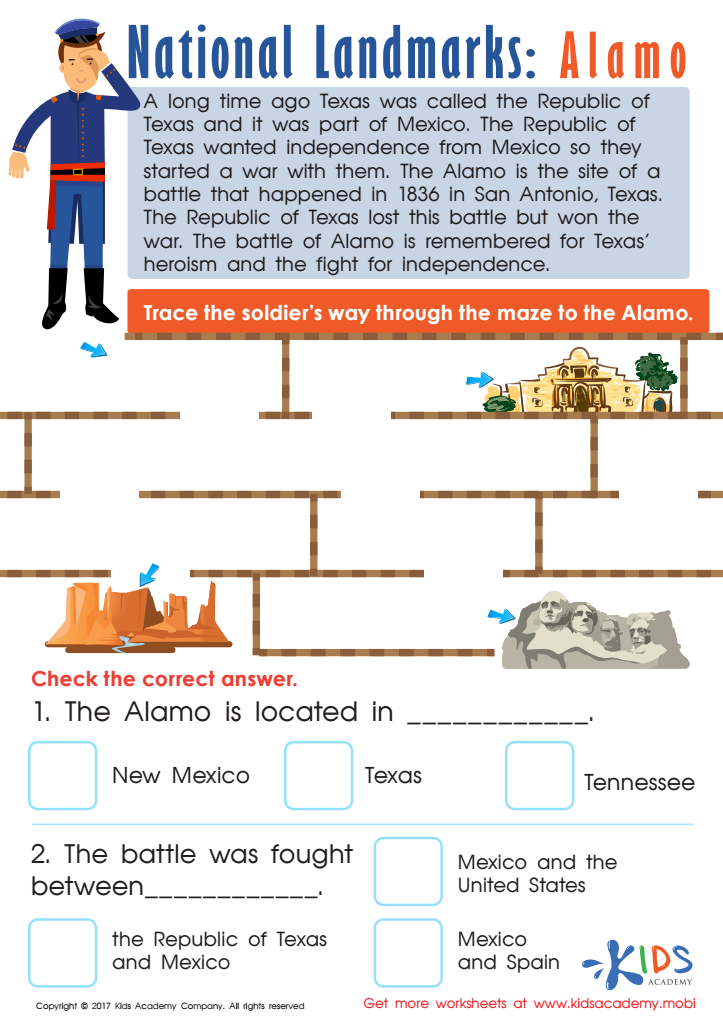
Alamo Printable Worksheet
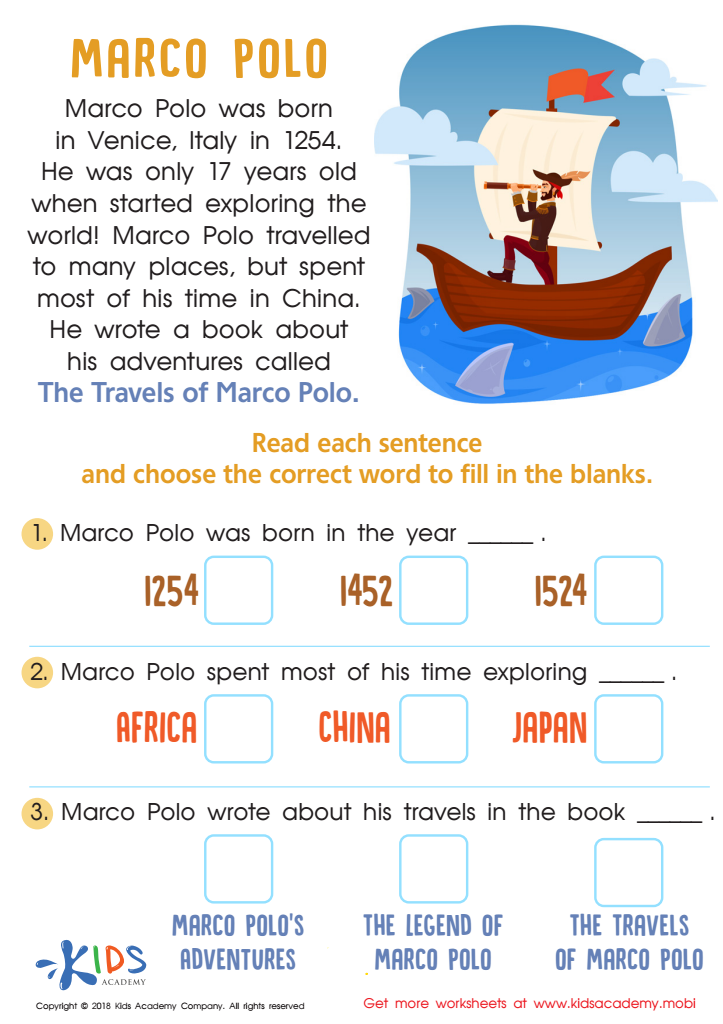
Marco Polo Worksheet
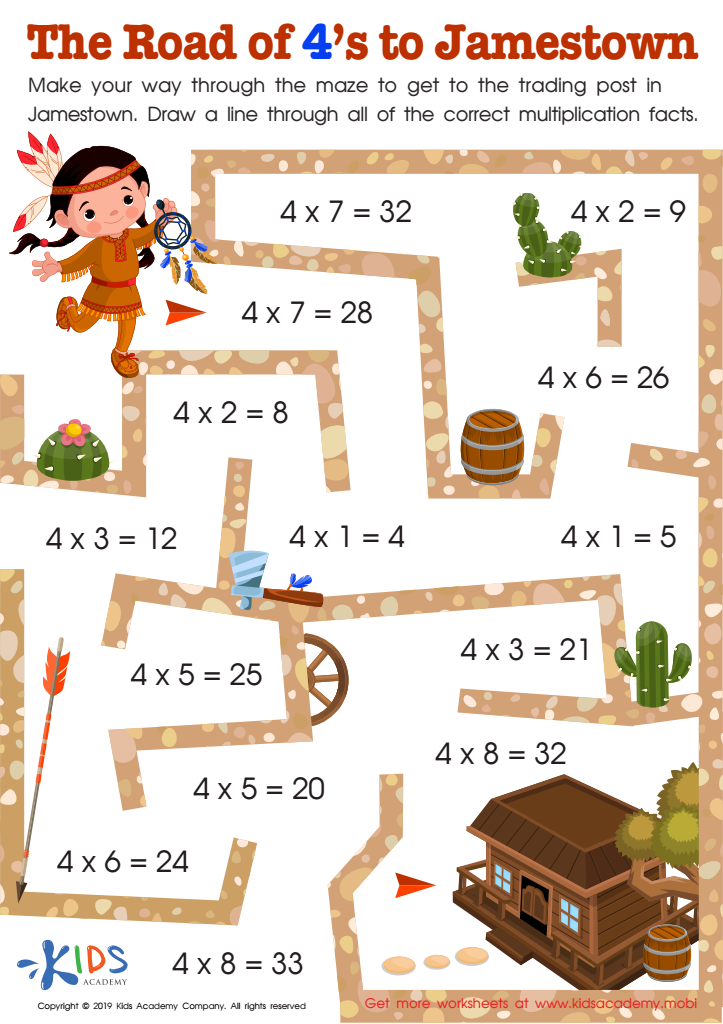
The Road of 4’s to Jamestown Worksheet
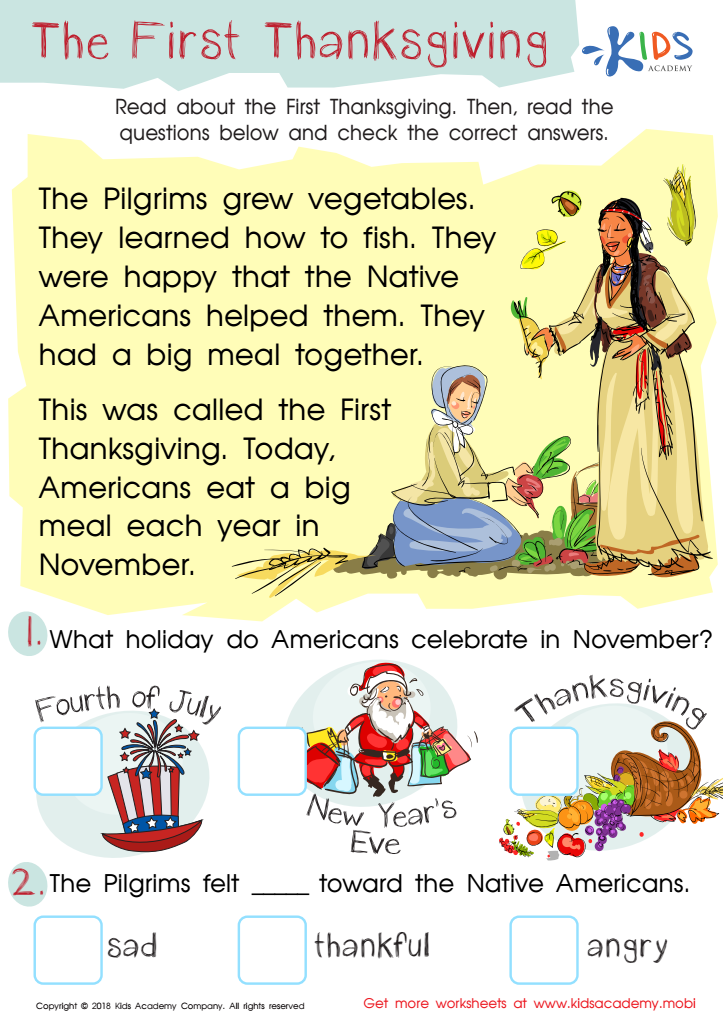
Assessment: First Thanksgiving Worksheet
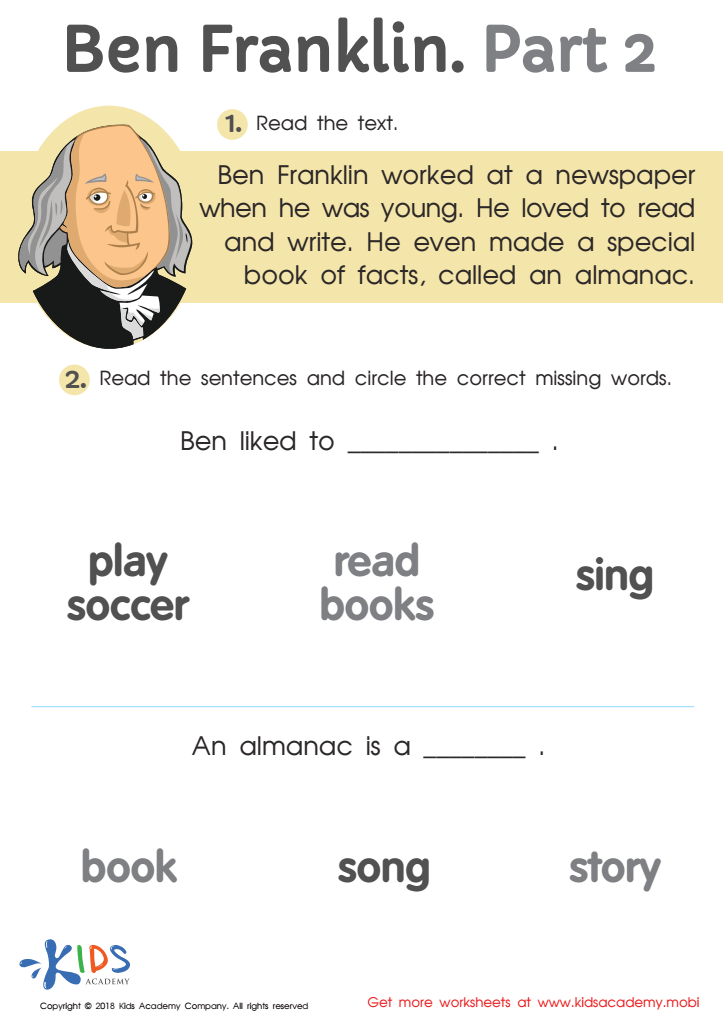
Ben Franklin Part 2 Worksheet
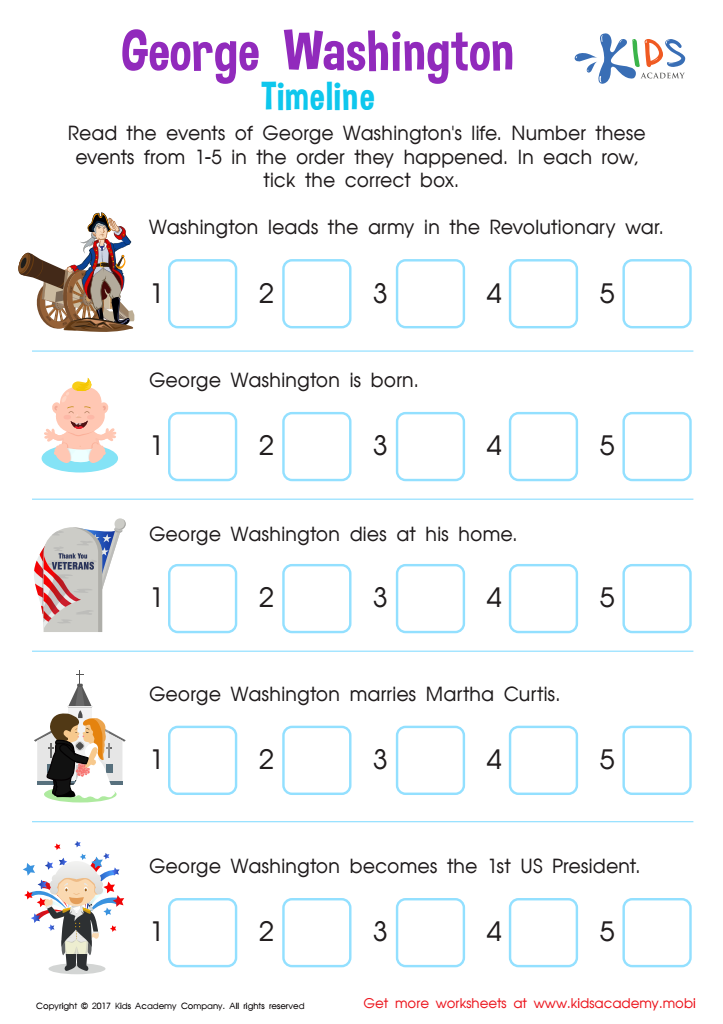
George Washington Timeline Worksheet
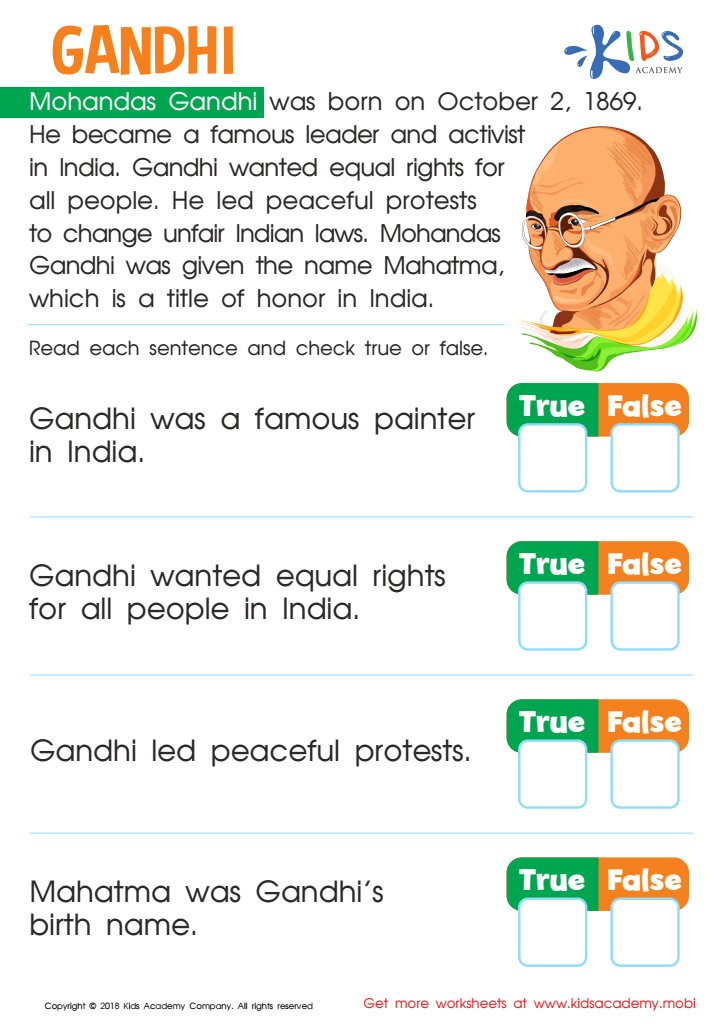
Gandhi Worksheet








Critical thinking is a vital skill that enables young children aged 3-9 to analyze, evaluate, and synthesize information. Parents and teachers should prioritize critical thinking in history education for several reasons. First, it helps children develop a deeper understanding of the world around them. By engaging with historical events, children learn to ask questions, make connections, and understand cause and effect, laying a foundation for lifelong learning.
Second, critical thinking fosters a sense of empathy and cultural awareness. As children learn about diverse histories and perspectives, they become more open-minded and learn to appreciate differences. This engagement can nurture a more inclusive worldview, encouraging respect and understanding.
Additionally, critical thinking equips children with problem-solving skills essential for their future. In an age where information is abundant, the ability to discern credible sources and analyze varying viewpoints is crucial. Encouraging children to think critically about history promotes their ability to make informed decisions and strengthens their argumentative skills.
Finally, instilling these skills early on can lead to better academic performance across subjects, as a solid foundation in critical thinking supports literacy and reasoning in both the humanities and sciences. By caring about how history is taught, parents and teachers can empower children for a successful future.