Fine Motor Skills History Worksheets for Ages 3-9
4 filtered results
Difficulty Level
Grade
Age
-
From - To
Subject
Activity
Standards
Discover our engaging Fine Motor Skills History Worksheets designed specifically for children ages 3-9! These interactive resources combine the learning of historical concepts with essential fine motor development activities. Through fun tracing, cutting, and pasting exercises, young learners enhance their dexterity while exploring historical figures, events, and timelines. Perfect for home or classroom use, these worksheets stimulate creativity and strengthen hand-eye coordination. Each activity is tailored to maintain the interest of young minds while promoting curiosity about the past. Inspire your child’s budding interest in history and fine motor skills with these captivating worksheets today! Perfect for young historians in the making!
Favorites
With answer key
Interactive

Happy Diwali Printable
Explore India this Diwali! Learn about India's most significant holiday, Diwali, with this fun-filled printable activity for kids. Your child can gain an appreciation for Indian culture with this Diwali dot to dot worksheet.
 Assign to My Students
Happy Diwali Printable
Worksheet
Easter Holiday Printable
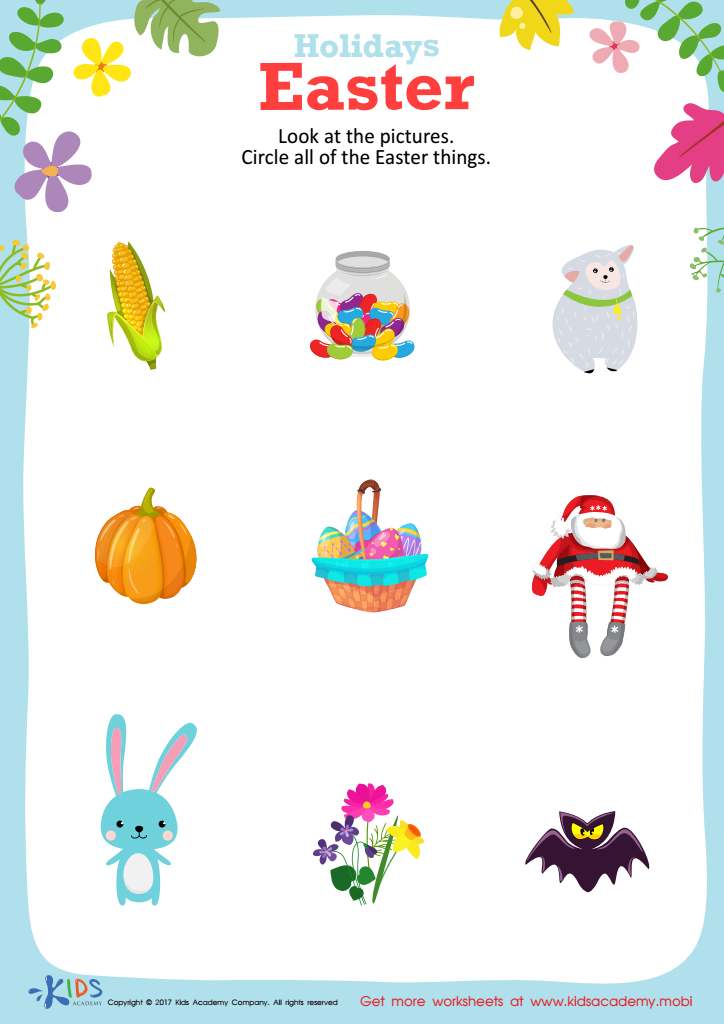
This printable Easter worksheet helps your child identify symbols associated with the holiday. Pick out the pictures that usually signify Easter and your little one will gain an understanding of the holiday's meaning. With this free activity, springtime just got more exciting!
Easter Holiday Printable
Worksheet
Marching 8’s for Rights Worksheet
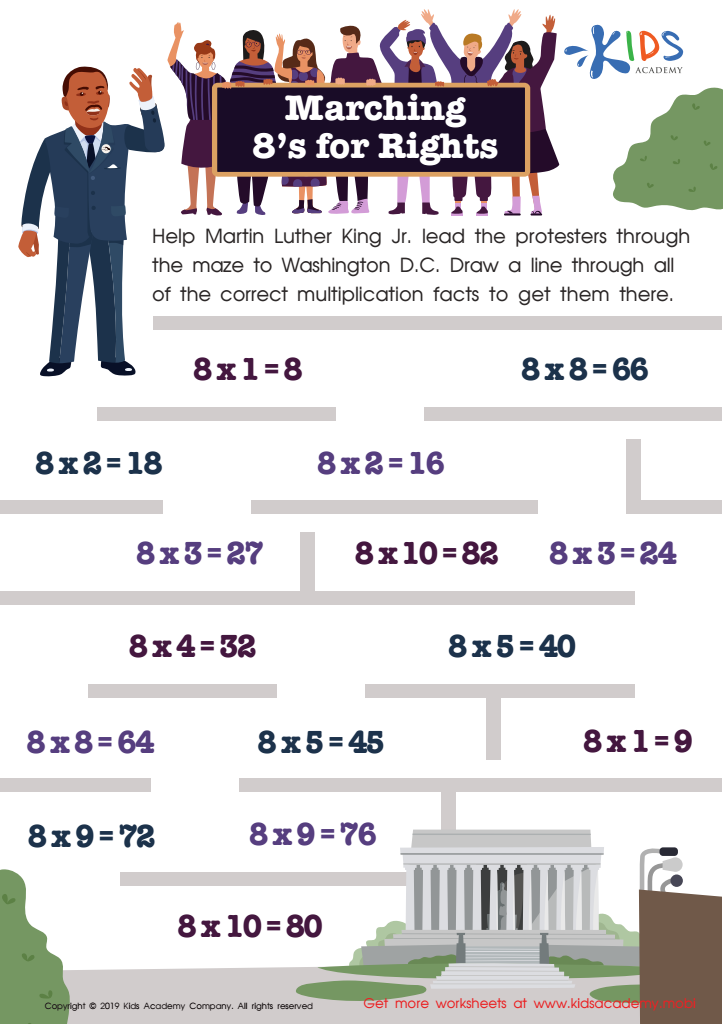
Encourage your students to explore MLK's history! This worksheet provides the perfect opportunity. Help them understand his contributions by having them "march" MLK from the starting point to Washington D.C. Have them draw a line through the correct multiplication facts to get there. It's an enjoyable way for kindergartners to learn about a key part of history.
Marching 8’s for Rights Worksheet
Worksheet
Pilgrim Maze Worksheet
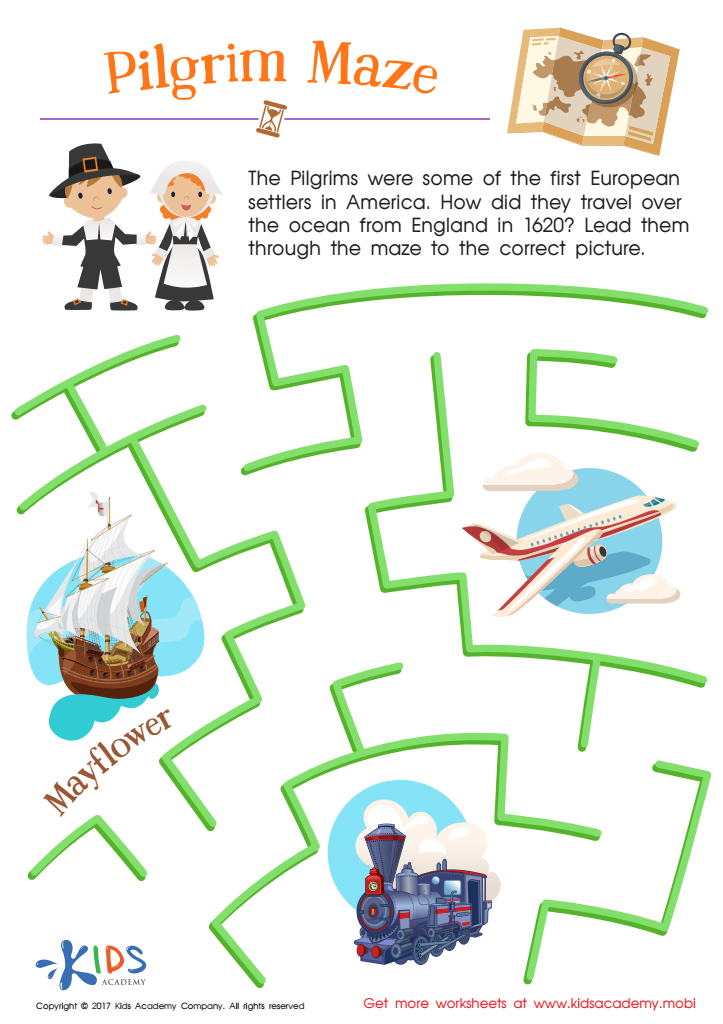
This worksheet is perfect for teaching kids about an important moment in American History! Your child will have a blast solving the maze to recall that the Mayflower brought the pilgrims to the New World in 1620. It reinforces American history facts and develops visual motor and problem solving skills. It also uses modern pictures to make kids think about the right answer. Get this challenging pilgrim printable maze or a full collection of history worksheets for your little learner!
Pilgrim Maze Worksheet
Worksheet
Join Kids Academy for Free
Who is primarily going to use this learning content?








Understanding the history of fine motor skills is crucial for parents and teachers of children ages 3 to 9 because it highlights the development and importance of these skills at a young age. Fine motor skills involve the coordination of small muscles, especially in the hands and fingers, necessary for tasks such as writing, drawing, and using tools. Historically, early childhood education has recognized that fine motor development is not just a precursor to academic skills but essential for overall childhood development.
As children progress through the critical ages of 3 to 9, their environments play a significant role in shaping their motor abilities. Insights into the historical context show that children thrived in environments rich in hands-on activities, sensory experiences, and opportunities for creative expression. By understanding this history, parents and teachers can better appreciate the pivotal activities, like cutting with scissors, drawing, or building blocks, that promote motor skills.
Furthermore, awareness of fine motor skills can also help in identifying developmental delays early, allowing for timely interventions. By prioritizing these skills, educators and parents can foster not just academic readiness but also social development and self-confidence in young learners, setting the foundation for lifelong learning.