Capitalization rules Writing Worksheets for Ages 3-9
8 filtered results
-
From - To
Unlock the power of writing with our engaging Capitalization Rules Writing Worksheets designed for ages 3-9! These printable resources provide fun, interactive activities that help young learners master capitalization in a variety of contexts. From sentences to names, children will practice identifying and using capital letters correctly, fostering essential writing skills. Our worksheets are crafted with colorful designs and age-appropriate challenges, making learning enjoyable and effective. Perfect for home or classroom use, these worksheets promote confidence in writing while adhering to foundational grammar standards. Give your child the tools they need to succeed in their writing journey with our Capitalization Rules resources!
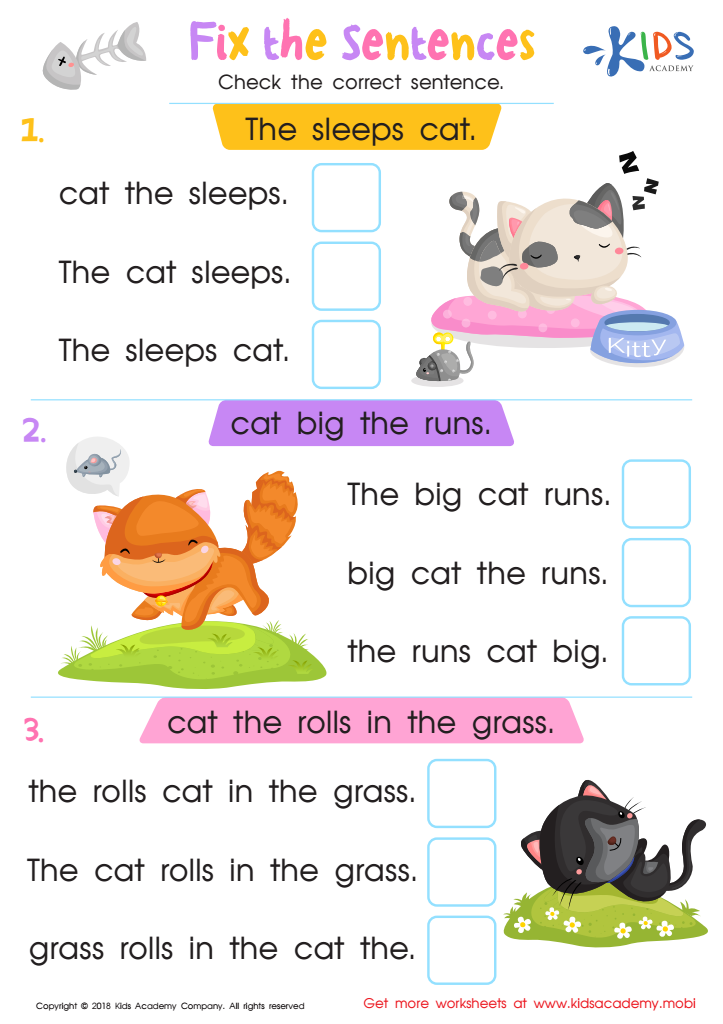
Fix the Sentences Worksheet
 Assign to My Students
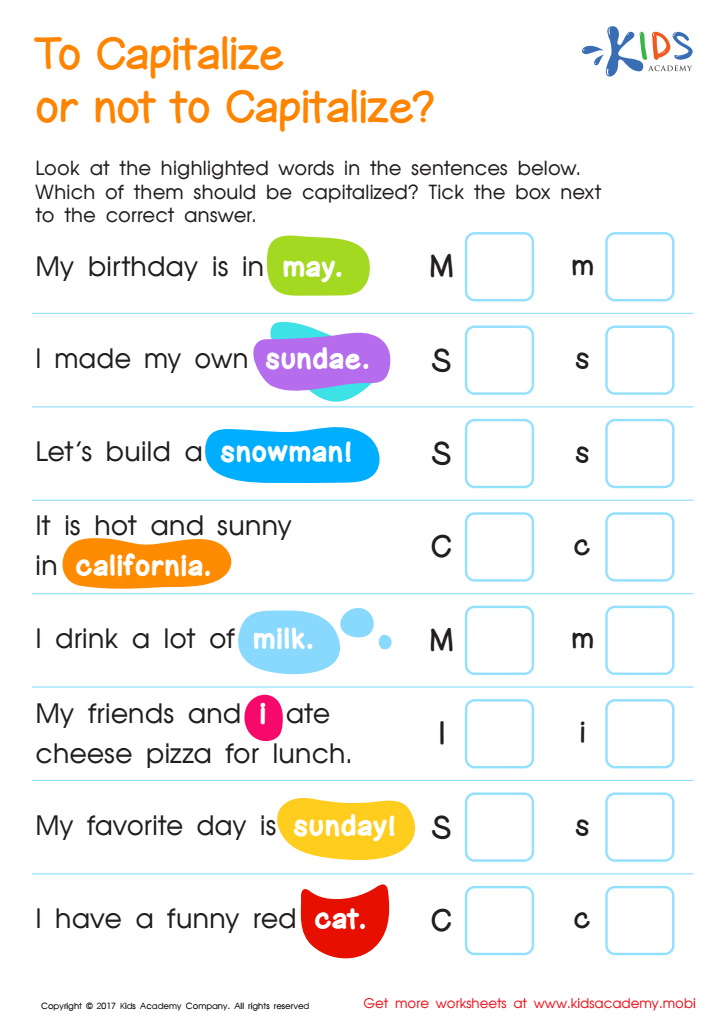
Capitalization: To Capitalize or Not? Printable
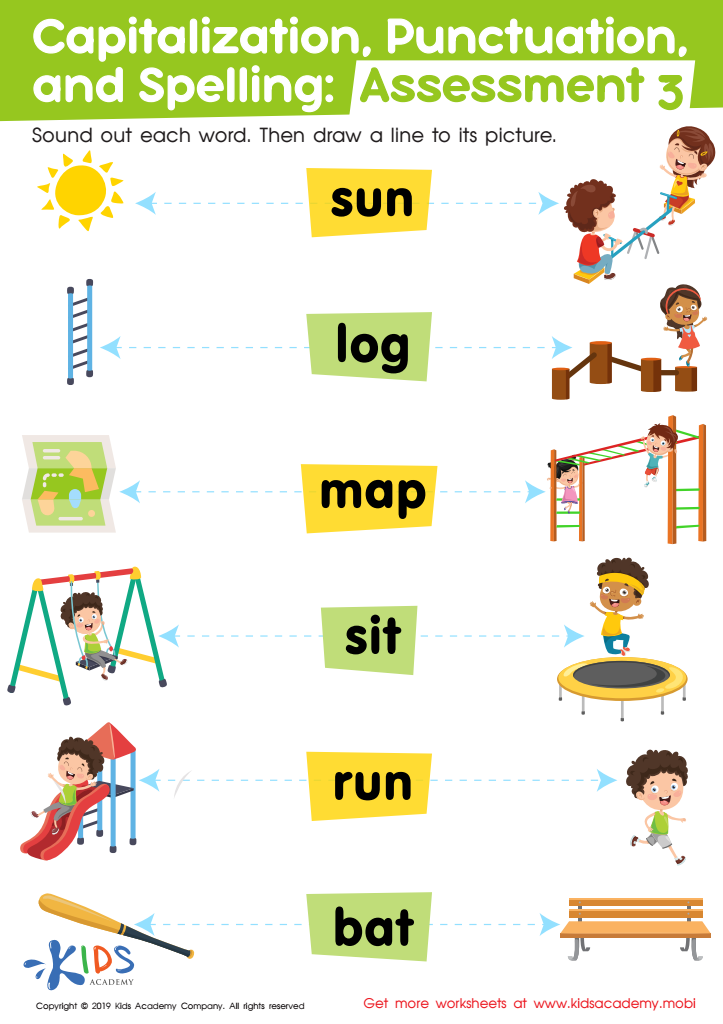
Capitalization. Punctuation. Spelling. Assessment 3 Worksheet
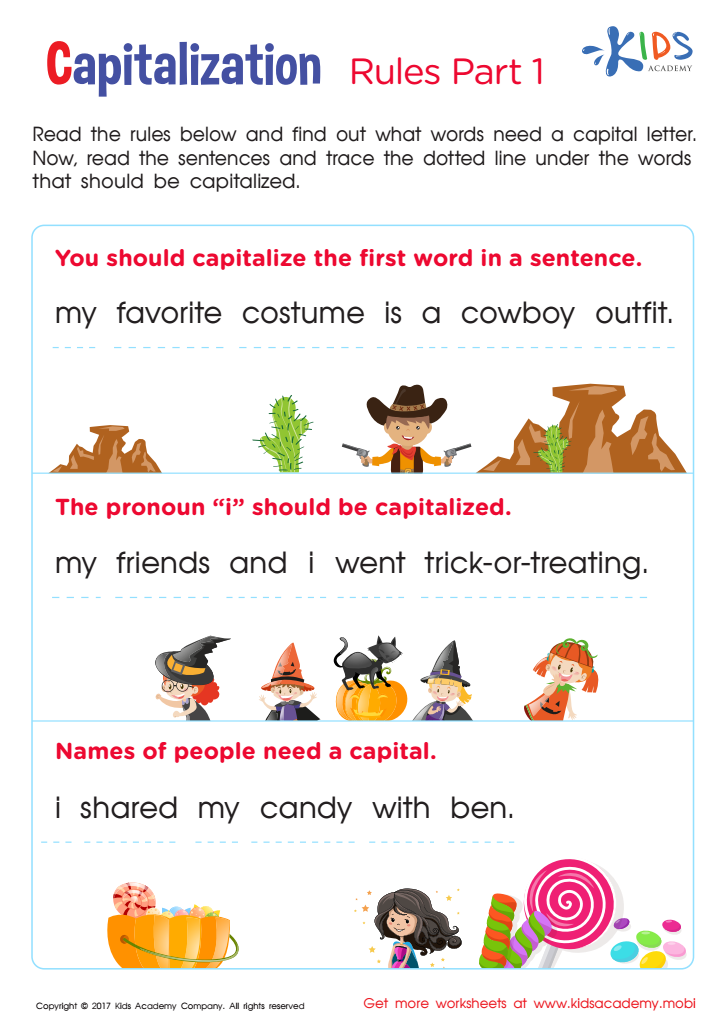
Capitalization Rules: Part 1 Worksheet
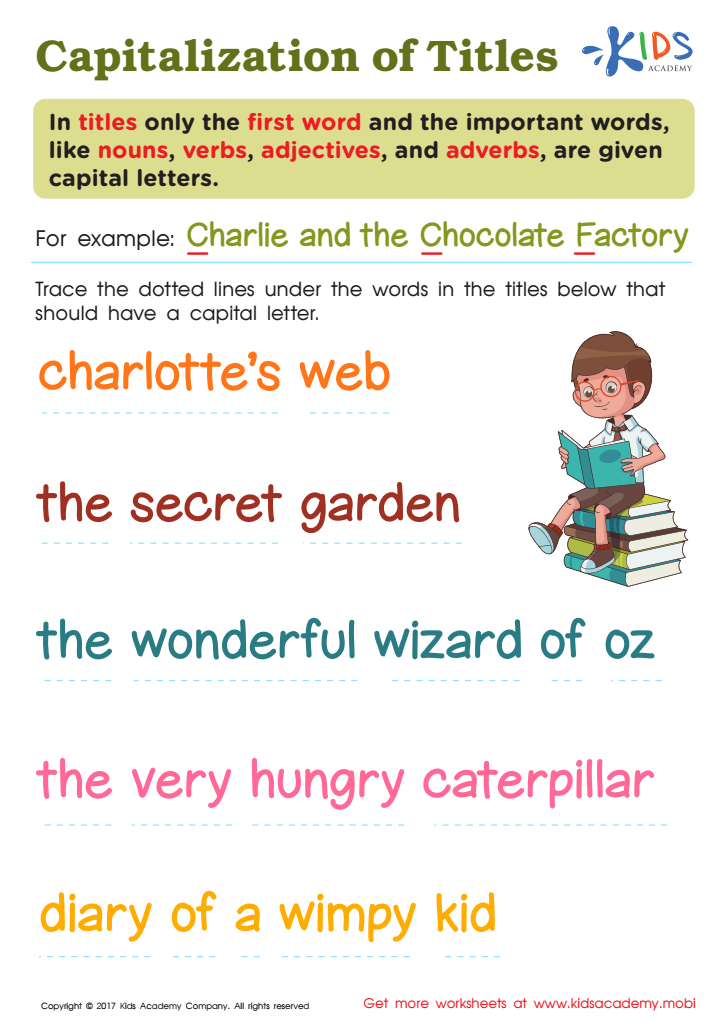
Capitalization of Titles Worksheet
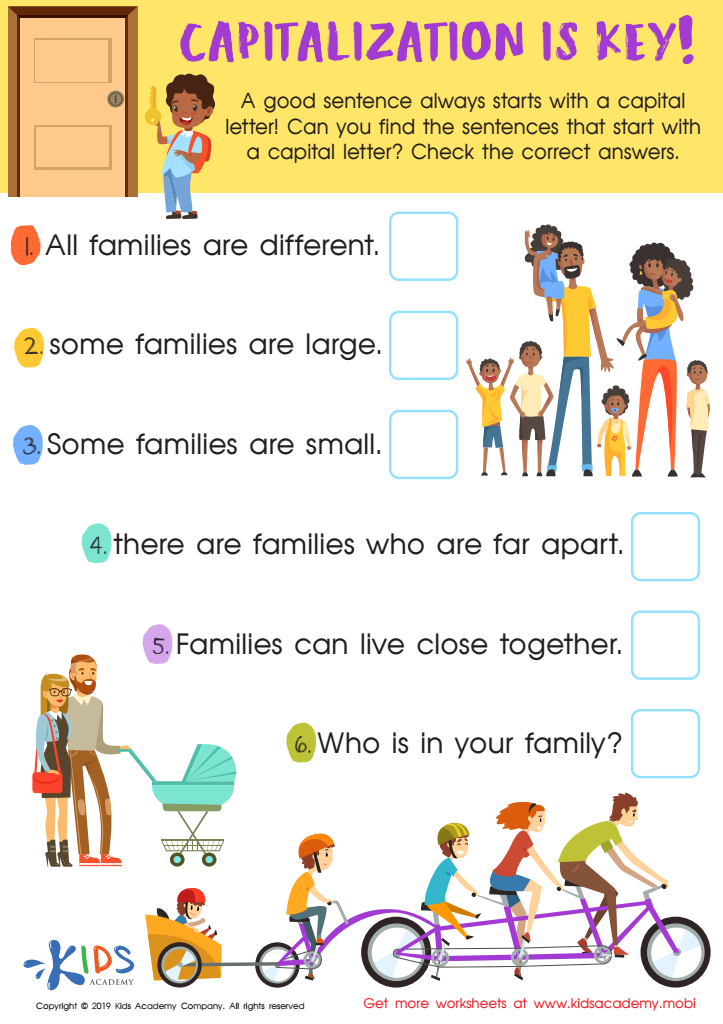
Capitalization Key Worksheet
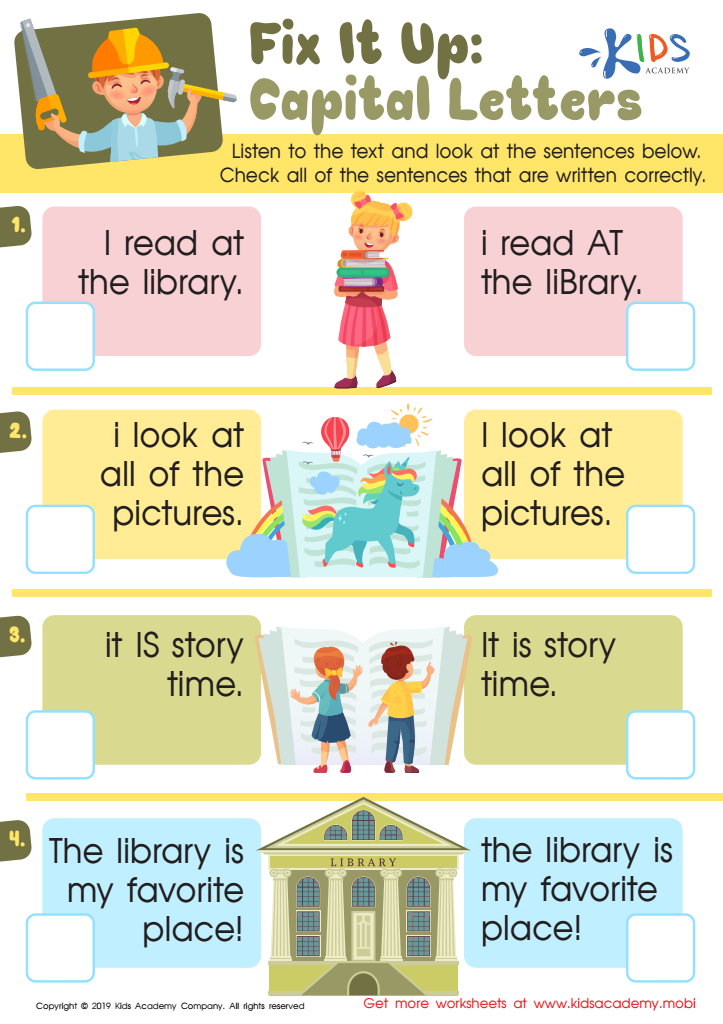
Fix Capital Letters Worksheet

How to Capitalize Worksheet







Capitalization rules are essential for children aged 3-9 as they lay the foundation for effective communication and literacy skills. When parents and teachers prioritize capitalization, they help young learners become aware of sentence structure, distinguishing between proper nouns and common nouns, and understanding the start of sentences. This awareness enhances reading comprehension and writing clarity.
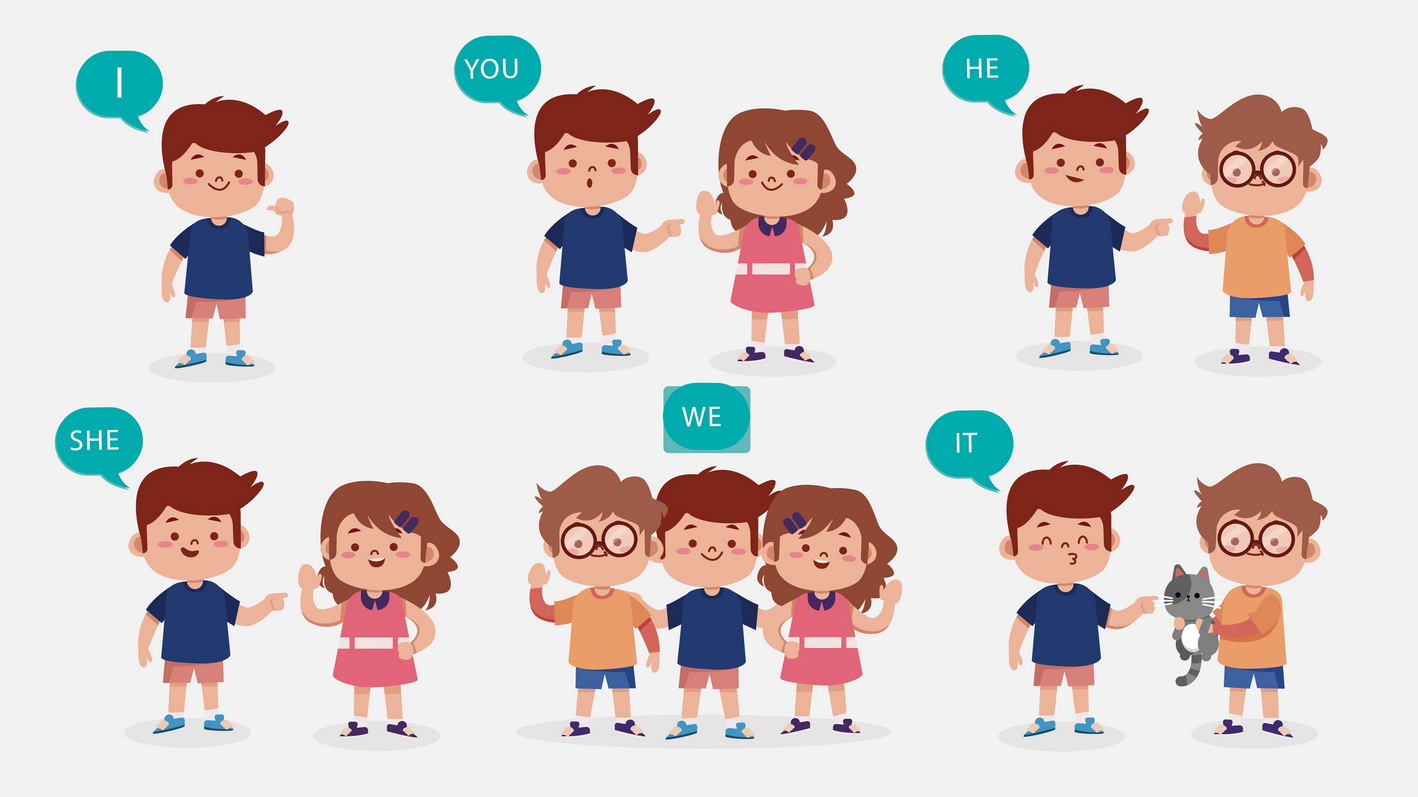
Correct capitalization fosters a sense of standardization and professionalism in writing. It encourages children to pay attention to detail, promoting their overall language development. As they learn to identify names of people, places, and organizations, children cultivate respect for written communication. For instance, using "I" to refer to oneself empowers children with a sense of self-awareness in their writing.
Furthermore, familiarity with capitalization rules builds confidence in young writers. When children can confidently apply these rules, they are more likely to express themselves freely and creatively. As we integrate capitalization education into daily activities—like storytime, journaling, or creative writing exercises—children develop both communication skills and a love for language.
In essence, teaching capitalization is not merely about adhering to rules, but about nurturing a child’s ability to express thoughts clearly and effectively, laying the groundwork for their future academic success.








