Grammar skills Writing Worksheets for Ages 3-9
5 filtered results
-
From - To
Enhance your child's writing journey with our engaging Grammar Skills Writing Worksheets designed for ages 3-9. These printable resources introduce essential grammar concepts in a fun, interactive way, making learning enjoyable. Children will explore topics such as sentence structure, punctuation, and parts of speech through appealing visuals and simple activities. Tailored for young learners, our worksheets help build a strong foundation in grammar, fostering confidence and creativity in writing. Ideal for both classroom and home use, these resources support early literacy development and prepare your child for future academic success. Start nurturing proficient communication skills today!
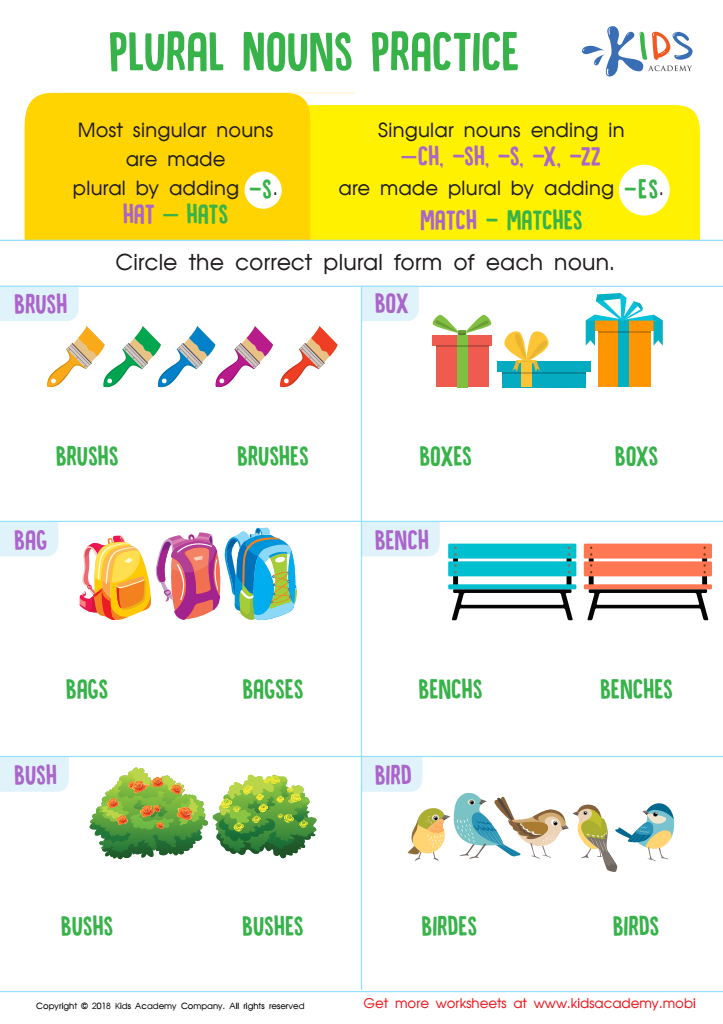
Plural Nouns Practice Worksheet
 Assign to My Students
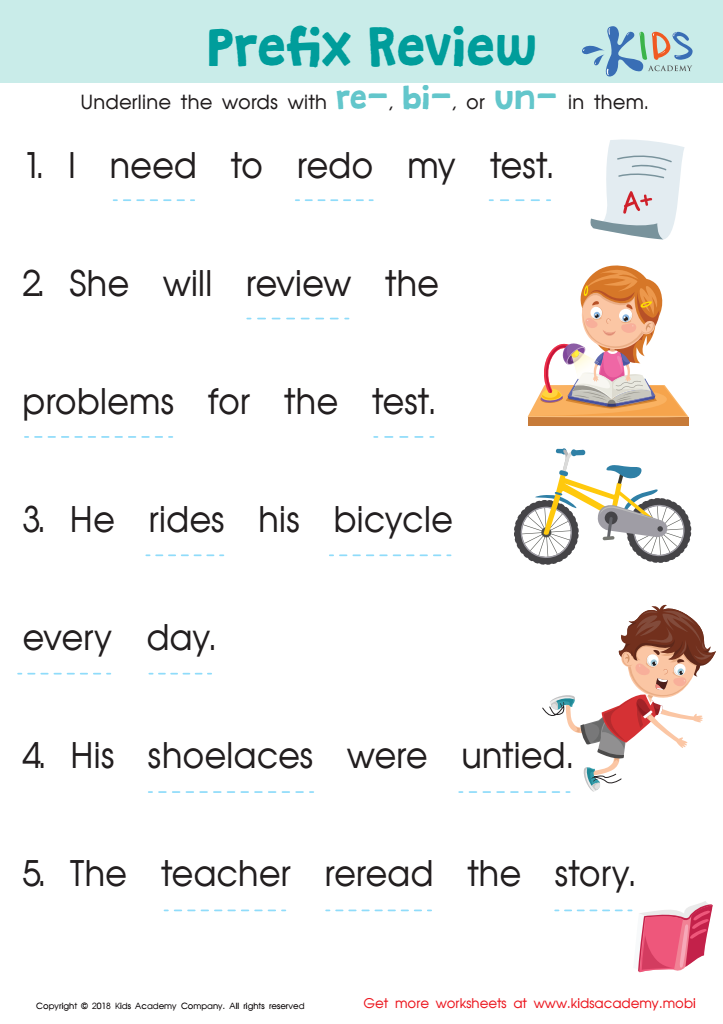
Prefix Review Worksheet
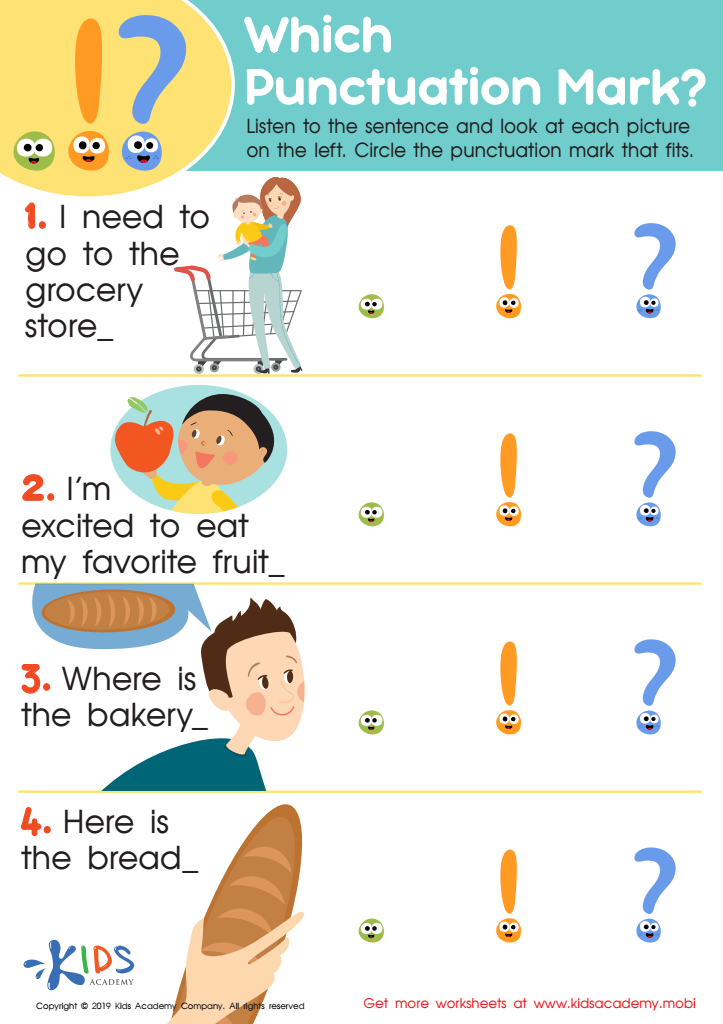
Which Punctuation Mark Worksheet
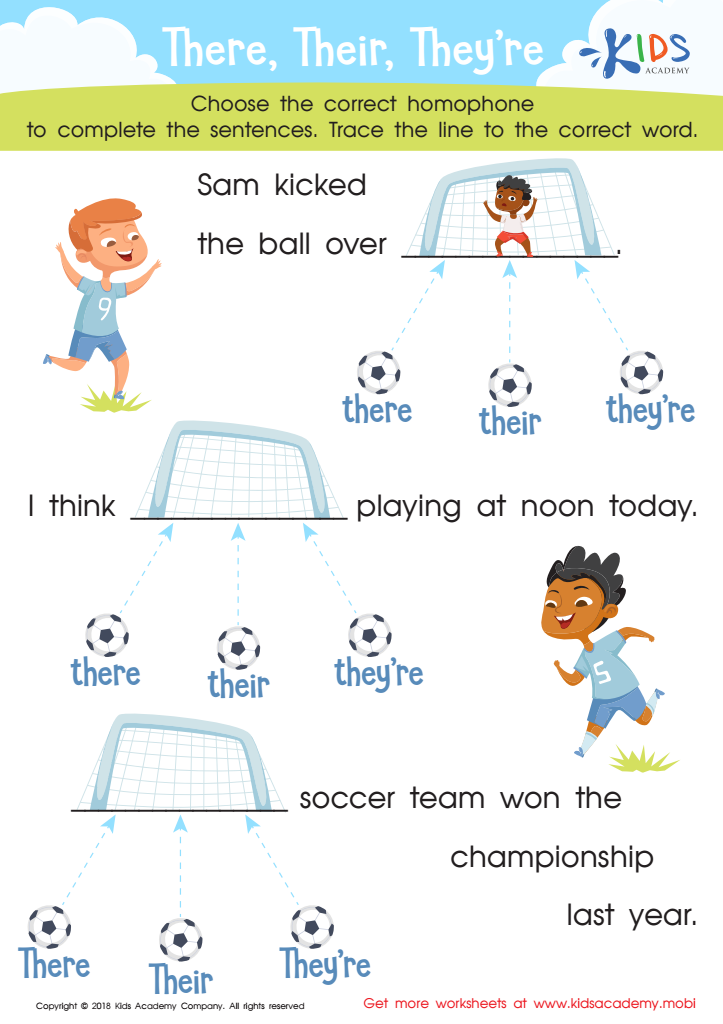
There, Their, They're Worksheet
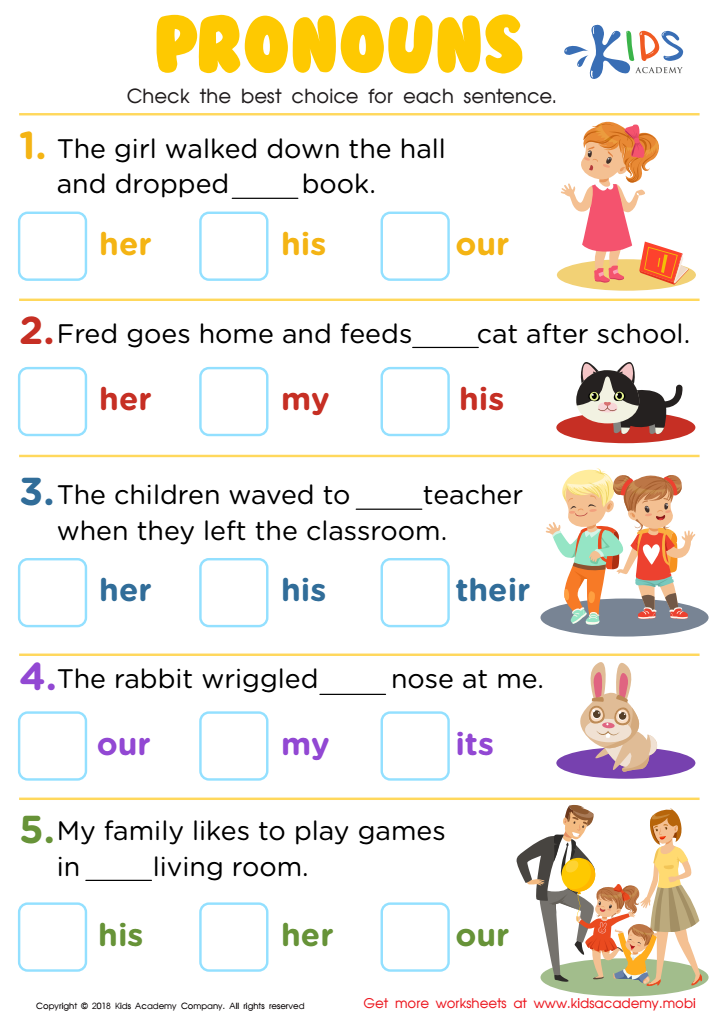
Pronouns Worksheet







Grammar skills are fundamental for young learners, especially those aged 3-9, as they lay the foundation for effective communication and literacy development. At this age, children are incredibly receptive to language, and mastering grammar helps them articulate their thoughts clearly, enhancing their ability to express ideas, feelings, and knowledge.
For parents and teachers, fostering grammar skills in early writing is crucial because it enriches literacy experiences. Young children equipped with grammatical knowledge are better able to decode written language, understand story structures, and build creative narratives. This proficiency not only promotes confidence in writing but also encourages active engagement in reading, which is vital for overall academic success.
Moreover, early grammar education shapes critical thinking and analytical skills. It allows children to comprehend and construct complex sentences and understand the nuances of language, preparing them for future academic challenges. Additionally, strong grammar skills contribute to improved social interactions, as children can communicate their needs and perspectives effectively.
Investing time in teaching grammar during these formative years ensures that children have the tools they need to succeed both academically and socially, emphasizing the importance of clear communication from a young age.








