Reading skills improvement Writing Worksheets for Ages 3-9
6 filtered results
-
From - To
Enhance your child’s reading skills with our specially designed Writing Worksheets for Ages 3-9. Our printable worksheets focus on improving reading accuracy, comprehension, and fluency, tailored for young learners. Each worksheet blends engaging activities like tracing, matching, and sentence construction, making learning enjoyable and effective. Perfect for both classroom and home use, these resources are created to align with early literacy standards, ensuring your child progresses at a comfortable pace. Empower your child to become a confident reader with Kids Academy’s well-crafted reading improvement tools. Download today and invest in your child's lifelong love for reading!
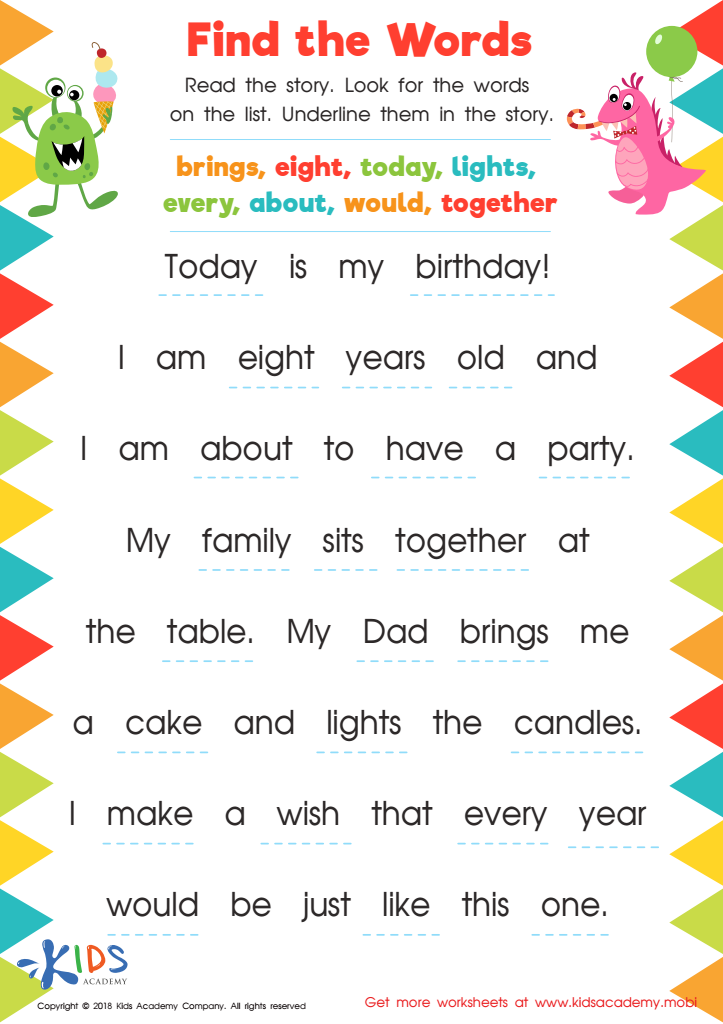
Find The Words Printable Worksheet
 Assign to My Students
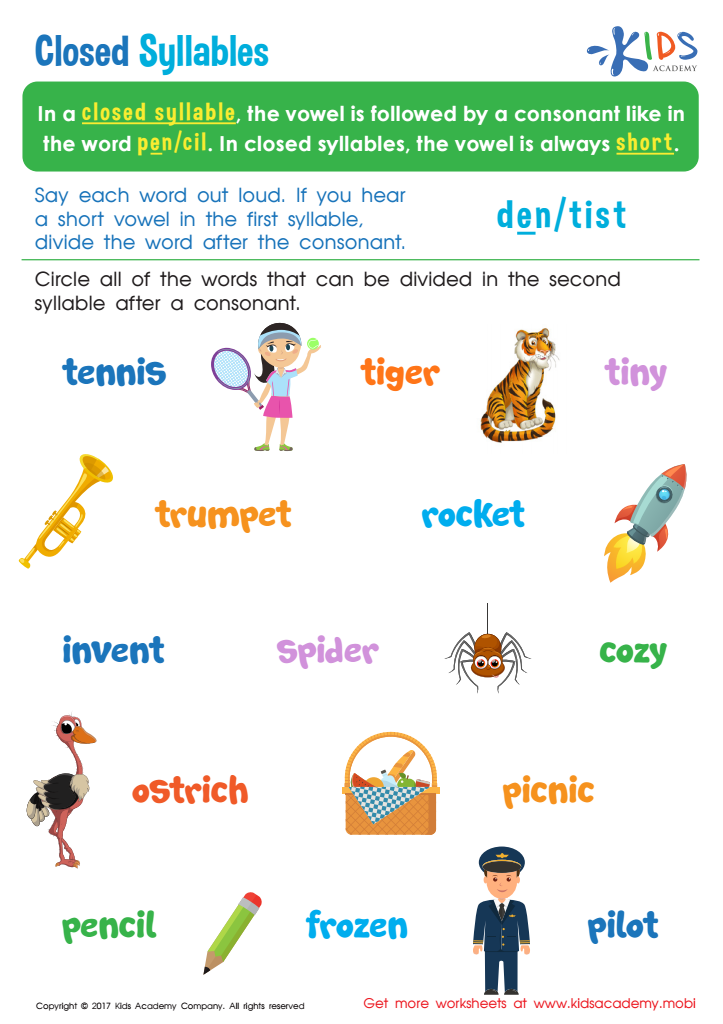
Closed Syllable Spelling Worksheet
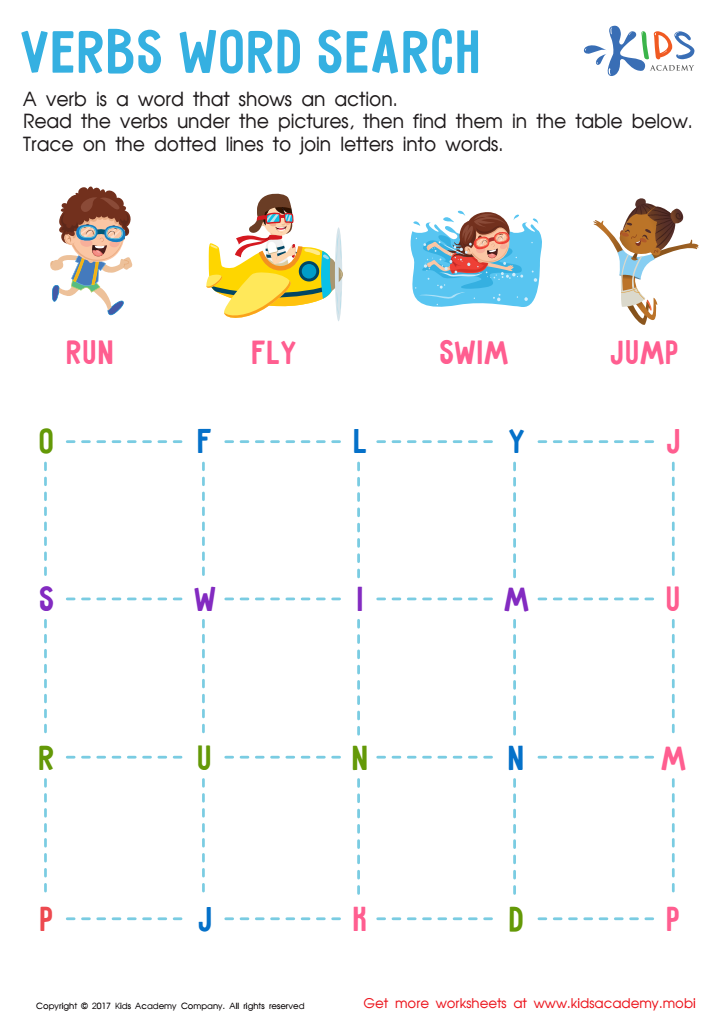
Verbs Word Search Worksheet
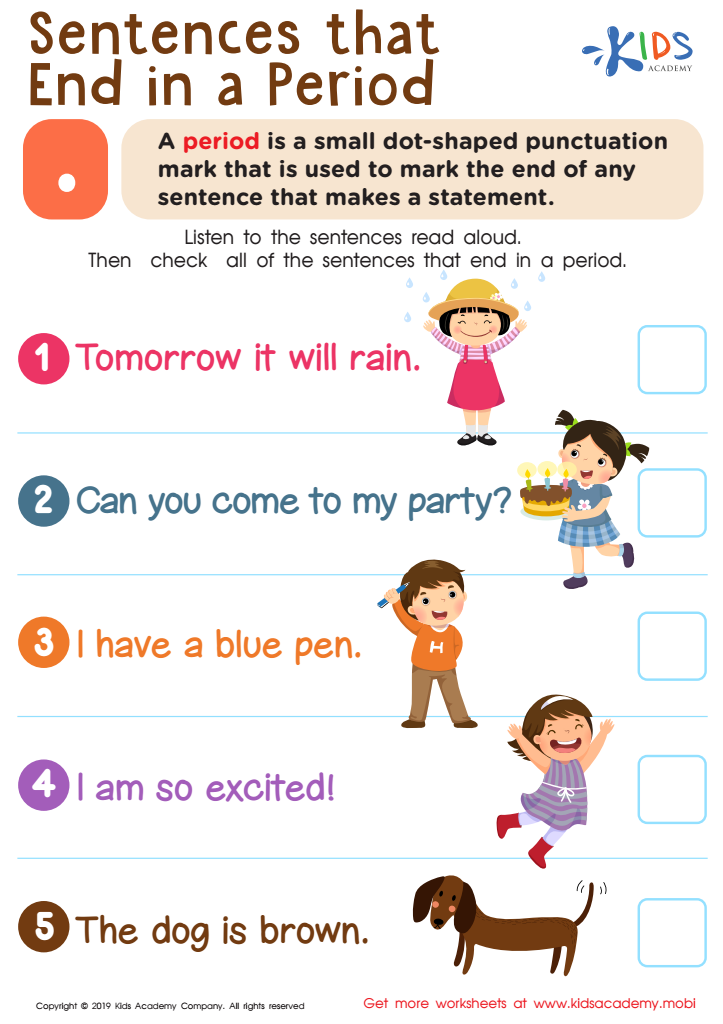
Sentences That End in a Period Worksheet
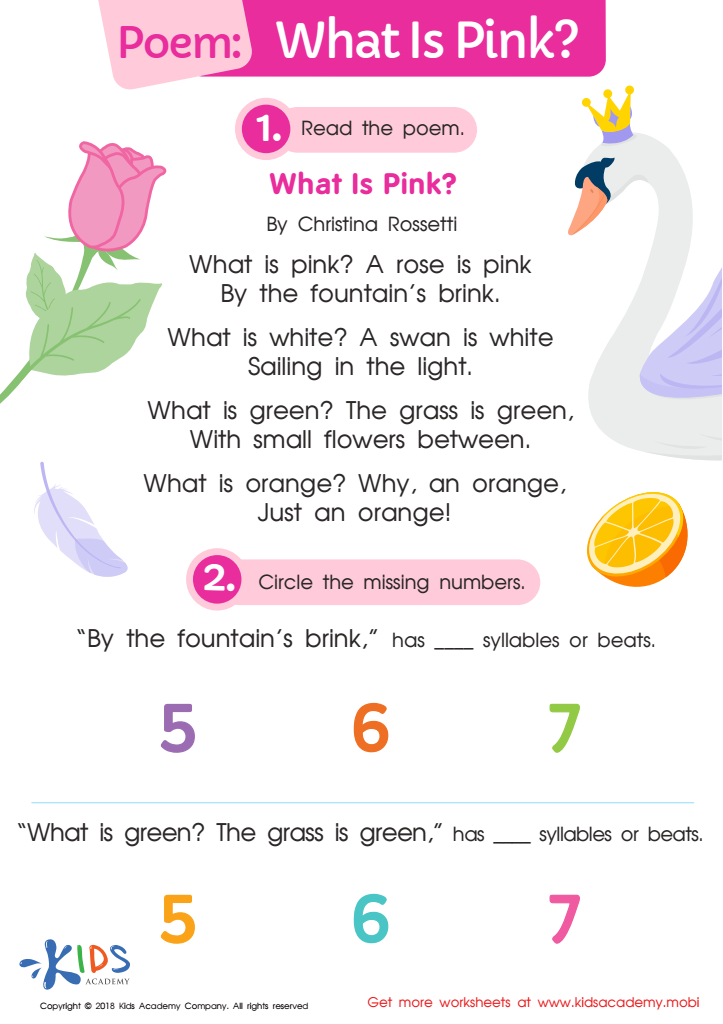
Poem: What Is Pink? Worksheet
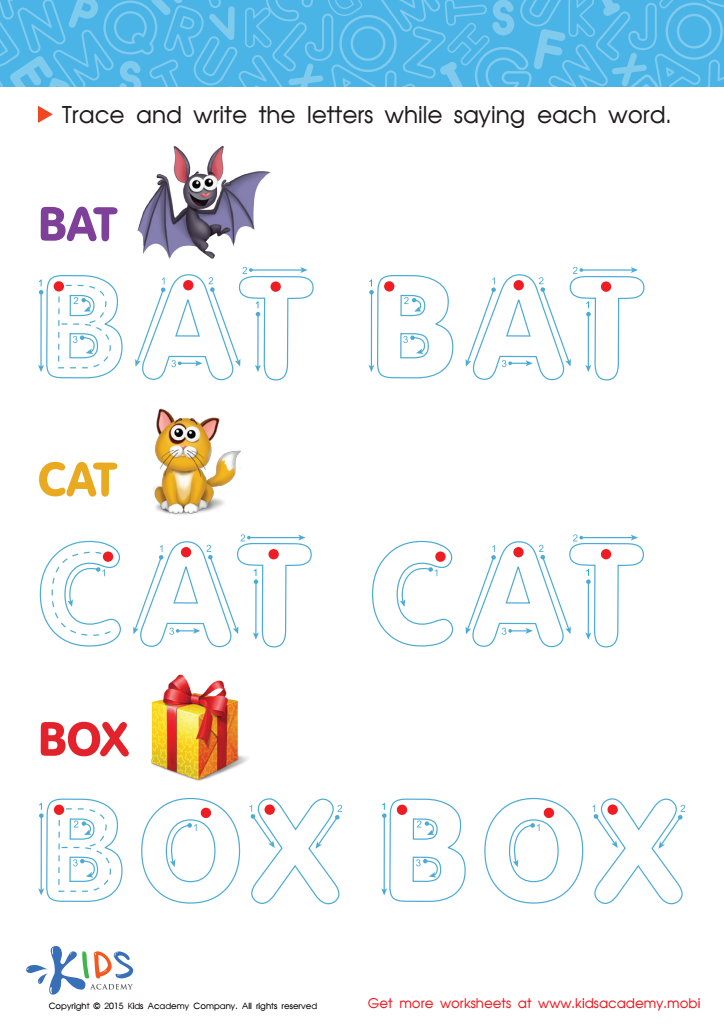
A Bat, a Cat and a Box Spelling Worksheet







.jpg)
Reading and writing skills are foundational for young children's overall educational development and lifelong learning. Between ages 3 and 9, children undergo critical periods for language acquisition and cognitive development. For parents and teachers, investing effort into improving these skills ensures children gain strong phonemic awareness, vocabulary, and comprehension abilities.
Children who read and write well are better prepared to understand other subjects, such as math and science, because they can better follow instructions and grasp complex concepts. Through storytelling and writing exercises, children enhance their creativity, imagination, and critical thinking skills. Improved reading and writing skills also help children develop better communication abilities, allowing them to express their thoughts and emotions more effectively.
Moreover, early success in reading and writing boosts a child's confidence and promotes a positive attitude toward learning. Without this foundational literacy, children are at higher risk for academic struggles, which can lead to a negative self-image and reduced opportunities later in life.
Parents and teachers play a vital role in nurturing these skills by providing a literacy-rich environment, engaging reading materials, and writing activities. Reading aloud, interactive storytelling, and encouraging children to write help foster a love for literacy that can last a lifetime.








