Fine Motor Skills ABC Letters Worksheets for 3-Year-Olds - Page 2
37 filtered results
-
From - To
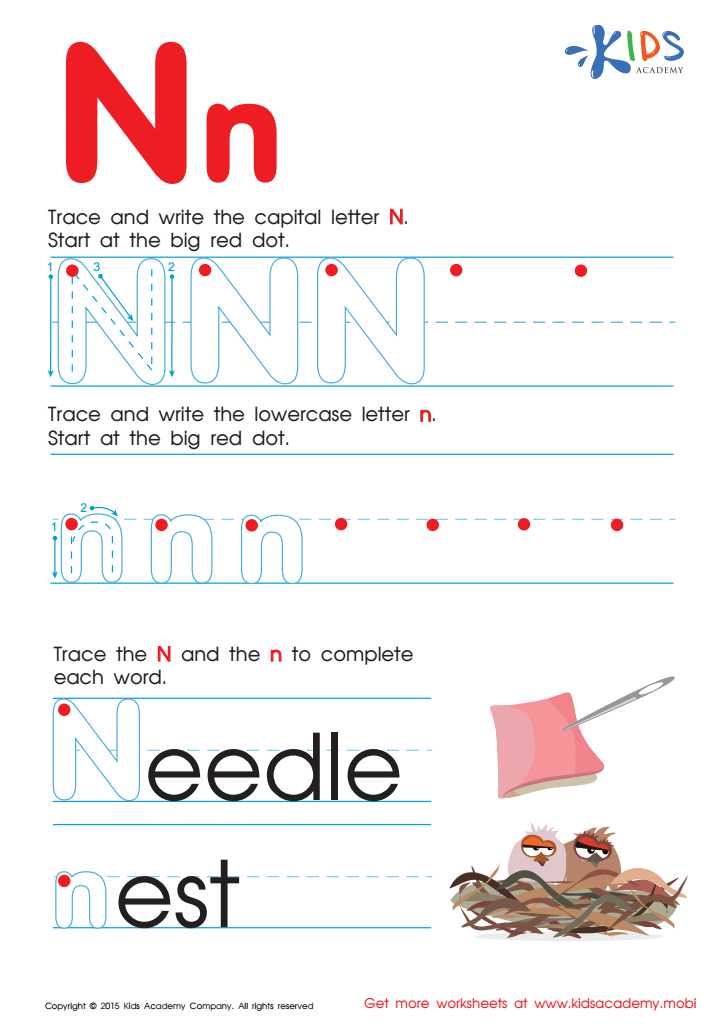
Letter N Tracing Page






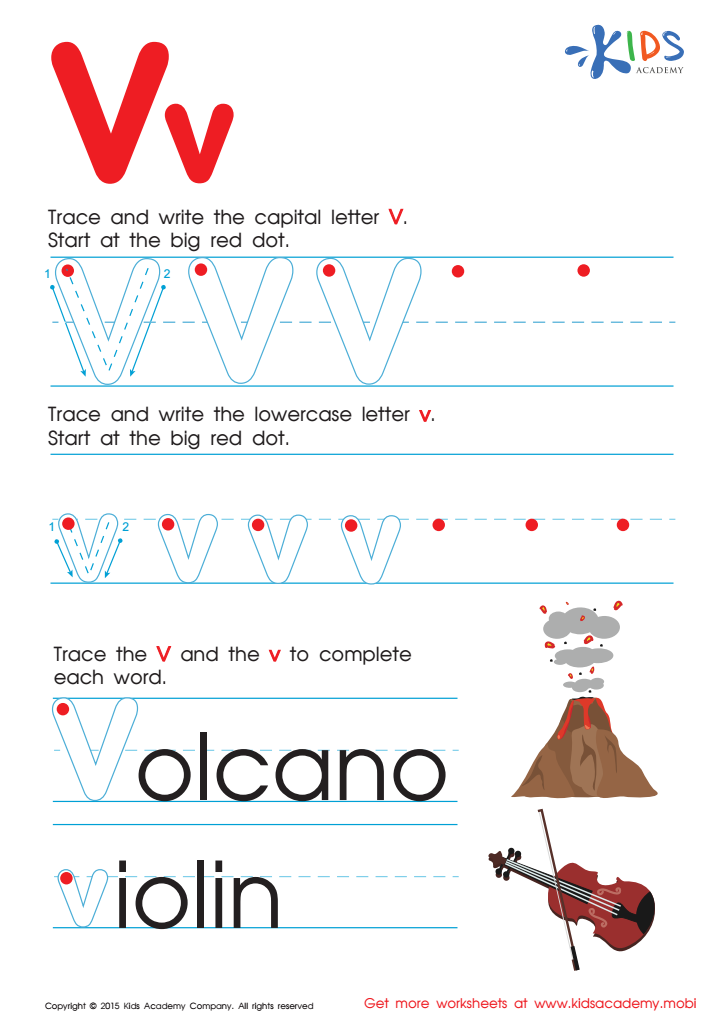
Letter V Tracing Page
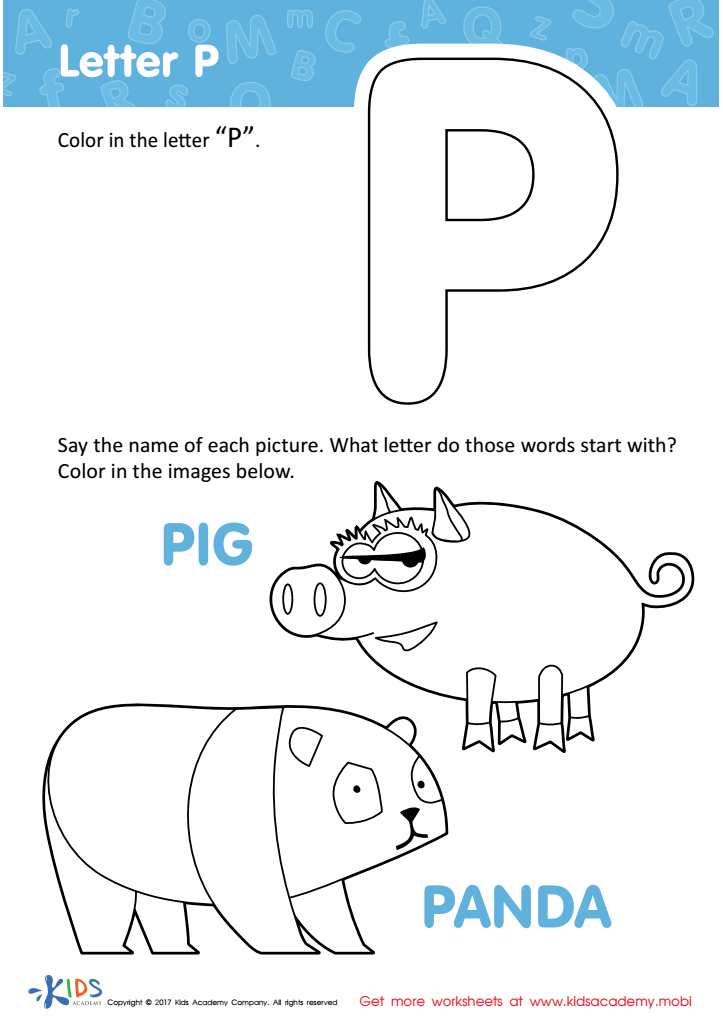
Letter P Coloring Sheet
 Assign to My Students
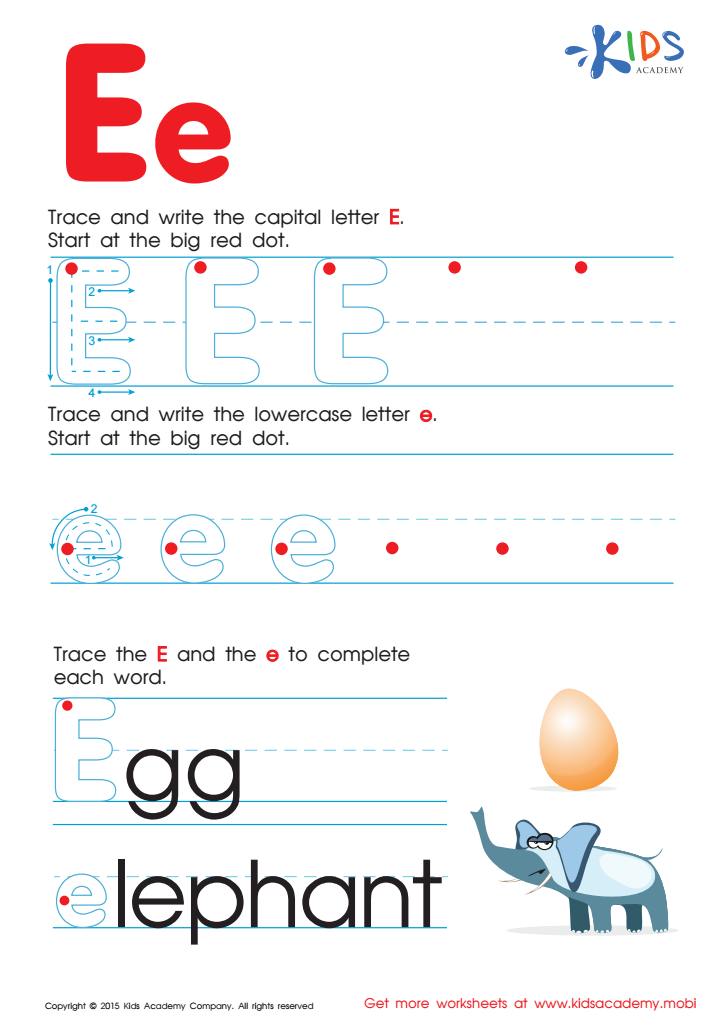
Letter E Tracing Page
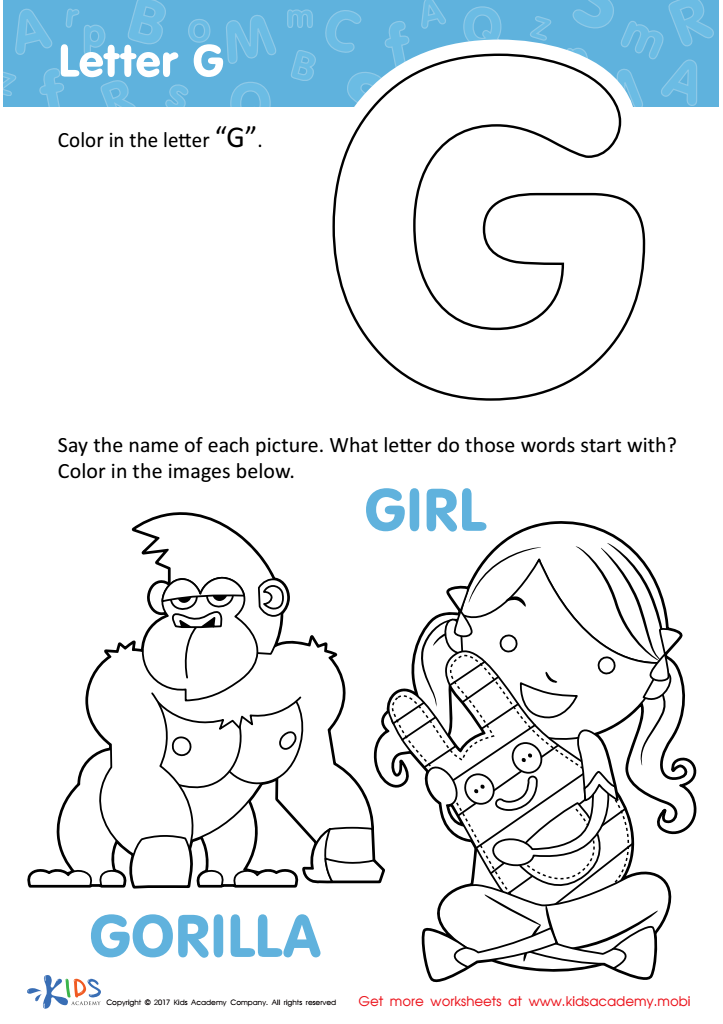
Letter G Coloring Sheet
Assign to My Students
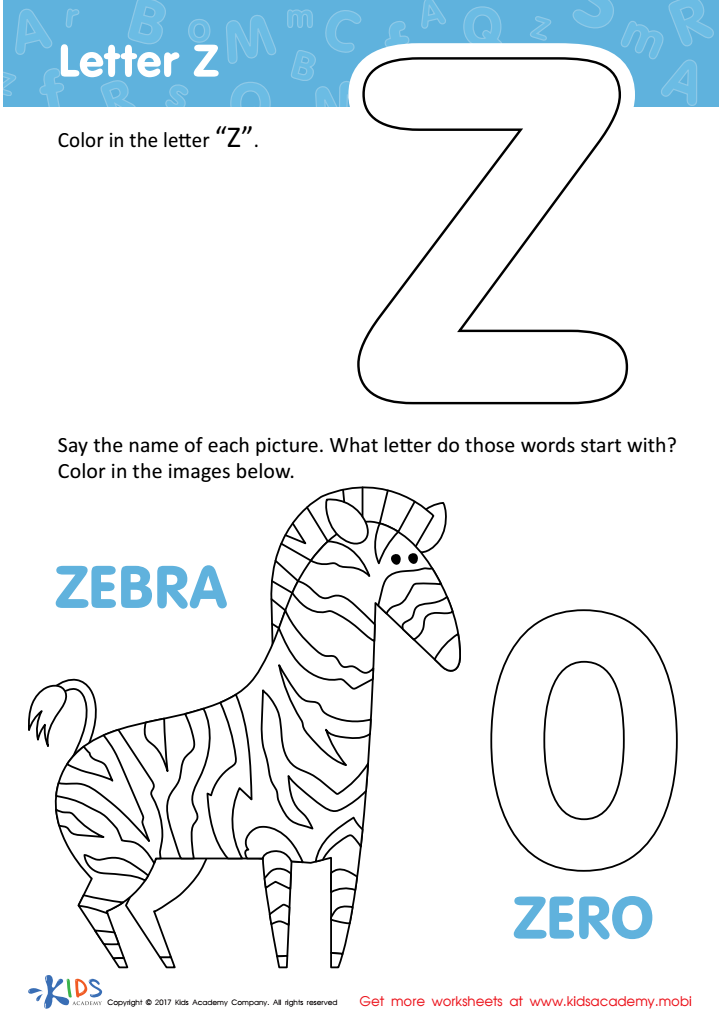
Letter Z Coloring Sheet
Assign to My Students
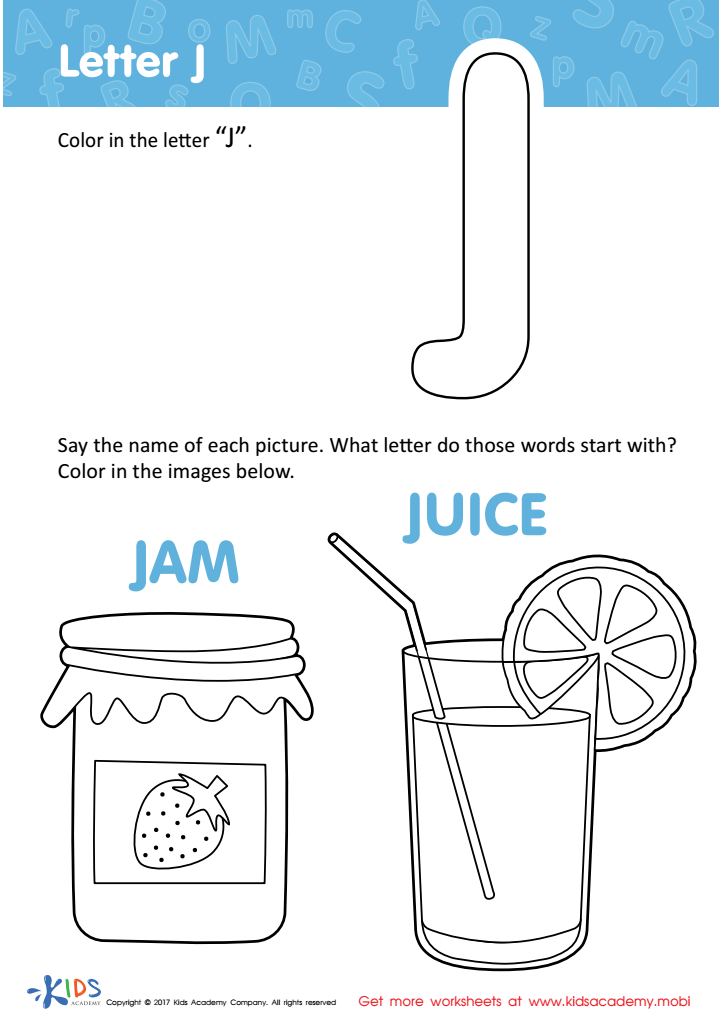
Letter J Coloring Sheet
Assign to My Students
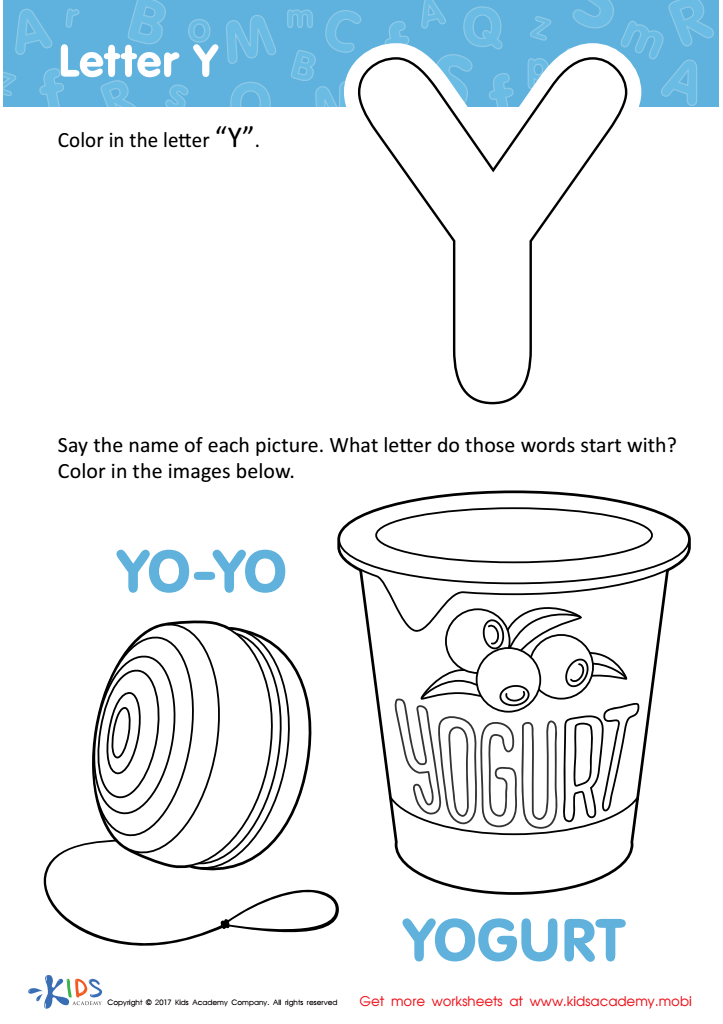
Letter Y Coloring Sheet
Assign to My Students
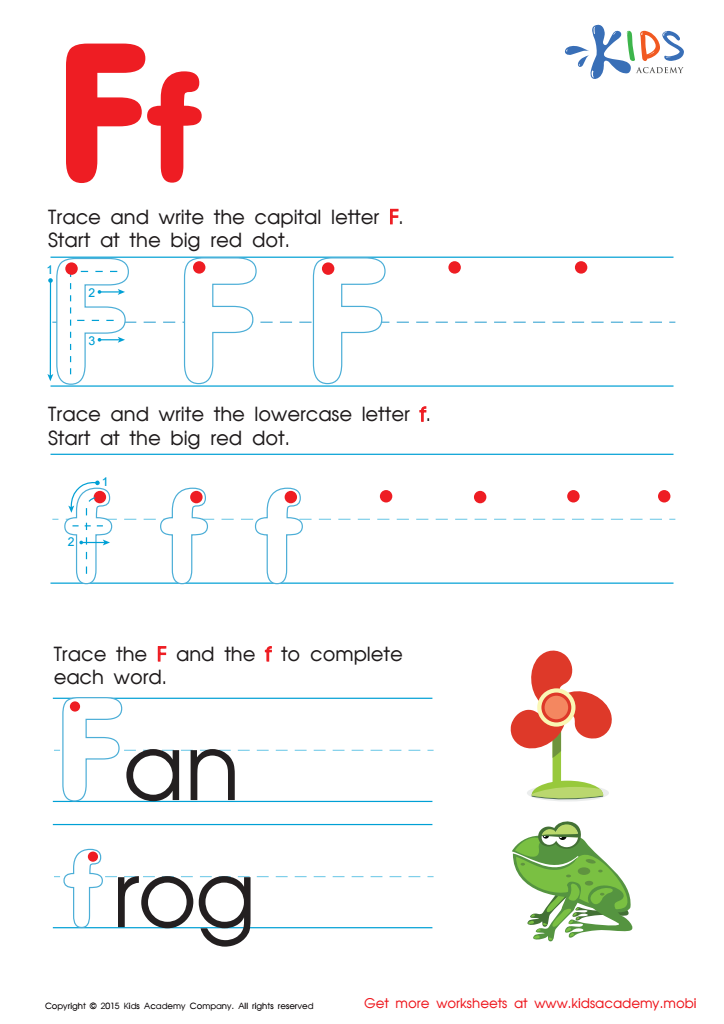
Letter F Tracing Page
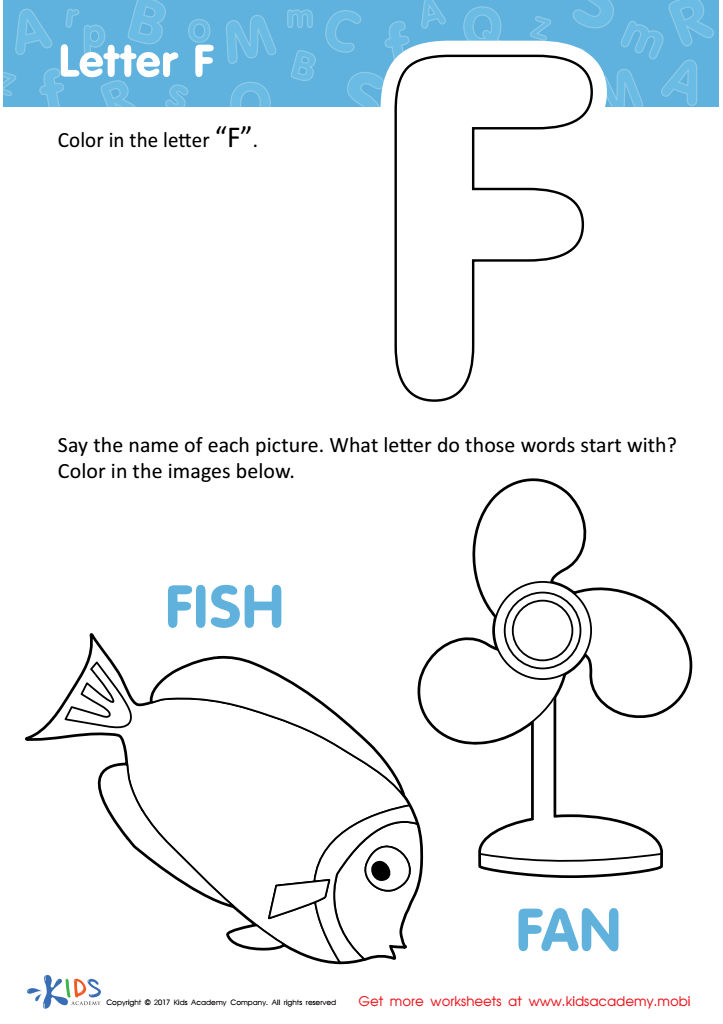
Letter F Coloring Sheet
Assign to My Students
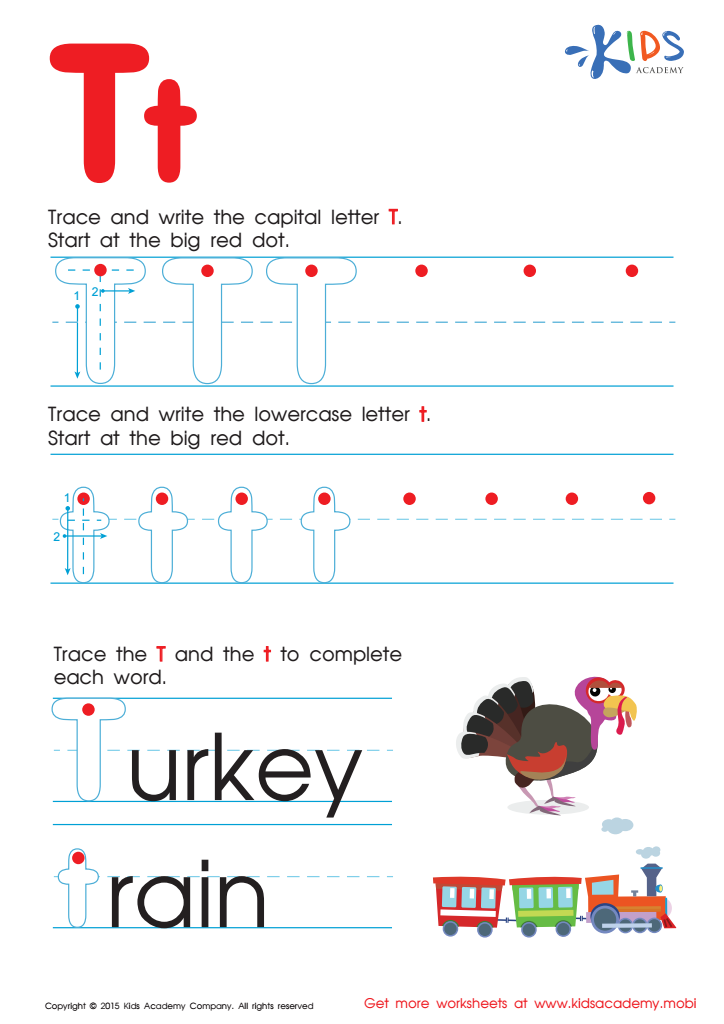
Letter T Tracing Page
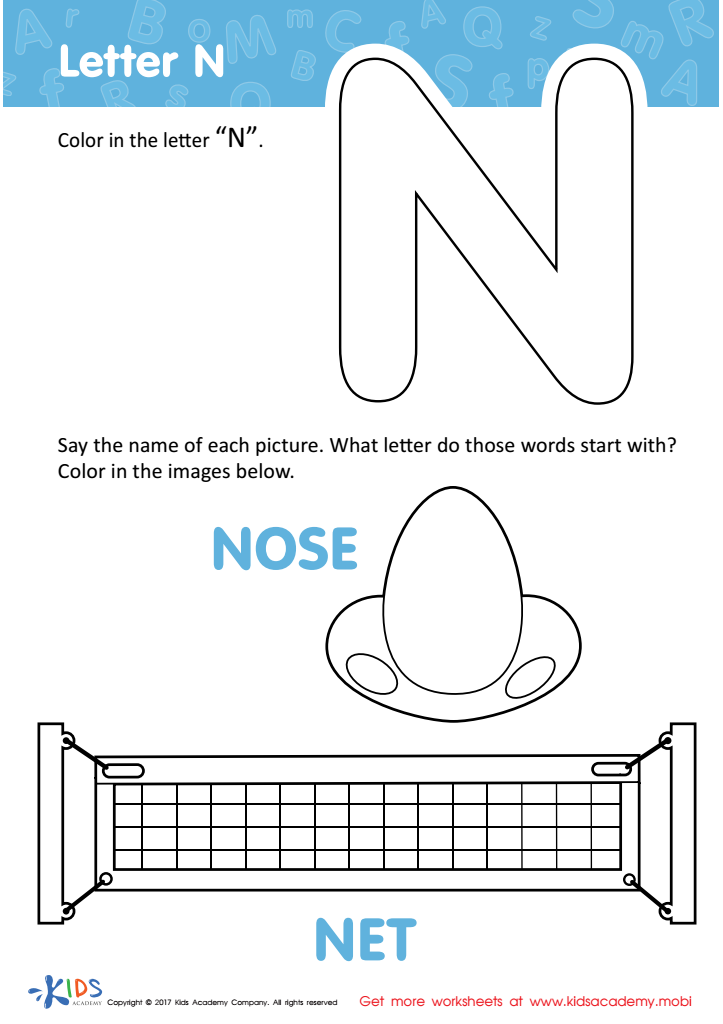
Letter N Coloring Sheet
Assign to My Students

Letter D Tracing Page







Fine motor skills are essential for young children, as they lay the foundation for critical developmental milestones. Caring about fine motor skills, like when learning ABC letters, has far-reaching benefits for 3-year-olds. This stage of learning involves activities that require small muscle movements, like manipulating pencils, crayons, scissors, and small objects, which are crucial for handwriting and overall literacy development.
Focusing on ABC letters aids in recognizing letters visually, connecting them to their corresponding sounds, and fostering early reading skills. When 3-year-olds engage in activities involving fine motor skills and letters, they enhance hand-eye coordination, improve their dexterity, and strengthen the muscles necessary for writing. For example, tracing letters, stringing beads to form shapes, or using playdough to mold alphabets not only familiarize children with the alphabet but also improve their precision and control.
Moreover, these activities support cognitive development by encouraging problem-solving, concentration, and memory. Socially, these shared activities can spur interactions between peers and adults, fostering language skills and classroom readiness. Therefore, parents and teachers should prioritize fine motor skills ABC activities, as they create a strong educational foundation, enhance physical development, and boost confidence in young learners.







