Alphabet Recognition Alphabet Worksheets for 3-Year-Olds - Page 2
40 filtered results
-
From - To
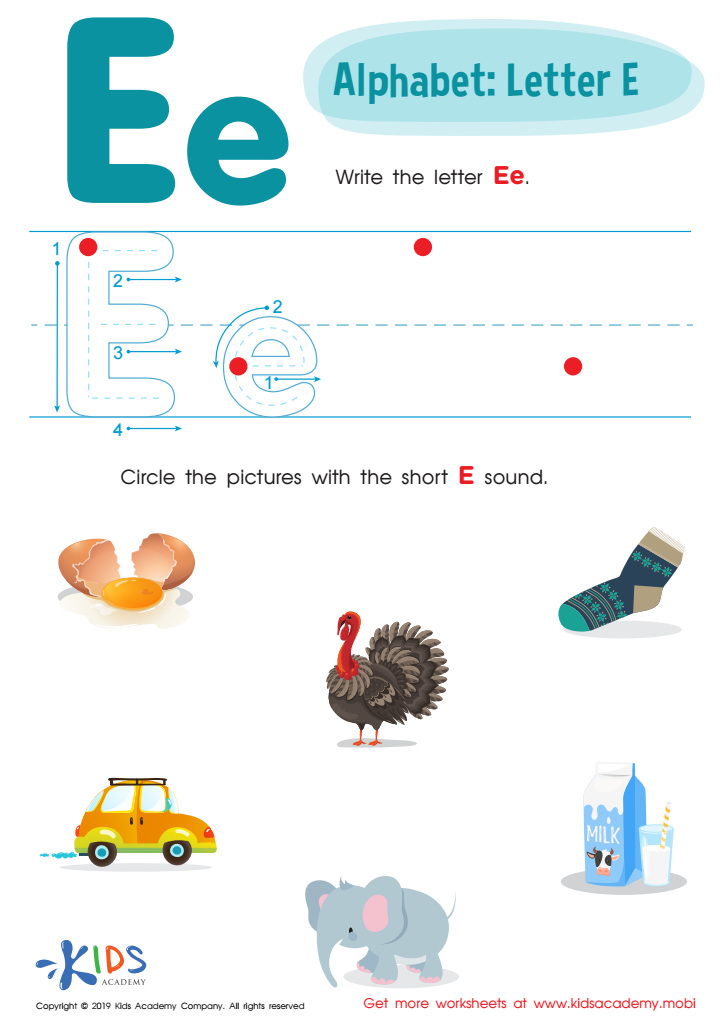
Letter E Tracing Worksheet
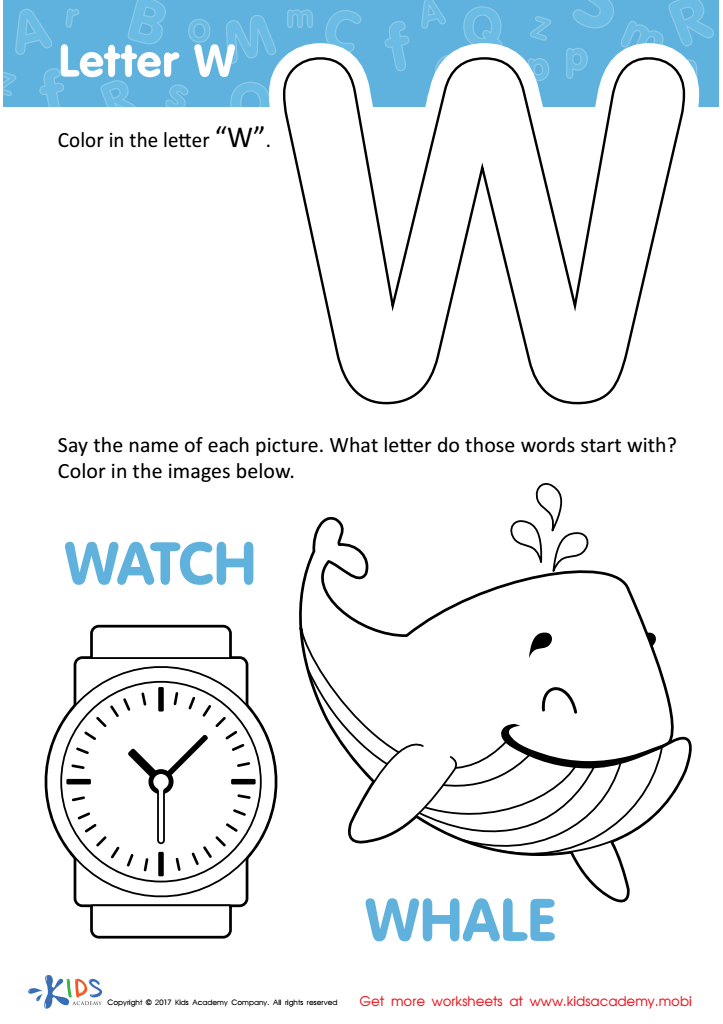
Letter W Coloring Sheet
 Assign to My Students
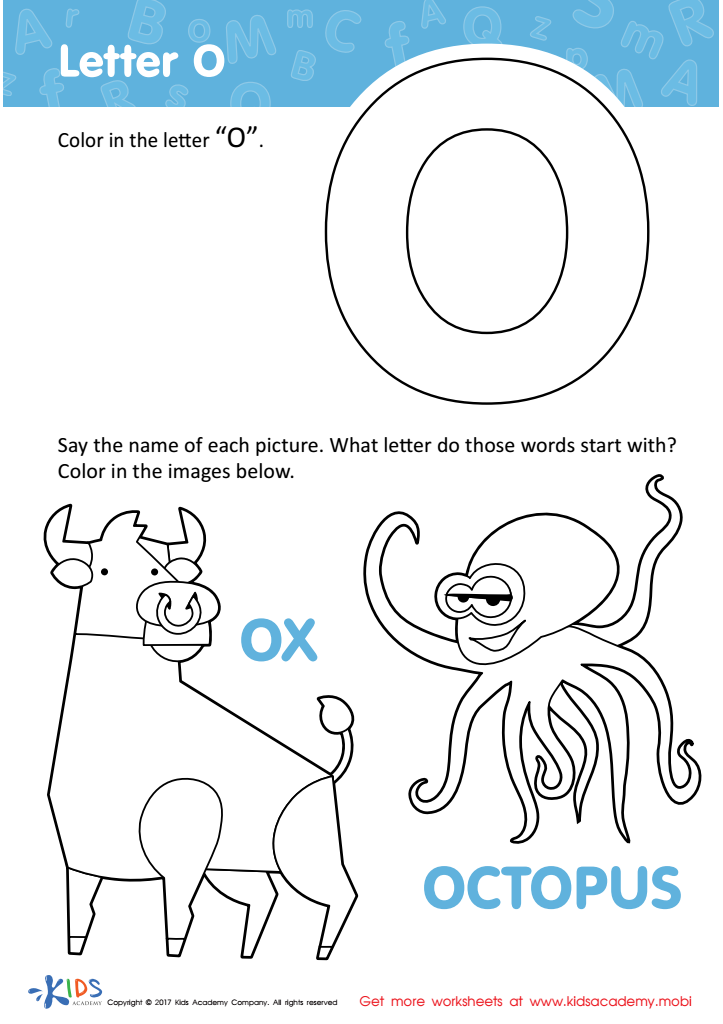
Letter O Coloring Sheet
Assign to My Students
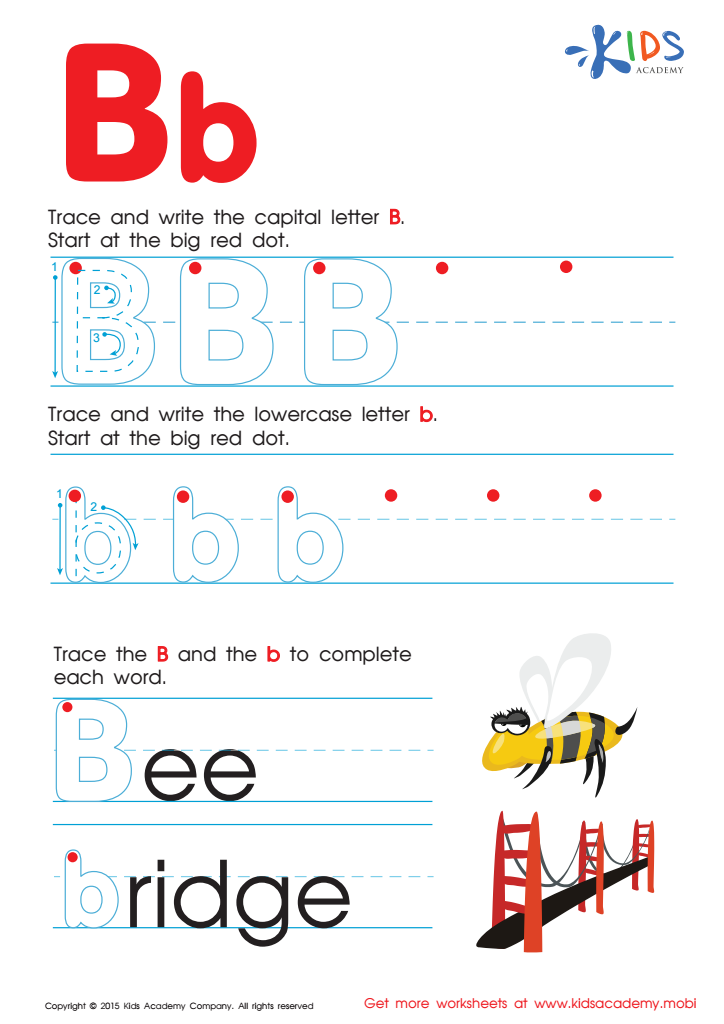
Letter B Tracing Page
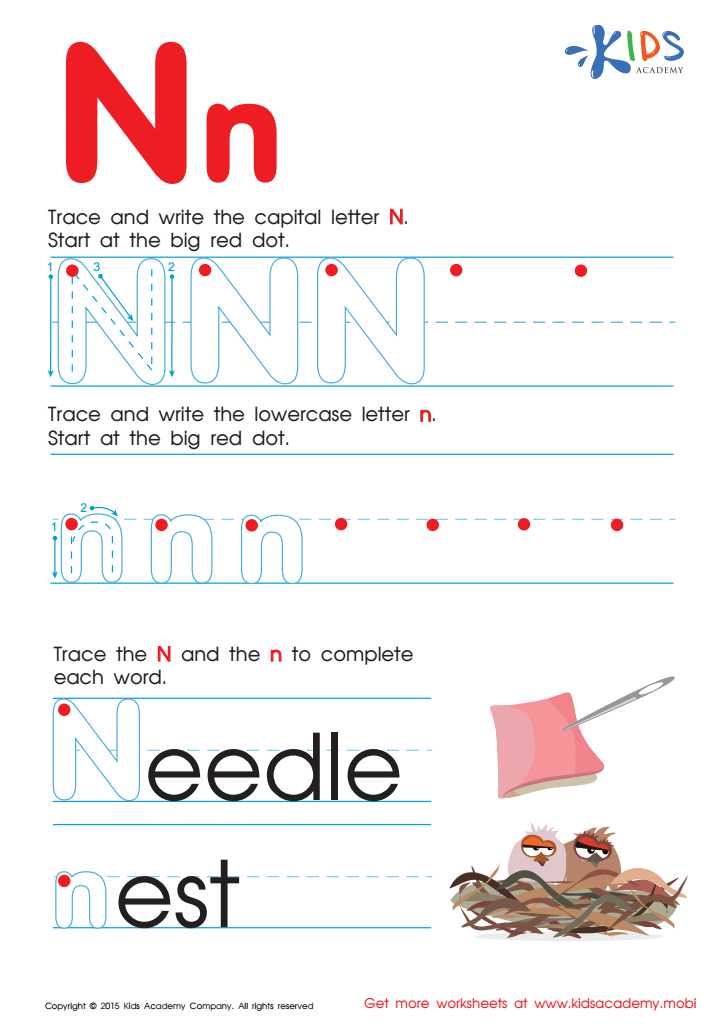
Letter N Tracing Page
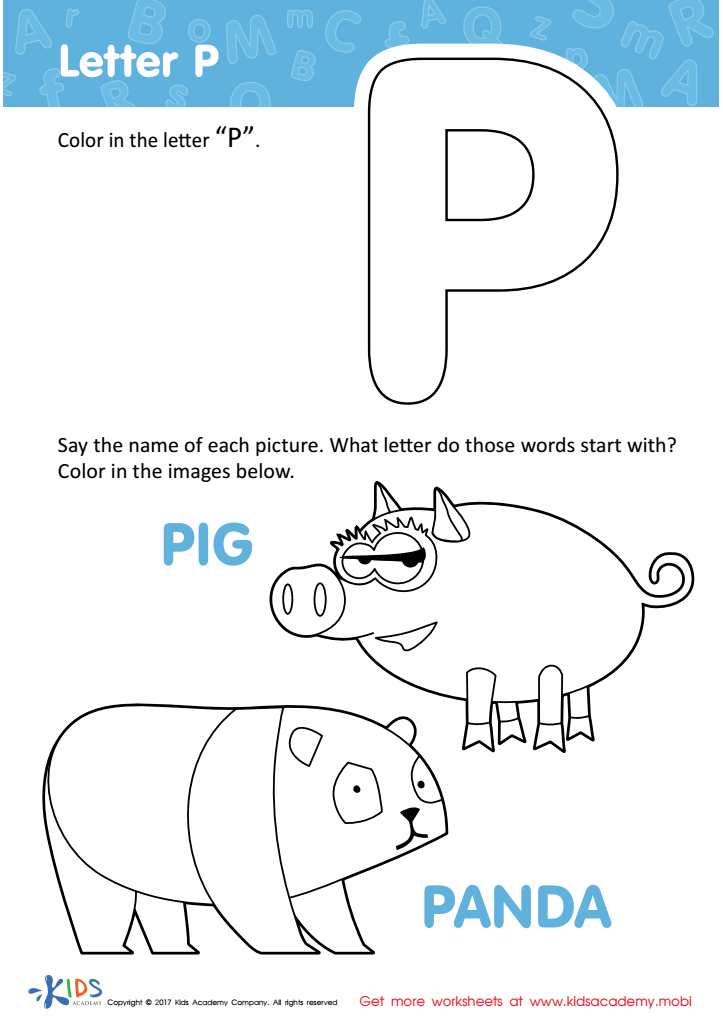
Letter P Coloring Sheet
Assign to My Students
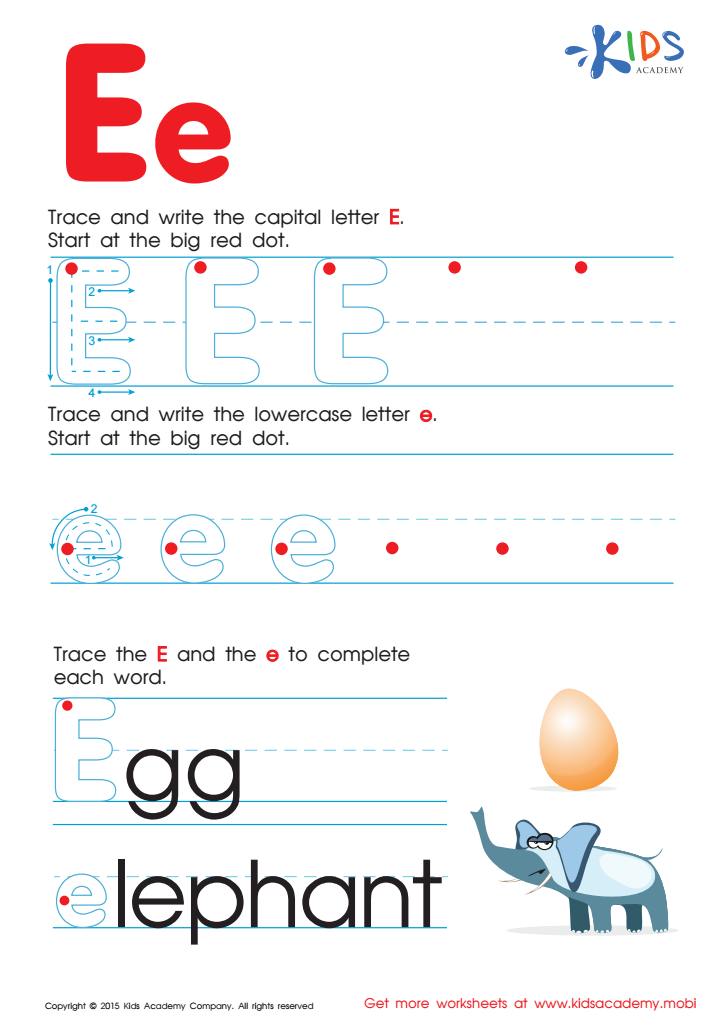
Letter E Tracing Page
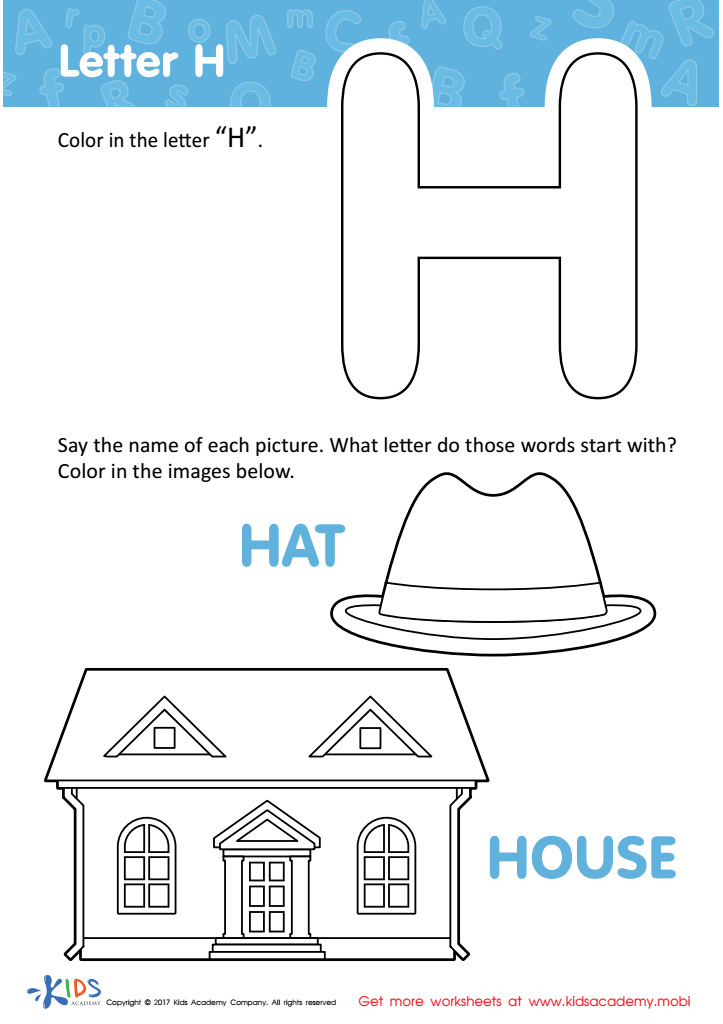
Letter H Coloring Sheet
Assign to My Students
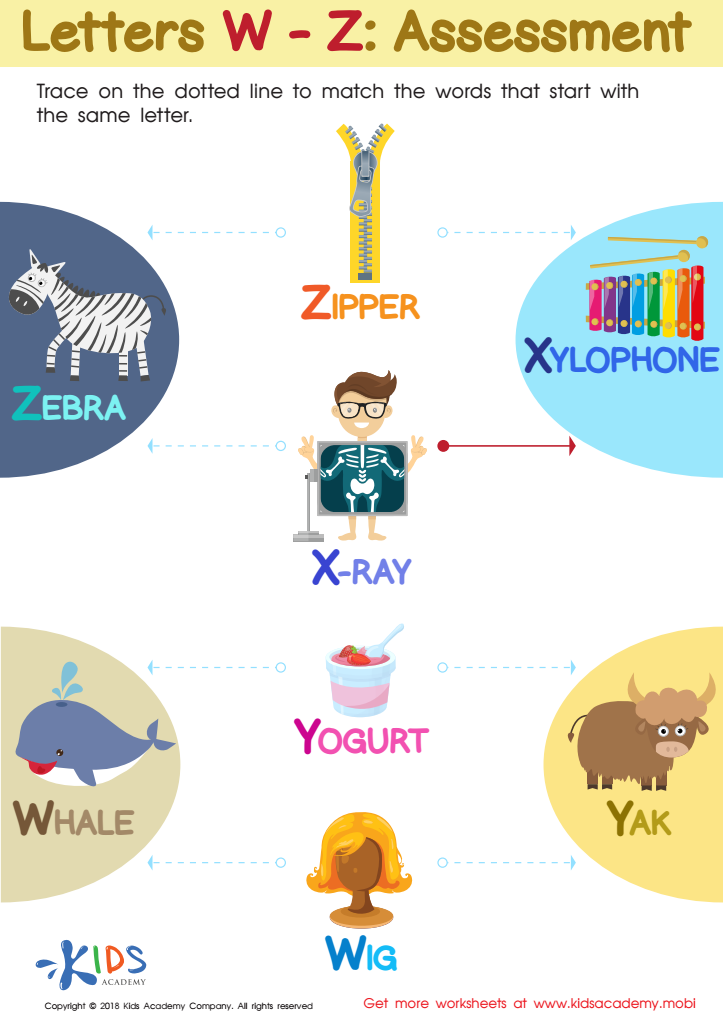
Letters W–Z Tracing Worksheet
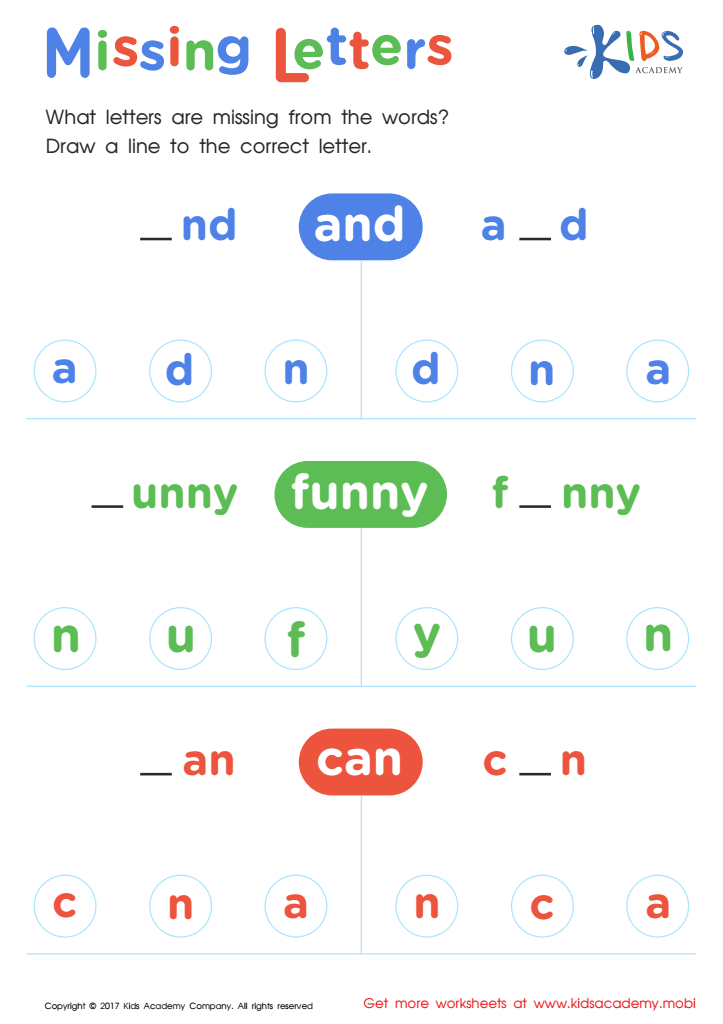
Missing Letters Worksheet
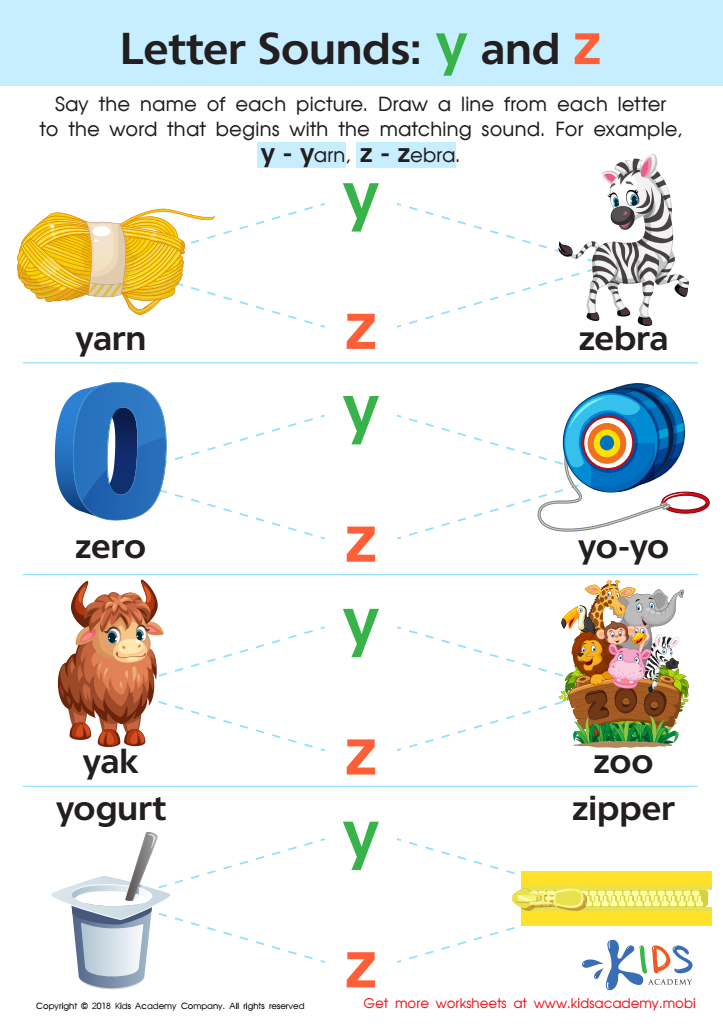
Letter Y and Z Sounds Worksheet
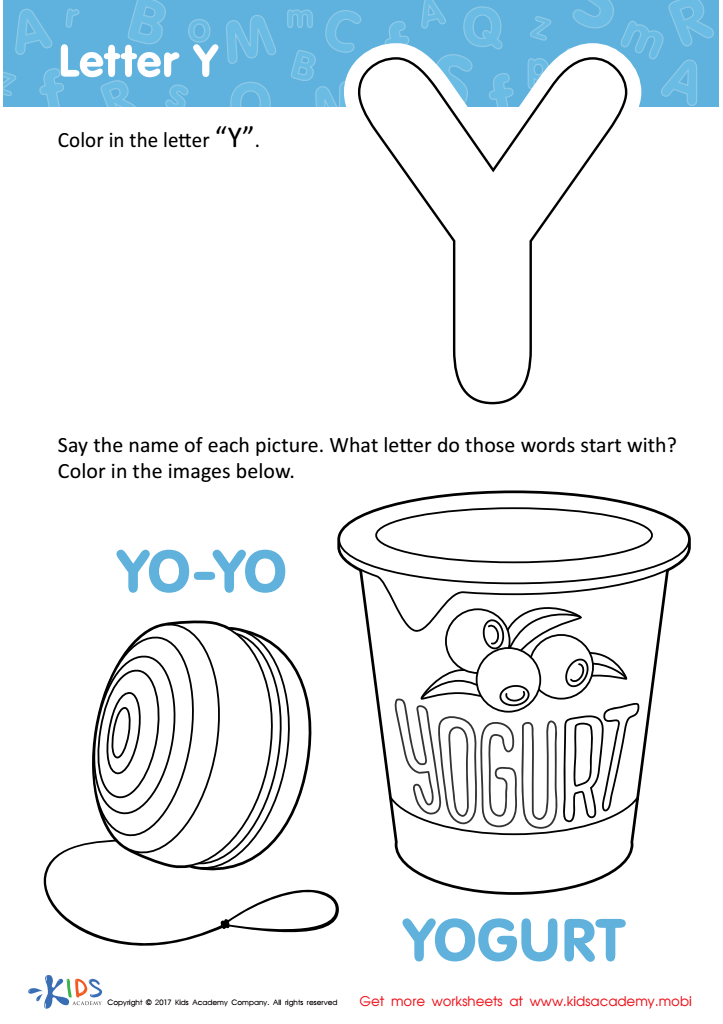
Letter Y Coloring Sheet
Assign to My Students
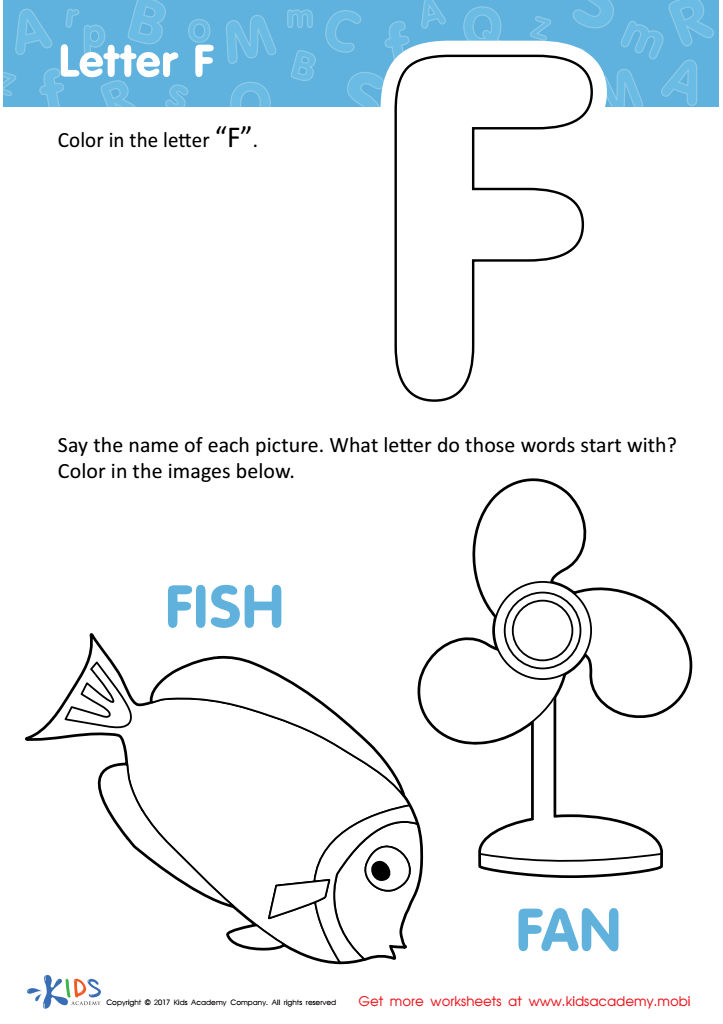
Letter F Coloring Sheet
Assign to My Students
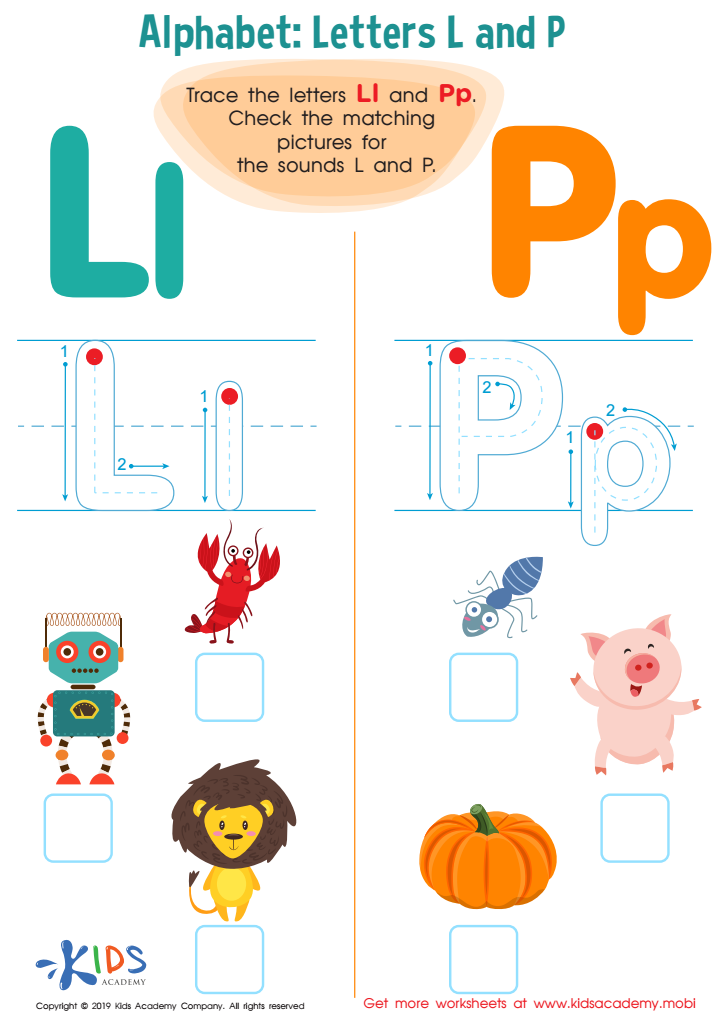
Letter L and P Tracing Worksheet
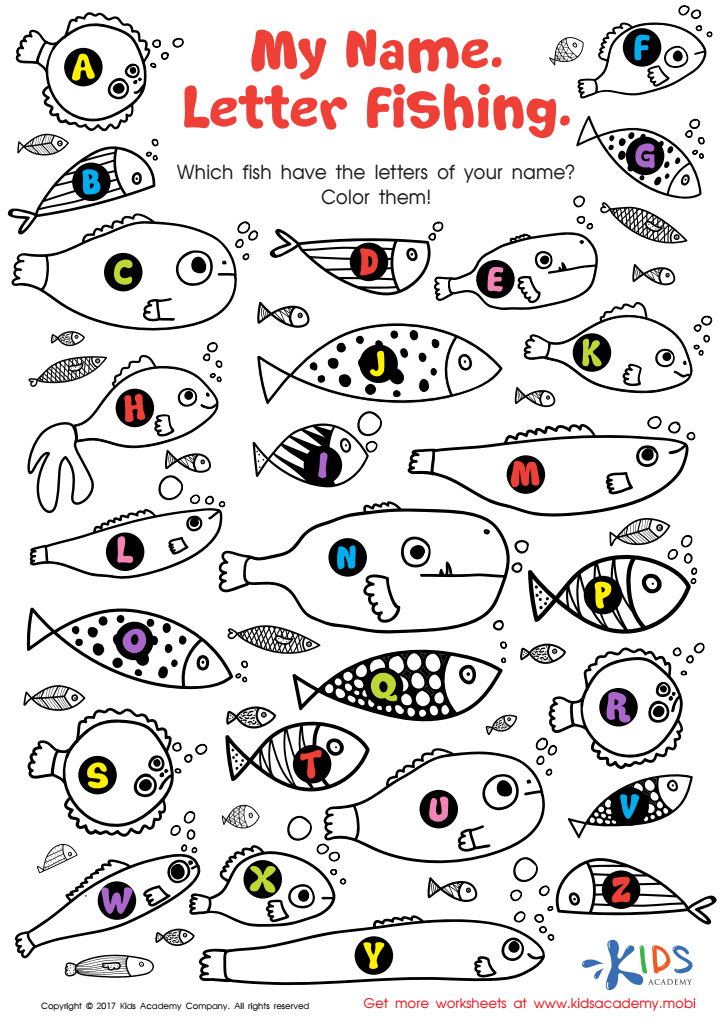
My Name: Letter Fishing Worksheet
Assign to My Students
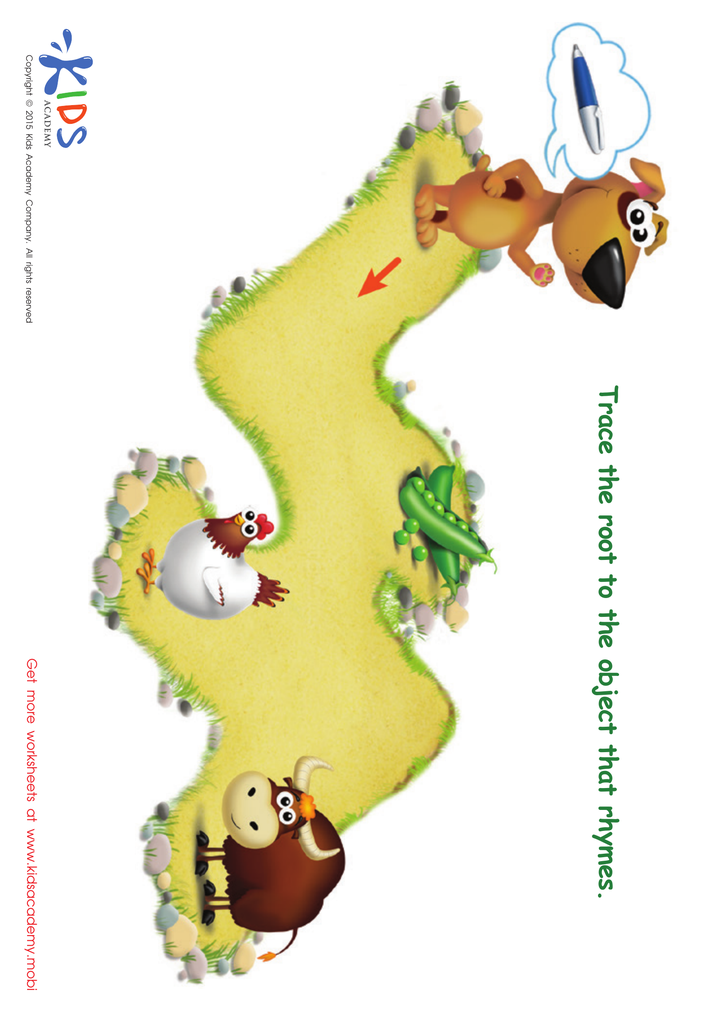
Pen Rhyming Words Worksheet







Alphabet recognition is a foundational skill that plays a critical role in early literacy and overall cognitive development for 3-year-olds. When parents or teachers focus on helping young children learn the alphabet, they are setting the stage for future success in reading, writing, and communication.
First, knowing the alphabet allows children to understand the relationship between letters and sounds, a skill that is essential for phonemic awareness, which is a cornerstone of reading proficiency. Early recognition of letters sets the groundwork for children to decode words and, eventually, read sentences and stories.
Additionally, learning the alphabet contributes to children's cognitive development. It enhances memory, attention to detail, and the ability to follow sequential information. These skills are beneficial not just for literacy, but for learning other subjects as well.
Mastering the alphabet also has social and emotional advantages. Achieving milestones like saying or identifying letters boosts self-esteem and fosters a sense of accomplishment, which makes children more eager to learn.
Finally, early alphabet recognition often leads to a love of reading, as children become more curious about books and stories. This love of reading can spark a lifelong passion for learning and education, benefiting them academically and personally in countless ways.
In conclusion, parents and teachers should care about alphabet recognition for 3-year-olds because it lays the essential groundwork for reading, cognitive, and emotional development, setting children on a path to future success.







