Cognitive Development Alphabet Worksheets for 3-Year-Olds
5 filtered results
-
From - To
Unlock your child's potential with our Cognitive Development Alphabet Worksheets designed specifically for 3-year-olds! These engaging, interactive worksheets focus on enhancing critical thinking, problem-solving skills, and memory retention through fun alphabet activities. Each worksheet promotes cognitive growth by combining letter recognition with exciting exercises that encourage creativity and exploration. Perfect for early learners, our resources provide a solid foundation for reading and language skills while ensuring that children enjoy the learning process. Watch your little one thrive as they connect letters with words, animals, and objects, fostering their love for learning. Start your child's educational journey today!
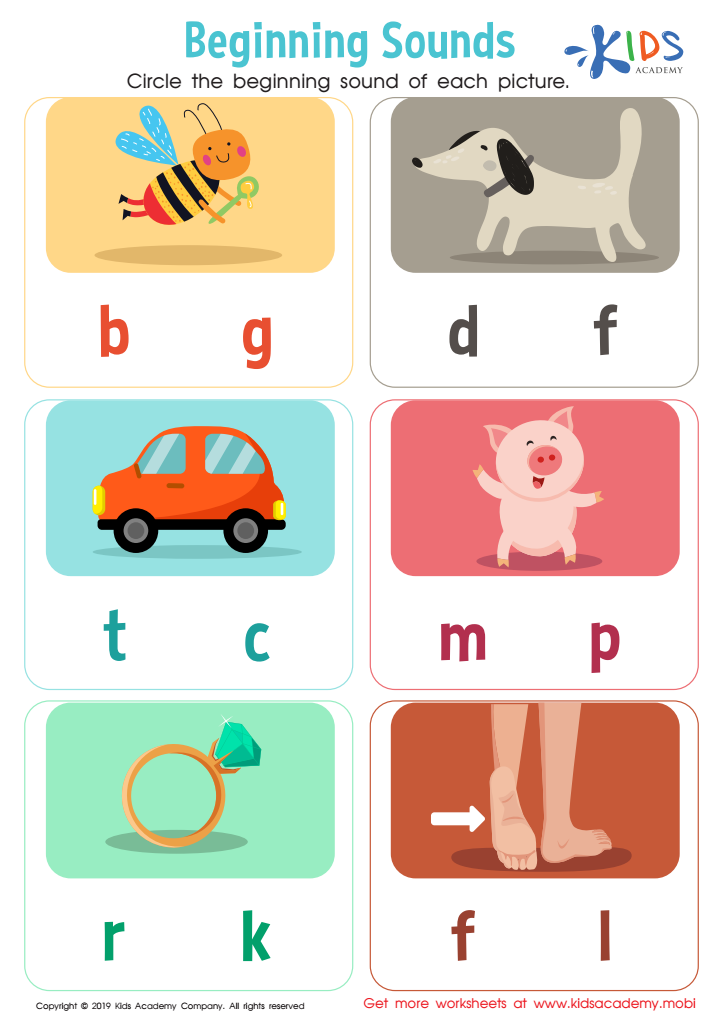
Beginning Sounds Worksheet
 Assign to My Students
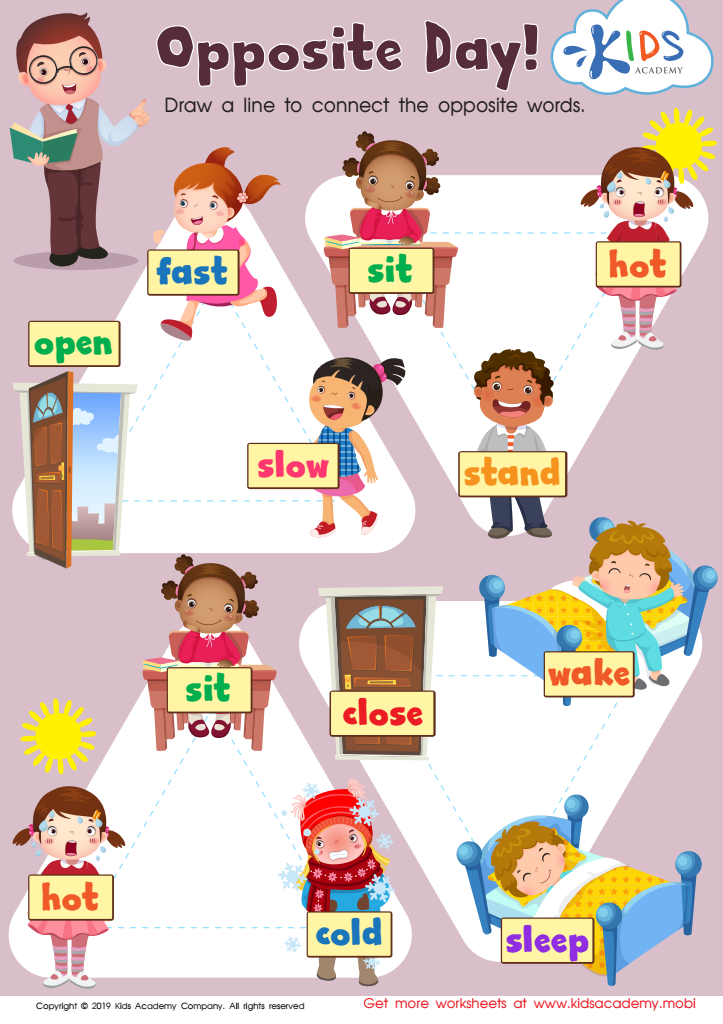
Opposite Day Worksheet
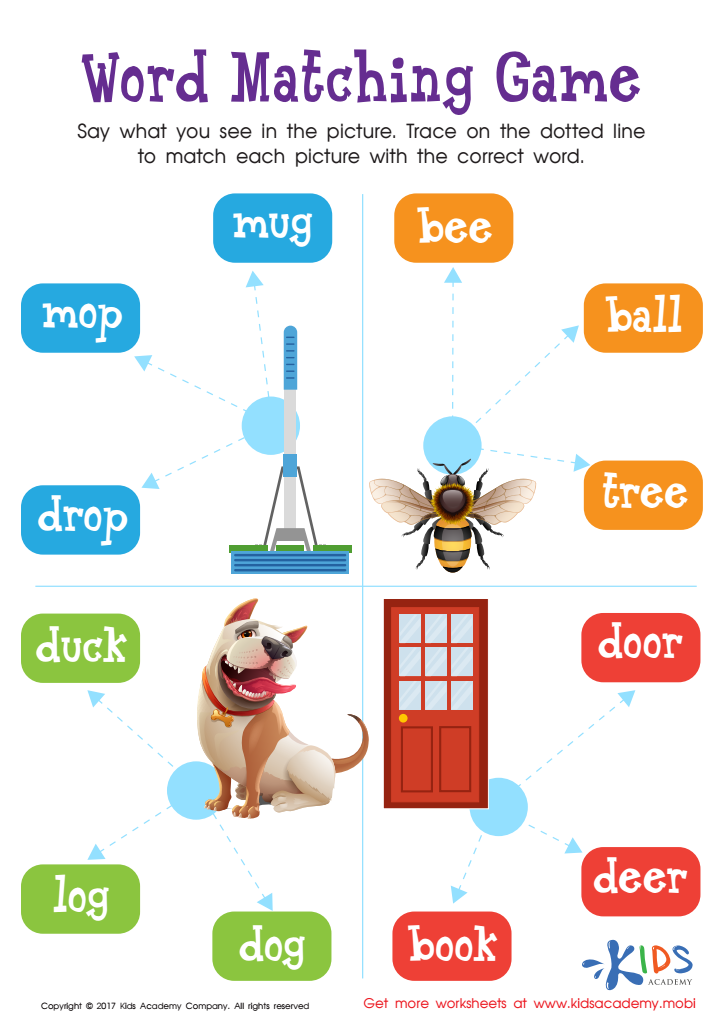
Word Matching Game Worksheet
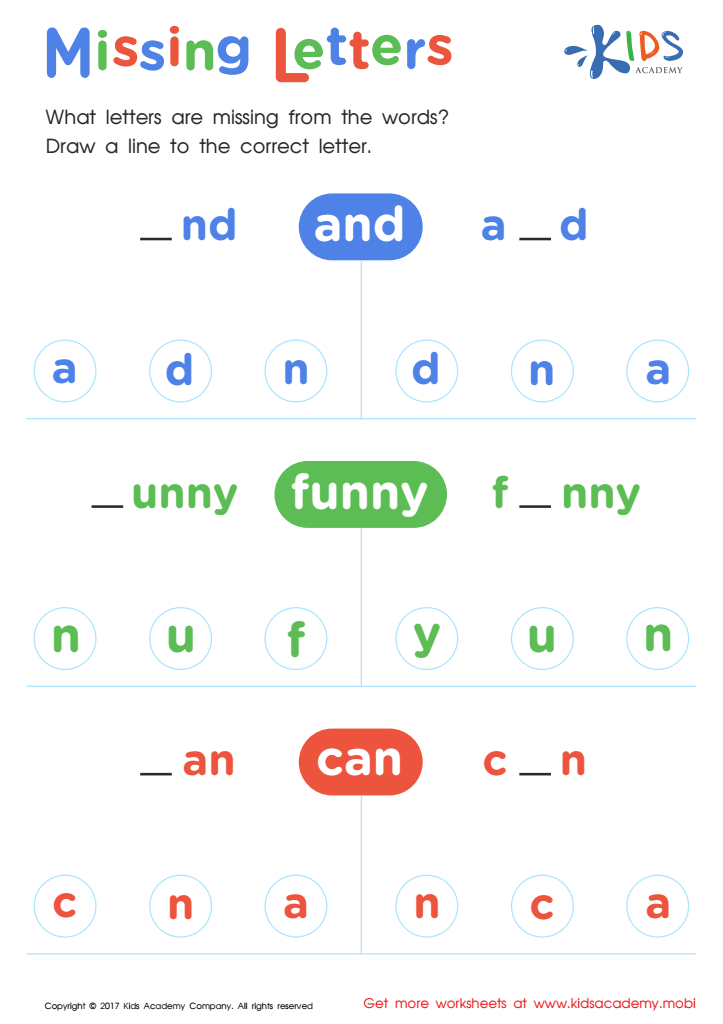
Missing Letters Worksheet
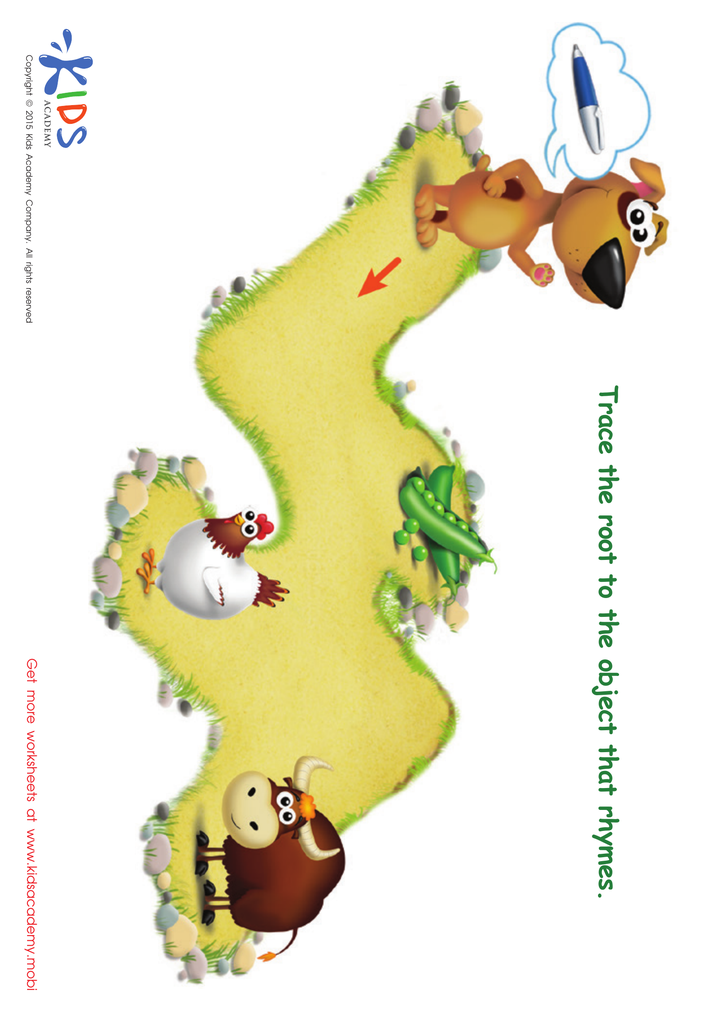
Pen Rhyming Words Worksheet







Cognitive development in early childhood is crucial, particularly for three-year-olds, as this period lays the foundation for future learning and overall development. Understanding the Cognitive Development Alphabet provides parents and teachers with essential insights into key concepts and milestones at this age. Each letter in the alphabet corresponds to a significant aspect of cognitive growth, such as Attention (the ability to focus), Memory (keeping information in mind), Problem-solving (finding solutions), and Symbolic thought (understanding symbols and language).
Caring about this aspect of development enables parents and educators to create stimulating and nurturing environments that promote learning. By recognizing these developmental needs, they can tailor activities that enhance skills, such as building memory through games or encouraging problem-solving during playtime. Furthermore, understanding these cognitive milestones helps parents and teachers track progress, ensuring appropriate support and intervention when necessary.
Fostering strong cognitive skills early on directs children towards successful social interactions, literacy, and mathematical understanding later in life. Overall, attention to cognitive development equips caregivers and educators with tools to nurture curiosity, creativity, and a love for learning, setting the stage for a bright educational journey.







