Handwriting practice Alphabet Worksheets for 3-Year-Olds - Page 2
39 filtered results
-
From - To
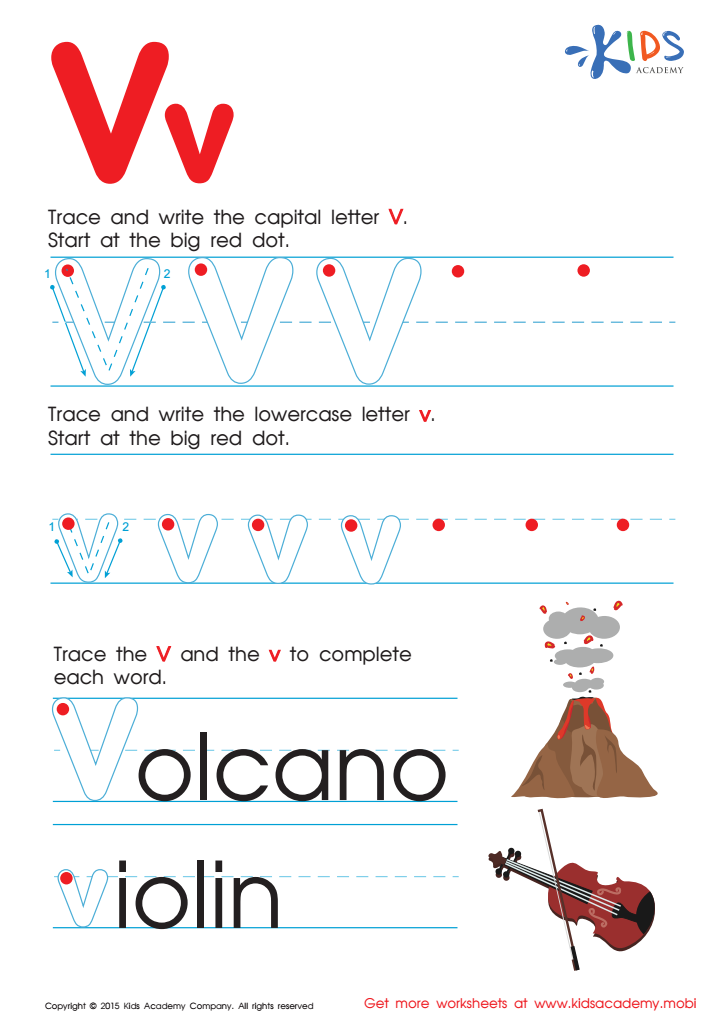
Letter V Tracing Page
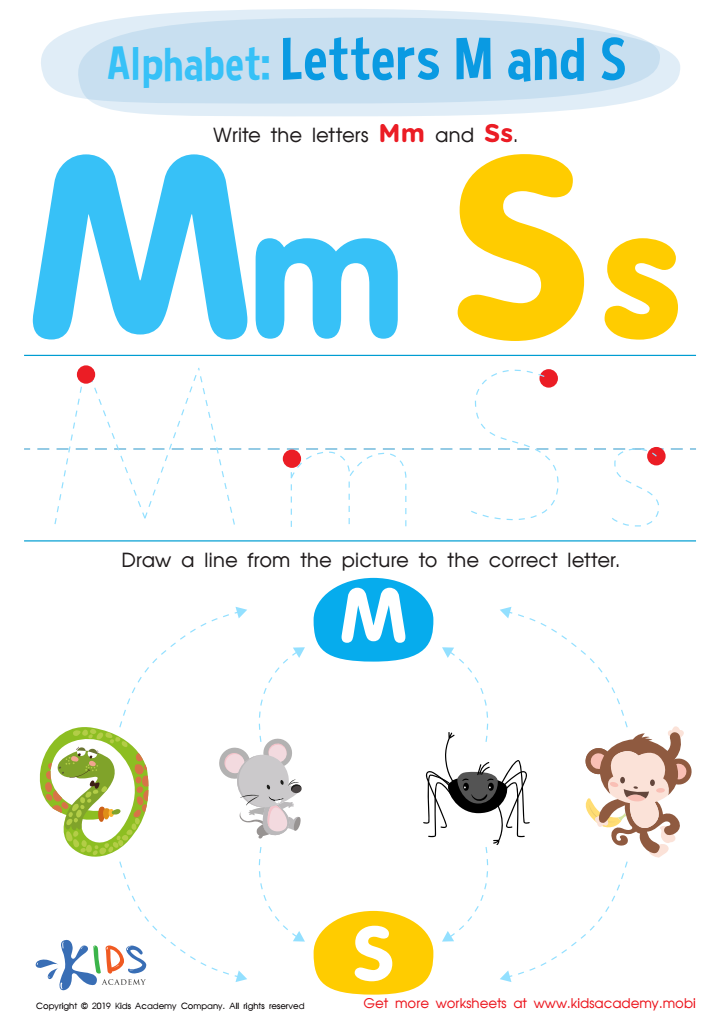
Letters M and S Tracing Worksheet
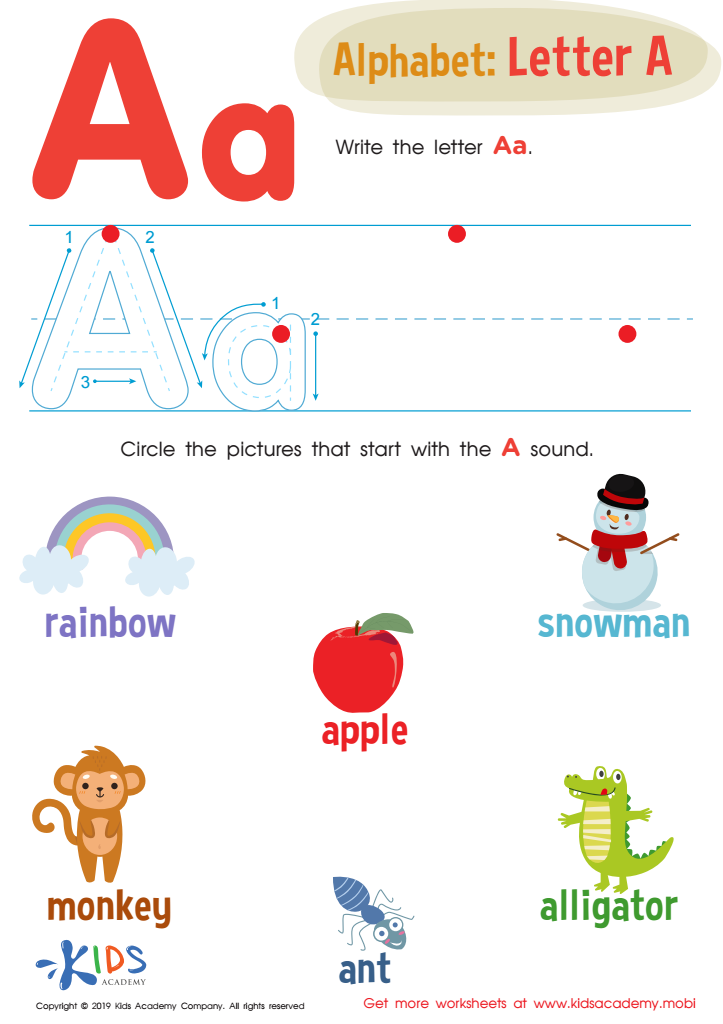
Letter A Tracing Worksheet
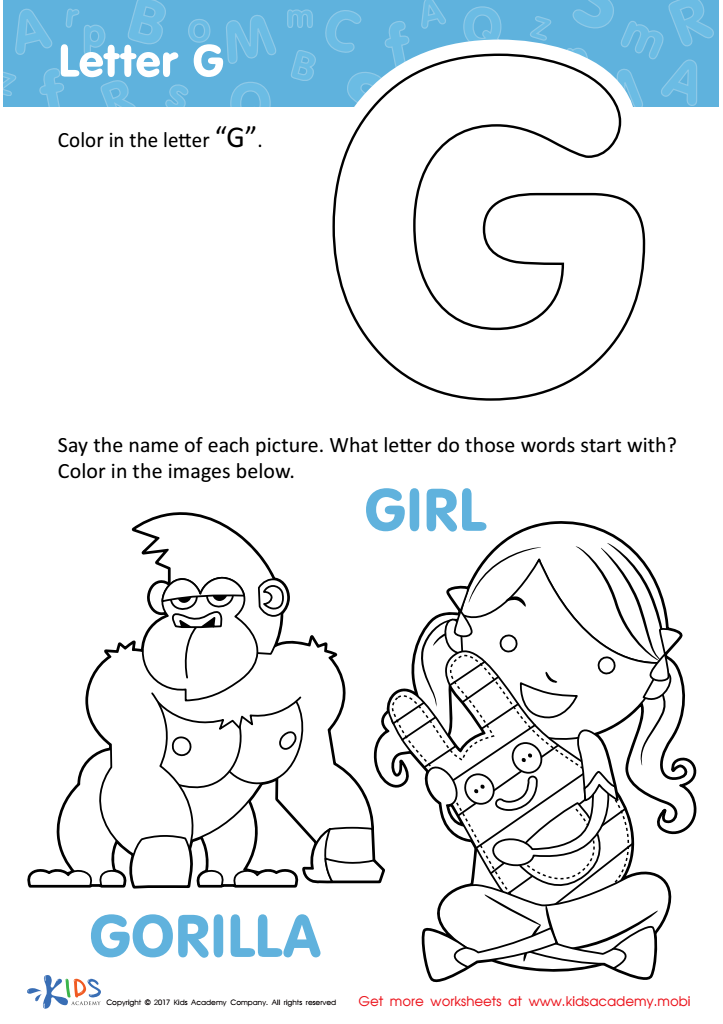
Letter G Coloring Sheet
 Assign to My Students
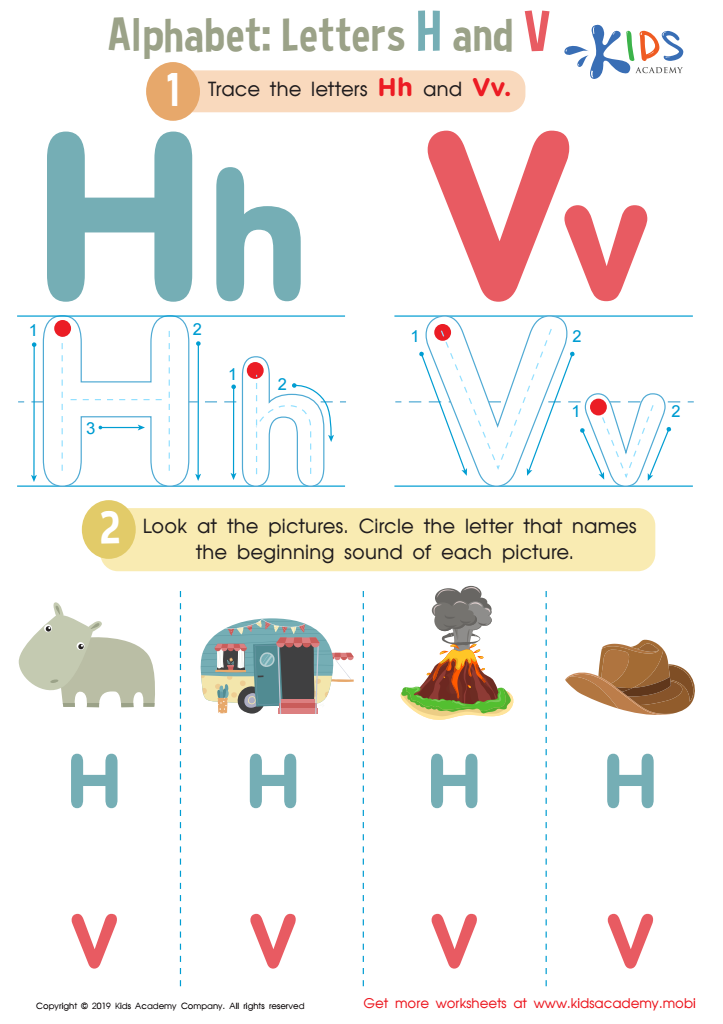
Letters H and V Tracing Worksheet
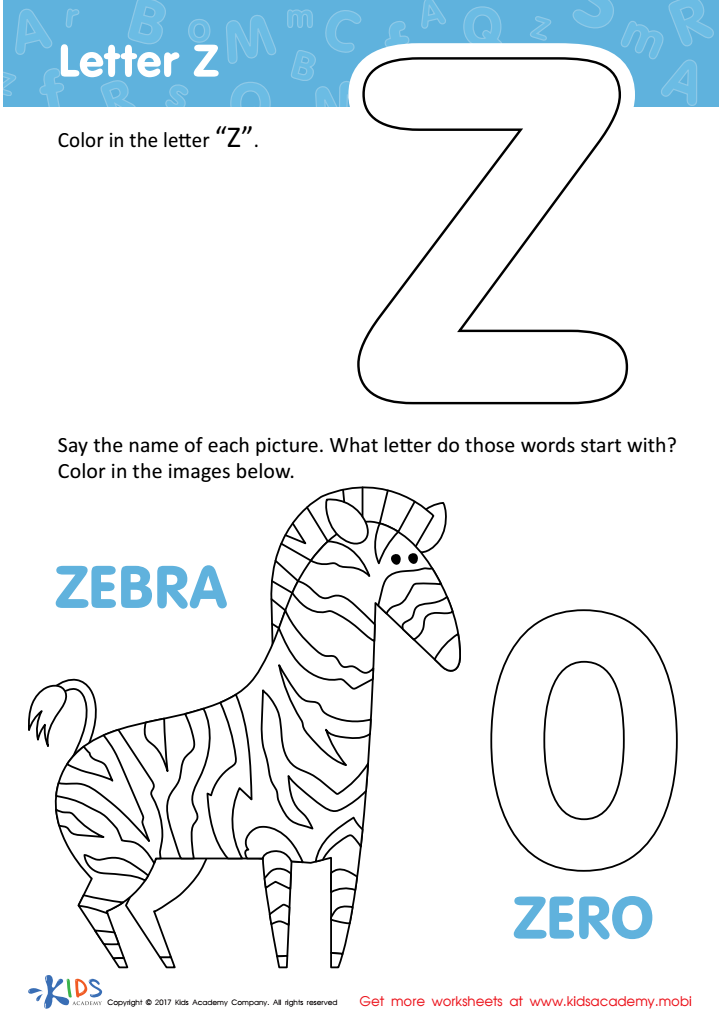
Letter Z Coloring Sheet
Assign to My Students
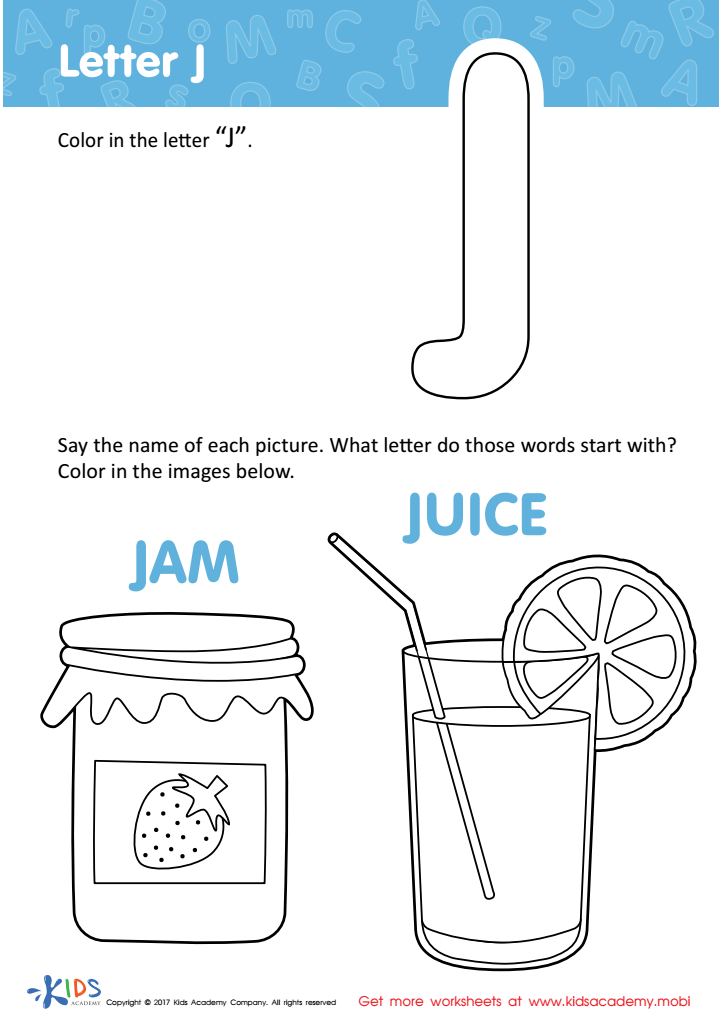
Letter J Coloring Sheet
Assign to My Students
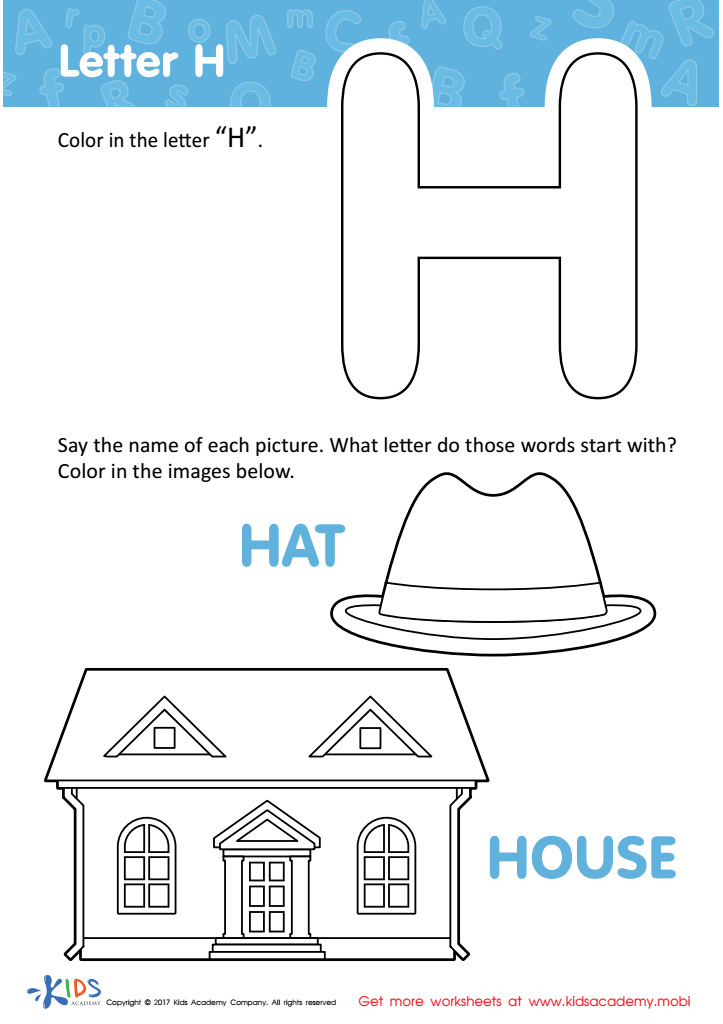
Letter H Coloring Sheet
Assign to My Students
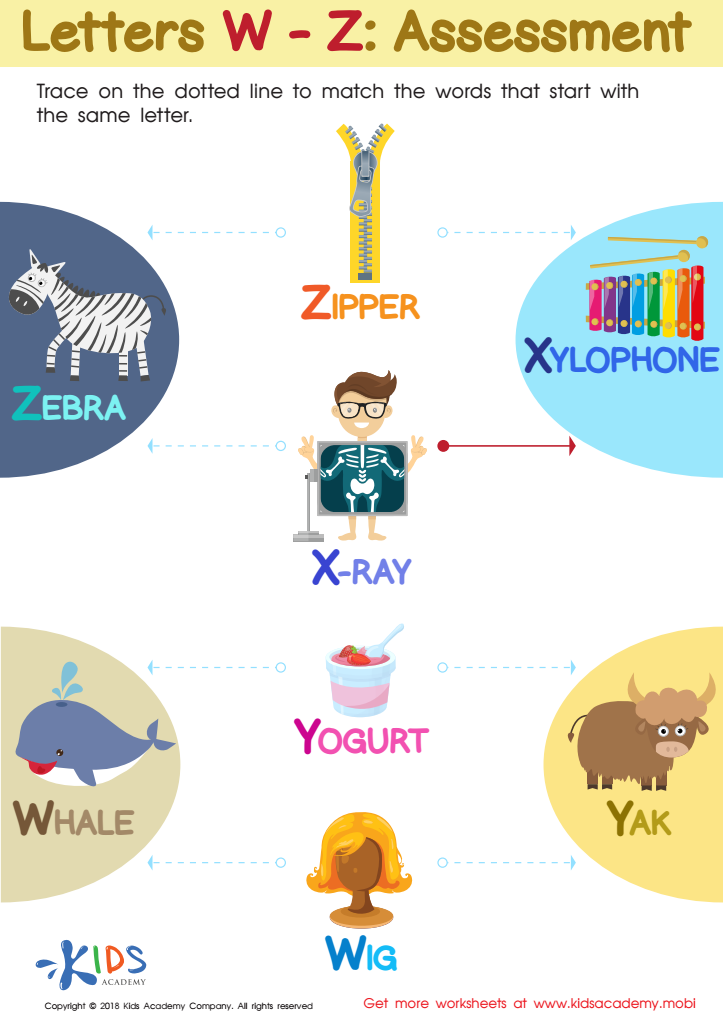
Letters W–Z Tracing Worksheet
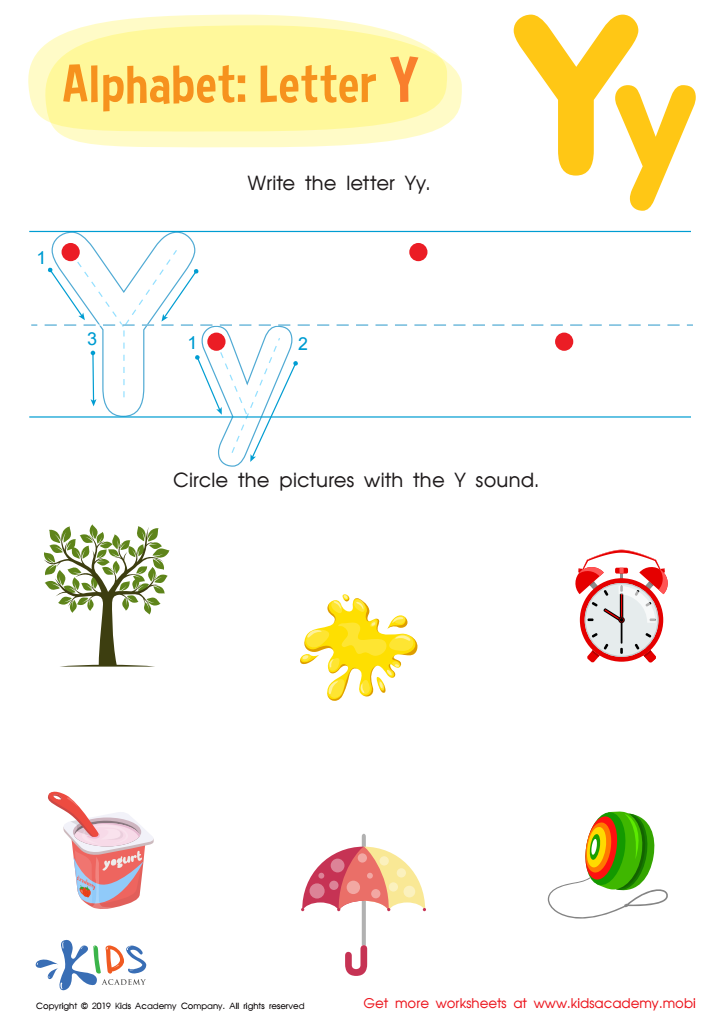
Letter Y Tracing Worksheet
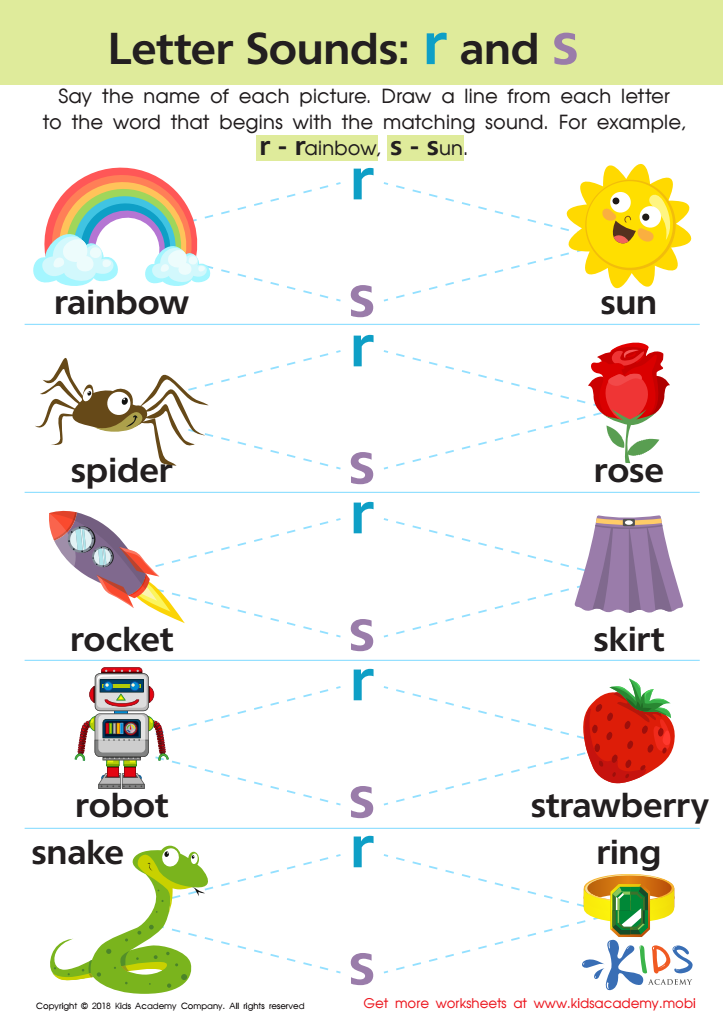
Letter R and S Sounds Worksheet
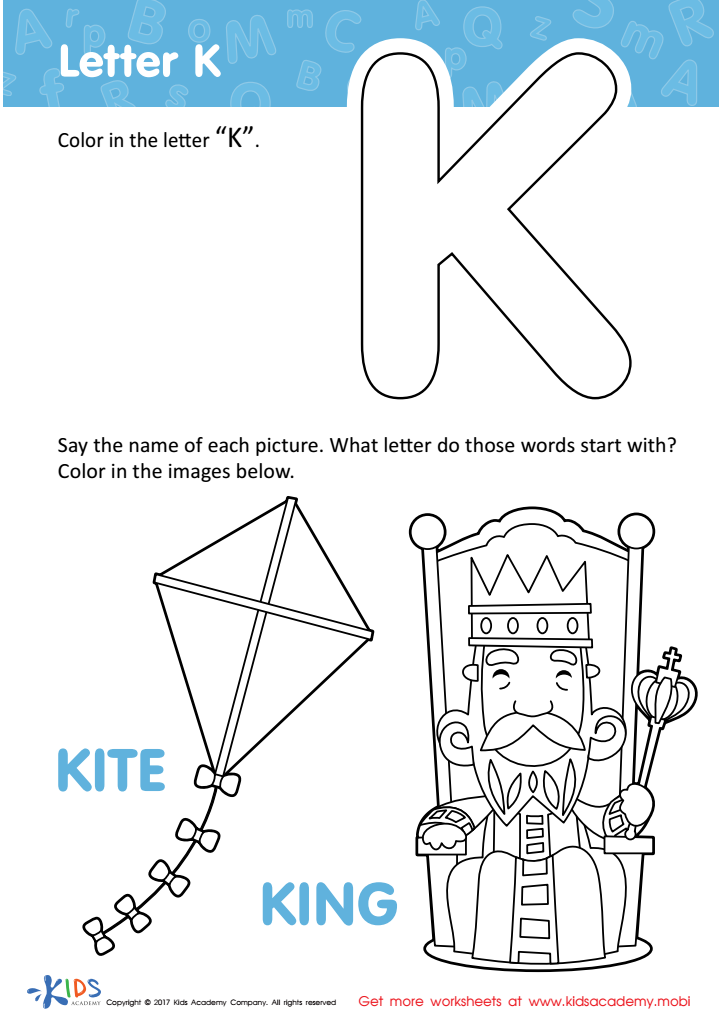
Letter K Coloring Sheet
Assign to My Students
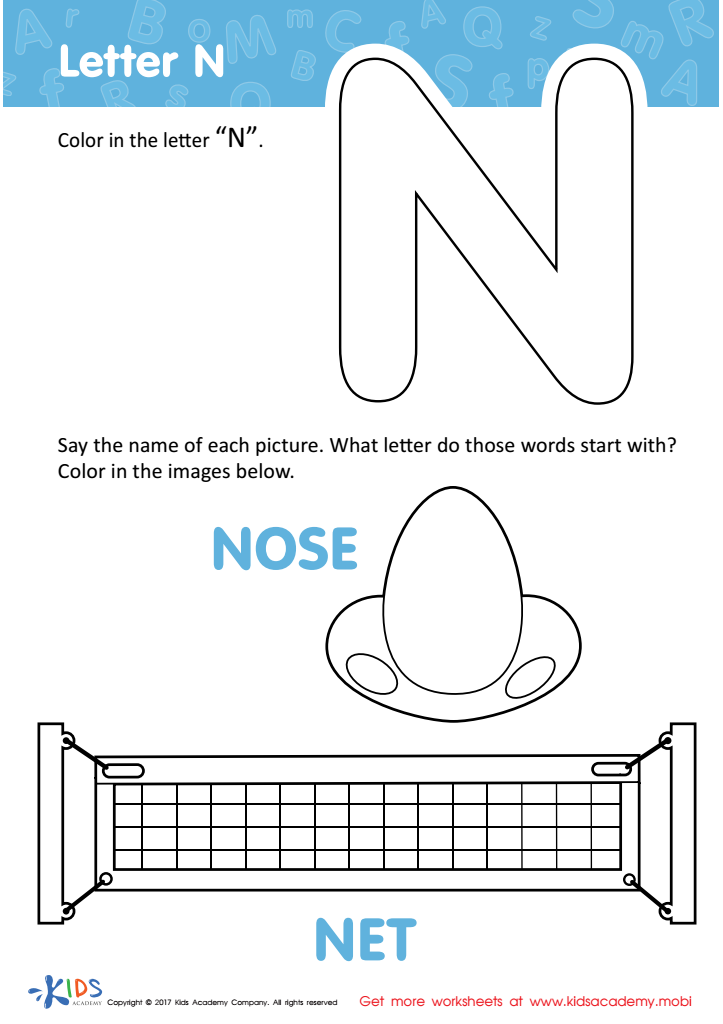
Letter N Coloring Sheet
Assign to My Students
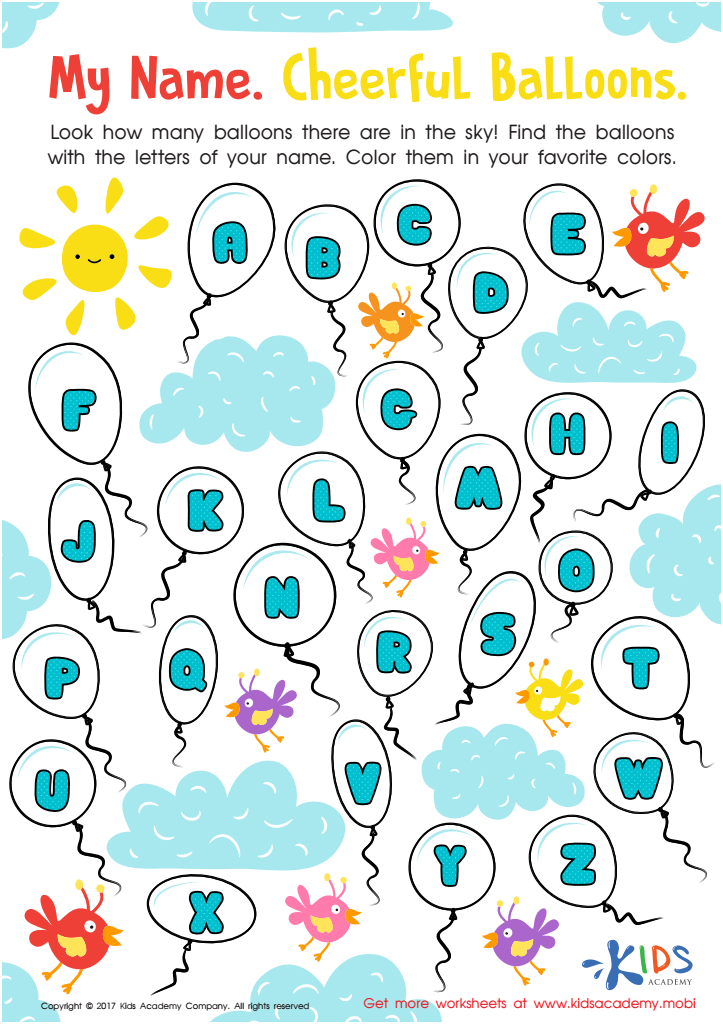
My Name: Cheerful Balloons Worksheet
Assign to My Students
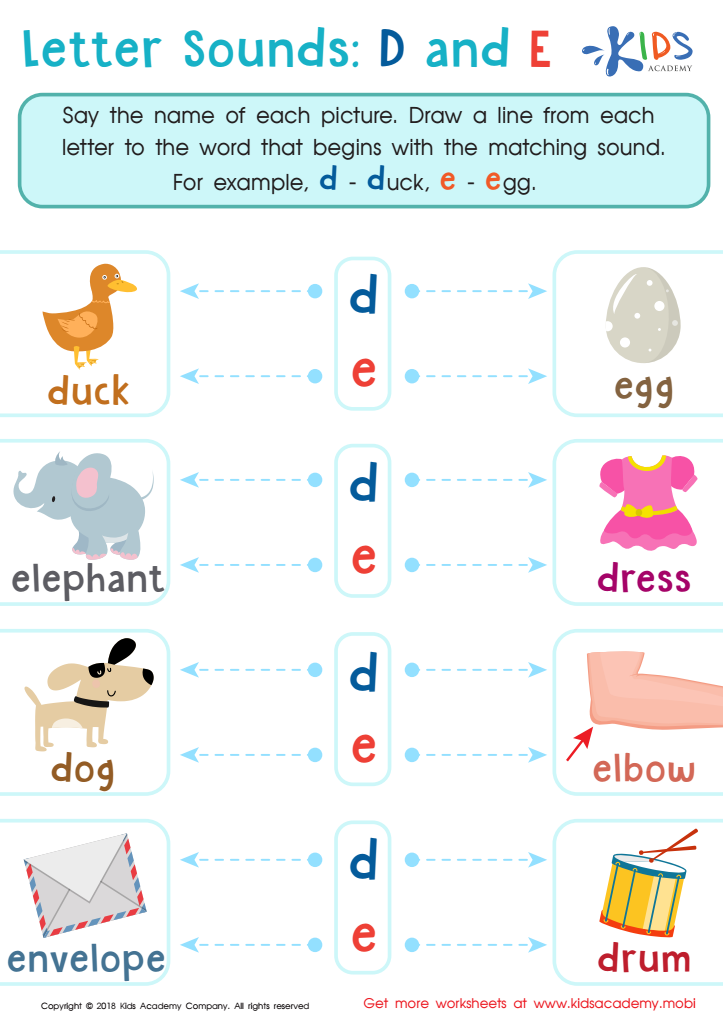
Letter D and E Sounds Worksheet








Handwriting practice and alphabet learning for 3-year-olds are crucial for their early education and overall development. At this formative age, young children are rapidly developing their fine motor skills, which are the foundation for handwriting competencies. Practicing letters allows them to improve hand-eye coordination and dexterity, which are important for all sorts of daily activities, such as buttoning a shirt or using utensils.
Moreover, introducing alphabet practice at an early age fosters essential cognitive skills. It enhances their ability to recognize letters and understand their corresponding sounds, laying the groundwork for reading readiness. This early exposure to the alphabet helps in building phonemic awareness, which is a fundamental skill for future literacy.
From a social and emotional standpoint, early successes in handwriting and alphabet recognition can boost a child's self-esteem and confidence in their abilities. When parents and teachers invest time in these activities, they demonstrate the value of learning, which can instill a lifelong love for education in the child.
Lastly, structured yet playful activities around handwriting can help children develop concentration and perseverance. It trains them to follow directions and stay engaged with a task, skills that are vital for academic success in later years. Therefore, handwriting and alphabet practice are undeniably valuable for a child's holistic preschool development.







