Phonological awareness Alphabet Worksheets for 3-Year-Olds
7 filtered results
-
From - To
Introduce your 3-year-old to the fundamental world of phonics with our Phonological Awareness Alphabet Worksheets. Designed specifically for young learners, these worksheets make learning the alphabet fun and engaging. Through vibrant illustrations and simple exercises, children will develop their phonological awareness skills, crucial for early reading and writing. Our expertly crafted activities focus on sound recognition, matching, and beginning sounds, paving the way for successful literacy development. Perfect for use at home or in a preschool setting, these worksheets provide a solid foundation for your child's educational journey. Nurture their love of learning with Kids Academy's Alphabet Worksheets.
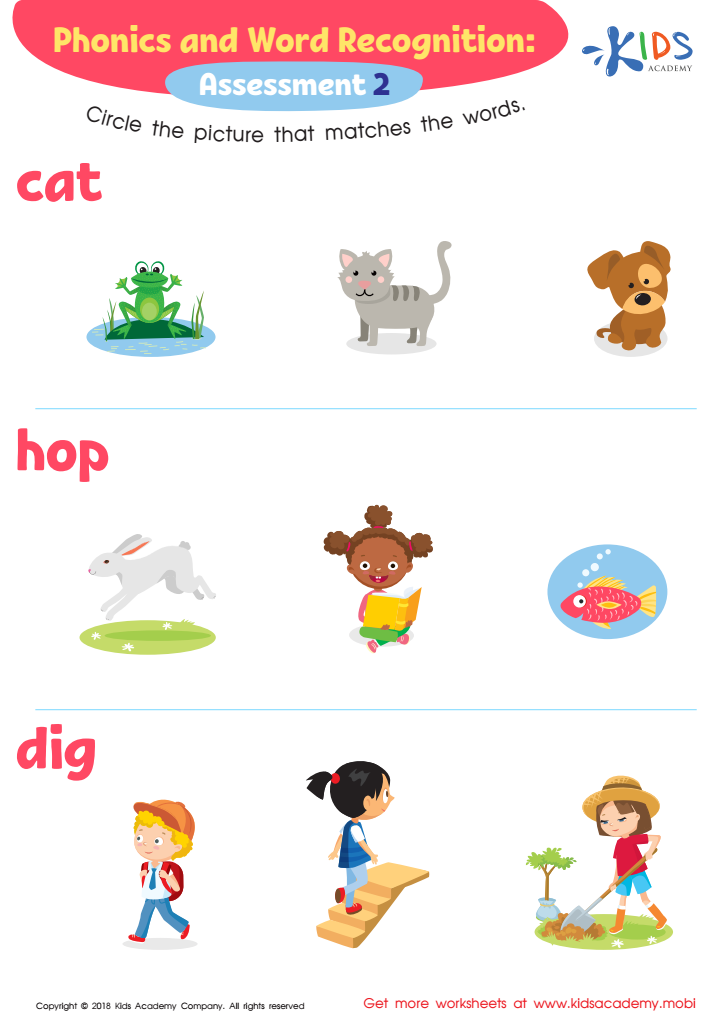
Phonological Awareness: Assessment 2 ELA Worksheet
 Assign to My Students
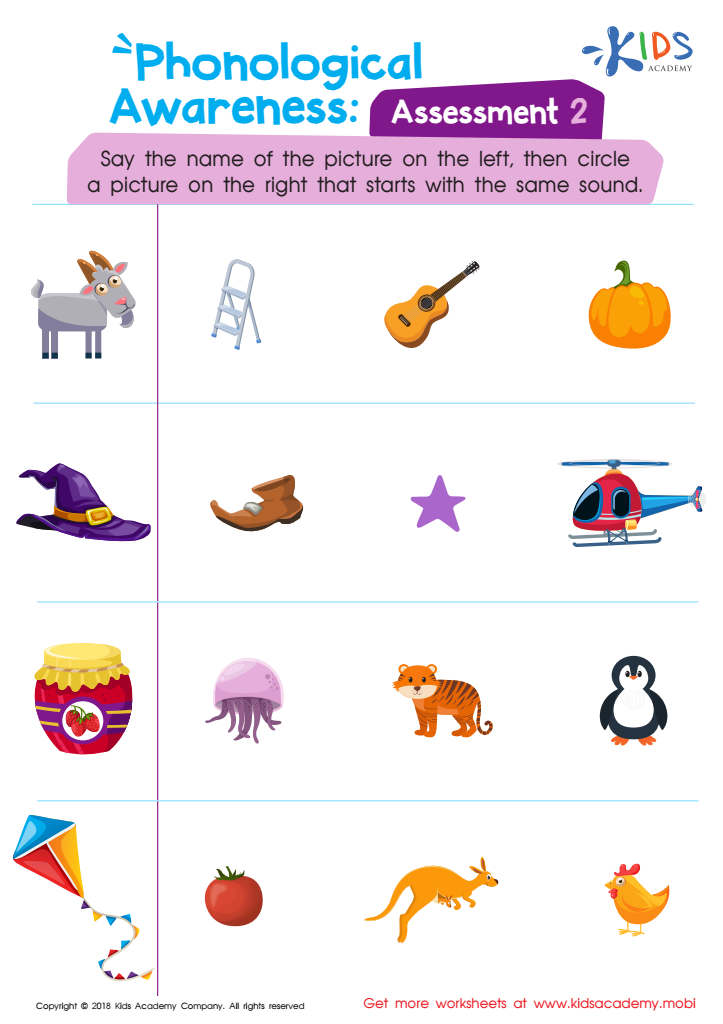
Phonological Awareness: Assessment 2 Worksheet
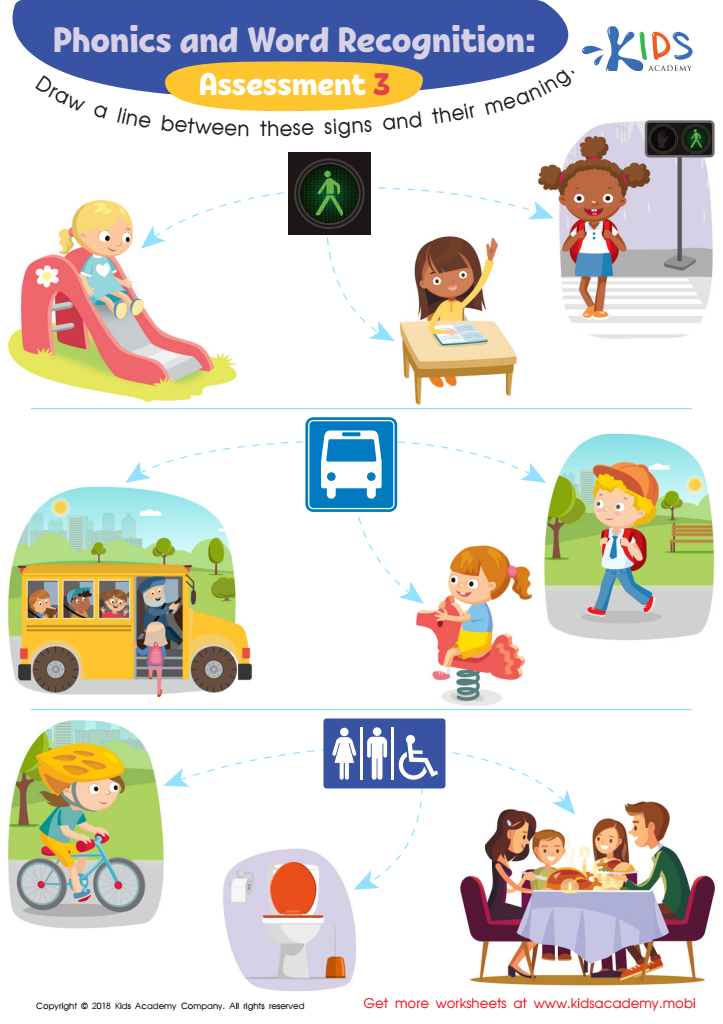
Phonological Awareness: Assessment 3 ELA Worksheet
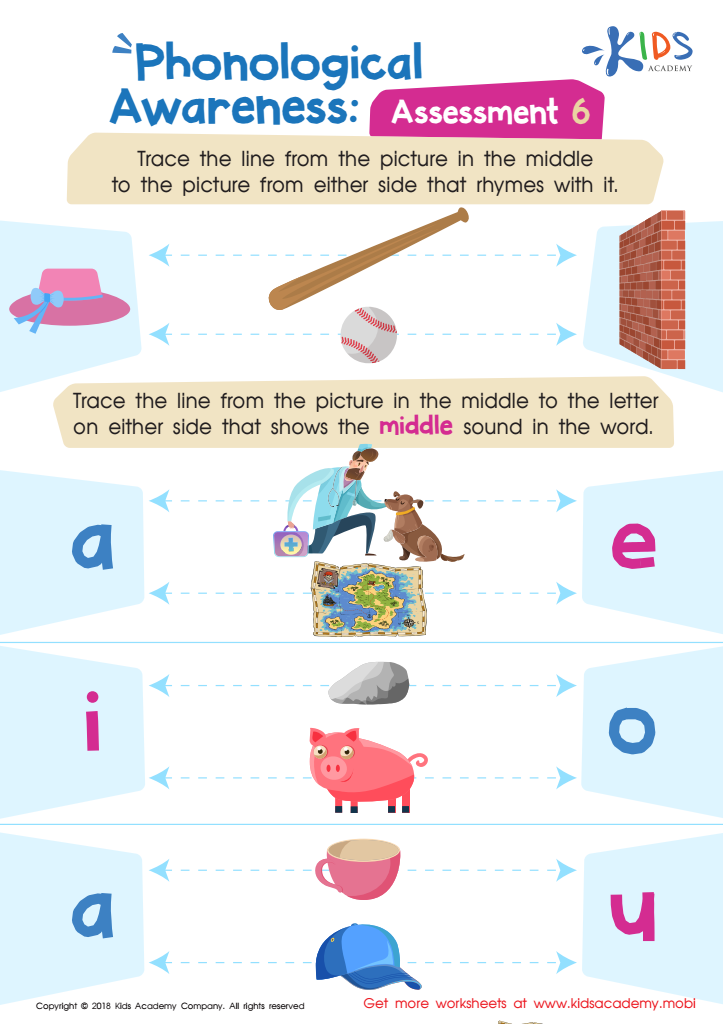
Phonological Awareness: Assessment 6 Worksheet
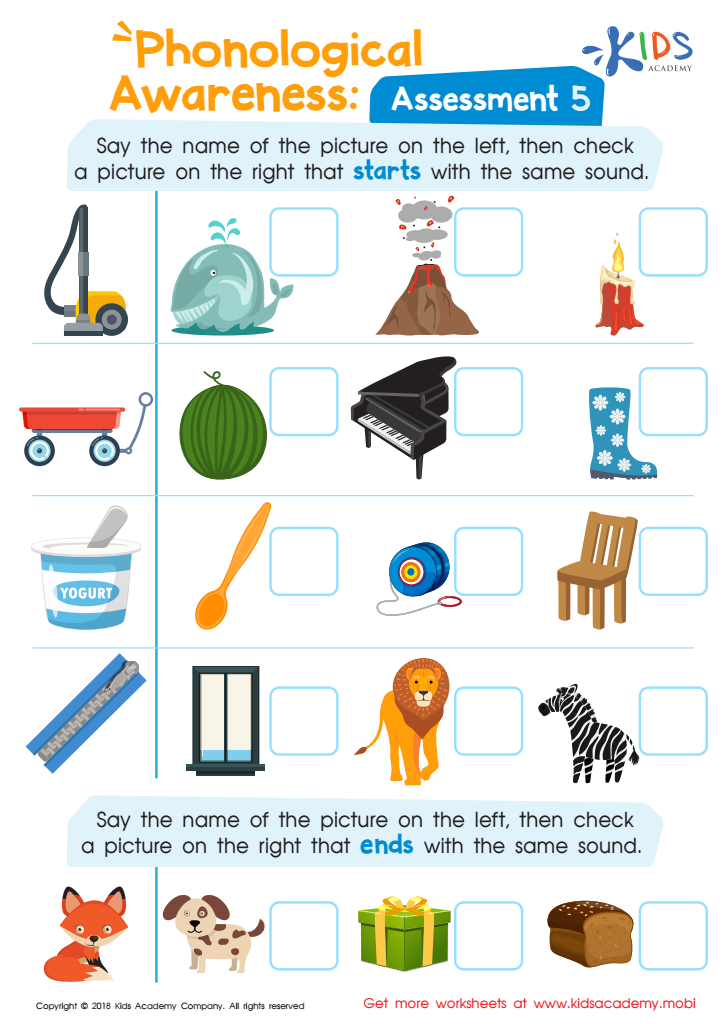
Phonological Awareness: Assessment 5 Worksheet
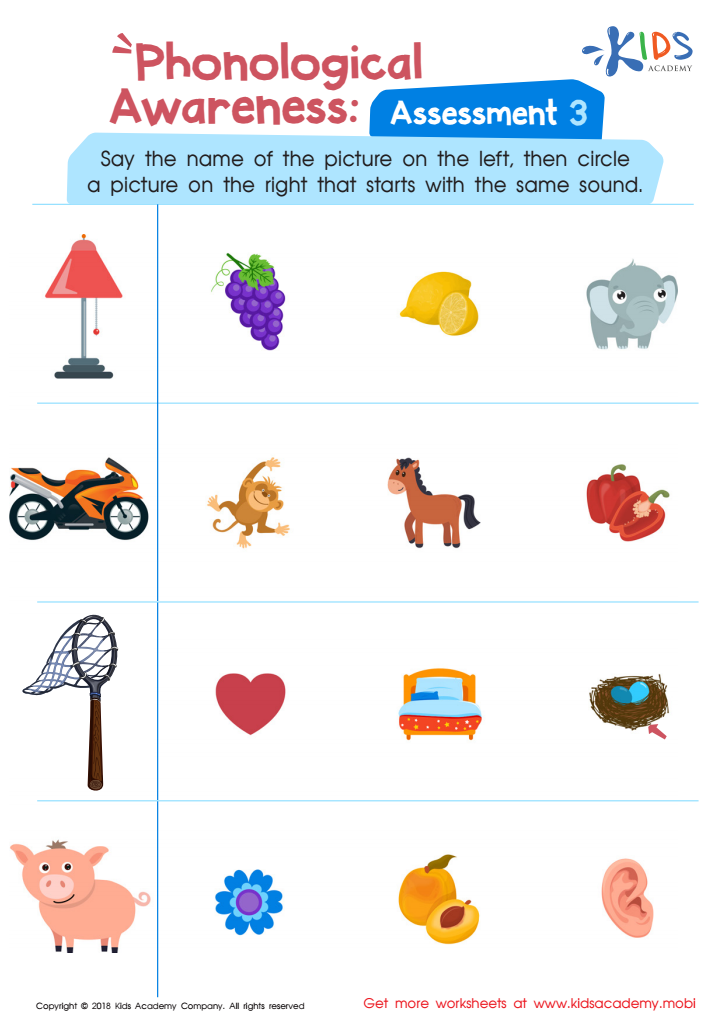
Phonological Awareness: Assessment 3 Worksheet
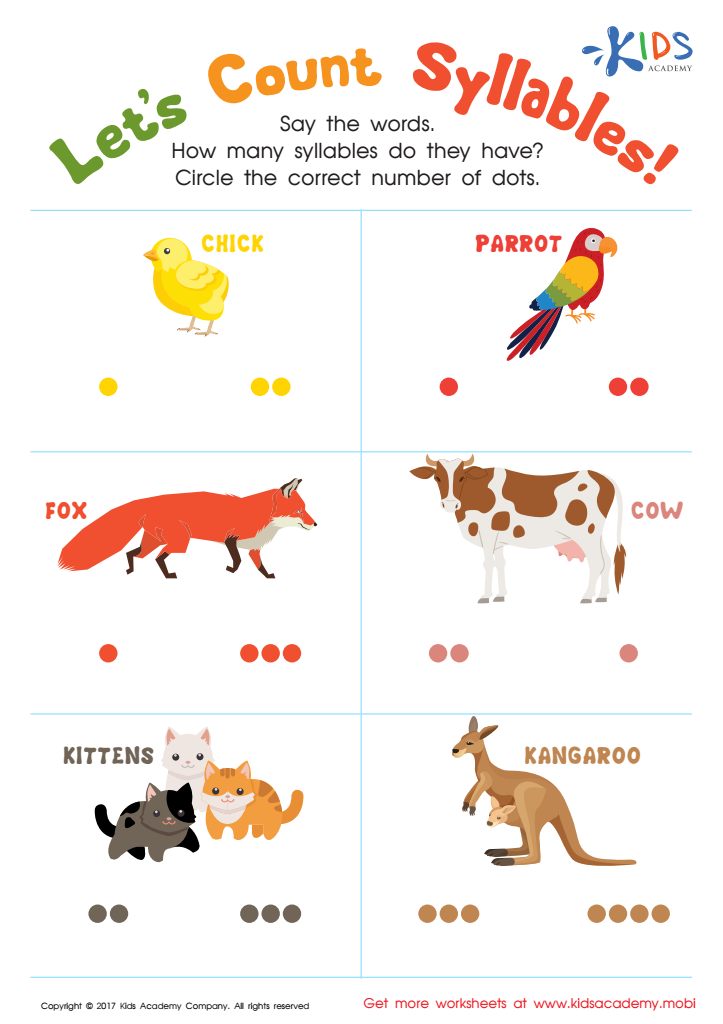
Lets Count Syllables Worksheet






Phonological awareness and alphabet knowledge are foundational skills that significantly impact a child's early literacy development. Phonological awareness involves recognizing and manipulating the sounds in spoken language, such as identifying rhymes, syllables, and individual phonemes. For 3-year-olds, developing an ear for these sounds is crucial as it lays the groundwork for more complex skills like decoding words during reading.
Understanding the alphabet is equally important. Knowing letter names and sounds helps children make connections between spoken and written language. When kids recognize that the sound /m/ is represented by the letter "M," they start to decipher words, which is a key step in learning to read.
Parents and teachers who focus on phonological awareness and alphabet knowledge in young children provide them with essential tools for future learning. Engaging activities like singing alphabet songs, playing rhyming games, and reading picture books can make learning fun and effective.
In essence, fostering these skills early on helps ensure that children are better prepared for kindergarten and beyond. It builds their confidence and enthusiasm for learning, significantly reducing the likelihood of reading difficulties later. By investing time in these skills at an early age, parents and teachers set children on a successful path to literacy.







