Fine Motor Skills Letter Recognition Worksheets for 3-Year-Olds - Page 2
47 filtered results
-
From - To
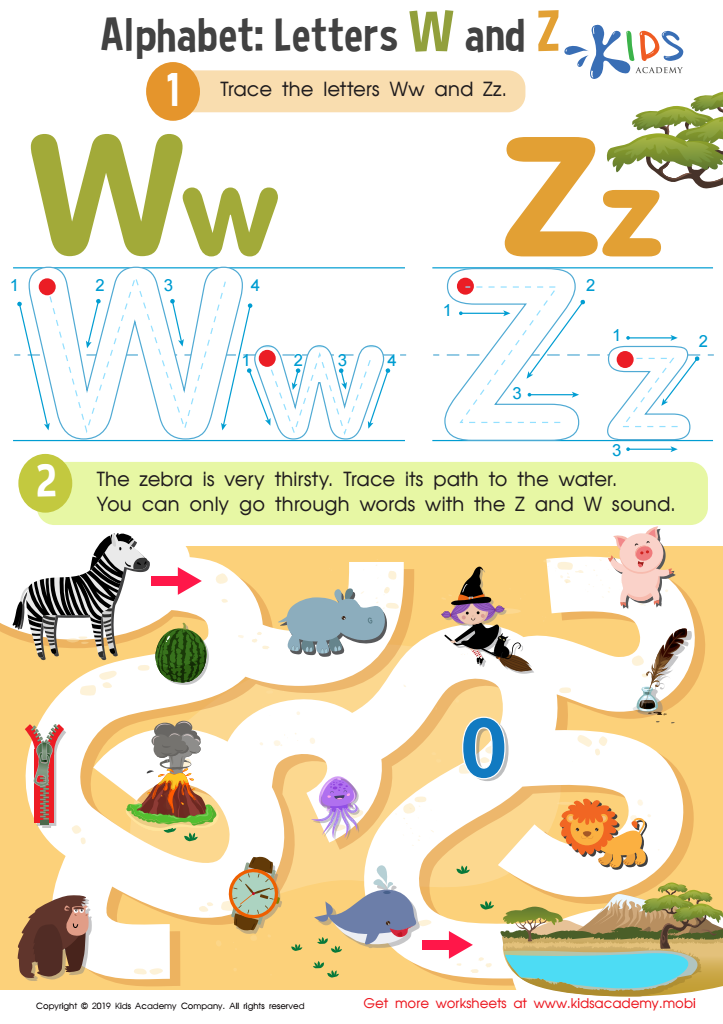
Letters W and Z Tracing Worksheet
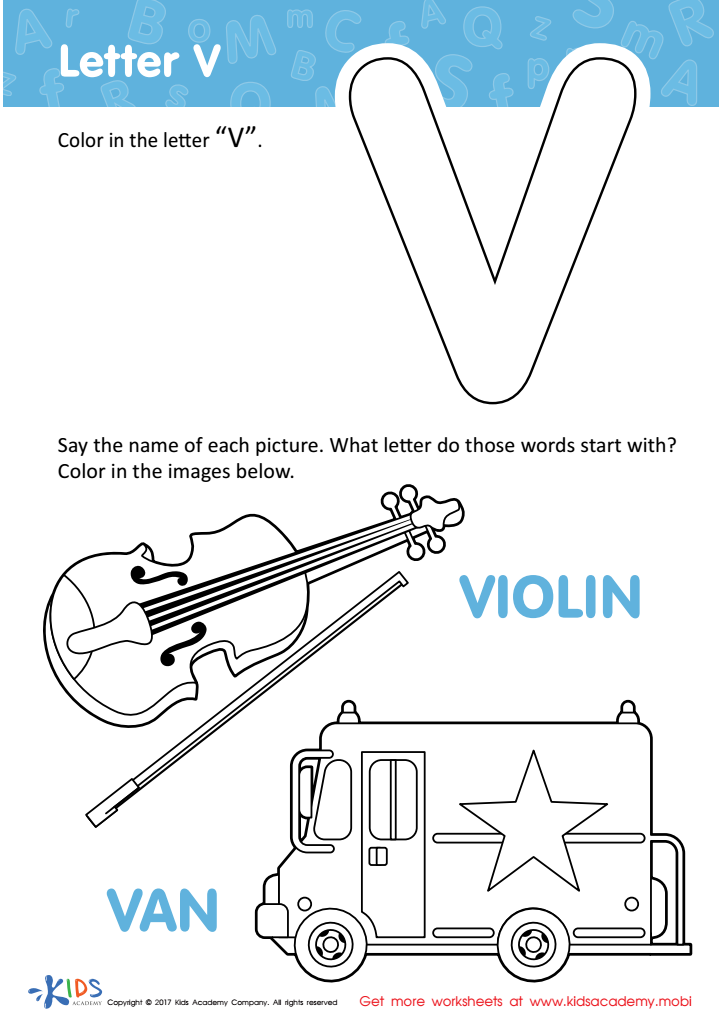
Letter V Coloring Sheet
 Assign to My Students
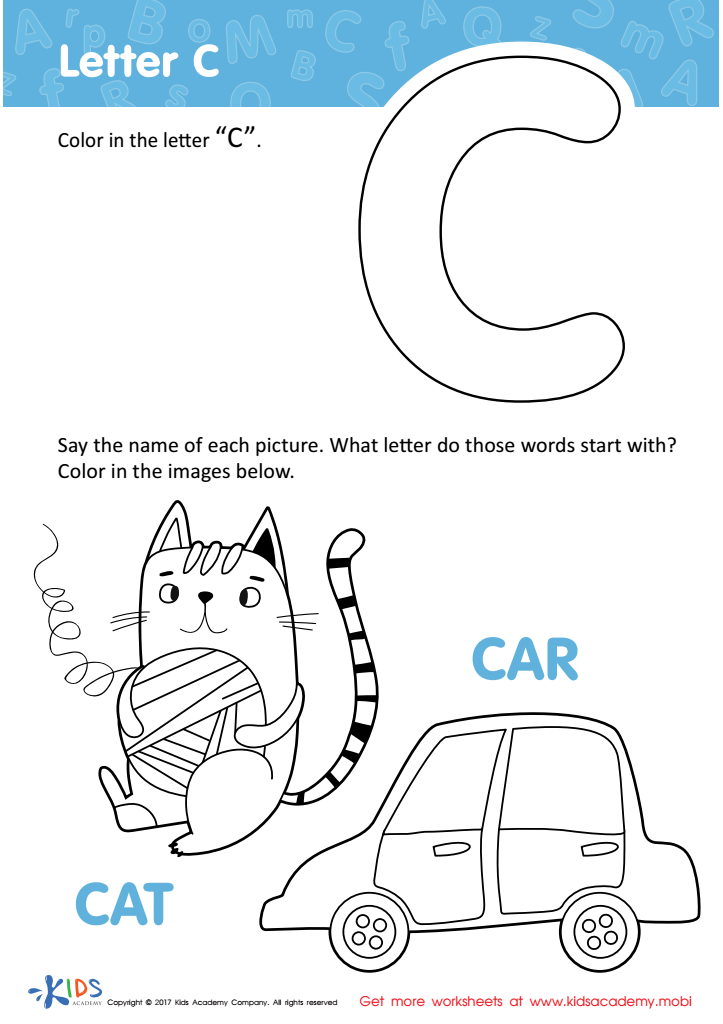
Letter C Coloring Sheet
Assign to My Students
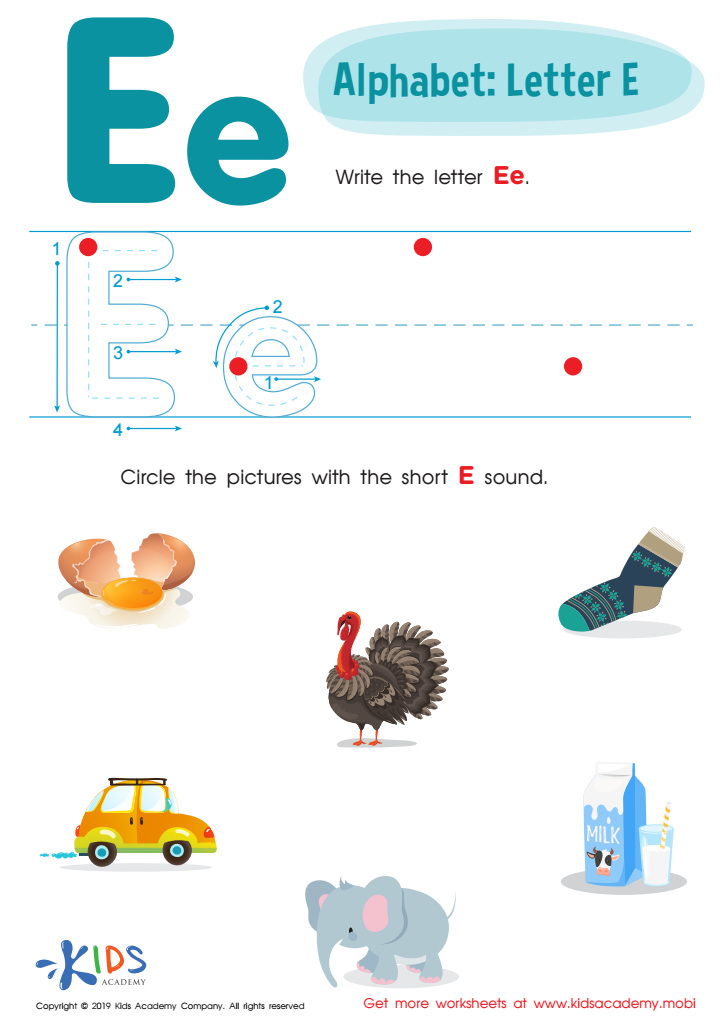
Letter E Tracing Worksheet
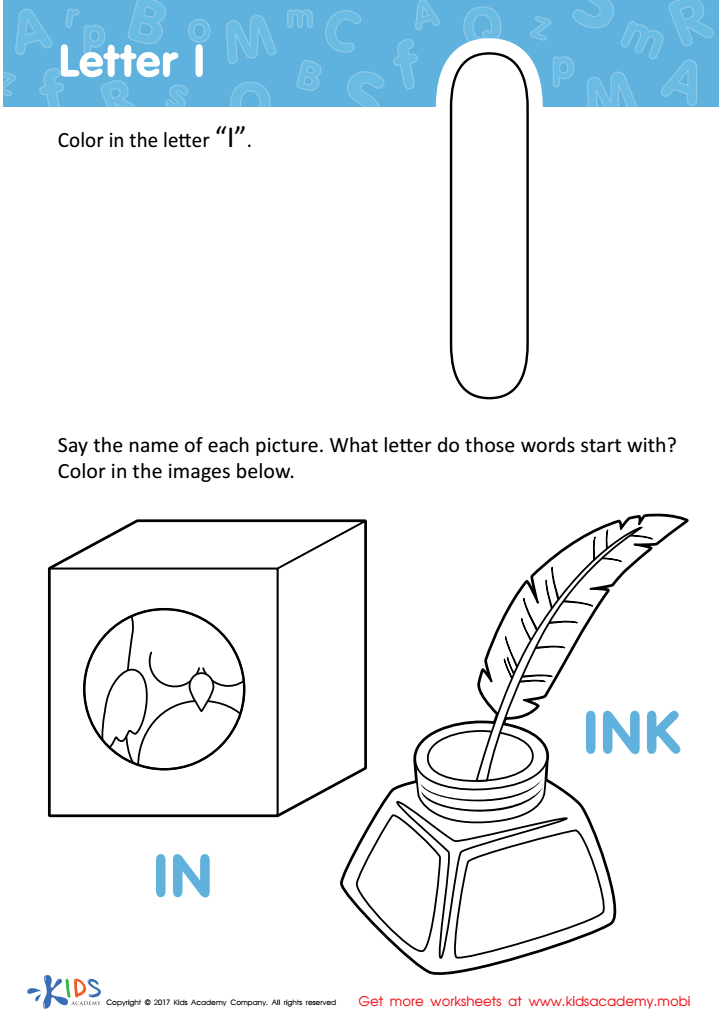
Letter I Coloring Sheet
Assign to My Students
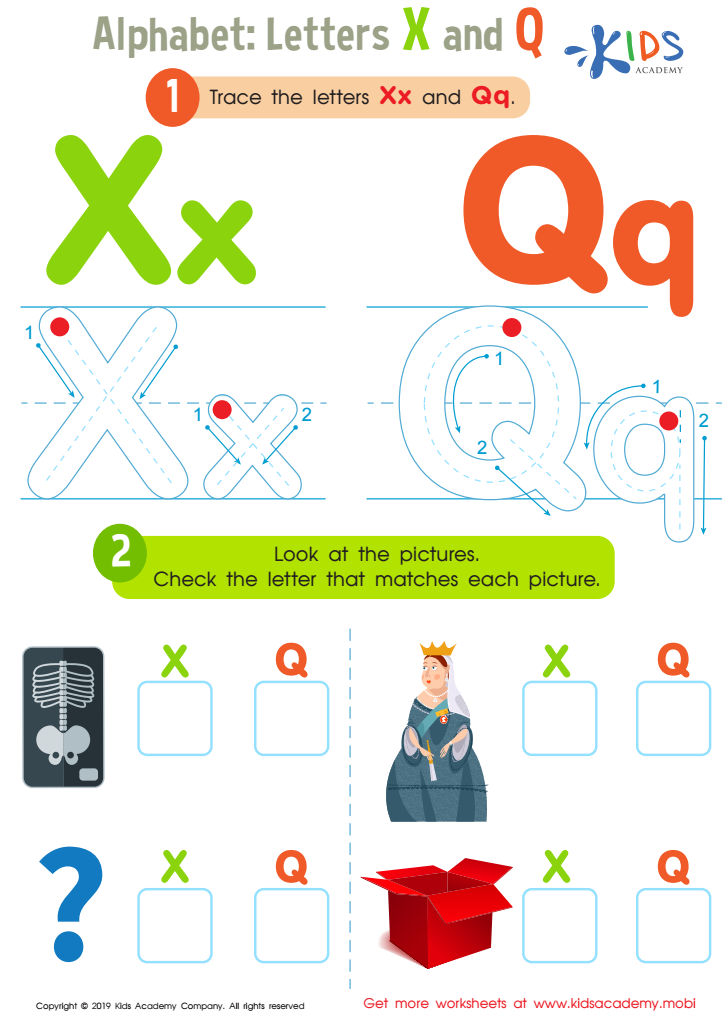
Letters X and Q Tracing Worksheet
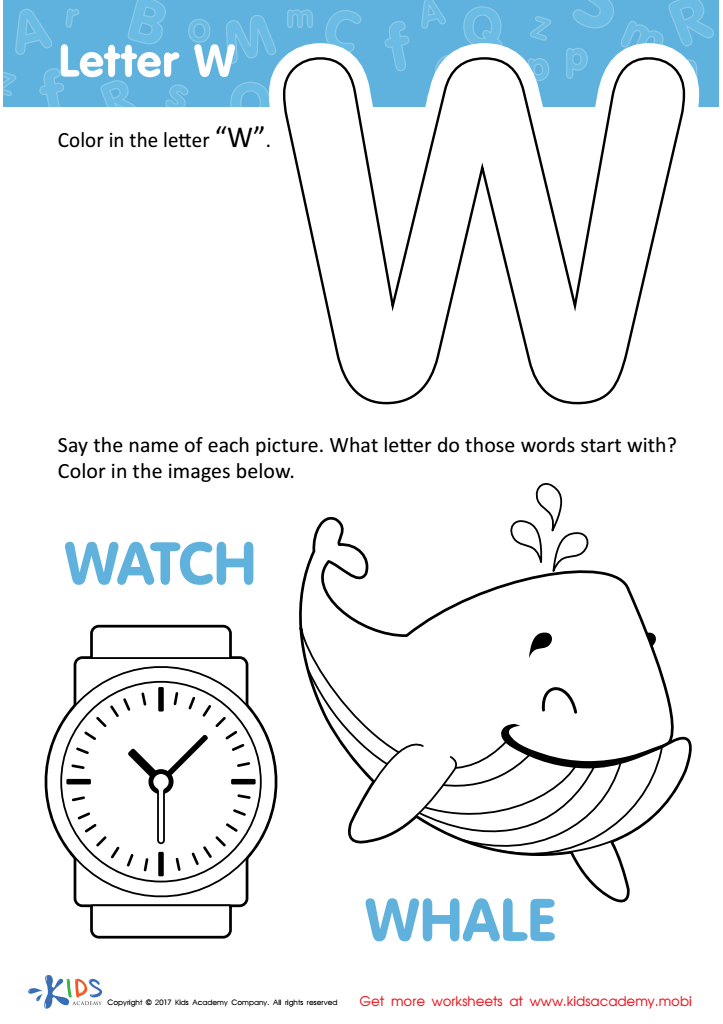
Letter W Coloring Sheet
Assign to My Students
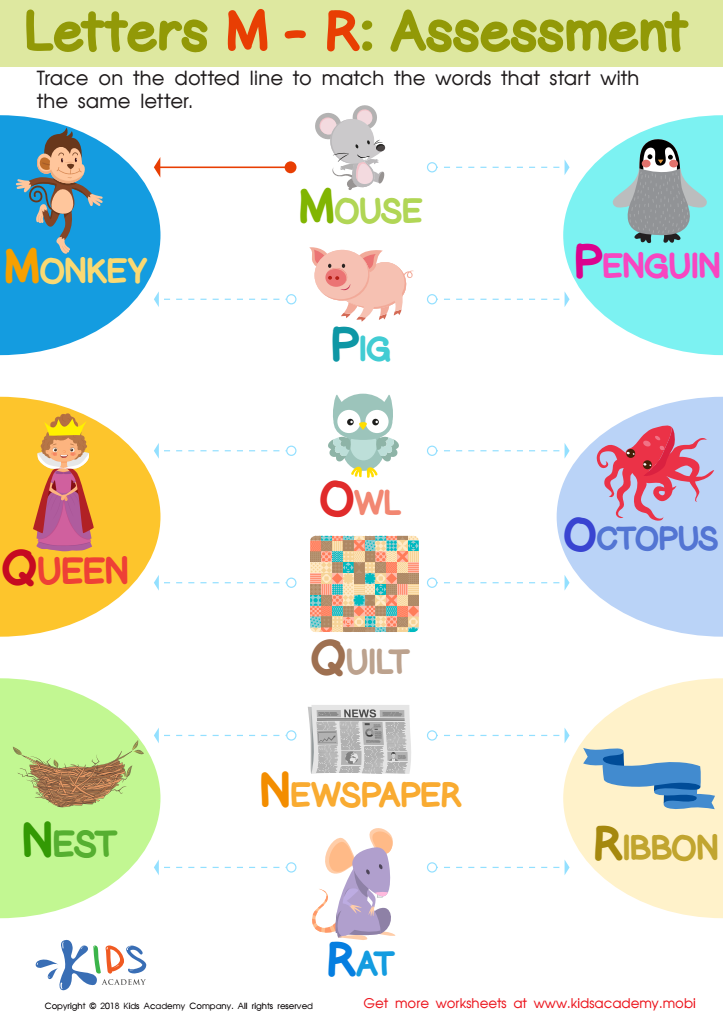
Letters M-R Tracing Worksheet
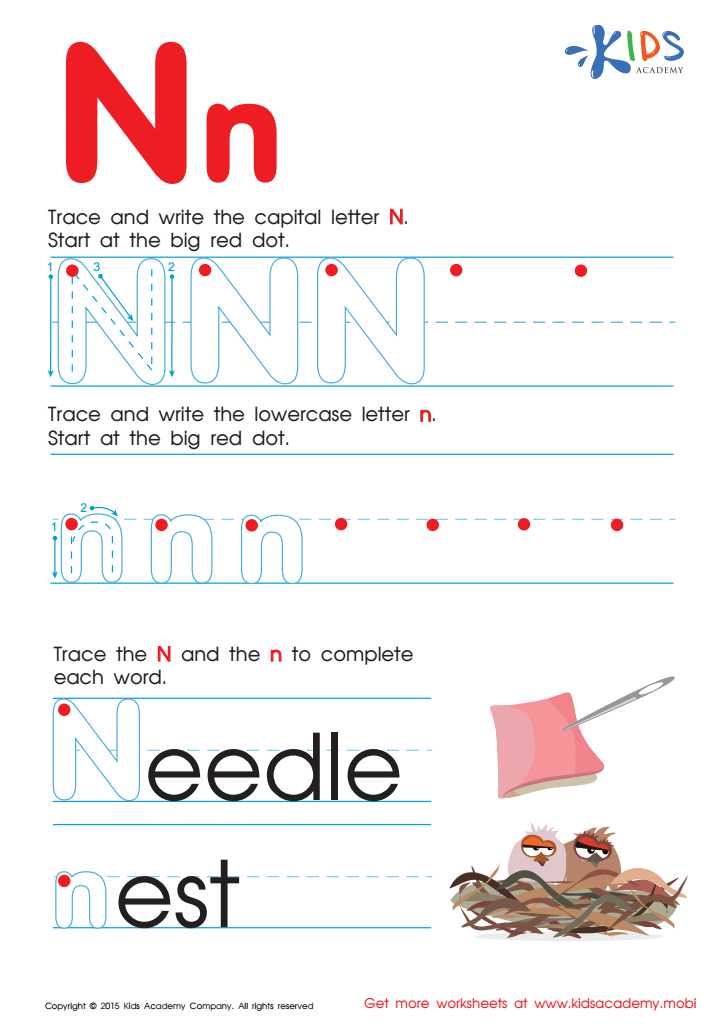
Letter N Tracing Page
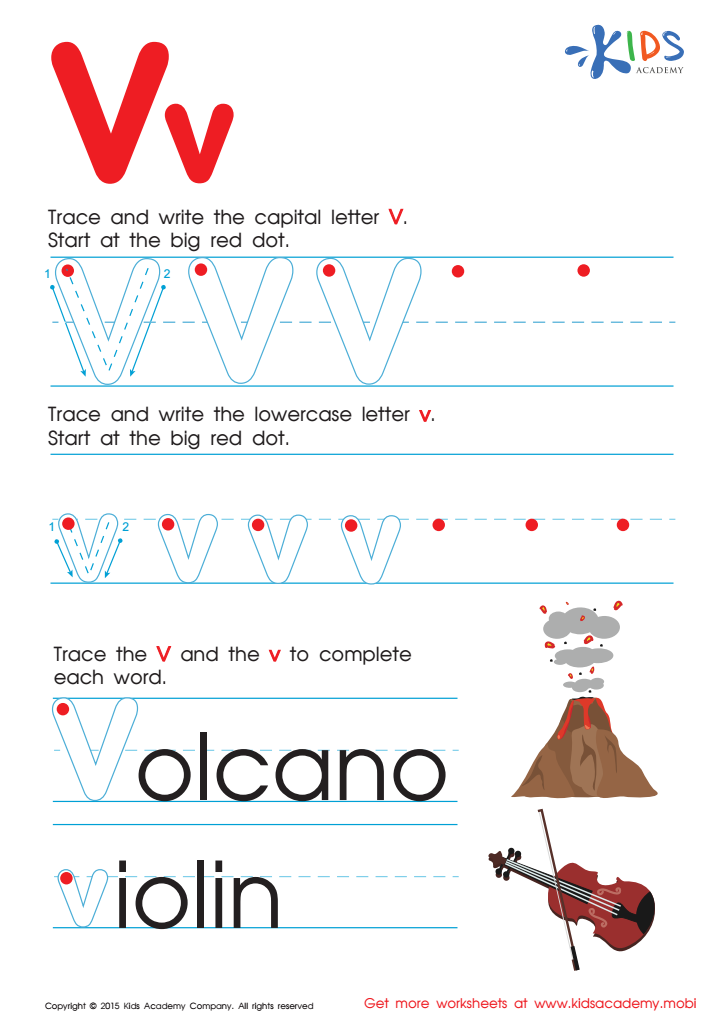
Letter V Tracing Page
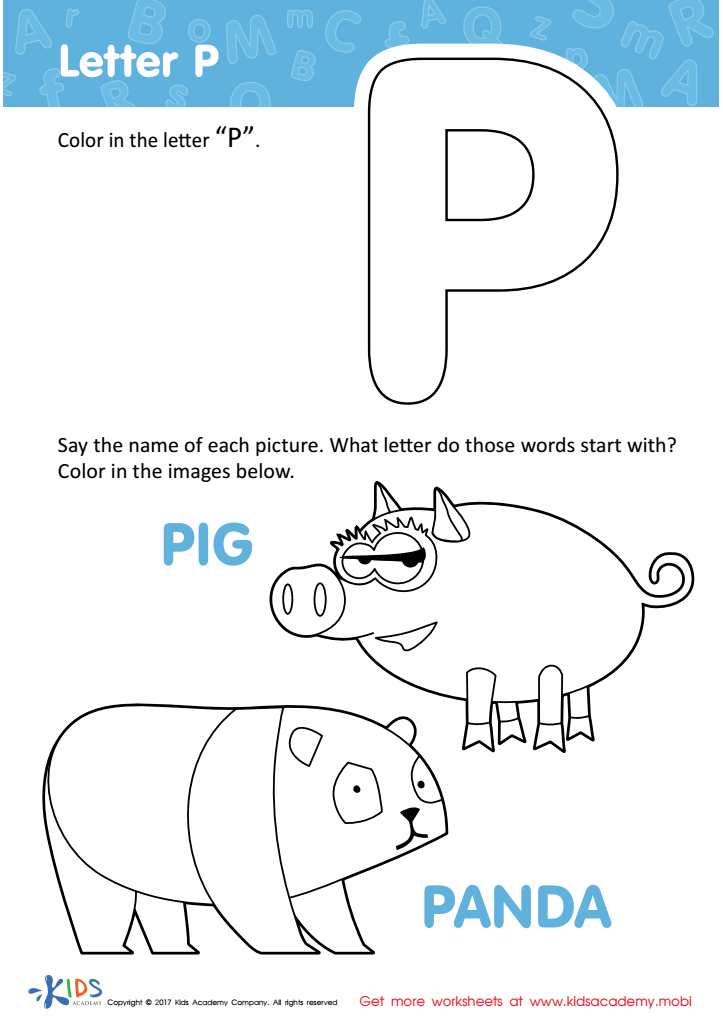
Letter P Coloring Sheet
Assign to My Students
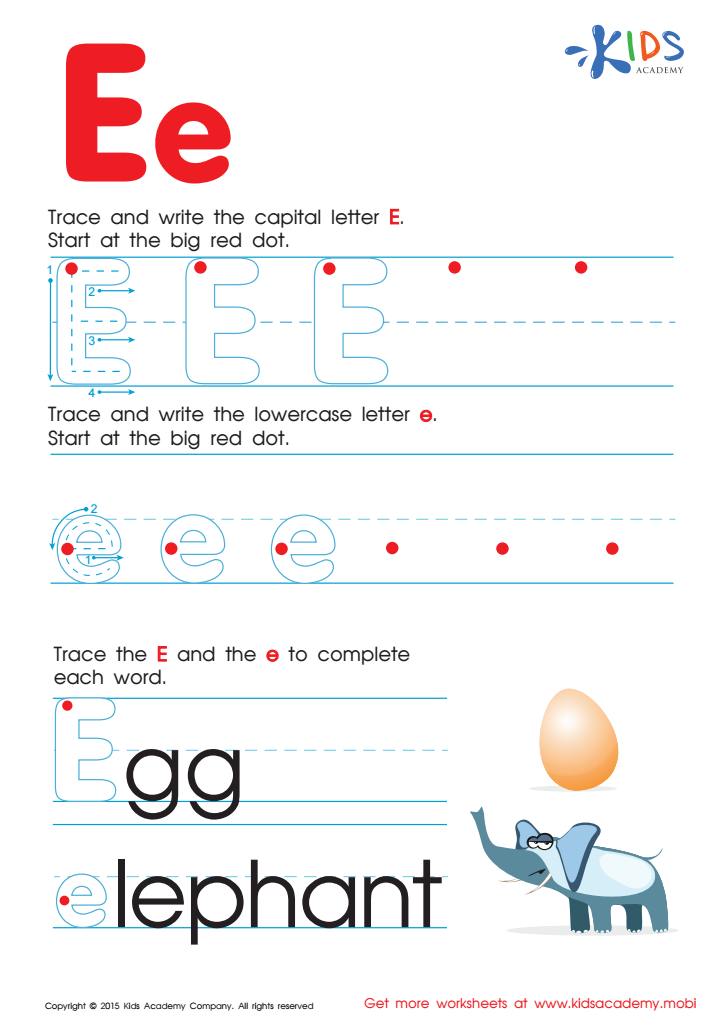
Letter E Tracing Page
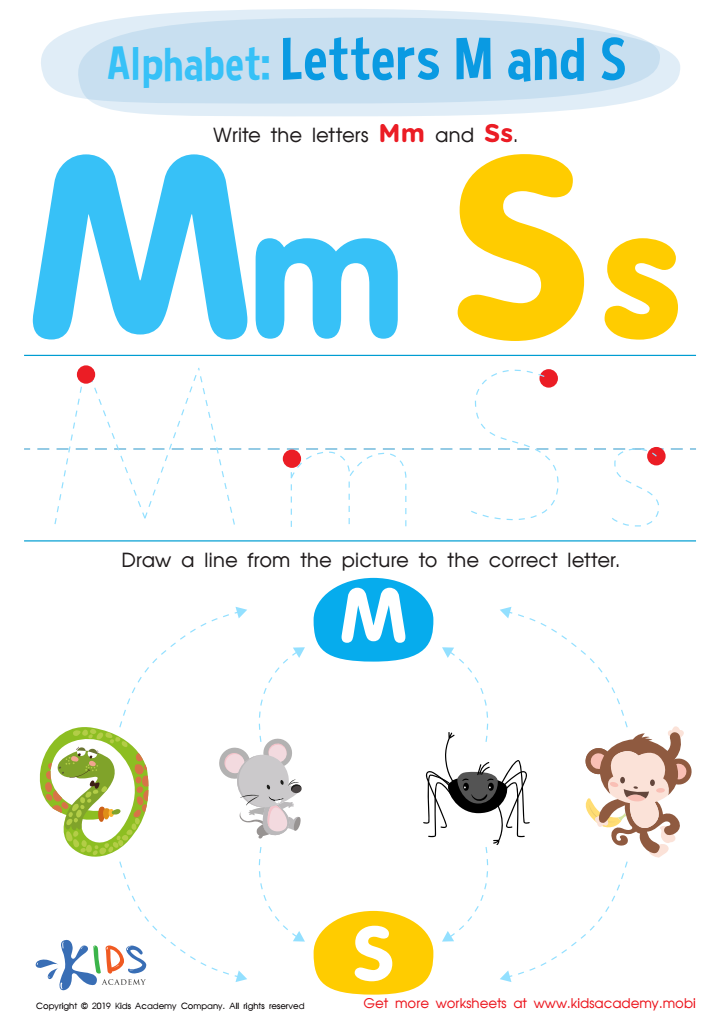
Letters M and S Tracing Worksheet
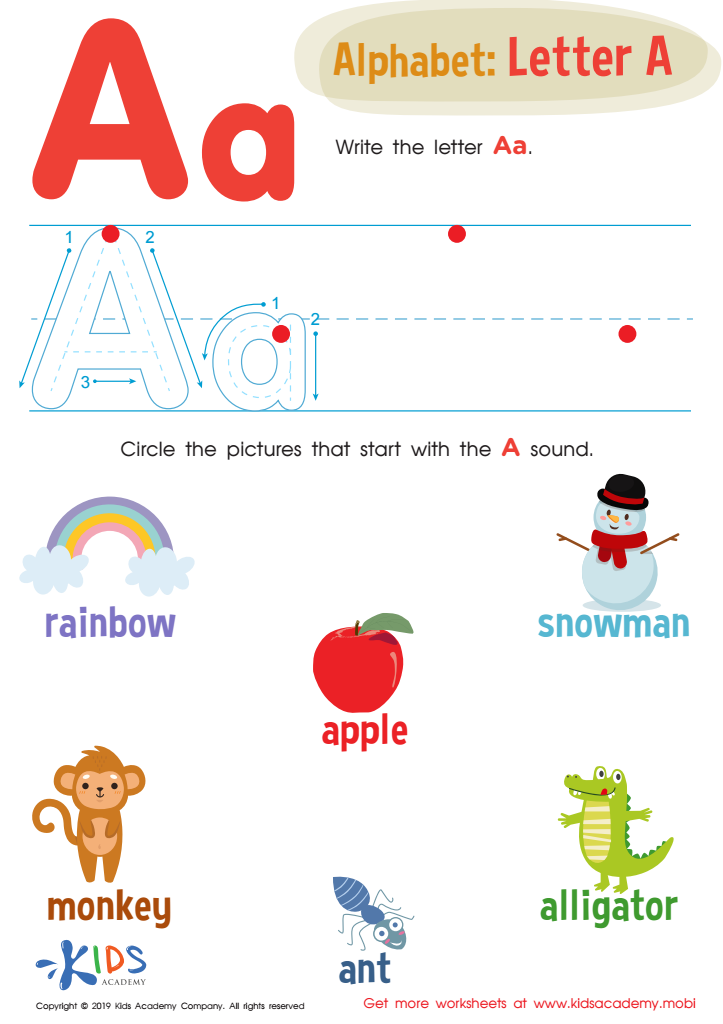
Letter A Tracing Worksheet
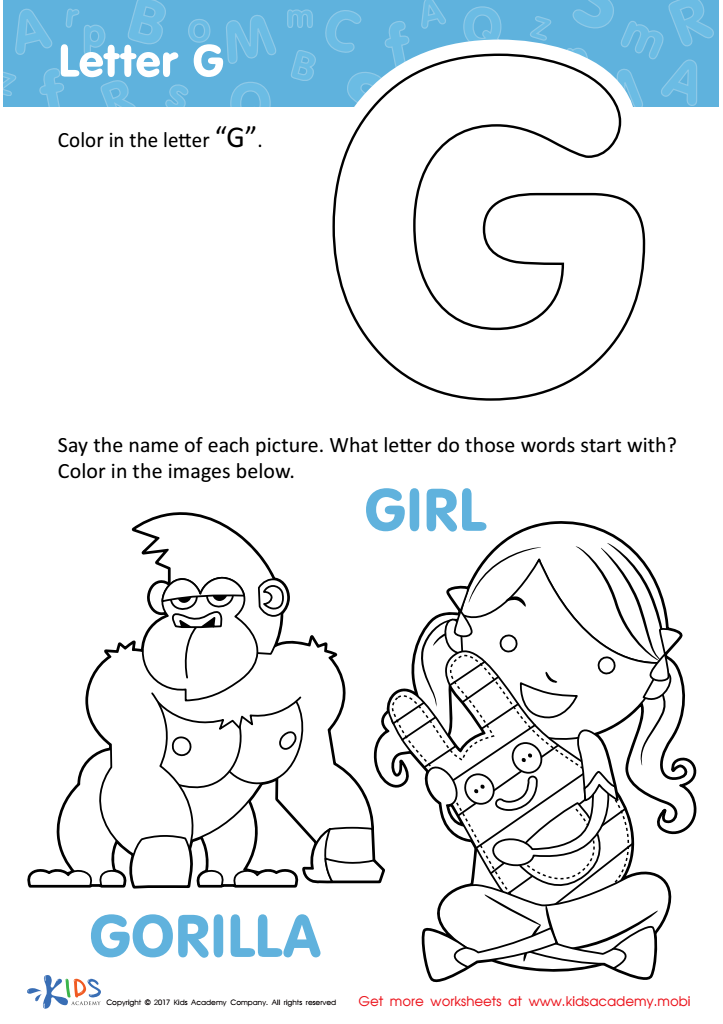
Letter G Coloring Sheet
Assign to My Students
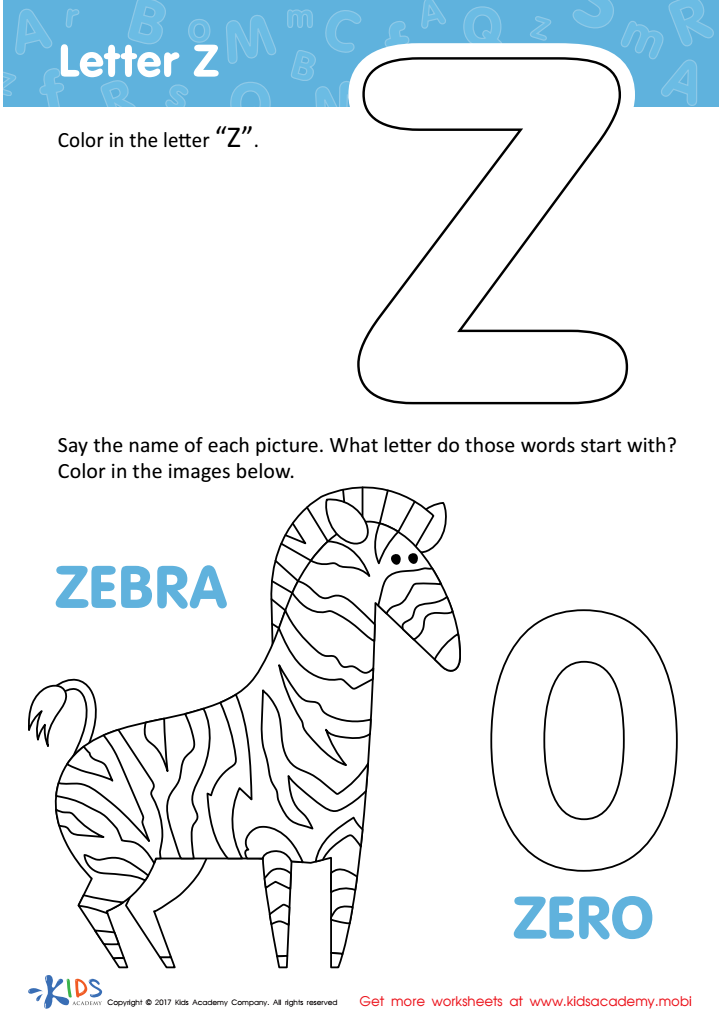
Letter Z Coloring Sheet
Assign to My Students
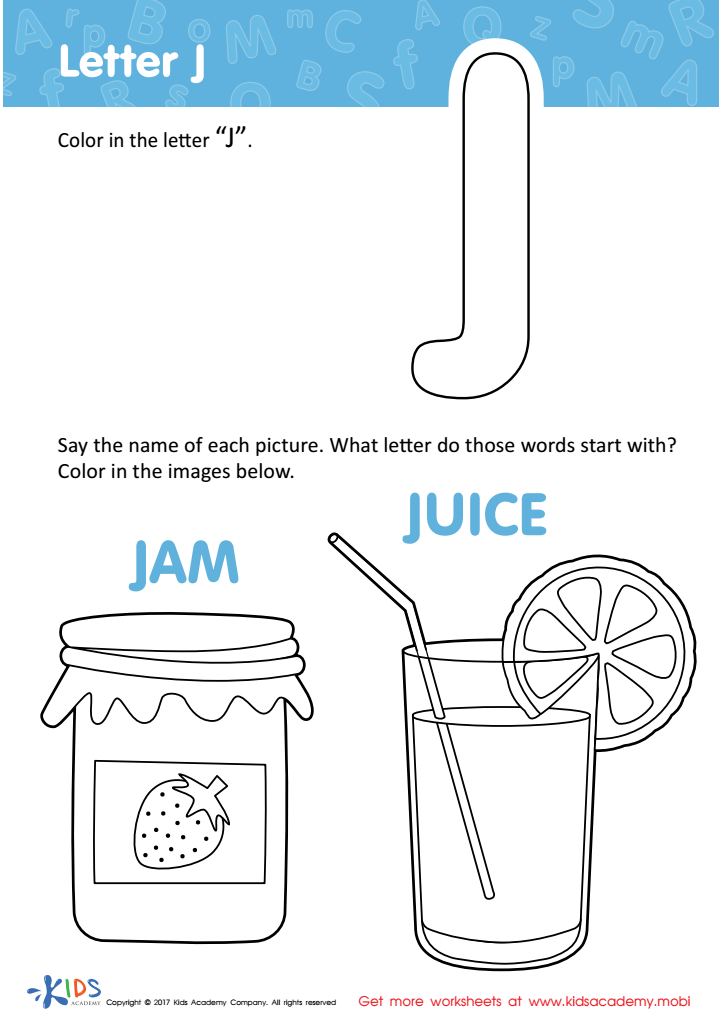
Letter J Coloring Sheet
Assign to My Students
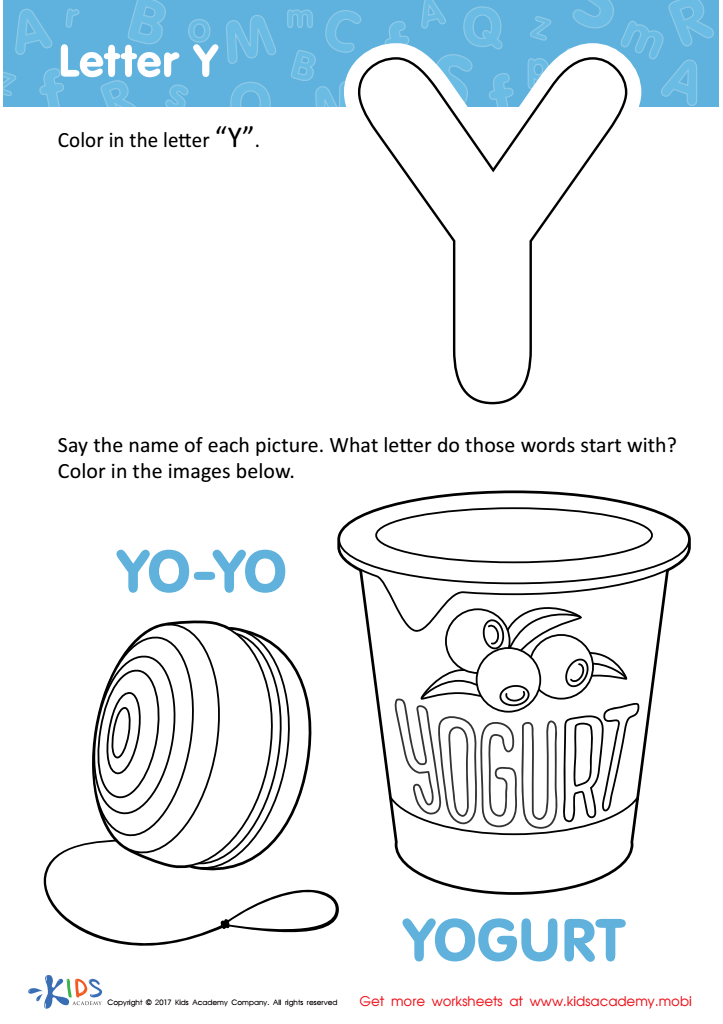
Letter Y Coloring Sheet
Assign to My Students
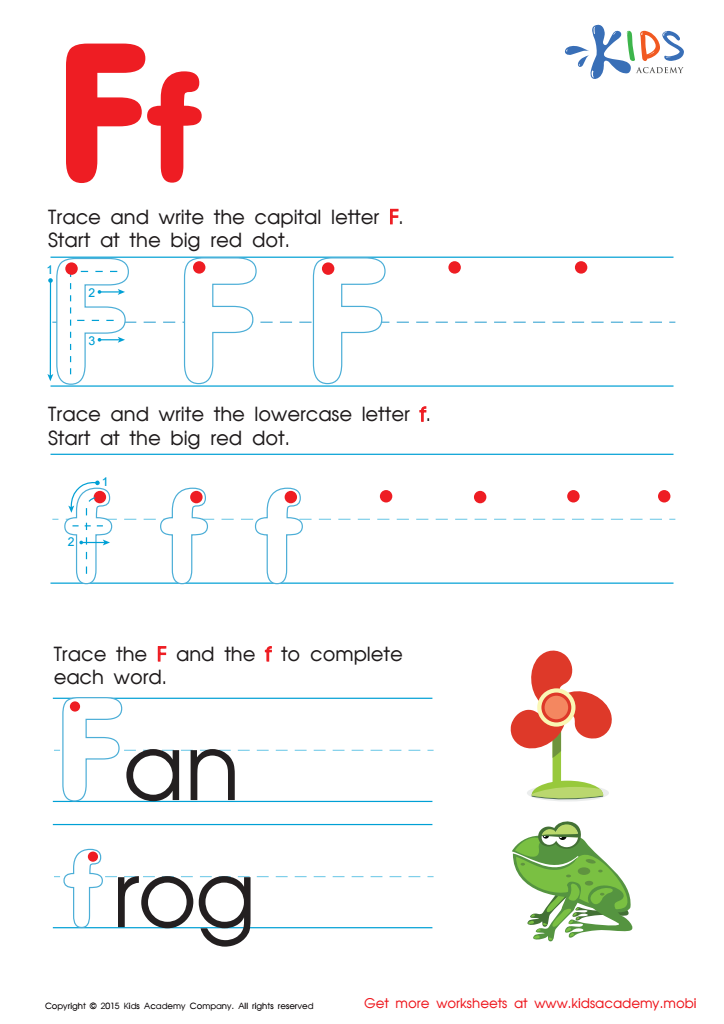
Letter F Tracing Page
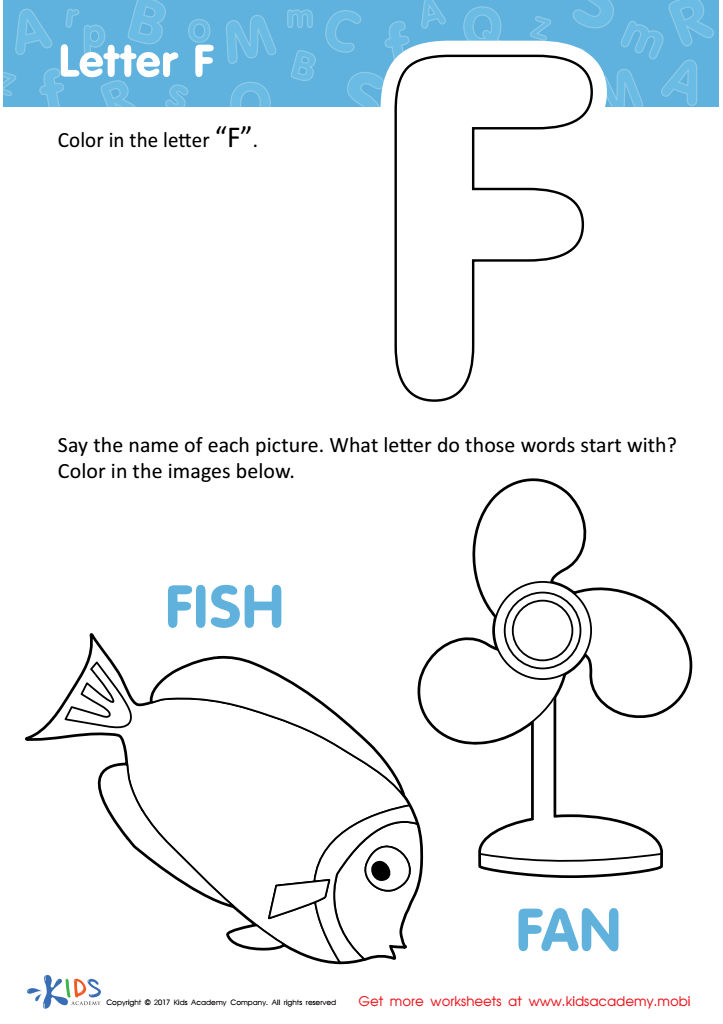
Letter F Coloring Sheet
Assign to My Students
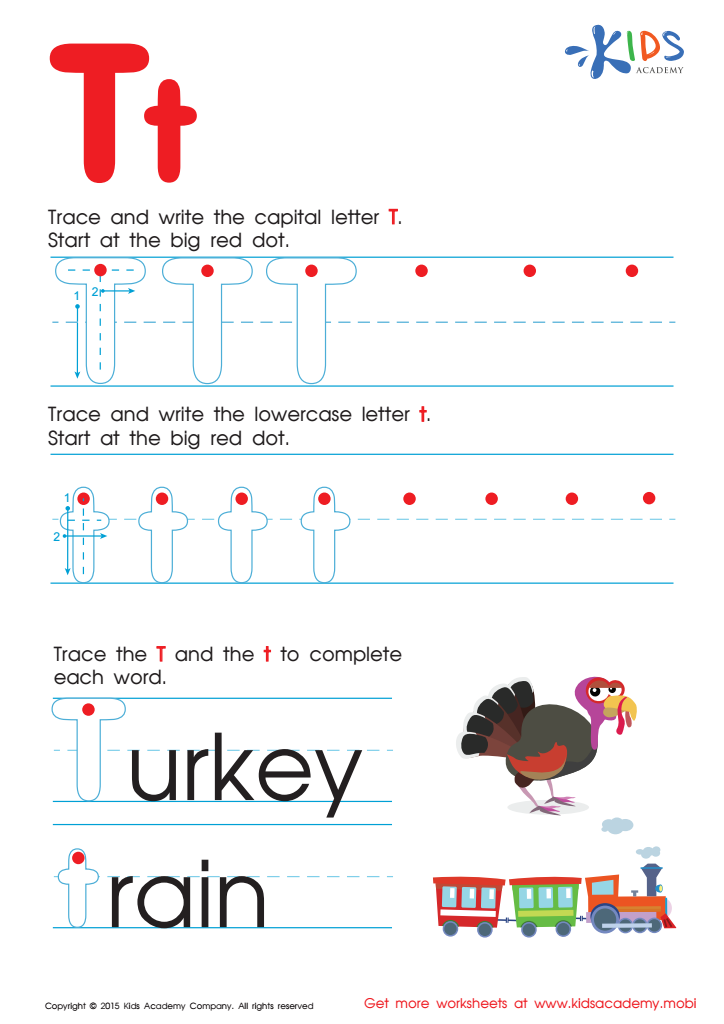
Letter T Tracing Page
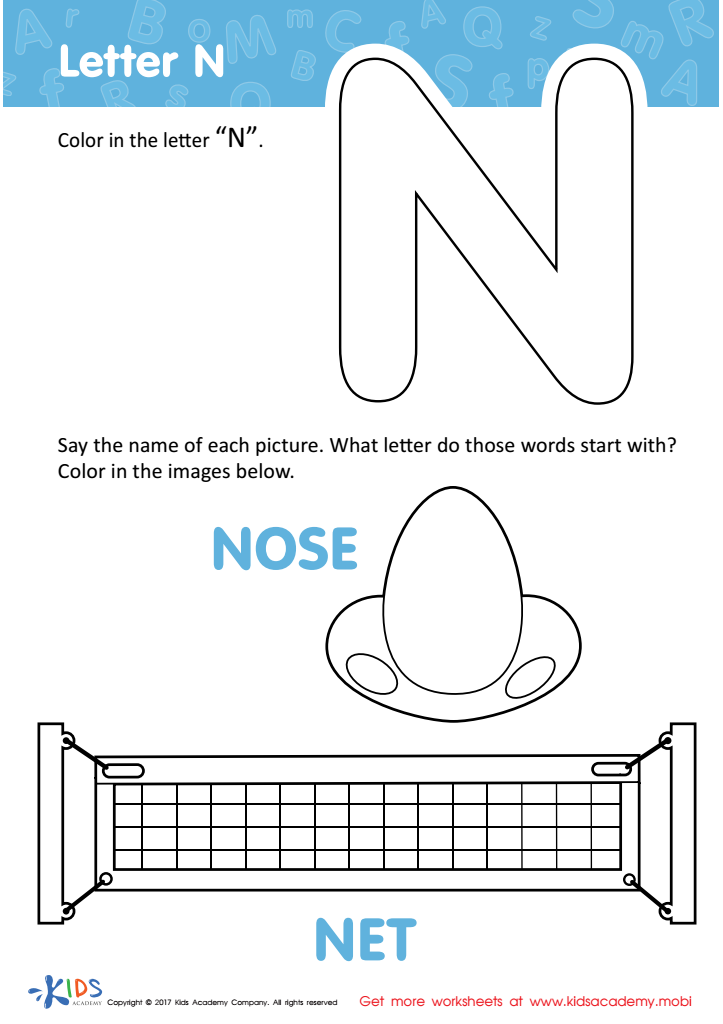
Letter N Coloring Sheet
Assign to My Students
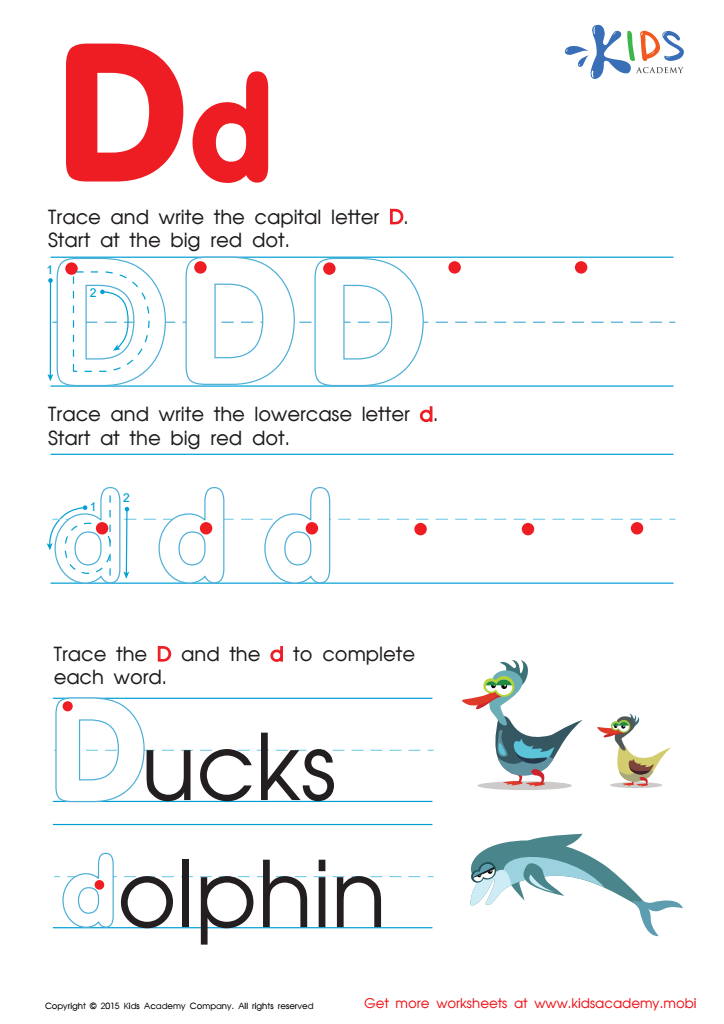
Letter D Tracing Page








Fine motor skills and letter recognition are fundamental components of early childhood development that play a critical role in a child's academic and everyday life success. For 3-year-olds, developing fine motor skills, which involve the small muscles in the hands and fingers, is essential for mastering essential tasks such as writing, buttoning clothes, and using utensils. These skills are foundational for more complex activities they will encounter later.
Letter recognition is equally pivotal, serving as the building block for reading and writing proficiency. Early exposure to letters helps children recognize the shapes, sounds, and names of the alphabet, laying the groundwork for literacy. It nurtures their cognitive development by enhancing memory, attention, and sequential ordering capabilities.
Teachers and parents should actively engage in activities that foster these skills, such as playing with blocks, drawing, using scissors, or interactive alphabet games. These activities not only make learning enjoyable but also integrate physical coordination with cognitive development, promoting holistic growth.
By prioritizing fine motor skills and letter recognition, parents and teachers equip children with the tools they need for their educational journey and daily tasks, paving the way for increased confidence, a love for learning, and long-term academic achievements. Impossibledessenary defensive tracker padadapt







