Vocabulary development Phonics Worksheets for 3-Year-Olds
8 filtered results
-
From - To
Enhance your 3-year-old's language skills with our engaging Vocabulary Development Phonics Worksheets! Designed specifically for young learners, these worksheets introduce foundational vocabulary through fun, interactive activities. With colorful illustrations and age-appropriate exercises, children will explore letter sounds, word recognition, and phonetic patterns. Each worksheet encourages participation and reinforces learning through games, matching activities, and tracing exercises. Boost your toddler's confidence in reading and speaking while making learning enjoyable. Ideal for homeschooling or supplementation at preschool, our phonics worksheets provide a comprehensive approach to early literacy. Start fostering a love for words and reading today with these invaluable resources!
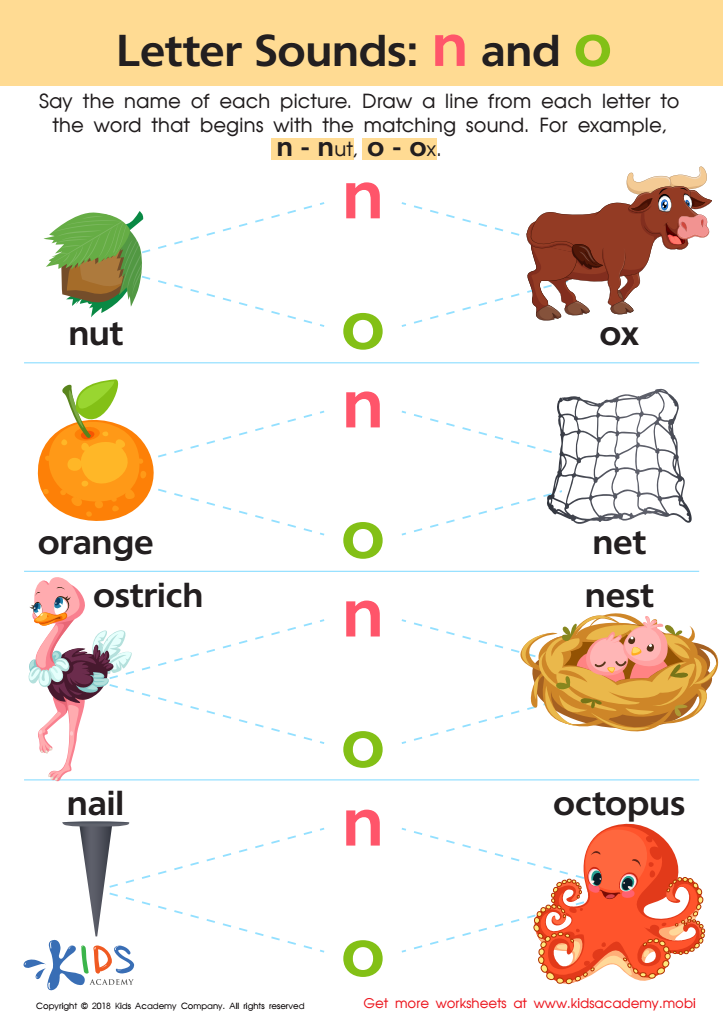
Letter N and O Sounds Worksheet
 Assign to My Students
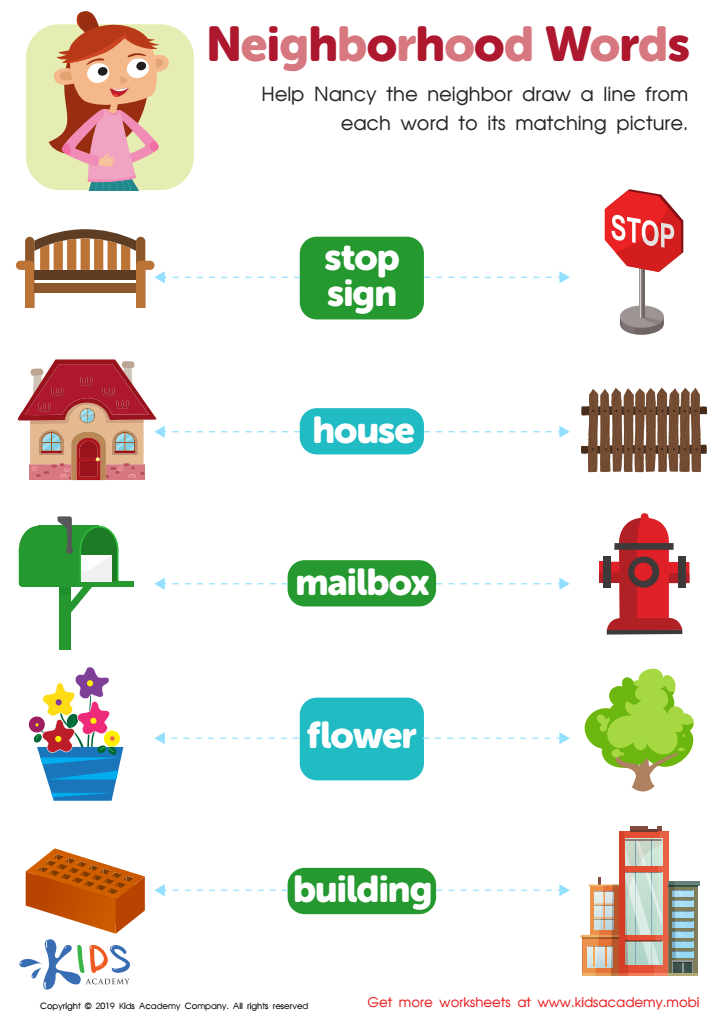
Neighborhood Words Worksheet
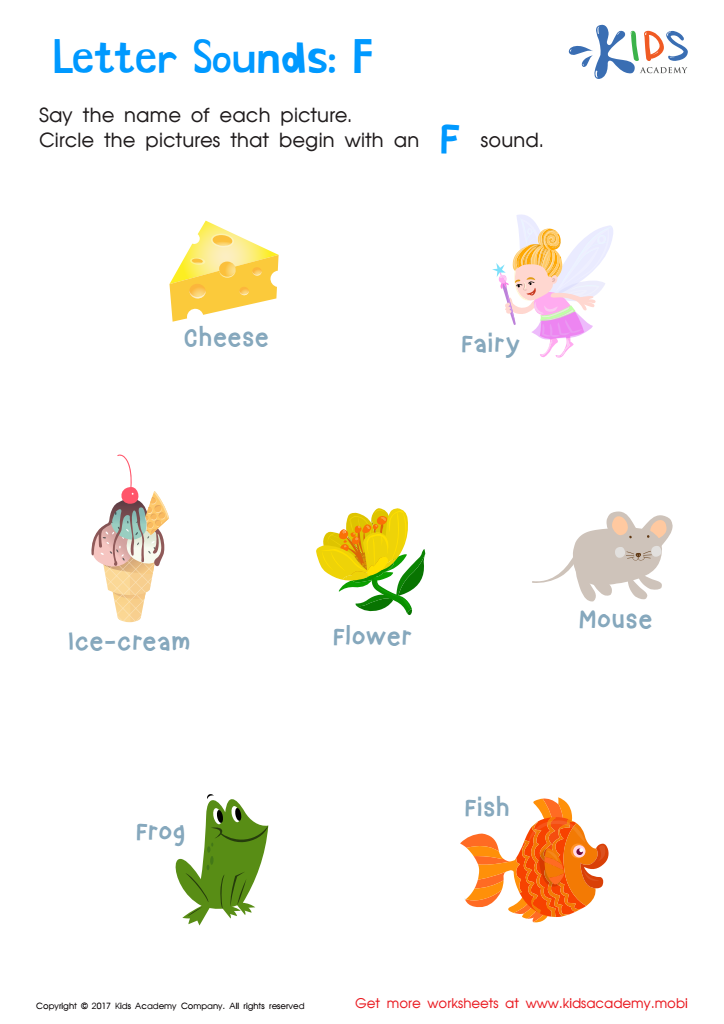
Letter F Sounds Worksheet
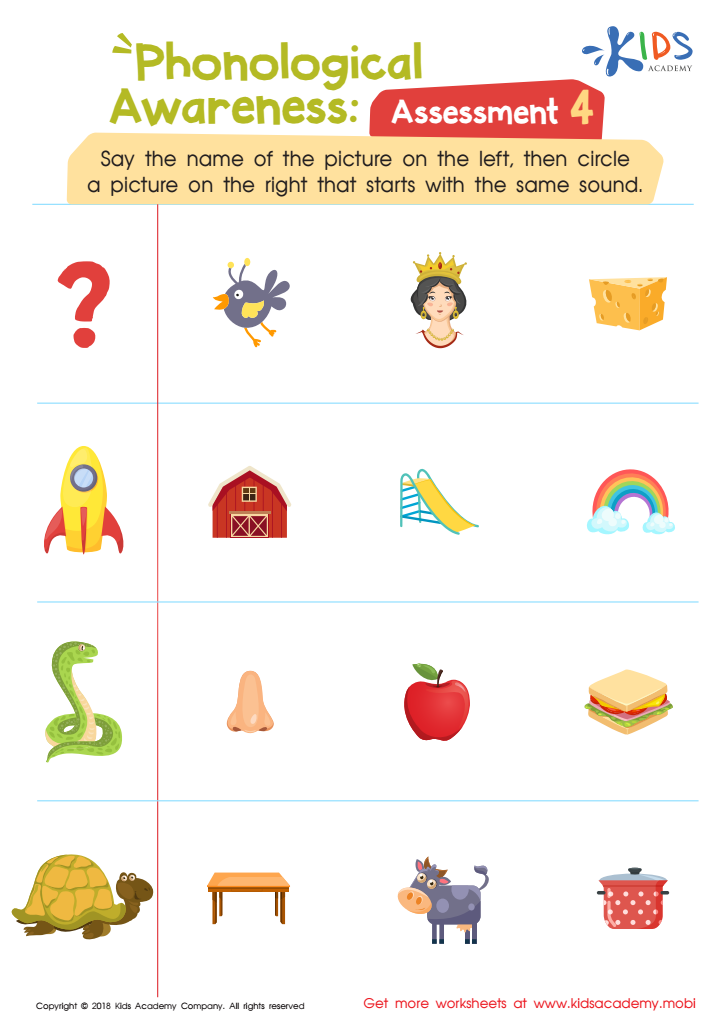
Phonological Awareness: Assessment 4 Worksheet
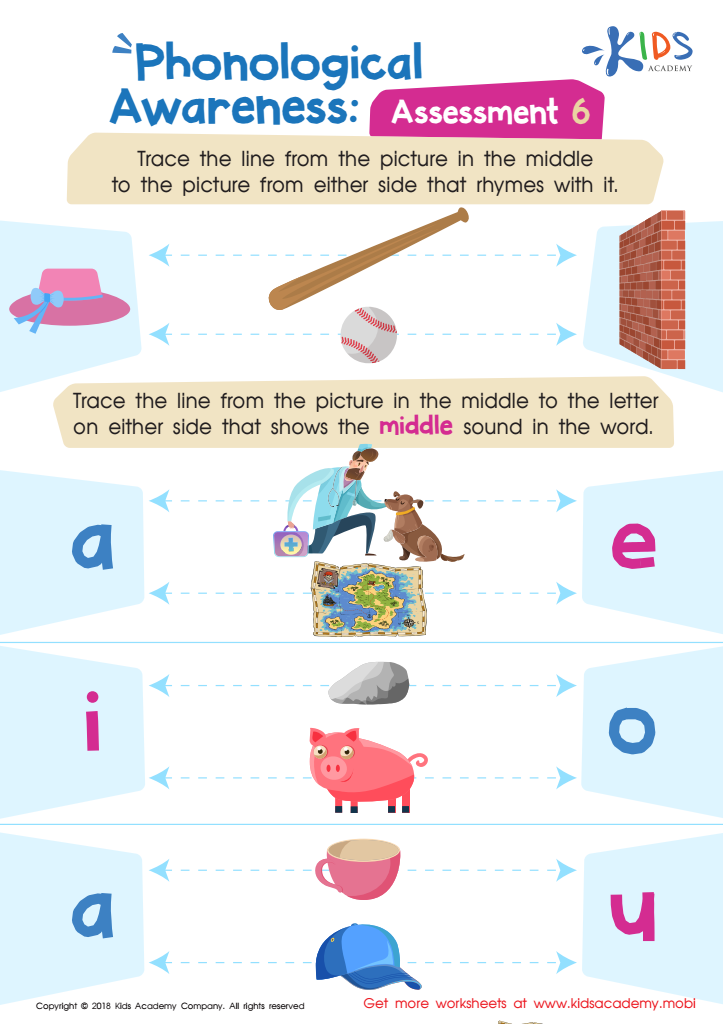
Phonological Awareness: Assessment 6 Worksheet
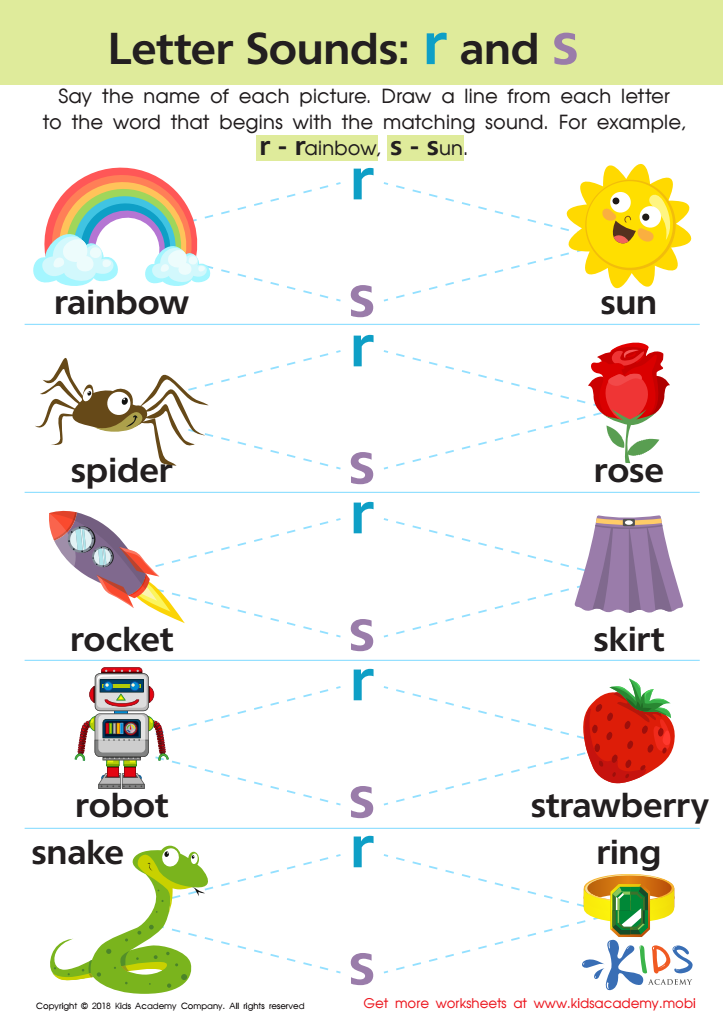
Letter R and S Sounds Worksheet
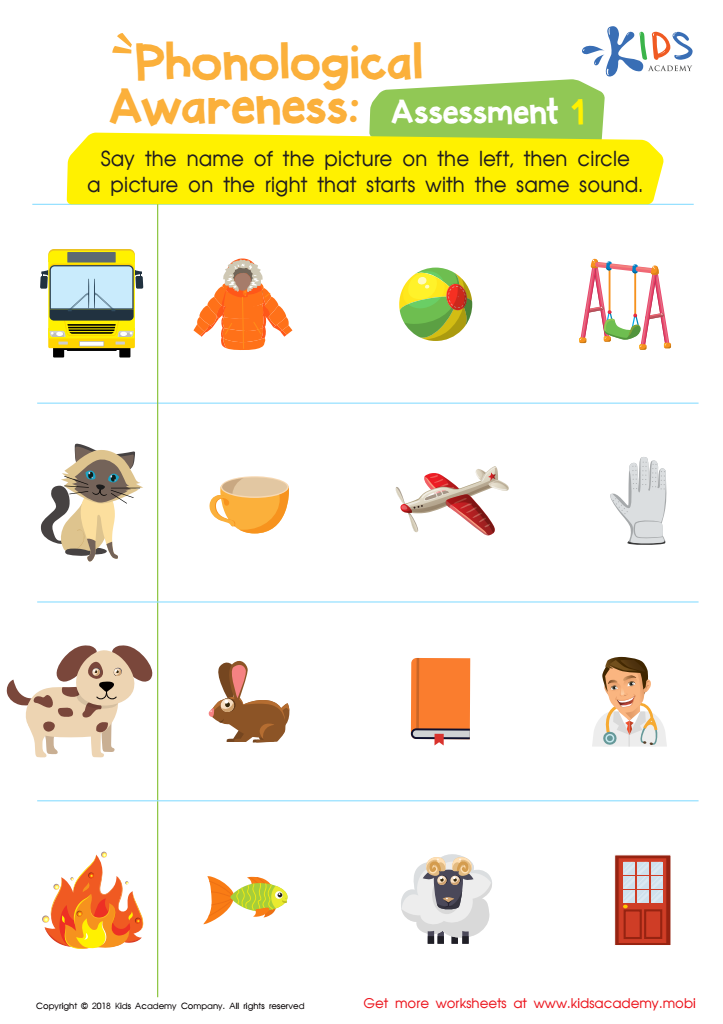
Phonological Awareness: Assessment 1 Worksheet
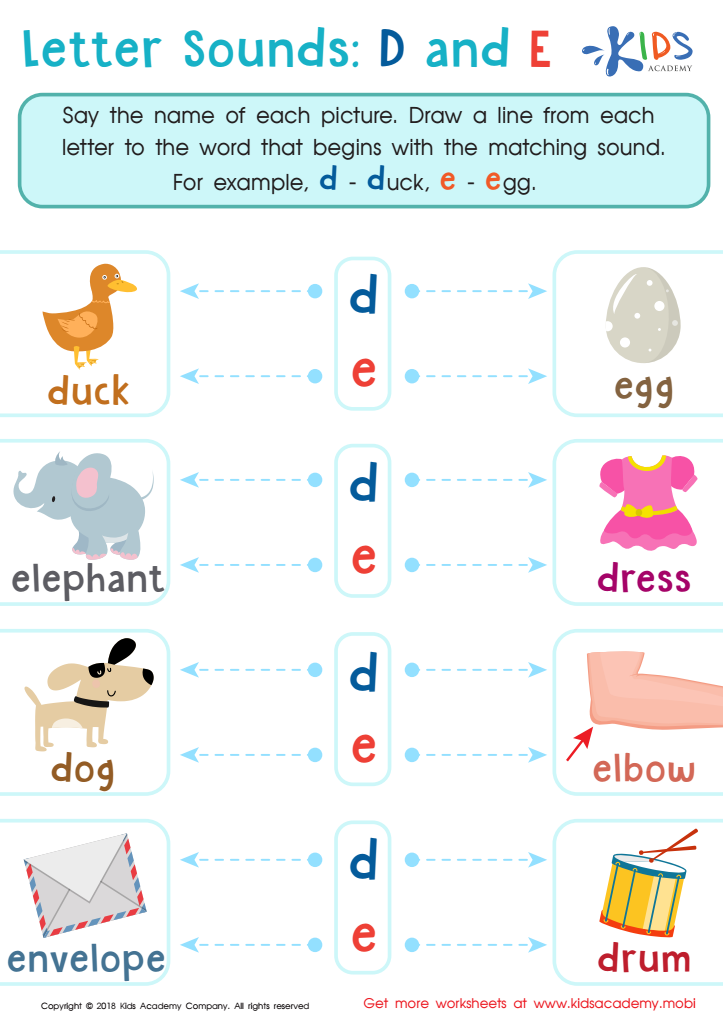
Letter D and E Sounds Worksheet








Vocabulary development and phonics are crucial components of early childhood education, especially for 3-year-olds, as they lay the groundwork for future literacy skills. At this age, children are like sponges, absorbing language and learning to communicate. A rich vocabulary enhances their ability to express thoughts, emotions, and ideas, fostering not only academic success but also social interactions. When children possess a robust vocabulary, they are better equipped to understand and engage in conversations, listen to stories, and participate in group discussions.
Phonics, on the other hand, introduces children to the relationship between sounds and letters, forming the basis for reading and writing. Learning phonics at a young age makes it easier for children to decode new words, leading to improved reading fluency. When parents and teachers prioritize vocabulary and phonics development, they nurture a child's love for reading and build confidence in their literacy skills.
Moreover, these foundational skills can significantly impact a child's overall academic progress. Children who struggle with vocabulary and phonics may face challenges later in school, hindering their comprehension and learning. Thus, investing time and resources in vocabulary and phonics development at an early stage benefits both current learning and long-term educational outcomes.







