Phonics Skills Short Vowels Worksheets for 3-Year-Olds
4 filtered results
-
From - To
Enhance your 3-year-old's literacy foundation with our engaging Phonics Skills Short Vowels Worksheets! Designed specifically for young learners, these fun and interactive worksheets help children grasp the concept of short vowel sounds through enjoyable activities. Each worksheet encourages phonetic awareness and strengthens decoding skills, making learning both effective and entertaining. Your little one will practice recognizing short vowels in various words, improving their reading readiness. With colorful illustrations and age-appropriate tasks, these worksheets foster curiosity and a love for learning. Equip your child with essential phonics skills to support their early academic journey today! Explore our delightful resources now!
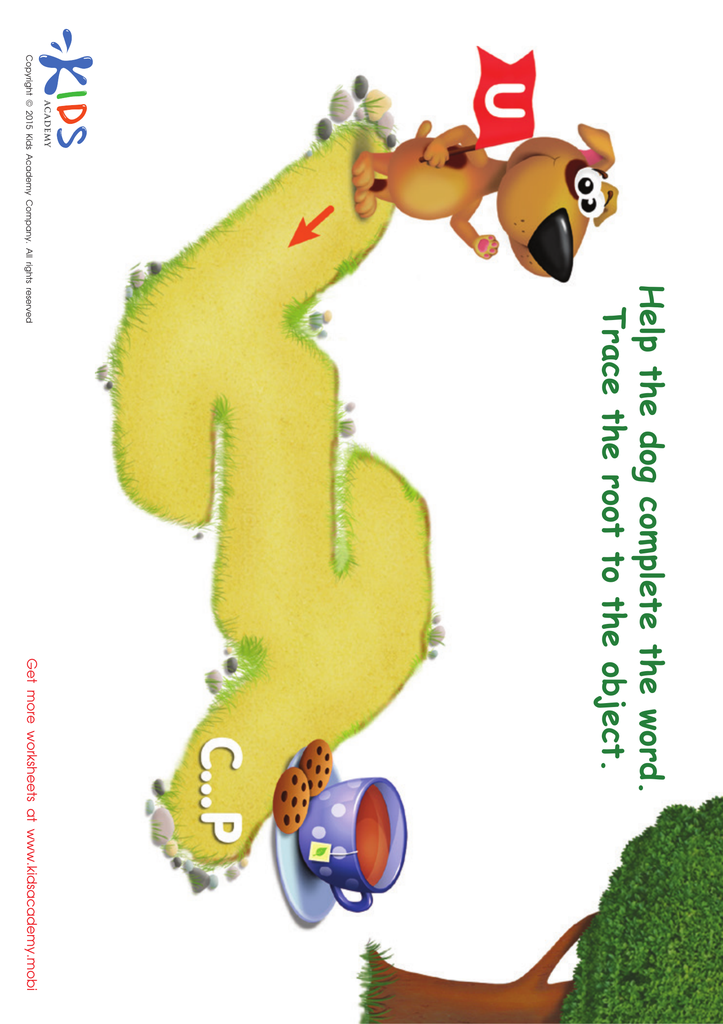
Short Vowel Sound U Worksheet Worksheet
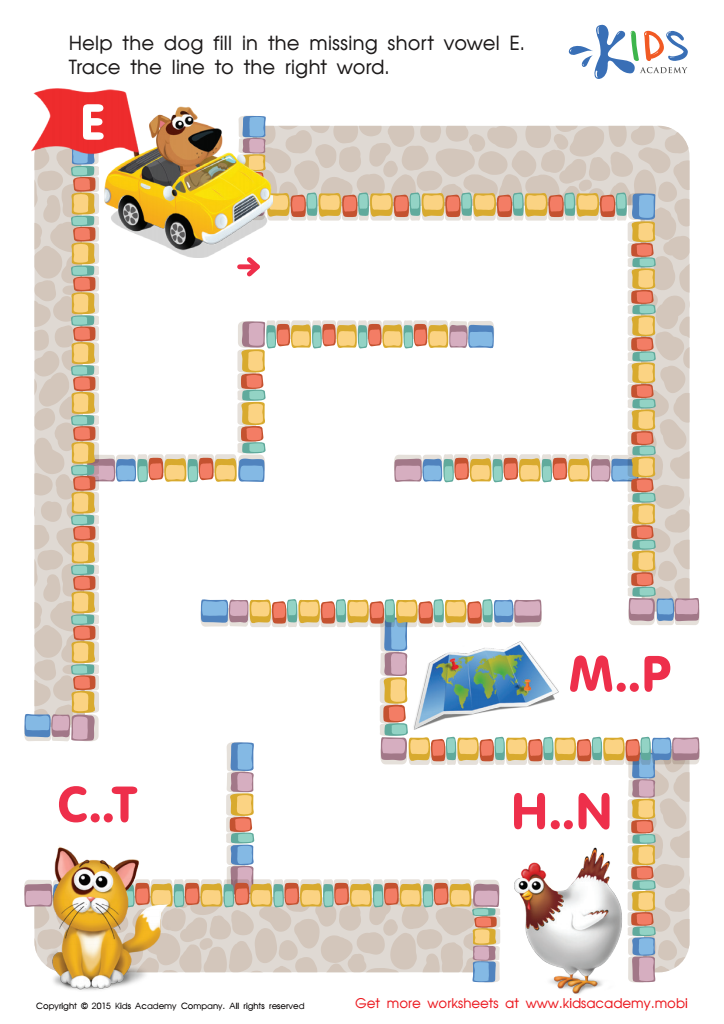
Short Vowel Sound E Worksheet
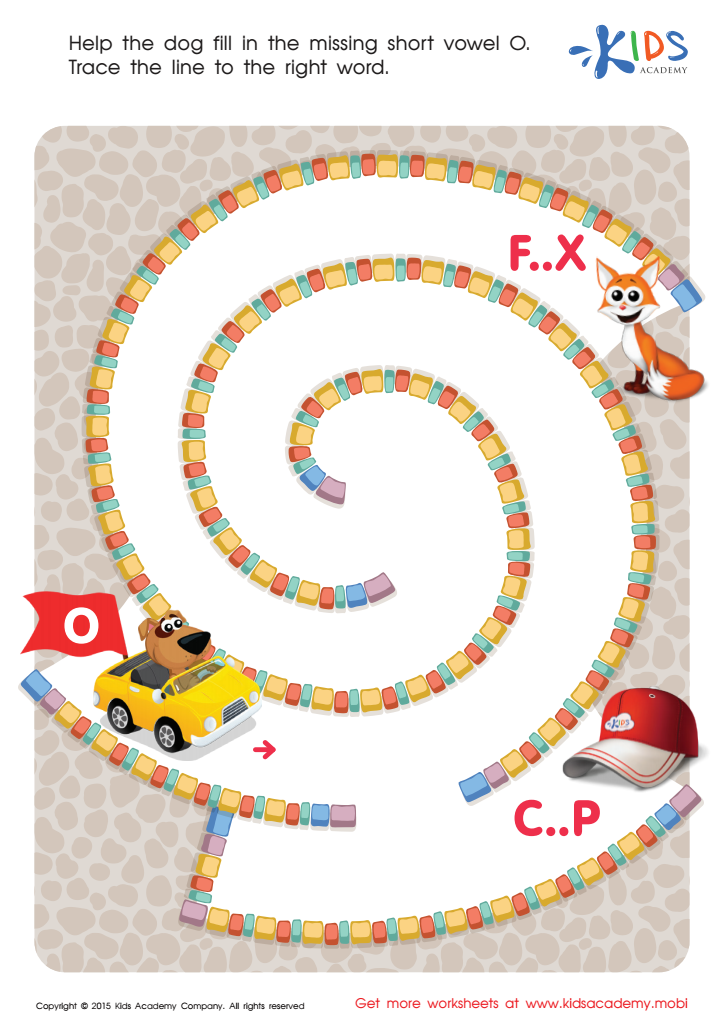
Short Vowel Sound O Worksheet
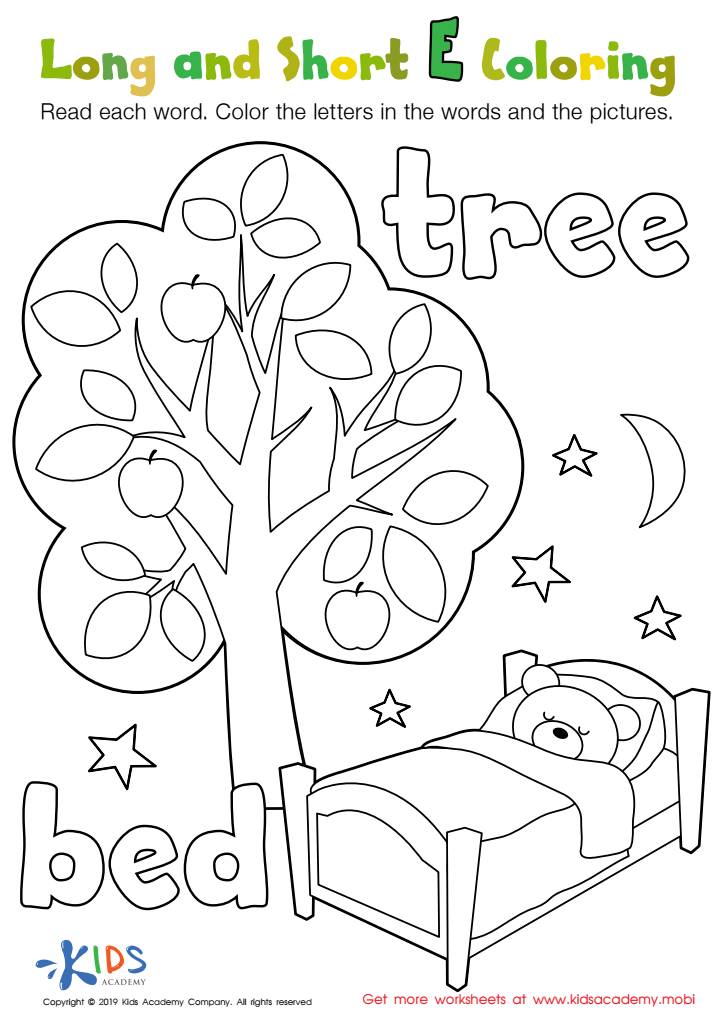
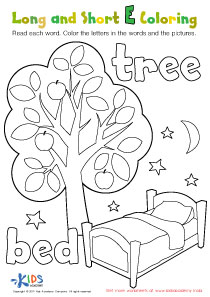
Long and Short E Worksheet
 Assign to My Students



Phonics skills, particularly short vowel sounds, are fundamental for early literacy development in three-year-olds. These skills lay the groundwork for reading and language comprehension, as understanding vowel sounds is crucial for decoding words. Teaching short vowels—like "a," "e," "i," "o," and "u"—helps children recognize and represent sounds, thereby enhancing their ability to sound out words.
Parents and teachers should care because early education in phonics supports children's overall linguistic abilities, improves their vocabulary, and boosts confidence in communication. Children who grasp short vowel sounds are better equipped to progress toward full reading and writing skills as they advance in school. Moreover, activities centered around short vowels can be both fun and engaging, incorporating games, songs, or interactive storytelling that keep young learners interested.
Incorporating phonics education into daily routines fosters a positive attitude towards learning, making literacy a natural and enjoyable journey. Fostering these vital skills at such an early age not only provides a strong educational foundation but also encourages a lifelong love for reading and exploration. By focusing on phonics skills early, parents and teachers play an instrumental role in nurturing proficient, confident readers for the future.