Handwriting Skills Tracing Letters Worksheets for 3-Year-Olds
9 filtered results
-
From - To
Boost your child's early writing abilities with our Handwriting Skills Tracing Letters Worksheets tailored for 3-year-olds. Designed with adorable and engaging illustrations, these worksheets make learning fun and effective. They focus on improving fine motor skills, hand-eye coordination, and letter recognition. Perfect for preschoolers, the structured tracing activities help little ones develop confidence in their writing abilities. Each worksheet encourages practice through repetition, transforming learning into an enjoyable experience. Our printable resources are ideal for both parents and teachers seeking to lay a strong foundation for future educational success. Begin your child's handwriting journey today!
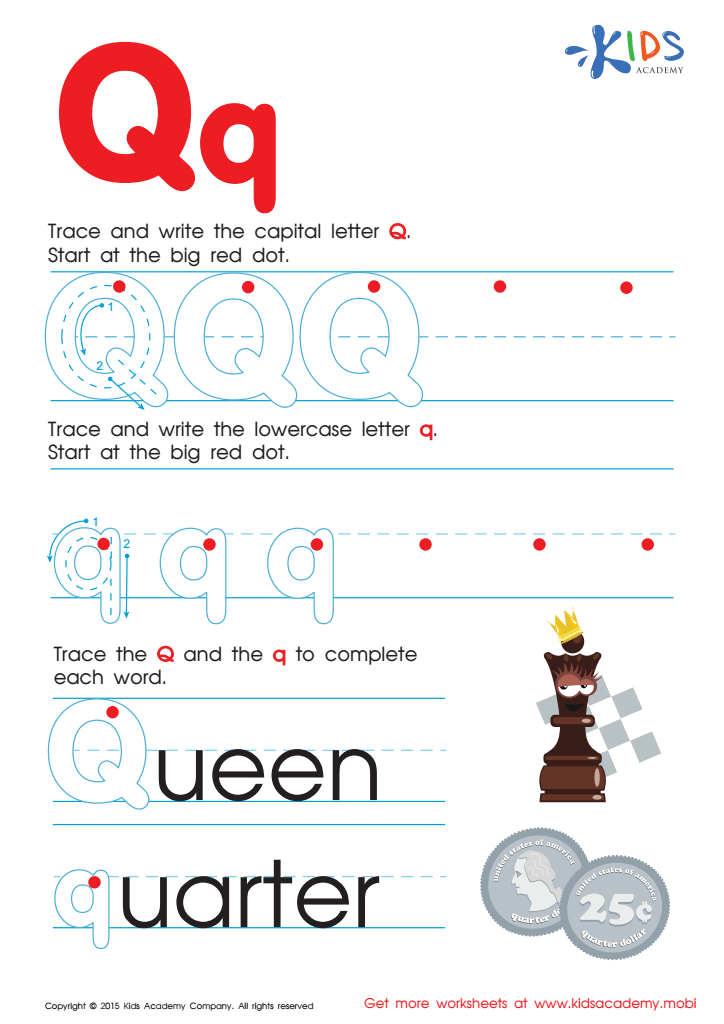
Letter Q Tracing Page
 Assign to My Students
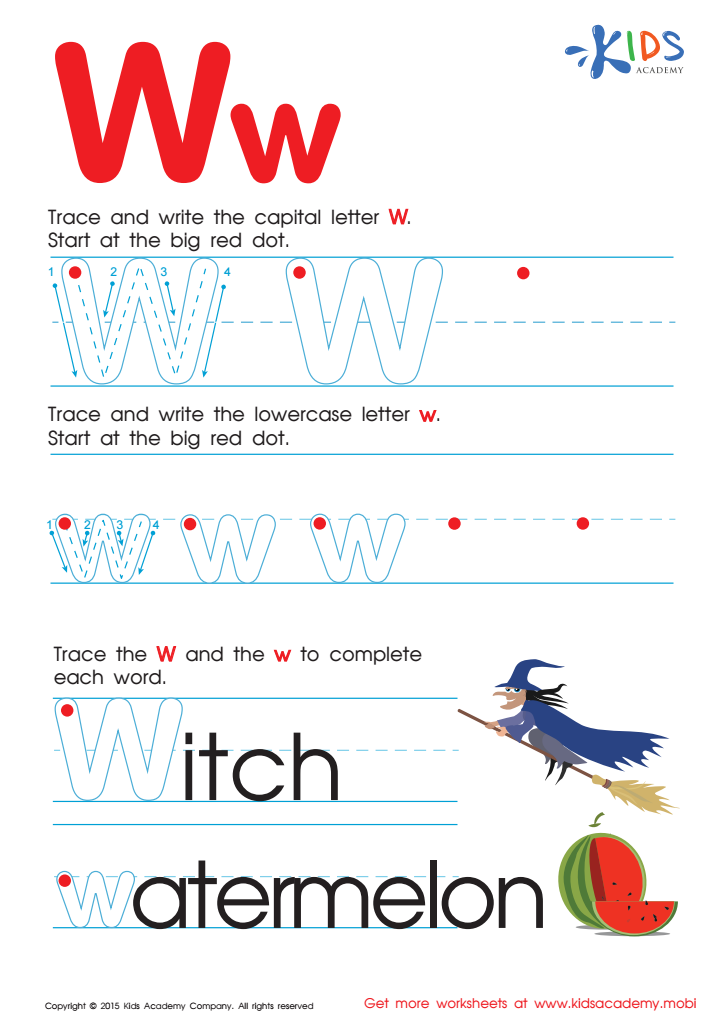
Letter W Tracing Page
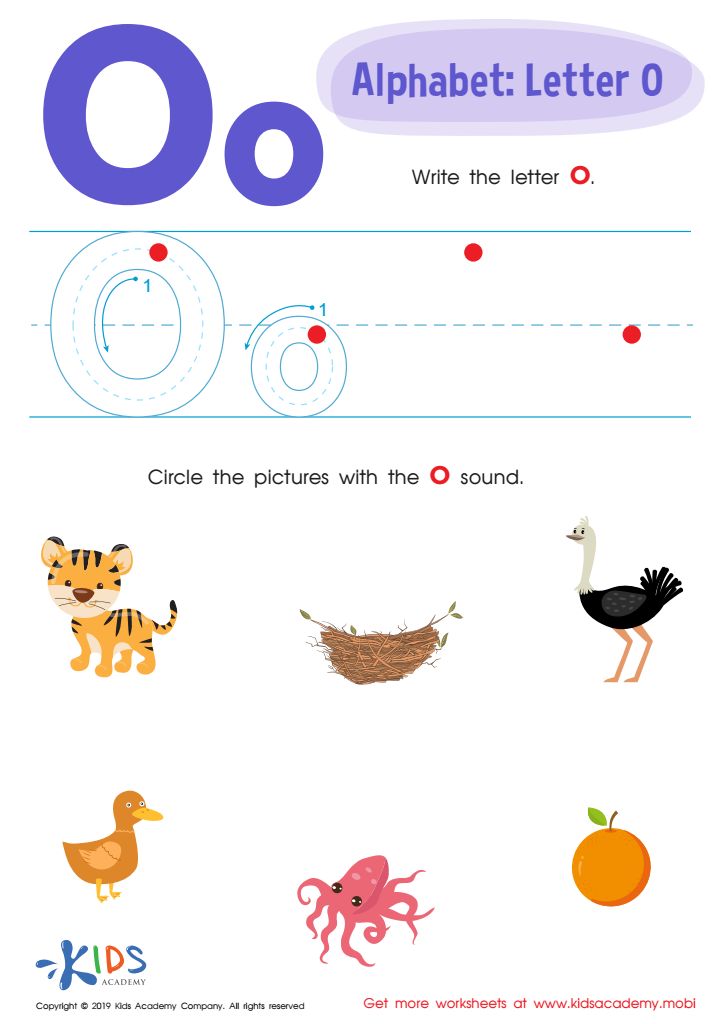
Letter O Tracing Worksheet
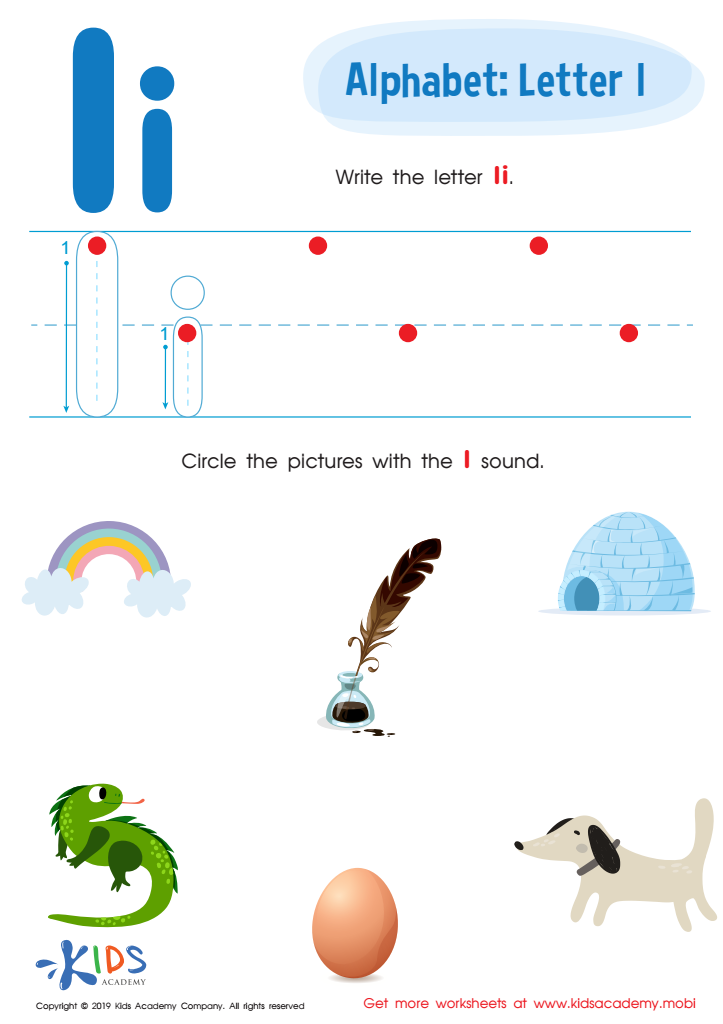
Letter I Tracing Worksheet
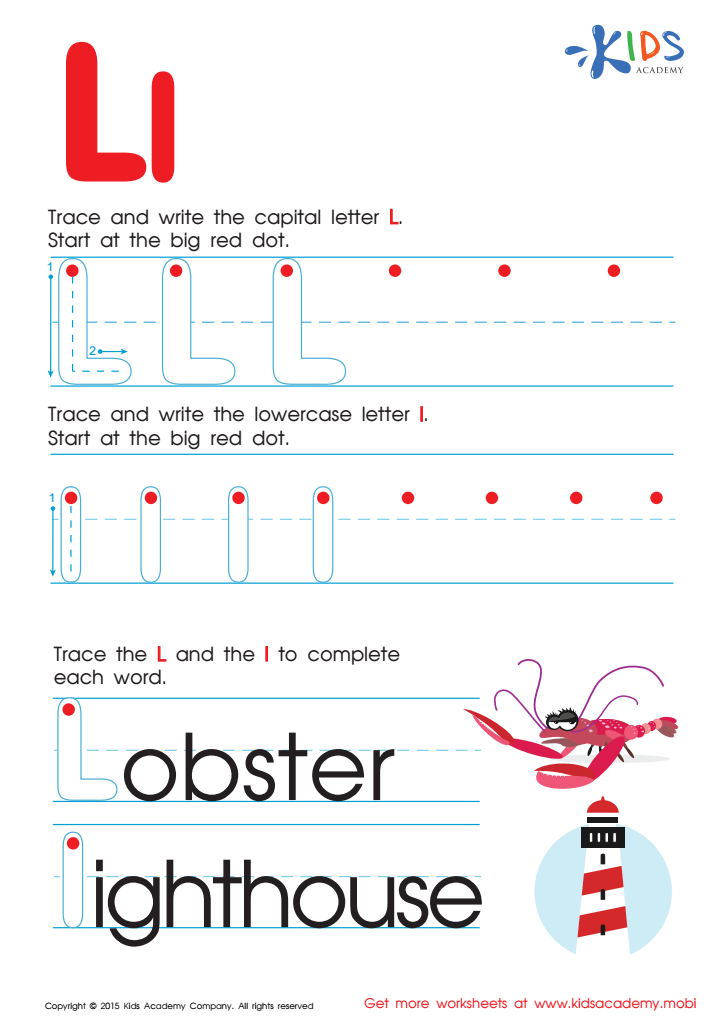
Letter L Tracing Page
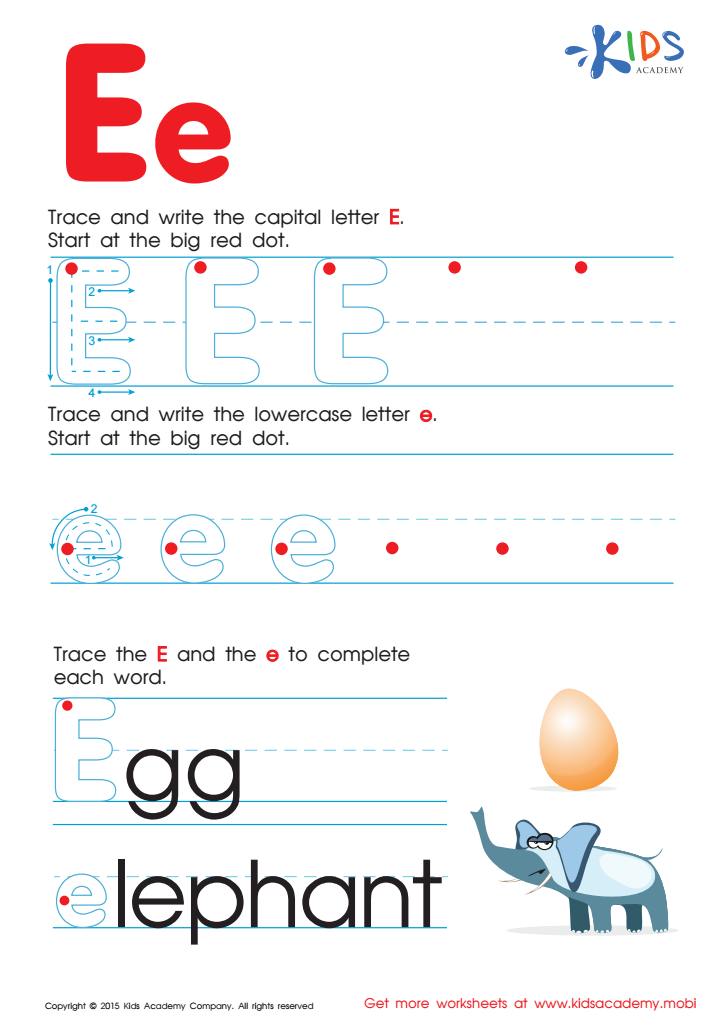
Letter E Tracing Page
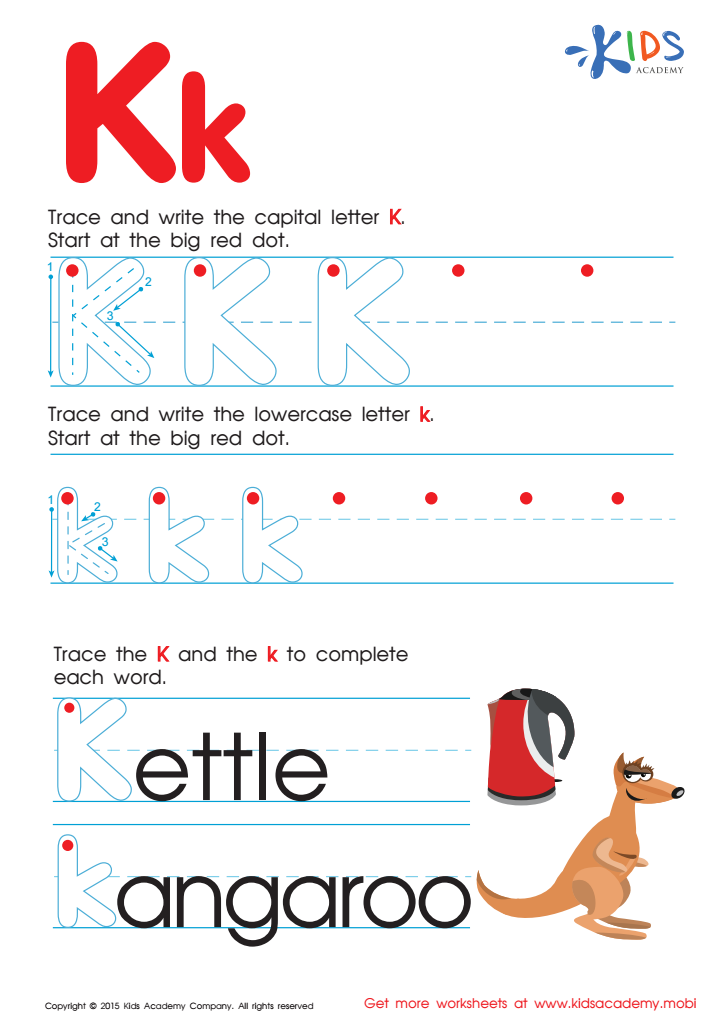
Letter K Tracing Page
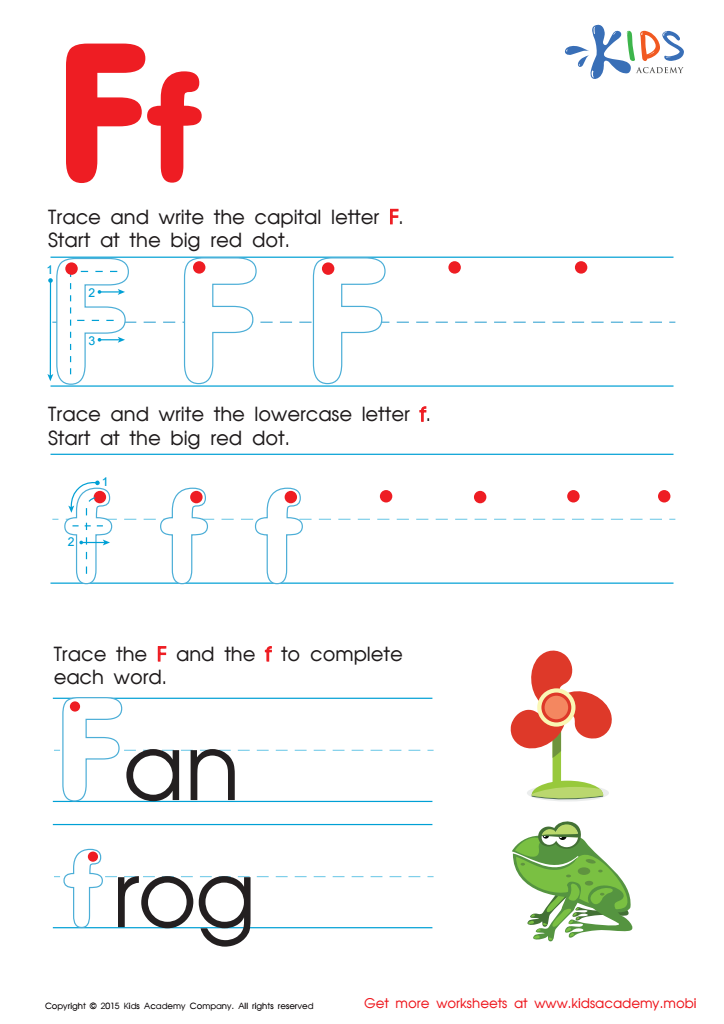
Letter F Tracing Page
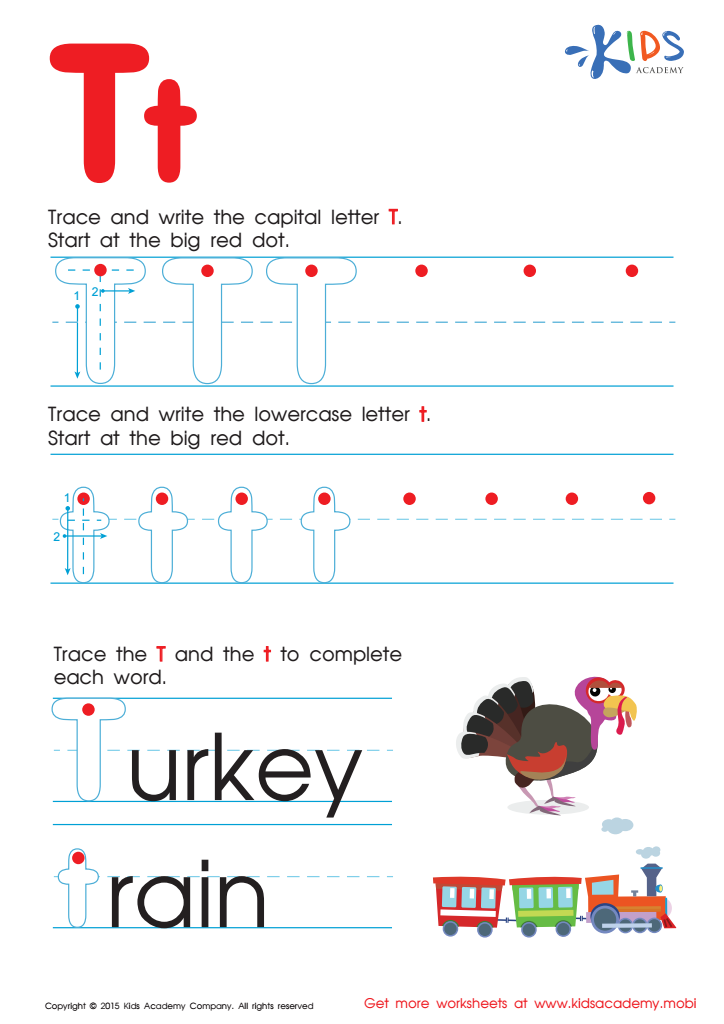
Letter T Tracing Page








Handwriting skills tracing letters in 3-year-olds is an essential activity that significantly contributes to their development. During the early years, the brain is highly receptive to new information and skills. Tracing letters helps in honing fine motor skills, as children learn to control their hand movements and develop the necessary muscle strength and coordination. This lays a foundational block for writing abilities they will need throughout their school years.
Early exposure to tracing also enhances cognitive development. Children become familiar with the shapes and sounds of letters, which is a precursor to phonemic awareness, an essential skill for reading. Additionally, the act of tracing letters supports their memory retention abilities, aiding their ability to recall and recognize letters more efficiently.
Furthermore, the emotional benefits are noteworthy. Success in tracing can boost a child’s confidence, thereby fostering a positive attitude towards learning. This practice also encourages patience, focus, and perseverance, values that are crucial throughout life.
Parents and teachers play a vital role in this developmental phase. By providing structured and enjoyable tracing activities, they are not just facilitating early literacy but also encouraging a holistic development of motor, cognitive, and emotional skills in their young learners.








