Color recognition Plants Worksheets for 3-Year-Olds
5 filtered results
-
From - To
Introduce your little ones to the vibrant world of plants with our engaging Color Recognition Plants Worksheets designed specifically for 3-year-olds. These fun, interactive worksheets provide a playful way for young learners to explore colors while discovering various plants. Featuring delightful illustrations, each worksheet encourages kids to recognize and identify different colors through coloring activities, fostering creativity and coordination. Perfect for parents and teachers, our worksheets combine education with entertainment, ensuring your child develops essential color recognition skills. Start nurturing early learning today with these colorful resources that promote both curiosity and a love for nature!
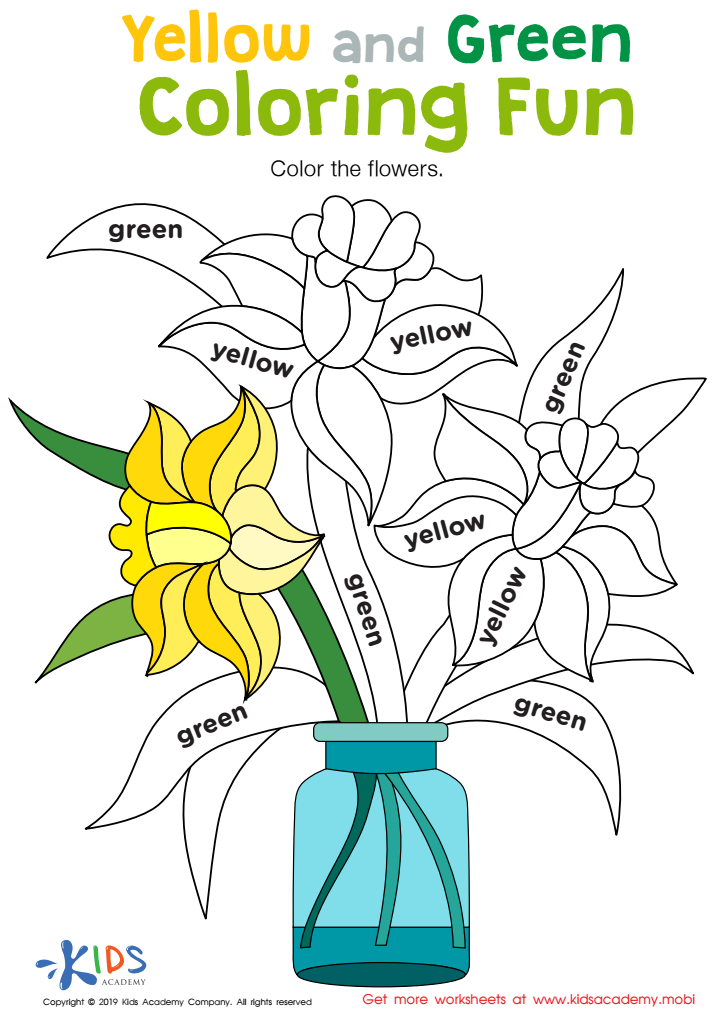
Yellow and Green Coloring Fun Worksheet
 Assign to My Students

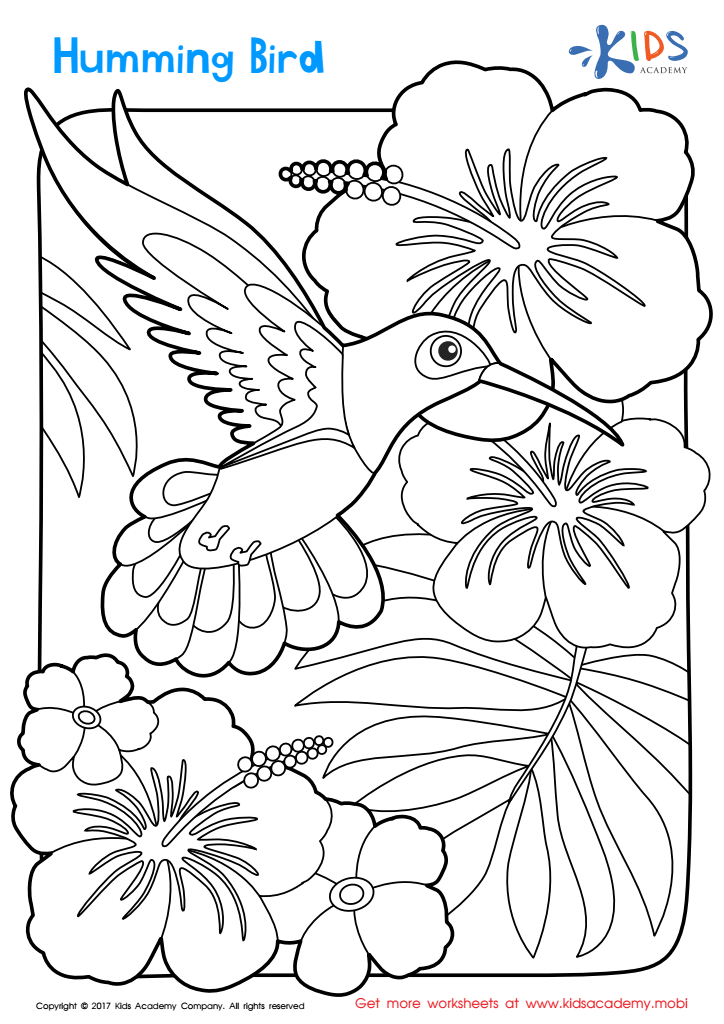
Humming Bird Worksheet
Assign to My Students
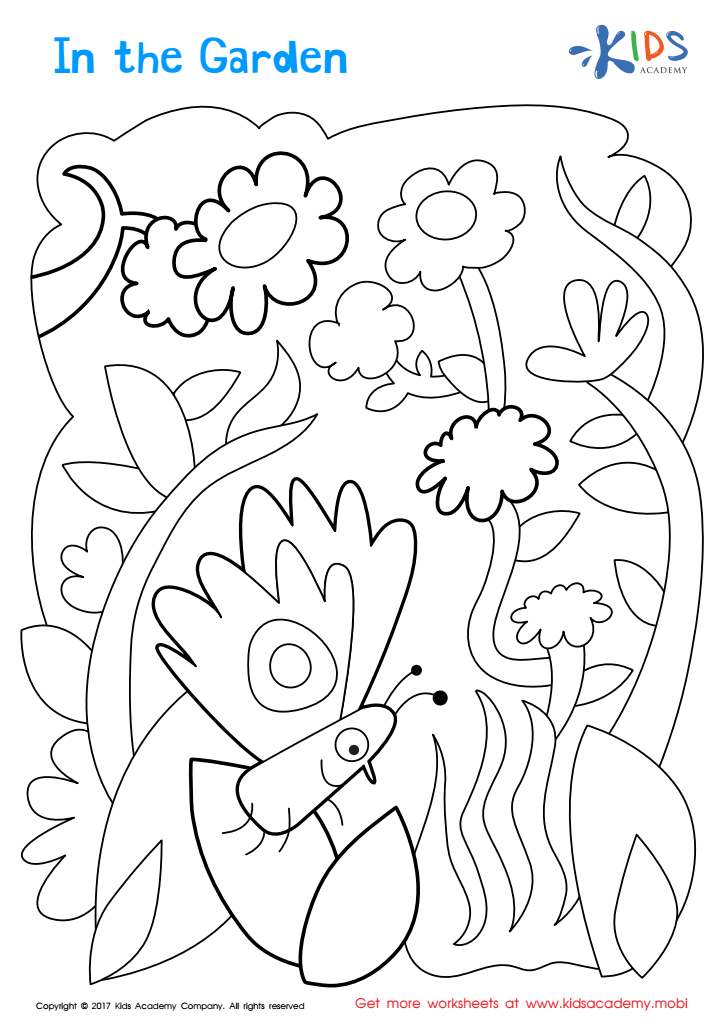
In The Garden Coloring Page
Assign to My Students
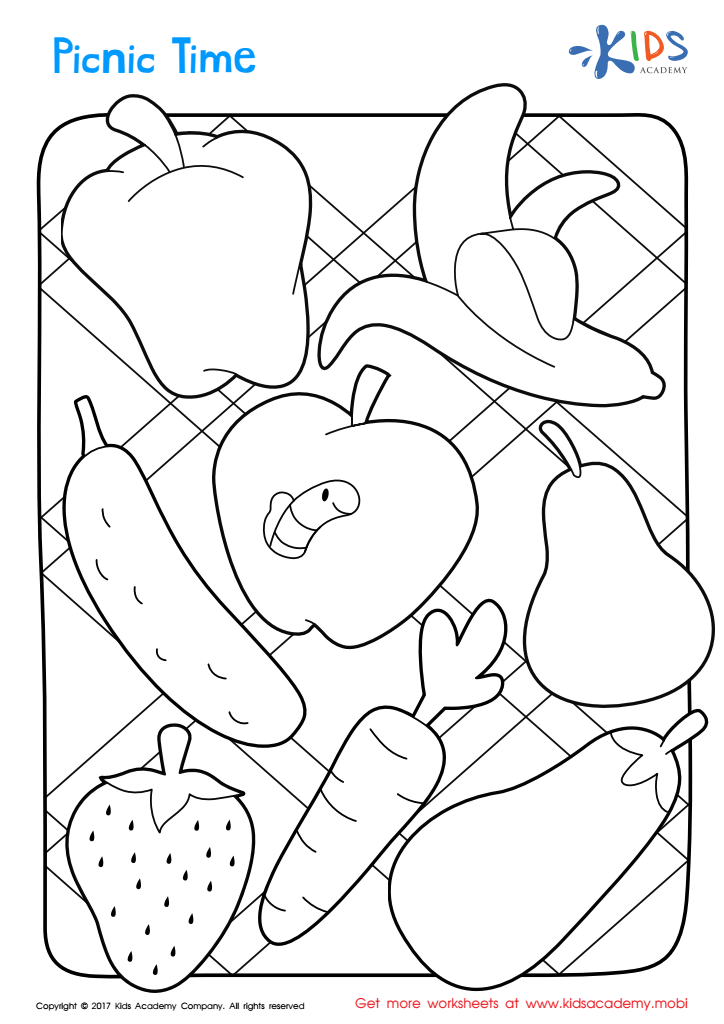
Picnic Time Coloring Page
Assign to My Students
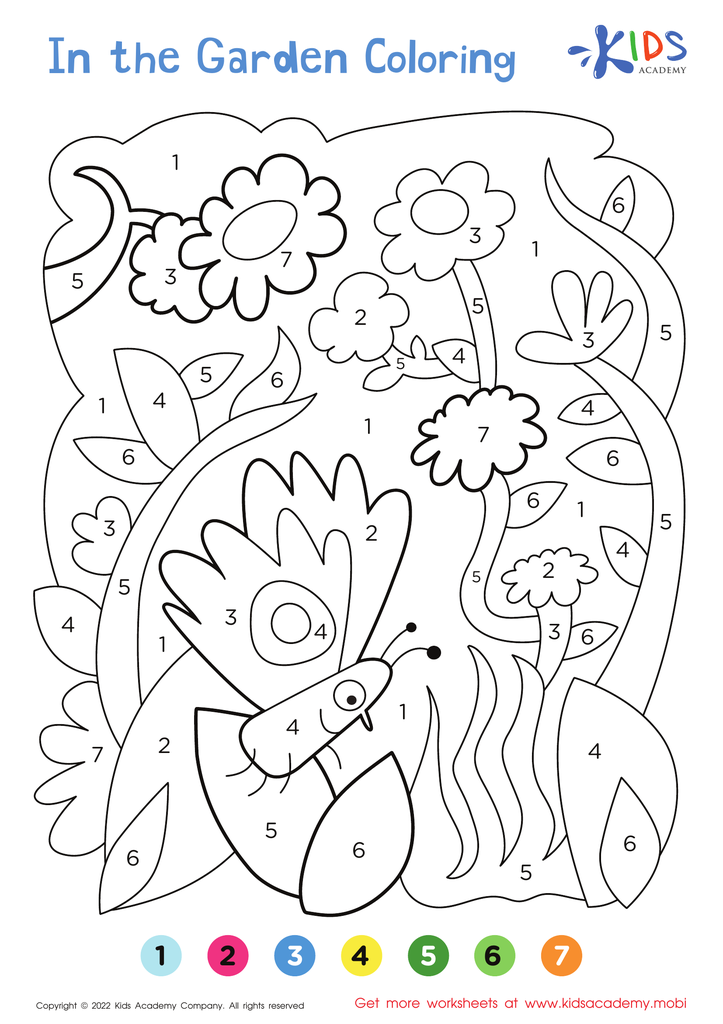
In the Garden – Coloring by Numbers







Color recognition is a fundamental skill for young children, and incorporating it into activities involving plants can be particularly beneficial for three-year-olds. Engaging with plants not only aids in the recognition of colors but also promotes sensory development, curiosity, and appreciation for nature. Teaching children to identify different plant colors—such as the vibrant green of leaves, the bright hues of flowers, or the earthy browns of soil—enhances their observational skills and enriches their vocabulary.
Additionally, exploring plants helps children understand the natural world. Color recognition can serve as a gateway to broader learning experiences, such as discussions about environments, seasons, and the importance of plants in our ecosystem. It encourages hands-on exploration through gardening activities, which can foster fine motor skills as they touch and manipulate different plant materials.
The social aspect is also significant; activities centered around plants can encourage collaboration and communication, as children work together or discuss their findings with peers and adults. Thus, by emphasizing color recognition in the context of plants, parents and teachers can enrich early childhood education and ensure holistic development while instilling a lifelong love for nature.