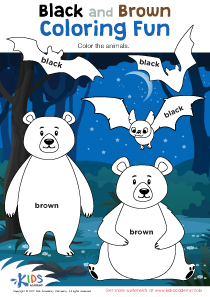
Fine Motor Skills English for Beginners Worksheets for 3-Year-Olds
61 filtered results
-
From - To
Our "Fine Motor Skills English for Beginners Worksheets for 3-Year-Olds" are designed to support young learners in developing essential fine motor skills while learning basic English. These engaging and fun-filled activities, including tracing, drawing, and simple puzzles, help children improve hand-eye coordination, dexterity, and language skills. Crafted by early education experts, the worksheets are perfect for home or classroom use, providing a balanced mix of learning and play. Ideal for young beginners, these resources foster essential foundational skills to pave the way for successful literacy development. Download now and watch your child's skills blossom!
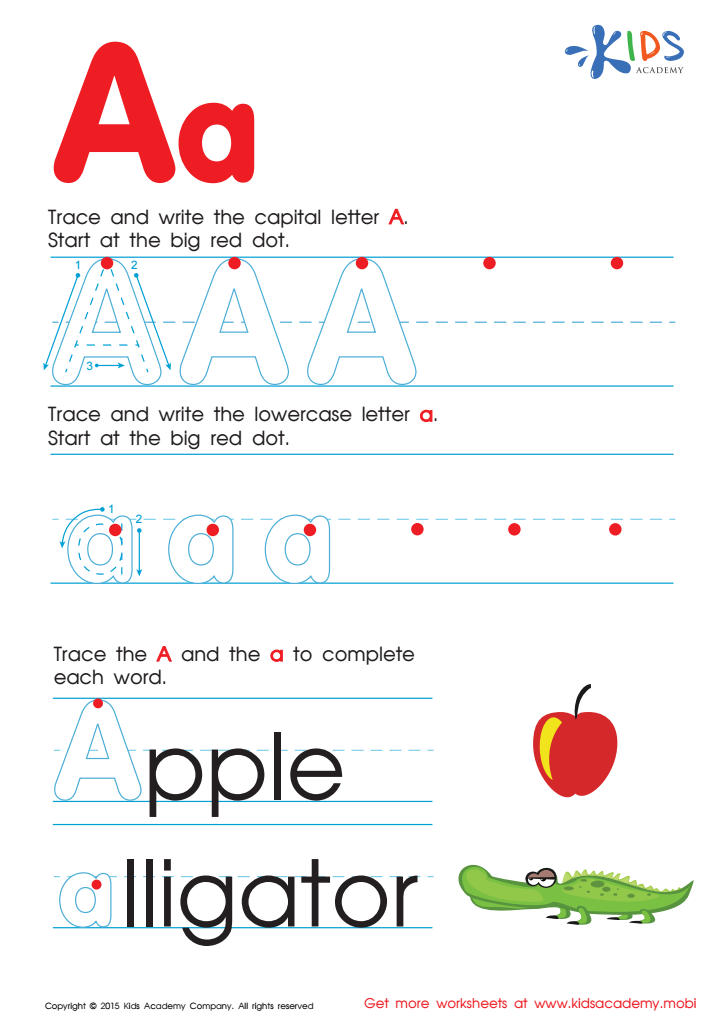
Letter A Tracing Page
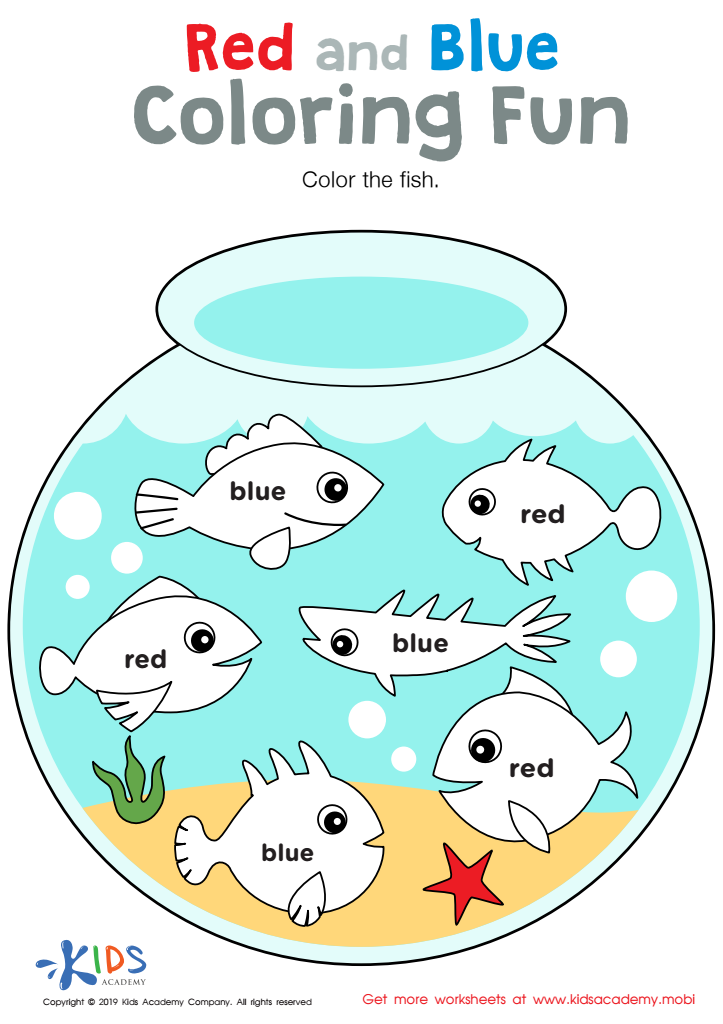
Red and Blue Coloring Fun Worksheet
 Assign to My Students
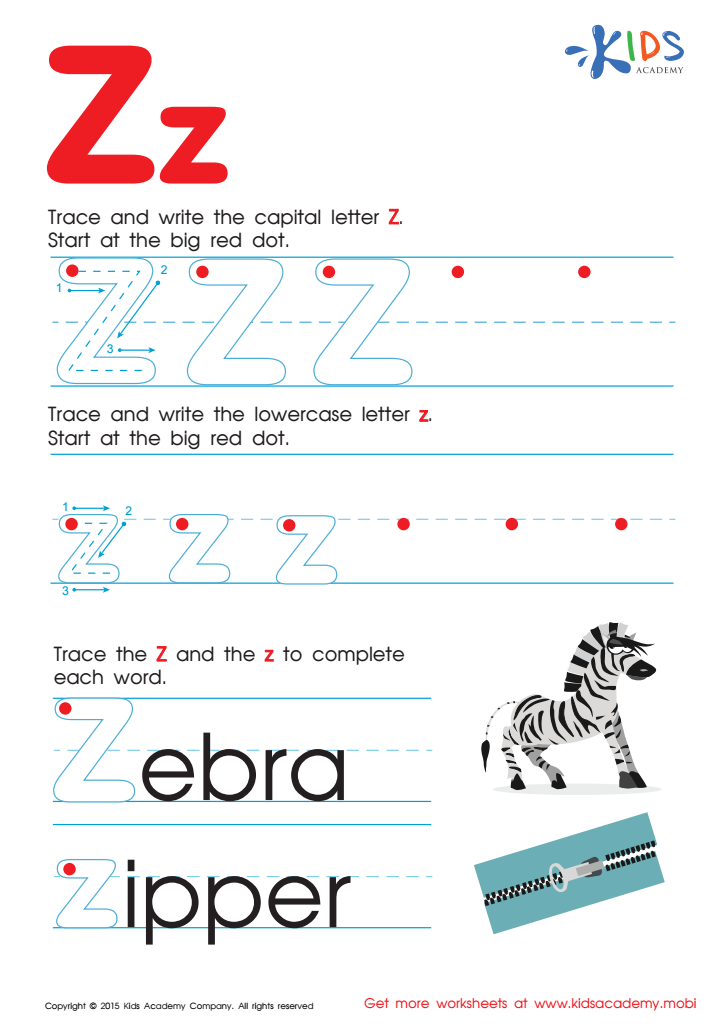
Letter Z Tracing Page
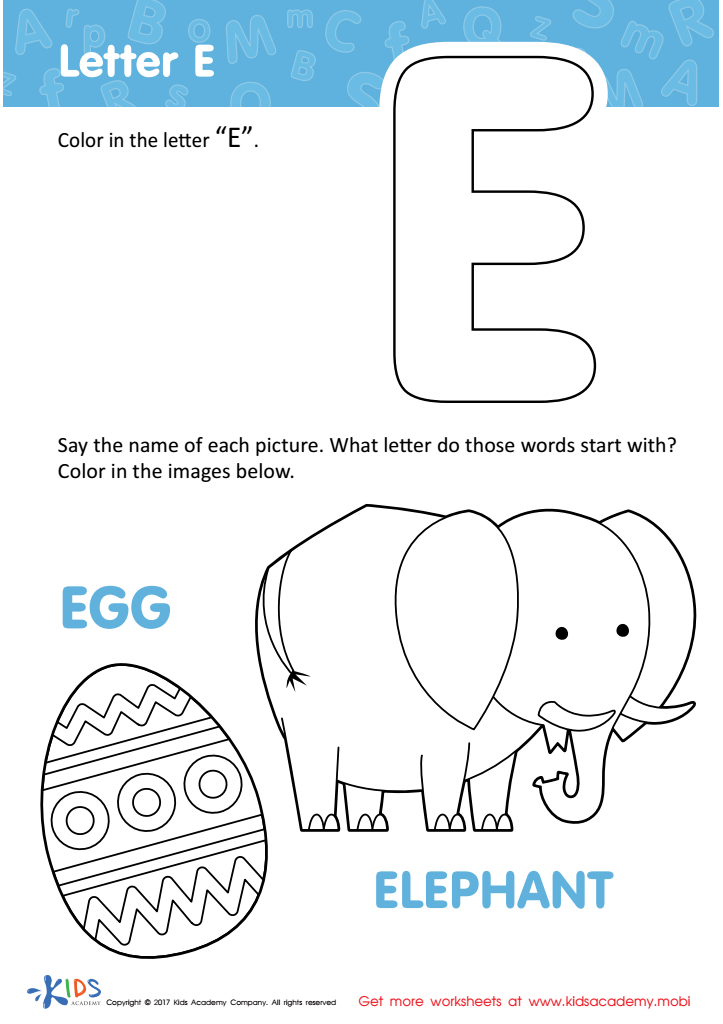
Letter E Coloring Sheet
Assign to My Students
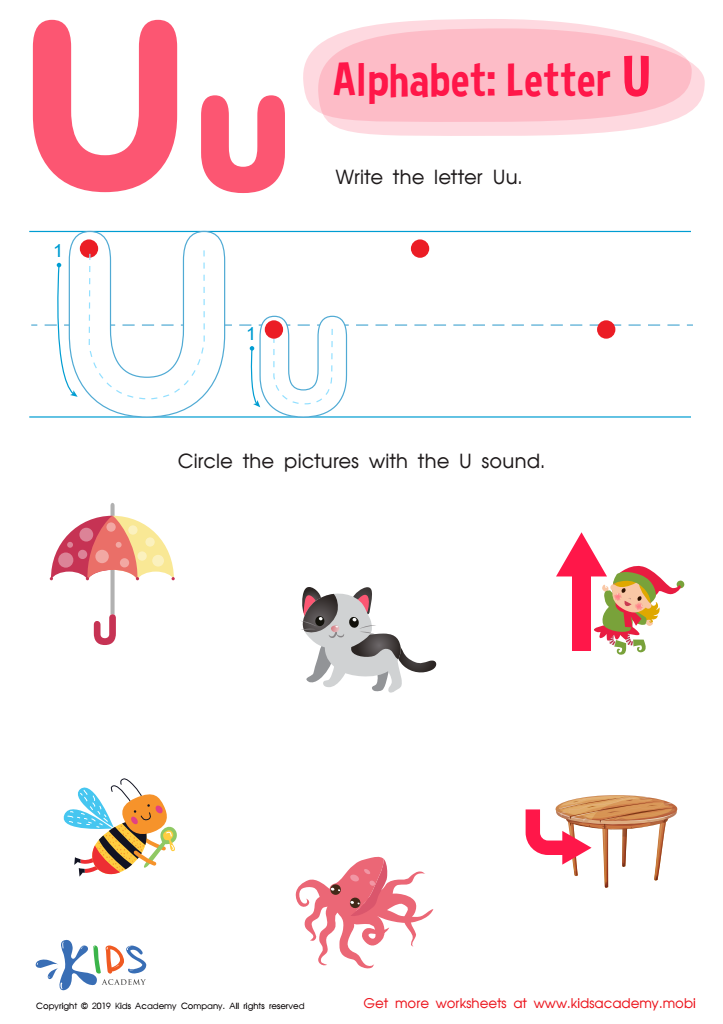
Letter U Tracing Worksheet
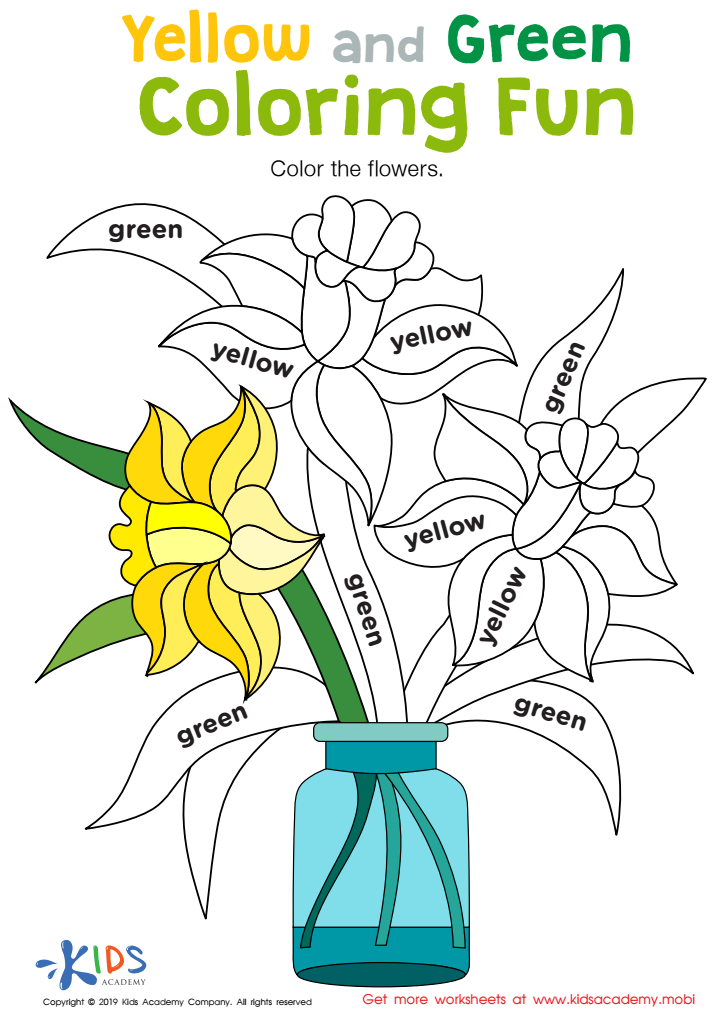
Yellow and Green Coloring Fun Worksheet
Assign to My Students
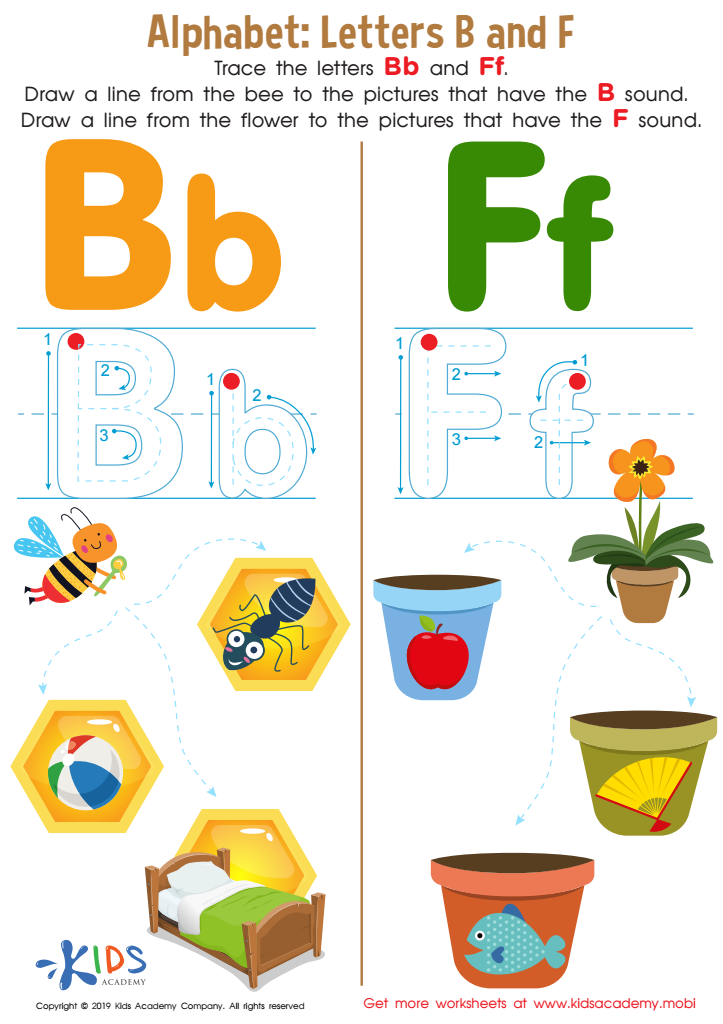
Letters B and F Tracing Worksheet
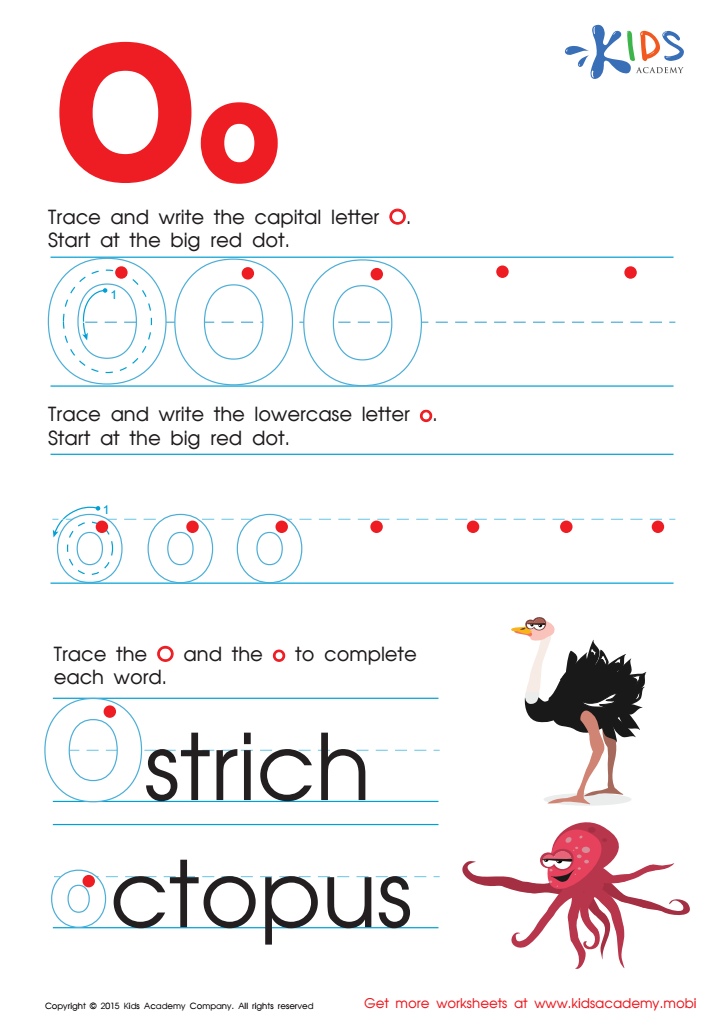
Letter O Tracing Page
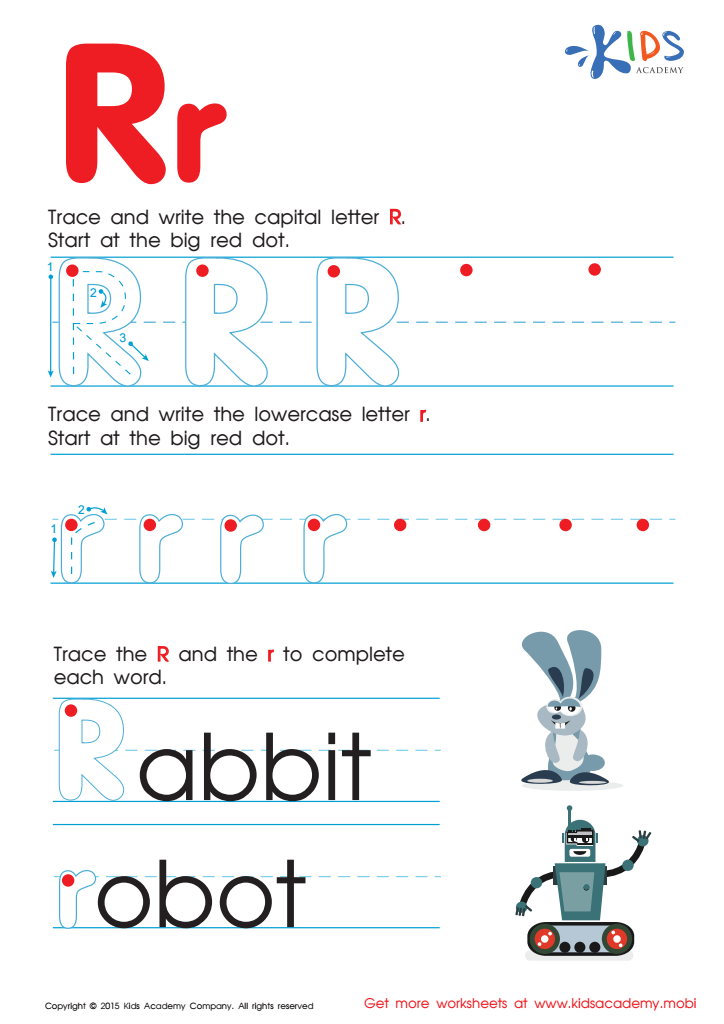
Letter R Tracing Page
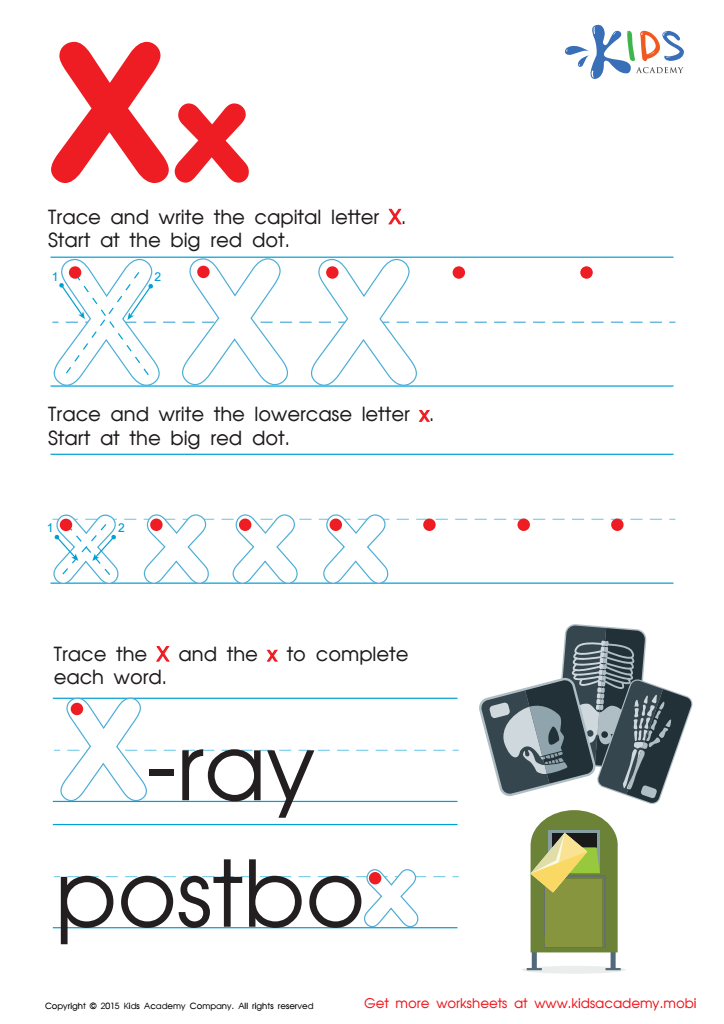
Letter X Tracing Page
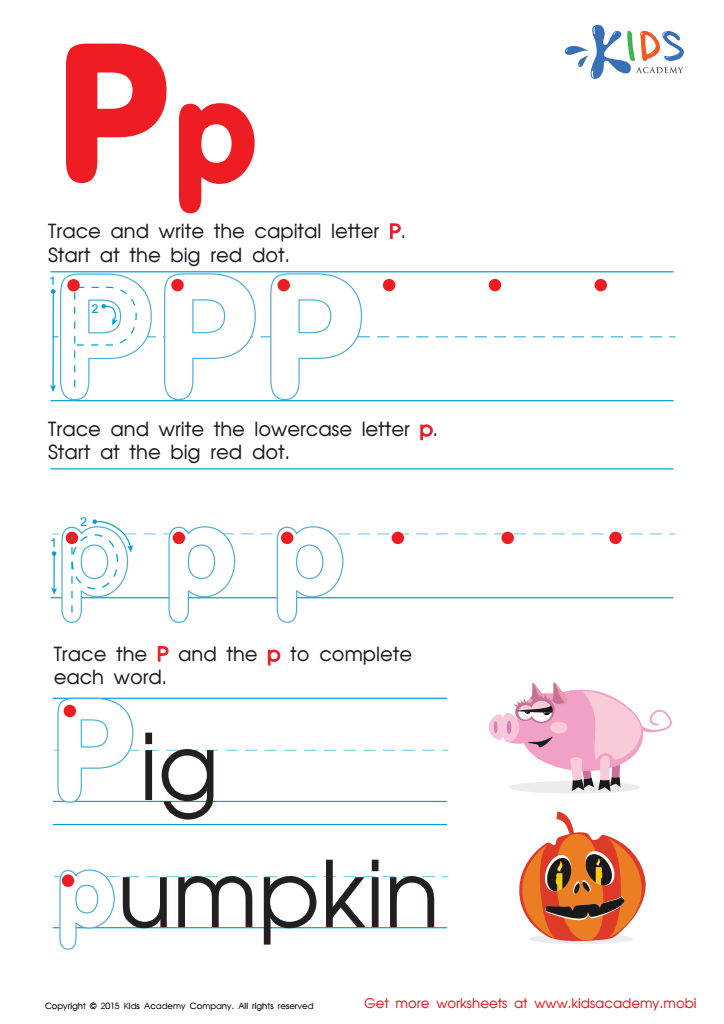
Letter P Tracing Page
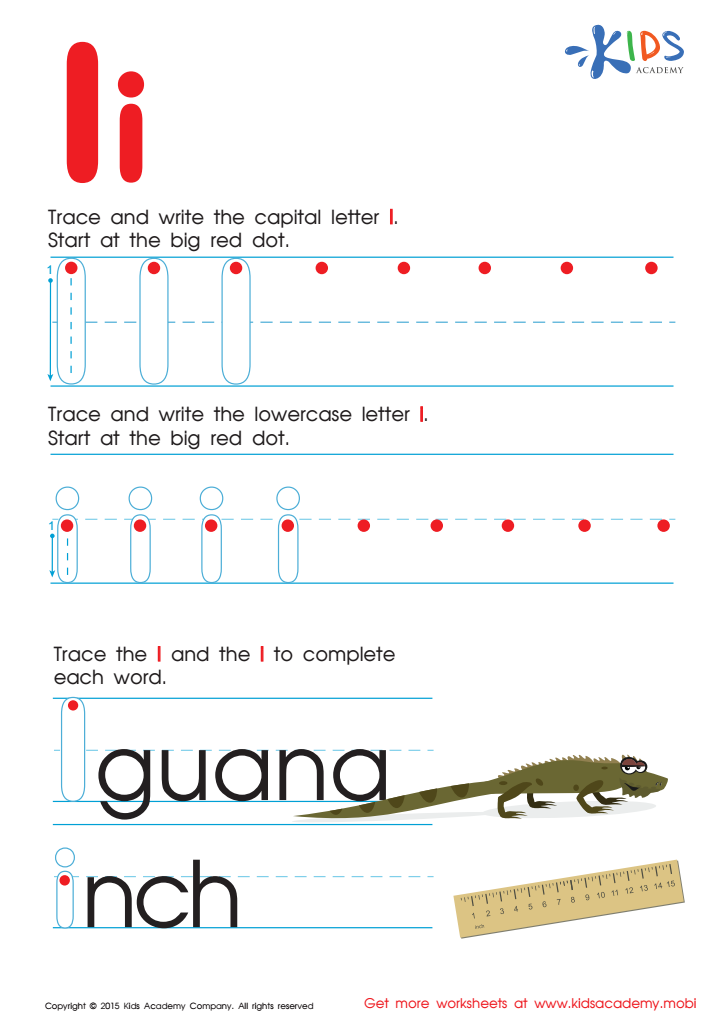
Letter I Tracing Page
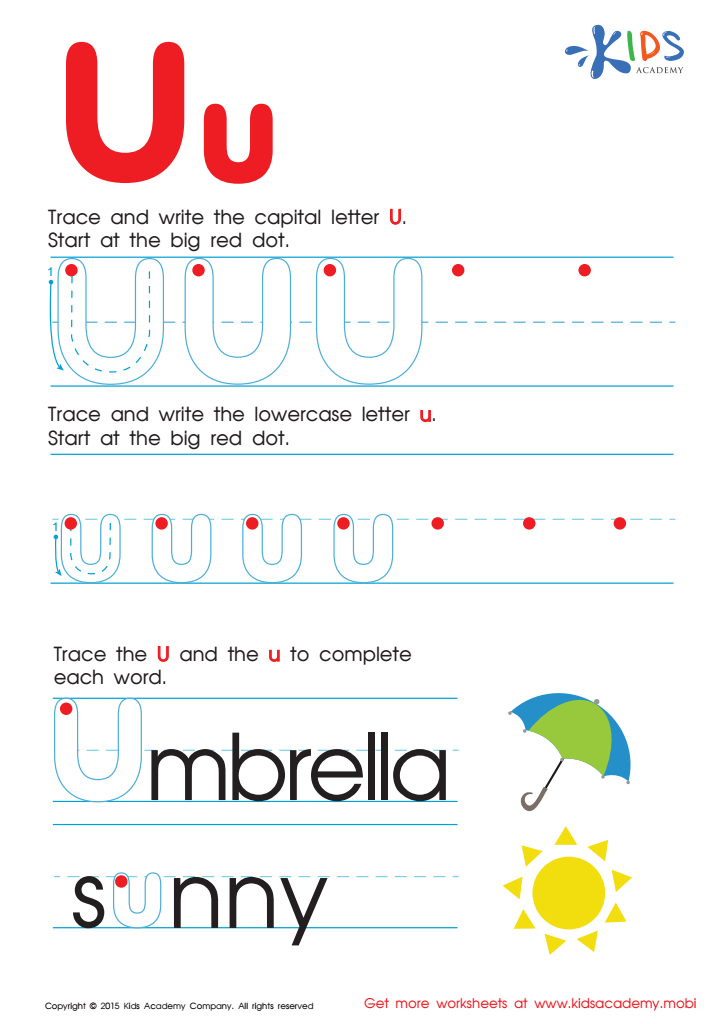
Letter U Tracing Page
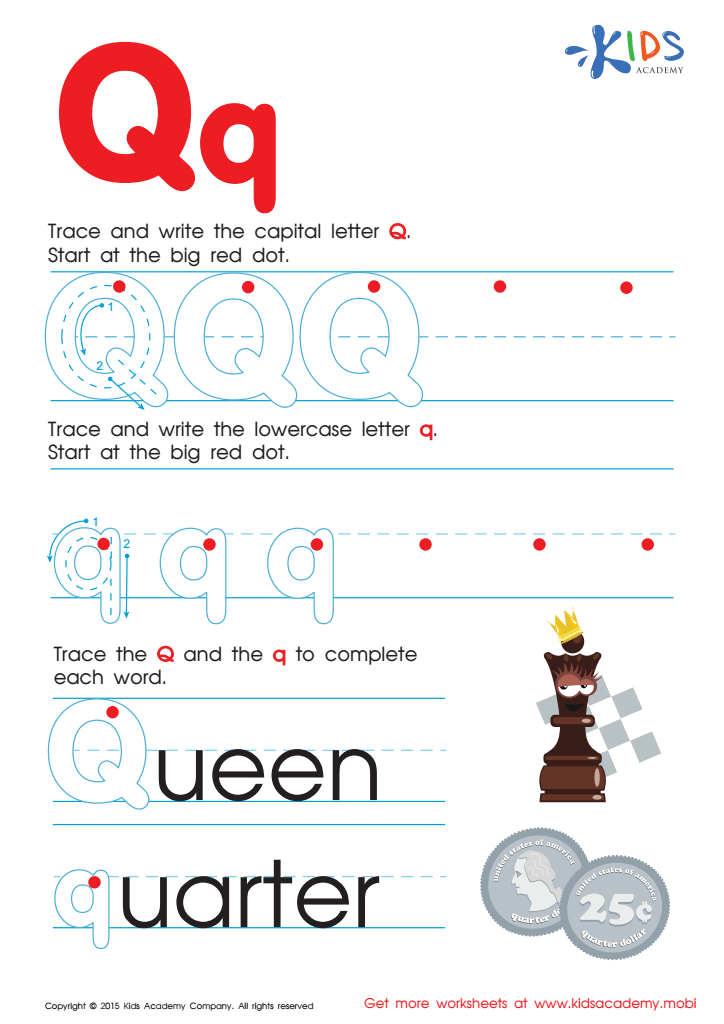
Letter Q Tracing Page
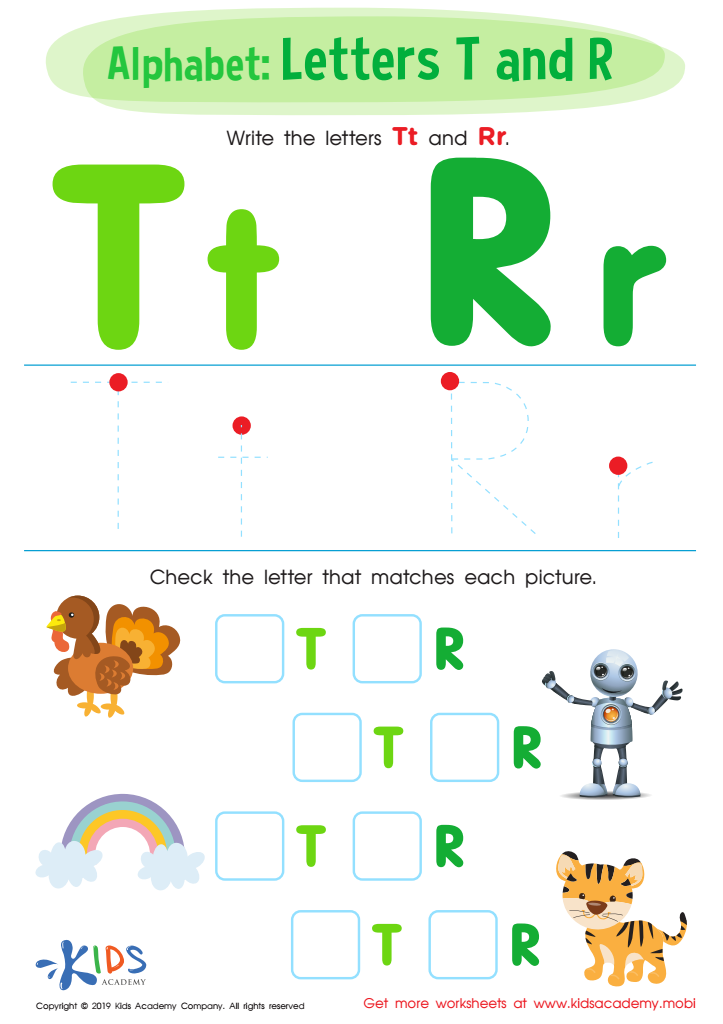
Letters T and R Worksheet
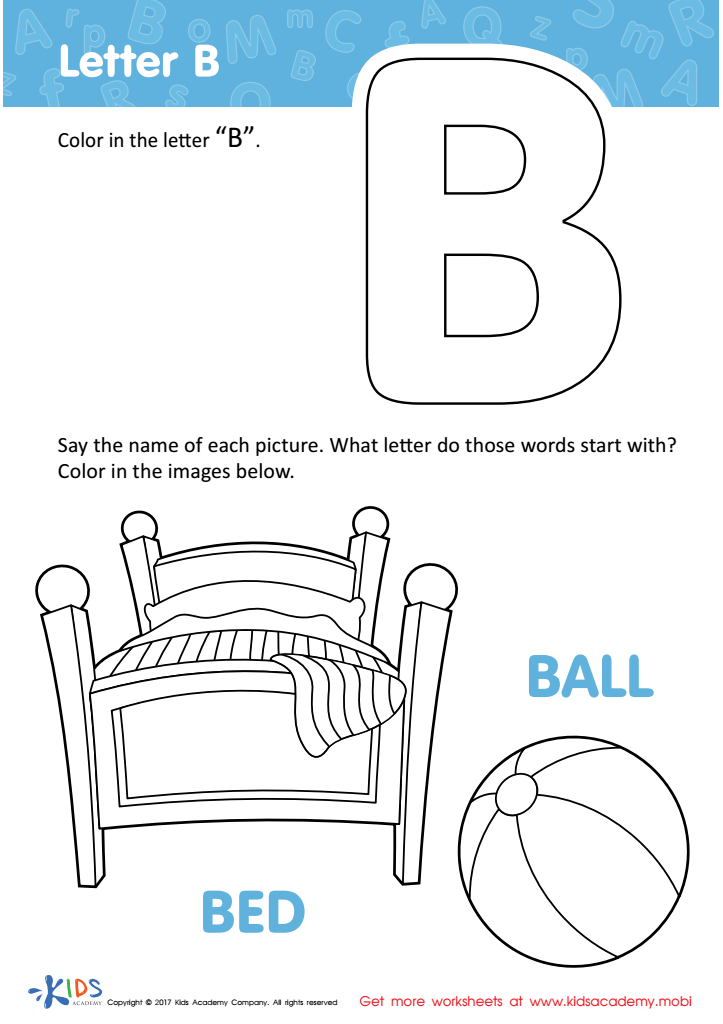
Letter B Coloring Sheet
Assign to My Students
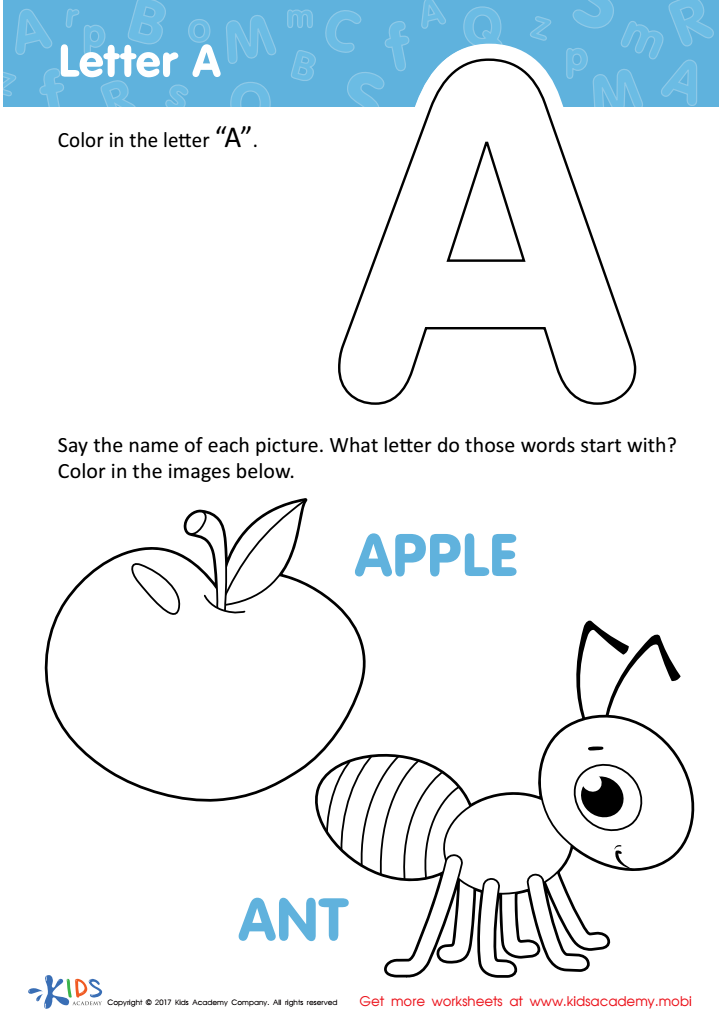
Letter A Coloring Sheet
Assign to My Students
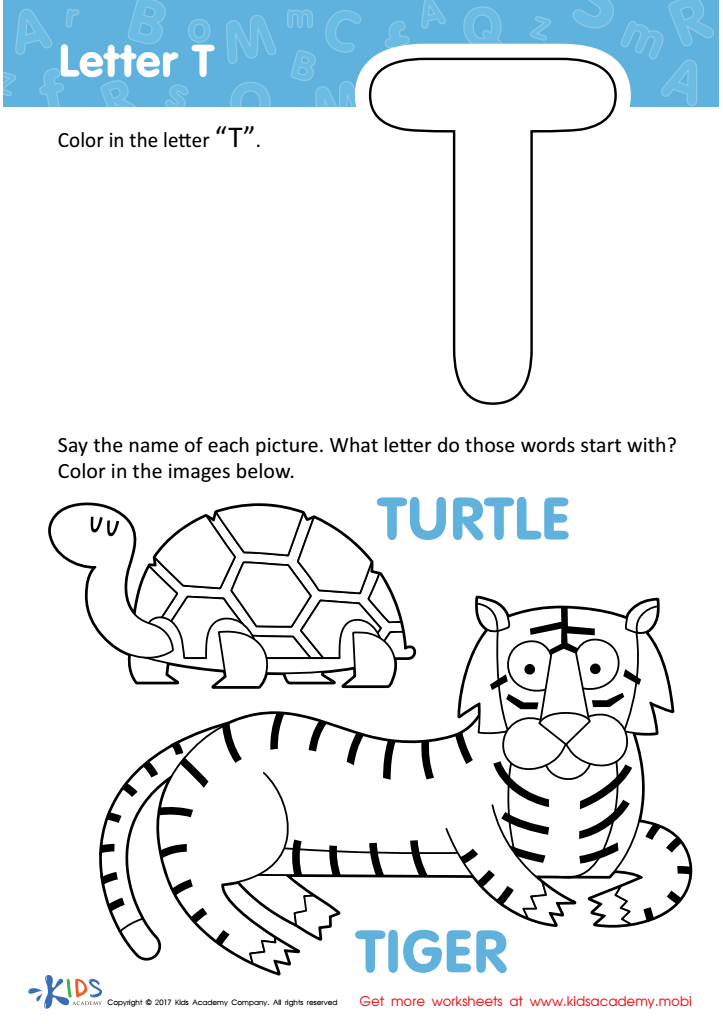
Letter T Coloring Sheet
Assign to My Students
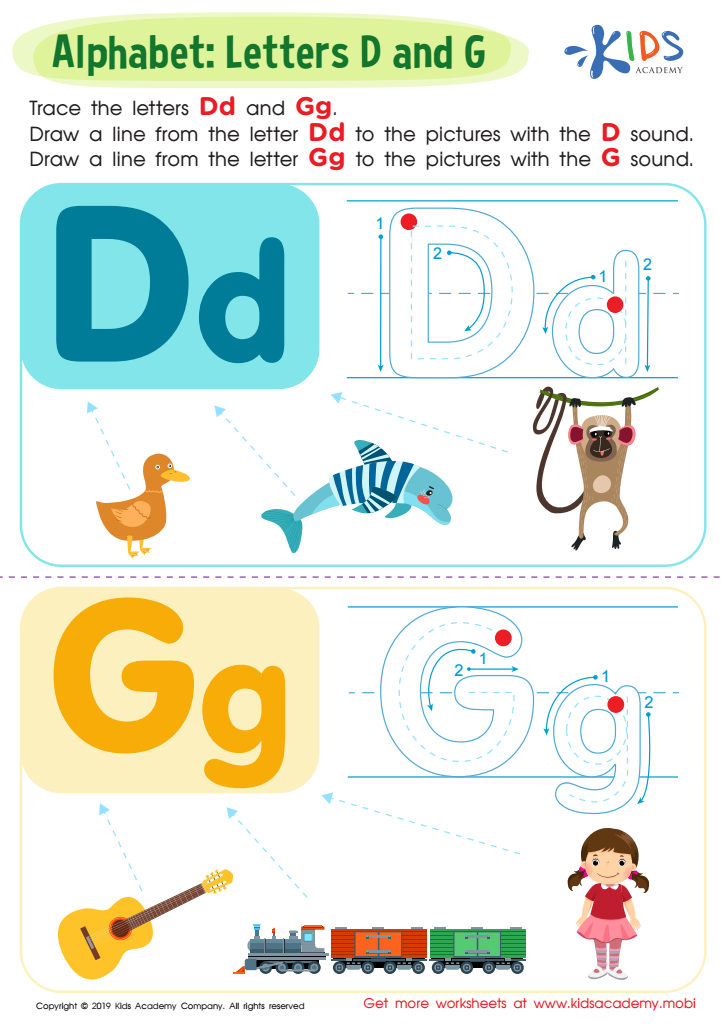
Letter D and G Tracing Worksheet
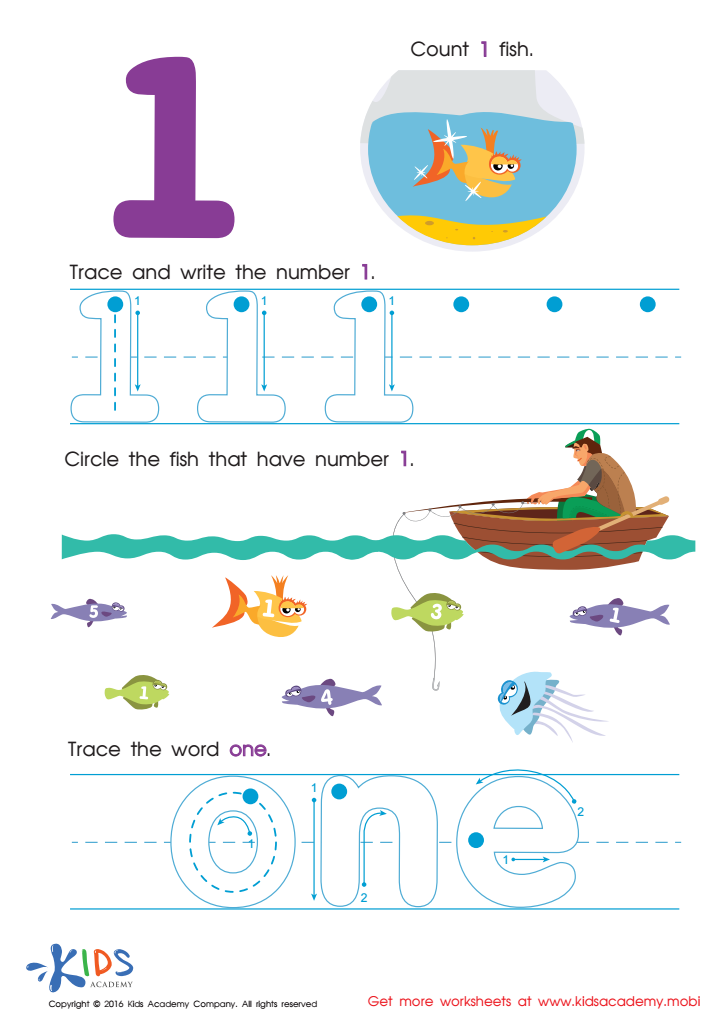
Learning to Write 1 Worksheet
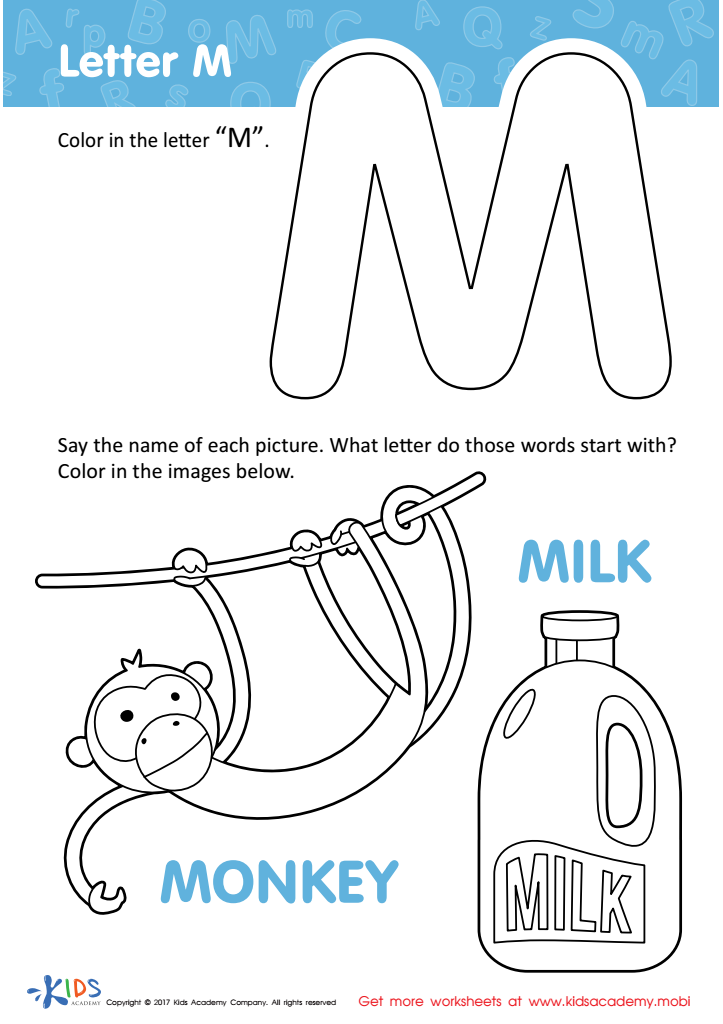
Letter M Coloring Sheet
Assign to My Students
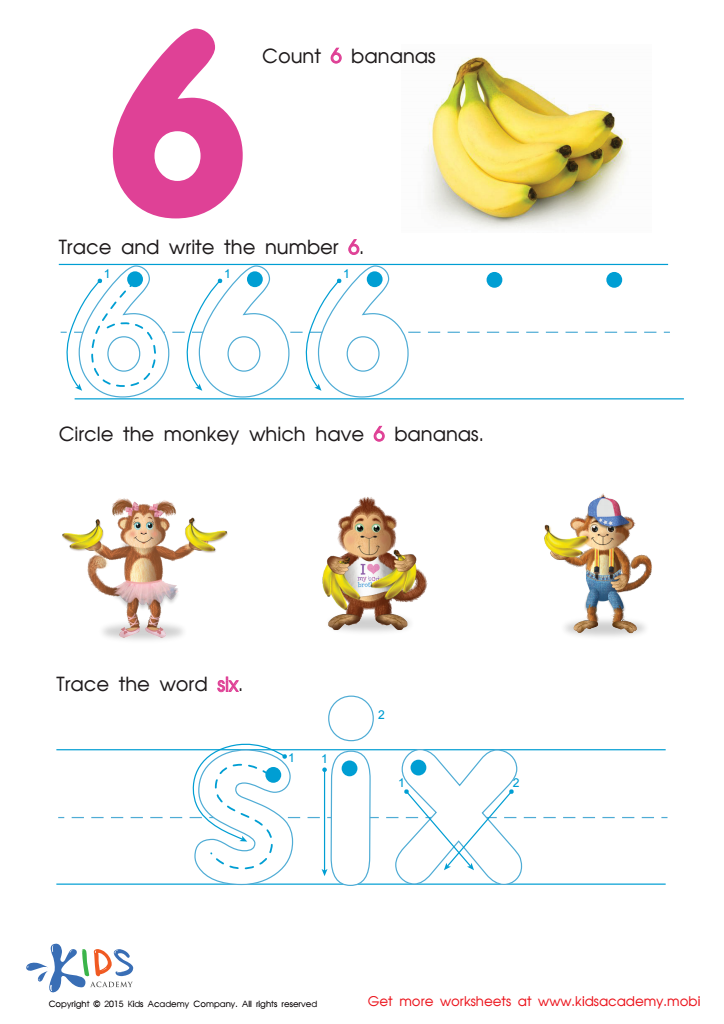
Tracing And Writing Number 6 Worksheet
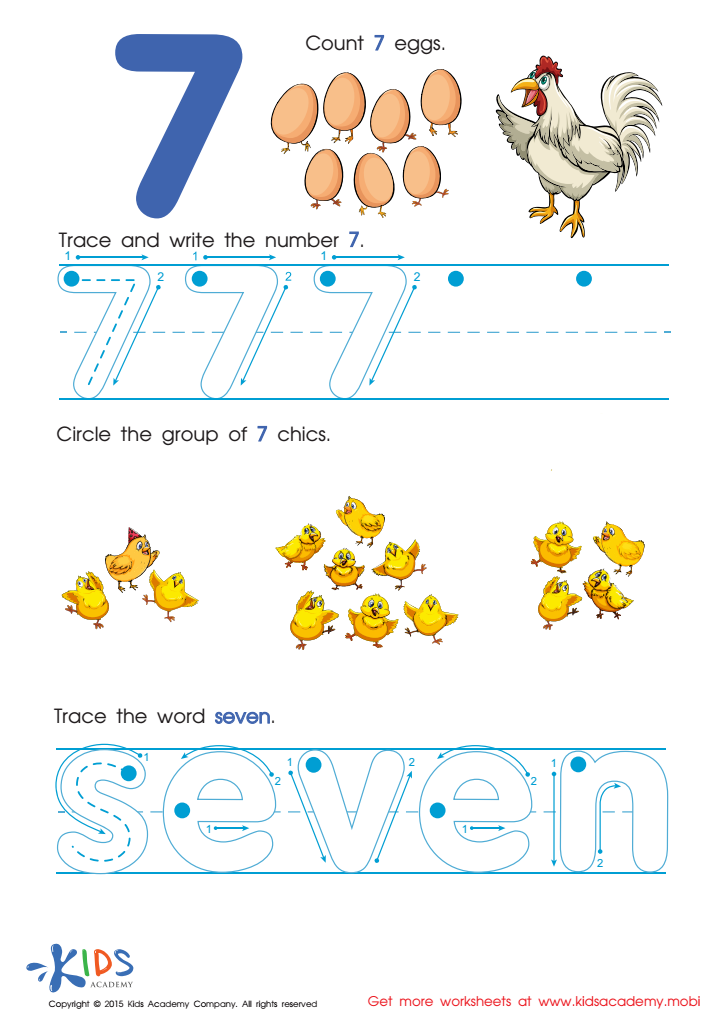
Trace And Write Number 7 with Fun Worksheet
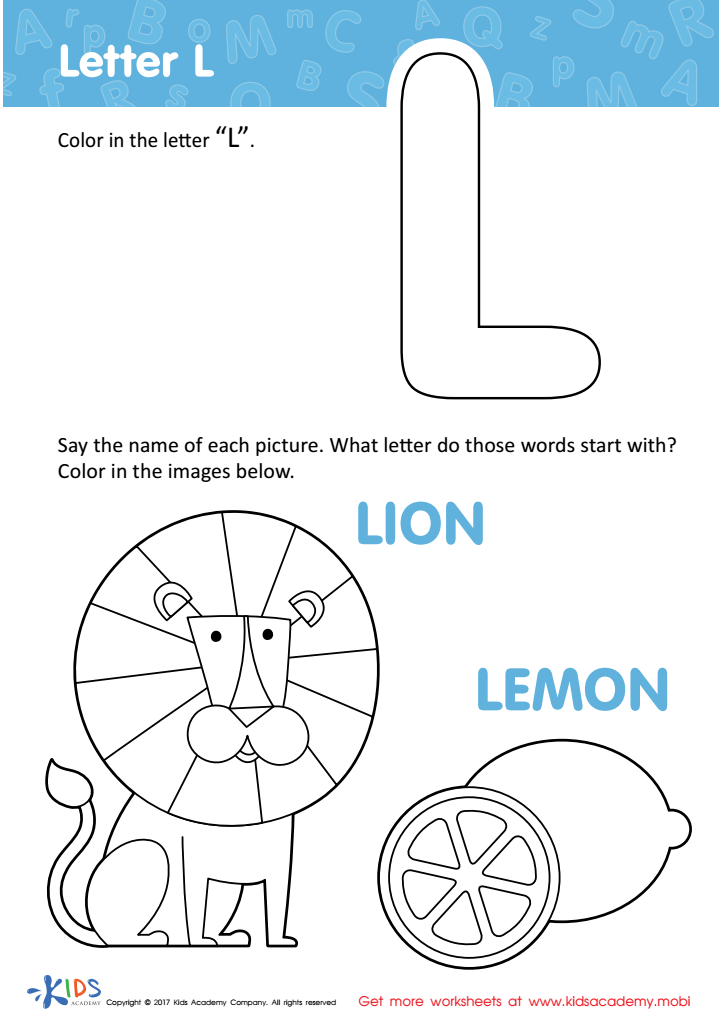
Letter L Coloring Sheet
Assign to My Students





Fine motor skills, which involve the coordination of small muscles to control movements, are crucial for 3-year-olds as they begin to learn English. At this developmental stage, young children are rapidly absorbing information, and strong fine motor skills are foundational for many everyday tasks and more complex academic skills they will encounter later on.
For instance, fine motor abilities are pivotal for writing. Before a child can write letters and words, they need to master gripping and maneuvering a pencil or crayon, which is directly linked to their fine motor proficiency. Activities that enhance these skills - like drawing, coloring, and cutting with scissors - simultaneously support cognitive development by helping children practice focus, coordination, and hand-eye control.
Additionally, fine motor skills contribute to independence in personal tasks, such as buttoning a shirt or using utensils, making children more self-sufficient and boosting their self-esteem. This confidence will translate into their academic environment, especially in learning a new language. As children feel more capable performing physical tasks, they become more eager to tackle intellectual challenges, including the complexities of the English language.
Therefore, parents and teachers should prioritize activities that develop fine motor competencies. Doing so not only supports physical dexterity but also lays a concrete foundation for academic success, language acquisition, and personal growth, making it a critical aspect of early childhood education.