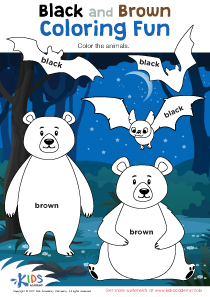
Word Recognition English for Beginners Worksheets for 3-Year-Olds
4 filtered results
-
From - To
Introduce your little learners to the exciting world of language with our "Word Recognition English for Beginners Worksheets for 3-Year-Olds". These printable worksheets from Kids Academy are thoughtfully designed to cater to young minds starting their language journey. By focusing on simple words and engaging activities, our resources boost early reading skills, visual recognition, and vocabulary building. Each worksheet provides a fun and effective way for toddlers to recognize common words through pictures, colors, and interactive tasks. Equip your 3-year-old with the foundational skills needed for future linguistic success with our comprehensive and enjoyable word recognition exercises.
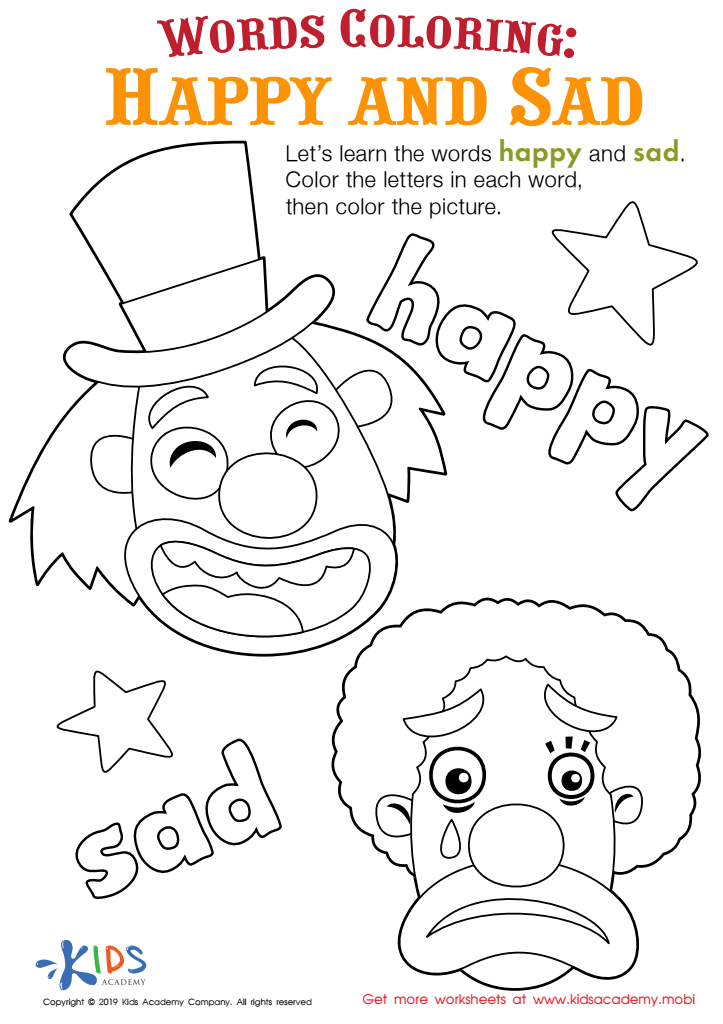
Happy and Sad Words Coloring Worksheet
 Assign to My Students
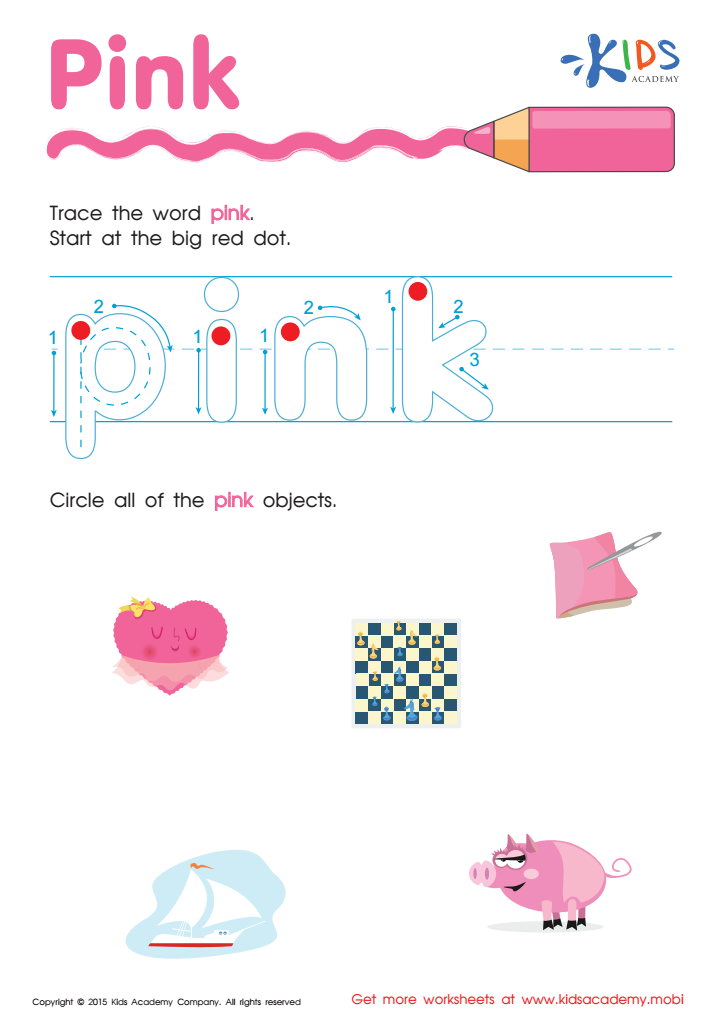
Pink Tracing Color Words Worksheet
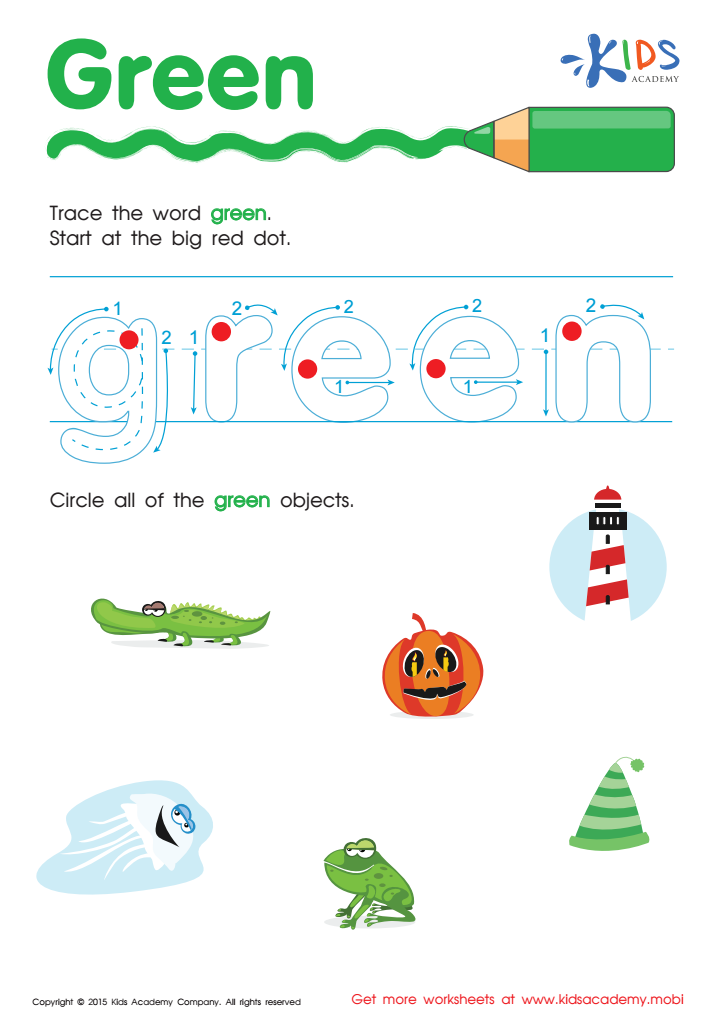
Green Tracing Color Words Worksheet
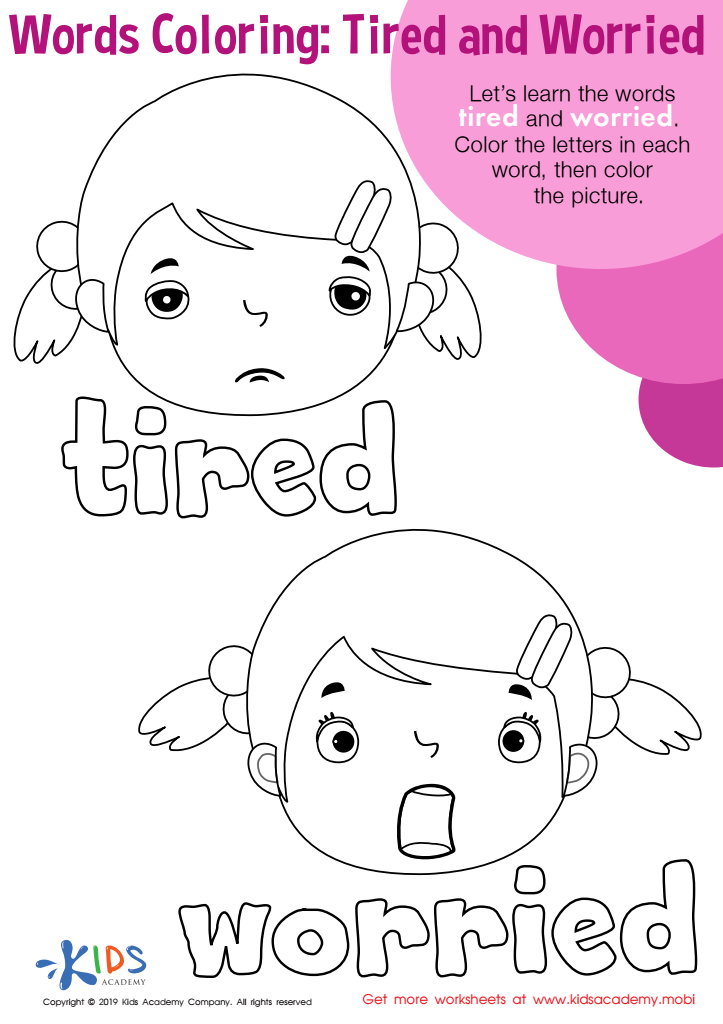
Tired and Worried Words Coloring Worksheet
Assign to My Students





Parents and teachers should care about word recognition for 3-year-olds because it lays the foundation for future literacy and academic success. At age three, children's brains are rapidly developing and absorbing information at incredible rates. Introducing word recognition at this stage can significantly enhance their cognitive abilities and prepare them for more advanced reading and learning tasks. Early word recognition helps children understand the relationship between spoken and written language, which is crucial for reading fluency.
Teaching word recognition fosters a love for reading early on, making learning enjoyable and setting children up for lifelong learning habits. This skill also boosts their confidence and independence as they start recognizing words in their environment. With strong word recognition skills, children are more likely to succeed in other academic areas because reading is fundamental to most subjects.
Furthermore, early engagement in word recognition can bridge educational gaps, helping children from diverse backgrounds gain essential literacy skills before they start formal schooling. It contributes to leveling the playing field, offering equal opportunities for all children regardless of their socio-economic status. Finally, involving parents in this early literacy skill strengthens the parent-child bond and ensures that learning continues beyond the classroom setting, reinforcing positive educational experiences at home.