Alphabet Recognition Worksheets for 3-Year-Olds - Page 2
43 filtered results
-
From - To
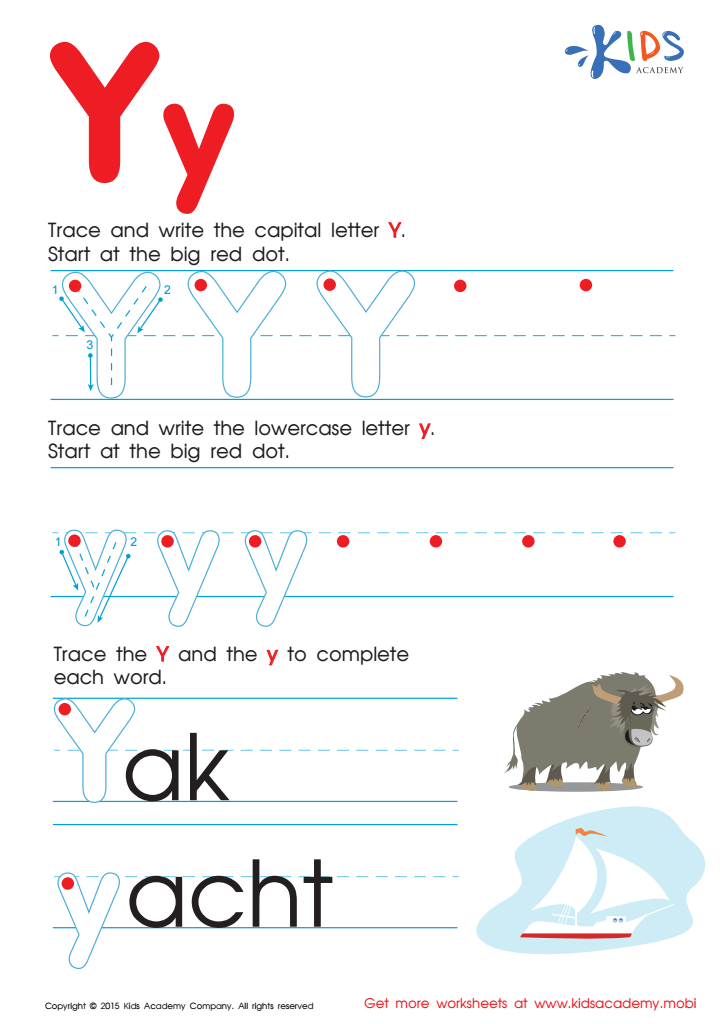
Letter Y Tracing Page
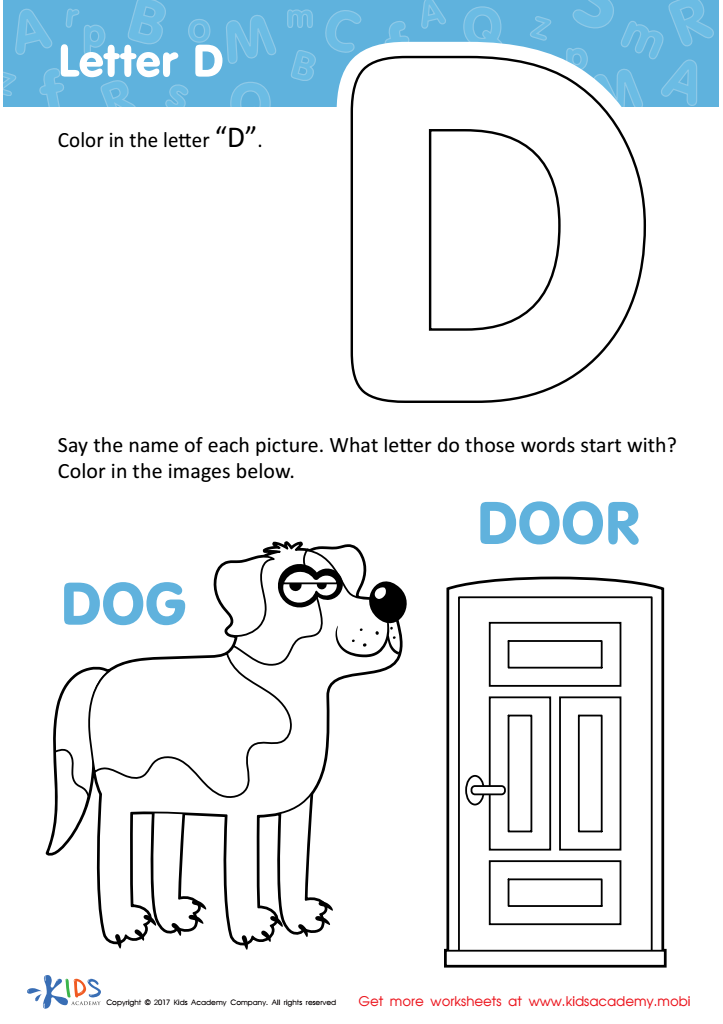
Letter D Coloring Sheet
 Assign to My Students
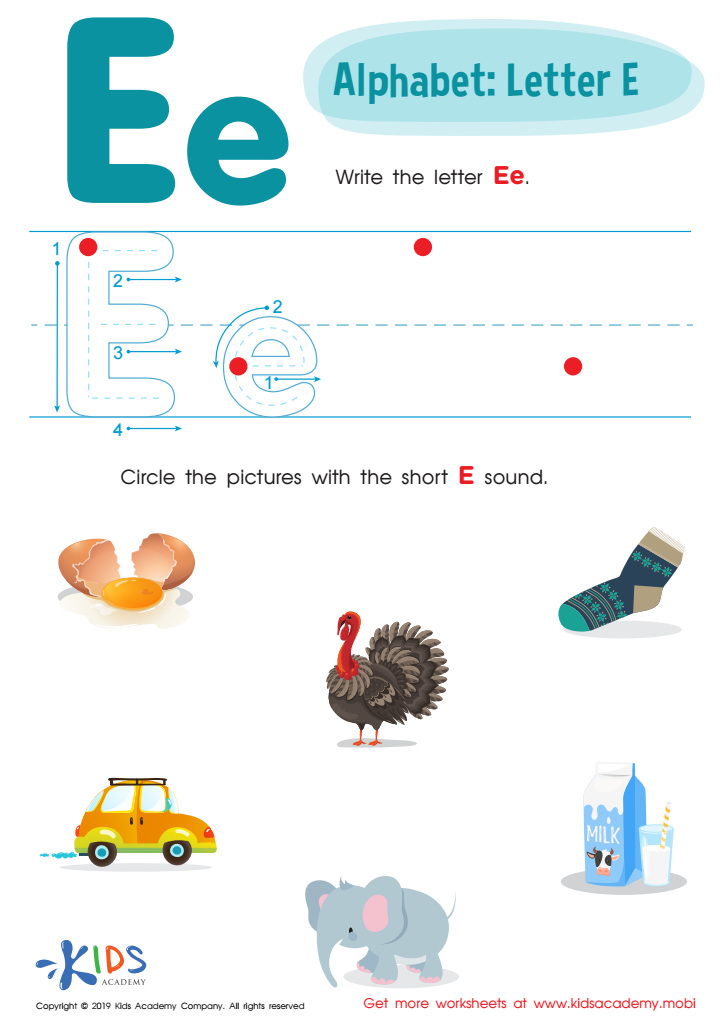
Letter E Tracing Worksheet
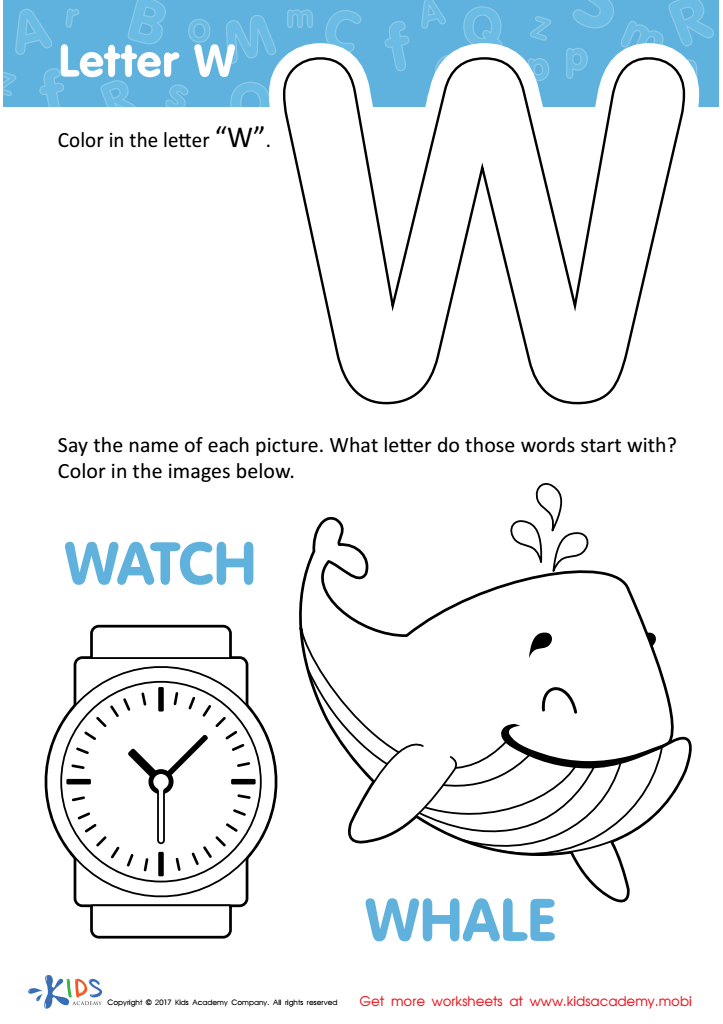
Letter W Coloring Sheet
Assign to My Students
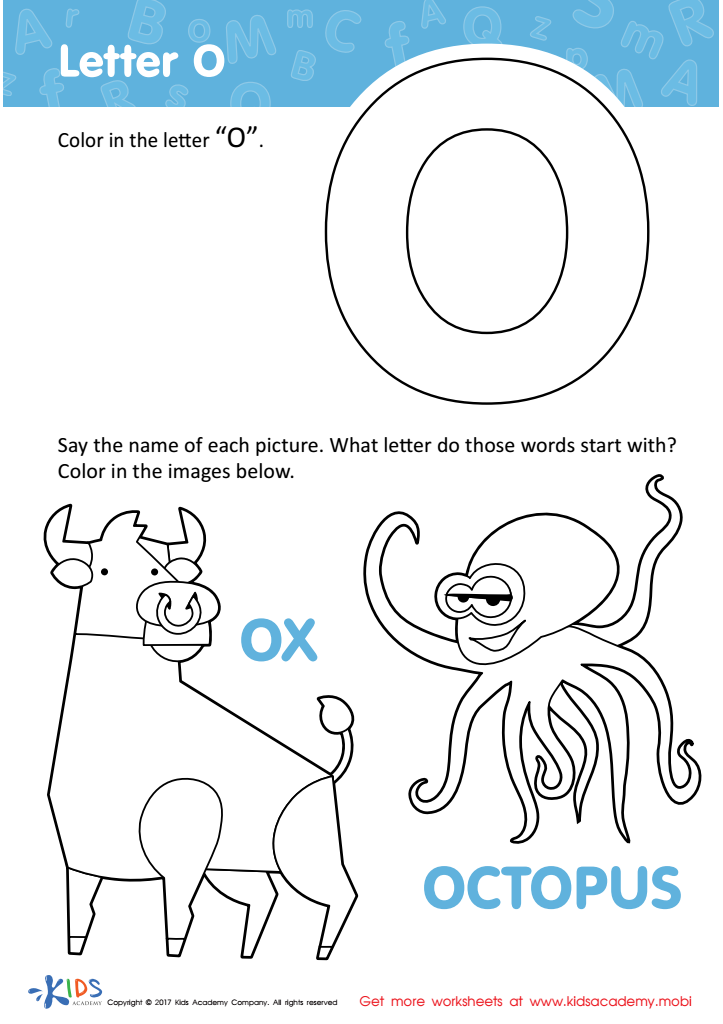
Letter O Coloring Sheet
Assign to My Students
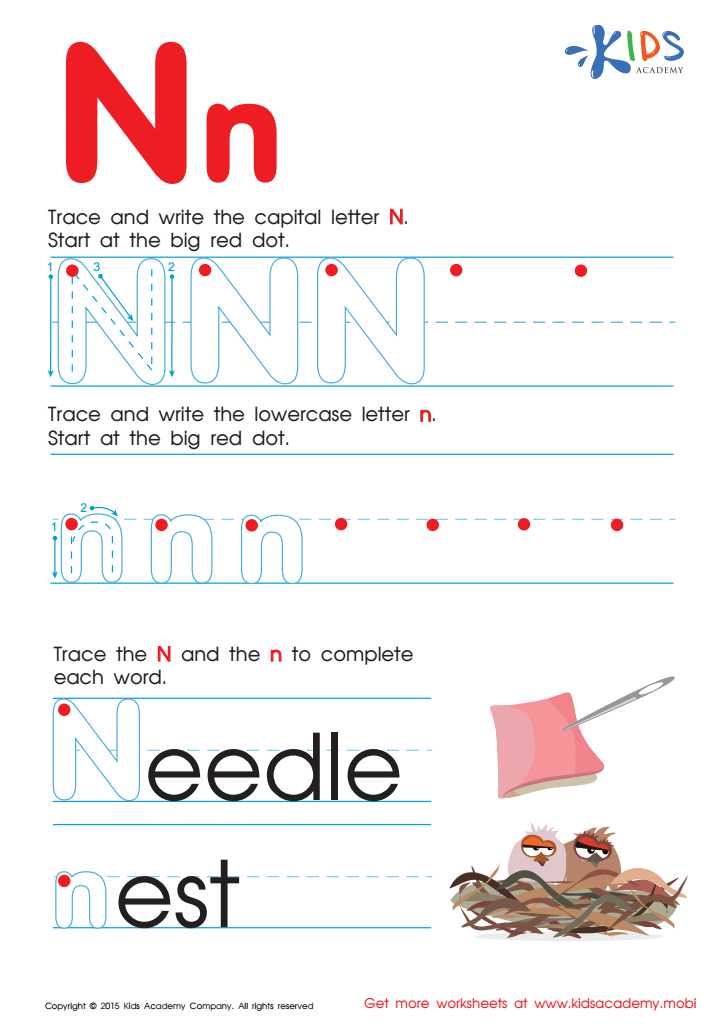
Letter N Tracing Page
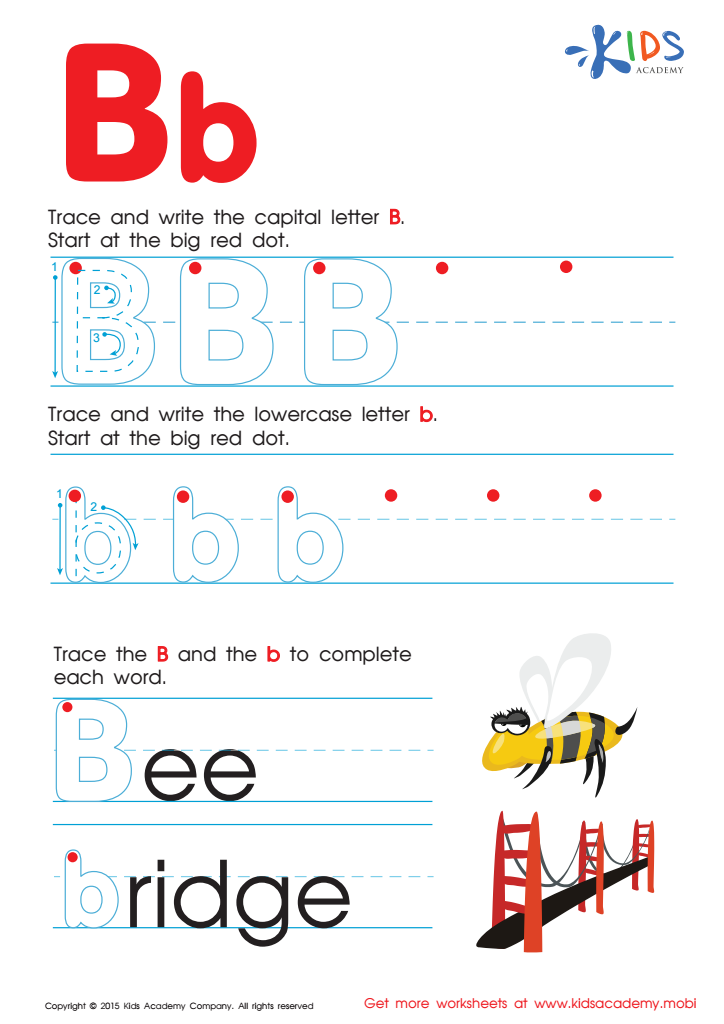
Letter B Tracing Page
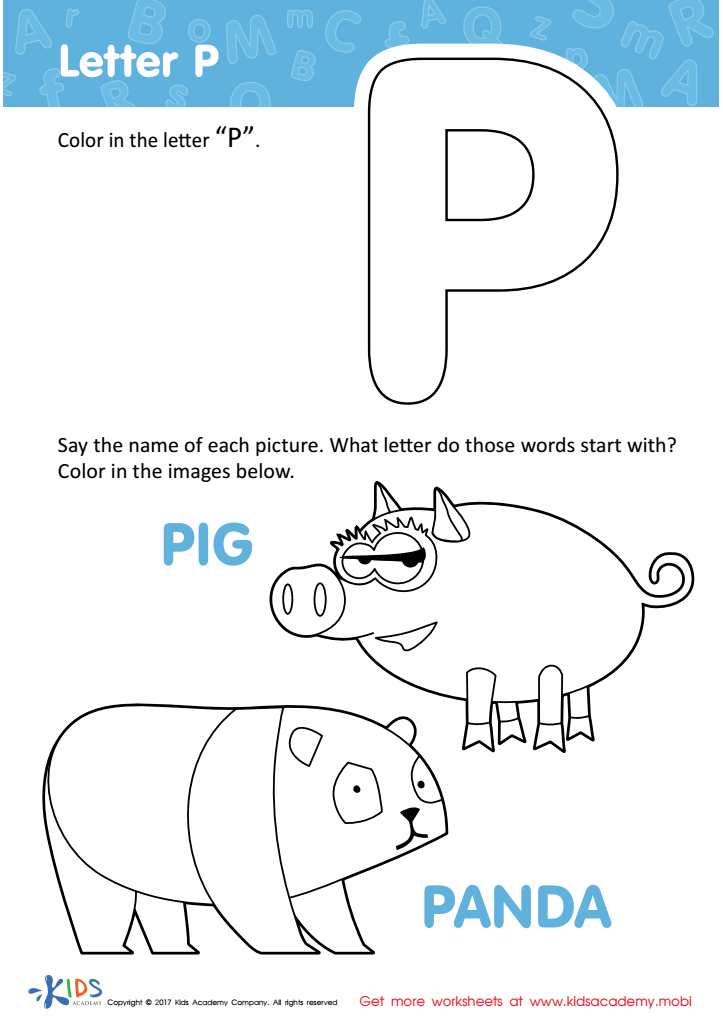
Letter P Coloring Sheet
Assign to My Students
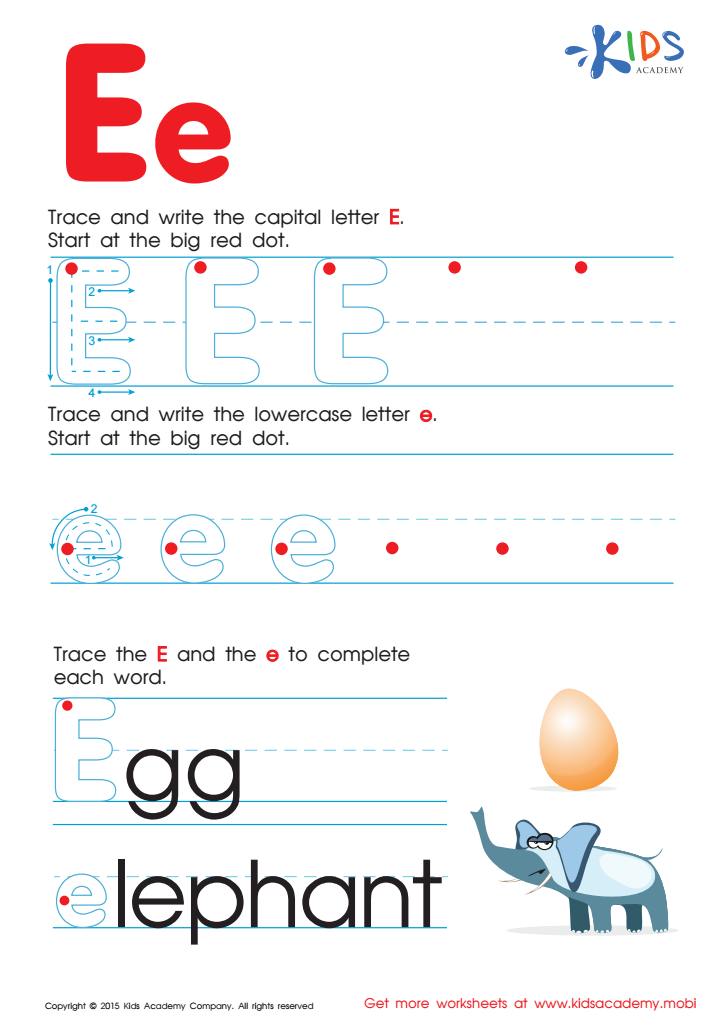
Letter E Tracing Page
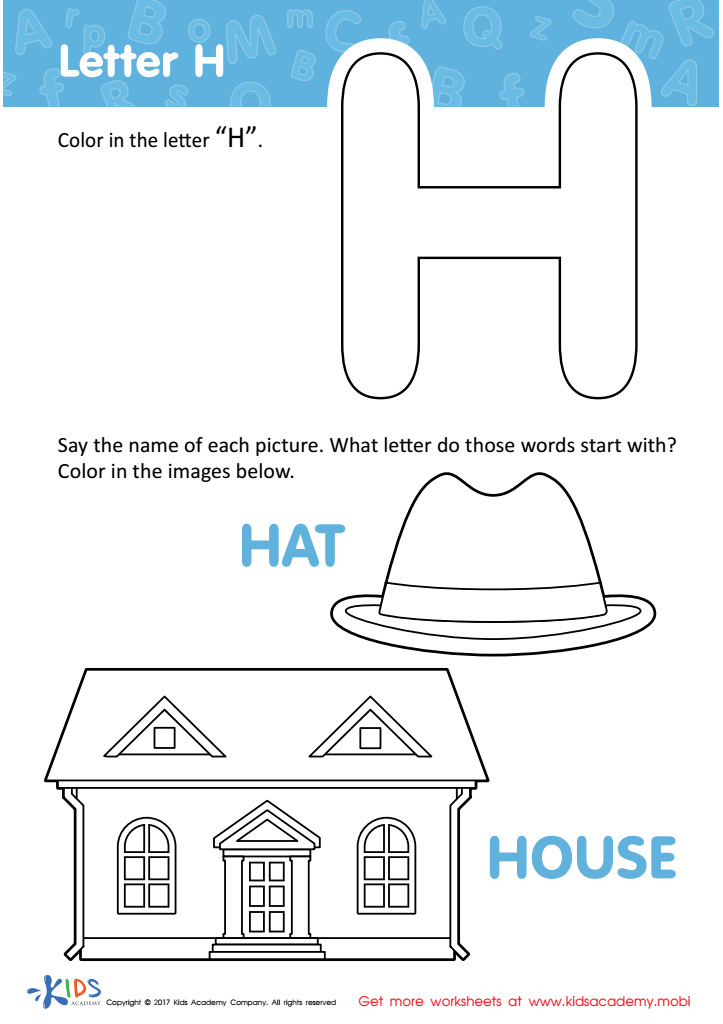
Letter H Coloring Sheet
Assign to My Students
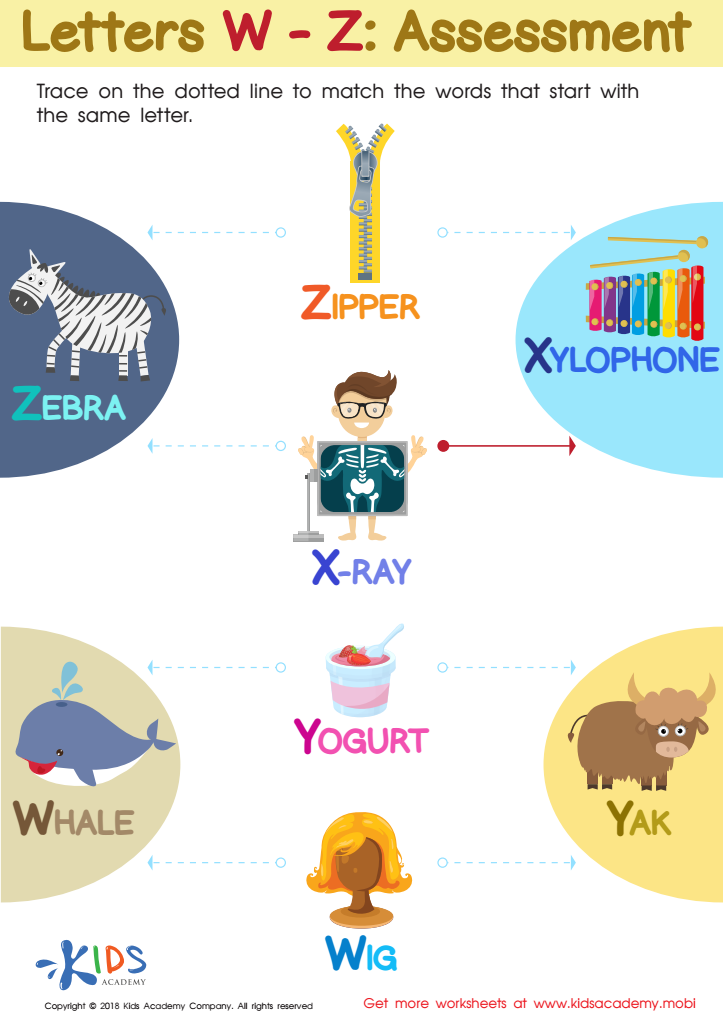
Letters W–Z Tracing Worksheet
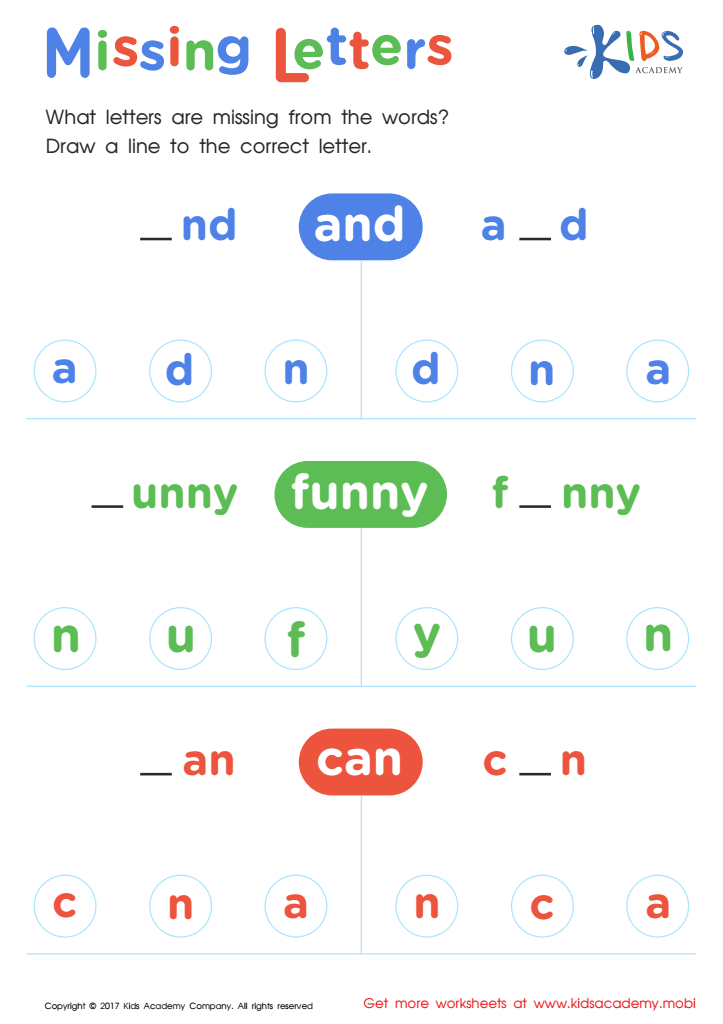
Missing Letters Worksheet
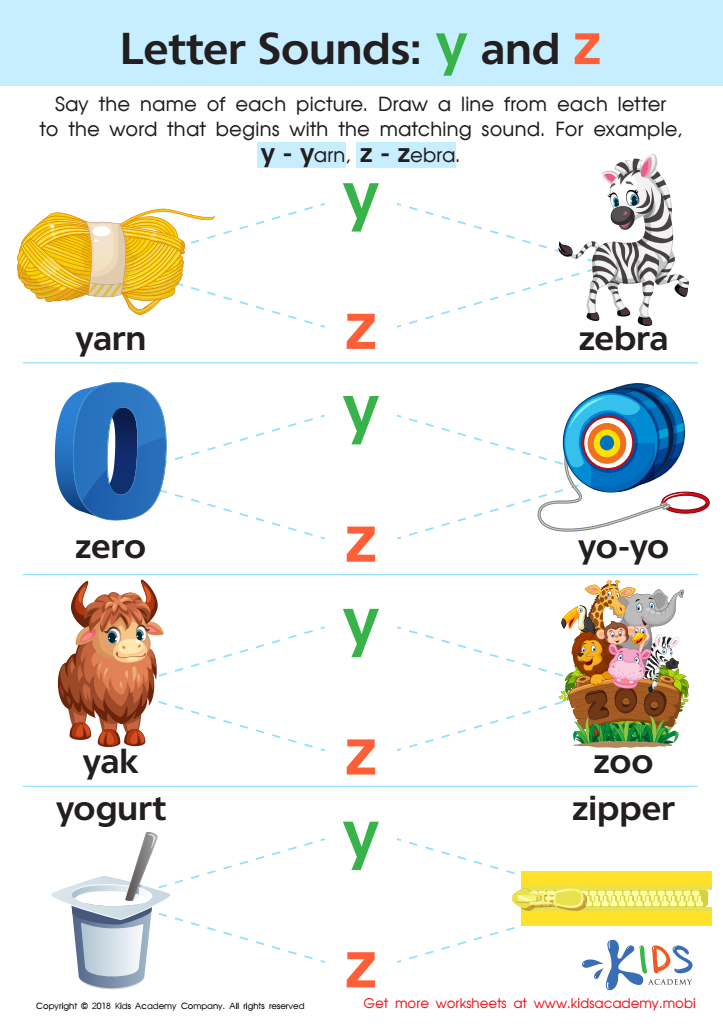
Letter Y and Z Sounds Worksheet
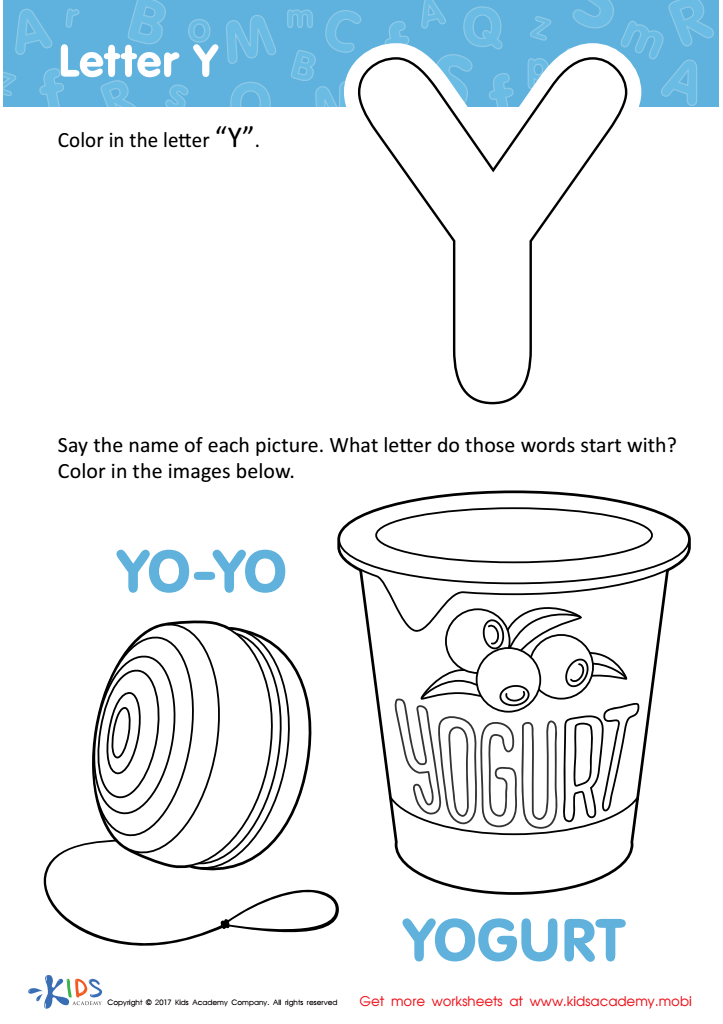
Letter Y Coloring Sheet
Assign to My Students
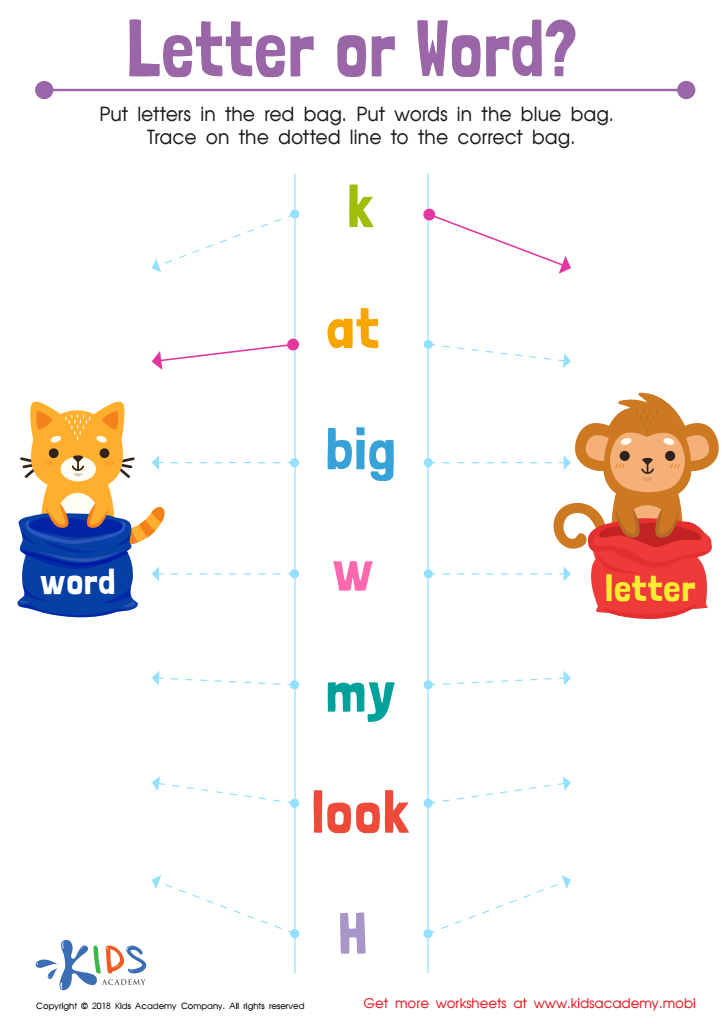
Letter or Word? Worksheet
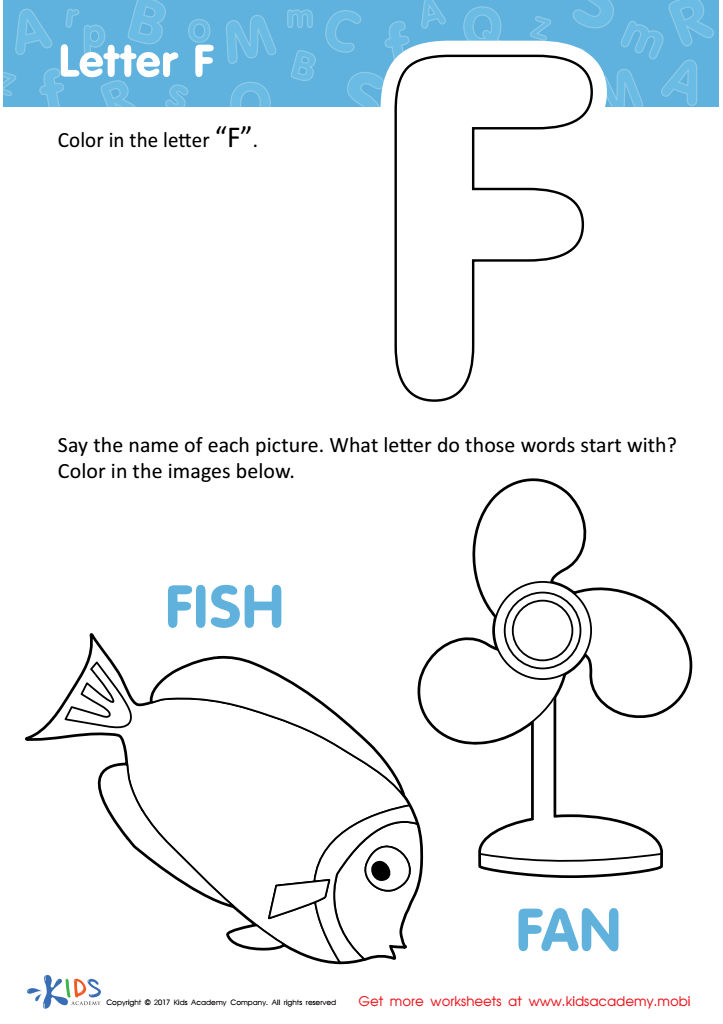
Letter F Coloring Sheet
Assign to My Students
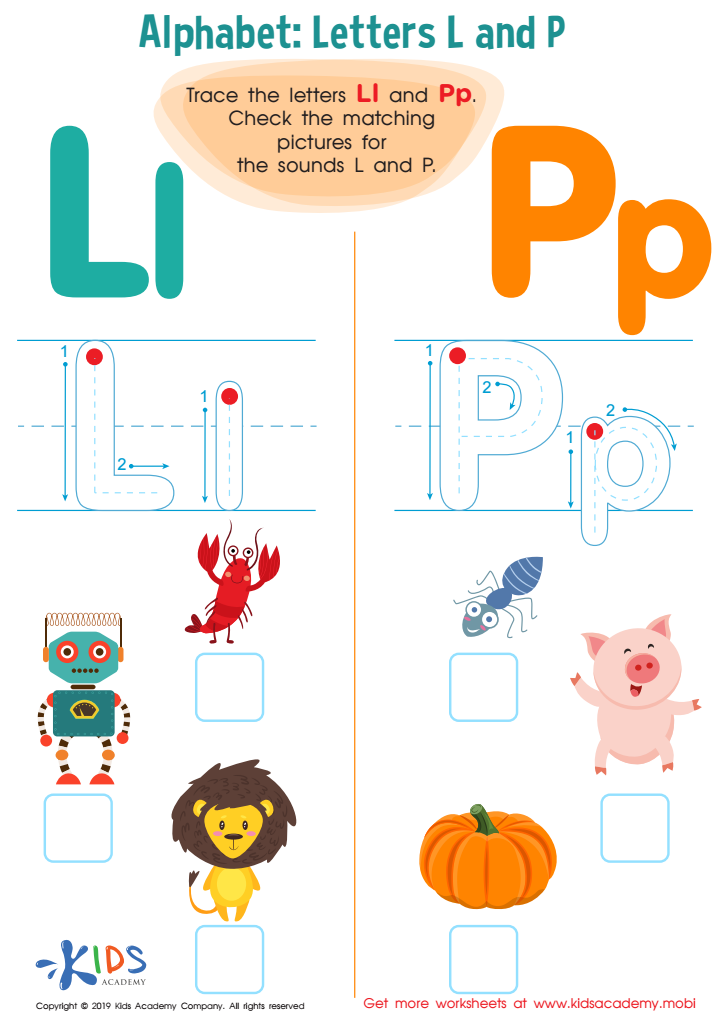
Letter L and P Tracing Worksheet
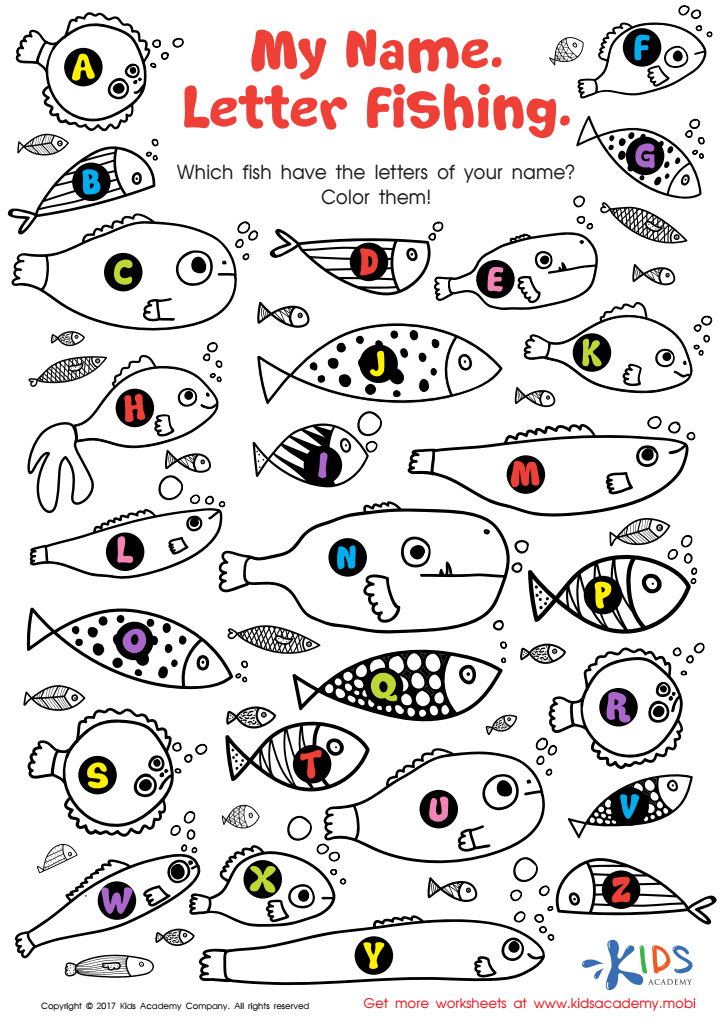
My Name: Letter Fishing Worksheet
Assign to My Students
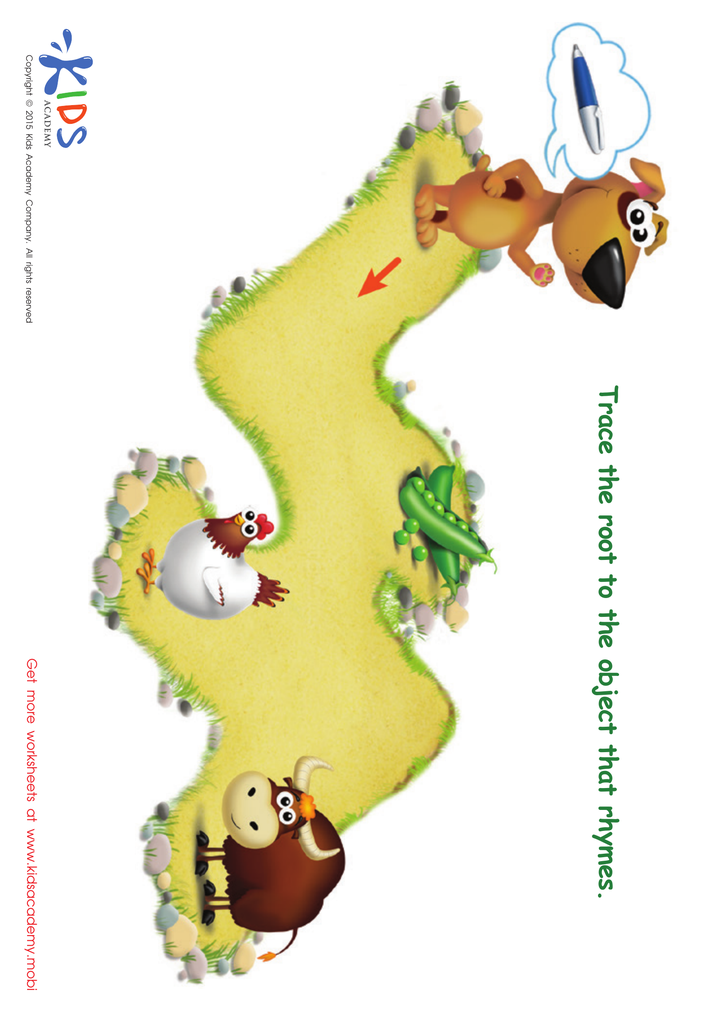
Pen Rhyming Words Worksheet






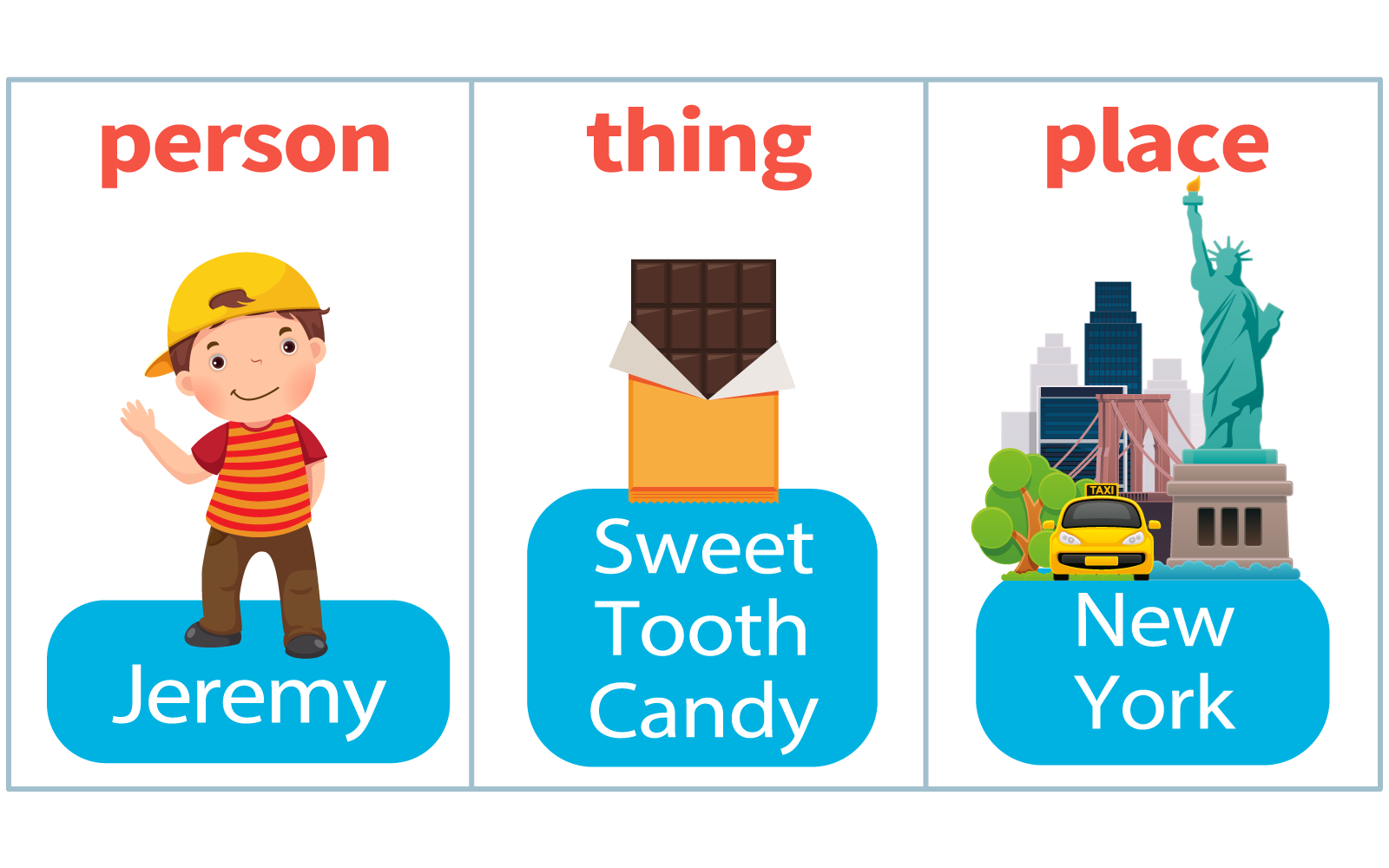

Alphabet recognition is a fundamental skill for 3-year-olds, offering numerous benefits that form the building blocks of early literacy development. Firstly, it enhances cognitive development by helping children distinguish between various symbols, a capability that translates into improved overall learning abilities. When preschoolers can recognize and name letters, they develop phonemic awareness—the understanding that words are made up of distinct sounds, which is crucial for later reading and writing skills.
Moreover, alphabet recognition boosts language acquisition. When children are familiar with letters, they become more competent in forming connections between spoken sounds and written symbols, accelerating vocabulary growth and verbal articulation. Alphabet knowledge also nurtures a sense of confidence and accomplishment. Mastery of the alphabet allows children to engage more effectively with their environment, whether it’s recognizing letters on signs, in storybooks, or on labels, which fosters independence and curiosity.
Beyond cognitive and language benefits, early letter recognition is associated with numerous predictive markers of academic success. Studies consistently show that children who enter kindergarten with letter recognition skills are more likely to excel in reading and other academic pursuits. By prioritizing alphabet recognition, parents and teachers lay the groundwork for a positive, engaged, and lifelong journey of learning.








