Basic Addition Worksheets for 3-Year-Olds
36 filtered results
-
From - To
Welcome to our engaging "Basic Addition Worksheets for 3-Year-Olds"! Designed specifically for young learners, these worksheets introduce fundamental math concepts through fun, interactive activities. You'll find bright, colorful designs that capture children's attention while promoting their early numeracy skills. Our worksheets combine hands-on exercises with simple, visual representations to make learning addition enjoyable and accessible. Perfect for home or preschool use, these resources foster essential cognitive development. Encourage your child's love for math as they explore the world of numbers, boosts their confidence, and lay the groundwork for future learning success. Get started today with our delightful addition worksheets!
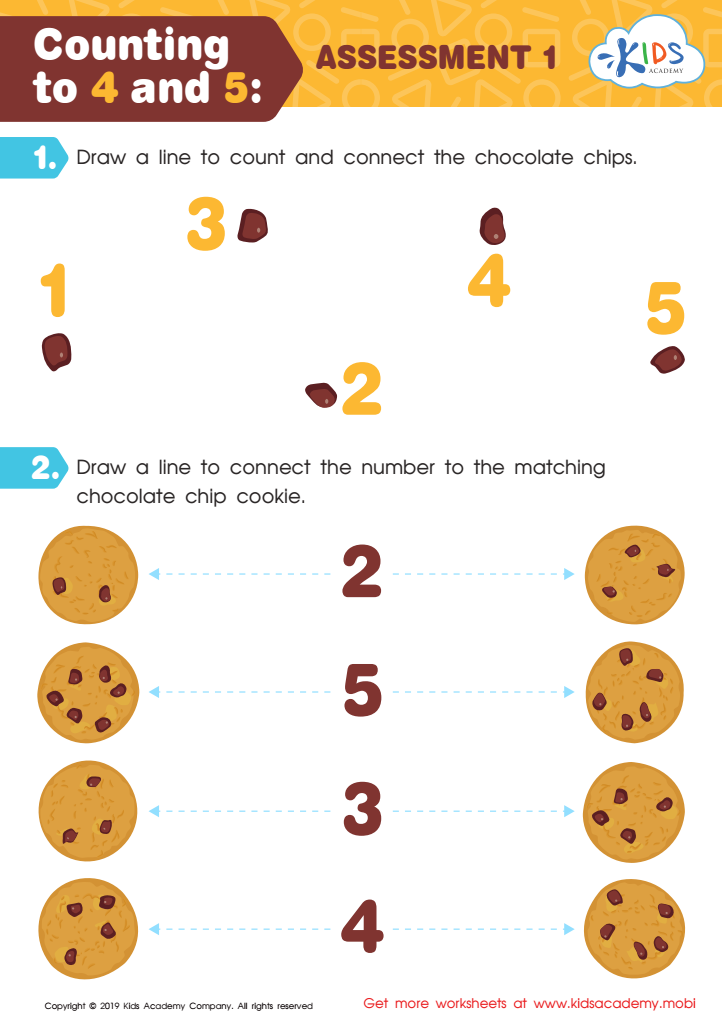
Counting to 4 and 5: Assessment 1 Worksheet
 Assign to My Students
African Wildlife: Giraffe Worksheet
Baa Baa Black Sheep Printable
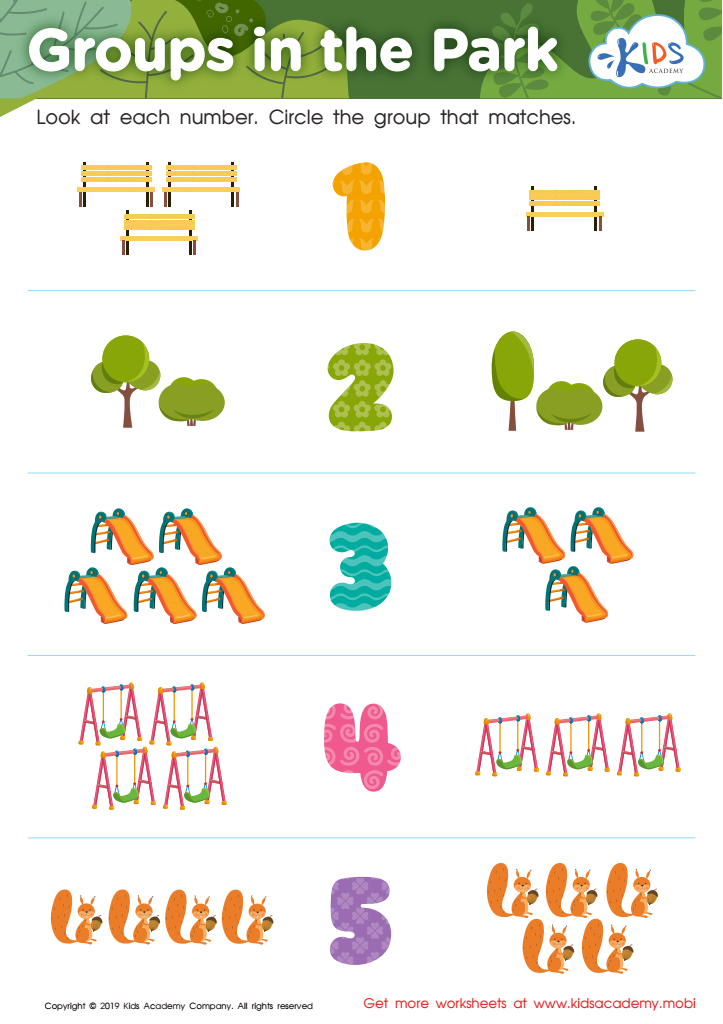
Groups in the Park Worksheet
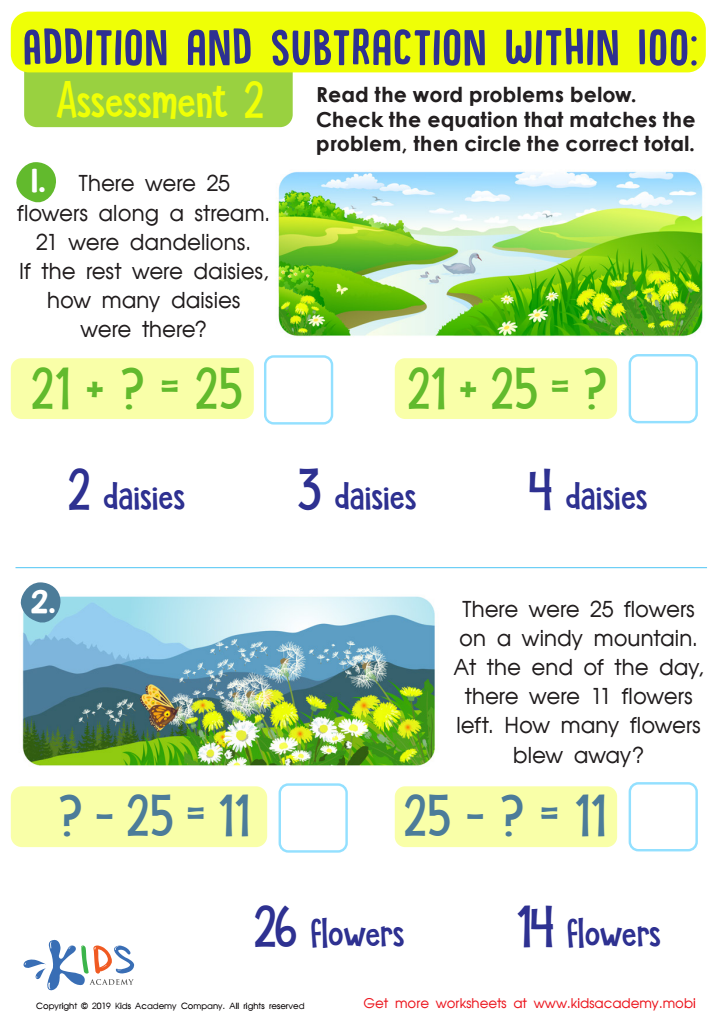
Assessment 2 Math Worksheet
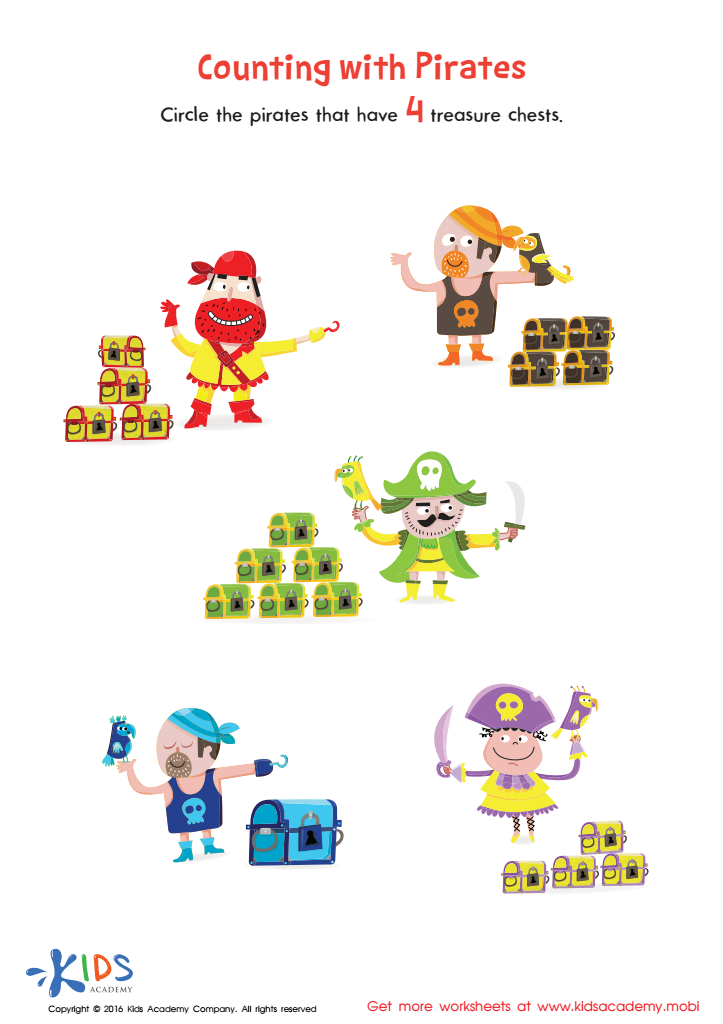
Counting With Pirates Worksheet
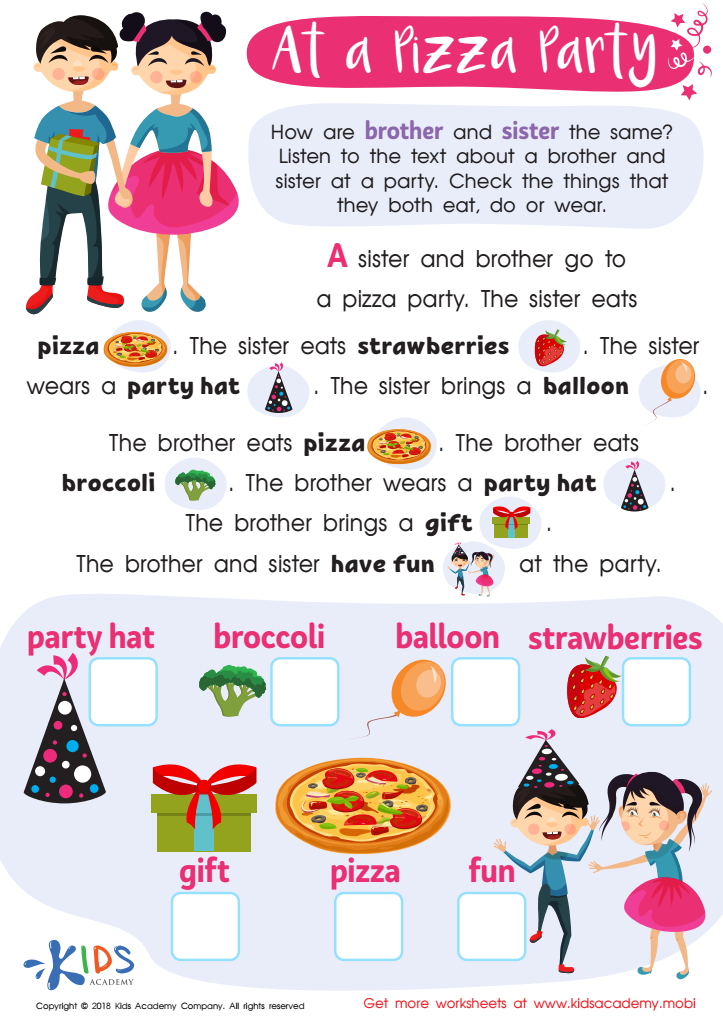
At a Pizza Party Worksheet
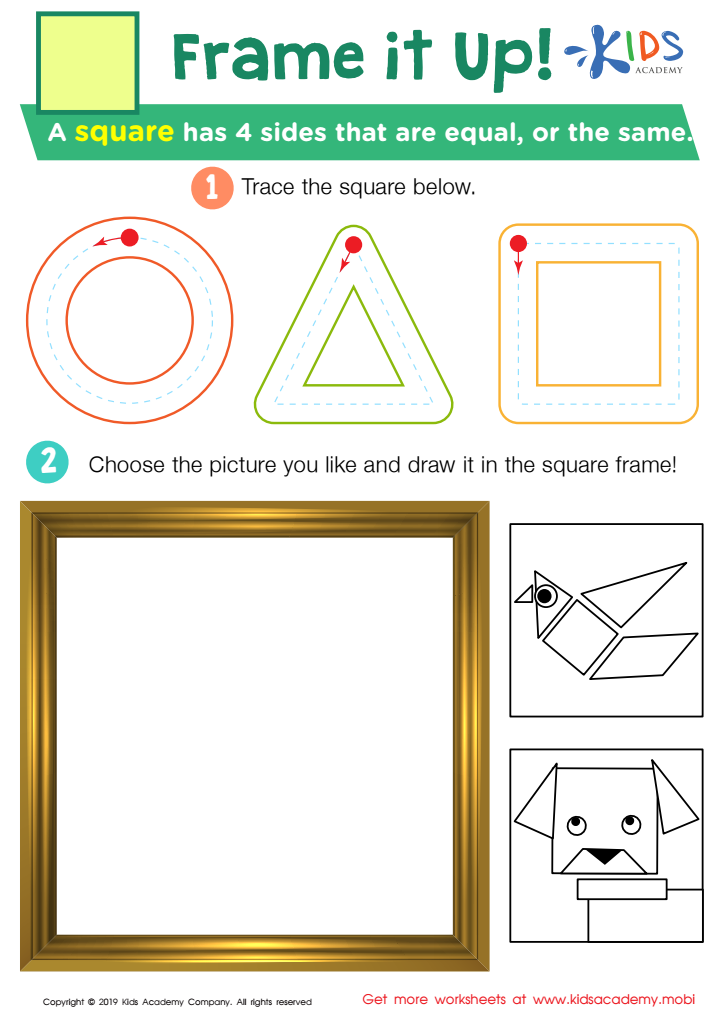
Frame it Up Worksheet
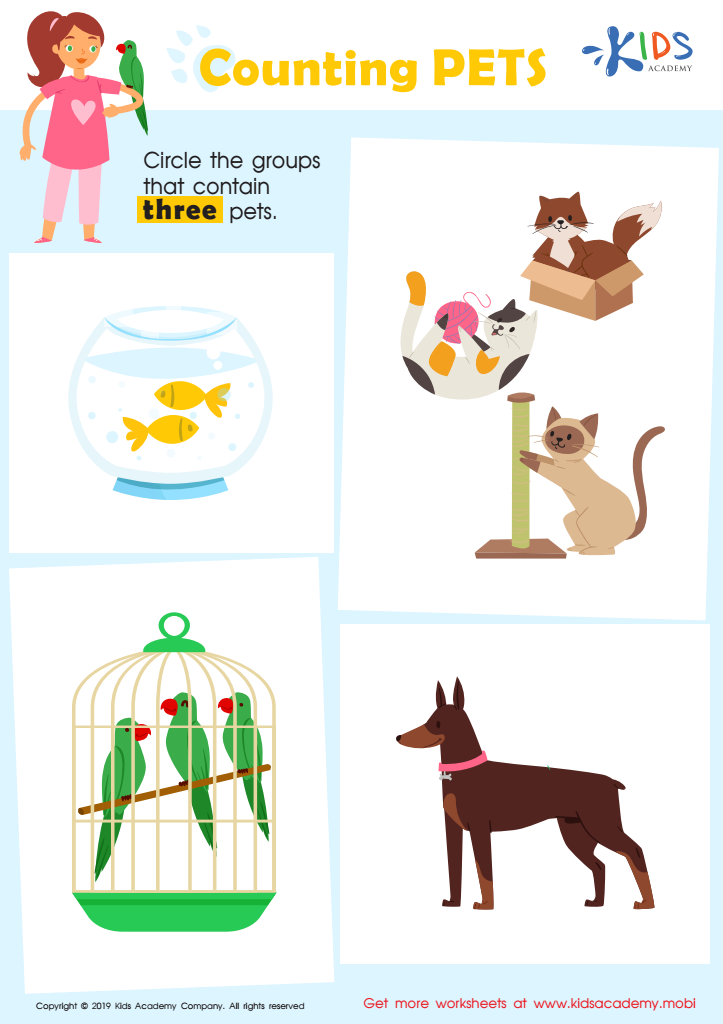
Counting Pets Worksheet
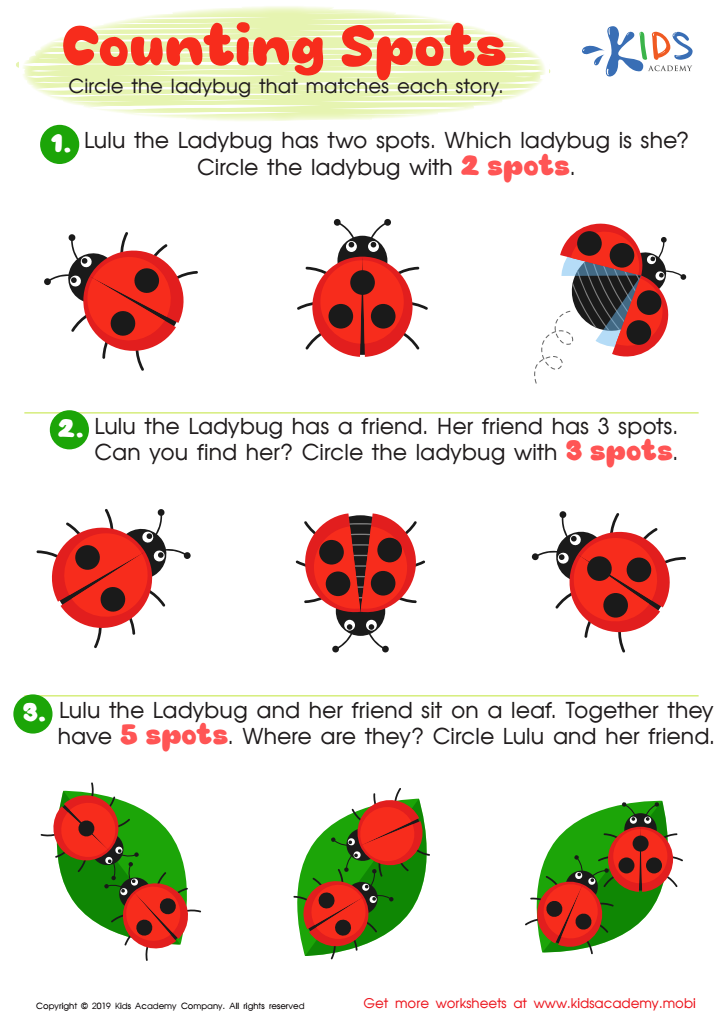
Counting Spots Worksheet
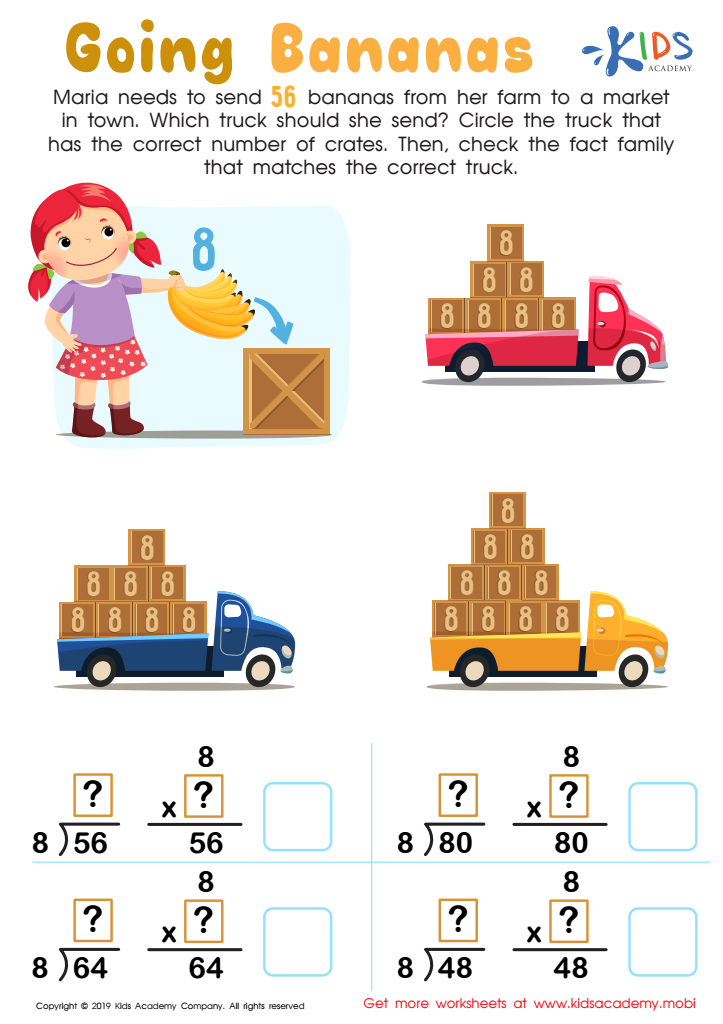
Going Bananas Worksheet
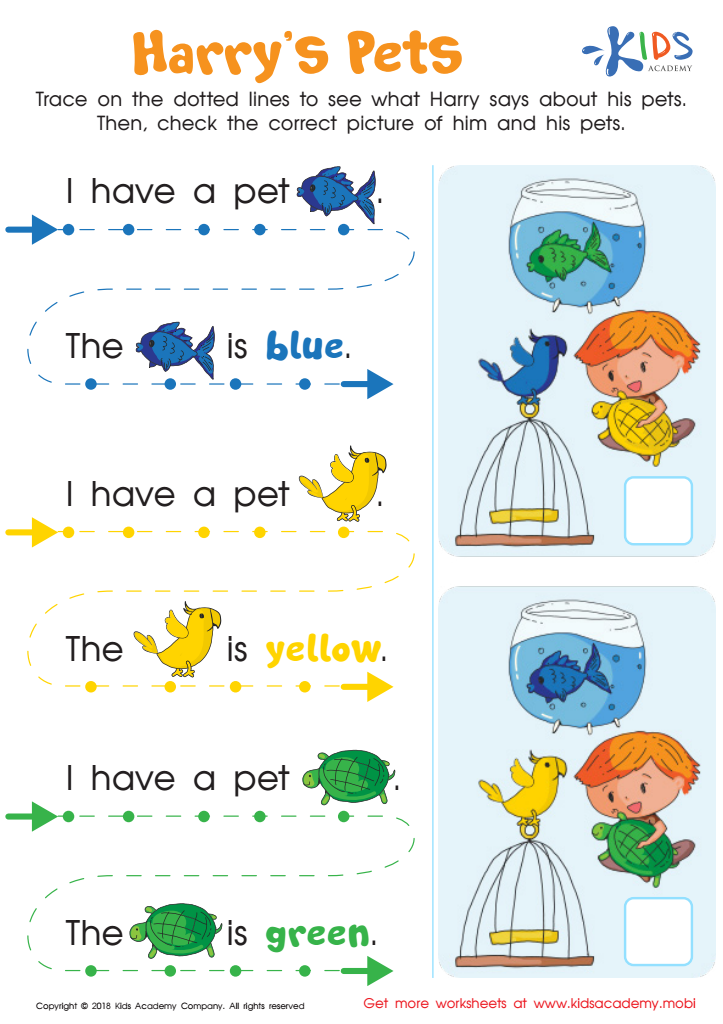
Read from Left to Right: Harry's Pets Worksheet
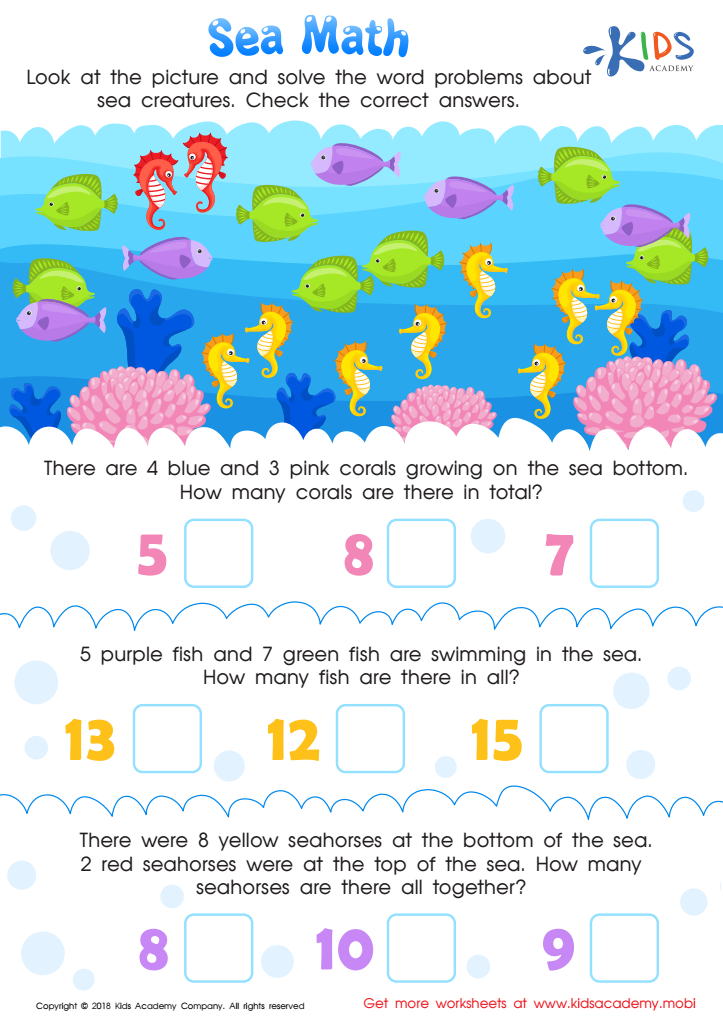
Sea Math Worksheet
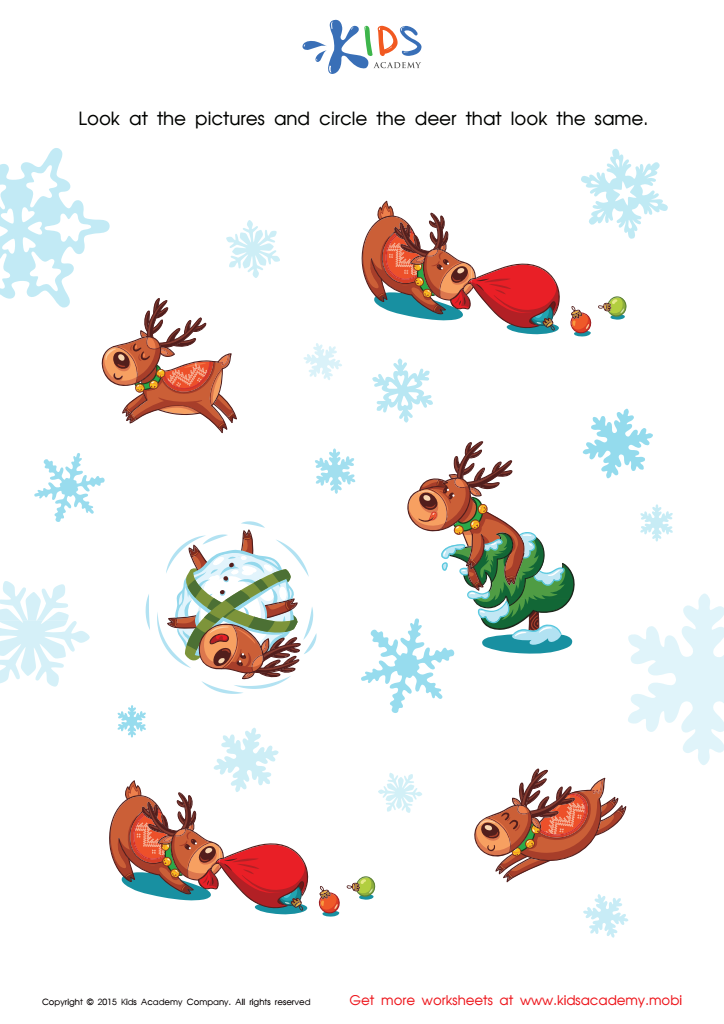
Count the Deer Worksheet
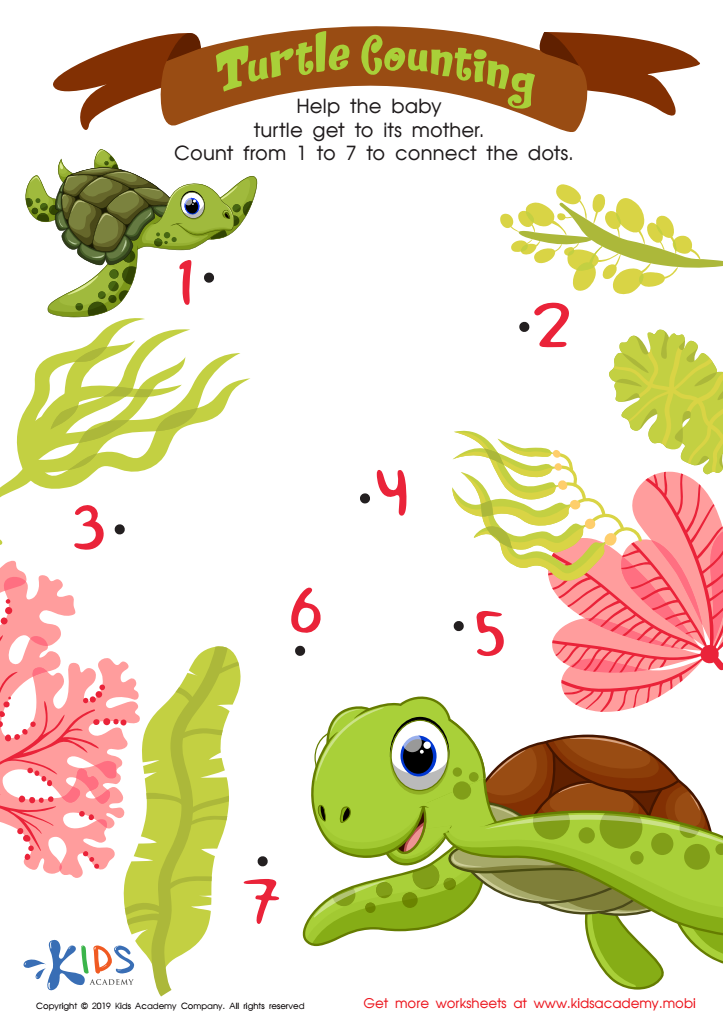
Turtle Counting Worksheet
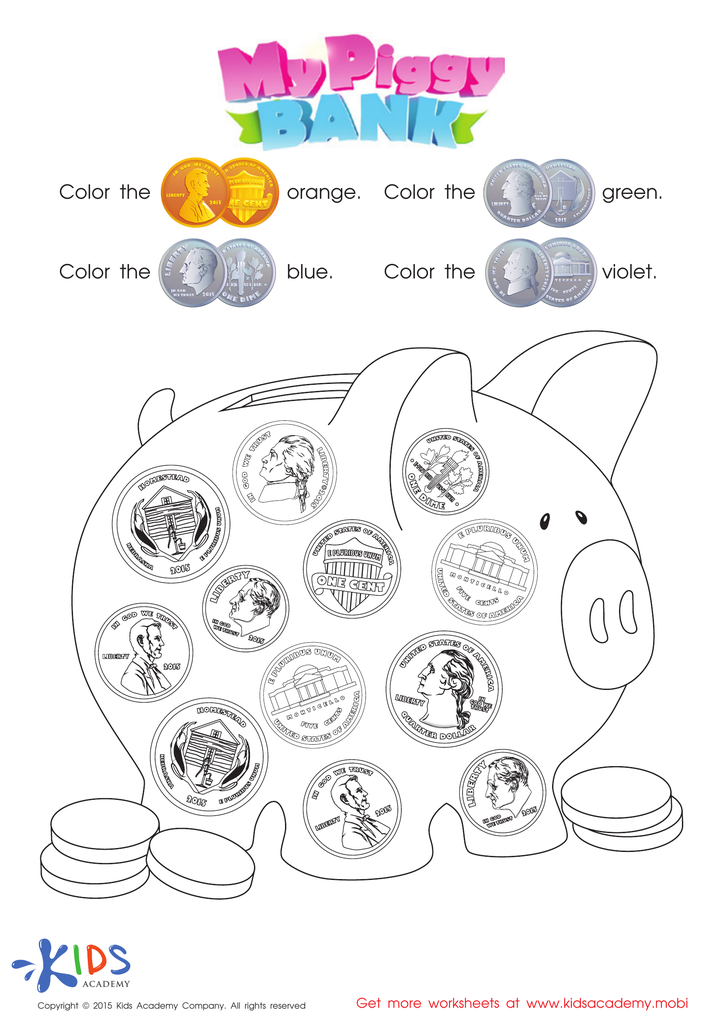
Recognizing Money Money Worksheet
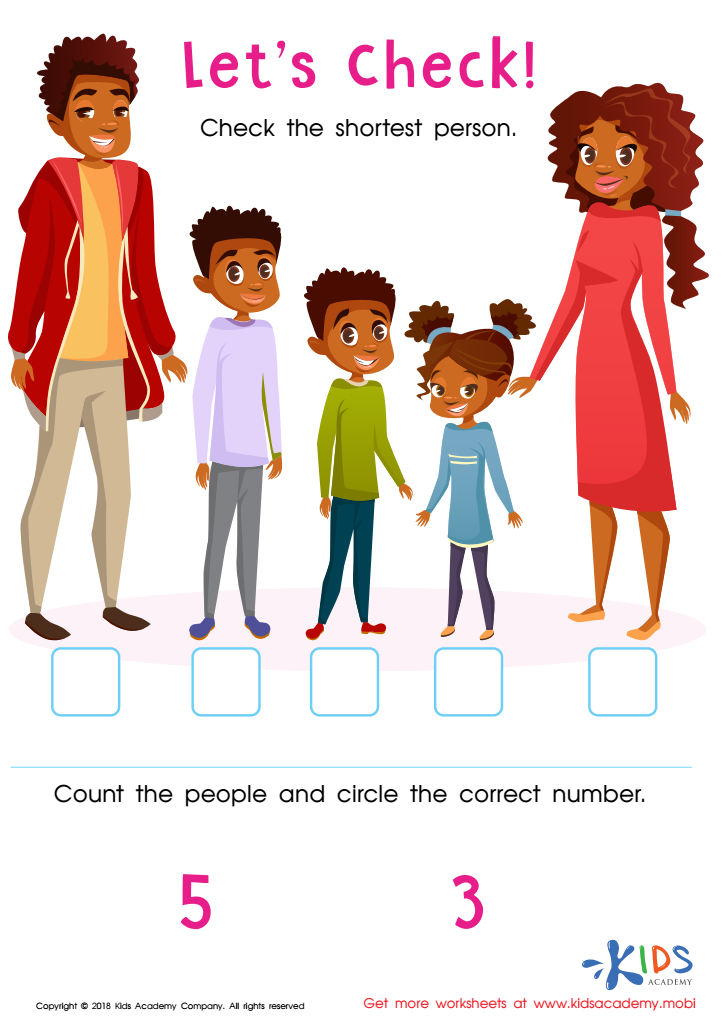
Let's Check! Assessment Worksheet
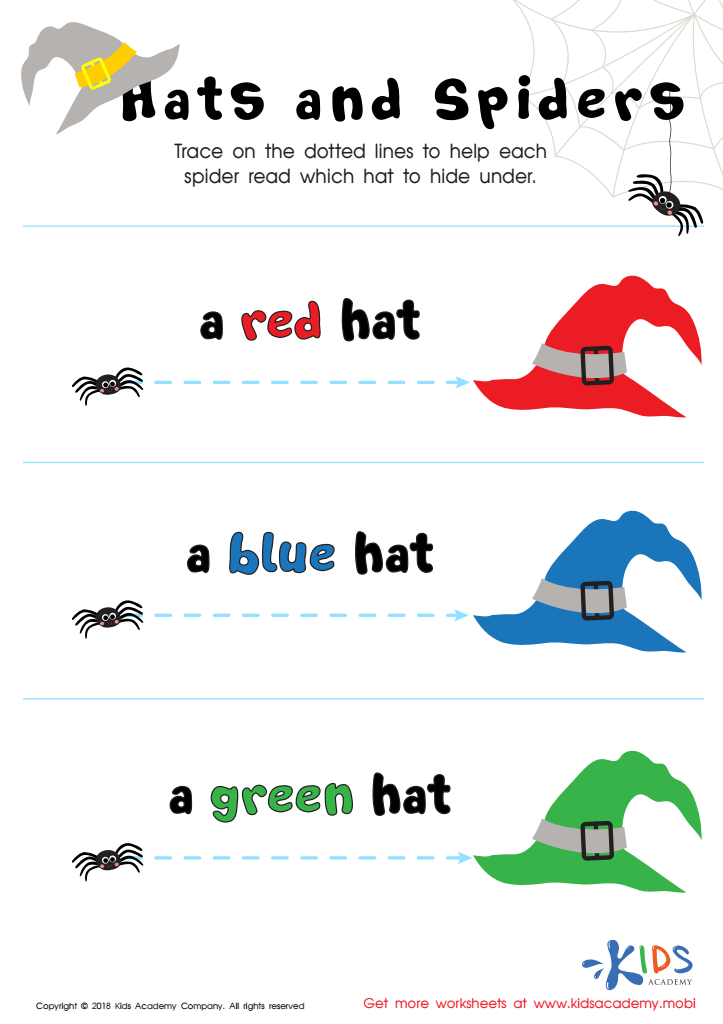
Read from Left to Right: Hats and Spiders Worksheet
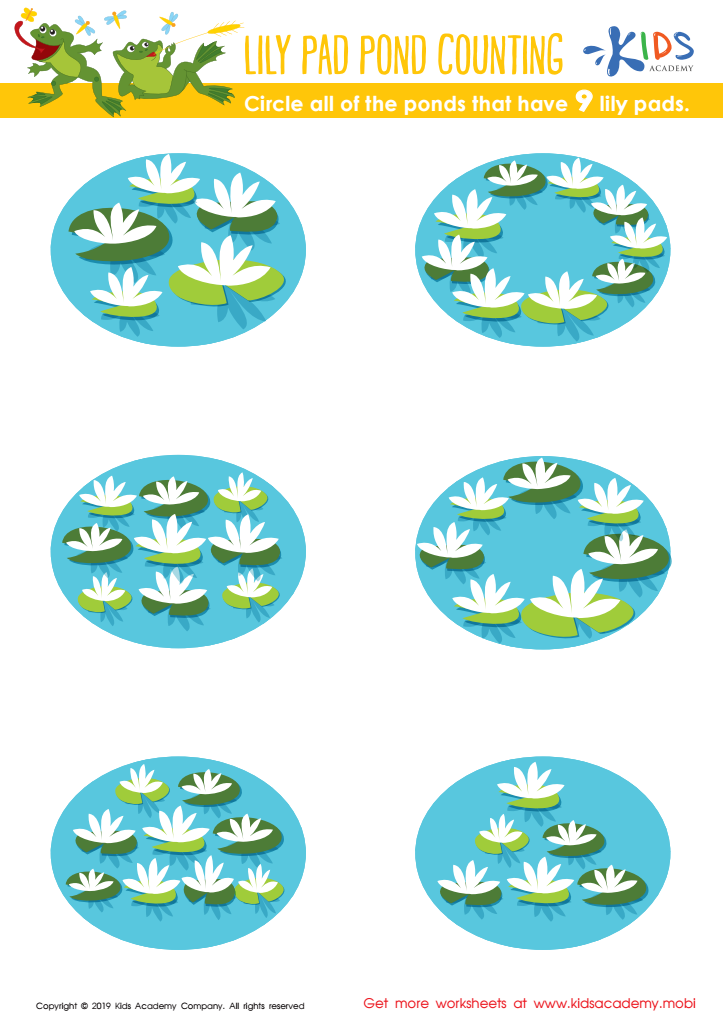
Lily Pad Pond Counting Worksheet
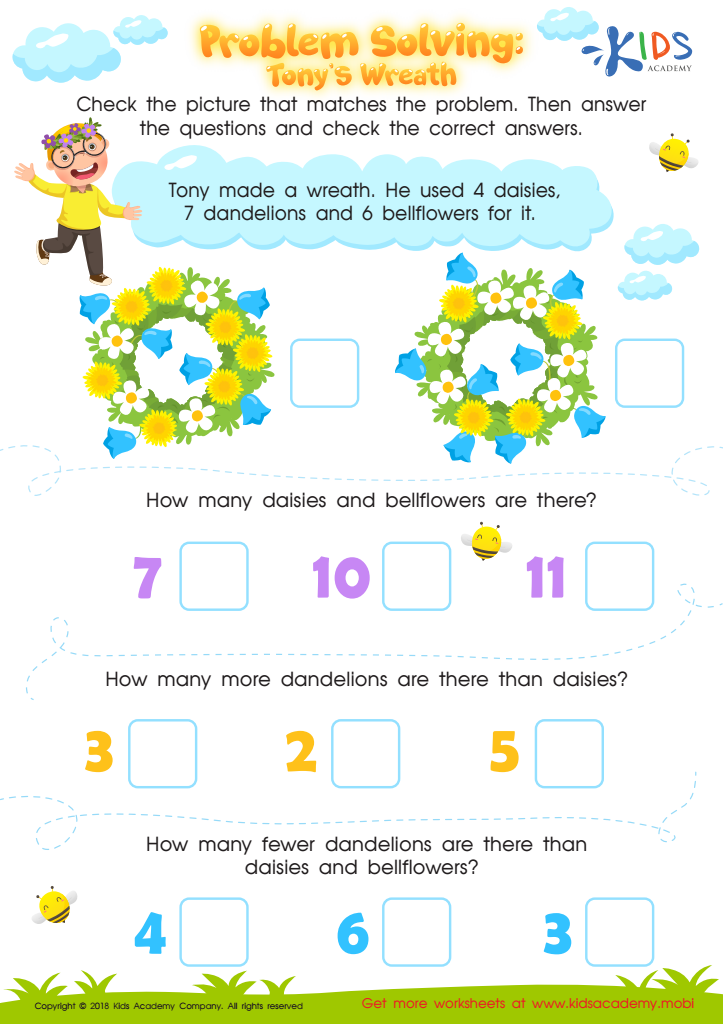
Problem Solving: Tony's Wreath Worksheet
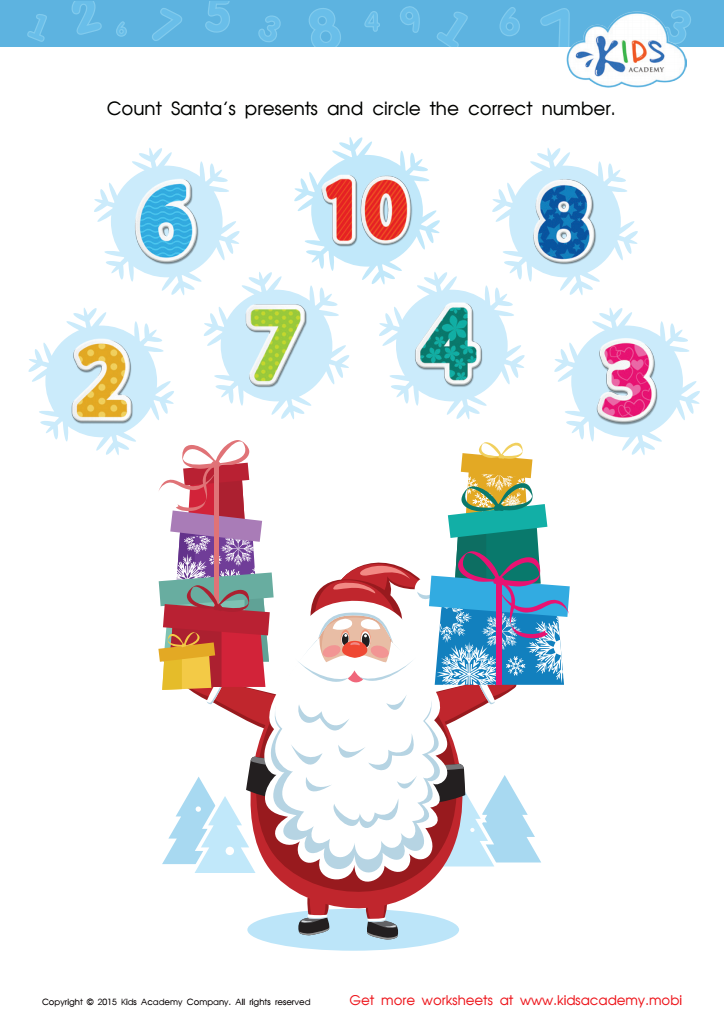
Count Santa's Presents Worksheet
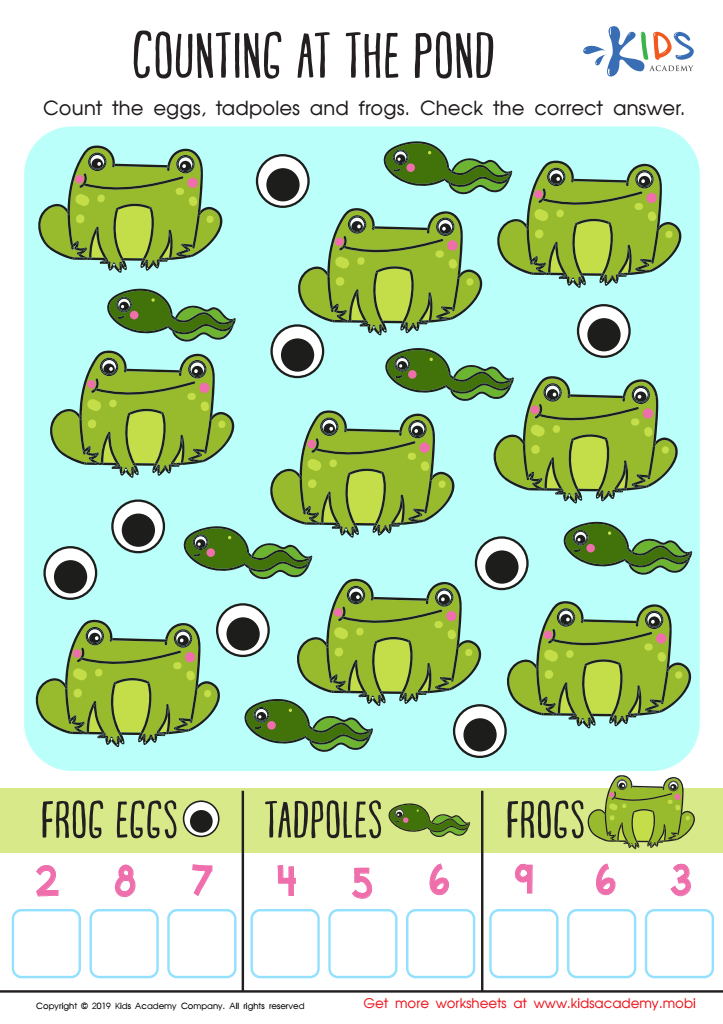
Counting at the Pond Worksheet
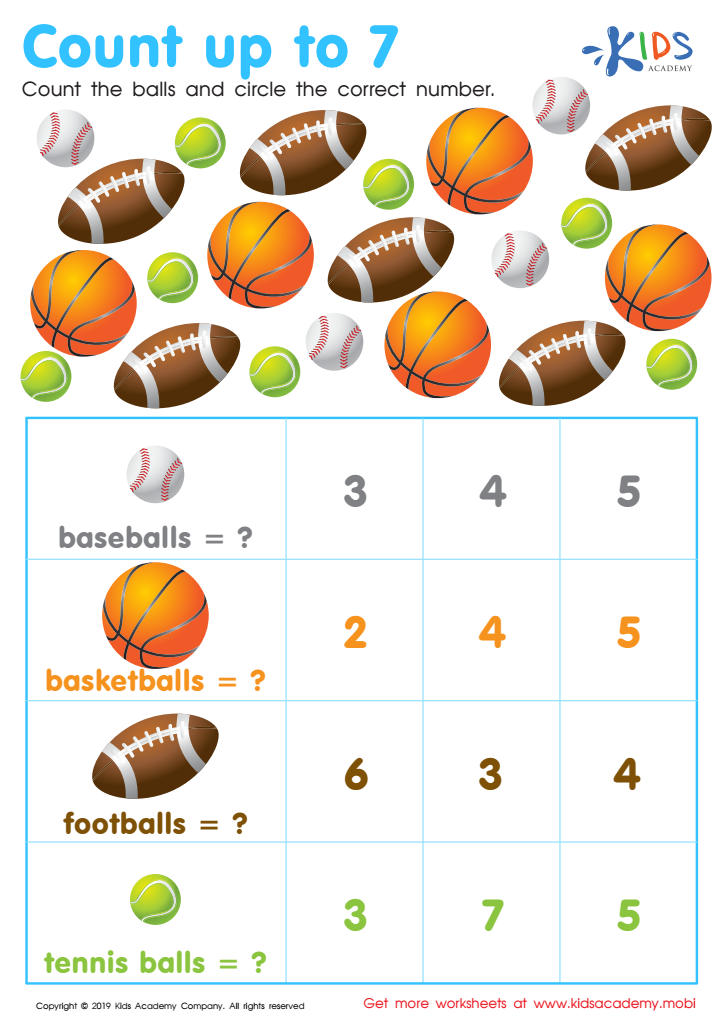
Count up to 7 Worksheet
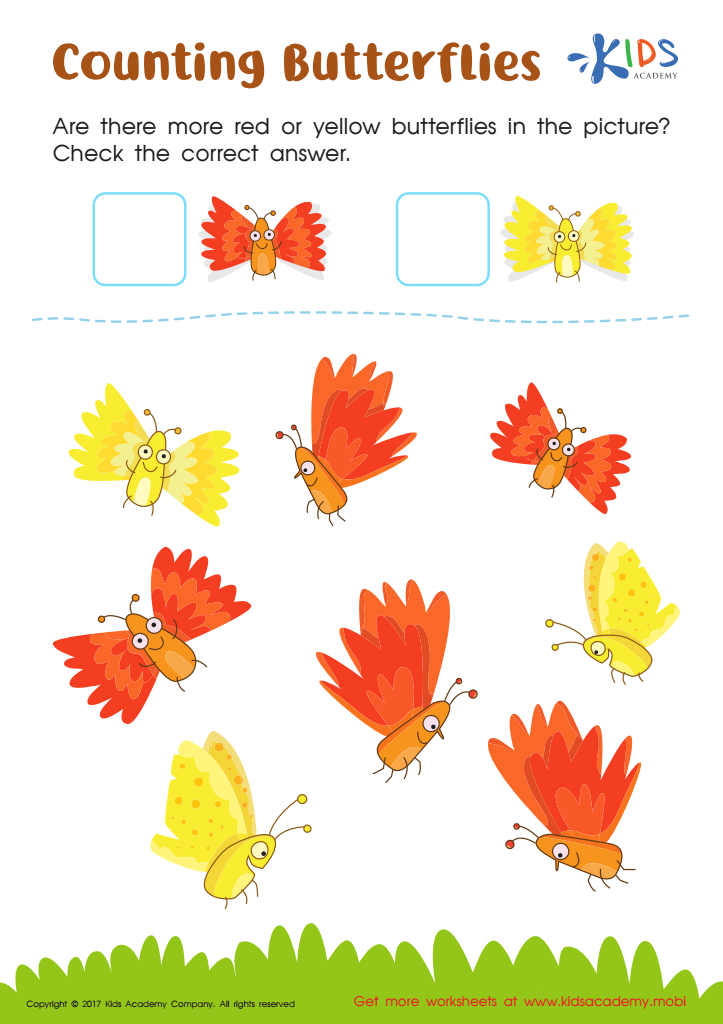
Counting Butterflies Worksheet





.jpg)
Basic addition is a crucial foundational skill for 3-year-olds, and parents and teachers should prioritize it for several reasons. Firstly, early introduction to math concepts helps stimulate cognitive development. Young children are naturally curious, and engaging them with simple addition through fun activities can foster critical thinking and problem-solving skills.
Moreover, mastering basic addition at an early age builds confidence. When children successfully grasp concepts such as "1 + 1 = 2," they gain a sense of accomplishment, encouraging a positive attitude towards learning. Use of enjoyable methods like counting toys, songs, or interactive games can make learning math engaging, showing children that math can be fun.
Additionally, basic addition helps kindergarten readiness, laying the groundwork for more complex math skills they will encounter later. Early exposure ensures that children are not intimidated by math, as they transition into formal education settings.
Lastly, responding to a child’s inquisitiveness about numbers and quantities promotes a love for learning. Involving parents and teachers in this journey cultivates a supportive environment, reinforcing that education is a partnership pivotal to a child’s growth. Thus, nurturing mathematical skills from a young age is essential for holistic development and future academic success.








