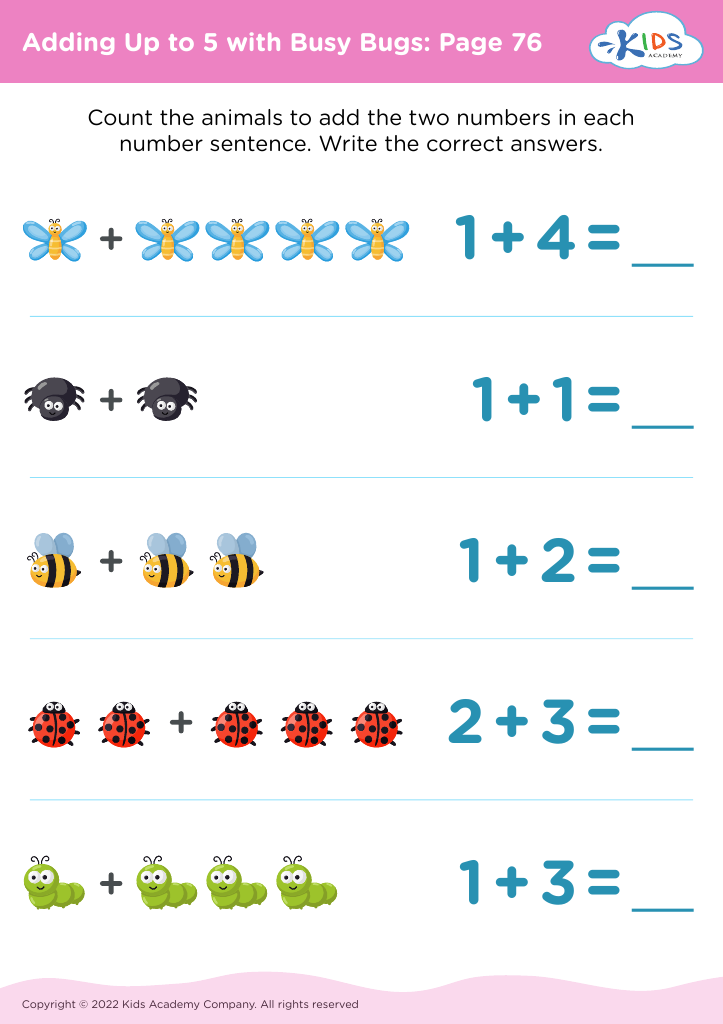
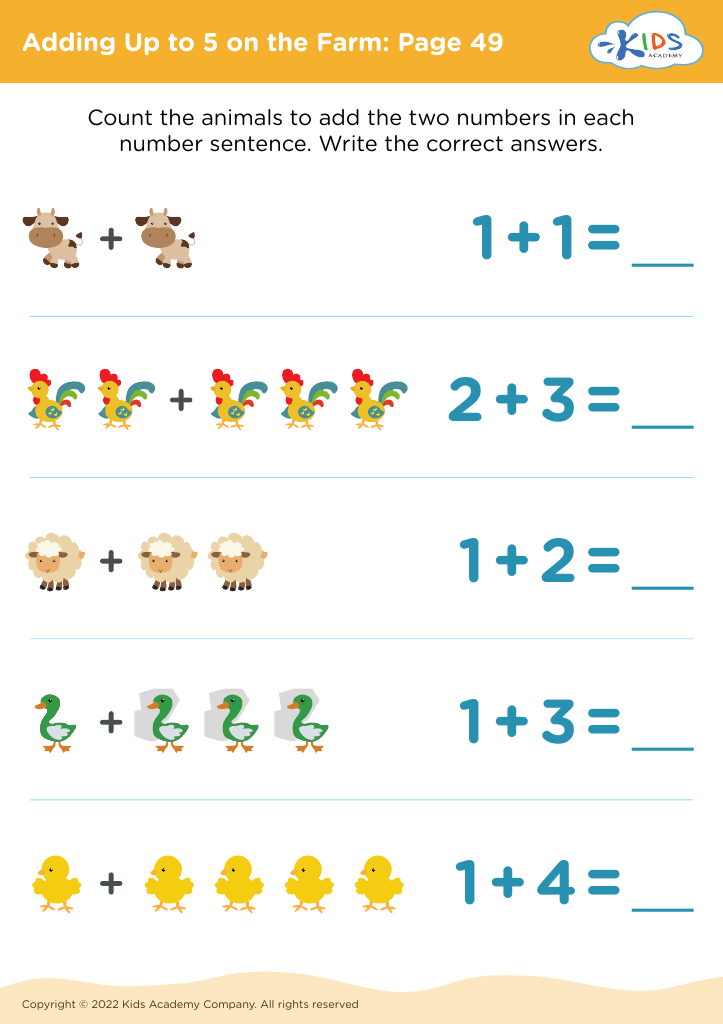
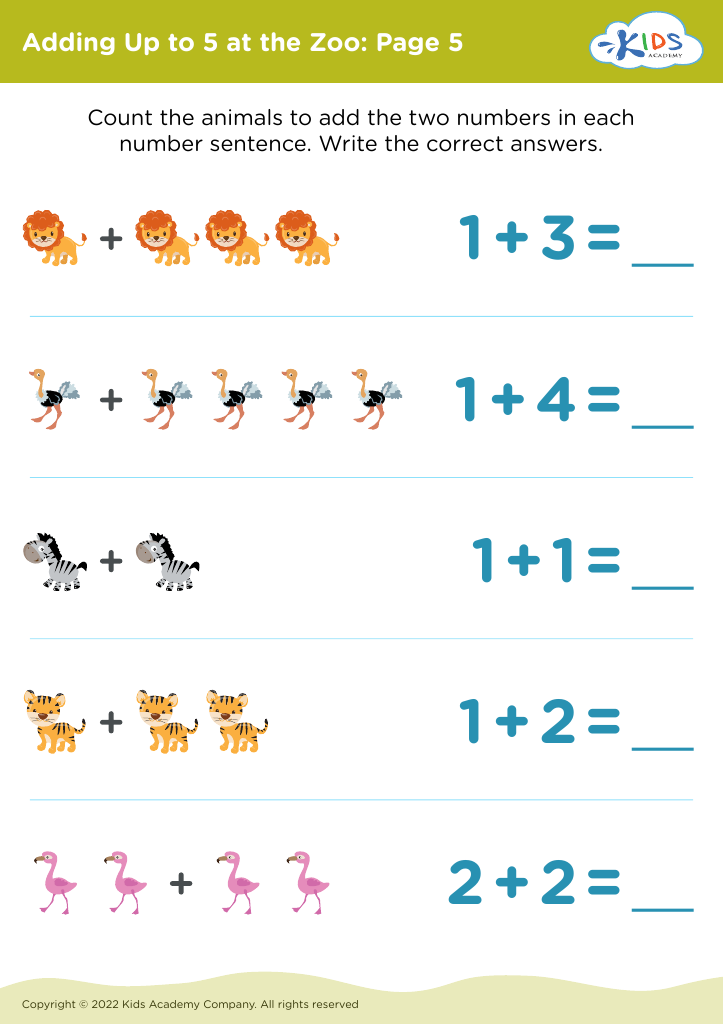
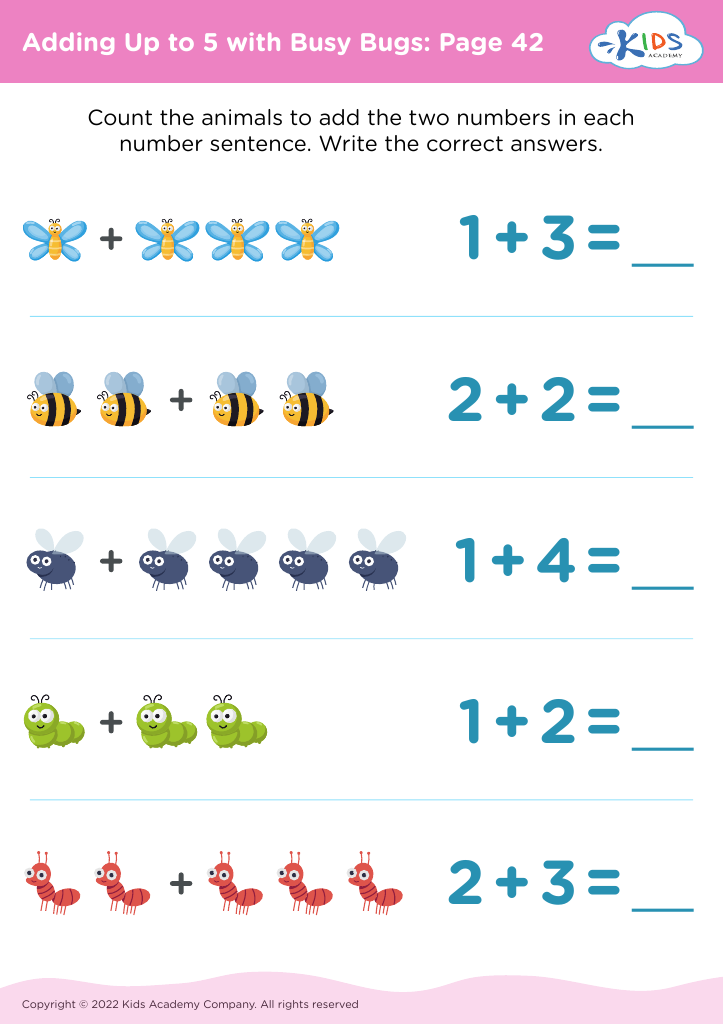
Welcome to our Basic Math Concepts Worksheets for 3-Year-Olds! Designed to engage young learners, these worksheets focus on foundational math skills through fun and interactive activities. Each worksheet introduces concepts such as counting, number recognition, shapes, and simple comparisons. Tailored for early childhood development, our materials encourage playful learning and ignite curiosity in mathematics. Parents and educators will find these worksheets perfect for reinforcing classroom lessons or providing enriching at-home learning experiences. Let your little ones explore the exciting world of numbers and shapes, building confidence in their math abilities as they play and learn!
Check out this FREE "Basic math concepts" Trial Lesson for age 3!

Sorting Objects into 3 Categories

Favorites
With answer key
Interactive
  • 3
  • Basic math concepts
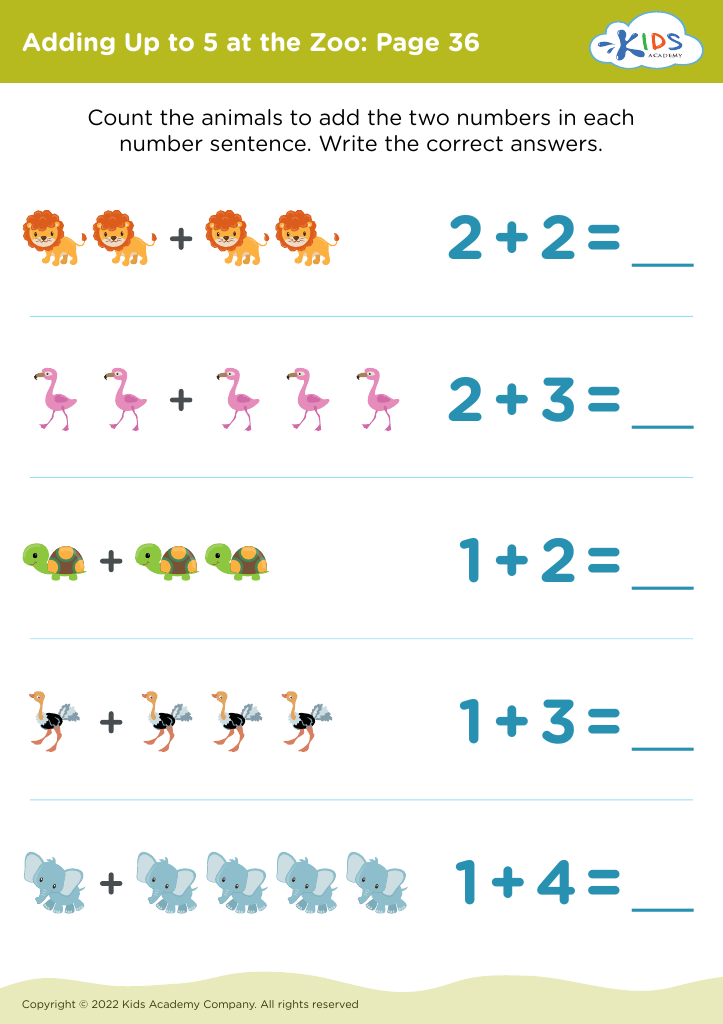
Adding Up to 5 at the Zoo: Page 36
Worksheet
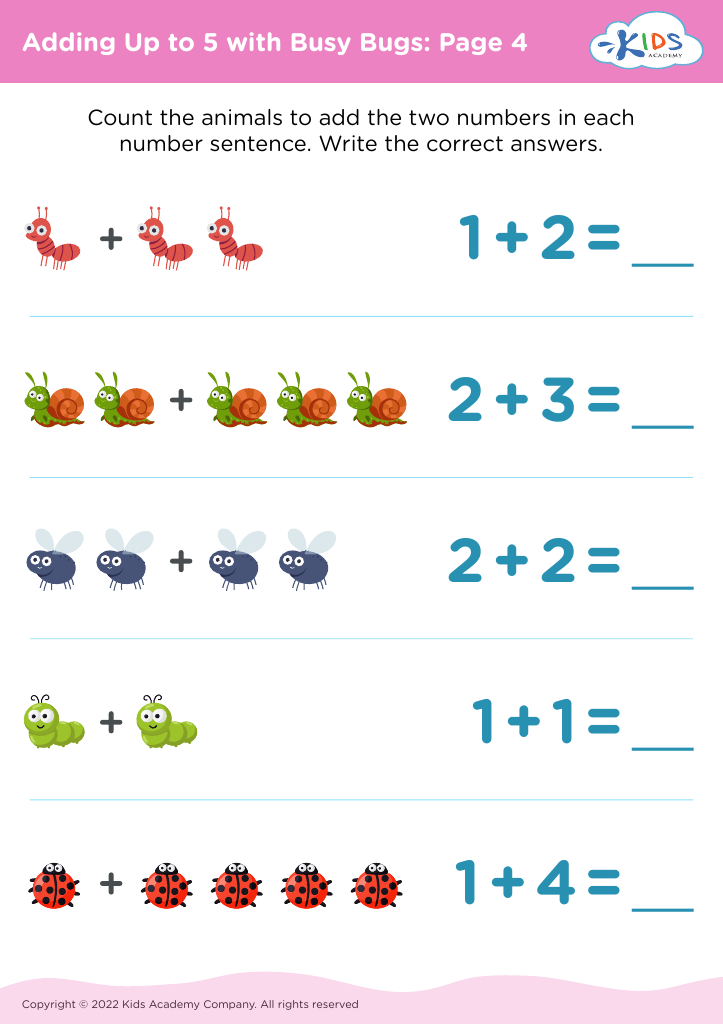
Adding Up to 5 with Busy Bugs: Page 4
Worksheet
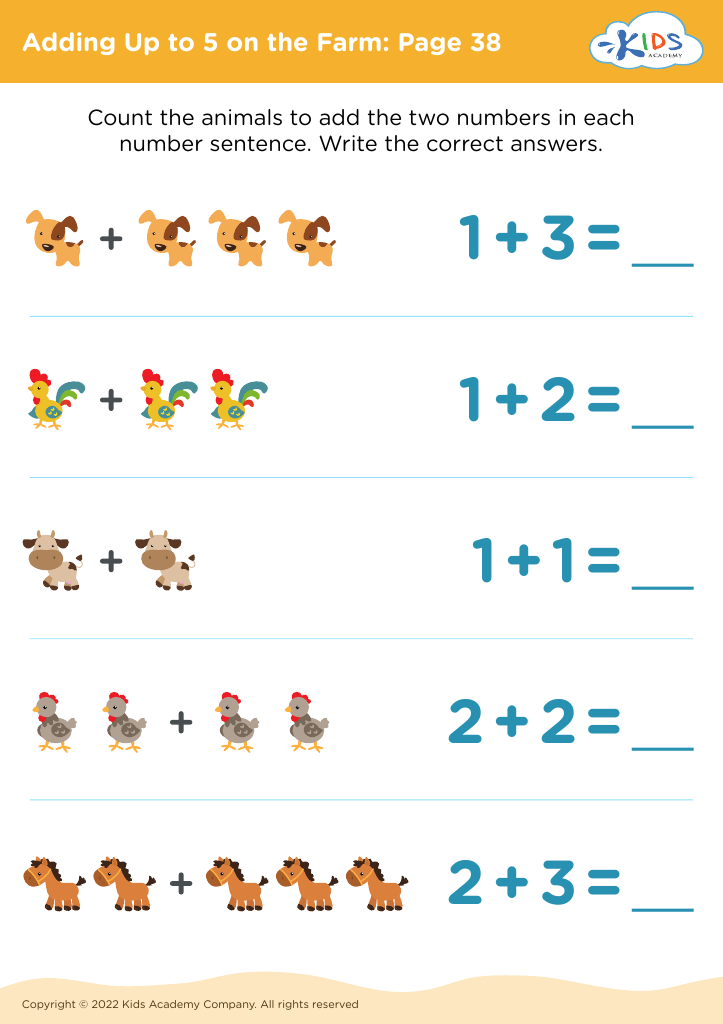
Adding Up to 5 on the Farm: Page 38
Worksheet
Adding Up to 5 with Busy Bugs: Page 76
Worksheet
Adding Up to 5 on the Farm: Page 49
Worksheet
Adding Up to 5 at the Zoo: Page 5

Adding Up to 5 at the Zoo: Page 5

Adding Up to 5 at the Zoo: Page 5
Worksheet
Adding Up to 5 with Busy Bugs: Page 42
Worksheet
Let’s Compare Worksheet for Preschool

Let's Compare Worksheet: Big or Small

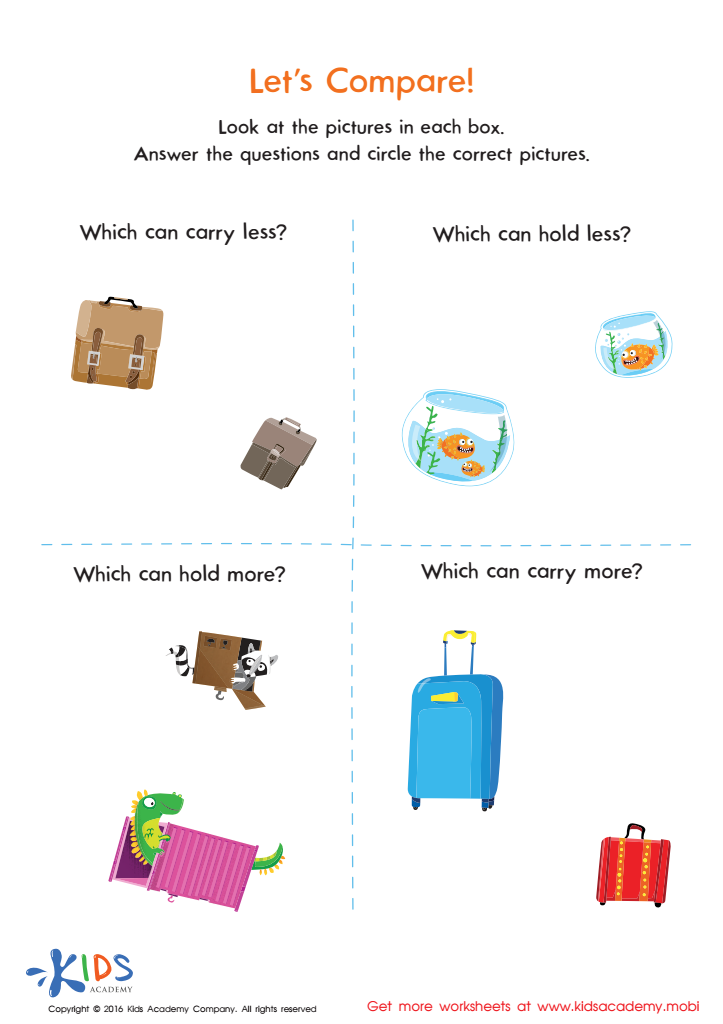
This worksheet will help your child gain an awareness of simple geometry and strengthen cognitive skills. Visualizing objects in 3D and comparing sizes helps to practice solving problems mentally and build analytical skills. Let's Compare worksheet will challenge your child to think hard.
Let's Compare Worksheet: Big or Small
Worksheet
Stack the Blocks Worksheet

Stack the Blocks Worksheet

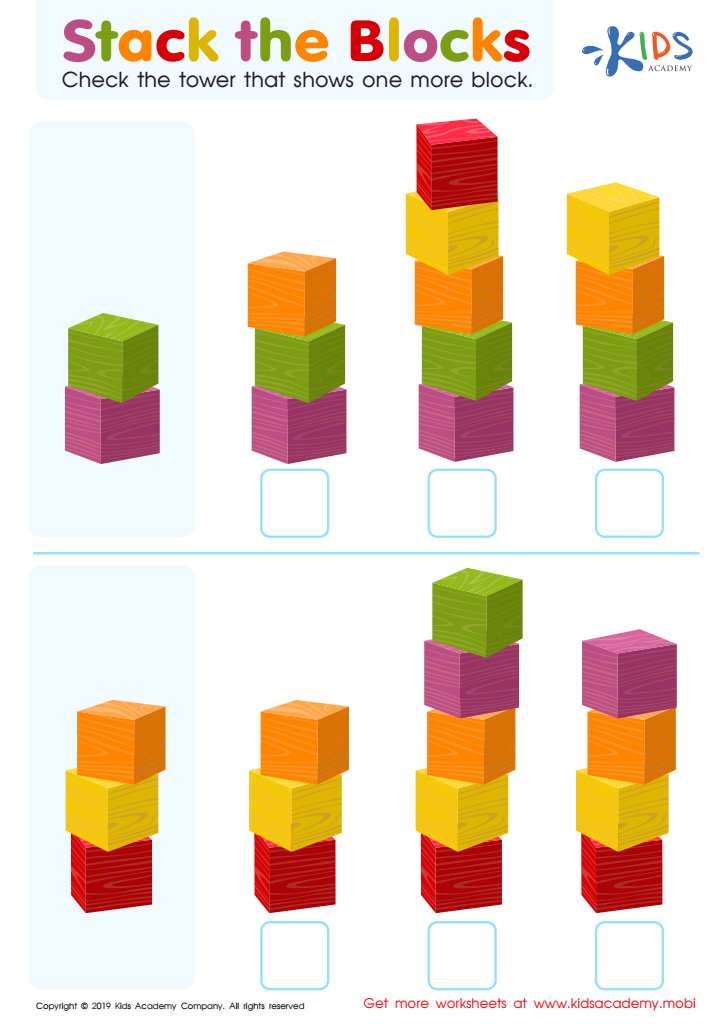
Playing with blocks is a great way for kids to learn! They can create patterns, shapes, and even count. In this worksheet, ask them to identify the colors and count each stack of blocks. If they can spot one extra block in the tower, even better! Encourage learning through play with these fun blocks.
Stack the Blocks Worksheet
Worksheet
Printable Money Games and PDF Worksheets: Five Cents or the Nickel

Five Cents or the Nickel Money Worksheet
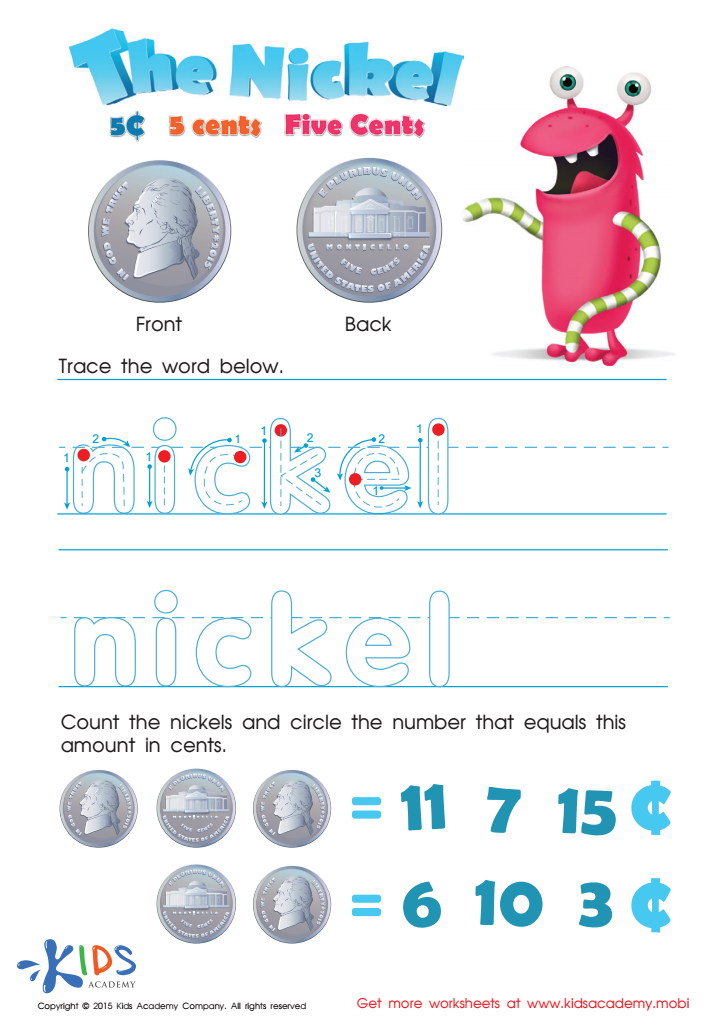
Counting money games help kids make learning money fun and easy. Next up: the 5 cent coin, or nickel. Look at both sides and remember them. Then, trace the word "nickel" to help you remember. Finally, count the nickels and work out amounts in cents. Let's do this! Kids Academy helps make money learning easy and fun!
Five Cents or the Nickel Money Worksheet
Worksheet
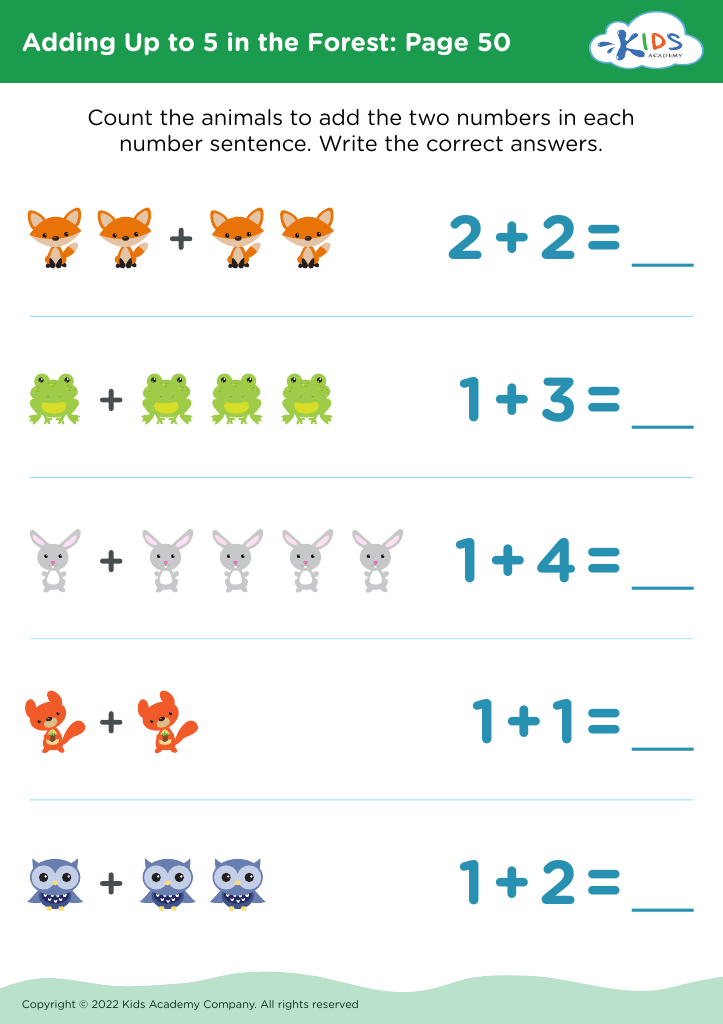
Adding Up to 5 in the Forest: Page 50
Worksheet
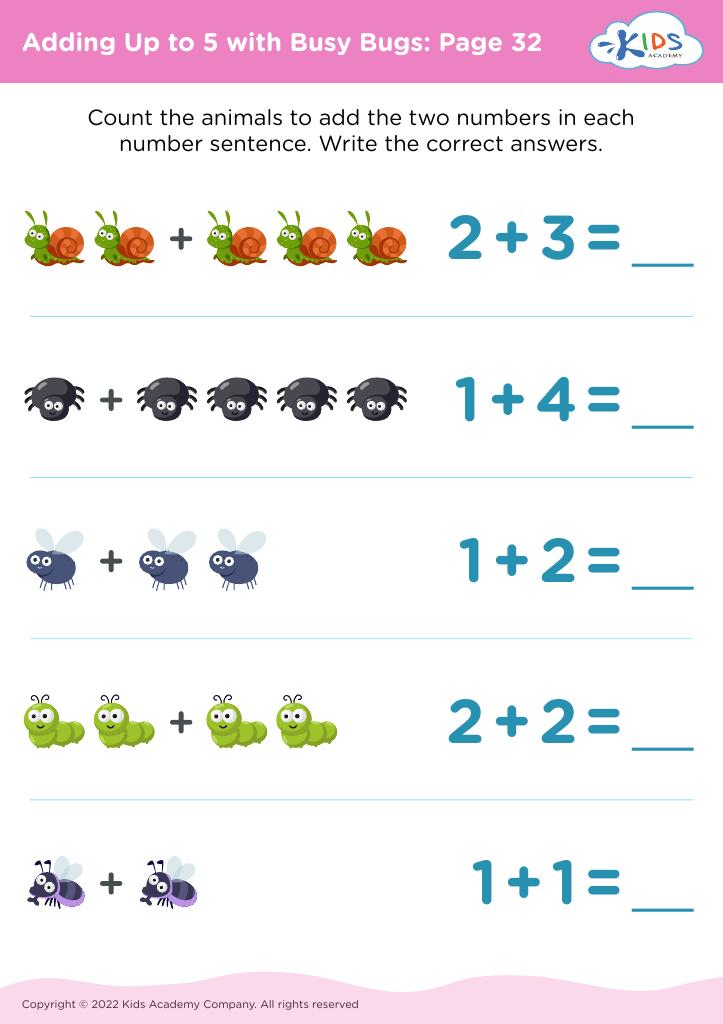
Adding Up to 5 with Busy Bugs: Page 32
Worksheet
Adding Up to 5 with Busy Bugs: Page 23
Worksheet
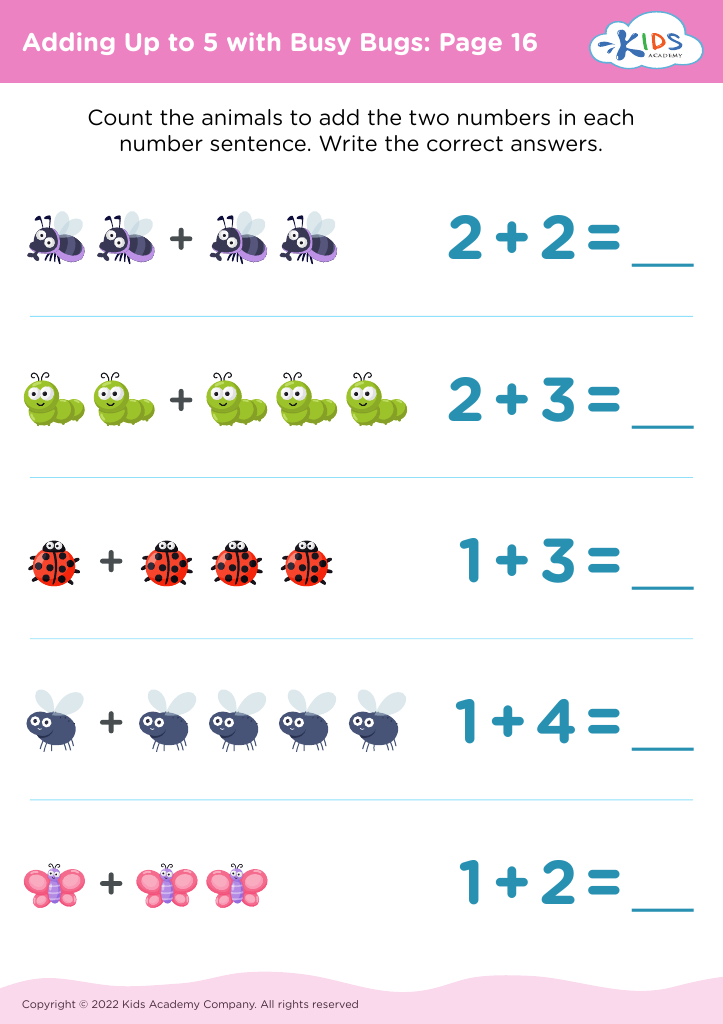
Adding Up to 5 with Busy Bugs: Page 16
Worksheet


Parents and teachers should prioritize basic math concepts for 3-year-olds because early mathematical understanding lays the foundation for future academic success. At this age, children are naturally curious and eager to learn, making it an ideal time to introduce concepts like counting, shapes, and comparisons. Engaging in simple math activities, such as counting toys or sorting objects by size and color, fosters cognitive development and critical thinking.

Moreover, math skills at this stage promote problem-solving abilities and enhance language skills through vocabulary related to quantities and comparisons. These concepts support number sense, which is essential for understanding more complex mathematics later in school. Encouraging early math exposure also helps build confidence and a positive attitude toward math, reducing anxiety as they progress through their education.

Additionally, math is intertwined with everyday activities. Simple tasks like cooking, shopping, or playing games provide practical opportunities for children to engage with math in a fun, meaningful way. By nurturing basic math concepts early on, parents and teachers set the stage for a lifelong appreciation of learning and empower children to face future academic challenges with confidence. Community support for these foundational skills ultimately benefits society by producing competent, skilled individuals.