Improving analytical skills Worksheets for 3-Year-Olds
4 filtered results
-
From - To
Boost your child's analytical skills with our engaging worksheets designed specifically for 3-year-olds! These interactive activities not only foster critical thinking but also encourage problem-solving and comprehension. Each printable worksheet incorporates fun themes and colorful visuals to captivate young learners, making education an enjoyable experience. Through puzzles, matching games, and sorting tasks, children will develop essential cognitive abilities while enhancing their focus and creativity. Perfect for parents and educators alike, these worksheets seamlessly blend play and learning, providing valuable support in early childhood development. Start your child’s journey to becoming a little thinker today with our thoughtfully crafted resources!
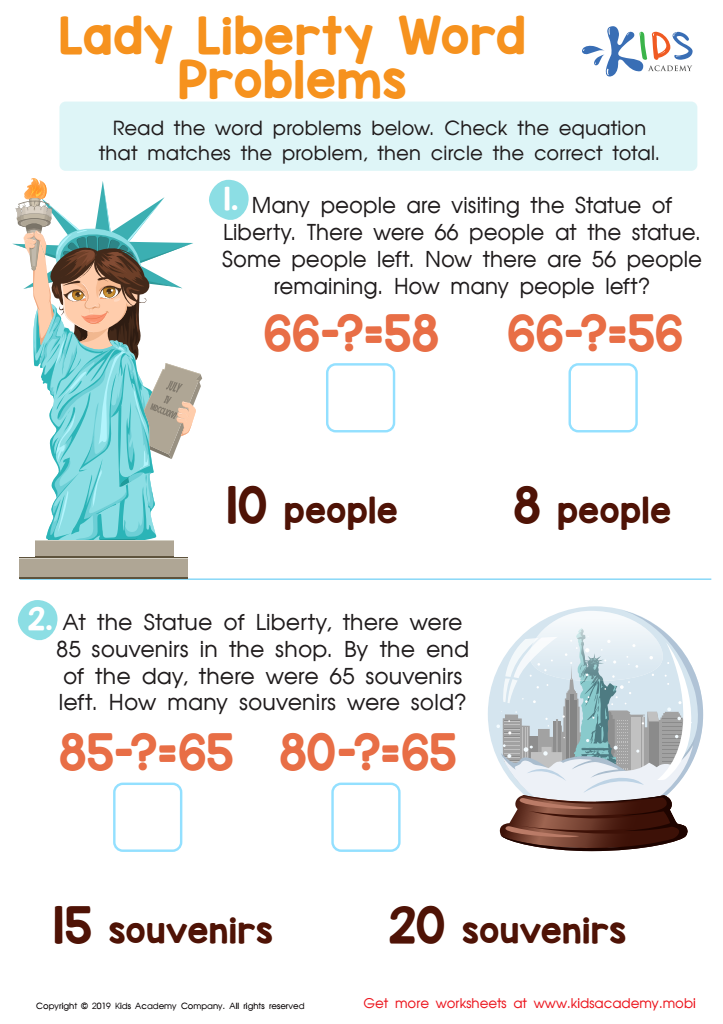
Lady Liberty Worksheet
 Assign to My Students
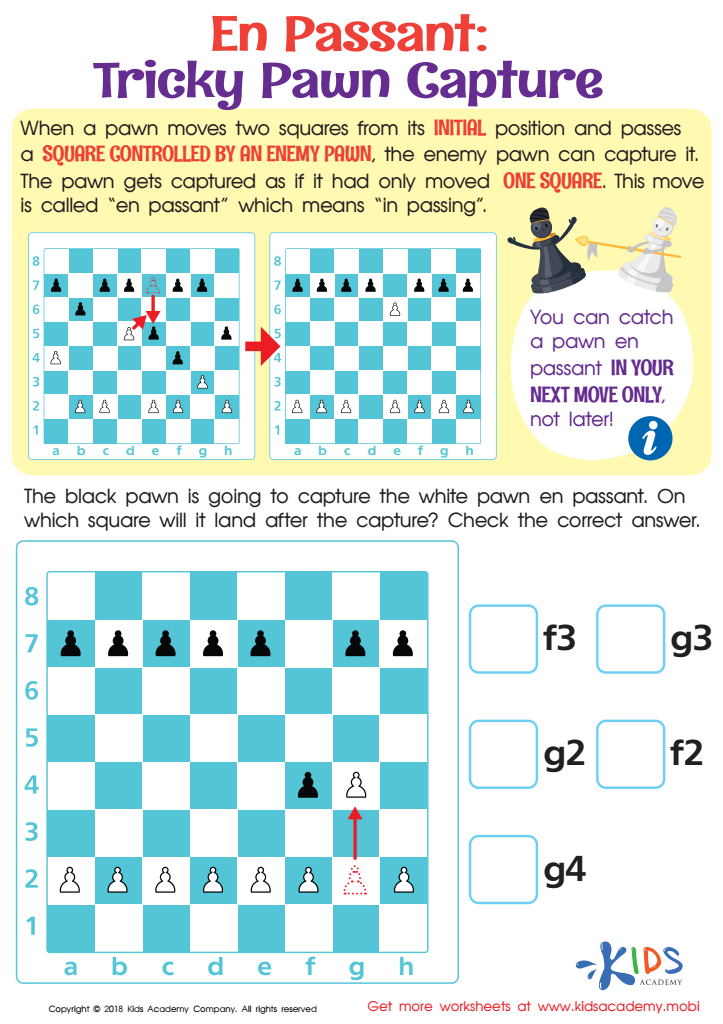
En Passant: Tricky Pawn Capture Worksheet
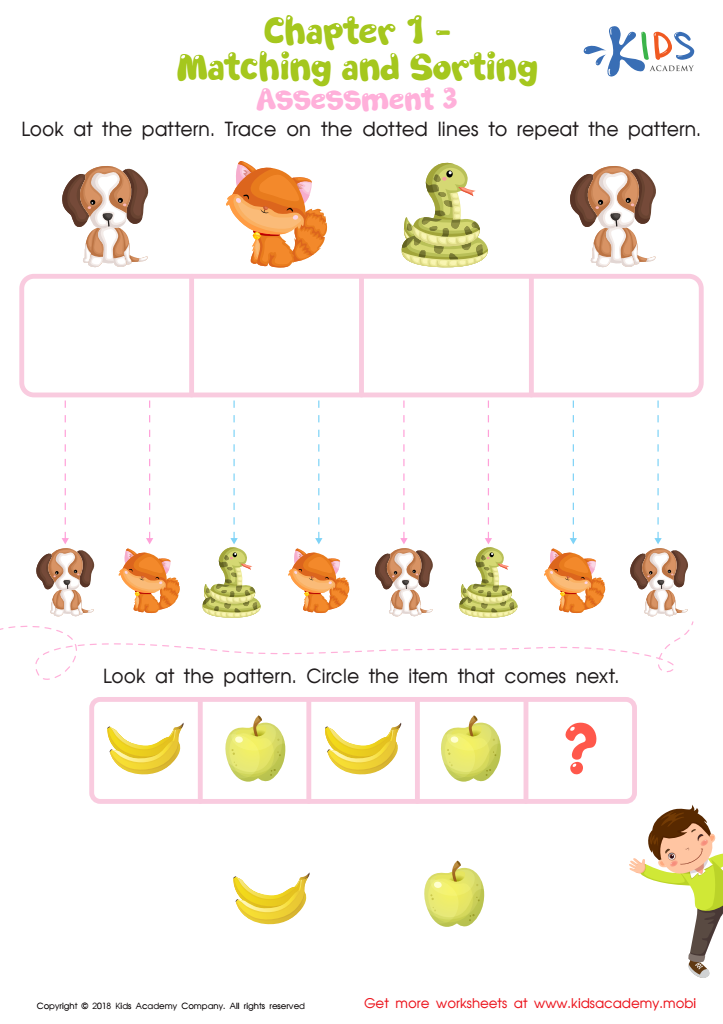
Matching and Sorting for Preschool: Assessment 3 Worksheet
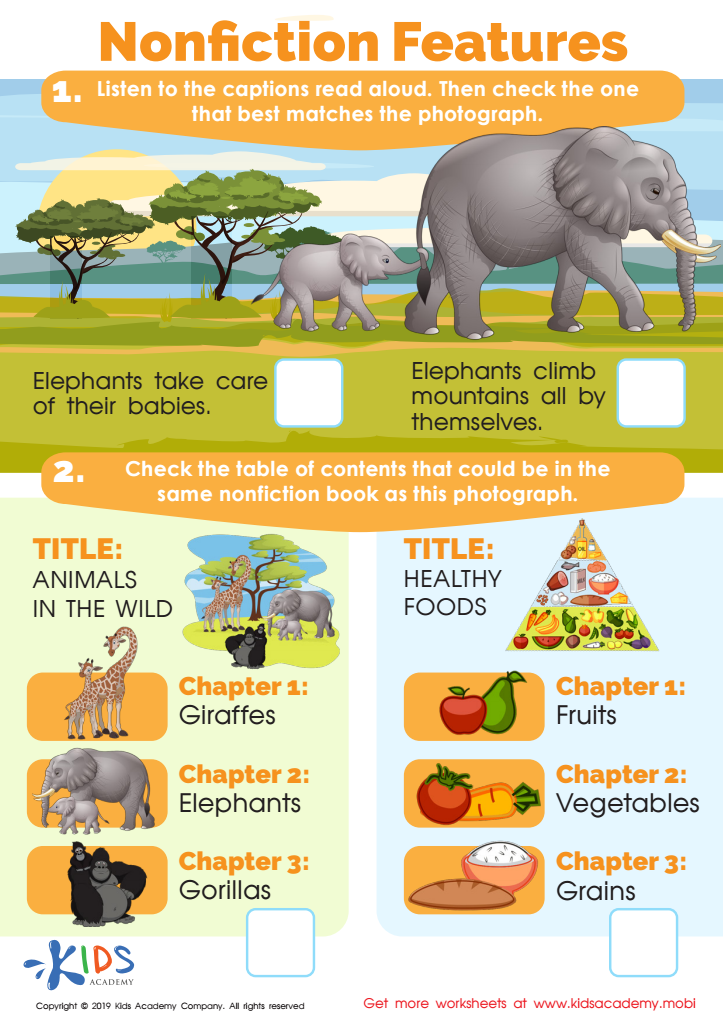
Nonfiction Features Worksheet







Improving analytical skills in 3-year-olds is crucial for their cognitive, social, and emotional development. At this age, children are like sponges, eagerly absorbing information about the world around them. Nurturing their analytical abilities helps them develop critical thinking and problem-solving skills, laying a strong foundation for future learning.
Engaging in activities that promote analytical thinking, such as sorting, categorizing, and pattern recognition, helps children understand complex concepts. For instance, when they sort objects by color or shape, they enhance their reasoning capabilities and learn to make connections between different elements. This skill set is not only vital for academic success but also fosters independence, enabling children to make decisions on their own.
Furthermore, strong analytical skills contribute to better social interactions. As children learn to assess situations, they become more adept at resolving conflicts and understanding others' perspectives. Parents and teachers play a pivotal role in this process; through guided play, questioning techniques, and interactive discussions, they can encourage curiosity and exploration.
Ultimately, investing in the development of analytical skills at an early age creates a generation of thinkers who can tackle challenges with creativity and resilience, ensuring they thrive both academically and in everyday life.








