
Mathematical reasoning Worksheets for 3-Year-Olds
15 filtered results
Difficulty Level
Grade
Age
-
From - To
Subject
Activity
Standards
Unlock your child's potential with our engaging Mathematical Reasoning Worksheets designed specifically for 3-year-olds. These interactive resources foster essential early math skills through fun activities that promote counting, sorting, and pattern recognition. Our worksheets are tailored to keep young learners entertained while helping them develop critical thinking skills essential for future learning. Featuring vibrant illustrations and age-appropriate challenges, your little one will enjoy practicing numbers and shapes in a playful environment. Whether at home or in the classroom, these worksheets make math accessible and enjoyable, laying a strong foundation for lifelong learning. Explore our collection and watch your child thrive!
Favorites
With answer key
Interactive
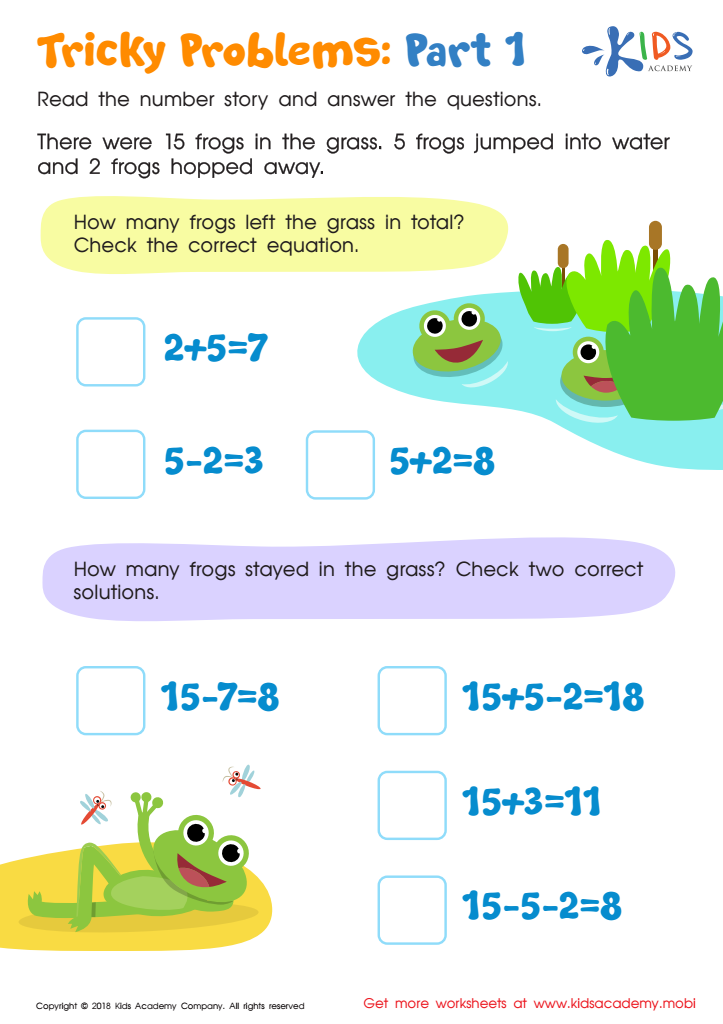
Tricky Problems Worksheet: Part 1
Visualizing word problems can help students solve them. This fun PDF worksheet encourages students to create mental images using math facts, then check boxes to match the equations for basic addition problems. It's a great way to build confidence in solving math.
 Assign to My Students
Tricky Problems Worksheet: Part 1
Worksheet
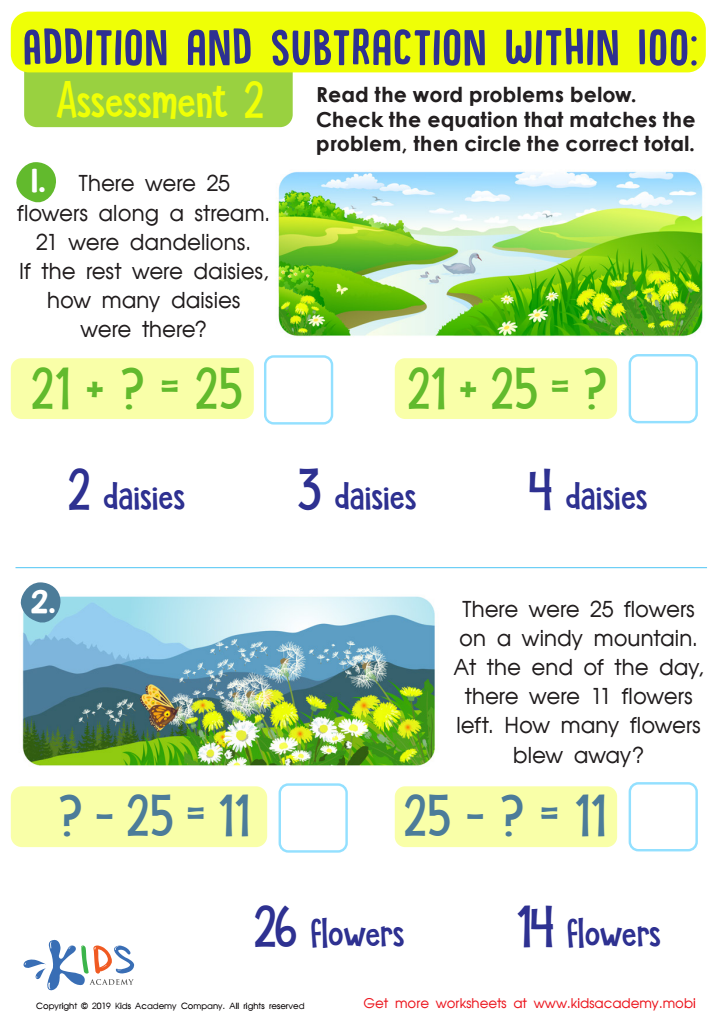
Assessment 2 Math Worksheet
Using fun exercises and pictures, you can get kids excited about math. With practice and reminders of what they've learnt, they'll be solving simple addition and subtraction equations with ease. Read the word problems in the picture to them, then help them check the equation and choose the correct answer.
Assessment 2 Math Worksheet
Worksheet
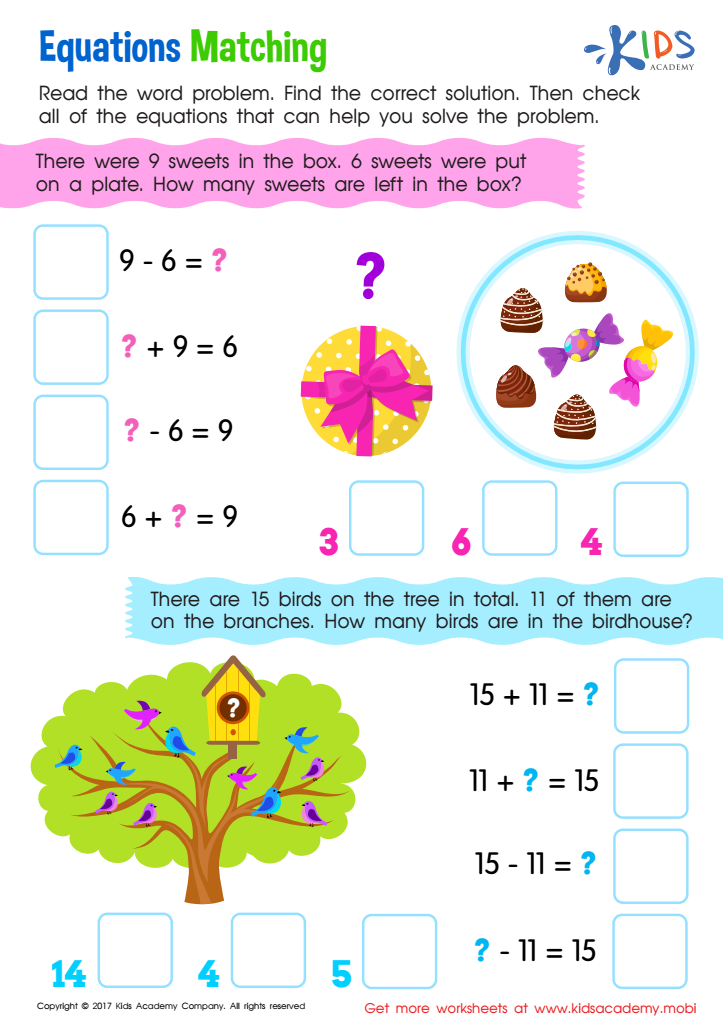
Equations Matching Word Problems Worksheet
Download this worksheet and give your young mathematician practice in solving equations using matching numbers and number family facts. They'll solve word problems, develop critical thinking and algebraic reasoning, and gain success with addition and subtraction.
Equations Matching Word Problems Worksheet
Worksheet
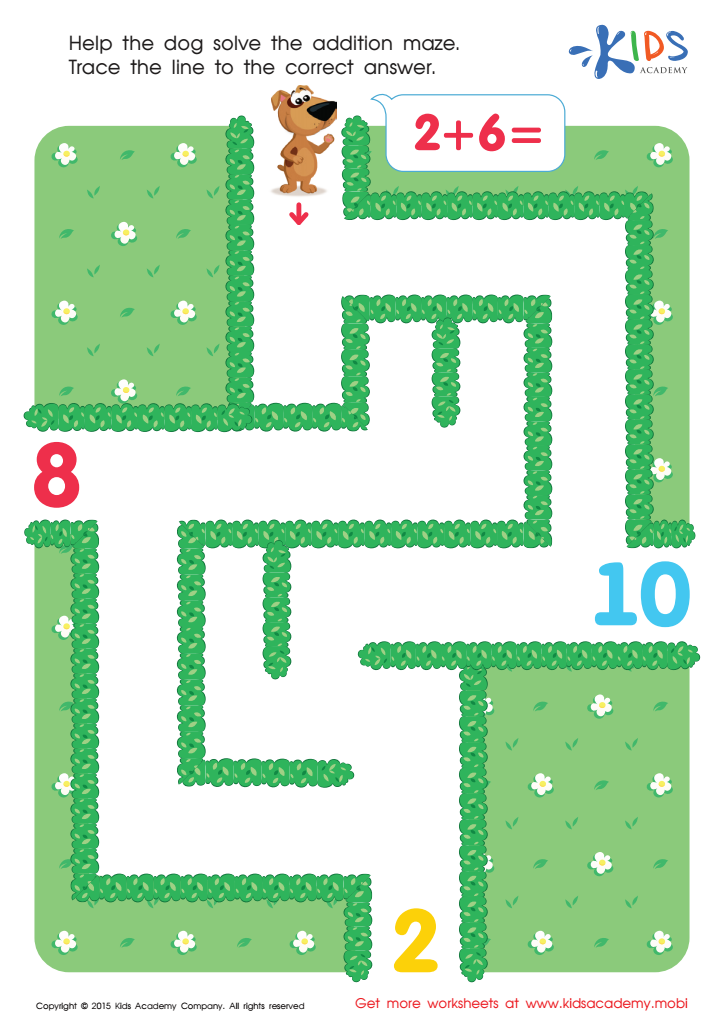
Two Plus Six Addition Worksheet
Make maths fun and interesting for your preschooler with our kindergarten addition worksheets. Help the dog to trace the right path to the correct answer and explore our free printable addition and subtraction worksheets. Visit our site for more study materials.
Two Plus Six Addition Worksheet
Worksheet
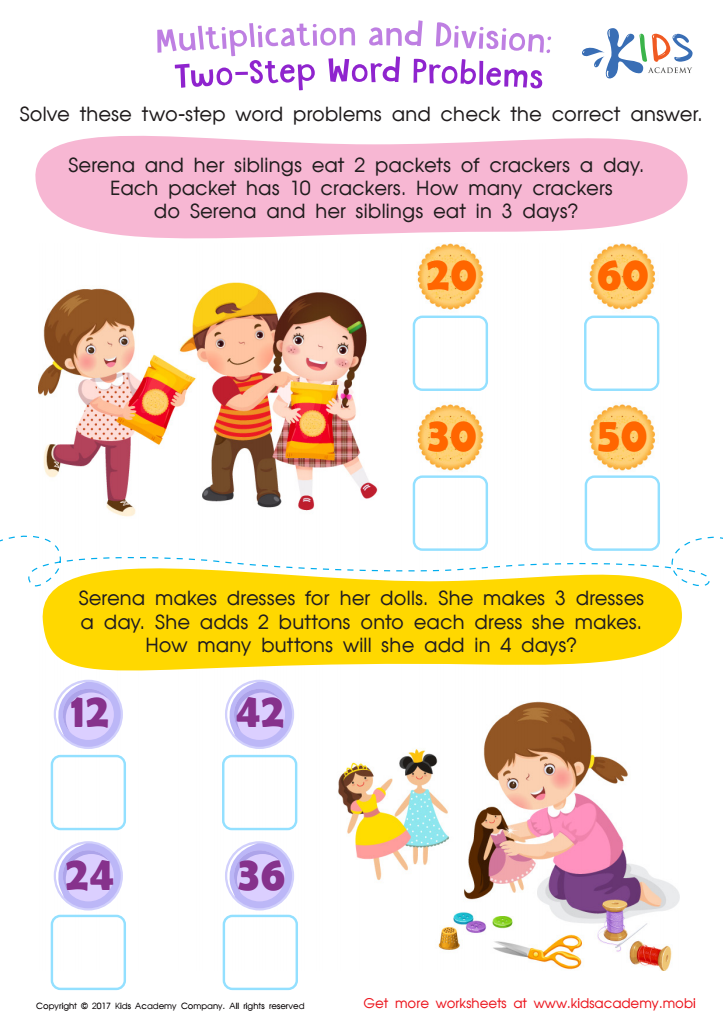
Two Step Word Problems Worksheet
Boost your child's math skills with this fun and realistic two-step word problems worksheet! Kids will learn to break down complex multiplication word problems into easier steps to solve. Download this free PDF worksheet and help them reach the next level.
Two Step Word Problems Worksheet
Worksheet
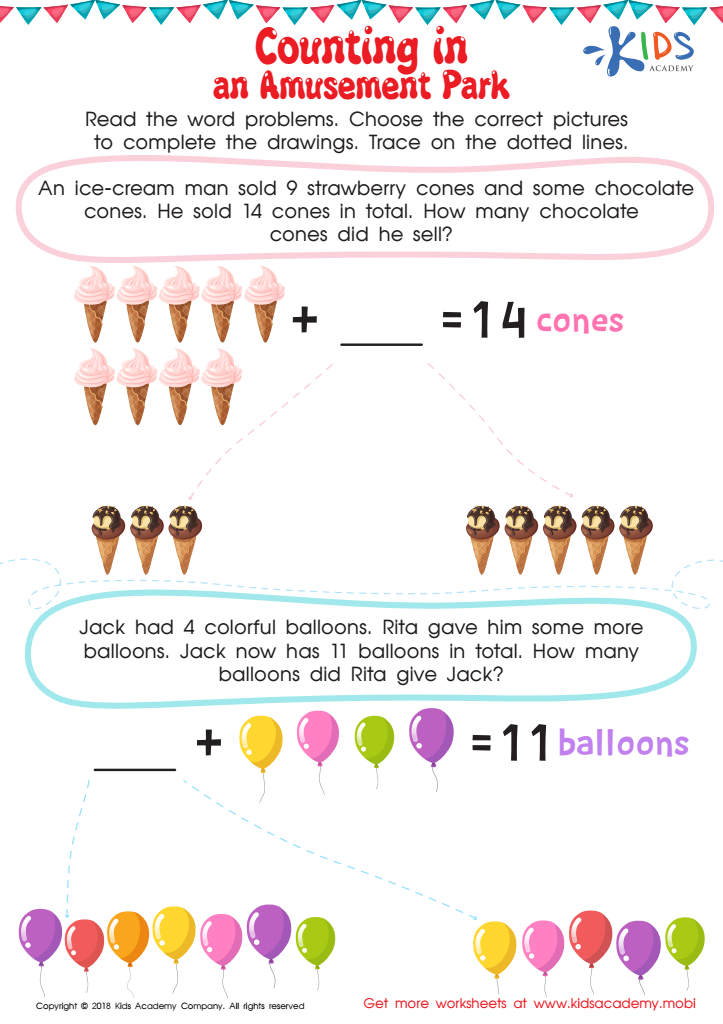
Counting in an Amusement Park Worksheet
Love amusement parks? This colorful worksheet is sure to delight your child as they solve basic addition problems with missing addends. Picture representations help them solve the math equations, while traceable lines help them accurately complete the drawings. No roller coaster ride here, but still loads of fun!
Counting in an Amusement Park Worksheet
Worksheet
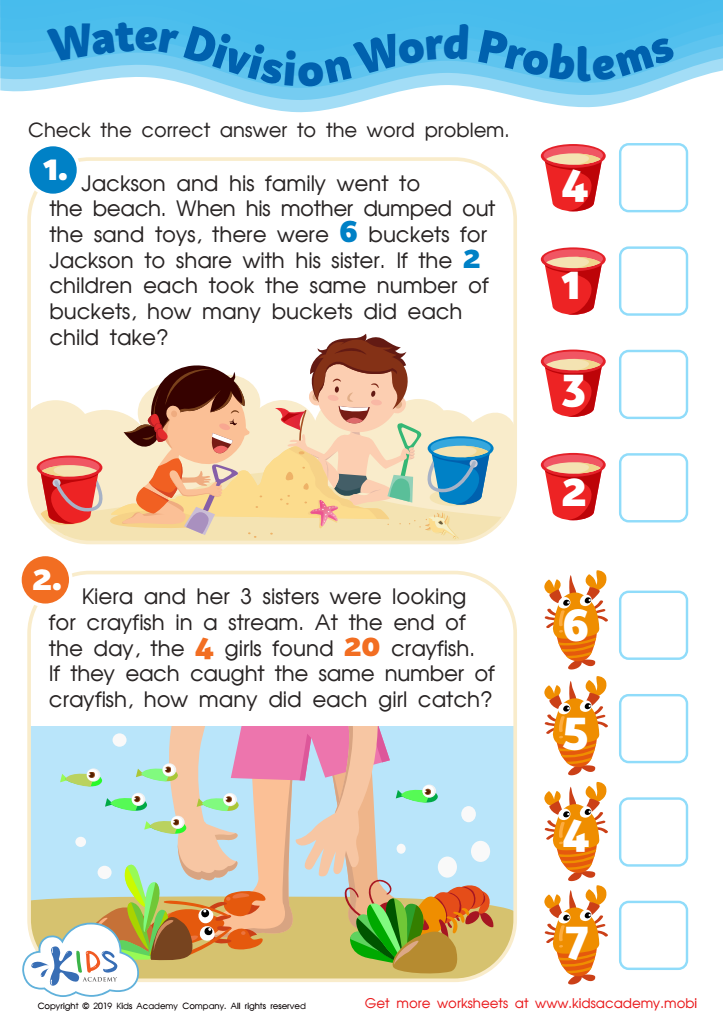
Water Division Word Problems Worksheet
Kids can sharpen their math skills with this fun PDF! They'll see pictures of friends at the beach, plus bold numbers and colorful pictures. All they need to do is read and understand the problem to find the answer - without even realizing they're doing division. A great way to make math enjoyable!
Water Division Word Problems Worksheet
Worksheet
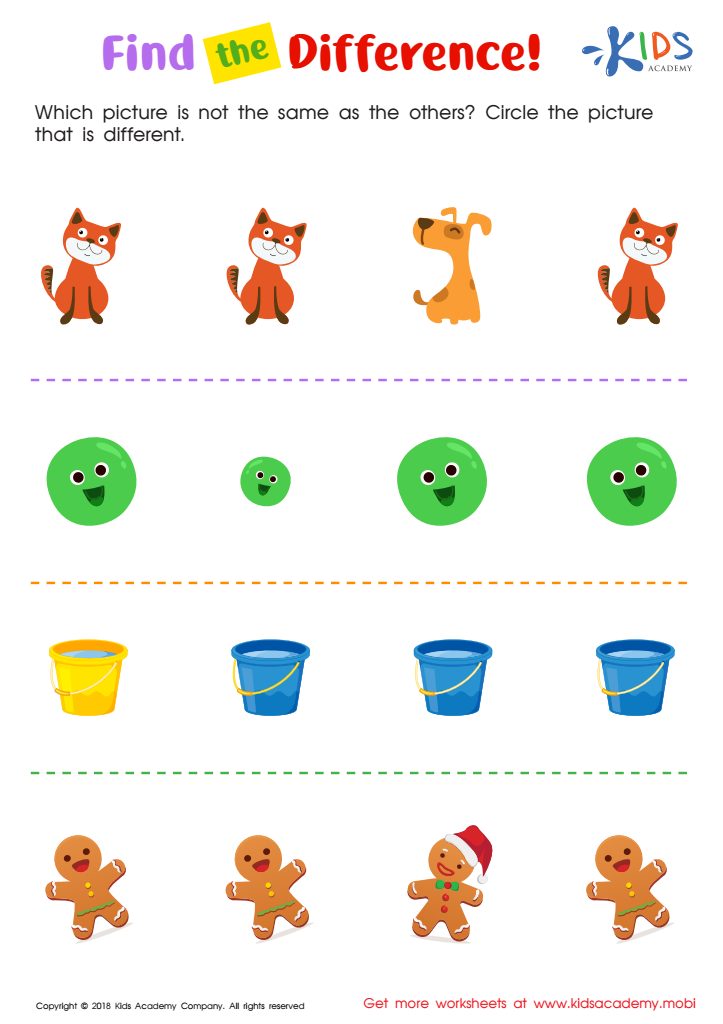
Find the Difference Worksheet
Test your kids' skills with this worksheet! Ask them to look at the pictures in each row and tell you what the objects are. Help them identify the odd item in each row by circling it. See if they can spot the difference!
Find the Difference Worksheet
Worksheet
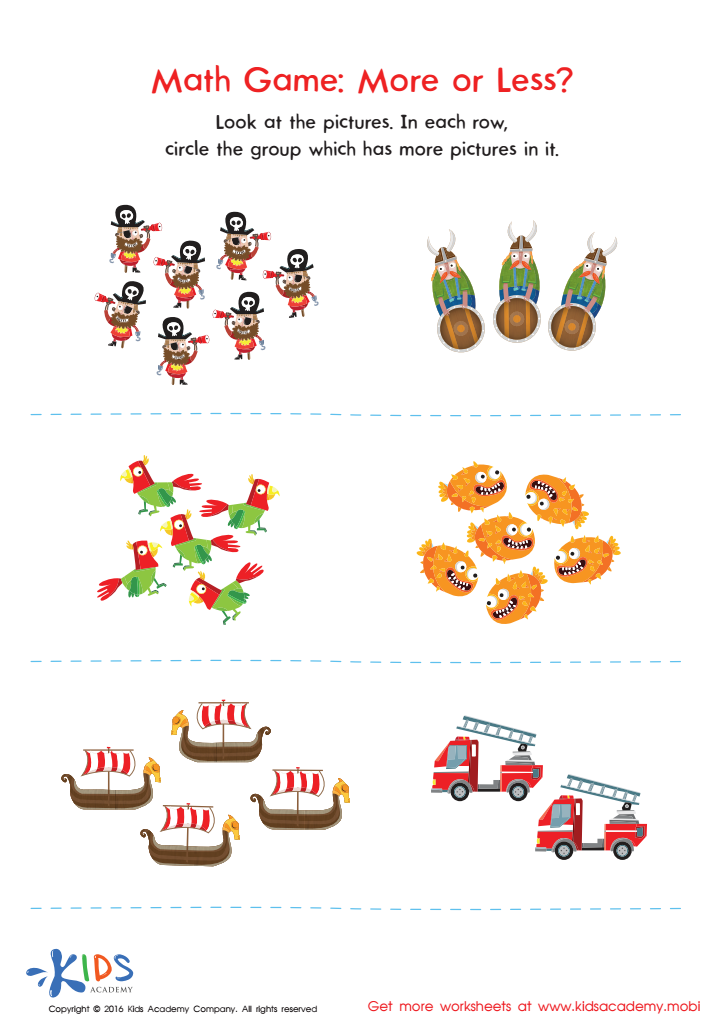
More or Less Worksheet
Counting and understanding quantity are essential skills for kindergarteners. Get your free printable more or less worksheet now!
More or Less Worksheet
Worksheet
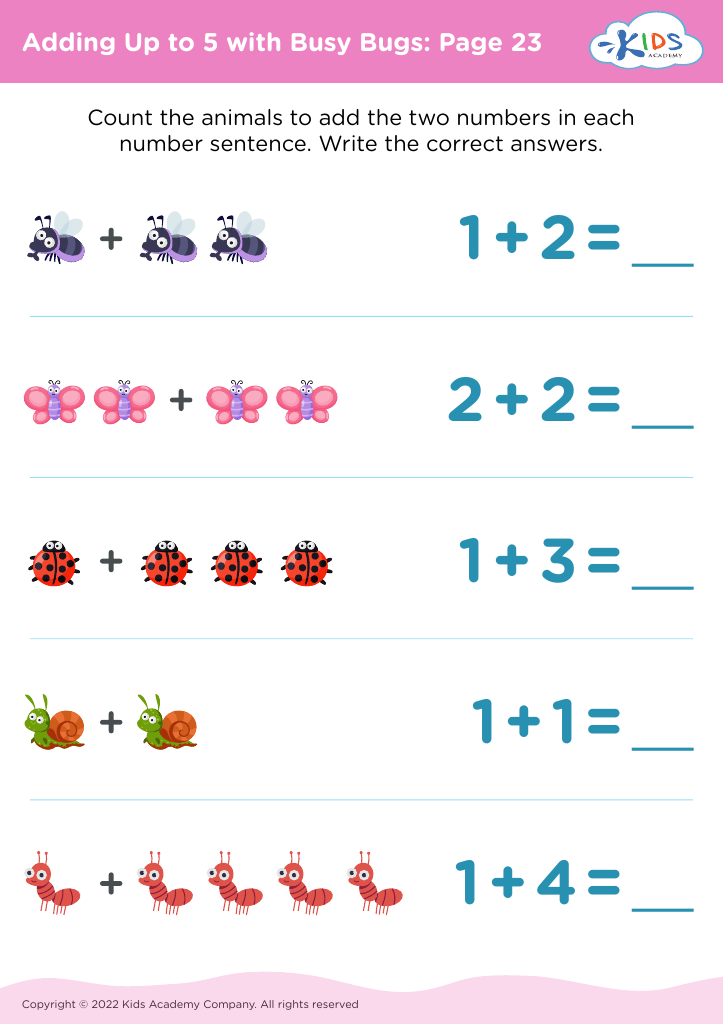
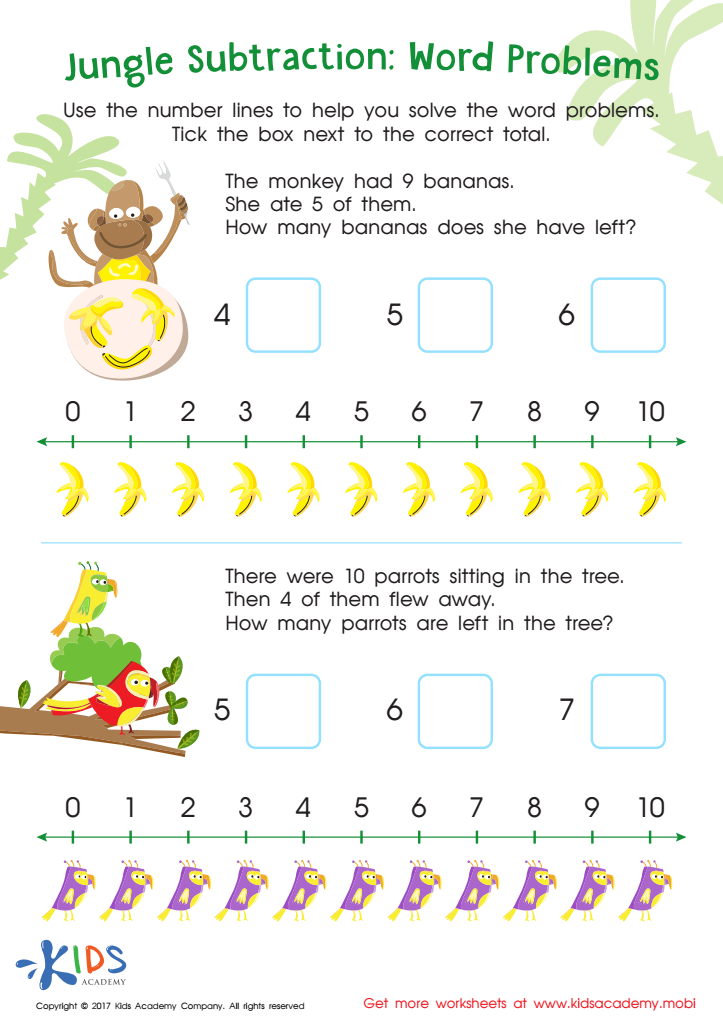
Jungle Subtraction Word Problems Substraction Worksheet
Kids will love this jungle-themed worksheet: subtraction word problems! Help the monkey work out how many bananas he has, using the number line. Encourage your child to use colorful parrots to subtract with ease and make calculations fun!
Jungle Subtraction Word Problems Substraction Worksheet
Worksheet
Join Kids Academy for Free
Who is primarily going to use this learning content?



.jpg)

Mathematical reasoning in preschoolers, especially those around 3 years old, is a critical foundation for lifelong learning. At this age, children's natural curiosity fuels their engagement with numbers, shapes, and patterns, making it a unique opportunity for parents and teachers to nurture their mathematical skills. Early mathematical reasoning encourages cognitive development, enhancing problem-solving abilities and critical thinking. By exploring concepts of quantity, size, and shape, young children learn to classify, compare, and sequence, fostering a sense of order and logic.
Moreover, engaging in math-related activities enhances language skills as children articulate their thoughts and observations about mathematical concepts. It also affords myriad chances for real-world application, such as counting toys, measuring ingredients for a simple recipe, or sorting objects by color or size. These interactive experiences help them develop spatial awareness and an understanding of numerical relationships.
When parents and teachers prioritize mathematical reasoning, they set the stage for greater academic success in school. Research indicates that early math skills are predictors of later achievement across various subjects. By laying this groundwork early on, caregivers support a child's growing acumen in mathematics, which is foundational not just for school, but for navigating everyday life confidently.








