
Observational skills Worksheets for 3-Year-Olds
6 filtered results
Difficulty Level
Grade
Age
-
From - To
Subject
Activity
Standards
Unleash your toddler's potential with our engaging Observational Skills Worksheets for 3-Year-Olds! Designed to stimulate young minds, these printable resources enhance key developmental skills by encouraging curiosity and attention to detail. Each worksheet offers fun activities that help children distinguish patterns, identify differences, and sharpen their focus. Perfect for preschoolers, these exercises foster cognitive growth and lay a solid foundation for future learning. Make every learning moment count and watch your child's observational abilities soar. Visit our page and start your little one's journey toward keen awareness and critical thinking today!
Favorites
With answer key
Interactive
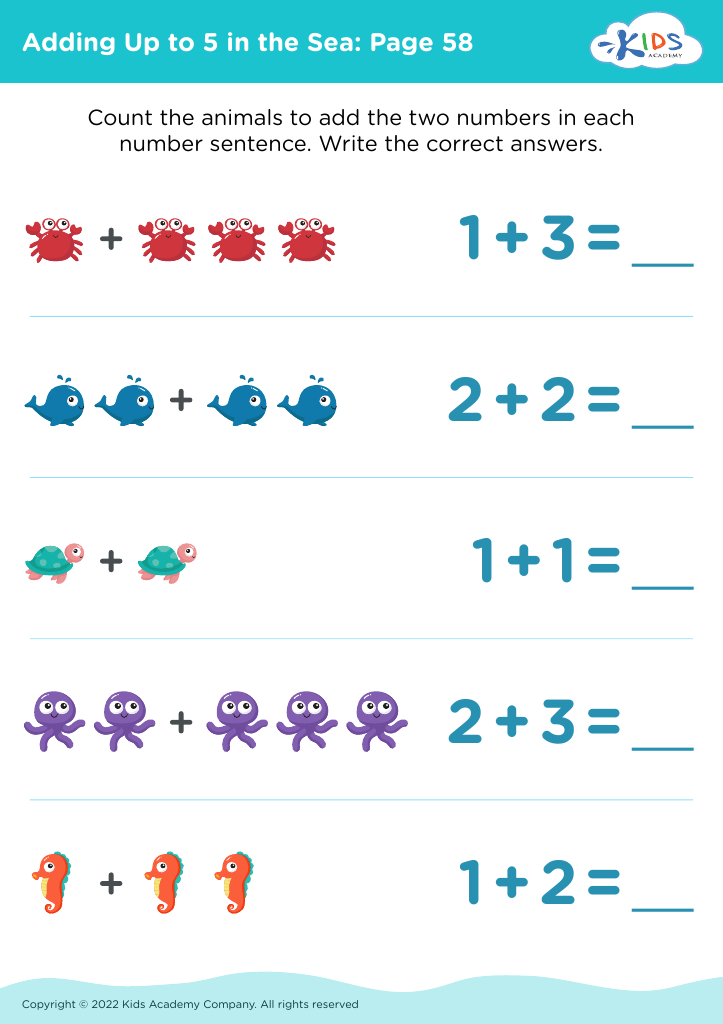
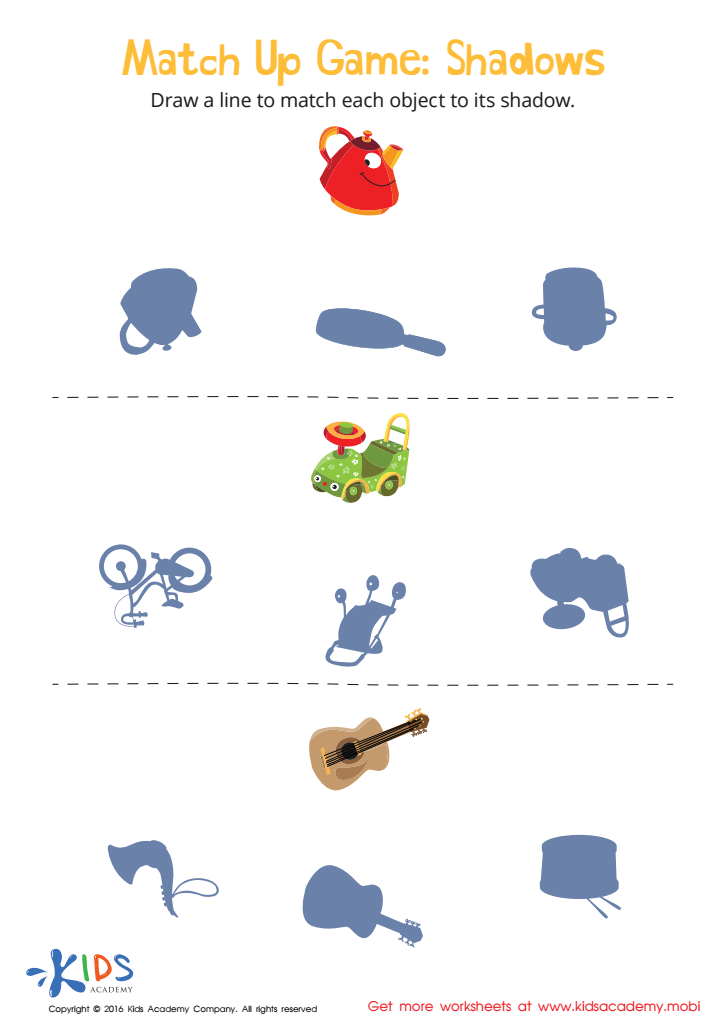
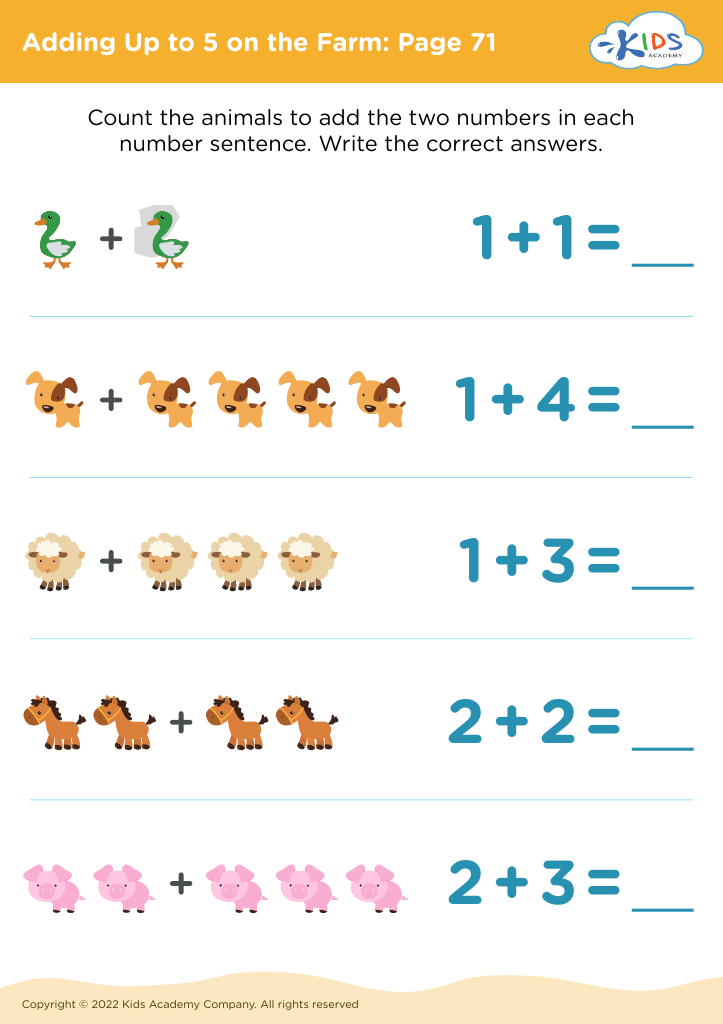
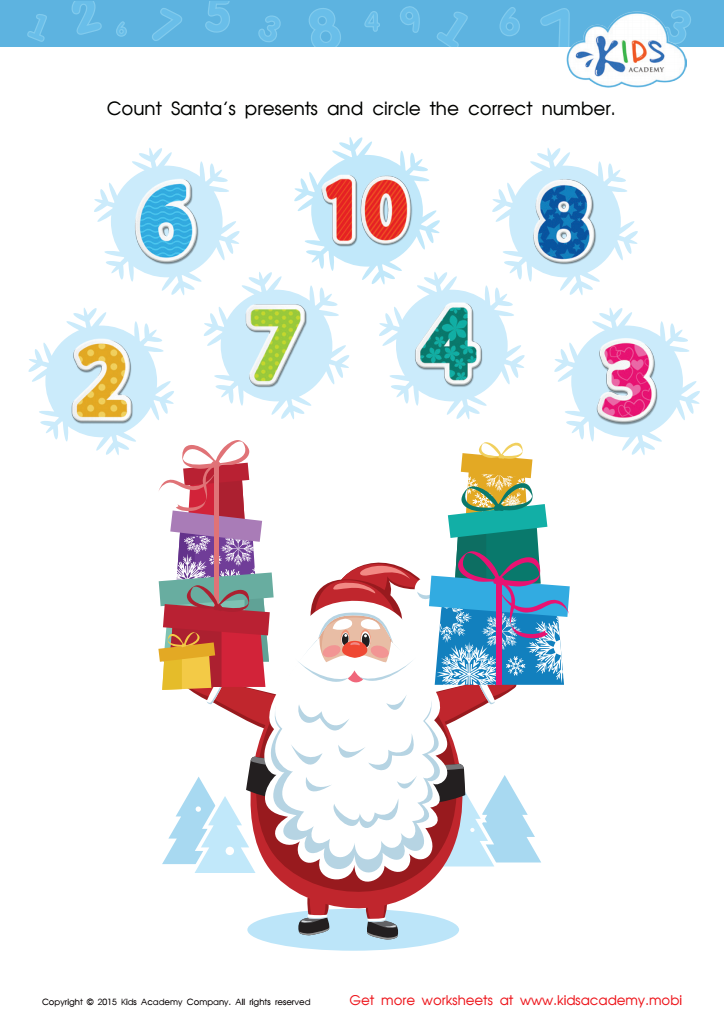
Count Santa's Presents Worksheet
With Kids Academy's free Christmas math worksheet, your kindergartener can help Santa count presents. The worksheet encourages recognizing and counting numbers, fostering the Christmas spirit. Print it out, have fun, and get ready to circle the right number! Get more math printables to learn numbers in a fun way.
Count Santa's Presents Worksheet
Worksheet
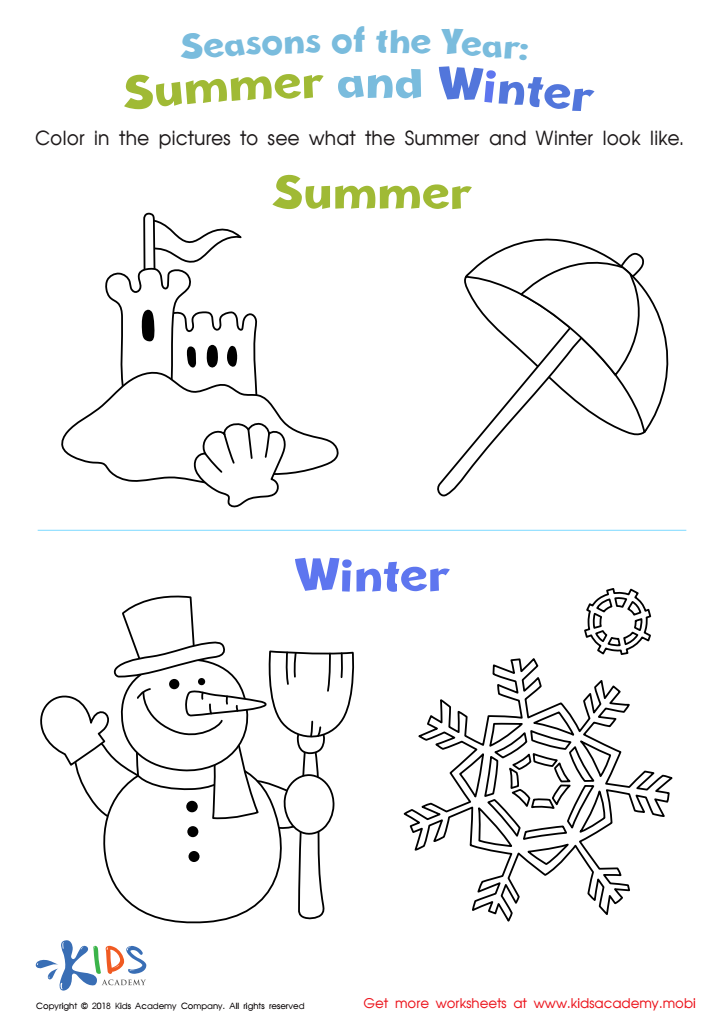
Summer and Winter Worksheet
Ask your child what they associate with winter and summer. What do they look forward to in winter? What colors do they see most? What do they love doing in summer? Help them color in the pictures of winter and summer in the worksheet, choosing the colors they think best represent each season.
Download (PDF)
 Assign to My Students
Assign to My Students
Summer and Winter Worksheet
Worksheet
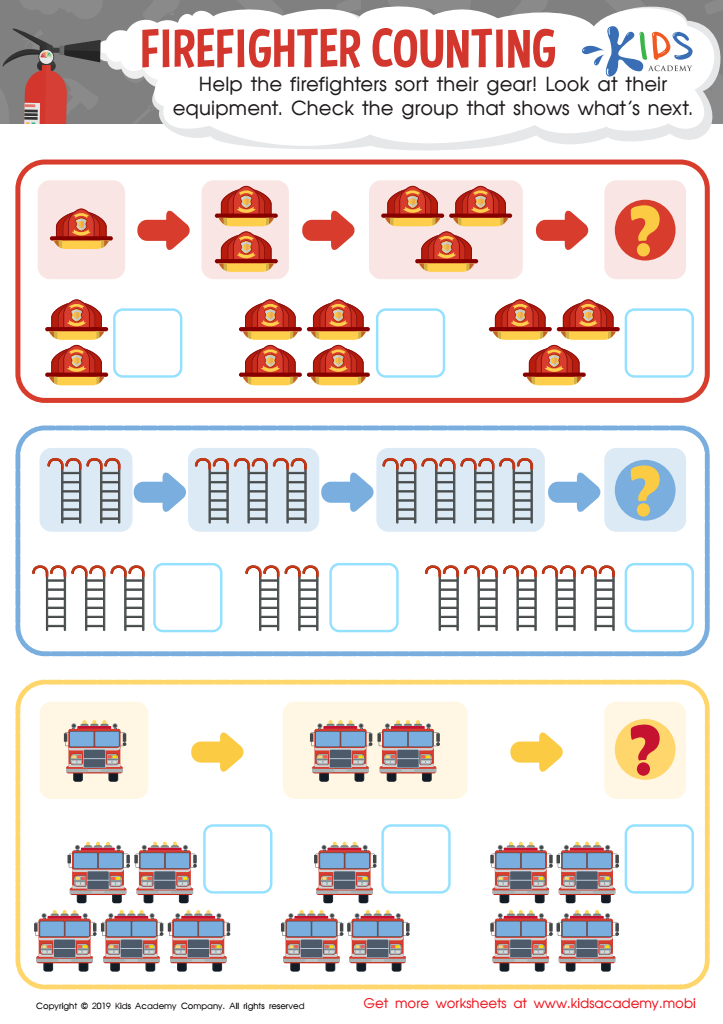
Firefighter Counting Worksheet
Firefighters are a vital part of any community. When a fire breaks out, they respond promptly to protect citizens and extinguish the blaze. Wearing specialized gear, they not only make the job easier, but safer too. Get your kids involved and help the firefighters sort their gear. Count the equipment, and check the group for the next steps.
Firefighter Counting Worksheet
Worksheet
Join Kids Academy for Free
Who is primarily going to use this learning content?




.jpg)


Observational skills are crucial for 3-year-olds as they lay the foundation for learning and development. At this young age, children are naturally curious and eager to understand the world around them. By honing their observational skills, children can enhance critical cognitive abilities such as attention, memory, and perception.
For parents and teachers, fostering these skills means providing children with the tools to notice details, patterns, and sequences in their environment. This kind of attentiveness is vital for problem-solving and reasoning, as it encourages children to think independently and ask questions. For instance, a child who observes how different animals move will start making connections and develop early scientific thinking.
Moreover, observational skills are linked to language development. When children observe and describe what they see, they not only expand their vocabulary but also improve their ability to communicate effectively. Describing intricate details helps them form complex sentences and enriches their expressive language.
Lastly, these skills have a social component. Observing social cues, such as facial expressions and body language, helps children develop empathy and better adapt to social situations. In essence, strong observational skills foster a holistic foundation for lifelong learning and social competence, making them a priority for developmental milestones at this age.








