
Real-life application Worksheets for 3-Year-Olds
3 filtered results
Difficulty Level
Grade
Age
-
From - To
Subject
Activity
Standards
Explore our "Real-life Application Worksheets for 3-Year-Olds" to make learning engaging and meaningful for your little ones. These interactive worksheets are designed to help preschoolers connect everyday situations to essential skills, fostering independence and critical thinking. Covering topics such as color recognition, shapes, and basic counting, our resources encourage children to practice through play and hands-on activities. Perfect for enhancing cognitive development, the worksheets also promote fine motor skills and enhance creativity. Dive into fun scenarios that make learning relatable, encouraging kids to explore their environment while cultivating foundational knowledge essential for their growth! Start engaging your children today!
Favorites
With answer key
Interactive
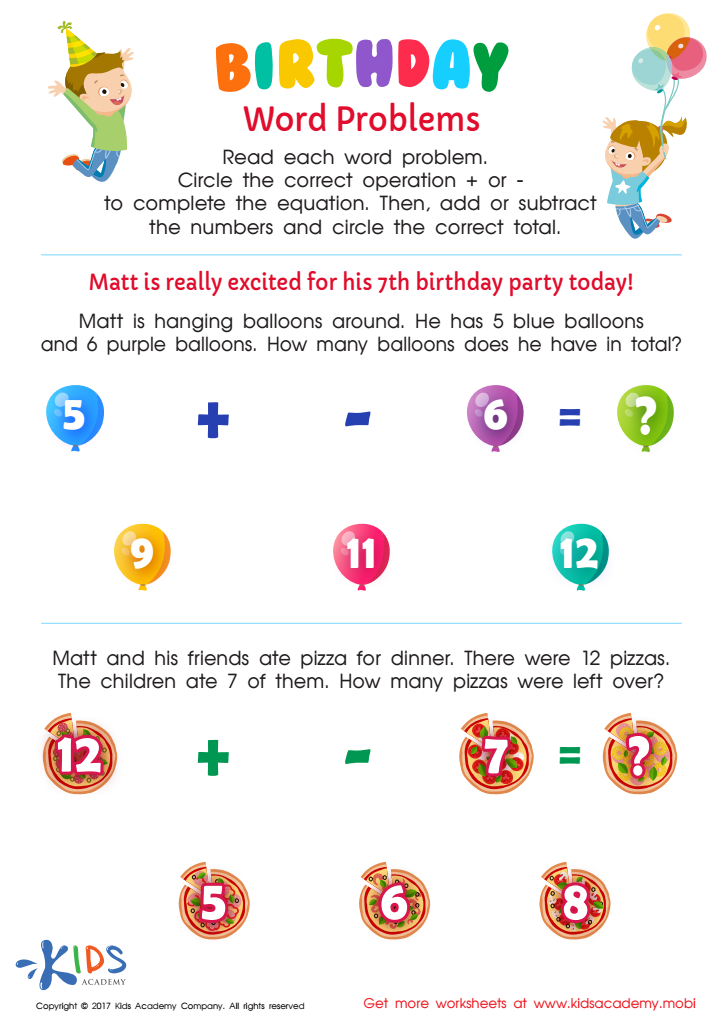
Birthday Word Problems Substraction Worksheet
This worksheet, Birthday Word Problems, is a great way to improve your child's math and literacy skills. It features tricky subtraction equations based on a birthday celebration - perfect for kids who love birthdays!
 Assign to My Students
Birthday Word Problems Substraction Worksheet
Worksheet
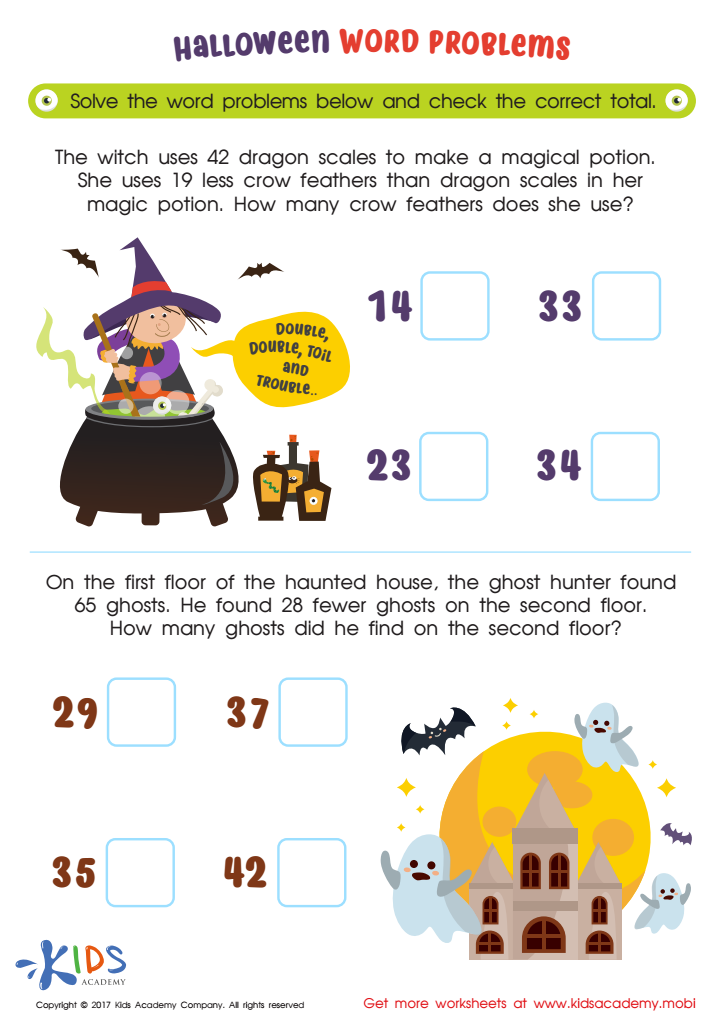
Halloween Word Problems Printable
Ghosts, witches, and other spooky characters make these problems exciting and interactive. Get ready to have some math fun!
Halloween Word Problems Printable
Worksheet
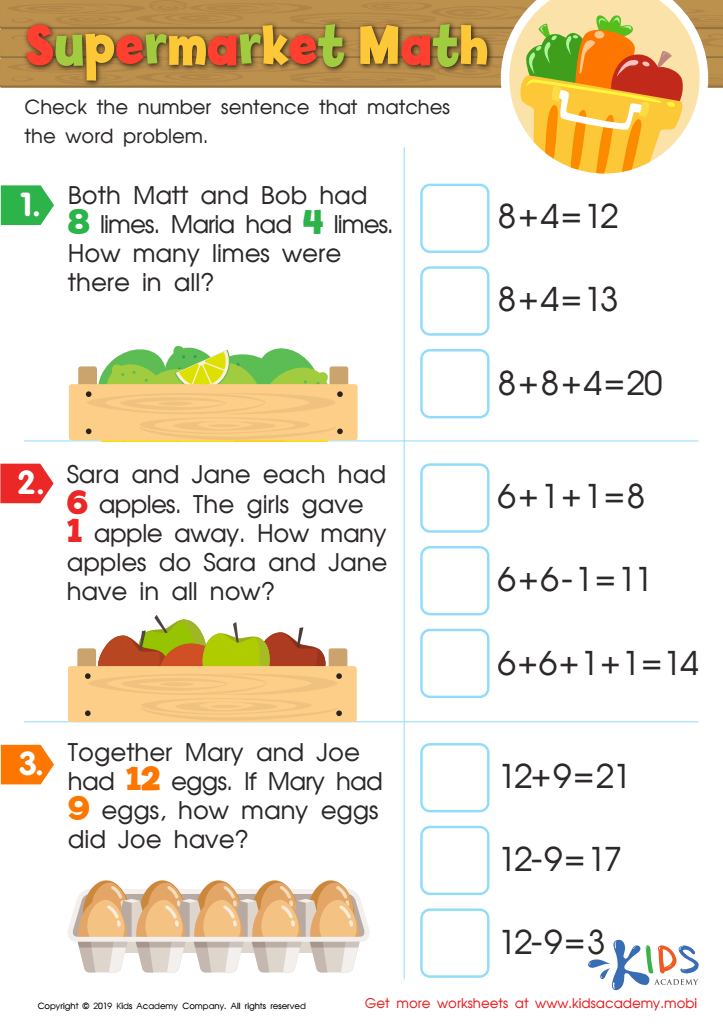
Supermarket Math Worksheet
Take your kids to the supermarket and ask what they're looking forward to buying. Help them solve the three questions in the worksheet by interpreting each one into an equation, then choose the right answer.
Supermarket Math Worksheet
Worksheet
Join Kids Academy for Free
Who is primarily going to use this learning content?





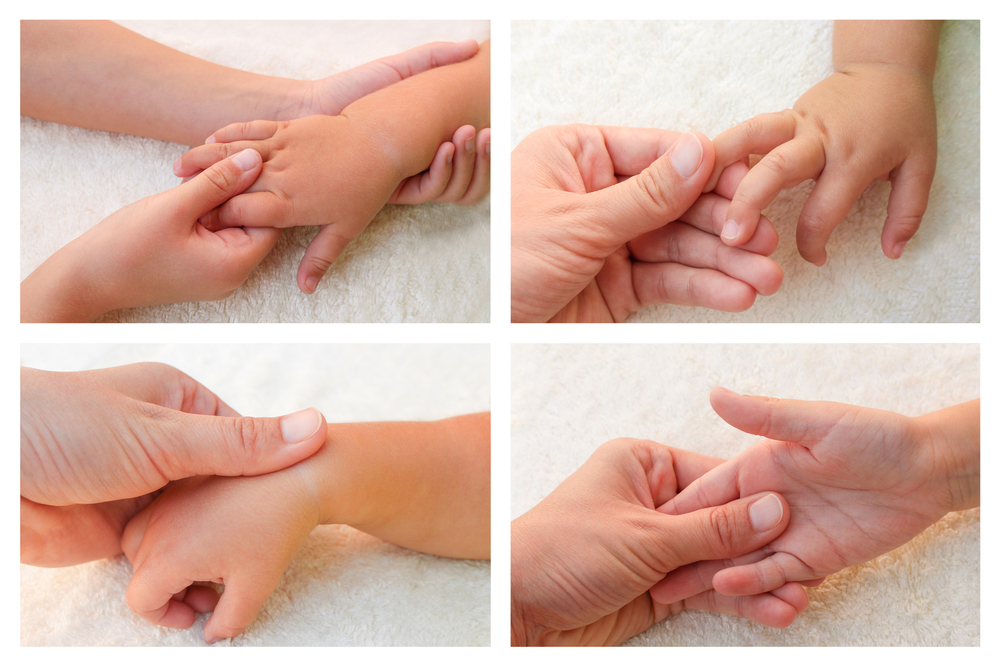
Parents and teachers should prioritize real-life applications for three-year-olds because this age is a critical period for cognitive and social development. At this stage, children are naturally curious and eager to explore their environment. By incorporating real-life applications into their learning, we provide them with opportunities to connect concepts to the world around them, enhancing their understanding and retention of information.
Real-life activities, such as cooking simple recipes, engaging in nature walks, or shopping for groceries, help develop essential life skills. These experiences foster problem-solving abilities, boost fine motor skills, and cultivate independence. They also create a foundation for numeracy and literacy through everyday tasks such as measuring ingredients or recognizing signs.
Furthermore, engaging in real-life experiences encourages language development as children learn to express their thoughts and experiences. Interaction between peers and adults during these activities strengthens social skills, teaching sharing, cooperation, and empathy.
By focusing on practical applications, parents and teachers lay the groundwork for a lifelong love for learning. Such immersive and relevant experiences not only make education enjoyable but also empower children to make meaningful connections, thereby fostering their growth into enthusiastic, capable learners.








