Recognizing shapes Worksheets for 3-Year-Olds
5 filtered results
-
From - To
Welcome to our engaging "Recognizing Shapes Worksheets" designed especially for 3-year-olds! These worksheets are perfect for young learners to discover and identify various shapes in a fun, interactive way. With vibrant illustrations and stimulating activities, children will enjoy tracing, coloring, and matching shapes, helping to enhance their cognitive skills and hand-eye coordination. Our age-appropriate exercises encourage creativity and critical thinking, laying a solid foundation for early math skills. Explore our printable resources and watch your child develop shape recognition while having fun! Visit us today and help your little one embark on this exciting learning adventure.
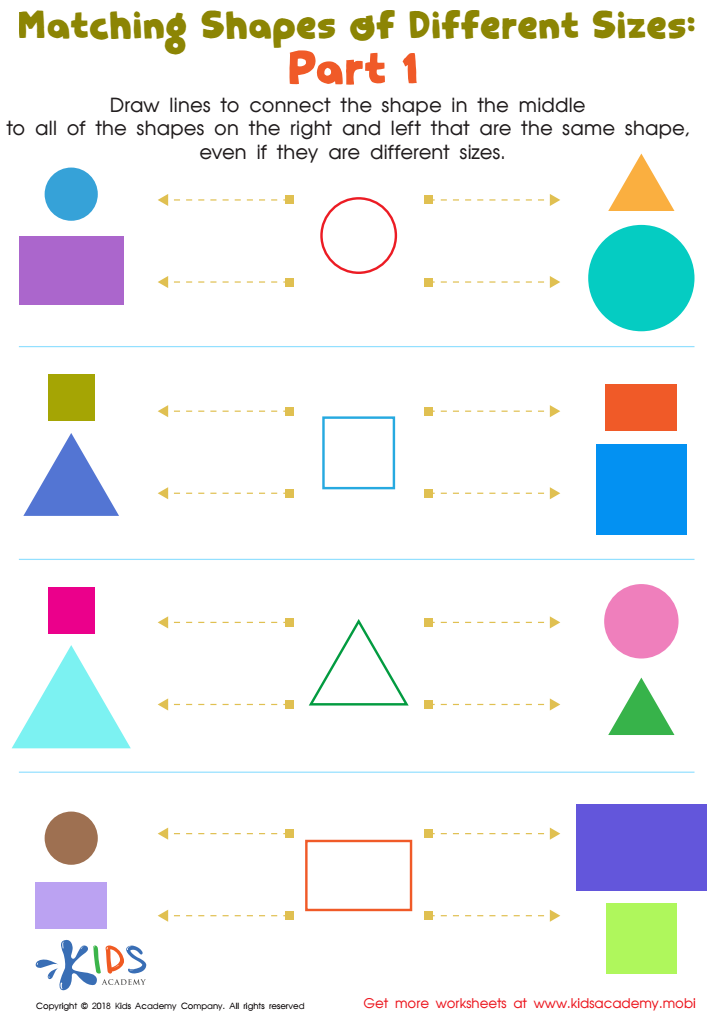
Geometry: part 1 Worksheet
 Assign to My Students
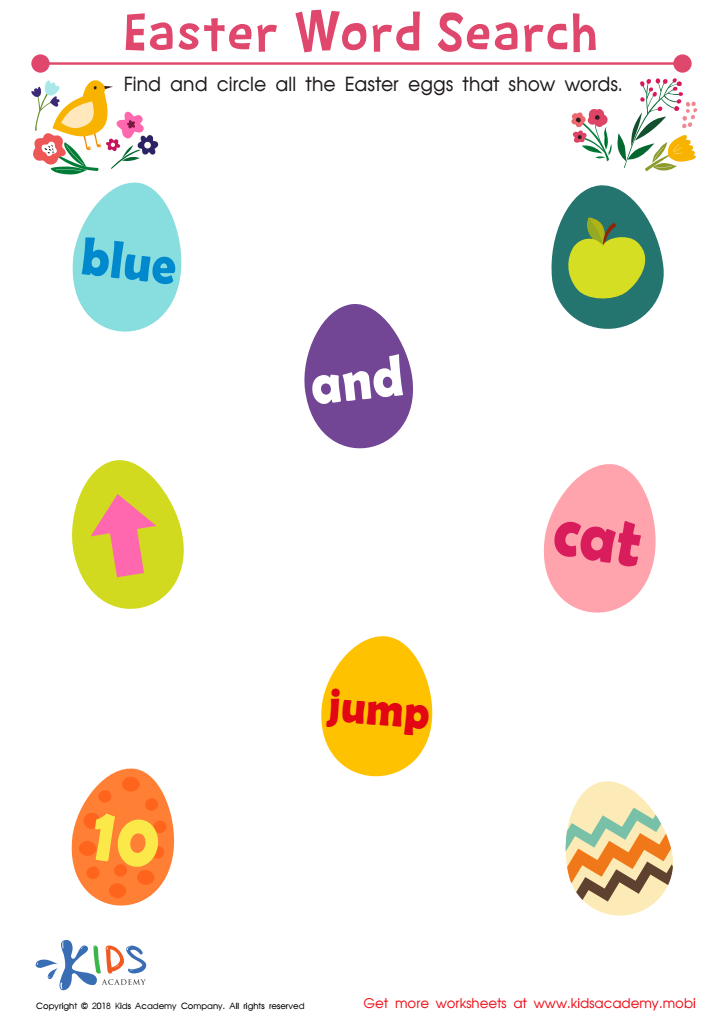
Easter Word Search Worksheet
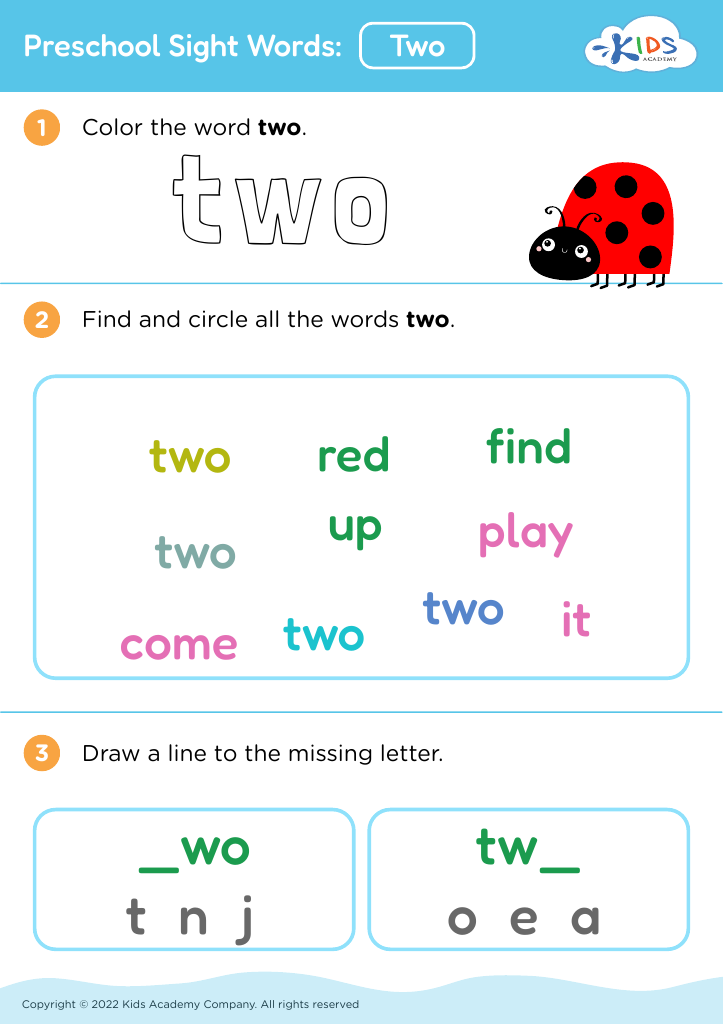
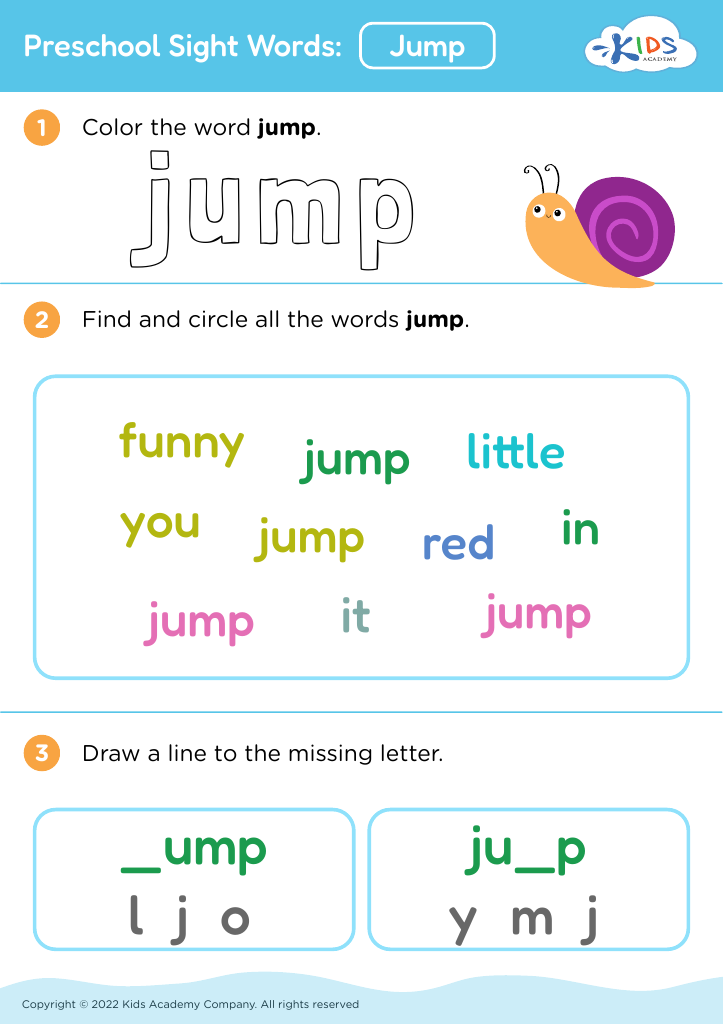







.jpg)
Recognizing shapes is a fundamental skill that plays a crucial role in the cognitive development of 3-year-olds. This early exposure to shapes not only lays the groundwork for future math skills but also enhances children's problem-solving abilities and spatial awareness. When parents and teachers prioritize shape recognition, they help children develop critical thinking skills, as they learn to categorize and differentiate between various objects in their environment.
Additionally, recognizing shapes is vital for language development. As children learn the names of shapes like circles, squares, and triangles, they also expand their vocabulary, enhancing their communication skills. Engaging with shapes can stimulate creativity, too; teachers and parents can incorporate play through shape sorting games or arts and crafts activities, making learning enjoyable and interactive.
Furthermore, embracing shape recognition supports social skills. Group activities involving shapes provide opportunities for collaboration and teamwork. Ultimately, investing time in such foundational skills fosters a positive learning environment, fueling a child's curiosity and eagerness to learn. By focusing on shape recognition at this young age, parents and teachers are equipping children with essential skills that will benefit their educational journey for years to come.








