Understanding number values Worksheets for 3-Year-Olds
3 filtered results
-
From - To
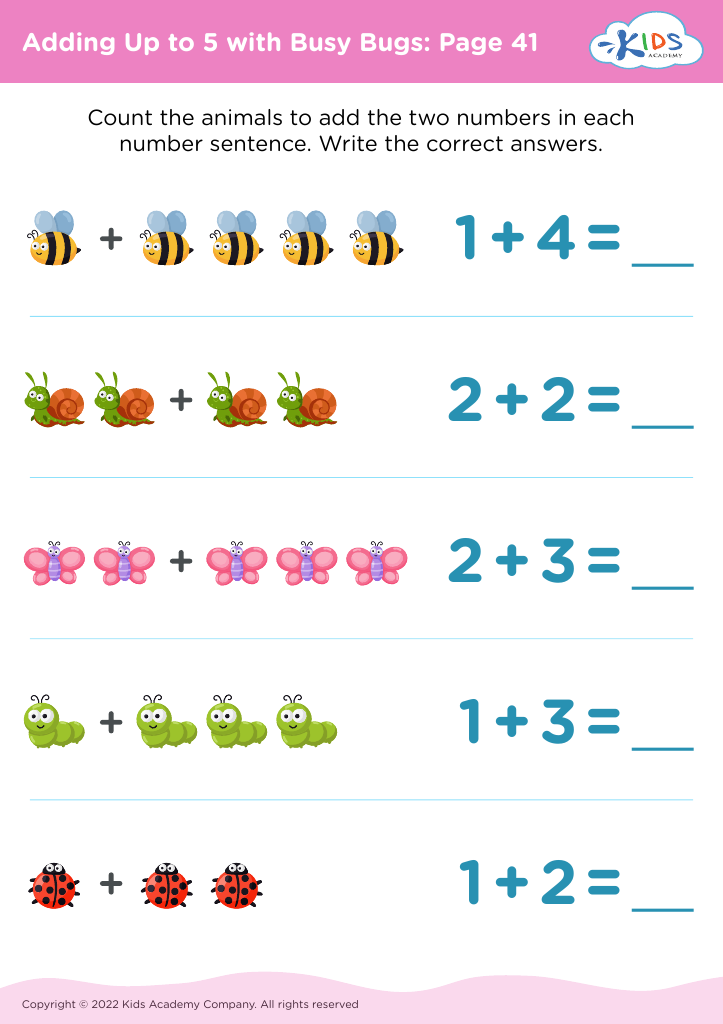
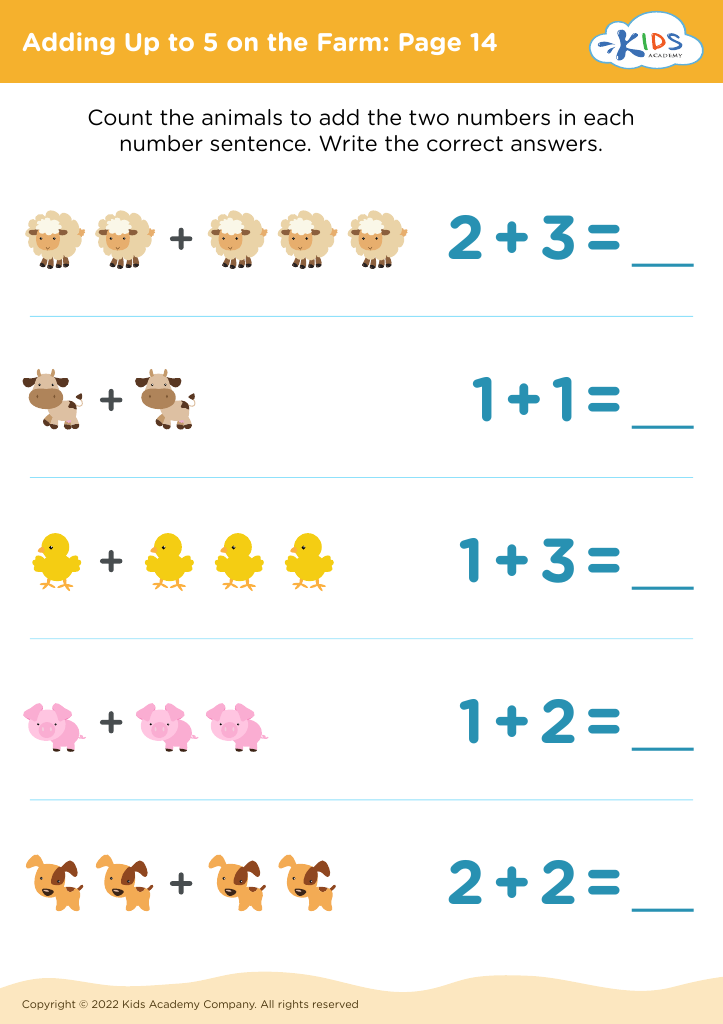
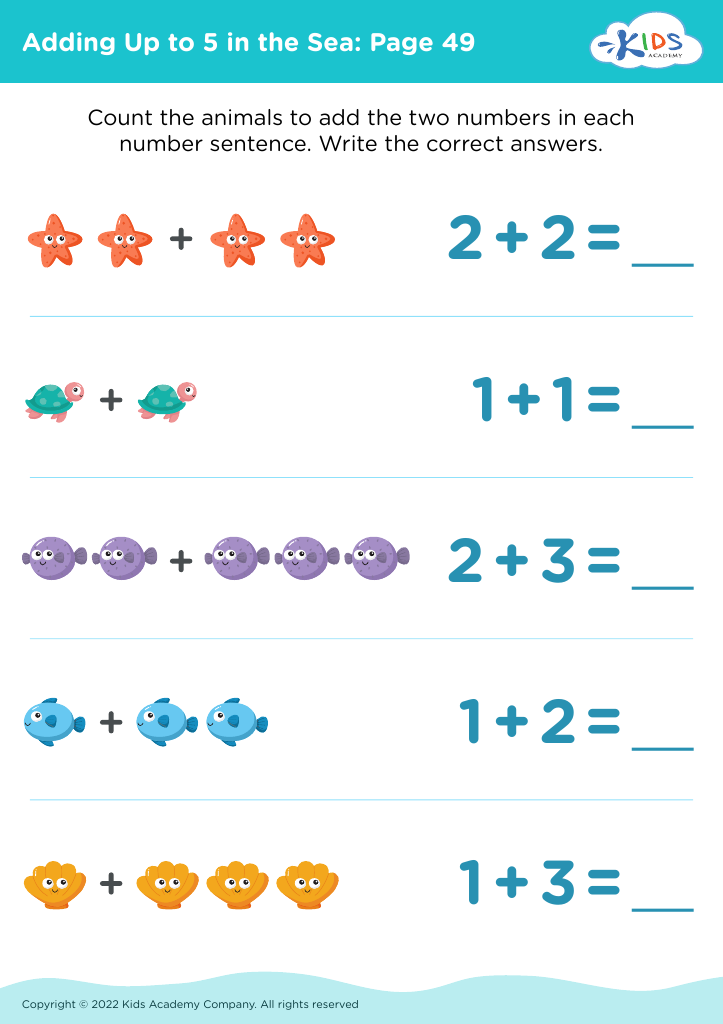
Welcome to our "Understanding Number Values Worksheets for 3-Year-Olds"! Designed to foster early math skills, these engaging worksheets help young learners recognize and comprehend numbers. Through fun activities, children will improve their number identification, one-to-one correspondence, and counting abilities. Each worksheet features colorful illustrations and age-appropriate tasks that capture a child's interest while making learning enjoyable. Ideal for home or classroom use, our resources provide a solid foundation in number values, setting the stage for future math success. Start your child's numerical journey today and watch them thrive as they explore the world of numbers!



.jpg)


Understanding number values is crucial for 3-year-olds because it lays the foundation for mathematical skills that will be developed throughout their education. At this age, children begin to grasp basic concepts such as counting, number recognition, and the significance of quantities. When parents and teachers prioritize number values, they foster critical cognitive skills, including problem-solving, logical reasoning, and spatial awareness.
Moreover, introducing number values helps children connect their environment to mathematical concepts. For instance, counting items during play or recognizing numbers in everyday situations promotes active learning. Children who develop a solid understanding of numbers at a young age are more likely to succeed in future mathematics learning and feel more confident in their abilities.
Additionally, early number sense can enhance language development, as children learn to articulate quantities and comparisons. This supports overall cognitive growth and increases the ability to comprehend more complex subjects later on. Ultimately, by cultivating an understanding of number values in 3-year-olds, parents and teachers not only enhance their mathematical skills but also contribute to their overall intellectual and emotional development, setting them up for lifelong learning success.








