
Underwater animal identification Worksheets for 3-Year-Olds
3 filtered results
Difficulty Level
Grade
Age
-
From - To
Subject
Activity
Standards
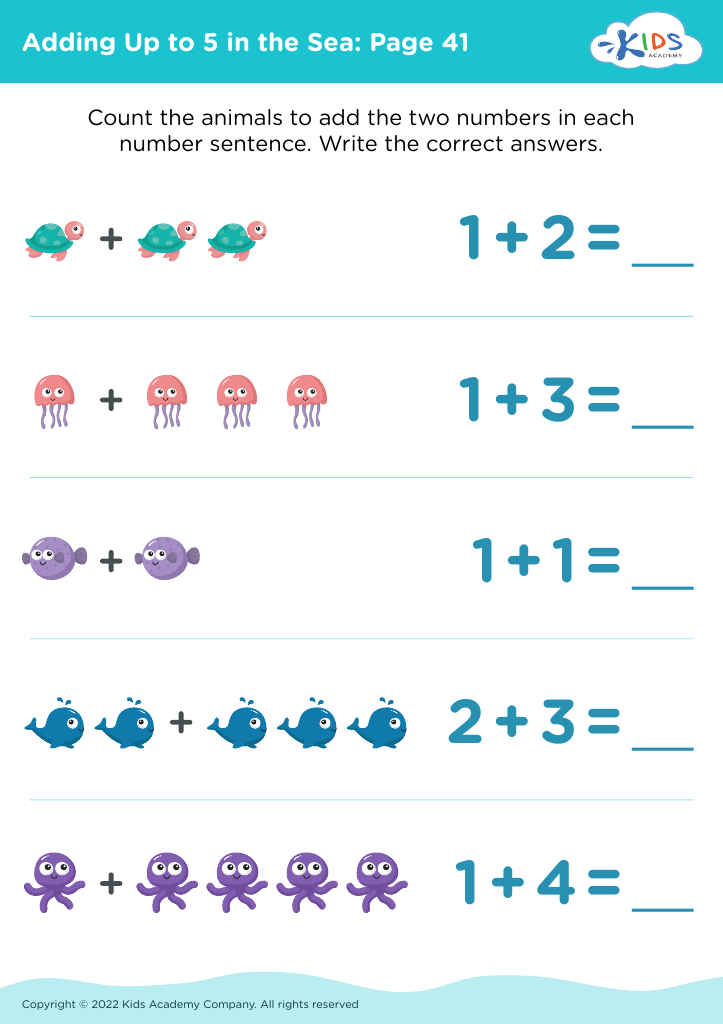
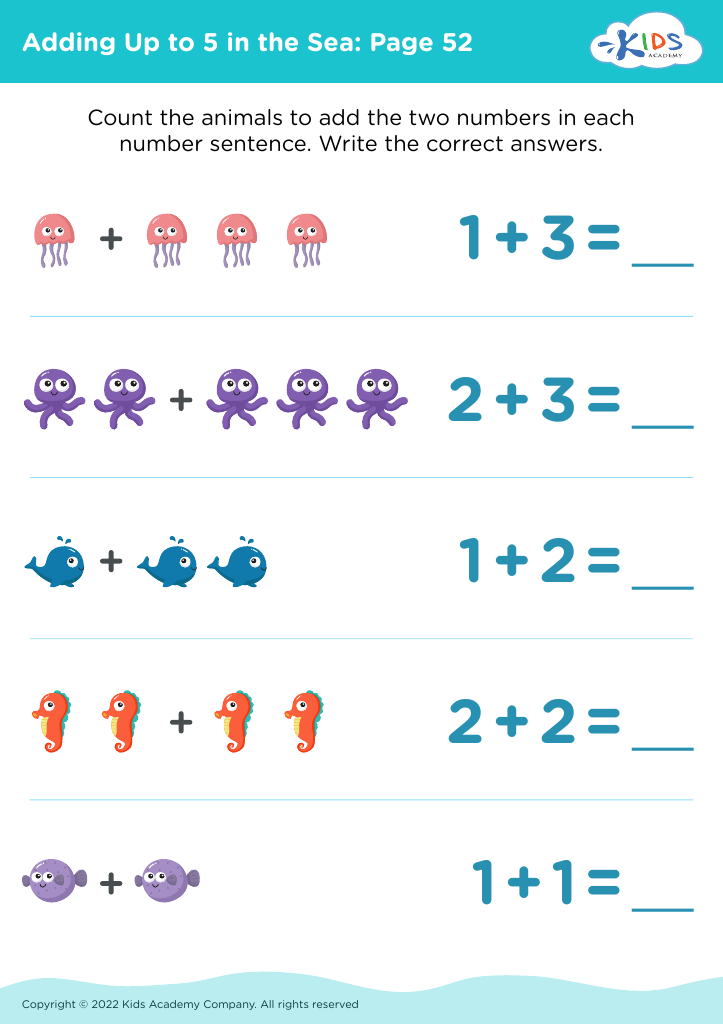
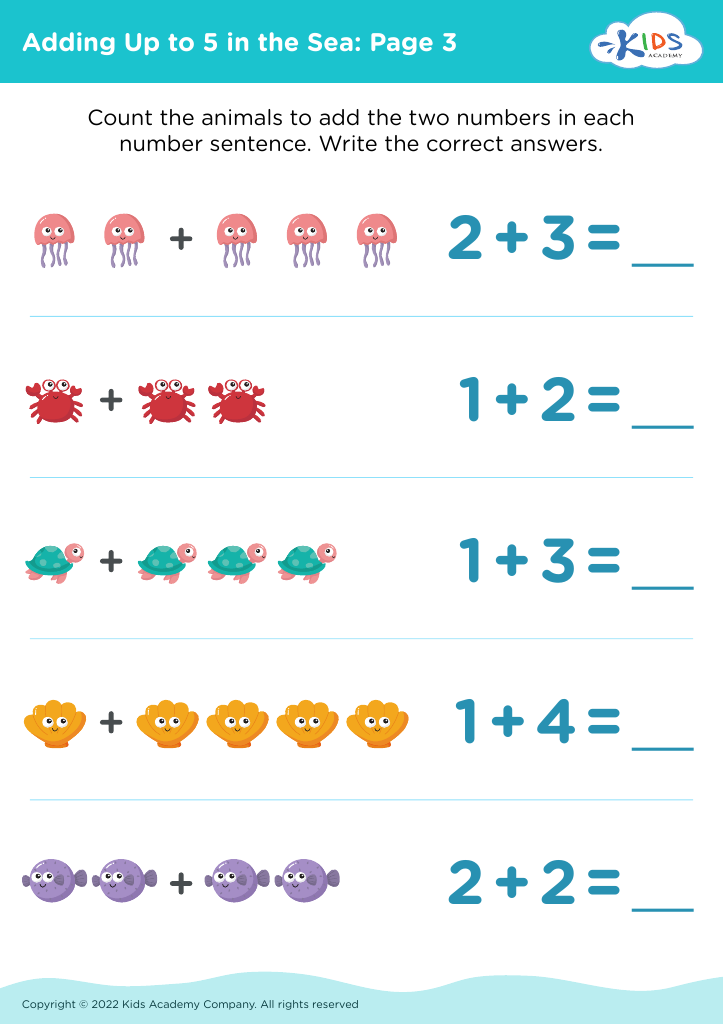
Dive into learning with our vibrant Underwater Animal Identification Worksheets for 3-year-olds! These fun, interactive printables feature colorful illustrations of sea creatures to help young explorers enhance their cognitive and motor skills. Each worksheet encourages keen observation and helps little ones identify various underwater animals, fostering curiosity and a love for marine life. Perfect for both parents and teachers, our engaging activities offer a playful approach to early learning. Make a splash in your child’s education journey and help them discover the wonders of the ocean! Explore today and watch your little swimmer identify whales, sharks, octopuses, and more!
Favorites
With answer key
Interactive
Join Kids Academy for Free
Who is primarily going to use this learning content?





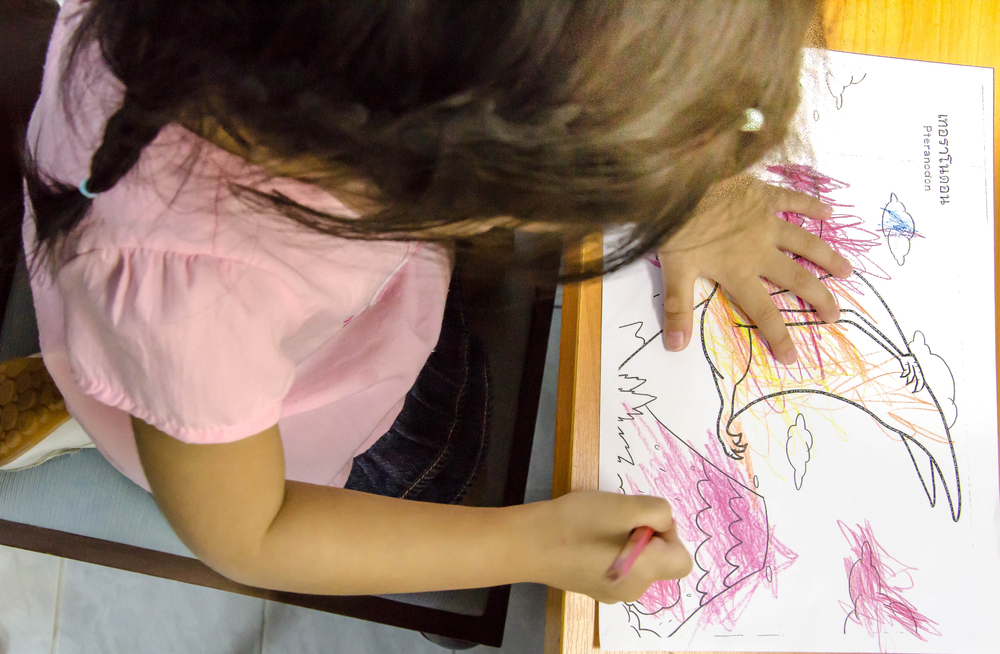

At first glance, teaching underwater animal identification to 3-year-olds may seem unnecessary, but in reality, it offers myriad developmental benefits. Early exposure to marine life stimulates curiosity, encouraging children to become lifelong learners. Recognition of different underwater animals can ignite a passion for science and nature, areas fundamental for academic growth.
Understanding underwater animals enhances cognitive development through pattern recognition and memory, crucial for problem-solving skills. Kids learn to distinguish between shapes, colors, and sizes, fostering observational skills that are transferable to all learning areas. Introducing names of various species also augments vocabulary, promoting language development and communication abilities.
Emotionally, this knowledge fosters empathy and environmental consciousness at an early stage. When children learn about the various creatures that inhabit our oceans and the challenges they face, such as pollution, they often develop a sense of responsibility and care for our planet.
Socially, identifying marine animals can be a shared activity, improving cooperation and interaction with peers, family, or teachers. Incorporating stories, songs, or hands-on activities involving sea animals enriches their creativity and imagination.
Thus, the seemingly simple task of recognizing underwater animals sets the foundation for broader educational, emotional, and social growth, shaping well-rounded, empathetic, and informed individuals.








