Visual comprehension Worksheets for 3-Year-Olds
7 filtered results
-
From - To
Explore our engaging Visual Comprehension Worksheets specially designed for 3-year-olds! These colorful and interactive worksheets help young learners enhance their observation and understanding skills, laying a strong foundation for future learning. Each activity promotes critical thinking, encourages language development, and boosts memory retention through fun image recognition exercises, matching games, and storytelling prompts. Perfect for parents and educators alike, our printable worksheets cater to various learning styles and are easy to incorporate into daily routines or classroom settings. Foster your child’s visual comprehension skills today and ignite their curiosity about the world around them with our delightful resources!
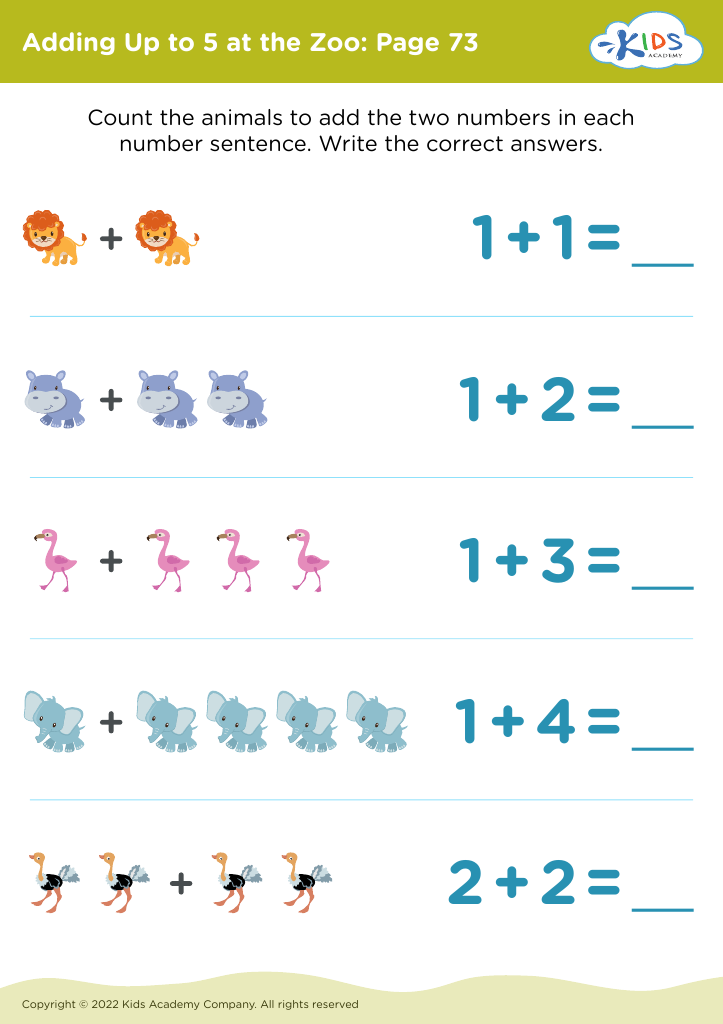
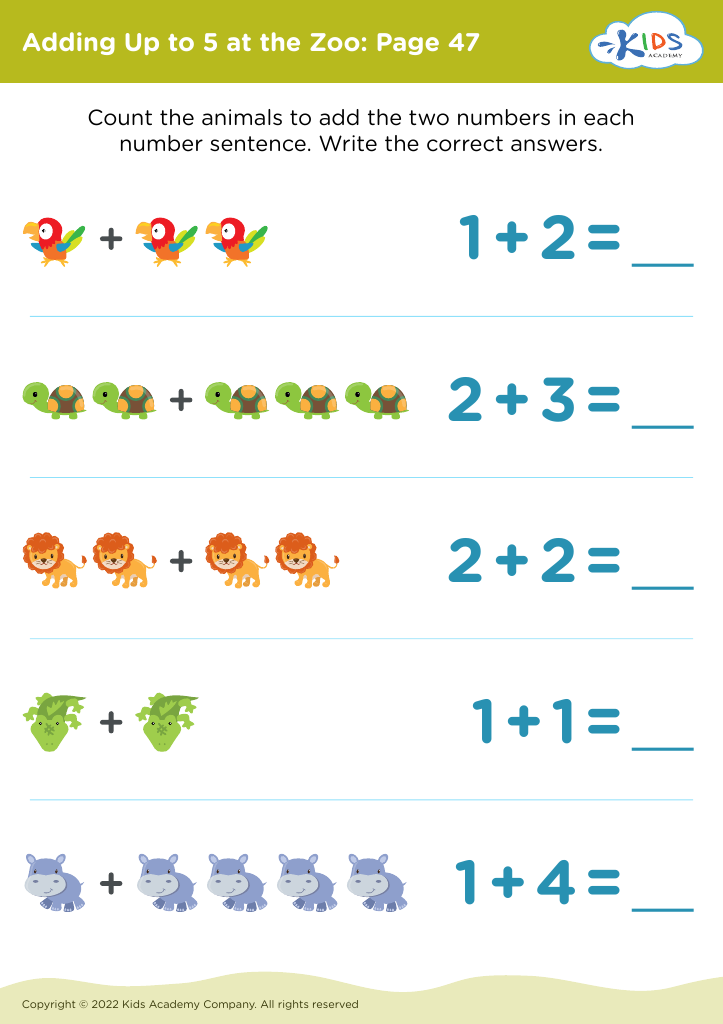
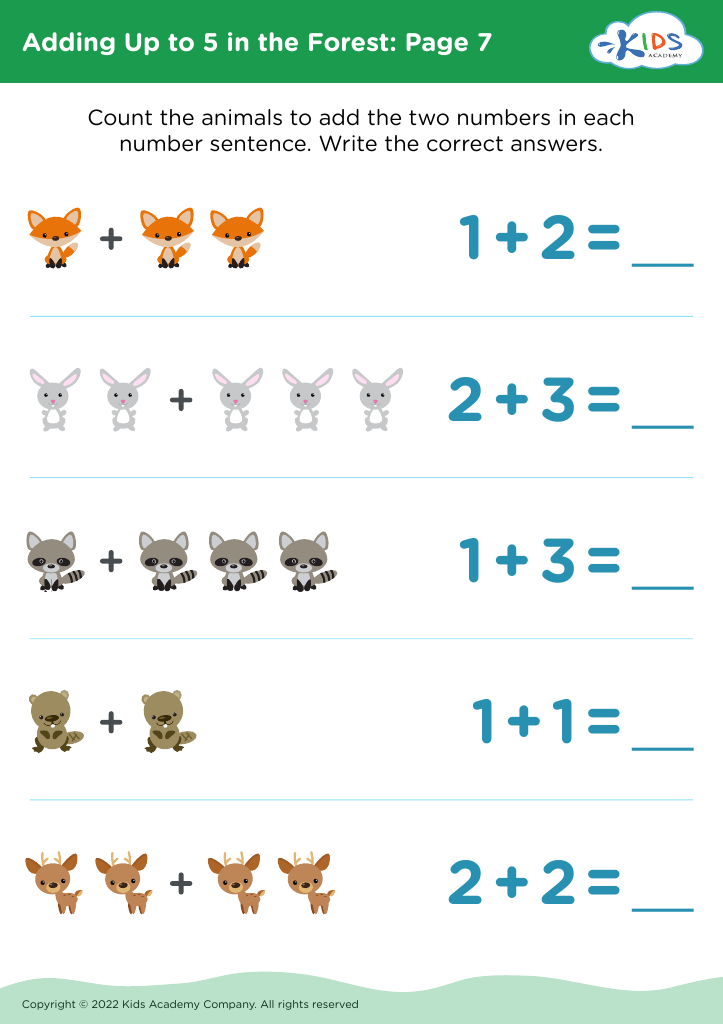
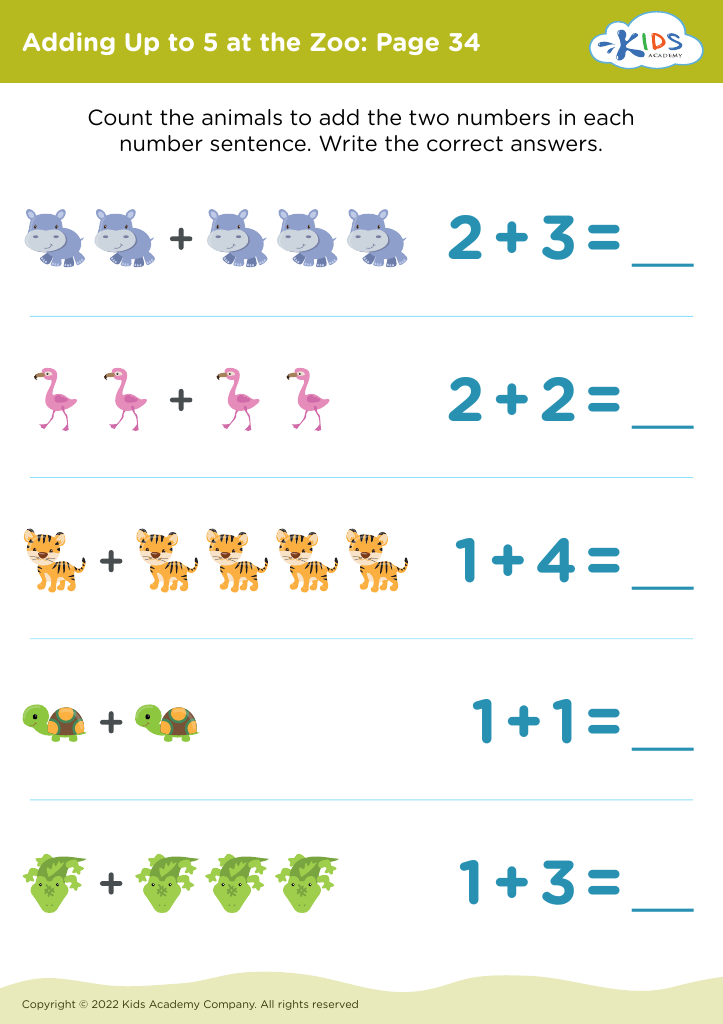
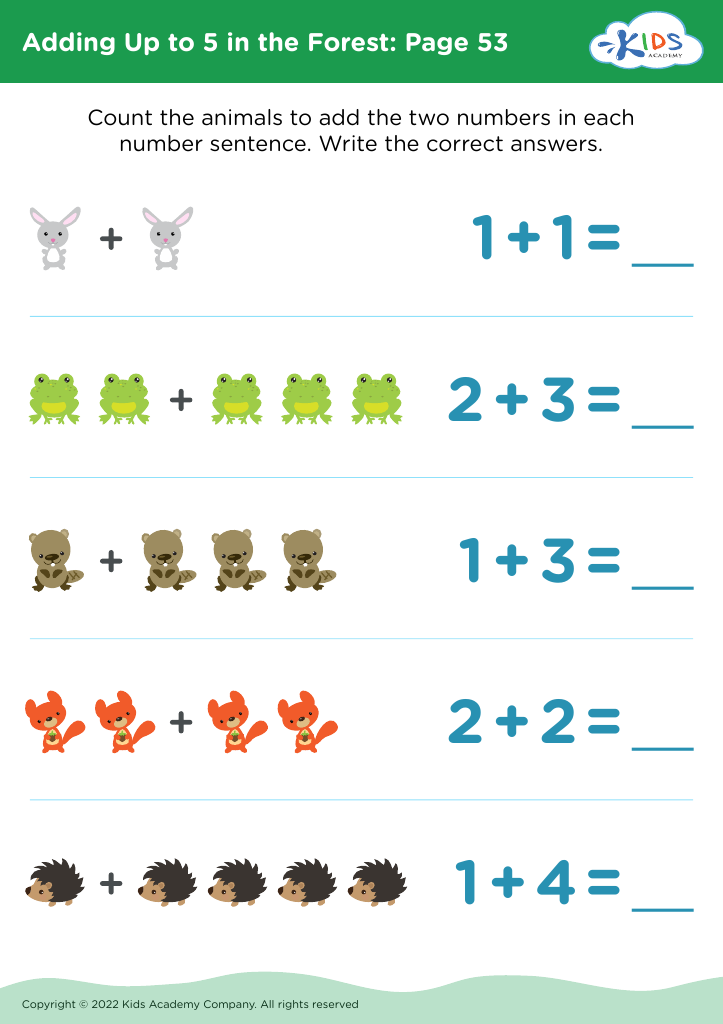
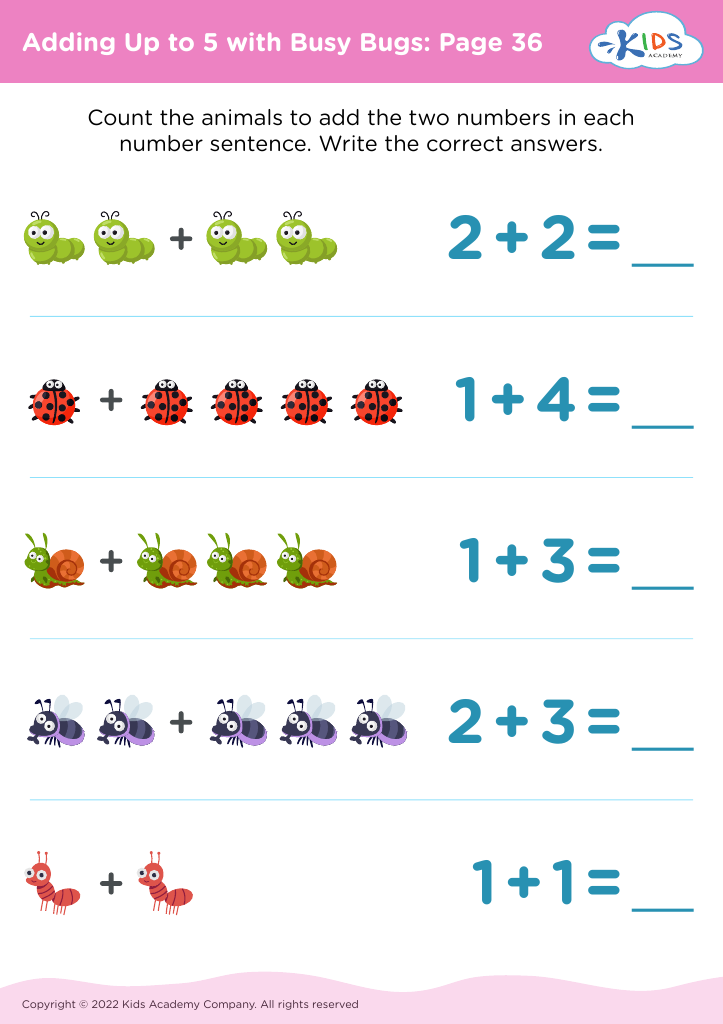
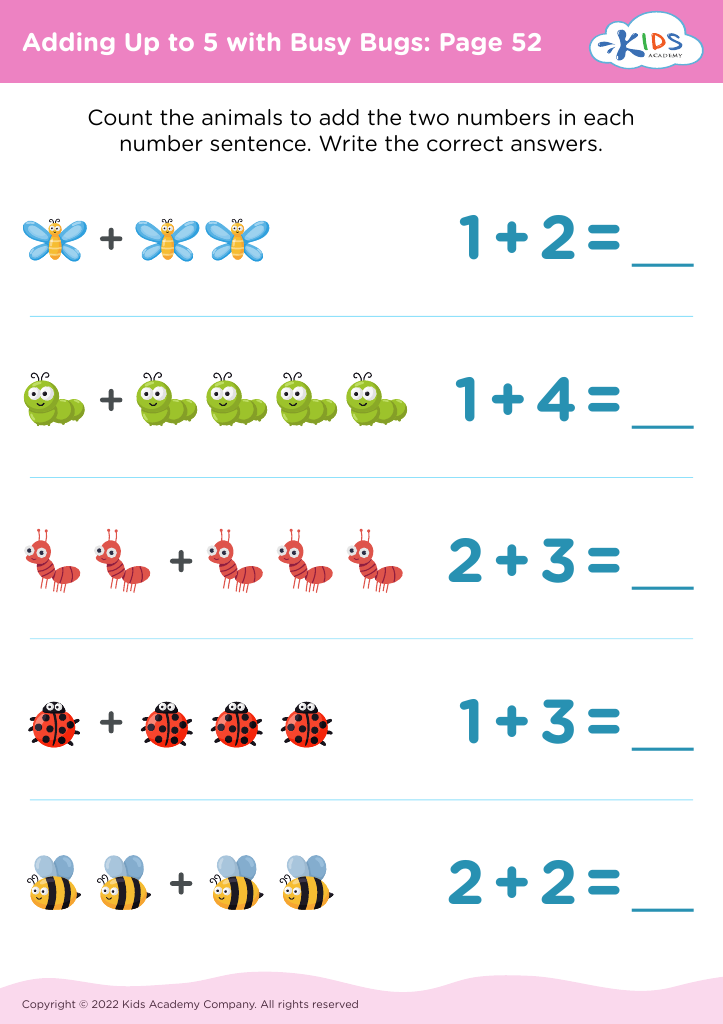








Visual comprehension is a critical skill for 3-year-olds as it lays the foundation for future learning and academic success. At this stage, children are exploring the world around them, and their ability to understand and interpret visual information plays a significant role in their cognitive development. Parents and teachers should care about visual comprehension because it enhances children's understanding of stories, shapes, colors, and spatial relationships, which are key components of early literacy and numeracy.
When children master visual comprehension, they develop better observational skills, allowing them to make connections between what they see and what they learn. This skill is essential for fostering creativity and imagination, as children begin to interpret visual media, artworks, and their environments. Furthermore, strong visual comprehension supports social interactions; as children learn to read non-verbal cues, they become more adept at understanding emotions and intentions in others, fostering empathy and communication skills.
By encouraging activities that promote visual comprehension—like puzzles, matching games, and storytelling with pictures—adults explicitly support a child’s growth. This not only prepares them for more complex learning in the future but also nurtures a love for learning that lasts a lifetime.








