Visual perception Worksheets for 3-Year-Olds - Page 2
36 filtered results
-
From - To
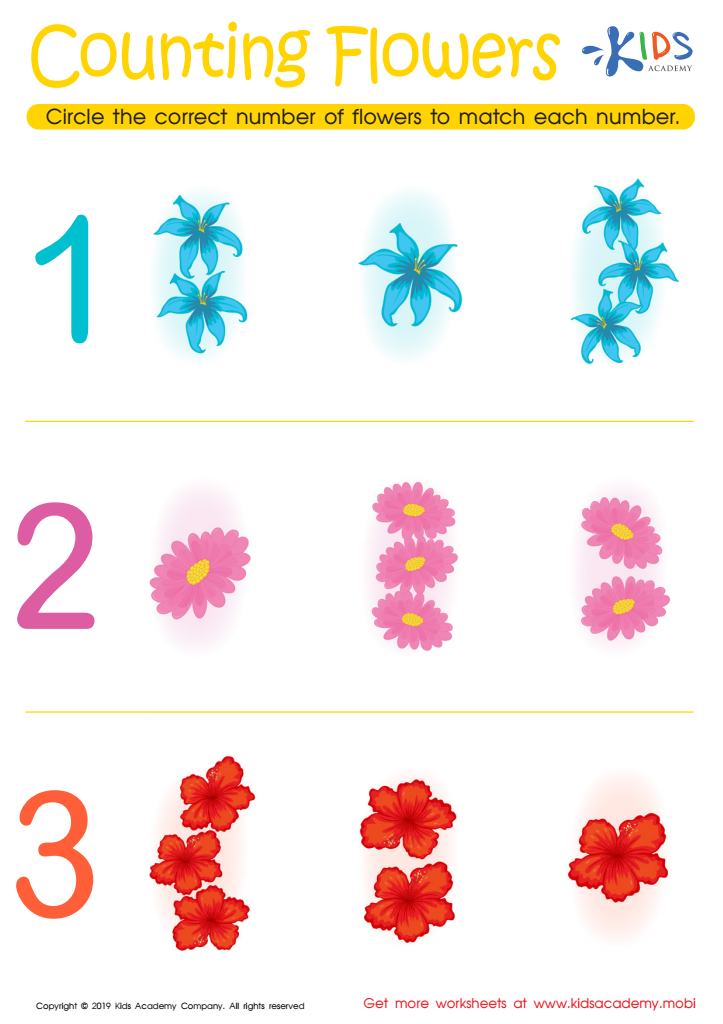
Counting Flowers Worksheet
 Assign to My Students
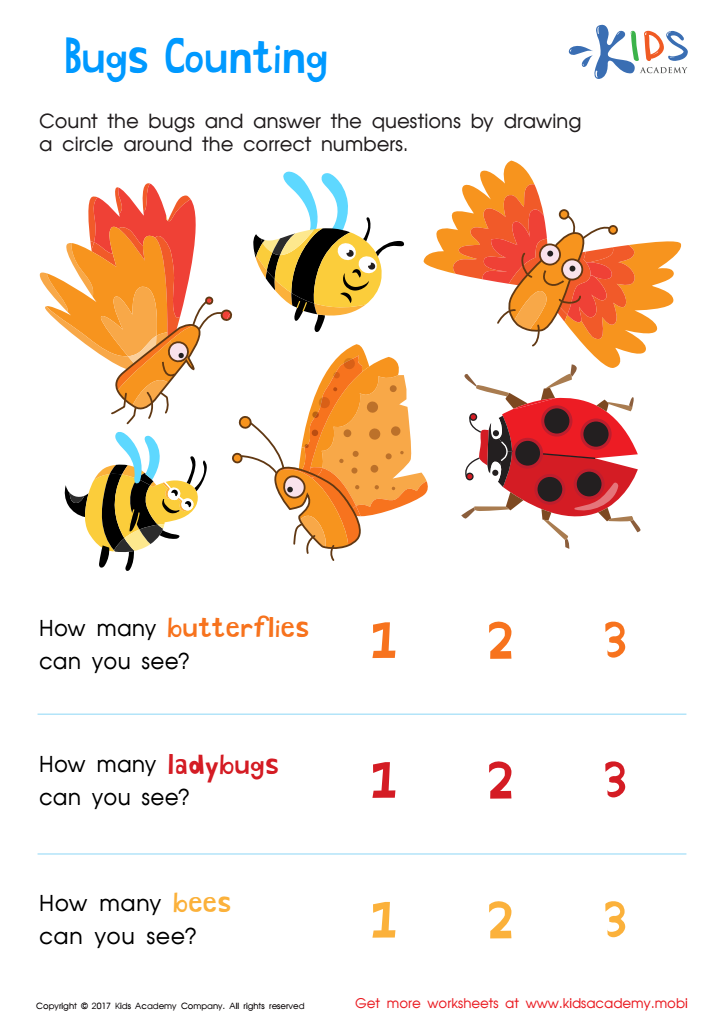
Bugs Counting Worksheet
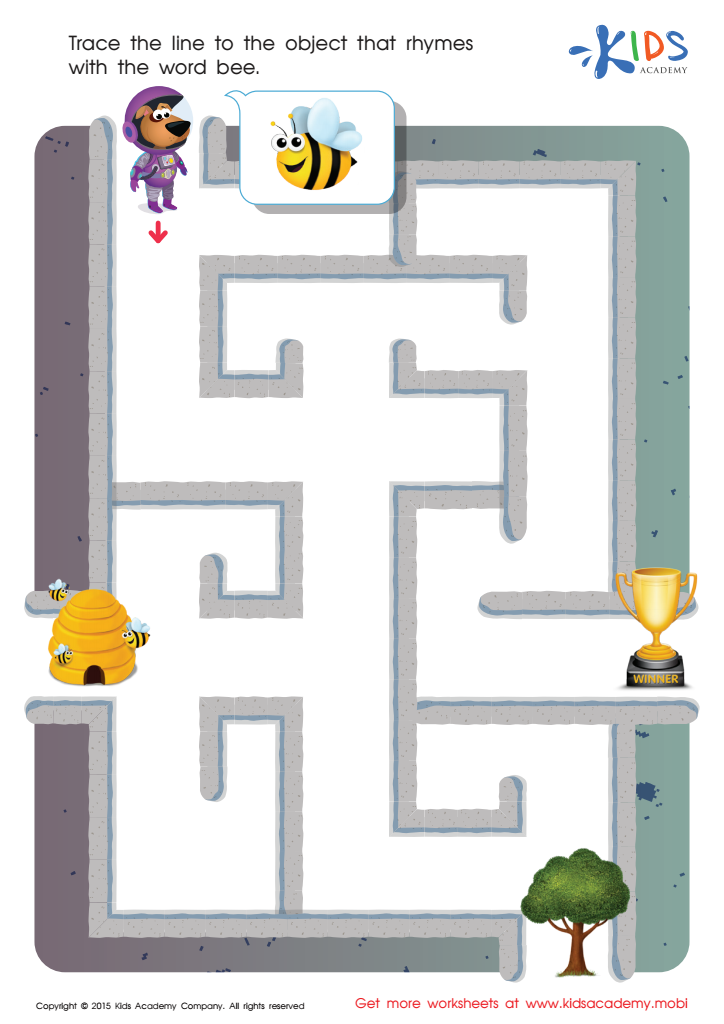
Bee Rhyming Words Worksheet
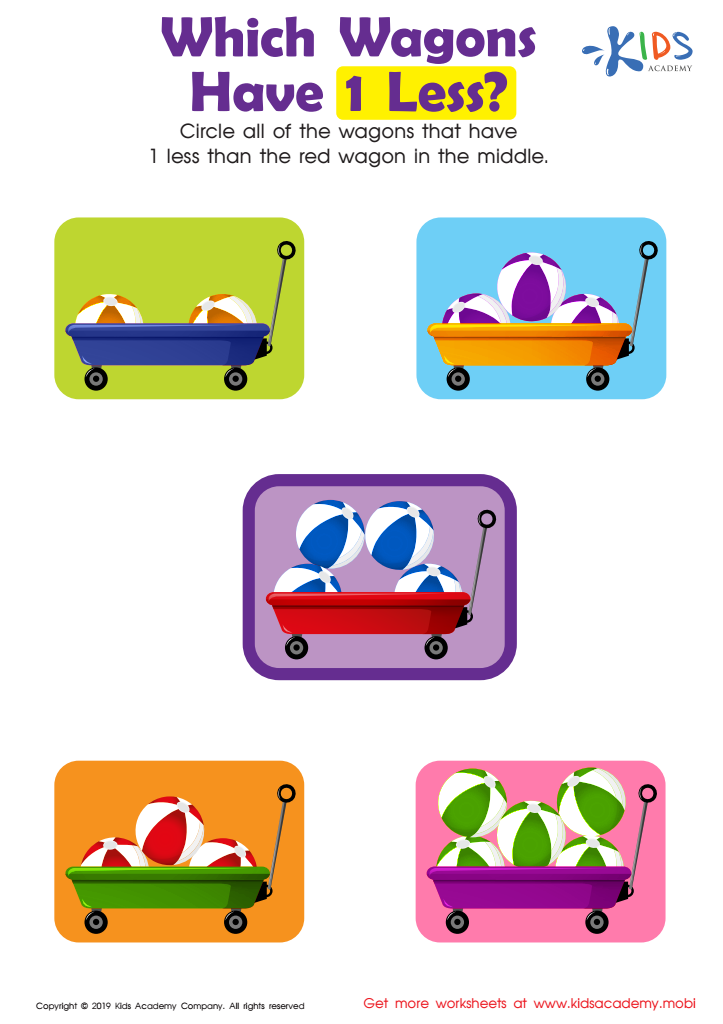
Which Wagons Have 1 Less? Worksheet
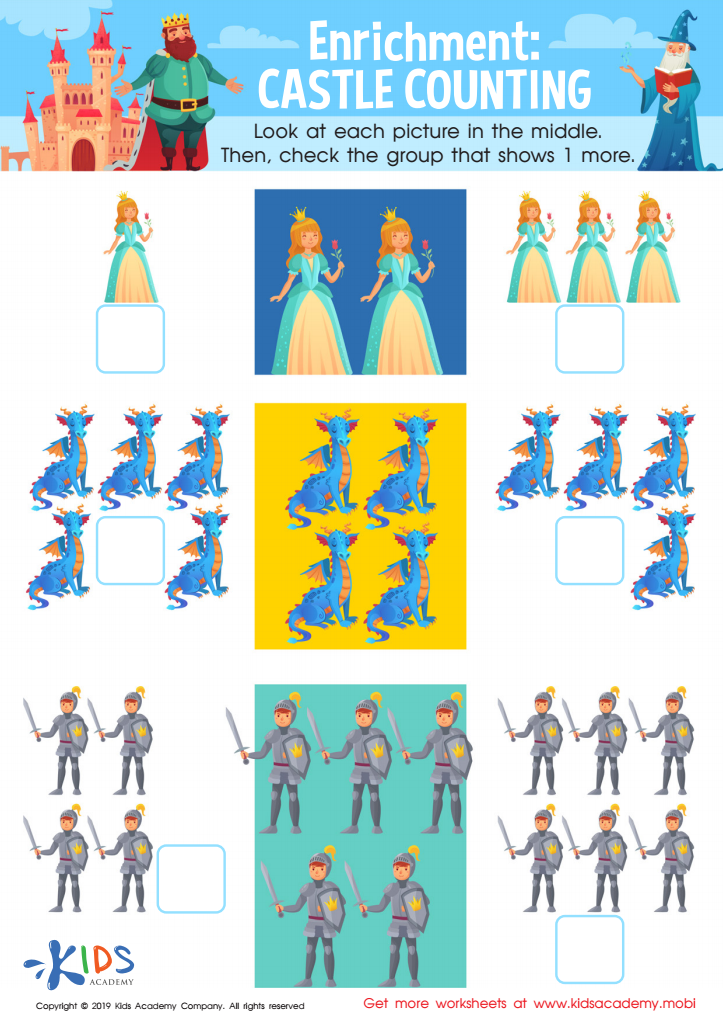
Enrichment: Castle Counting Worksheet
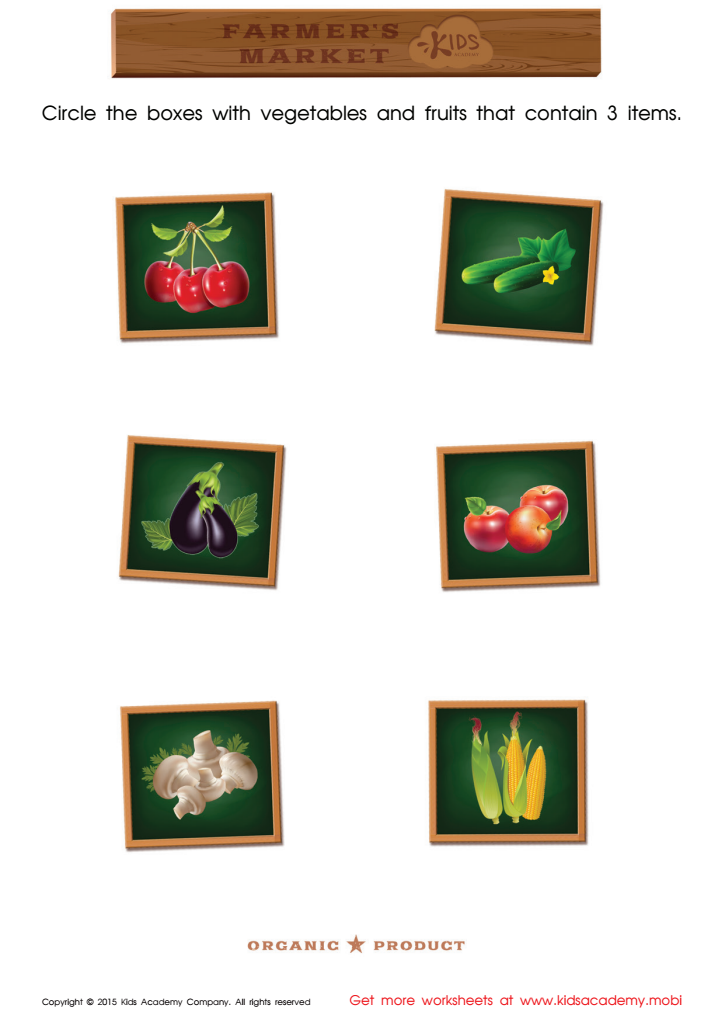
Count and Match Vegetables 1 – 5 Math Worksheet
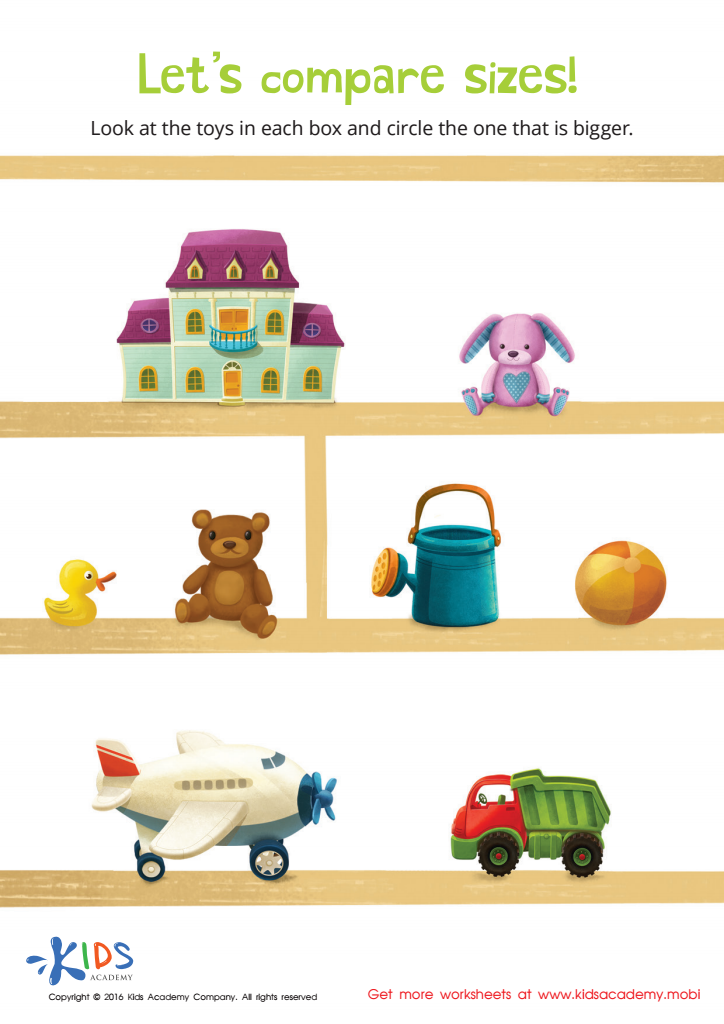
Classifying by Size Sorting Worksheet
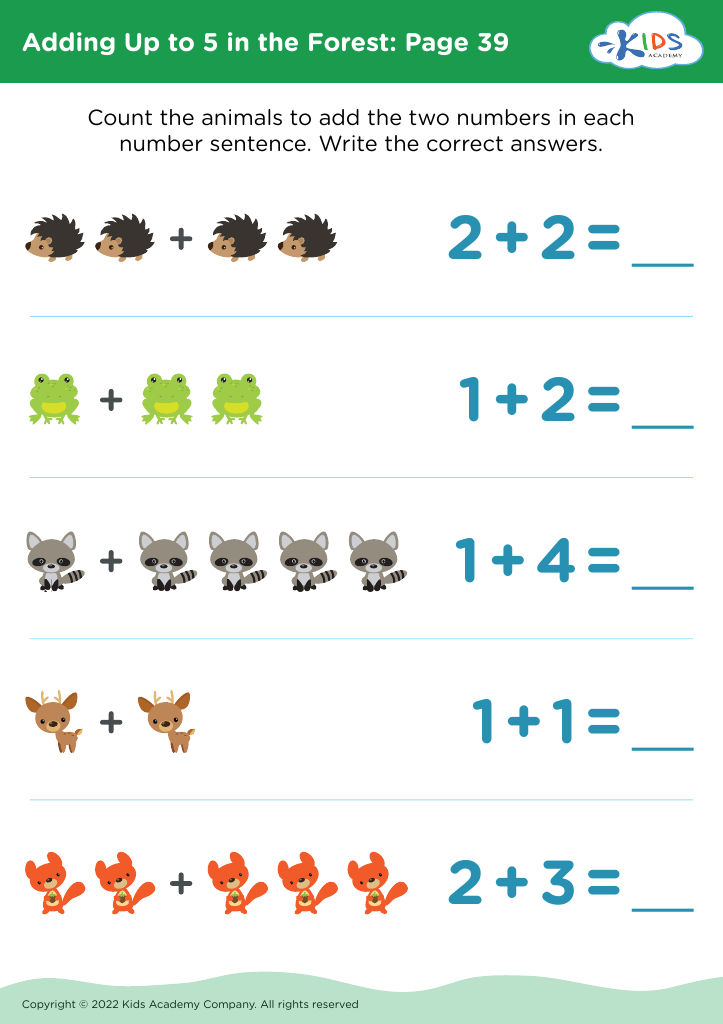
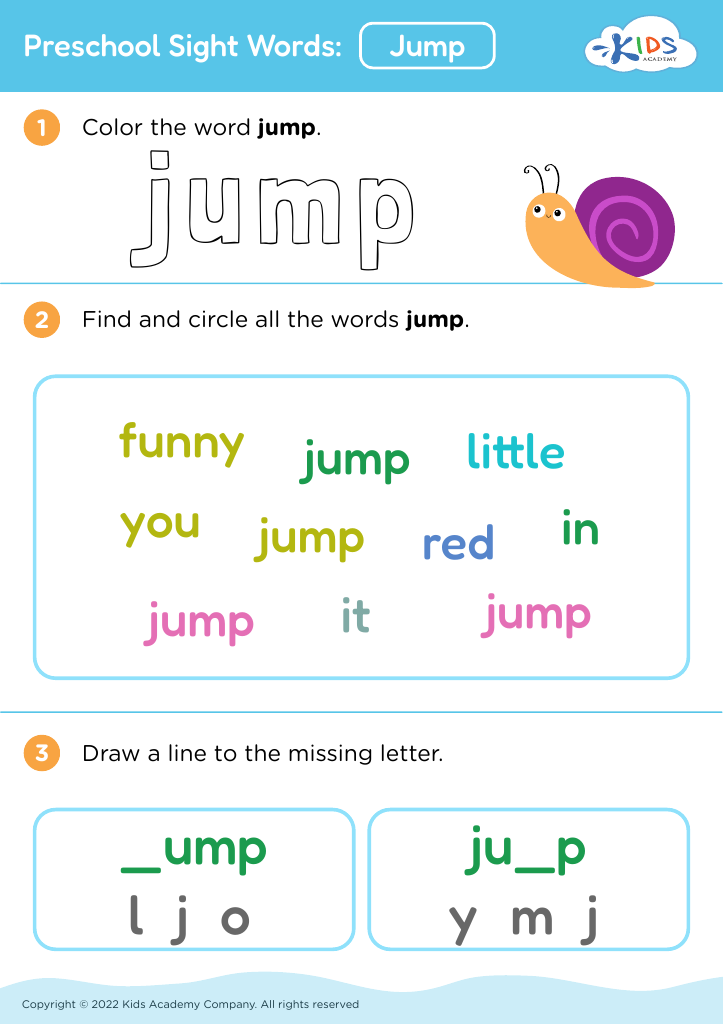







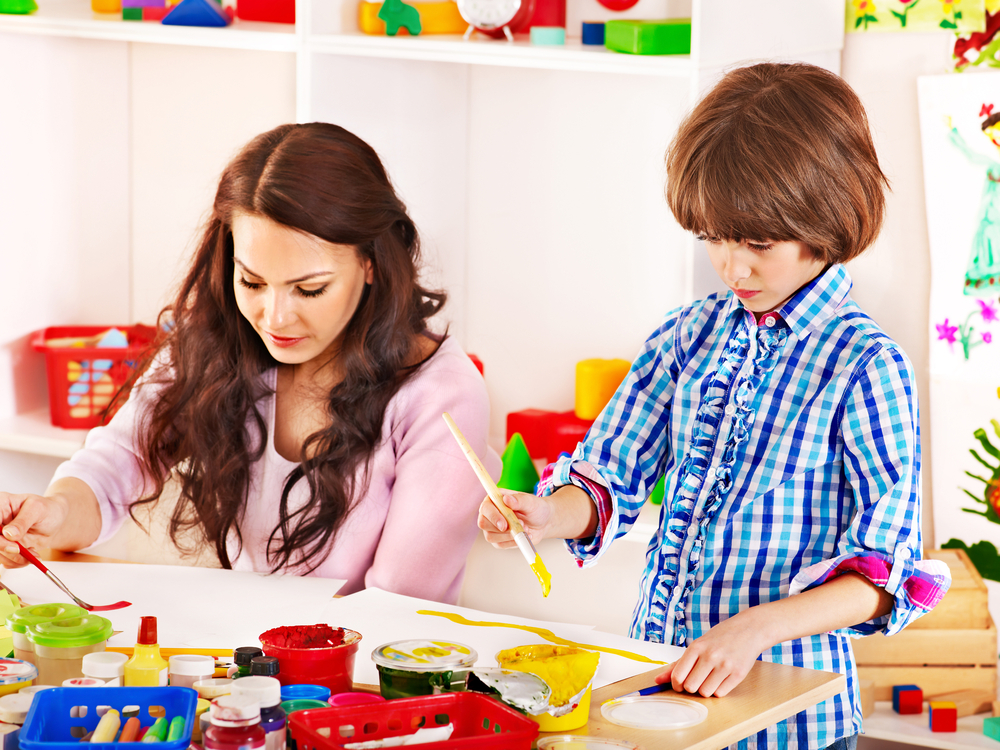
Visual perception is essential for a child's developmental framework, particularly for 3-year-olds as they embark on their educational journey. At this age, children are developing crucial cognitive and motor skills, and strong visual perception supports these processes. It involves the ability to interpret visual stimuli, including shapes, colors, and spatial relationships, which are foundational for learning to read, write, and engage with the world around them.
For parents and teachers, nurturing visual perception can lead to enhanced academic performance and a greater understanding of complex concepts later on. Activities that promote visual discrimination, such as matching games or puzzles, can support a child’s ability to differentiate letters and numbers, laying the groundwork for literacy and numeracy skills.
Additionally, strong visual perception helps improve coordination and fine motor skills, aiding in everyday tasks like drawing and cutting. As social skills develop through play and collaboration, understanding visual cues becomes vital for effective communication and emotional intelligence.
Ultimately, prioritizing visual perception in early education helps children build confidence, foster creativity, and lay the groundwork for a lifelong love of learning. By recognizing its importance, parents and teachers can ensure that children have the abilities necessary to thrive in their educational and social environments.








