Filters

70 filtered results

Clear all filters
Favorites
With answer key
Interactive

70 filtered results

Difficulty Level

Grade


Check out this FREE Trial Lesson on Adding in the Sea for age 3!

L

Favorites
With answer key
Interactive
  • 3
  • Number Recognition
  • Adding in the Sea
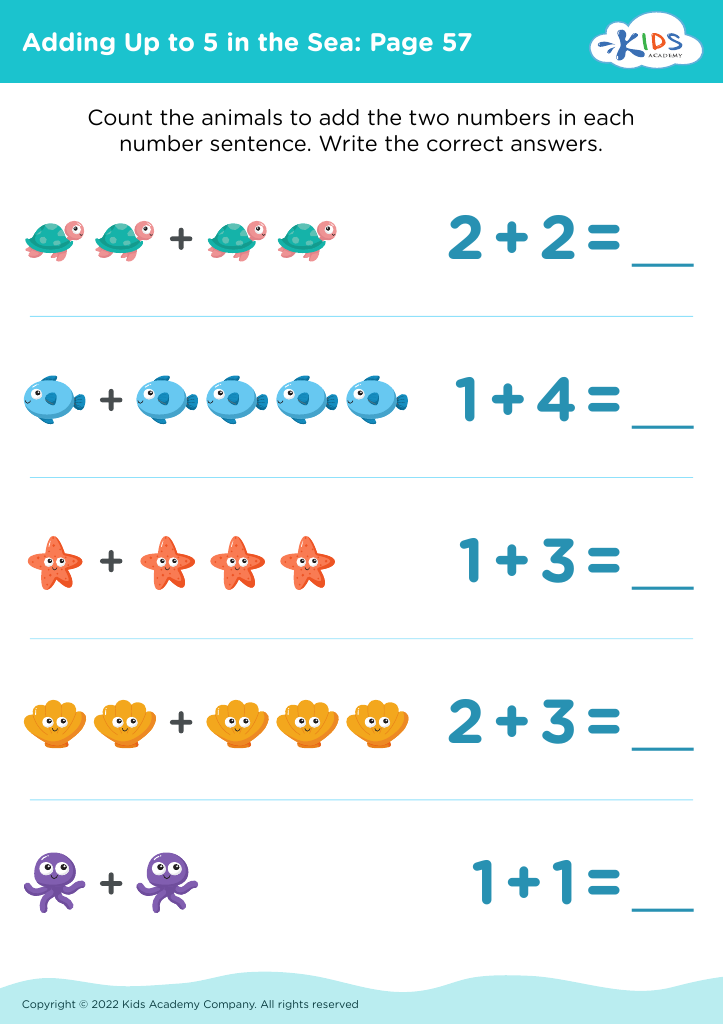
Adding Up to 5 in the Sea: Page 57
Worksheet
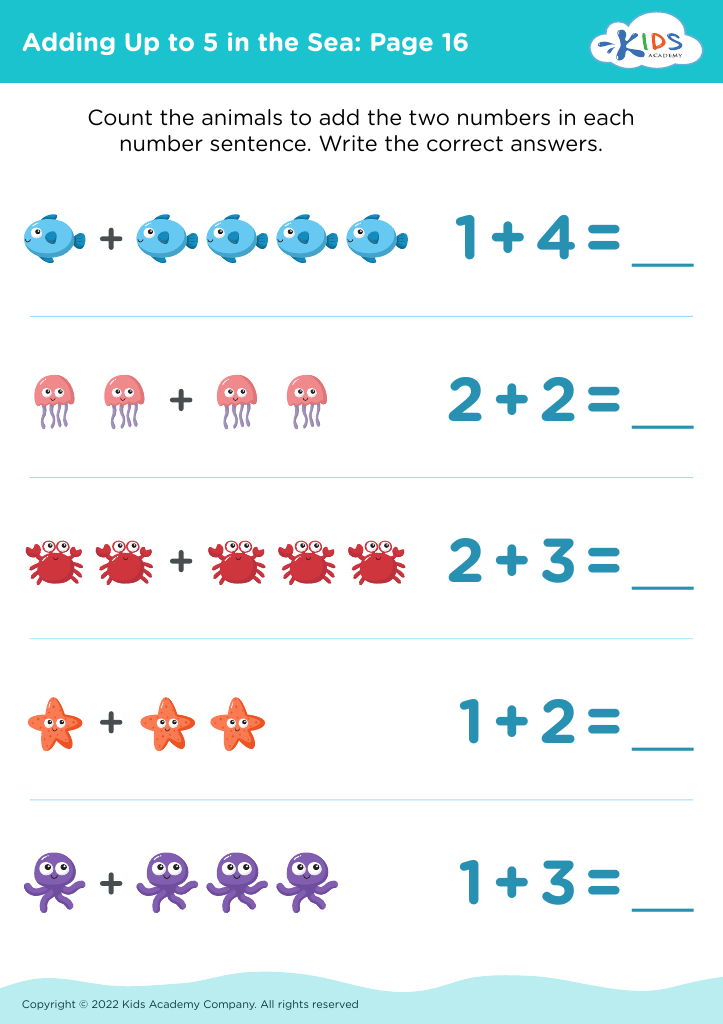
Adding Up to 5 in the Sea: Page 16
Worksheet
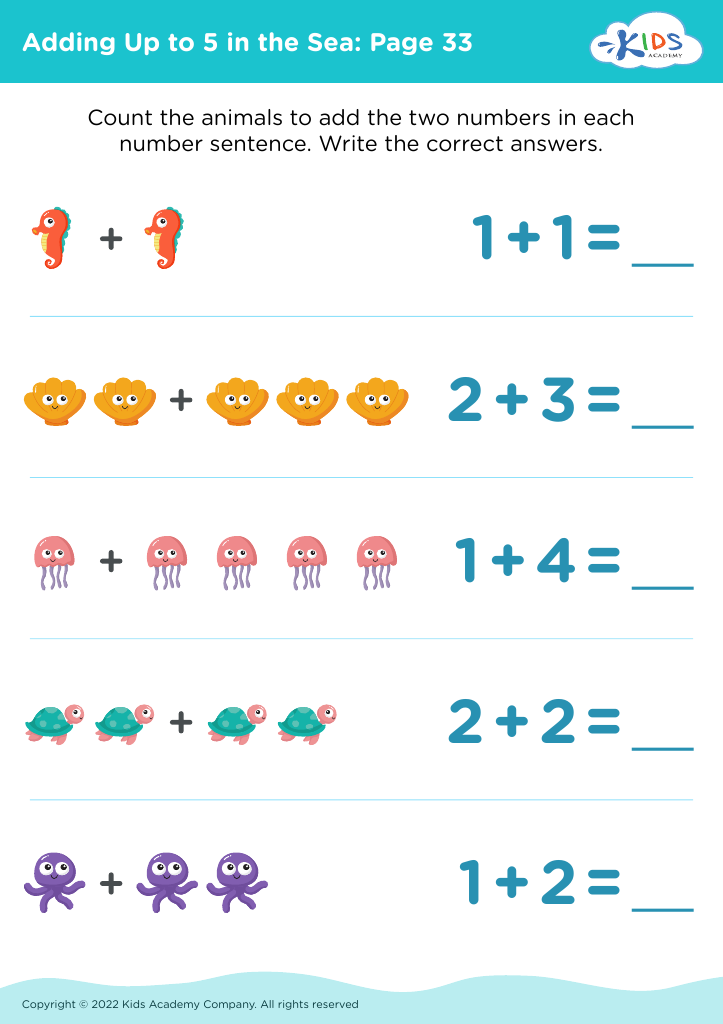
Adding Up to 5 in the Sea: Page 33
Worksheet
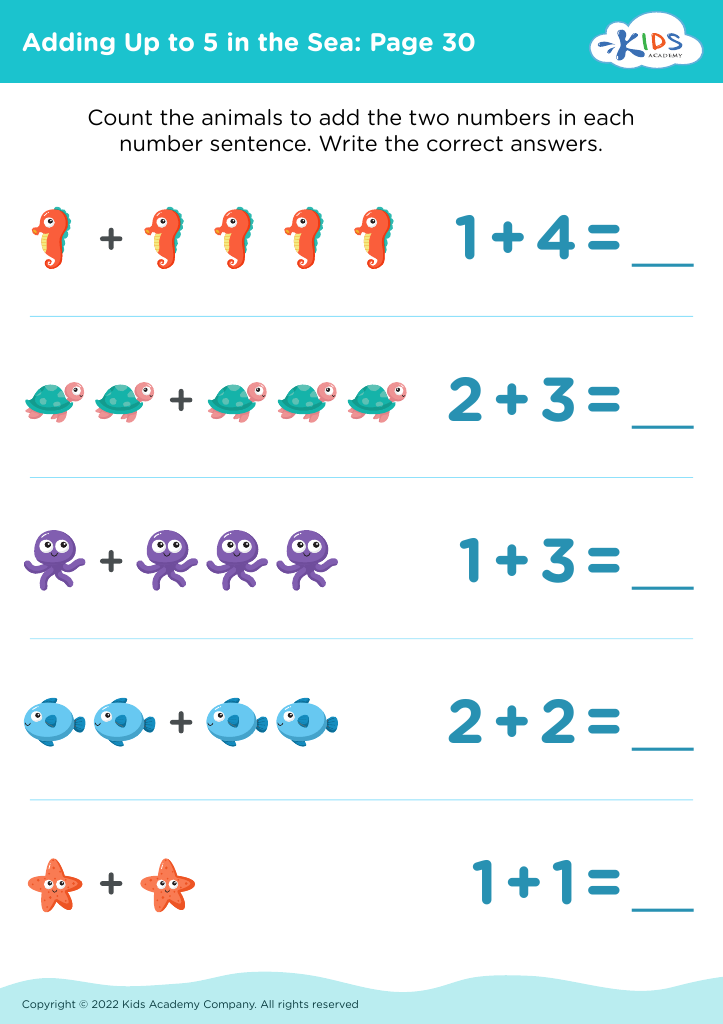
Adding Up to 5 in the Sea: Page 30
Worksheet
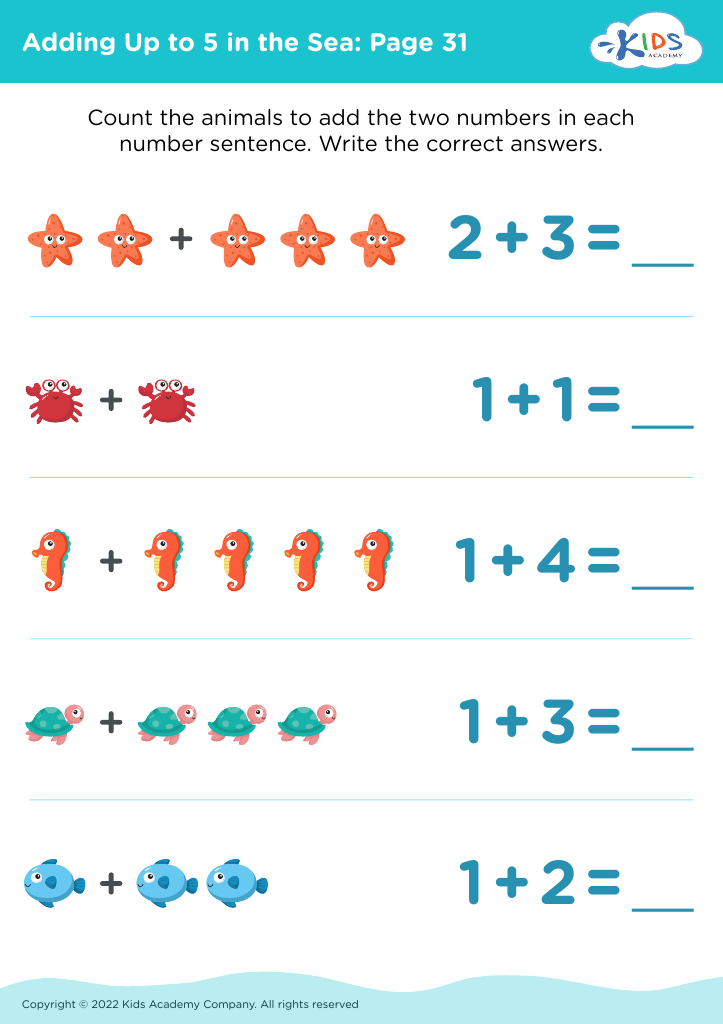
Adding Up to 5 in the Sea: Page 31
Worksheet
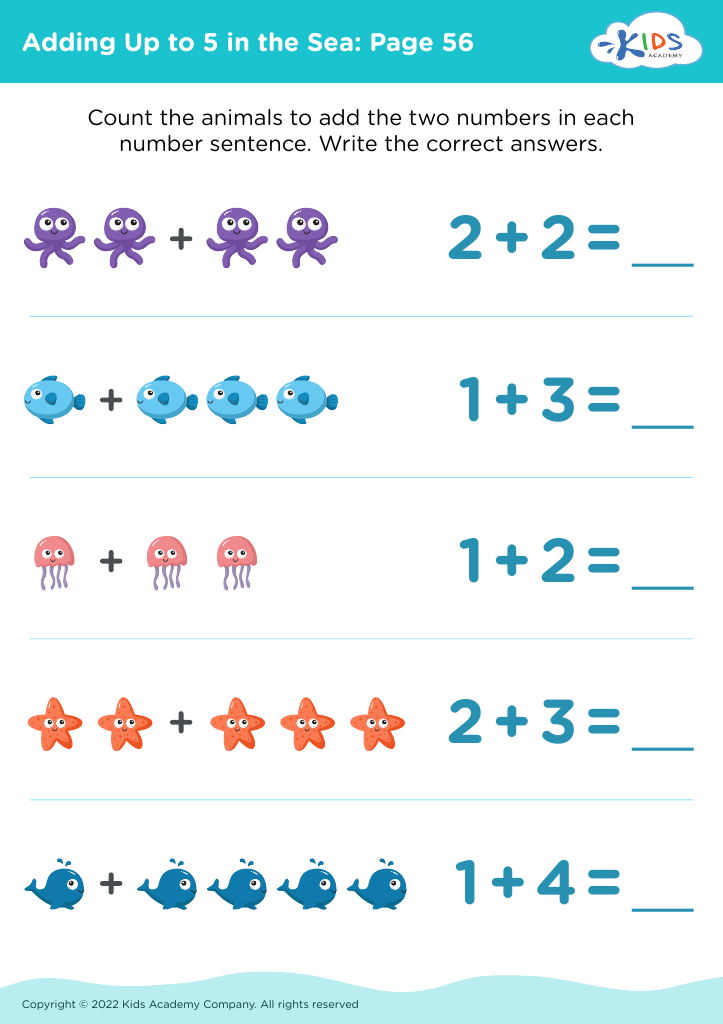
Adding Up to 5 in the Sea: Page 56
Worksheet
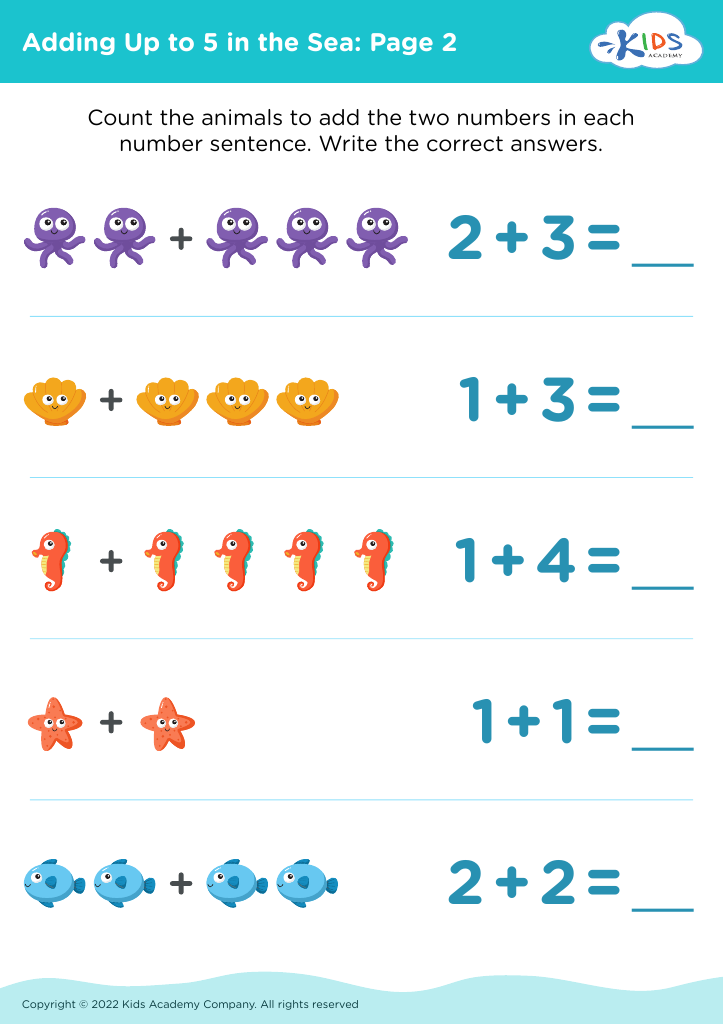
Adding Up to 5 in the Sea: Page 2

Adding Up to 5 in the Sea: Page 2

Adding Up to 5 in the Sea: Page 2
Worksheet
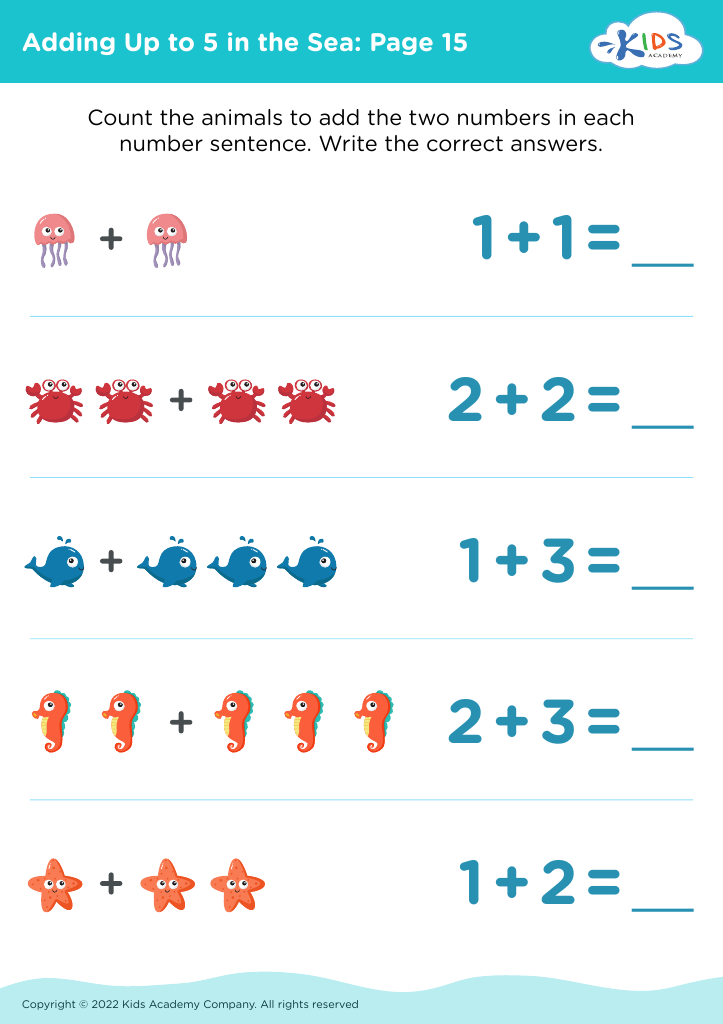
Adding Up to 5 in the Sea: Page 15
Worksheet
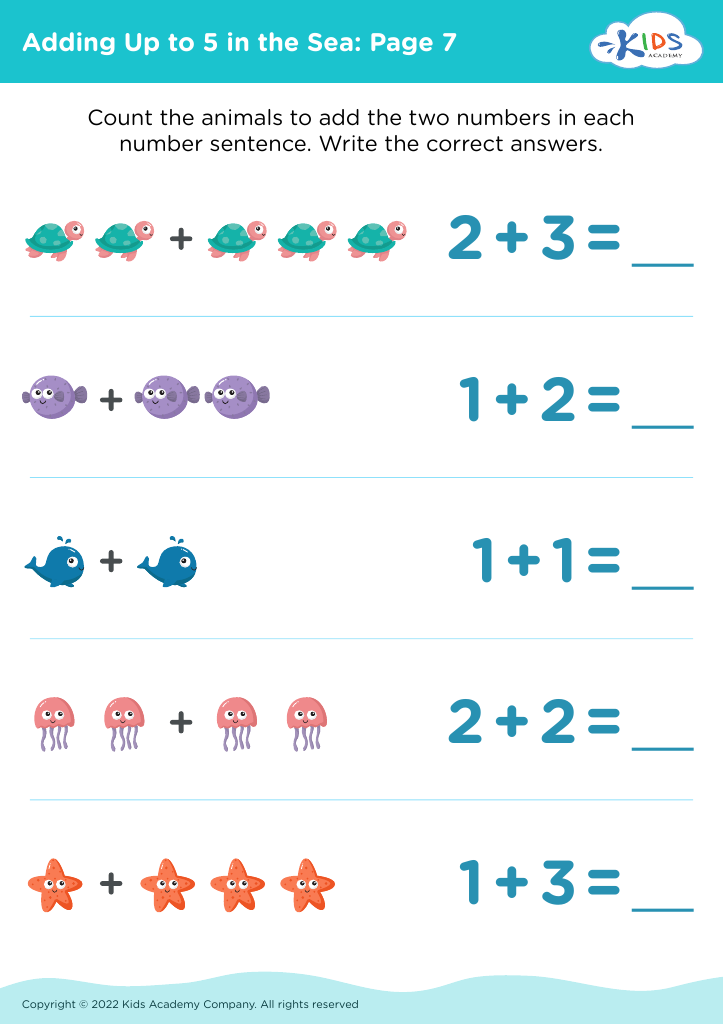
Adding Up to 5 in the Sea: Page 7

Adding Up to 5 in the Sea: Page 7

Adding Up to 5 in the Sea: Page 7
Worksheet
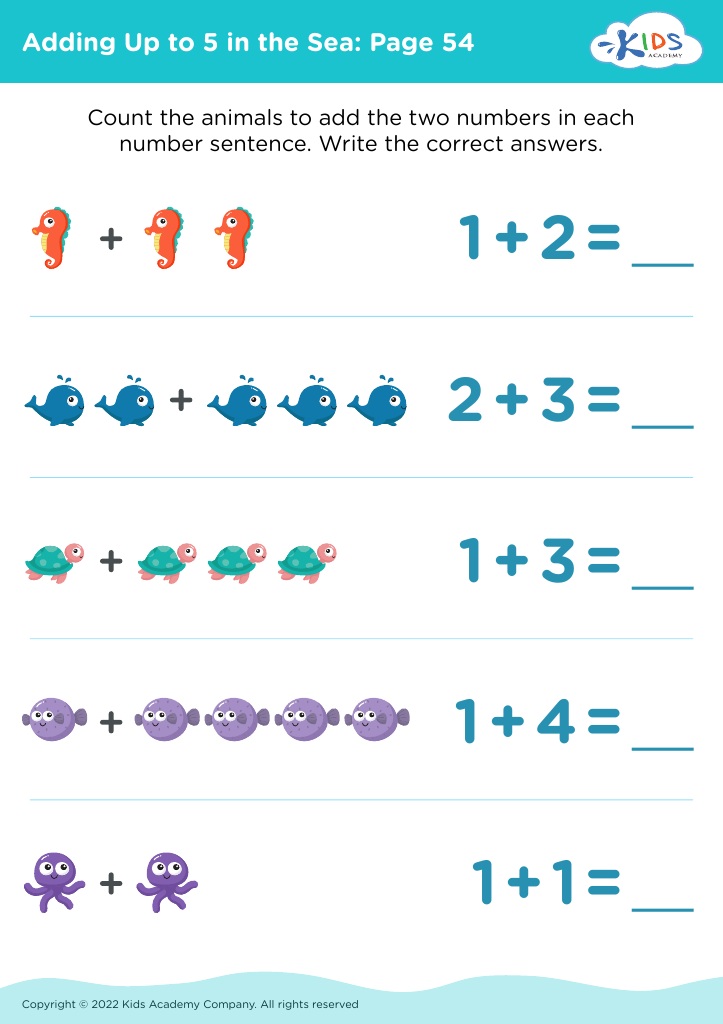
Adding Up to 5 in the Sea: Page 54
Worksheet
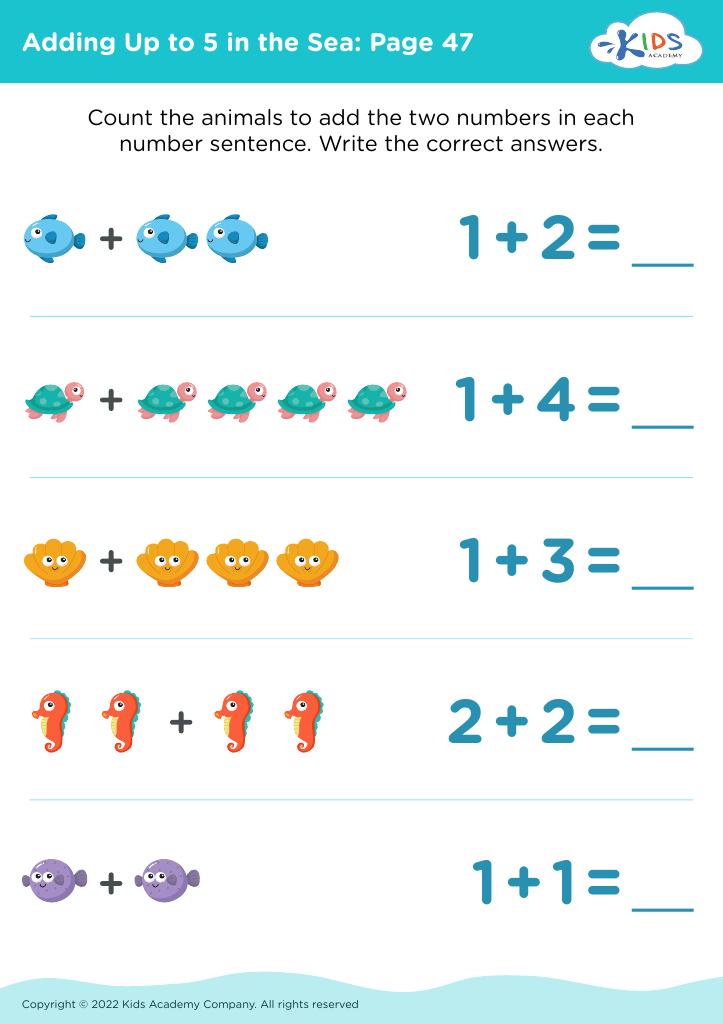
Adding Up to 5 in the Sea: Page 47
Worksheet
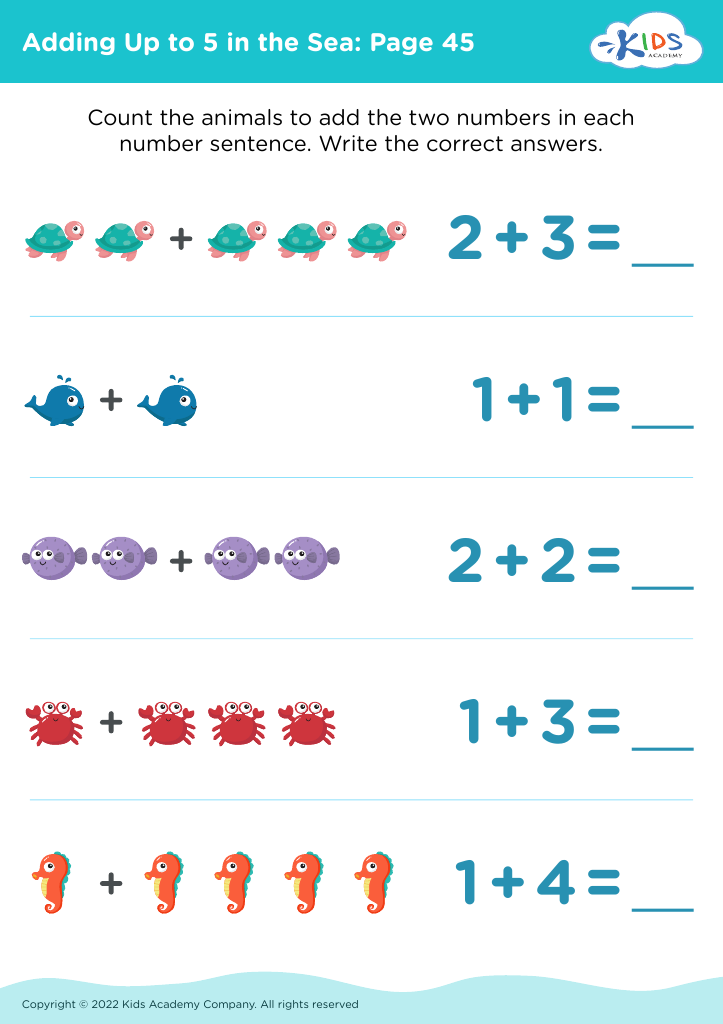
Adding Up to 5 in the Sea: Page 45
Worksheet
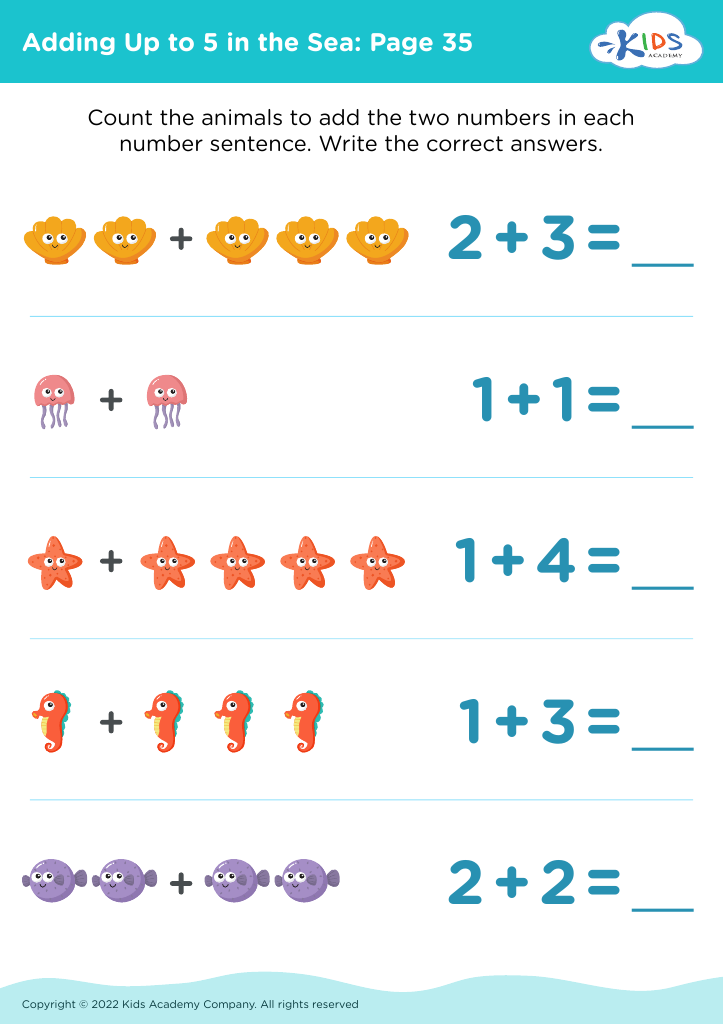
Adding Up to 5 in the Sea: Page 35
Worksheet
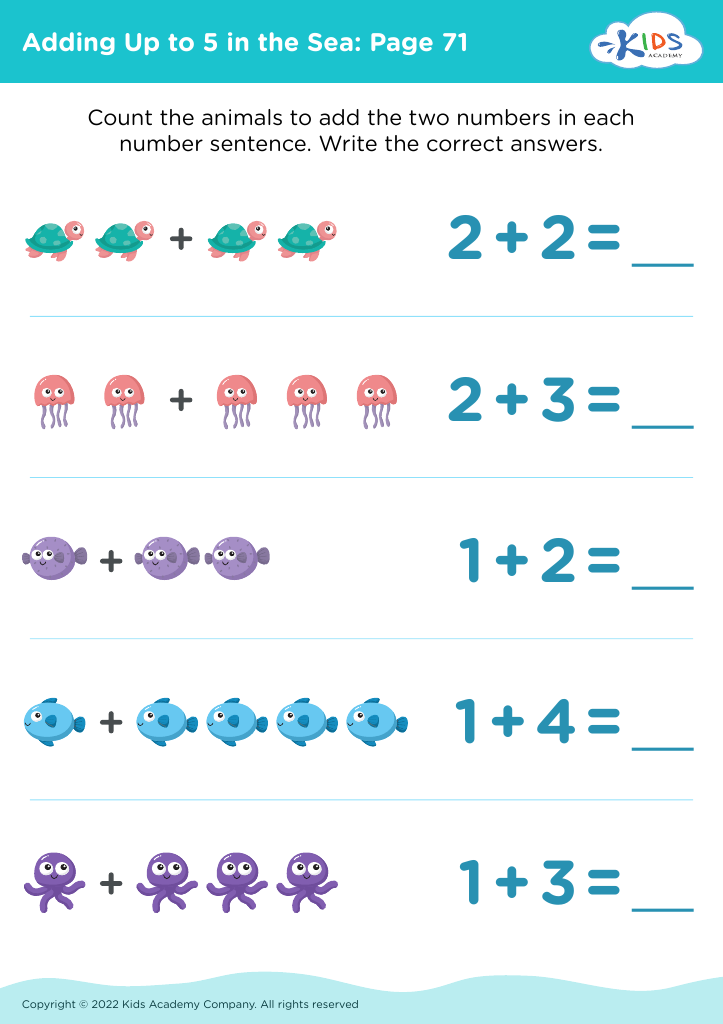
Adding Up to 5 in the Sea: Page 71
Worksheet
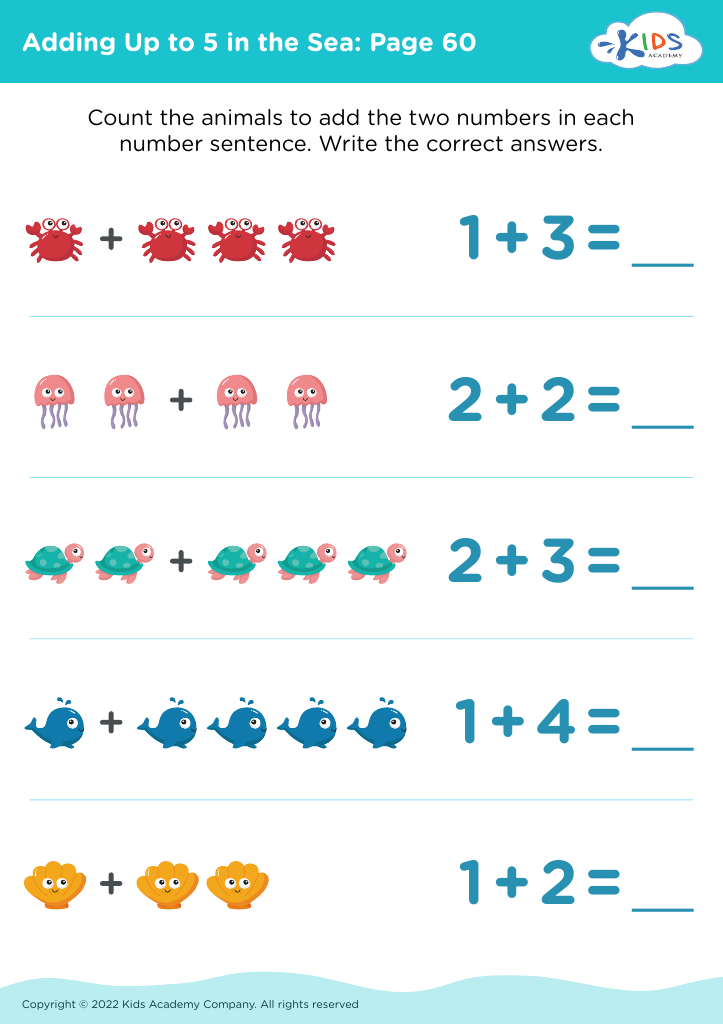
Adding Up to 5 in the Sea: Page 60
Worksheet
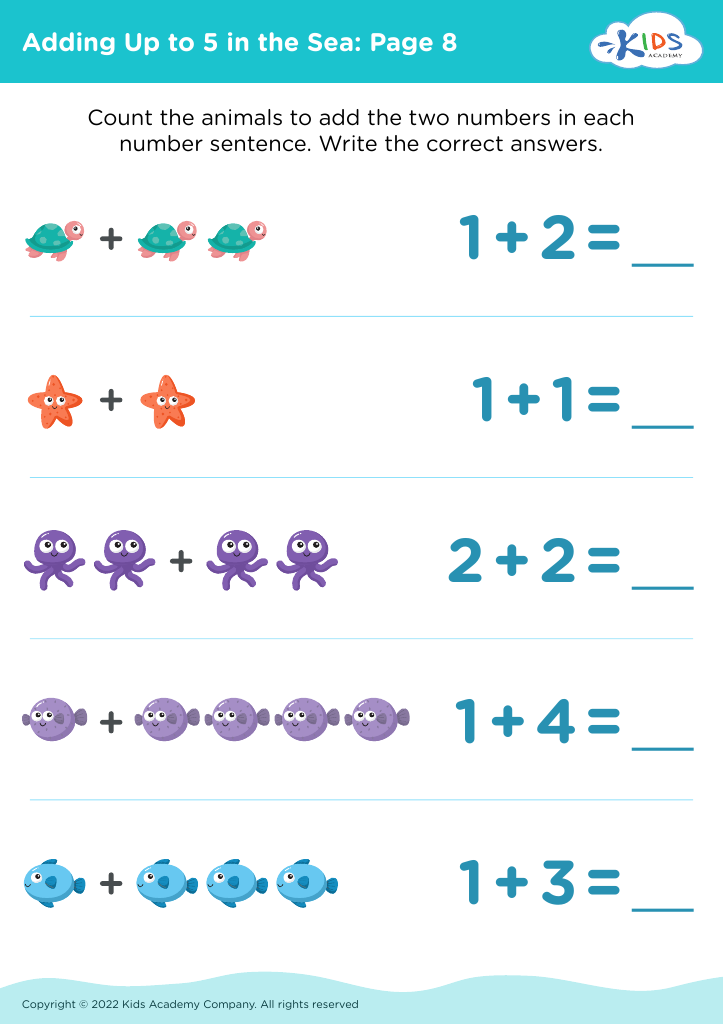
Adding Up to 5 in the Sea: Page 8

Adding Up to 5 in the Sea: Page 8

Adding Up to 5 in the Sea: Page 8
Worksheet
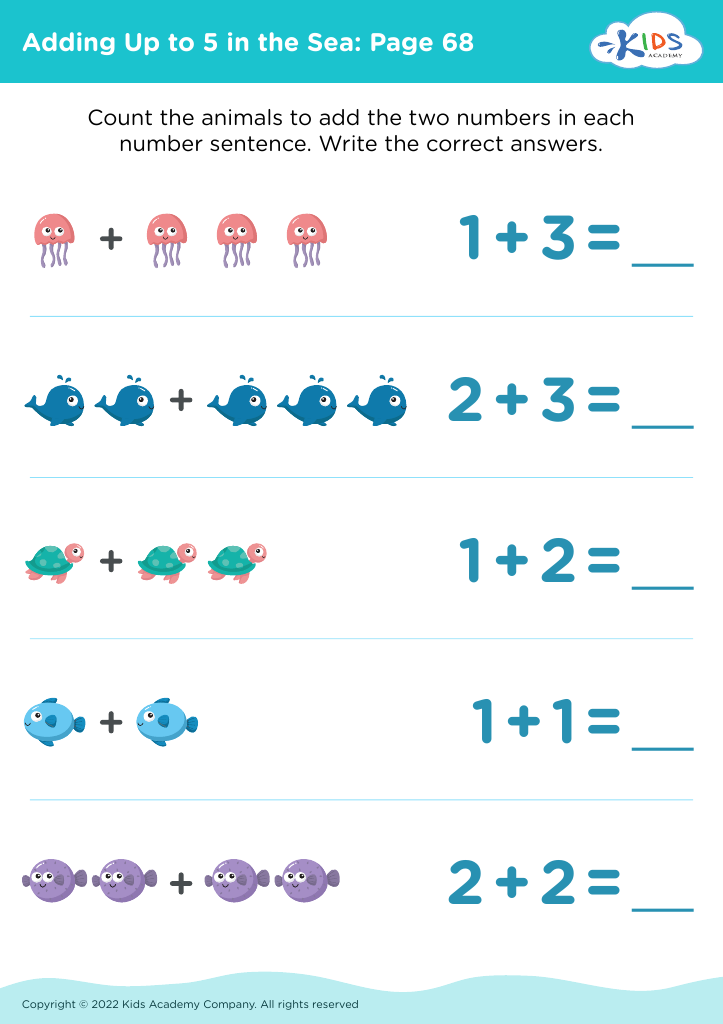
Adding Up to 5 in the Sea: Page 68
Worksheet
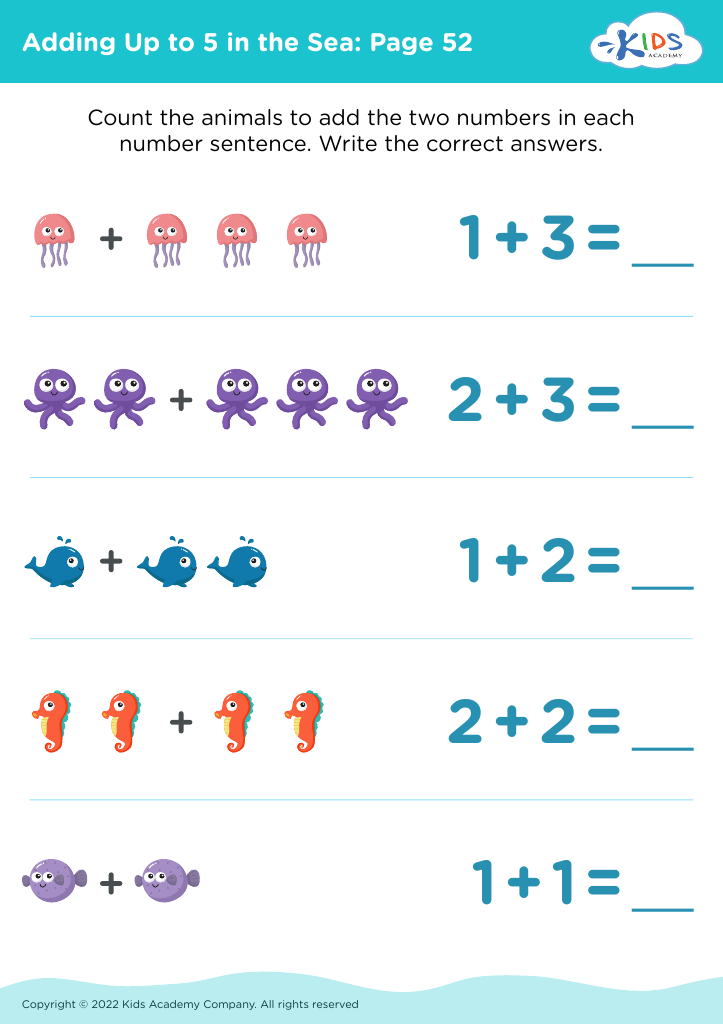
Adding Up to 5 in the Sea: Page 52
Worksheet
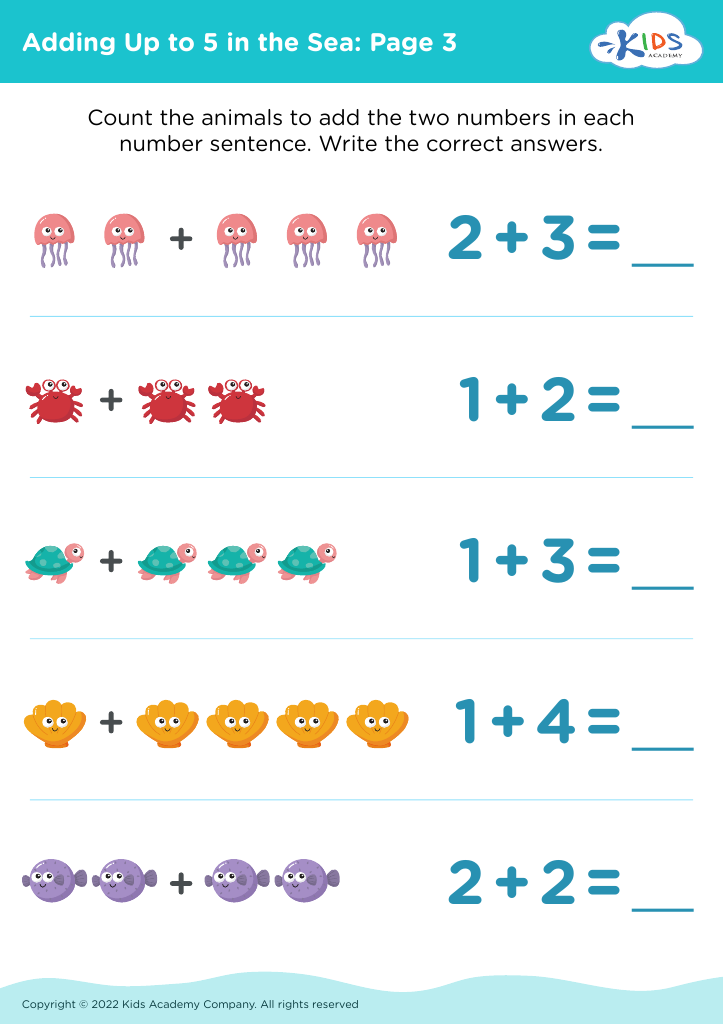
Adding Up to 5 in the Sea: Page 3

Adding Up to 5 in the Sea: Page 3

Adding Up to 5 in the Sea: Page 3
Worksheet
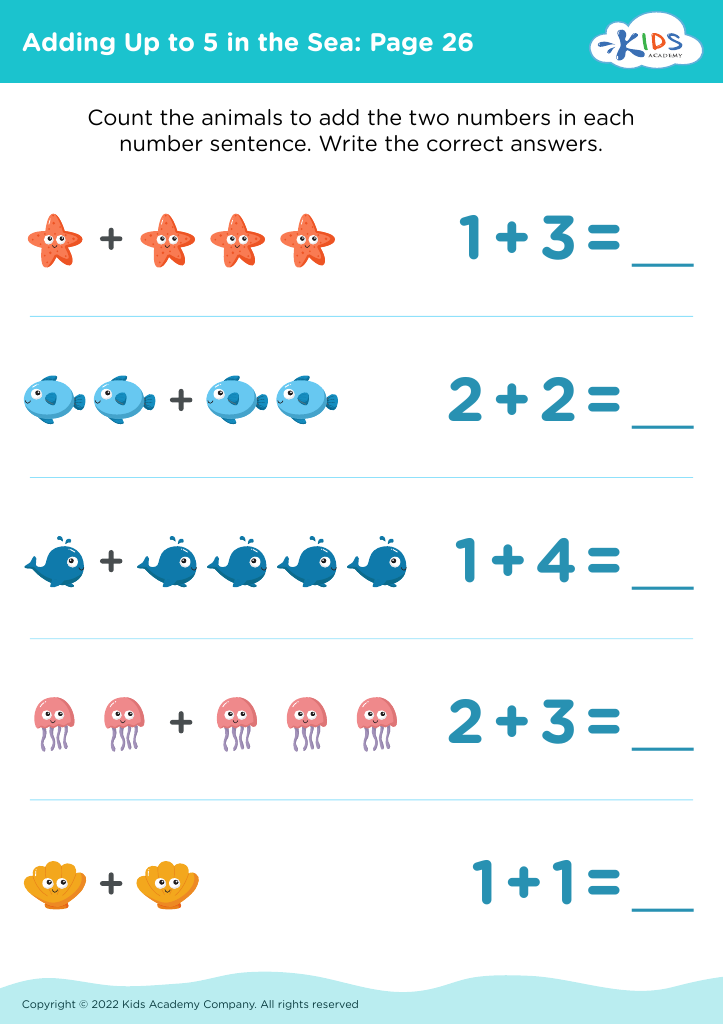
Adding Up to 5 in the Sea: Page 26
Worksheet
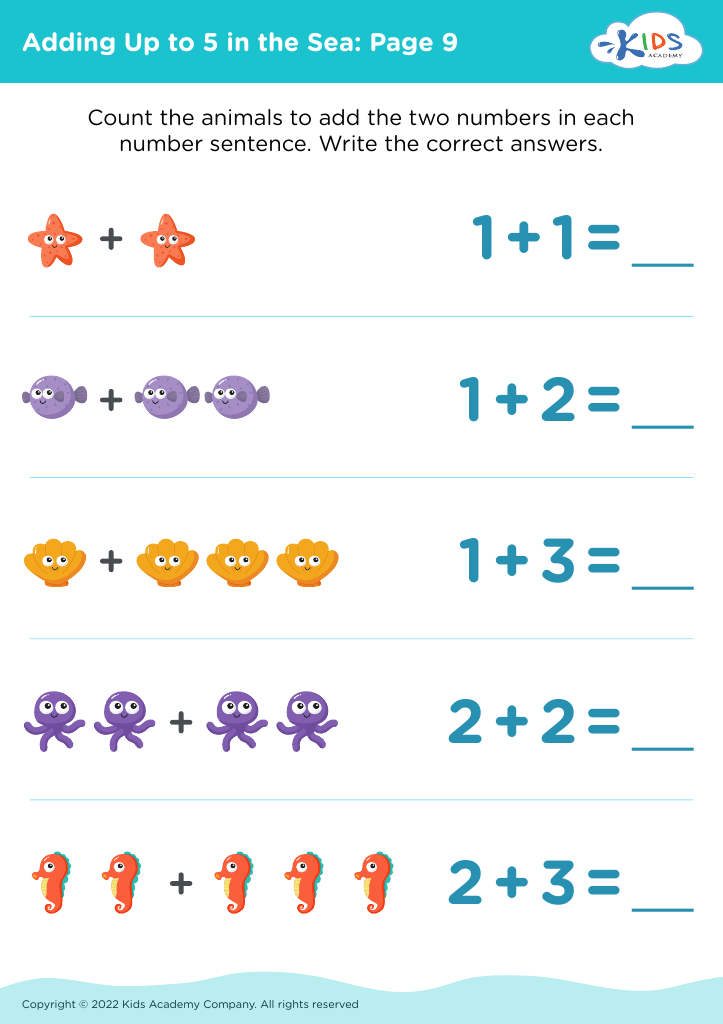
Adding Up to 5 in the Sea: Page 9

Adding Up to 5 in the Sea: Page 9

Adding Up to 5 in the Sea: Page 9
Worksheet
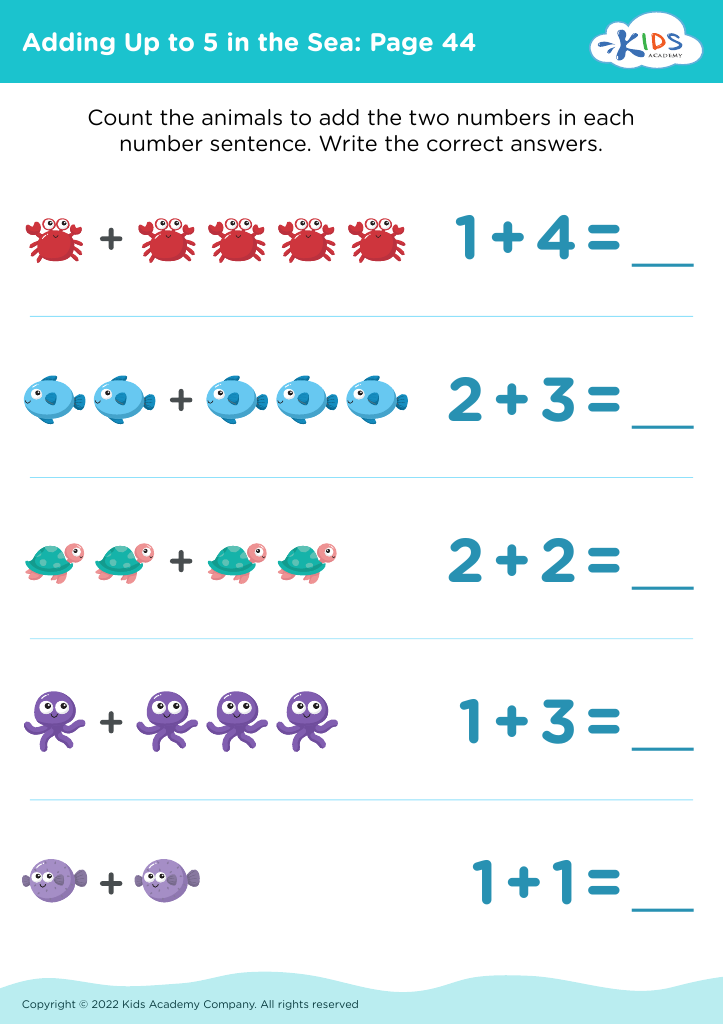
Adding Up to 5 in the Sea: Page 44
Worksheet


... 2 3

Number recognition is a foundational skill in early childhood education, and activities like "Adding in the Sea" provide an engaging way for 3-year-olds to develop this ability. Parents and teachers should care about this because early experiences with numbers lay the groundwork for later mathematical understanding.

At this age, children learn best through play, and "Adding in the Sea" likely incorporates fun, hands-on elements that capture their interest. Engaging with numbers in a playful context can make learning enjoyable and memorable, helping them to develop a positive attitude toward math.

Furthermore, number recognition fosters cognitive development. Recognizing numbers enhances a child's ability to categorize, compare, and problem-solve, all of which are vital life skills. Through activities like these, children also enhance their fine motor skills and hand-eye coordination, which are critical for their overall development.

By focusing on number recognition through play, parents and teachers cultivate a child’s critical thinking and excitement for learning. Encouraging early math skills ultimately supports a smooth transition to more complex concepts in later years, paving the way for academic success. Overall, "Adding in the Sea" is not just about numbers; it’s about fostering a lifelong love for learning.