Visual comprehension Addition & Subtraction Worksheets for 3-Year-Olds
7 filtered results
-
From - To
Introduce your 3-year-olds to basic math concepts with our engaging Visual Comprehension Addition & Subtraction Worksheets. Tailored for toddlers, these fun and interactive worksheets enhance early math skills using vibrant images and easy-to-understand exercises. Each activity is designed to build a strong foundation in addition and subtraction, while also improving visual comprehension and cognitive abilities. Perfect for both classroom and homeschool settings, our thoughtfully crafted materials guide young learners through essential math steps in a playful and rewarding manner. Boost confidence and foster a love for learning with our comprehensive math resources.
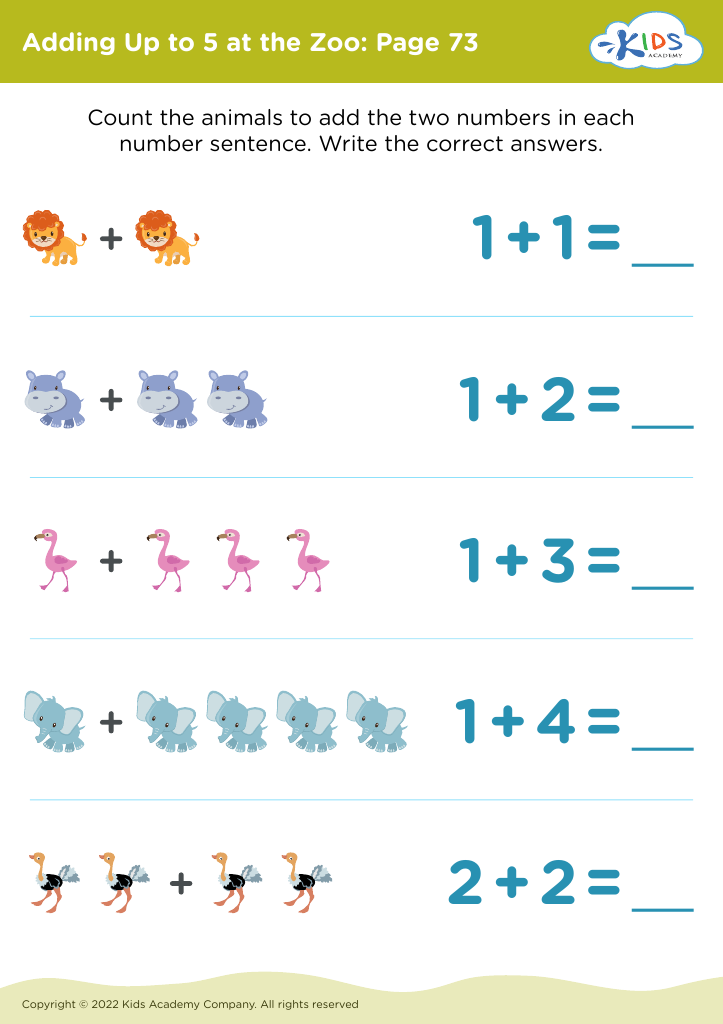
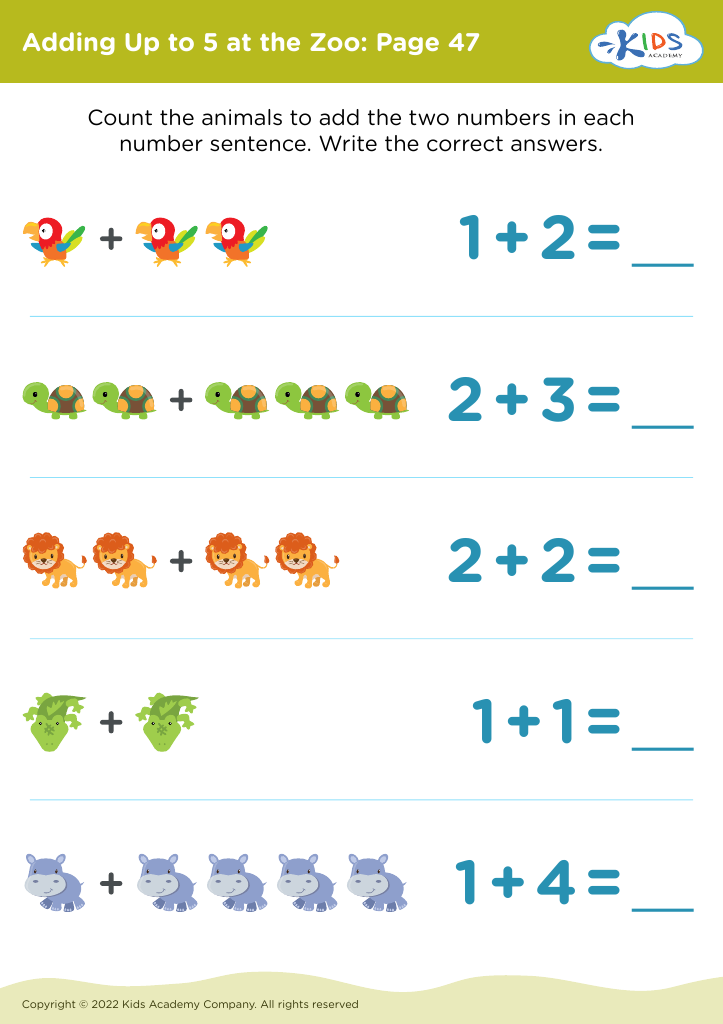
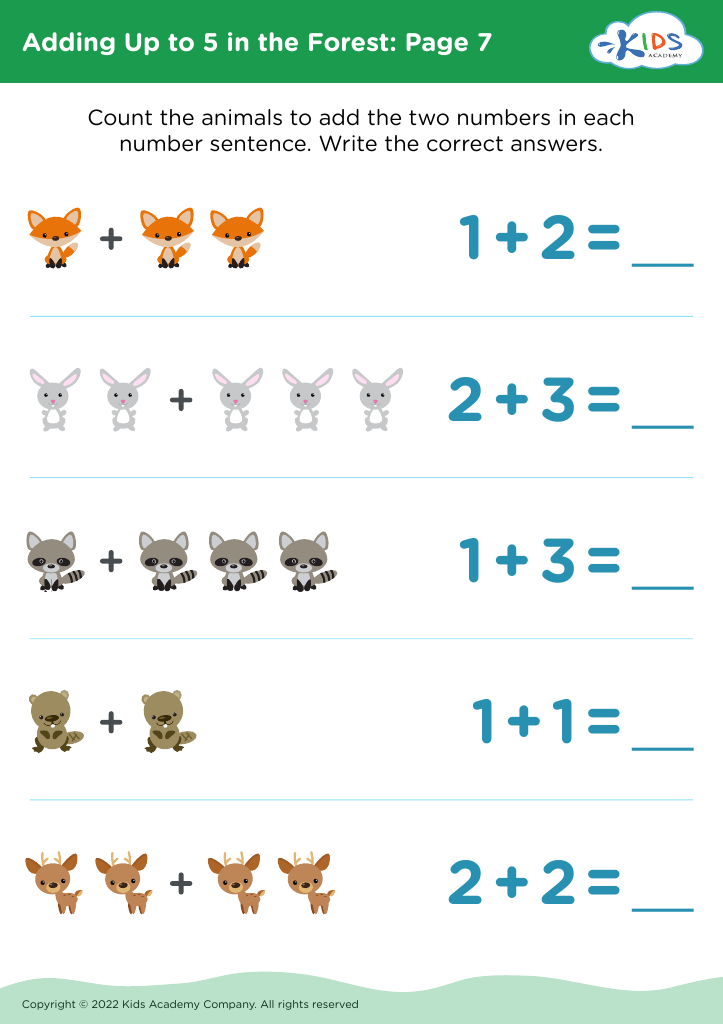
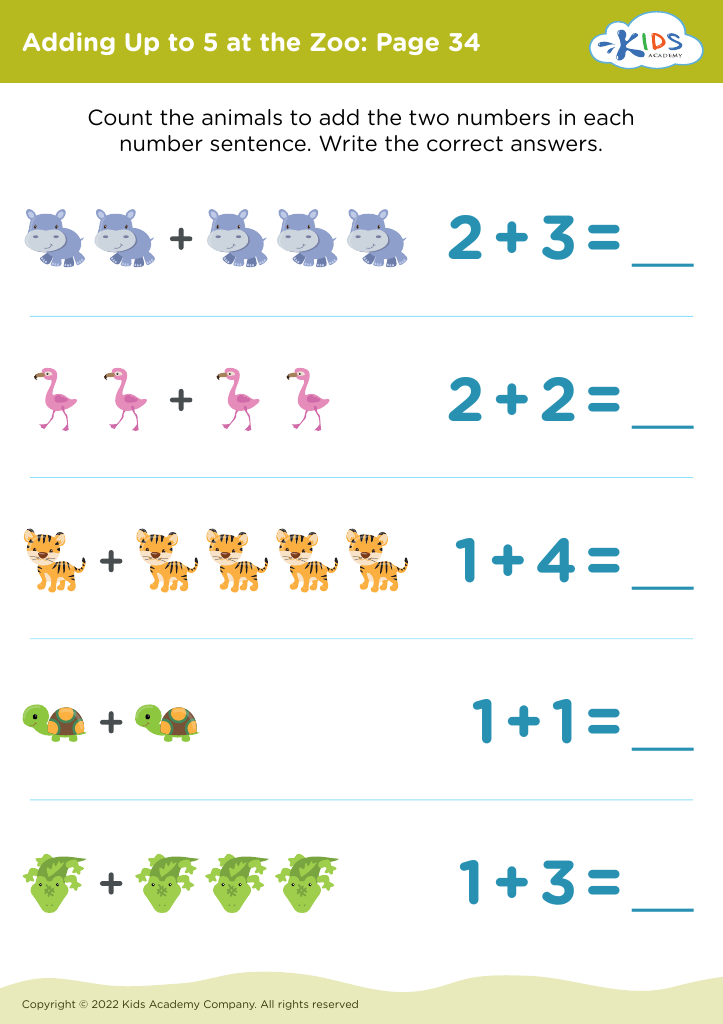
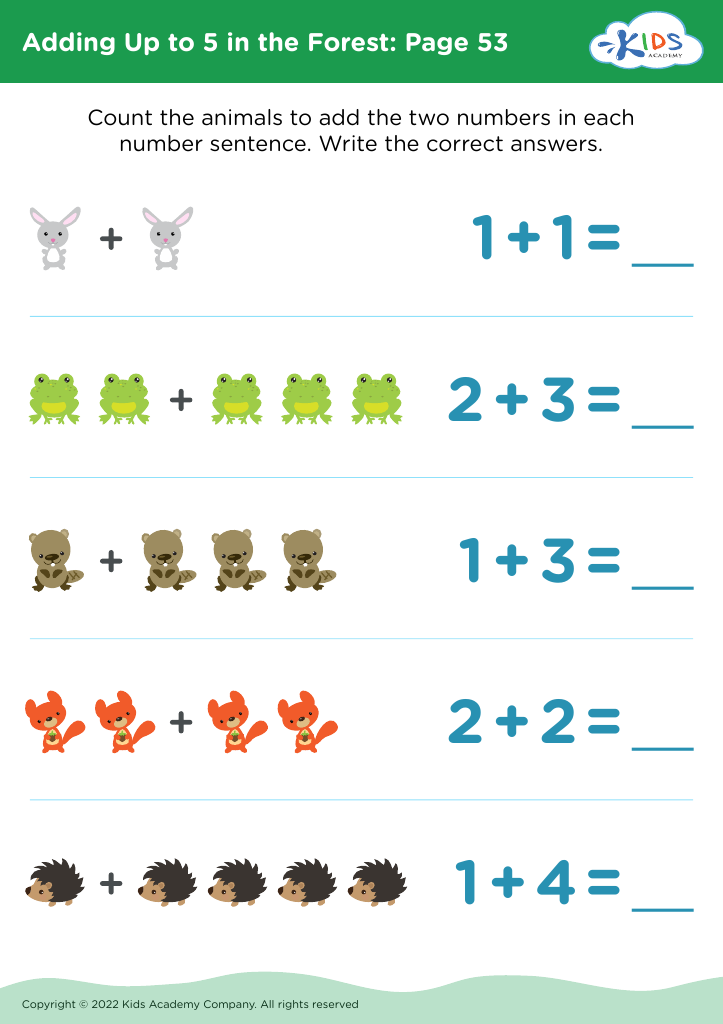
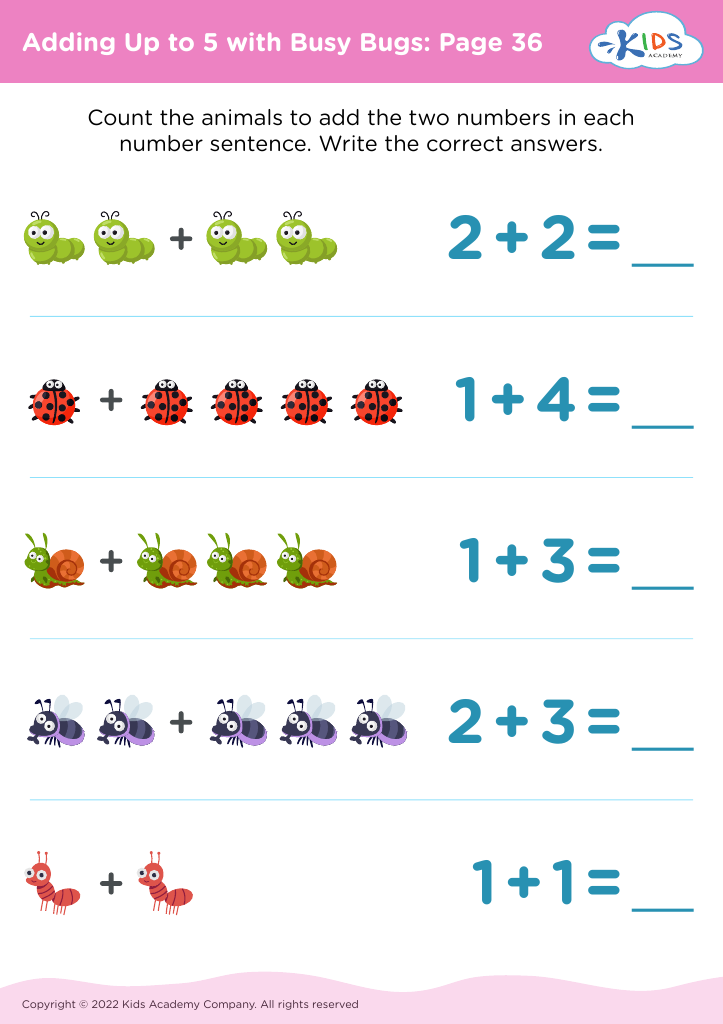
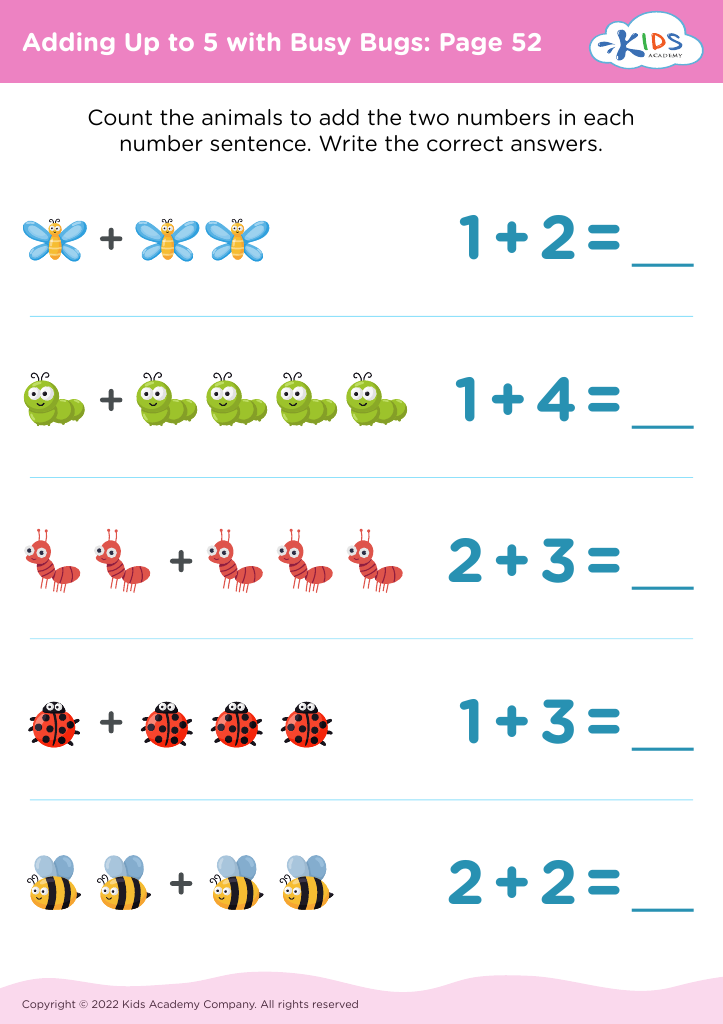








Parents and teachers should prioritize visual comprehension of addition and subtraction for 3-year-olds because it lays the foundation for future mathematical understanding and cognitive development. At this age, children's brains are highly receptive to new information, and early exposure to basic arithmetic concepts ensures they build strong numerical skills. Visual comprehension enables young children to grasp abstract concepts through tangible, relatable images and objects, which makes learning both effective and enjoyable for them.
By incorporating visual aids such as colorful counters, illustrated story problems, or interactive games, children can better understand the mathematical operations of addition and subtraction. This approach promotes active engagement and helps them develop problem-solving and critical-thinking skills, which are essential for academic success. Moreover, early mastery of these skills boosts children's confidence in their abilities, fostering a positive attitude toward learning in general.
Additionally, visual comprehension in early arithmetic reduces future learning gaps between students, leading to more equitable education outcomes. Parents and teachers working together can provide a supportive environment that nurtures a child's natural curiosity and inclination to explore math concepts through play, paving the way for a lifelong love of learning and academic achievement.








